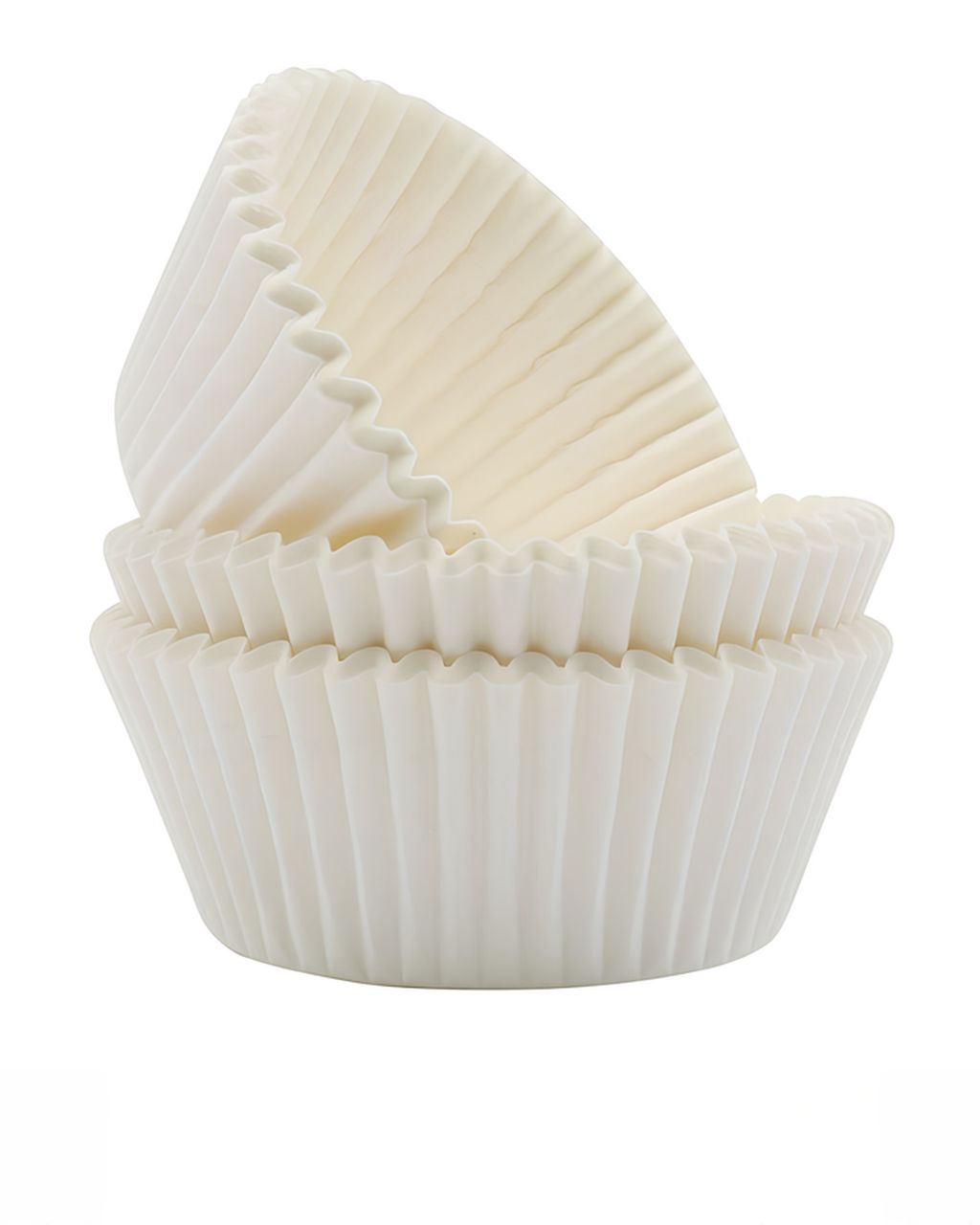
Paper Cupcake Liners – White (300 pcs)
Wedding Dessert Table: How Many Desserts per Guest and How to Build It
Updated Oct 8, 2026
For a wedding dessert table, plan on 2–3 small desserts per guest if you're also having cake and cookies, 3–5 pieces if there's just cake alongside the table, and 5–6 pieces if the dessert table is replacing the cake entirely. From there, it's really about picking 5–7 varieties that can sit out of the fridge for a few hours, building a table with three different heights, and planning ahead so you're assembling, not baking, on the wedding day.
For a wedding dessert table, plan on 2–3 pieces per guest if you're also serving cake and traditional wedding cookies, 3–5 pieces if it's just cake alongside the table, and 5–6 pieces if the dessert table is replacing the cake entirely.
Cake + wedding cookies + dessert table: 2–3 pieces per guest.
Cake + dessert table (no cookies): 3–5 pieces per guest.
Dessert table instead of cake: 5–6 pieces per guest.
One small dessert equals about 2–3 bites, roughly 30–50 g.
Not every guest will take a dessert, but don't count on that as a saving — weddings run late into the night, and the dessert table gets a second wave of attention after midnight. Plan for your full guest count, and treat kids the same as adults; they'll often eat just as much.
Example for 80 guests with both cake and cookies: 80 × 3 = 240 pieces, so 6 varieties at 40 pieces each. Without cookies, that's 80 × 4 = 320 pieces.
For how much wedding cookie dough to bake per guest, see our article Wedding Cookies: How Much to Bake per Guest and How Far Ahead. Just don't double-count that batch on your dessert table numbers.
For 50–150 guests, 5–7 varieties is the sweet spot — more types won't add any extra joy, just extra work. Under 50 guests, 4 varieties is plenty; over 150 guests, add more pieces rather than more varieties.
Build a good lineup around textures and flavours, not just what looks pretty in photos:
1–2 chocolate options (chocolate truffles, chocolate mousse, brownies),
1–2 fruity or fresh options (fruit tartlets, panna cotta with a fruit layer),
1 creamy, cupped option (mini cupcakes),
1 light and crisp option (meringues, macarons),
1 gluten-free or dairy-free option, if you know you'll have guests who need it.
Split the pieces evenly across the board, but make 10–20% more of the chocolate one — it always disappears first.
A dessert table calls for things you can eat by hand or with a small spoon straight from a glass, and that hold their shape for 2–3 hours at room temperature. Whipped-cream slices, ice-cream desserts and soft buttercreams have no place there in summer heat.
Mini cupcakes — the crowd-pleaser of the table: they hold their shape in the liner and can be baked well ahead. Full-size cupcakes are too much for a dessert table — guests take a bite and abandon the rest. Try pistachio cupcakes with lemon curd and mascarpone frosting or chocolate cupcakes with caramel frosting for inspiration, cutting the baking time roughly in half for mini versions. For which frosting holds up best in a warm venue, see Types of Cake Frosting and When to Use Each.
Tartlets — bake the shells days ahead and fill them on the wedding day itself. Try mascarpone tartlets with strawberries and a redcurrant topping or caramel pecan tartlets, both of which hold up well even in a warm room.
Desserts in glasses — panna cotta or chocolate mousse in 60–80ml glasses, made the day before. See strawberry panna cotta with chocolate and mint jelly or chocolate mousse. Just make sure to have extra spoons on hand.
Meringues and macarons — light, colourful, and they keep for days if stored dry. For macarons, salted caramel filling works beautifully.
Chocolate truffles and pralines — the most work ahead of time, but the least on the day itself. Try chocolate truffles with peanut butter (note the peanuts on the card). For how to make pralines, see Homemade Chocolate Pralines: From Choosing Chocolate to Decorating.
What to skip: cakes sliced at the table (they get messy and look tired after an hour), unstabilised whipped cream, chocolate decorations left in the sun, and anything that needs a plate and knife to eat.
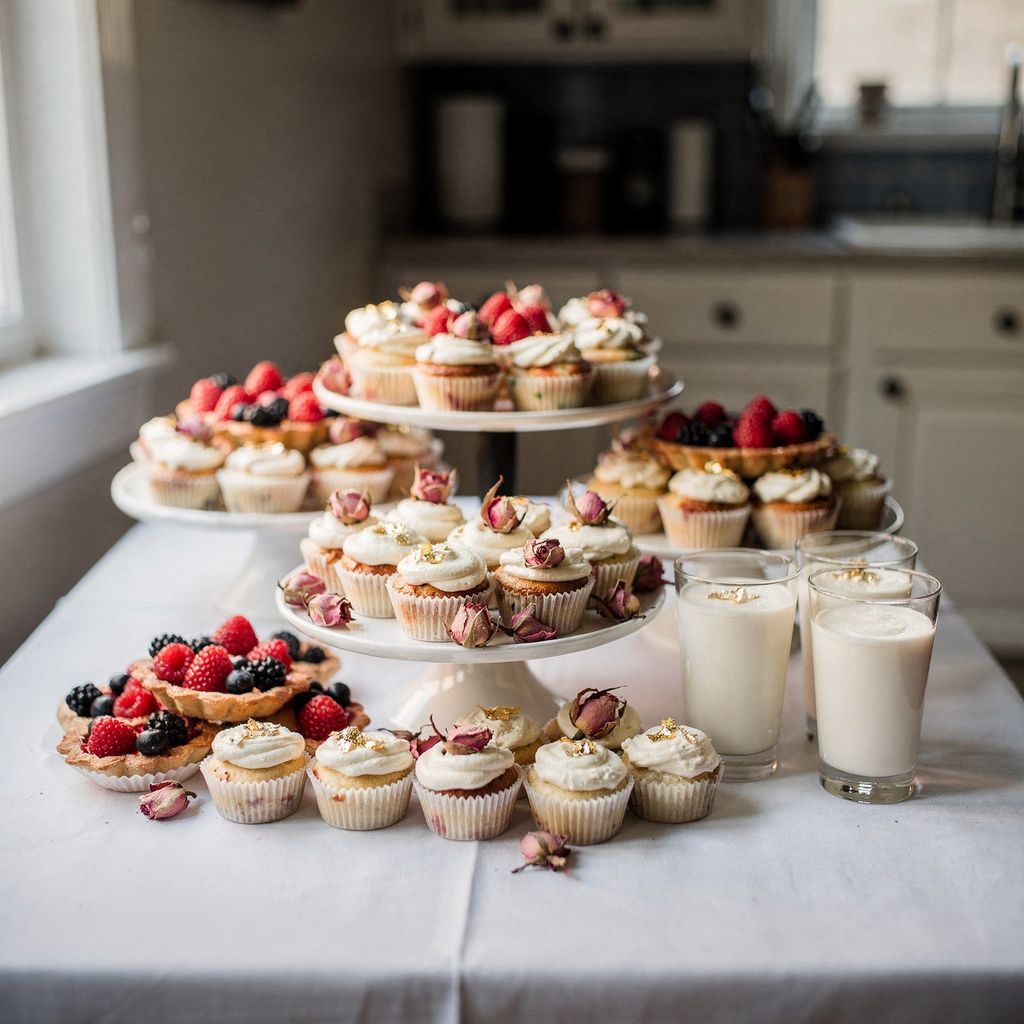
Build the table in three tiers, with the tallest pieces at the back and spoonable desserts at the front, and leave enough room for guests to approach from both sides. Here's how:
Table size. As a rule of thumb, allow 1 m of table length per 40–50 guests so the trays don't overlap. For 100 guests, that's a table around 2–2.5 m long.
Three heights. At the back, use a tiered stand or cake stand (30–40 cm); in the middle, risers 10–20 cm high; at the front, trays set directly on the tablecloth. You can improvise the height tiers with upturned boxes hidden under the cloth.
Double up on each variety. Place it at both the left and right ends of the table. This stops guests from crowding around a single tray and keeps the table looking balanced.
Glasses go at the front and low down. Panna cotta on a tall stand is the first thing that'll tip over.
Labels. A small card by each variety noting the name and main allergens (nuts, gluten, dairy, alcohol).
Half out, half in the fridge. Display roughly half the pieces and top up as the evening goes on. The table looks full all night, and creamy desserts don't sit out in the warmth longer than they need to.
Small plates, napkins and spoons at the start of the table, and take-home boxes at the end.
Three things give a dessert table a cohesive look: matching liners, one accent colour, and one decoration repeated across every variety. You don't need to decorate every piece differently — quite the opposite.
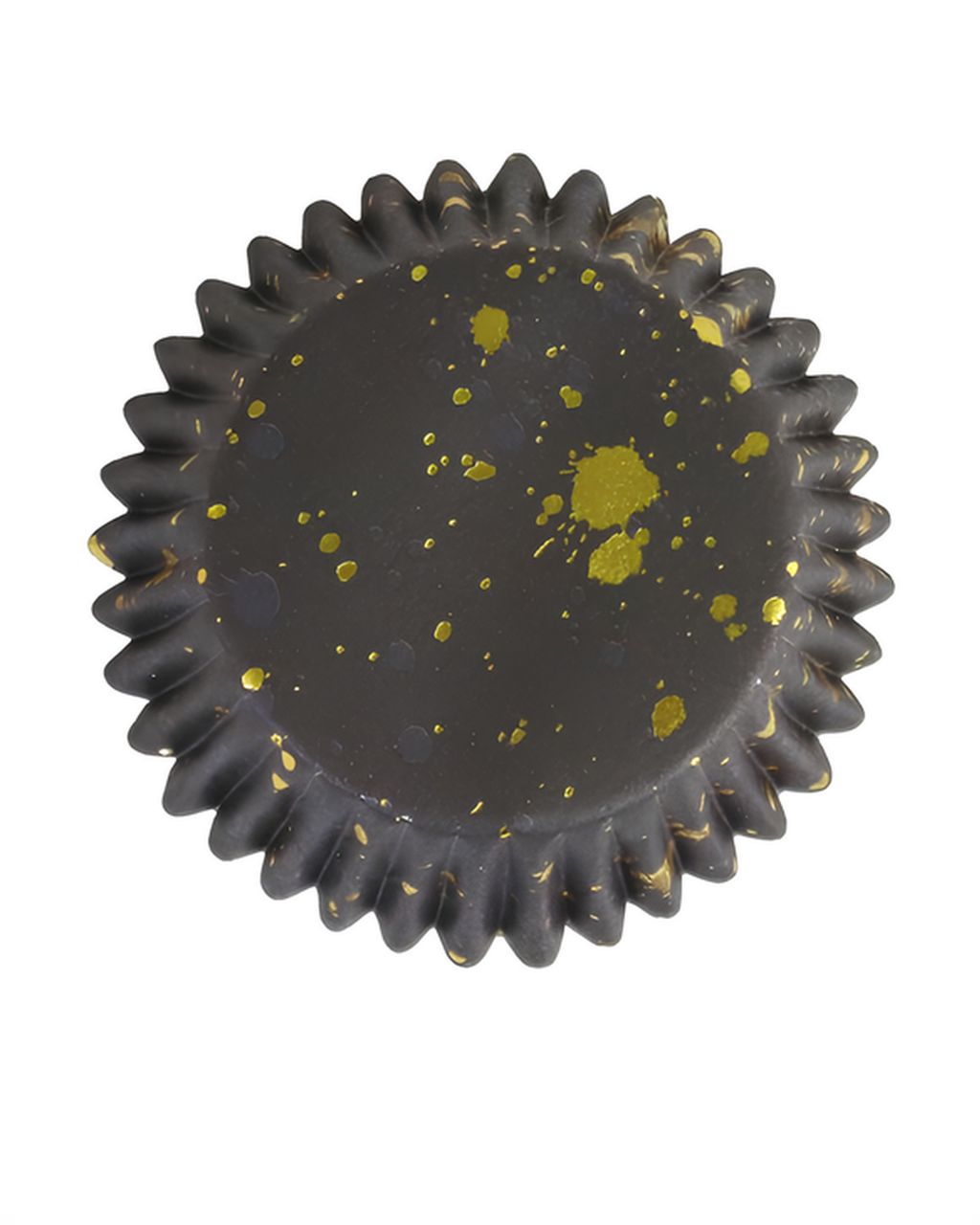
Liners. For mini cupcakes and truffles, keep the liners to one colour. White paper liners are the safest choice and won't compete with the decoration; black-and-gold foil liners add a touch of elegance and show grease stains less than plain paper.
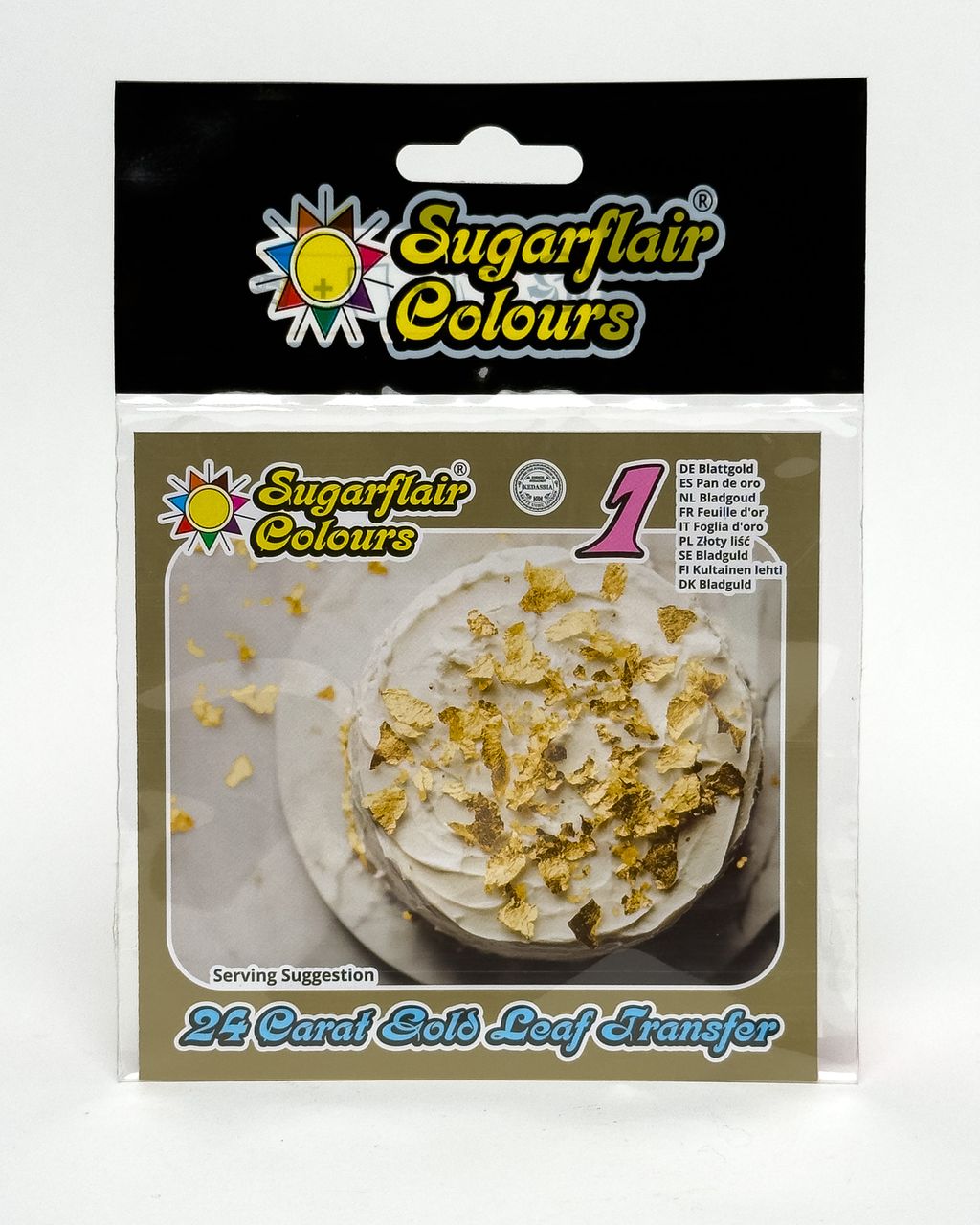
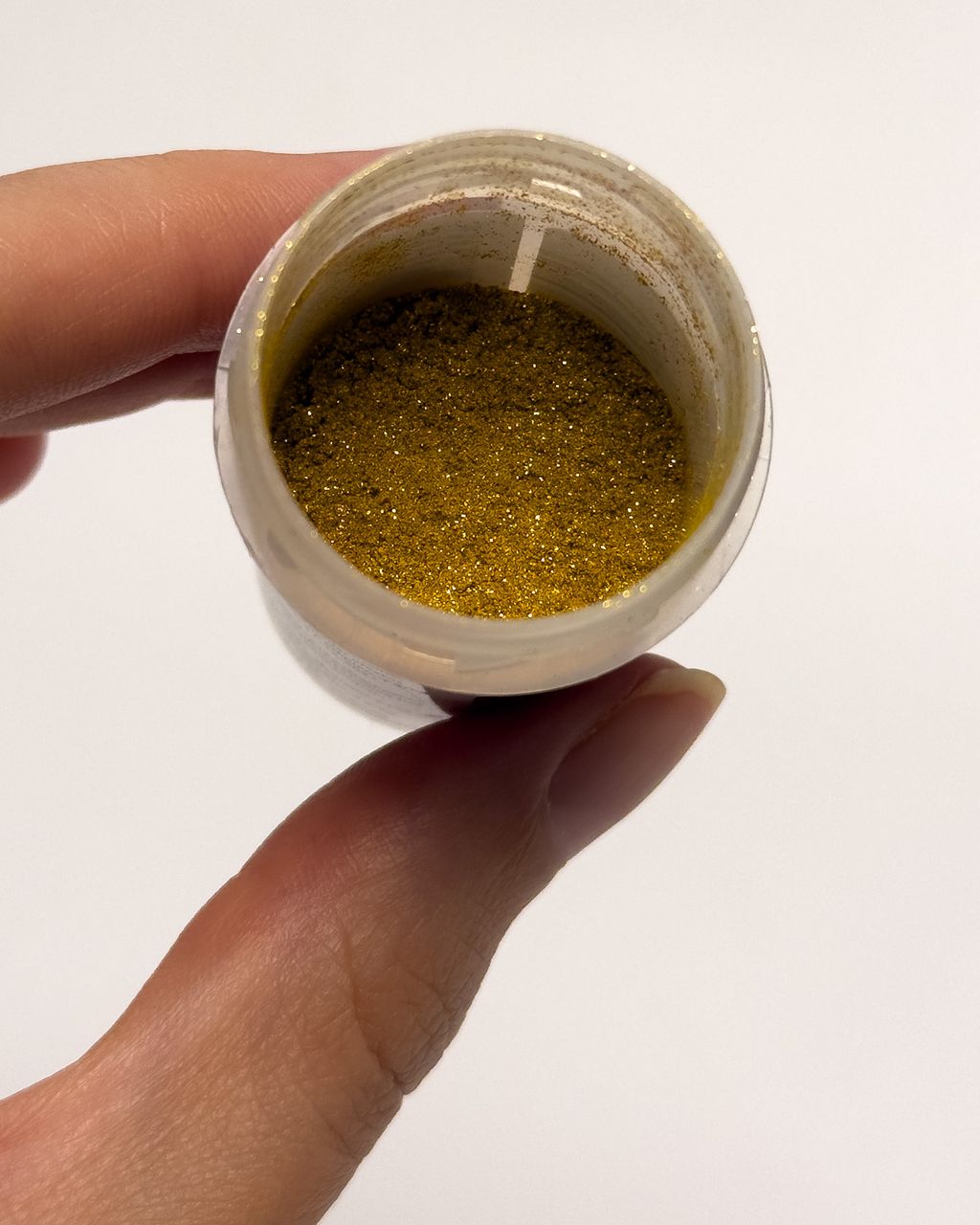
Edible gold. Transfer a sheet of genuine edible gold (22–24 karat, additive E 175) onto the frosting with a dry brush or tweezers — a piece the size of a fingernail is enough for one dessert. Gold shimmer powder is cheaper, can cover a larger area, and can be painted on with a brush mixed with a few drops of alcohol, though the result looks more matte and less "luxurious." Only buy powder explicitly labelled edible, with the ingredients listed on the packaging — powder labelled only "non-toxic" has no place on a dessert. Add gold leaf on the wedding day itself; it can crinkle on damp frosting after a night in the fridge. For what you can actually eat among shimmery decorations and what's purely for show, see Edible Gold and Shimmer Powder on Cakes: What You Can Eat and What's Just Decoration.
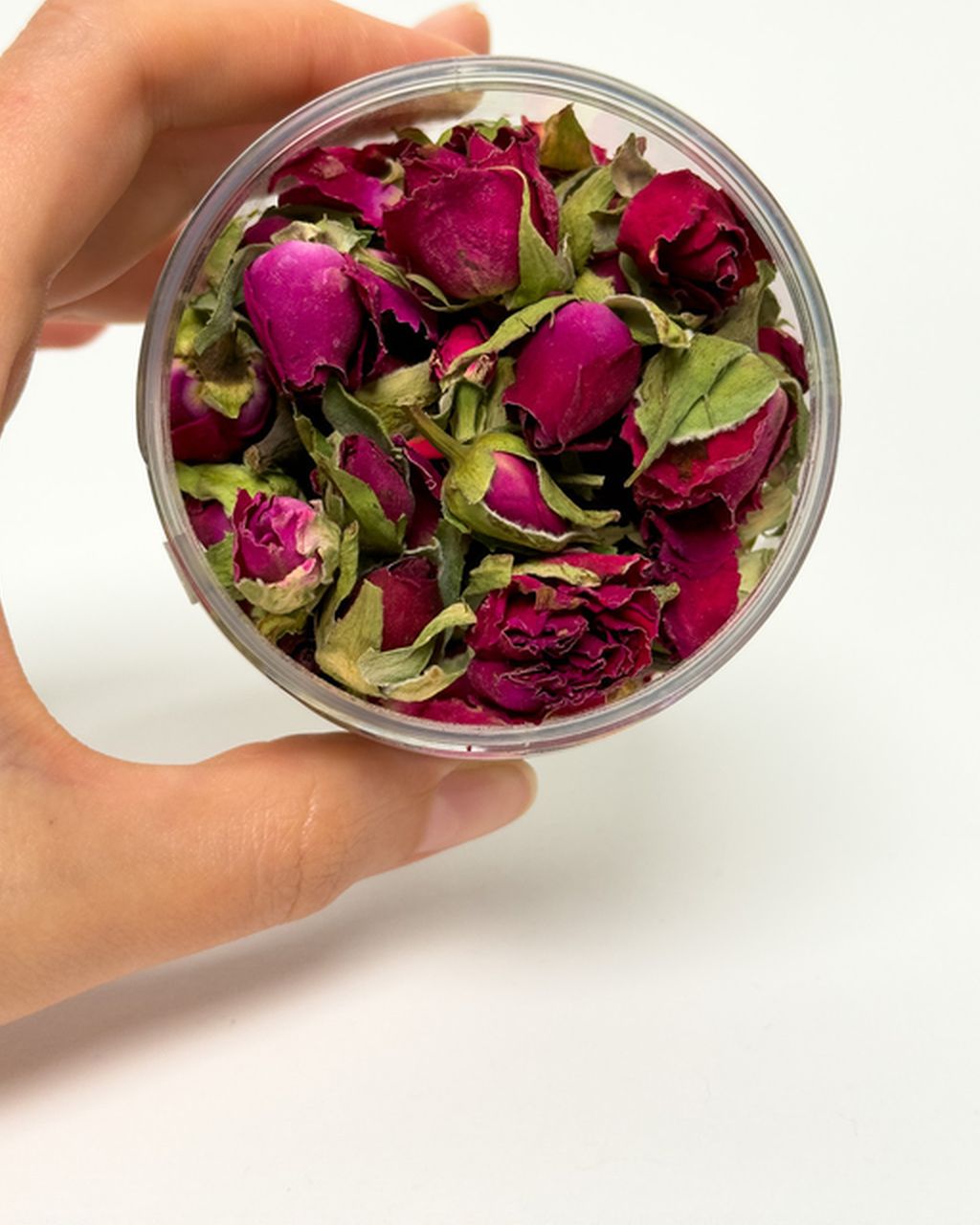
Rosebuds and dried flowers. Dried edible rosebuds hold up on a dessert all evening without wilting or weeping moisture. Fresh flowers from a florist look wonderful but are often treated with pesticides — only edible flowers from a safe source belong on a dessert; decorative flowers should go on the table as styling, not directly on the cream. For which flowers are genuinely edible, see Edible Flowers: Which Ones Are Actually Safe to Eat and Which to Avoid.
For more decoration ideas — sprinkles, powders, flowers — browse our dessert decorating section. But for a dessert table, the rule holds: pick one colour (gold, pink, or white) and stick with it.
Spread your prep over 3–4 weeks so that all that's left on the wedding day is filling, decorating and assembling. A rough plan:
3–4 weeks ahead: order liners, gold, dried flowers, glasses and boxes. Make one test piece of each variety.
2 weeks ahead: meringues (keep up to 1–2 weeks in a dry tin), chocolate truffles (keep roughly 2 weeks in the fridge).
5–7 days ahead: bake and freeze the cupcake bases; frozen, they'll keep for up to a month.
2–3 days ahead: bake the tartlet shells and store them in a dry airtight container.
1 day ahead: make panna cotta and mousse in glasses, prepare frostings, thaw cupcakes, pipe the frosting.
Wedding day: fill the tartlets, add fruit, edible gold and rosebuds, and assemble the table 1–2 hours before serving.
If someone else is setting up the table for you, give them a layout plan showing what goes where — it'll save you a phone call at the worst possible moment.
As a rough guide, ingredients run about 5–15 CZK (roughly $0.25–$0.65) per piece, so 240 small desserts will cost somewhere around 1,200–3,600 CZK ($50–$155), depending on how much chocolate, mascarpone and fruit you use. On top of that, budget a one-off few hundred up to around 1,500 CZK ($65) for liners, glasses, boxes and decoration — and above all, your time: 240 pieces means 2–3 weekends of work.
Arrange for one person — a witness, a friend, or the venue staff — to top up desserts from the fridge every hour and clear away empty trays. It shouldn't be the bride or groom; just give that person a table plan and a list of what's in the fridge.
Ask about allergies and dietary needs right on the RSVP, and make sure at least one dessert variety suits those guests. Put it on its own tray with its own tongs and a clear label, so it doesn't pick up crumbs from the other desserts, and note the main allergens for every variety on display.
Transport creamy desserts and anything in glasses in cooler boxes with ice packs, and carry cupcakes in boxes with a slotted insert so they don't shift around. Take tartlet shells empty and fill them on site; in summer, never leave desserts in a hot car — drive straight somewhere cool.
Hand out leftovers of shelf-stable desserts (meringues, truffles, macarons) to guests in take-home boxes at the end of the night. Creamy desserts that have been out of the fridge for more than 2 hours are best thrown away; the ones that stayed chilled will keep until the next day.
One recipe worth heating the oven for, one tip, and one deal from the shop. Nothing else.