Summer cake with mascarpone, curd cheese and a mountain of fresh fruit
Edible Flowers: Which Ones You Can Actually Eat and Which to Avoid
Updated Oct 6, 2026
Edible flowers are the ones you can identify with total certainty, and that haven't been treated with chemicals meant for ornamental plants. The safest choices are pansies, violets, nasturtiums, pot marigold, roses, cornflowers, daisies, lavender, elderflower, and herb flowers. But knowing the species isn't enough on its own: a flower from a florist or a roadside flowerbed isn't edible, even if it's technically a rose. Here's what you can eat, what you should never eat, how each one tastes, and how to put edible flowers on a cake so they still look good by the time it reaches the table.
The most common edible flowers are pansies, violets, nasturtiums, pot marigold, roses, cornflowers, daisies, lavender, elderflower, chives, basil, courgette and pumpkin flowers, plus borage in small amounts as a garnish. They're well documented, easy to identify, and all easy enough to grow in your own garden.
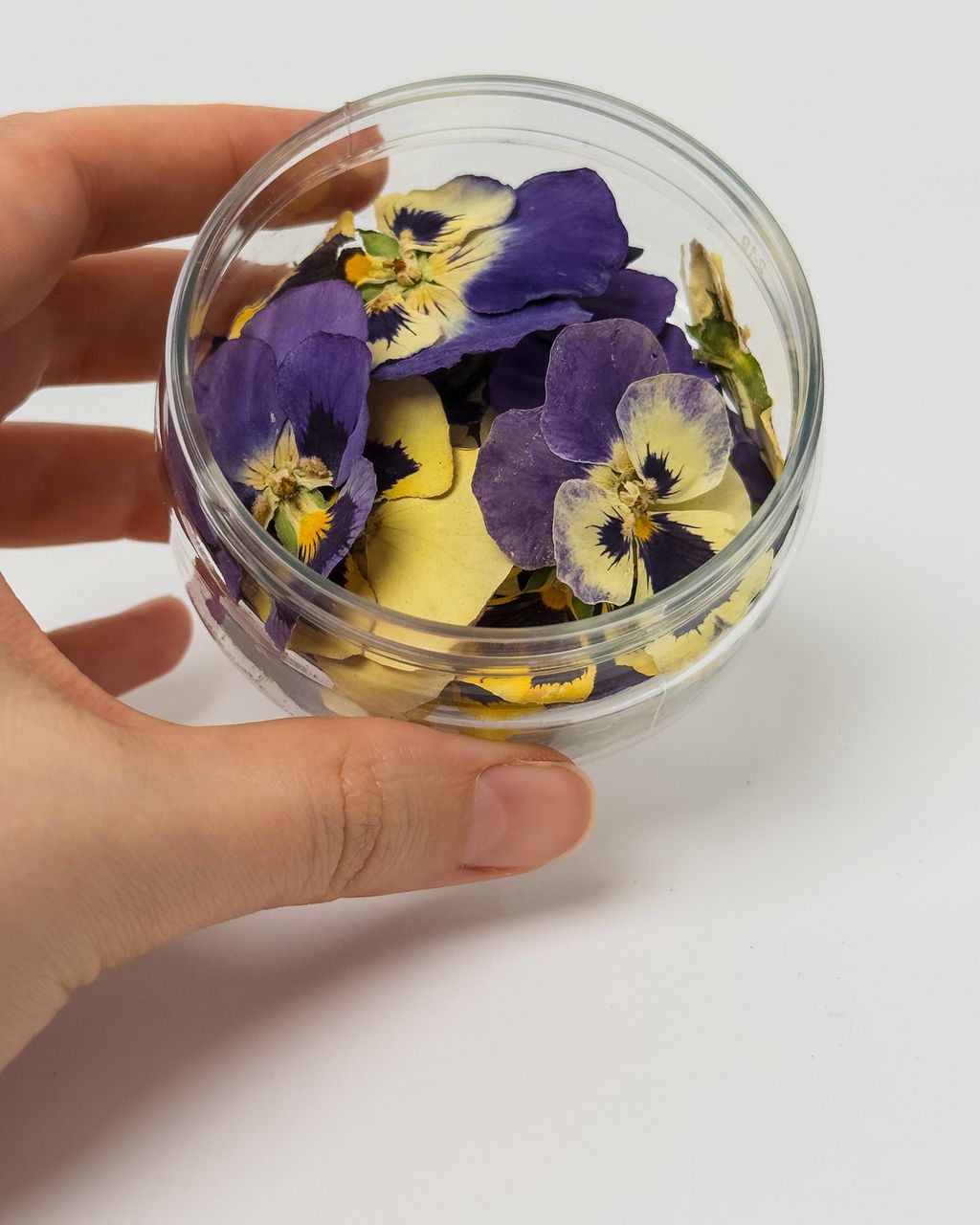
Pansies and violets – delicate, slightly grassy, the most popular edible flowers for cakes.
Nasturtiums – peppery and sharp like watercress, lovely in salads.
Pot marigold – petals with a mild bitterness, give a yellow-orange colour.
Borage – blue star-shaped flowers that taste like cucumber. It contains pyrrolizidine alkaloids, so use it only as a garnish, a flower or two at a time, never by the handful.
Roses – fragrant petals; the stronger the scent, the more flavour they add. Snip off the white base of each petal, as it's bitter.
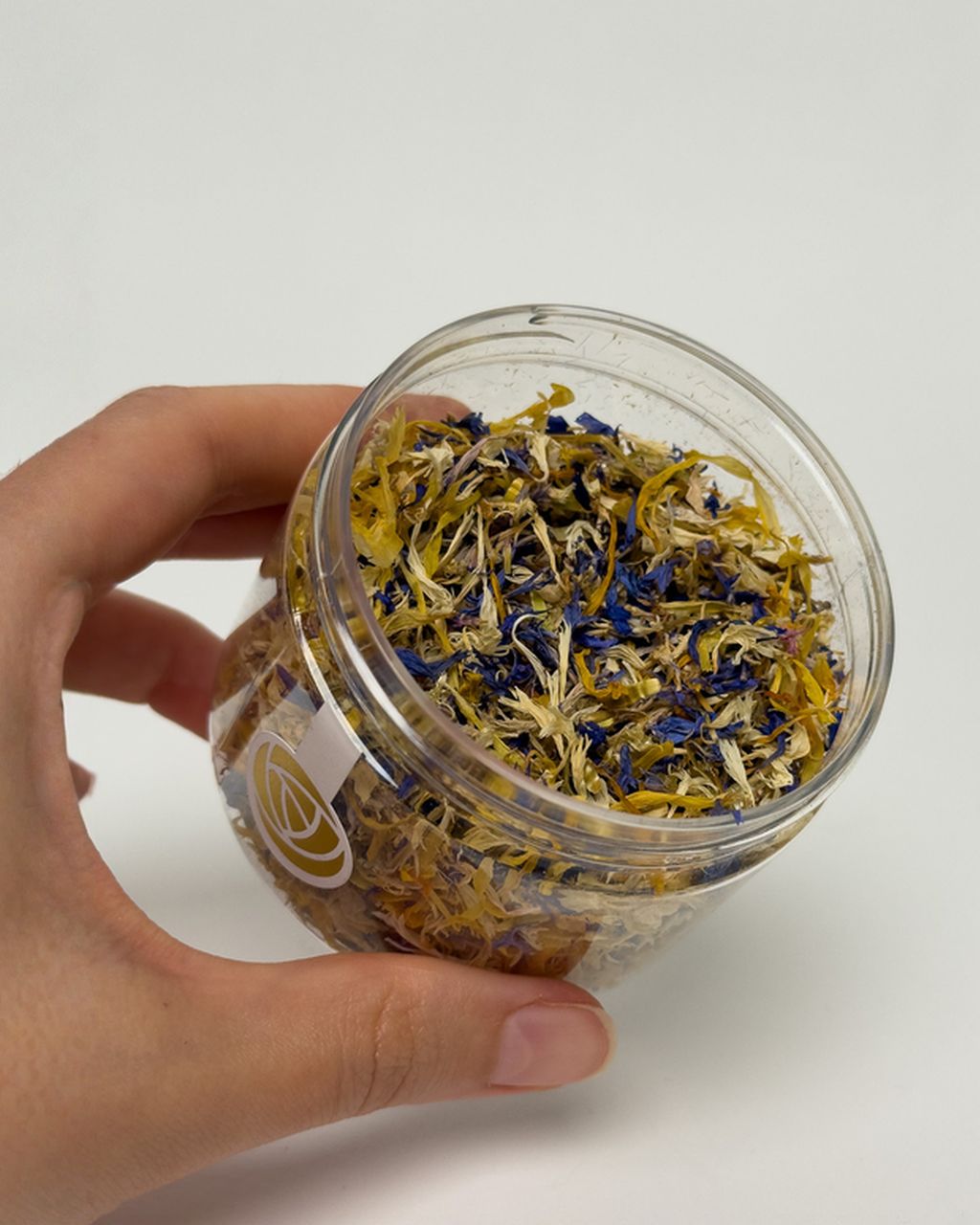
Cornflowers – vivid blue, almost neutral in flavour, mainly used for colour.
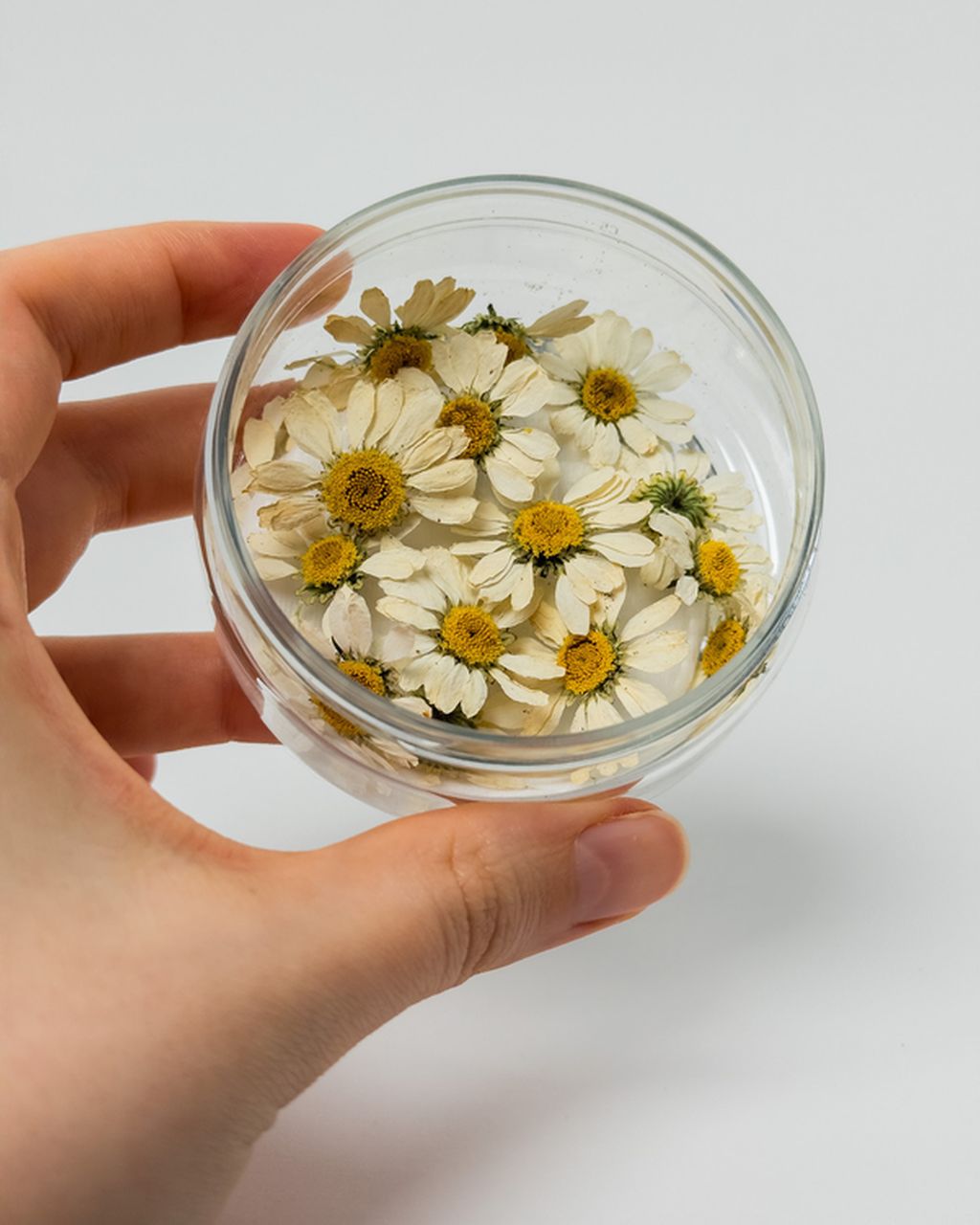
Daisies – tiny, slightly bitter, pretty as a garnish.
Lavender – strong; honeyed in small amounts, soapy if overdone.
Elderflower – sweetly musky, the base for syrups. Eat only the blossom, never the stems.
Chives, basil, thyme, rosemary – the flowers taste like the herb itself, just milder.
Courgette and pumpkin – large blossoms, great for stuffing or dipping in batter.
Never eat lily of the valley, foxglove, oleander, daffodil, autumn crocus, hydrangea, azalea, rhododendron, or sweet pea. These often grow in the same garden as edible flowers, so watch out for mix-ups.
Lily of the valley contains dozens of cardiac glycosides. The whole plant is toxic; never let anyone drink water from a vase that's held lily of the valley. Every spring, people mistake its young leaves for wild garlic — but wild garlic smells of garlic, and lily of the valley doesn't.
Foxglove contains cardiac glycosides, mainly digitoxin (the source of several heart medications), and ranks among the most poisonous garden plants.
Daffodil contains the alkaloid lycorine, concentrated mostly in the bulb, but the flower is toxic too.
Oleander is highly poisonous throughout, leaf and flower alike.
Hydrangea, azalea and rhododendron often turn up on cakes for their looks, but they don't belong on your plate.
What about the rule "if it's pretty and smells nice, it must be edible"? It doesn't hold. The only way to know if a flower is edible is by its species, never by its appearance.
A flower is safe when it meets three conditions: you're certain of the species, you know where it came from, and you only eat the edible part. If even one of those is missing, skip it.
Certain identification. Only use species you can name in Latin, too. "Looks like a violet" isn't enough.
A clean source. Edible flowers sold as food, your own unsprayed garden, or a meadow well away from roads, fields and dog-walking spots. Ornamental plants from garden centres are often treated with products that have no place in food.
Petals only. On larger flowers, remove the pistil, stamens and calyx. Pollen is bitter, overpowers the flavour, and can trigger allergies in sensitive people.
The first time you try a new species, taste a small piece first. This matters especially with daisy-family flowers (marigold, daisy, cornflower, chamomile): they can cross-react with mugwort or ragweed pollen. Anyone allergic to those pollens should skip them altogether.
Pick fresh flowers in the morning, once the dew has dried but before the sun gets too strong. Store them unwashed and rinse only right before use: a quick dip in cold water, then let them dry on a paper towel.
Add edible flowers to a cake right at the end, 1–3 hours before serving, and set them on a frosting that's firm and not too damp. On a wet surface, fresh flowers wilt fast, while dried ones soak up moisture and turn soft.
Fresh flowers work well on buttercream, ganache or mascarpone frosting. Whipped cream is too moist, and flowers wilt on it fastest of all.
Never push the stem straight into the cake. With edible flowers you don't need to anyway — just lay them on top. If you're also decorating with non-edible flowers, wrap their stems in food-safe film.
Dried edible flowers are more reliable on cakes: they hold their shape, don't wilt, and don't brown. Scatter them on a dry surface — chocolate glaze, set ganache, or the edge of the sponge.
Watch the colour. Blue cornflowers and purple petals can bleed colour onto damp frosting. Add them just before serving.
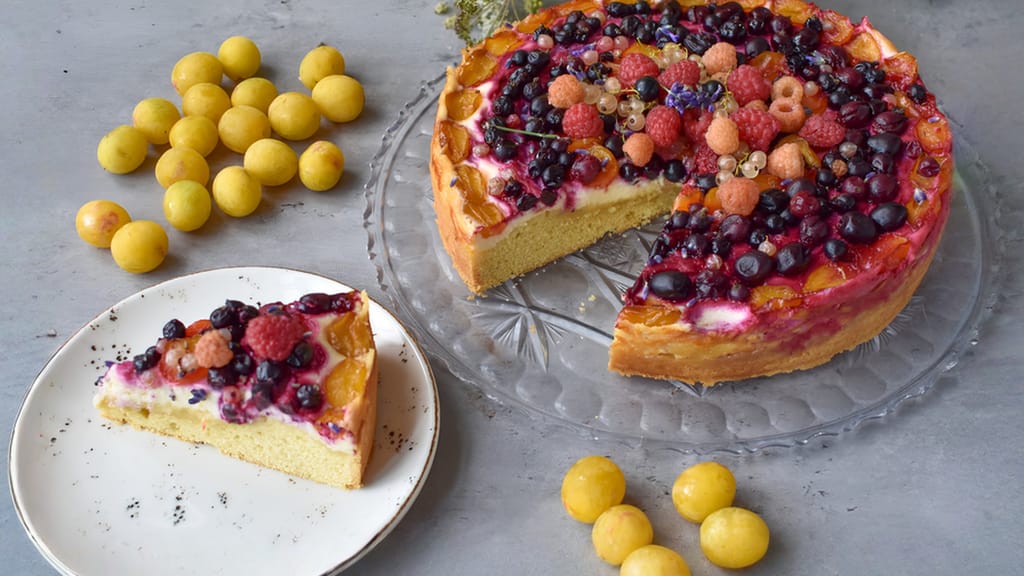
For a fruit cake that pairs beautifully with flowers, try a summer mascarpone cake with curd cheese and fresh fruit. The frosting is firm, and the fruit and flowers suit each other in colour. For tips on combining fruit and flowers on a cake without it looking overdone, see our article on decorating cakes with fruit and edible flowers.
Summer cake with mascarpone, curd cheese and a mountain of fresh fruit
Summer mascarpone and fruit cake: a firm frosting that holds edible flowers in place
Dried edible flowers are the better choice anywhere decorations need to last more than a few hours, or on damp surfaces. Fresh flowers win where you want fragrance and juiciness, say in a salad or a drink.
Shelf life: dried flowers keep for months in a sealed container in a cool, dark spot; fresh ones last 2–4 days in the fridge.
Where to use them: cakes and cupcakes, chocolate bars, sweets, granola, biscuits, pastries and tea blends.
How to store them: in a tightly sealed container, away from light and steam from the stove. Light fades their colour, moisture makes them clump.
How to handle them: sprinkle with dry fingers or tweezers. Press them into sticky icing right away, before it sets.
Ready-to-use dried flowers like pansies, daisies and cornflowers are available among our edible flowers for decorating. They're sold as food, so there's no need to vet them yourself. They work just as well on biscuits as on cakes — find more ideas in our article on what to decorate biscuits with.
Edible flowers range from nearly neutral to boldly peppery. Roses, violets, pansies, elderflower and lavender suit sweet dishes; nasturtiums, chives and herb flowers suit savoury ones.
Sweet and fragrant: rose, elderflower, lavender, violet.
Neutral, mainly for colour: cornflower, pansy.
Peppery and sharp: nasturtium, rocket flower.
Fresh: borage (cucumber-like, just a flower or two as garnish), mint and basil (tasting like the herb).
Oniony: chive and garlic flowers, perfect for spreads and eggs.
Slightly bitter: marigold, daisy.
Go easy on lavender: ½ teaspoon of dried lavender per 250 g of frosting is plenty. A whole tablespoon tastes like soap.
The best-known Czech recipe using edible flowers is elderflower syrup, made by macerating the blossoms in water with sugar and lemon. Fresh rose petals, meanwhile, are brilliant in drinks, where their fragrance really comes through.
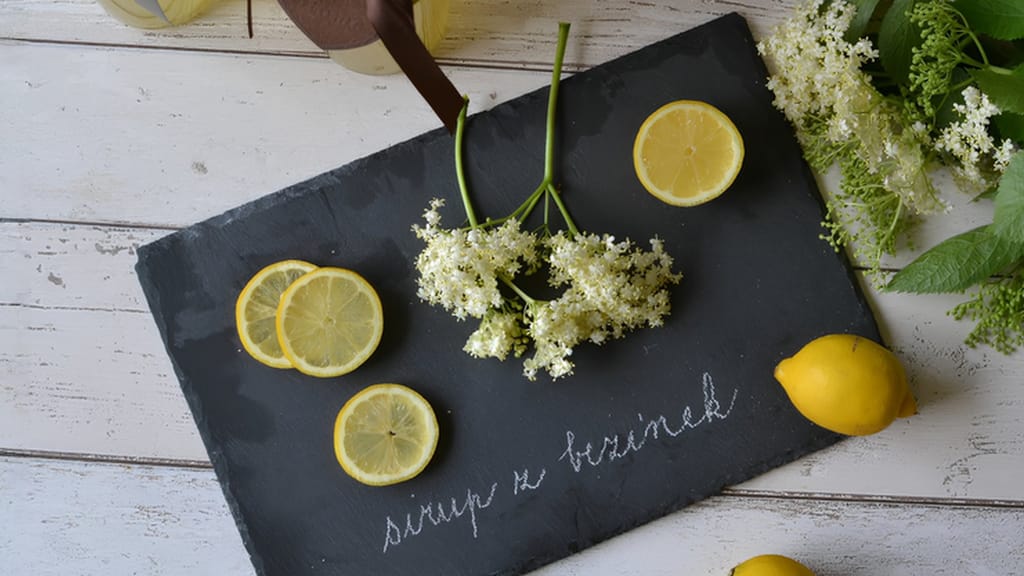
Wonderful homemade elderflower syrup
Homemade elderflower syrup
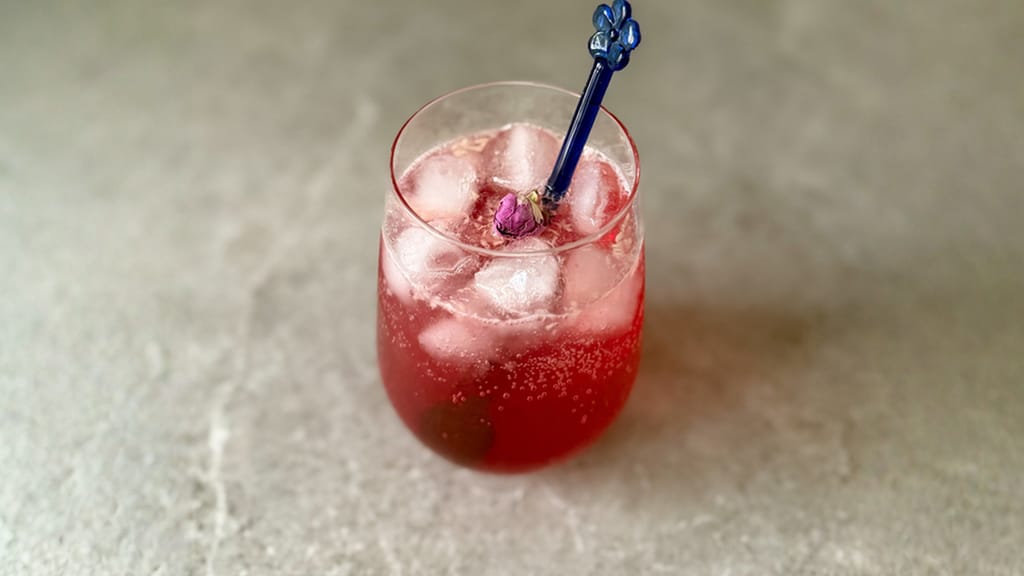
Homemade rose mocktail with ginger and rose petals
Rose and ginger non-alcoholic cocktail with edible rose petals
Only buy edible flowers from places that sell them as food: dried ones from baking and cake-decorating shops, fresh ones from edible-flower growers or well-stocked greengrocers and herb sellers. Bouquets from a florist and potted plants from a garden centre aren't for eating, since they're grown as ornamentals. The cheapest option is to grow your own pansies, nasturtiums or pot marigold in a bed you know hasn't been sprayed.
Yes, you can bake edible flowers into biscuits, but they'll lose some colour and shape in the oven. Thin petals like pansy or violet hold up best when pressed into the biscuit surface and baked briefly at a lower temperature, around 150–160°C (300–320°F) for about 8–10 minutes. For even more colour, press the flowers on only in the last 2–3 minutes of baking. For the most vivid colour, add them after baking instead, sticking them on with a thin layer of icing.
Yes, children can eat edible flowers, as long as they're a verified species from a clean source and used sparingly as a garnish. For young children, stick to gentle varieties like pansy, violet or rose, and skip borage and lavender. Introduce any new flower in small test amounts first, especially for children with pollen allergies.
Freeze edible flowers into ice cubes in two stages so they stay centred in the cube. Fill the mould halfway with cooled boiled water, drop in the flower, and let it freeze. Then top up with more water and freeze again. Pansies, violets, cornflowers and rose petals all work well this way.
Edible flowers on a cake can be swapped for fresh herbs (mint, lemon balm, thyme), small fruits like redcurrants and blueberries, or sugar flowers. Freeze-dried fruit crushed to a powder can also mimic colours similar to cornflower blue or marigold orange.
One recipe worth heating the oven for, one tip, and one deal from the shop. Nothing else.