Chestnut vegetable soup

Updated Jul 19, 2026
Great vegetable soup comes down to three things: a slowly sweated aromatic base of onion, carrot and celery, good stock, and fresh seasonal vegetables cut into even pieces. You can make it from whatever's in your veg drawer, and it's easy to adapt to the season or your diet. In this guide, I'll walk you through the whole process step by step — from choosing ingredients to seasoning it right, getting the texture just how you like it, and vegan and gluten-free variations.
The difference between a bland soup and a brilliant one isn't some exotic ingredient — it's the base: the aromatic trio of onion, carrot and celery (a mirepoix), slowly sweated in fat, roughly in a ratio of 2 parts onion : 1 part carrot : 1 part celery, plus good stock. Everything else is fresh vegetables and smart seasoning.
What goes in the pot, and why:
Carrot – natural sweetness and a deep orange colour. Pick firm, smooth roots with no cracks or blemishes.
Celery (stalk and root/celeriac) – aromatic depth and a hint of umami. Go for firm stalks with bright green leaves.
Onion and garlic – the flavour backbone of the whole soup. Onions should have a dry skin and firm flesh; add the garlic right at the end so it doesn't turn bitter.
Potatoes – body and thickness (more on this below).
Fresh herbs – parsley, thyme, bay leaf. Add dried and hardier herbs earlier, delicate fresh ones right at the end.
Stock matters more than you'd think — homemade vegetable stock gives the soup a body that water or a stock cube just can't match. If you're using water, lean even harder on a well-sweated base and a good final seasoning.
For a chunky soup, use firm, low-starch potatoes (waxy varieties) — they hold their shape and won't turn to mush. If you want a naturally thick, creamy soup instead, go for starchy (floury) potatoes, which break down and smooth out the broth. Peel them just before cooking so they don't lose freshness needlessly.
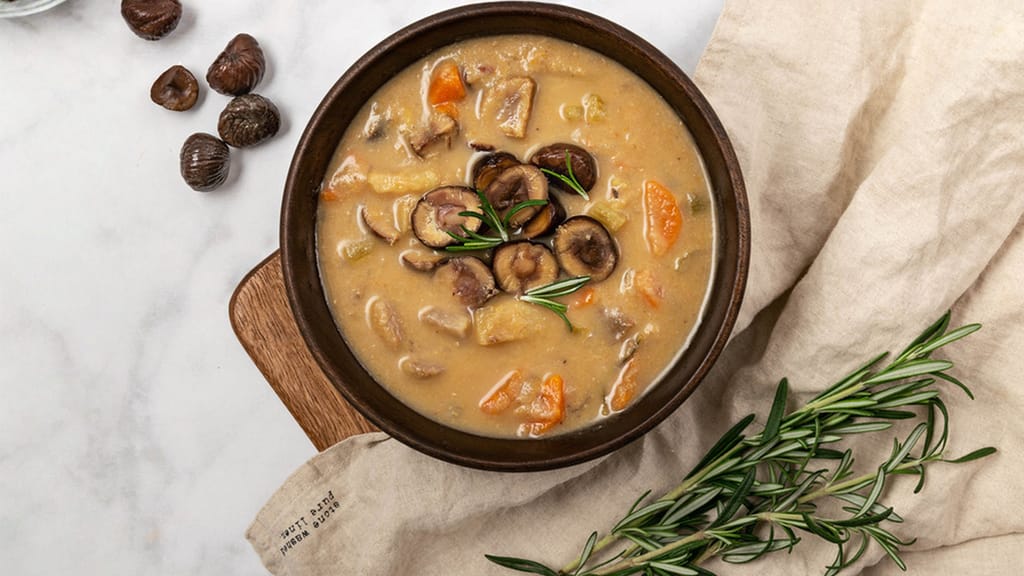
Chestnut vegetable soup
Creamy chestnut vegetable soup — a velvety twist on the classic with natural sweetness
You can make vegetable soup in five steps: cut the vegetables into even pieces, sweat the aromatic base, add the firmer vegetables, pour in the stock and simmer gently, then season to taste and decide on the texture.
Cut the vegetables into equal-sized pieces. Cut firmer vegetables (carrot, celery, potato) smaller than softer ones — that way everything finishes cooking at the same time, with nothing left raw or overcooked.
Sweat the aromatic base. In a spoonful of oil or butter, let the onion, carrot and celery soften over low heat for 8–10 minutes without browning — the goal is for them to turn sweet, not caramelised. A pinch of salt right at the start helps the vegetables release their moisture. Add the garlic only in the last minute.
Add the firmer vegetables and sauté them briefly so they get coated in fat and pick up flavour.
Pour in the stock and simmer gently, not at a rolling boil. Bring to the boil, then turn down to a gentle simmer and cook for 15–25 minutes, until the vegetables are tender. A hard boil breaks up delicate pieces and cooks off flavour unnecessarily; plus, temperatures above roughly 70°C break down vitamin C, so don't cook any longer than you need to.
Season to taste and decide on the texture — chunky, or blended smooth.
You choose the texture right at the end. For a creamy soup, blend the pot's contents with a stick blender right in the pan; for a silky-smooth finish, pass it through a sieve afterwards. If you want a chunky soup, blend just a third of it and stir it back in — the broth thickens while the vegetable pieces stay intact. For creaminess without cream, use a cooked potato, a handful of well-cooked red lentils, or a spoonful of oat or coconut cream.
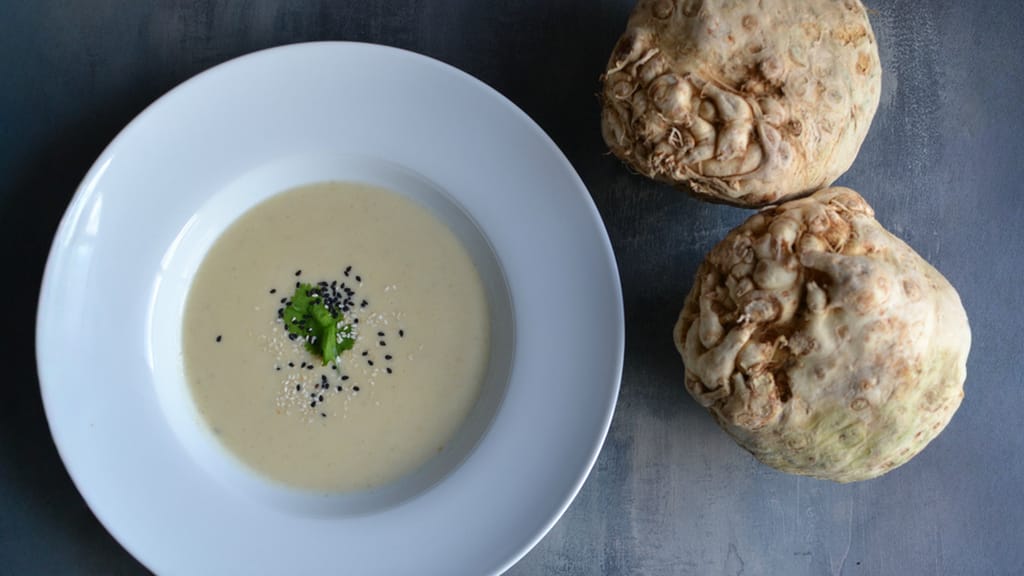
Creamy roasted celeriac soup
Creamy roasted celeriac soup — a great example of a smooth, velvety texture without cream
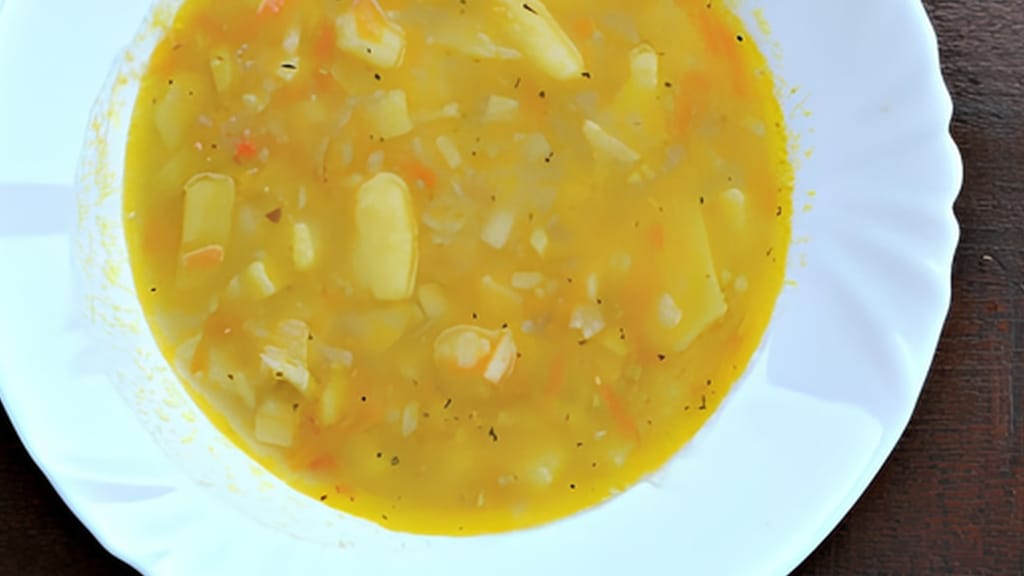
Super-quick potato soup
Super-fast potato soup — a basic vegetable soup for when you're short on time
Four levers reliably rescue a bland soup: salt, acid, umami and fat. Once the vegetables are tender, adjust the flavour like this:
Salt – add it gradually and taste as you go; it's easier to fine-tune than to fix an oversalted pot.
Freshly ground pepper – add it just before serving so it doesn't lose its aroma.
Acid (a few drops of lemon juice or apple cider vinegar) brightens the flavour and balances the sweetness of the vegetables. A teaspoon at the end of cooking is enough.
Umami – a teaspoon of miso paste, a splash of soy sauce, a parmesan rind simmered in the pot, or sun-dried tomatoes all add depth.
Fat on top – a few drops of good olive oil carry the aroma and round out the flavour.
The right side turns soup into a full meal. Some tried-and-true combos:
Crusty toast or garlic bread – toast slices in a pan or the oven with a little oil until golden; the crunch contrasts nicely with the soup's softness.
Grated cheese (parmesan, mature cheddar) – melts on the surface into a delicious layer.
Crunchy roasted chickpeas or seeds – add texture and protein.
A spoonful of yoghurt or sour cream, fresh herbs, or a few drops of chilli oil for colour and a kick.

Roasted chickpeas
Roasted chickpeas — a crunchy topping for vegetable soup instead of croutons
The best soup is made from whatever's in season right now — it tastes better and costs less. In spring, reach for asparagus, peas, young carrots and cauliflower; in summer, courgette, tomatoes and peppers; in autumn, pumpkin and root vegetables; in winter, cabbage, beetroot and potatoes. A few ideas for each season:
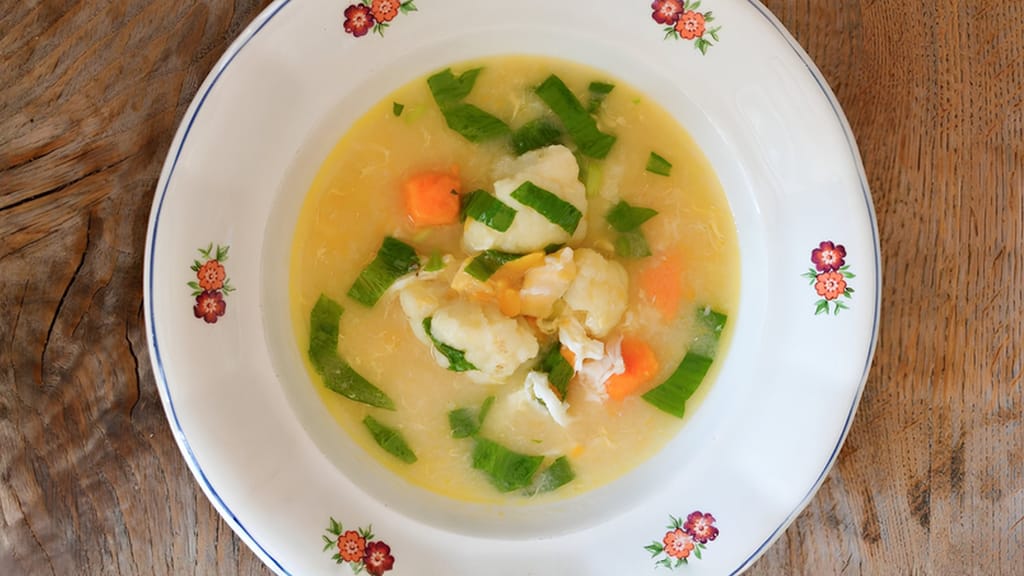
Spring cauliflower soup with sweet potatoes and herbs
Spring cauliflower soup with sweet potato and herbs — a light spring vegetable soup
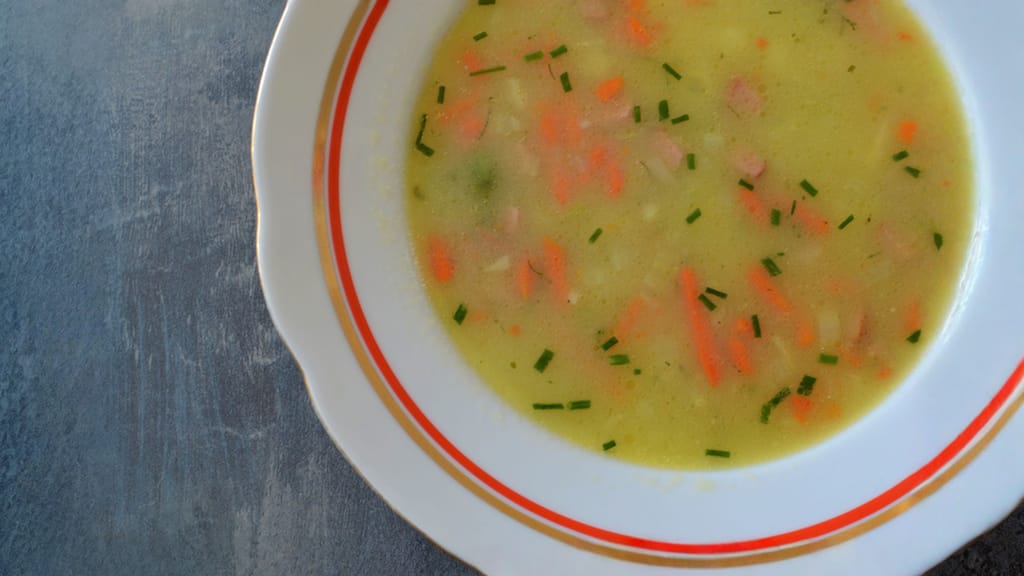
Quick recipe? summer zucchini soup
Summer courgette soup — a quick, refreshing vegetable soup for hot days
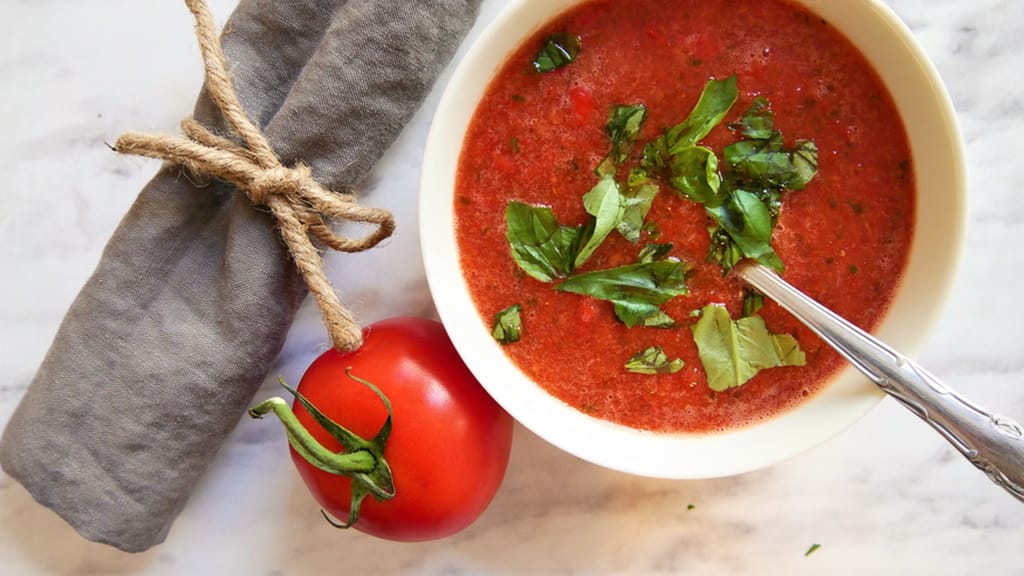
Watermelon gazpacho
Watermelon gazpacho — a chilled summer take on vegetable soup
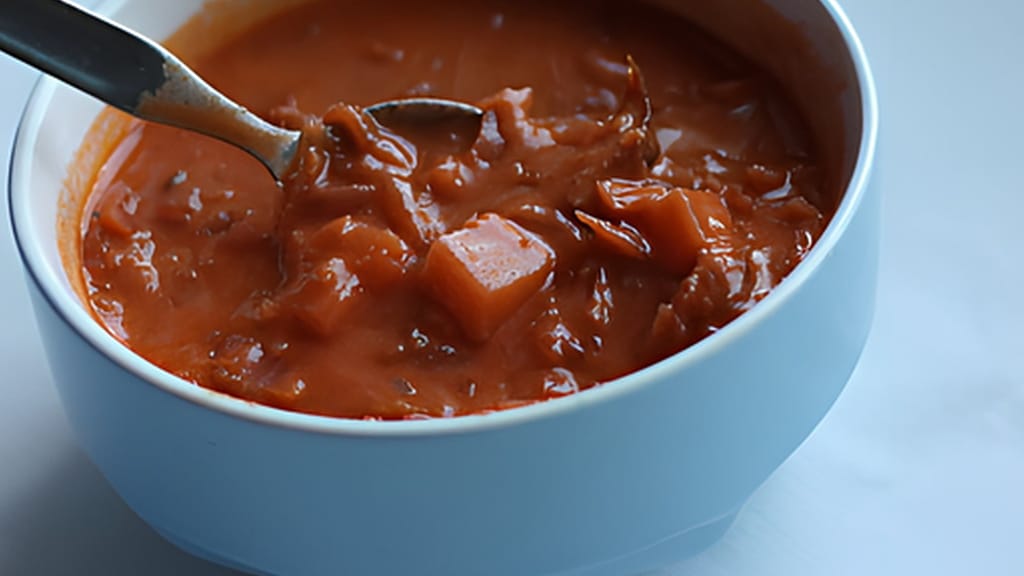
Winter red soup
Winter red soup — a hearty root vegetable soup for cold days
Vegetable soup is a forgiving base that easily adapts to any diet — just swap a few ingredients.
Making it vegan is easy: use vegetable stock instead of meat stock, and swap the cream for coconut milk, oat cream or soy cream. Coconut milk also adds a subtly exotic note that pairs beautifully with chilli and lime. If you're curious about the differences between plant-based diets, check out our article on vegetarian vs. vegan.

Red lentil soup with coconut milk and chilli
Red lentil soup with coconut milk and chilli — vegan, hearty and spicy
Classic vegetable soup is naturally gluten-free — just watch out for thickening with plain flour, and for pasta or stock cubes that contain gluten. Use rice or corn noodles instead of regular ones, or add quinoa or buckwheat for texture and protein. You'll find practical tips in our article on how to cope with a gluten allergy.
If you want the soup to really fill you up, add pulses — lentils, chickpeas or beans bring protein, fibre and a subtly nutty flavour. For pasta, small shapes like orzo or vermicelli work well in soup; add them near the end so they don't overcook.
Yes — vegetable soup is filling yet light and low in calories, and it's a decent source of vitamins, minerals, fibre and water. The exact numbers depend on which vegetables you use, but in general:
Vitamins and minerals. Fresh vegetables provide vitamin C and A along with minerals like potassium and magnesium; experts note that vitamin C supports immunity while vitamin A supports eye and skin health.
Vitamin C is sensitive to heat. Studies show that boiling causes vegetables to lose a large share of it, with some leaching into the cooking water. The good news with soup: since you eat the broth too, those dissolved vitamins and minerals stay in the dish — so simmer gently and only for as long as necessary.
Fibre. Supports digestion and helps keep blood sugar more stable after eating.
Water. A high liquid content helps with hydration, which you'll especially appreciate in hot weather or after exercise.
The easiest way is to blend part of the soup and stir it back in — a cooked potato or some pulses will thicken the broth naturally. A spoonful of oat or coconut cream works too, as does mashed roasted vegetables or a handful of well-cooked red lentils. Starchy (floury) potatoes break down on their own and thicken the soup without any extra ingredients.
In a sealed container, it keeps in the fridge for 3–4 days. You can freeze it for 2–3 months, but soups with potatoes or dairy cream change texture slightly after thawing — so it's best to freeze just the base and add the potatoes or cream when you reheat it.
Yes, frozen vegetables work well in soup, and thanks to quick freezing they often retain a similar vitamin content to fresh ones. Add them unthawed near the end of cooking so they don't turn mushy and keep their colour.
Most vegetables work fine, but a few need care. Don't overcook brassicas (broccoli, cauliflower, cabbage) or they'll start giving off a sulphurous smell; go easy on bitter ones like aubergine, and add leafy greens (spinach, chard) right at the end so they stay green and fresh.
One recipe worth heating the oven for, one tip, and one deal from the shop. Nothing else.