Almond nut milk
Updated Sep 18, 2026
Vegan cake and vegan cheesecake come down to three swaps: eggs are replaced by vinegar and baking soda or aquafaba, butter by plant-based fat with over 70% fat content, and cream by coconut cream or blended cashews. These aren't compromises — they're different ingredients with different physics. Once you understand what each one actually does in the batter, you'll bake a cake that doesn't crumble and a cheesecake that slices clean.
In vegan cake, eggs are replaced by a flax egg or aquafaba (3 tablespoons per egg), butter by plant-based fat over 70% fat gram for gram, and milk by an oat or soy drink at a 1:1 ratio. Here's the breakdown by what each substitute actually needs to do in the batter:
Egg as a binder – 1 tablespoon ground flaxseed + 3 tablespoons hot water, left to gel for 10 minutes
Egg as a leavener – 1 tablespoon vinegar or lemon juice + 1/2 teaspoon baking soda per 250g flour
Egg for airiness – aquafaba: 3 tablespoons per whole egg, 2 tablespoons per egg white, 1 tablespoon per yolk
Egg for moistness – 60g mashed banana or apple purée per egg
Butter – plant-based fat with over 70% fat content, gram for gram
Milk – plant-based drink at 1:1, ideally soy or oat
Whipping cream – coconut cream from a chilled tin, or a plant-based whipping cream alternative
Here's why this list is so long: one egg does four things in batter at once. It holds the structure together, leavens, binds water with fat, and adds fat itself. No single substitute can do all of that, so the jobs get split up — flax binds, vinegar and soda leaven, fat and sugar keep things moist.
Which leads to the most common beginner mistake: don't throw every substitute into the batter at once. Flax egg, banana and chia all together will give you a dense, gummy centre. Pick one binder and one leavener, nothing more.
Vegan cake batter is mixed wet into dry, briefly, and goes into a preheated oven right away — leavening without eggs is a chemical reaction and it fades within a few minutes. The process has four steps: mix the dry ingredients, mix the wet ingredients separately, combine them briefly, and bake immediately at 175–180°C. Check with a skewer five minutes earlier than the recipe says, because egg-free batter dries out faster.
Vinegar and baking soda together are the surest way to get a vegan cake to rise. Soda is alkaline, vinegar is acidic, and the reaction between them produces carbon dioxide, which lifts the batter.
Ratio: 1/2 to 1 teaspoon baking soda + 1 tablespoon vinegar per 250–300g flour
Add the vinegar to the wet ingredients, sift the soda into the dry ones, and only combine them once your tin is greased and the oven is up to temperature
Apple cider vinegar, plain white vinegar or lemon juice all work; in chocolate batter the taste disappears completely, and in a plain sponge you'll only notice it if you overdo the vinegar
Instead of vinegar, you can use 120ml of plant-based drink with 1 tablespoon of lemon juice – leave it for 5 minutes to curdle and you've got vegan buttermilk
Don't mix the batter for more than about 30 seconds once combined. Every extra stir knocks out the bubbles you just created and develops more gluten.
Aquafaba — the liquid from a tin of chickpeas — replaces egg whites anywhere you need air: in light sponges, foams, meringues or mousse. 3 tablespoons of aquafaba replace a whole egg, 2 tablespoons an egg white, 1 tablespoon a yolk.
Whip it for 8–10 minutes — considerably longer than egg whites; a pinch of cream of tartar stabilises the foam and stops it weeping
Use unsalted, unseasoned chickpea liquid, and use it right away; it keeps in the fridge for about 3 days
Where it isn't worth using: anywhere the substitute needs to add fat and richness. Aquafaba is water with protein and starch in it — in a dense buttery batter it won't do anything.
Fold the whipped foam in with a spatula in three additions, not with a mixer. It's more delicate than egg whites and overmixing will knock the air straight back out.
Replace butter with plant-based fat containing over 70% fat, gram for gram. This isn't a minor detail: reduced-fat margarine (39–41% fat) is around 55–60% water, so 250g of it adds nearly 100ml of extra water to your batter, leaving you with a wet, flat cake. For other fat, oil works too — roughly 80g of oil per 100g of butter.
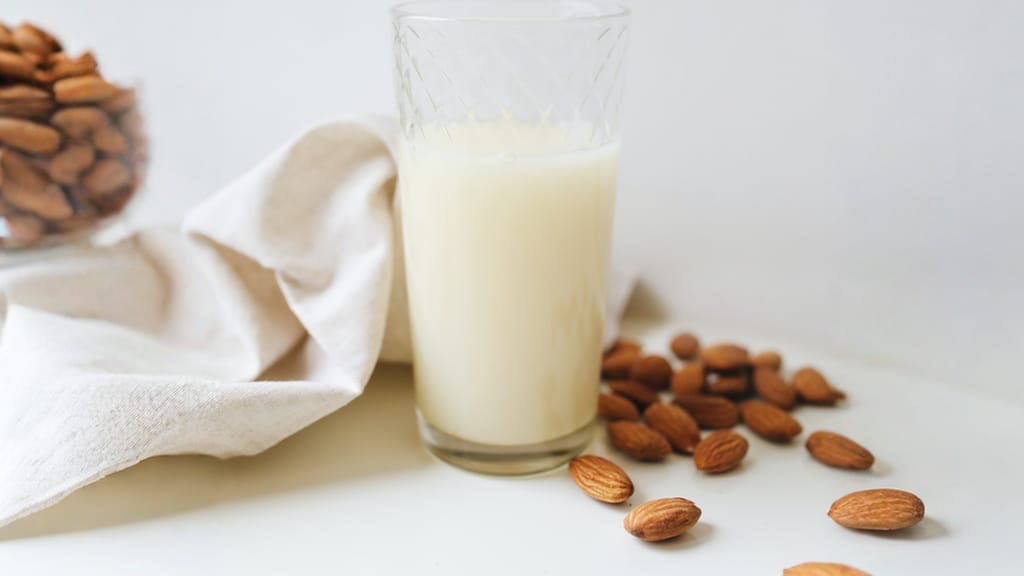
With plant-based drinks, what matters is what's in them besides water. Soy (~3g protein per 100ml) and oat (~1g) bind batter better than almond (~0.4g) or rice (~0.3g), because they have more protein. Rice drink is the sweetest and starchiest of the bunch (~9g carbs per 100ml), but it has almost no protein to hold structure together, so cakes made with it tend to be crumblier. Choose a drink that's unflavoured and unsweetened, or it'll clash with the flavour of your filling.
Almond nut milk
Homemade almond milk – a plant-based drink for creams and fillings in vegan cake, free of thickeners and added sugar
Vegan cake has five typical flaws, each with a different cause: dryness comes from too little fat and overbaking, gumminess from too much binder and overmixing, crumbliness from a missing binder, a sunken centre from too much baking soda or an oven door opened too soon, and an underbaked base from slow heat transfer in a tall sponge. Here's what each flaw means and how to fix it:
Dry straight out of the oven – too little fat, or five minutes too long in the oven. Check with a skewer earlier, and add 2 tablespoons of oil per 250g flour.
Gummy, dense centre – too much binder or overmixed batter. Stick to one binder only, and mix just until combined, not until smooth.
Crumbles when sliced – there's nothing in the batter holding it together besides raising agent. Add a flax egg or 2 tablespoons of cornstarch per 250g flour.
Dry the next day – without egg fat and lecithin, cake goes stale faster. Replacing 10–15% of the sugar with invert sugar or glucose syrup helps, as does an extra 2 tablespoons of oil. Wrap it while it's still slightly warm, not once it's fully cool.
Sunken centre – too much baking soda (above 1 teaspoon per 250g flour and you'll even get a soapy off-taste) or the oven door opened during the first half of baking.
Underbaked strip at the bottom – egg-free batter conducts heat more slowly. For a tall sponge, drop the temperature to 165°C and bake longer.
One more thing: let a vegan sponge cool completely before slicing — ideally a few hours. Warm, it holds together far worse than an egg-based sponge and will collapse under the knife.
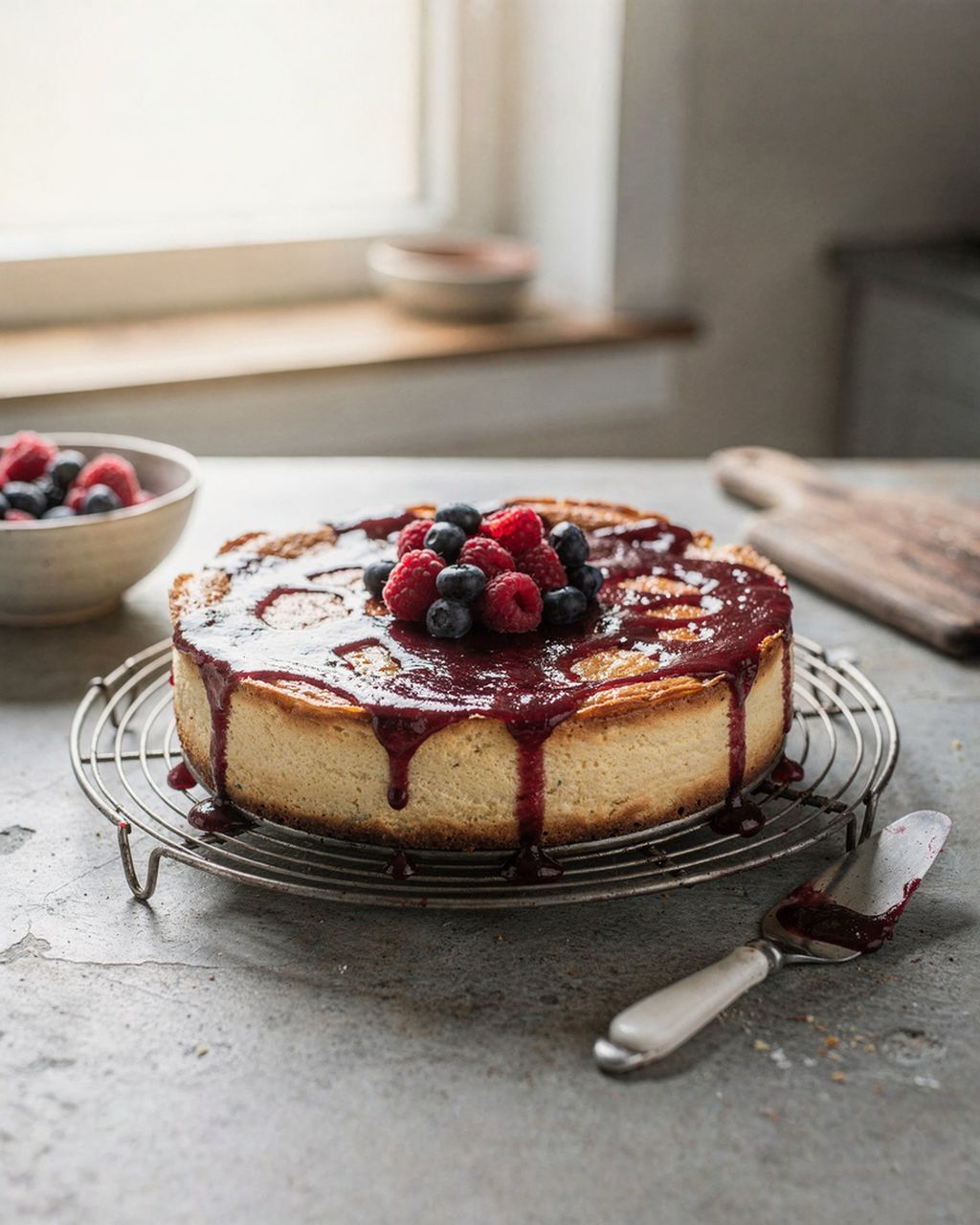
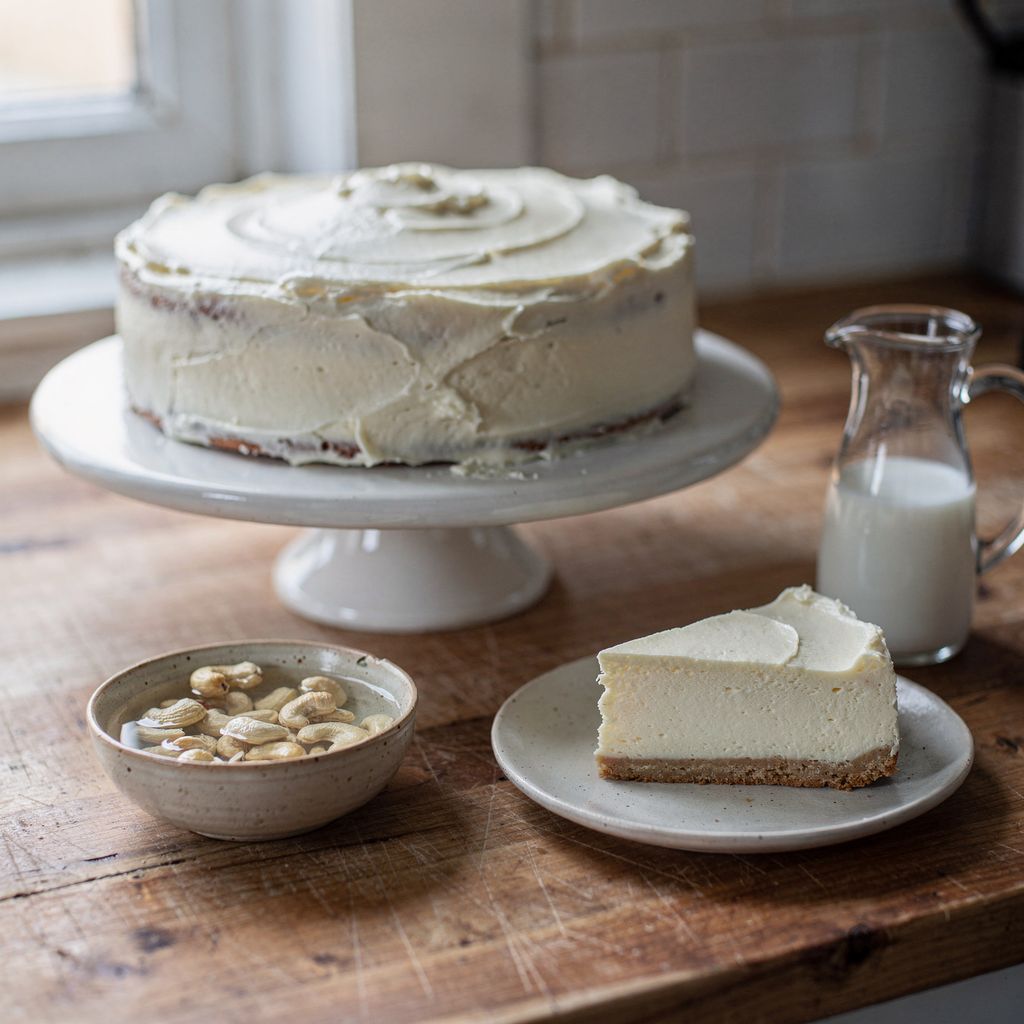
Vegan cheesecake comes in two forms. No-bake relies on blended cashews (or silken tofu) set with coconut fat or agar — the result is dense and coolly creamy. Baked is made from plant-based cream cheese thickened with starch, and comes closer in taste and texture to a classic New York cheesecake.
Both versions need the one thing most often forgotten: acidity. Without lemon juice or a tangy plant-based yoghurt, the filling tastes like nut cream, not cheesecake.
A no-bake cashew filling for an 18–20cm tin is built on 250g soaked cashews, 120ml plant-based drink, 60g coconut fat and 80–100g syrup. Full ingredient list:
250g cashews (raw, unsalted)
120ml plant-based drink or coconut milk
80–100g maple or agave syrup
60g melted coconut fat
2 tablespoons lemon juice + a pinch of salt
The method matters more than the ingredients here:
Soak the cashews – at least 15 minutes in hot water, or ideally 4 hours in cold water. Under-soaked cashews are the most common cause of a gritty filling.
Blend for 2–3 minutes, then scrape down the sides of the blender and keep blending. You'll know it's smooth when you rub a drop between your fingers and can't feel any grit.
Base: 150g crushed biscuits + 60–70g melted plant-based fat, pressed down firmly with a glass and popped in the freezer for 20 minutes before you pour the filling in.
Chill for at least 6 hours, overnight is best. Coconut fat sets gradually, and a cheesecake taken out too early will slump.
Check the ingredients on your biscuits for the base — a large share of standard biscuits and sponge fingers contain butter, milk powder or whey.
Cashew-cacao snack
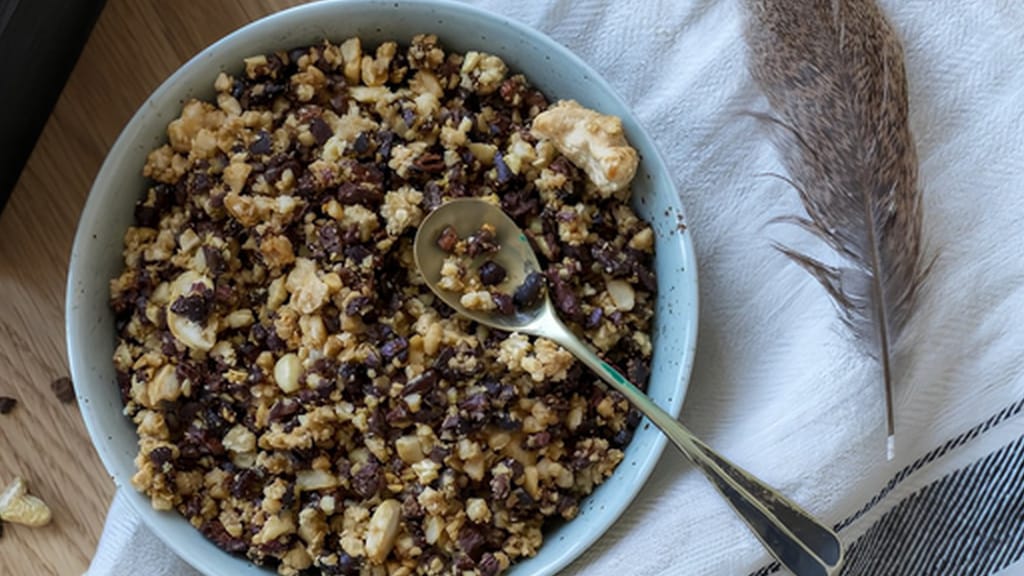
Cashew-cocoa snack – a look at how blended cashews turn into a thick, creamy mixture
The baked version is made with plant-based cream cheese and starch, baked at a low temperature and cooled slowly. Approximate filling ingredients for a 20cm tin:
600g plant-based cream cheese
150g sugar
40g cornstarch
120g plant-based sour cream alternative or thick plain plant-based yoghurt
juice and zest of 1 lemon, vanilla
Four rules that determine the outcome:
Beat briefly and gently. Whipped-in air expands in the oven, the bubbles burst, and the surface cracks.
Bake at 160°C in a water bath or at least with a tray of water on the bottom rack. A humid oven keeps the surface smooth.
Take it out while the centre — about a 5cm circle — still has a slight wobble. It will finish setting from residual heat.
Cool it in stages: an hour in the oven with the door propped open and the heat off, then 2 hours on the counter, then at least 6 hours in the fridge. Temperature shock is the most common reason for a cracked surface.
Plant-based cream cheese releases more water than dairy quark and varies a lot between brands. If yours is runny, let it drain in a cloth-lined sieve for a few hours first — it'll save you a watery filling.
Gelatine is an animal product, so to set vegan cheesecake you'll use coconut fat (for a creamy no-bake version), agar (for a firmer slice), or cornstarch (baked version only) — and each comes with its own rule:
Coconut fat (no-bake version) – 40–60g per 500g of filling. Gives the softest, creamiest texture, but only sets when cold: it starts to soften at room temperature, so serve it straight from the fridge.
Agar (no-bake version, firmer slice) – roughly 0.9g powder per 100ml of neutral liquid, up to 1.3g for an acidic filling with lemon or fruit. It must be boiled at 100°C for 2 minutes (flakes need up to 5), or it won't set at all — that's the most common mistake. It starts setting at around 38–40°C, so stir it into the filling while still hot and pour it into the tin quickly.
Cornstarch (baked version) – 30–40g per 600g plant-based cream cheese. It only thickens in the oven; in a no-bake filling it would leave a floury aftertaste.
You can combine agar and coconut fat: the fat adds creaminess, the agar guarantees the slice won't slump.
Four frostings work well on vegan cake: whipped coconut cream, dark chocolate ganache made with a plant-based cream alternative, buttercream made from plant-based fat, and aquafaba meringue.
Whipped coconut cream – chill a tin of full-fat coconut milk or cream for 12 hours, drain off the watery liquid at the bottom, and whip only the solid part for 3–5 minutes. A tablespoon of cornstarch or a pinch of xanthan gum keeps it fluffy; it keeps in the fridge for about a week.
Ganache – a ratio of 2:1 chocolate to plant-based cream alternative for a firm filling between layers, 1:1 for coating. A coconut or oat-based cream alternative with a higher fat content holds up best.
Buttercream – 150g chilled plant-based fat + 300g icing sugar + 2 tablespoons plant-based drink. The fat needs to be cold, or the buttercream will turn runny; vegan fats soften at lower temperatures than dairy butter.
Aquafaba meringue – the lightest option, but also the one that collapses fastest. Apply it just before serving.
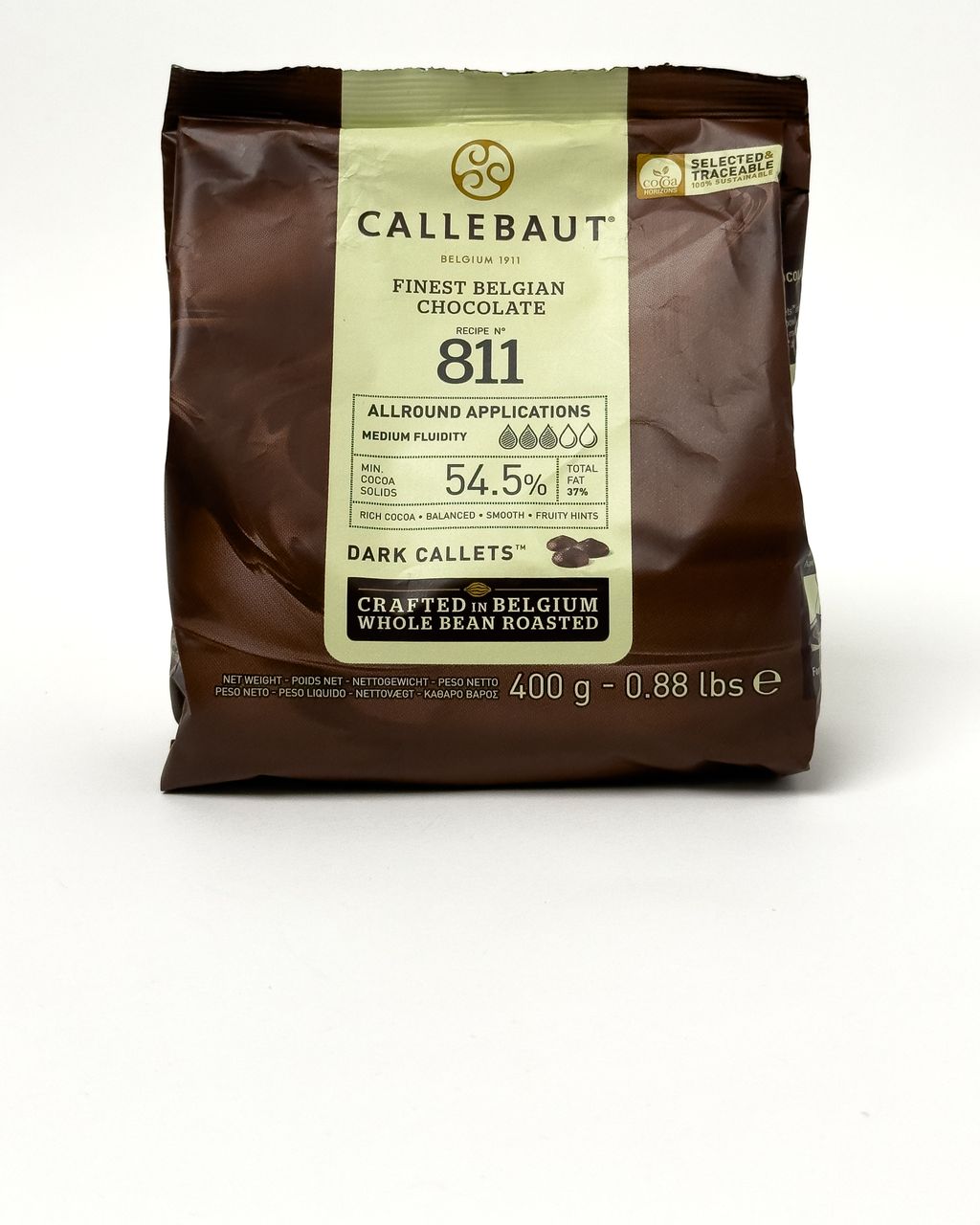
Always check the ingredients on chocolate. Most dark chocolates don't contain milk, but far from all of them do, and many carry a 'may contain traces of milk' warning.
Vegan cake without frosting keeps for 2–3 days at room temperature in an airtight container, with plant-based frosting for 3–4 days in the fridge, and no-bake cashew cheesecake for 5 days in the fridge.
Wrap the sponge while it's still slightly warm in plastic wrap. Without egg fat, it dries out faster, and this is the most effective way to prevent that.
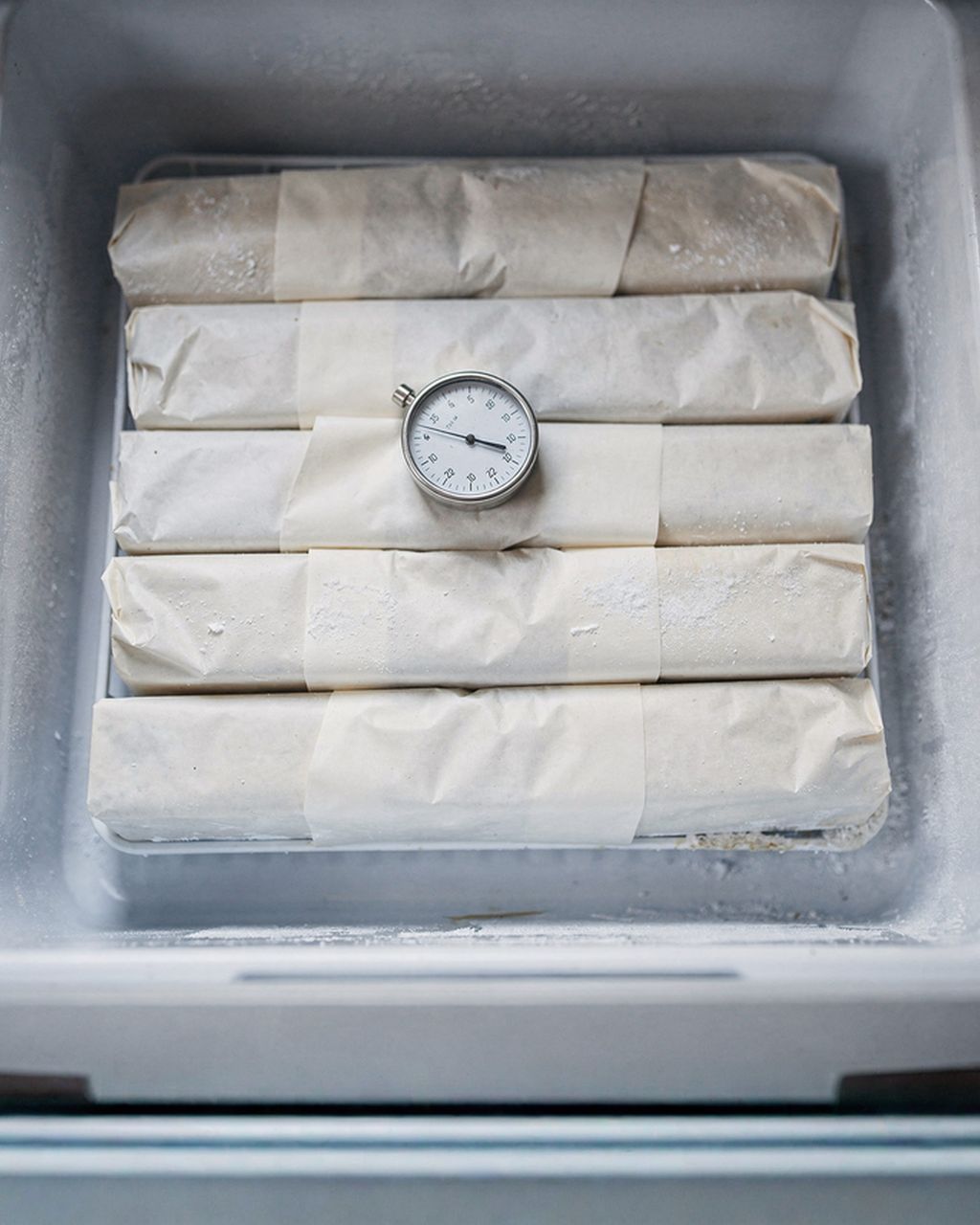
No-bake cashew cheesecake freezes beautifully – slice it into portions, layer with baking paper between slices, and it'll keep for 2 months. Thaw it in the fridge, not on the counter.
Baked vegan cheesecake freezes less well. Plant-based cream cheese often releases water after thawing and the surface can turn damp; expect the slices to be less clean.
Don't freeze whipped coconut cream. Once thawed, it separates into fat and water and you won't be able to whip it back together.
A vegan recipe won't list eggs or milk as ingredients, but that alone doesn't guarantee it's safe for someone with an allergy. What matters is the specific products you use: margarines can contain whey, base-layer biscuits can contain butter or milk powder, and chocolate often carries a 'may contain traces of milk' warning from the production line. Read the ingredients label on the back of every package, and for a serious allergy, follow your doctor's guidance.
Yes, but you can't skip the binder — without eggs or gluten, the batter has nothing holding it together. Use a gluten-free flour blend that already contains xanthan gum, or add 1/2 teaspoon of xanthan gum per 250g of flour, plus one flax egg. Let the batter rest for 20 minutes before baking so the starches can absorb liquid; otherwise the cake will be crumbly and gritty.
The closest substitute for cashews is silken tofu, which blends just as smooth and has a neutral flavour — use roughly 400g of tofu per 250g of cashews, and add a bit more coconut fat since tofu contains less fat of its own. Another option is hulled sunflower seeds soaked overnight; these give a denser filling with a slightly sweet taste that you can balance with lemon. For the base, use oats and dates instead of nut-based biscuits.
Use a long, thin knife warmed in hot water, and wipe it dry after every cut. Put a no-bake cashew cheesecake in the freezer for 15 minutes before slicing — the coconut fat firms up and gives a sharp edge. Push the knife straight down and pull it straight out; don't drag it sideways through the filling.
Yes, but it needs a sturdier sponge than a classic one. Add 2 tablespoons of cornstarch per 250g of flour, let the sponge rest overnight in the fridge, then trim and cover it. Use a vegan buttercream made from chilled plant-based fat as the base under the fondant, not whipped coconut cream — that's too soft and the fondant would slide right off. For multi-tier cakes, plan on using support dowels, since vegan creams soften at lower temperatures than dairy buttercream.
One recipe worth heating the oven for, one tip, and one deal from the shop. Nothing else.