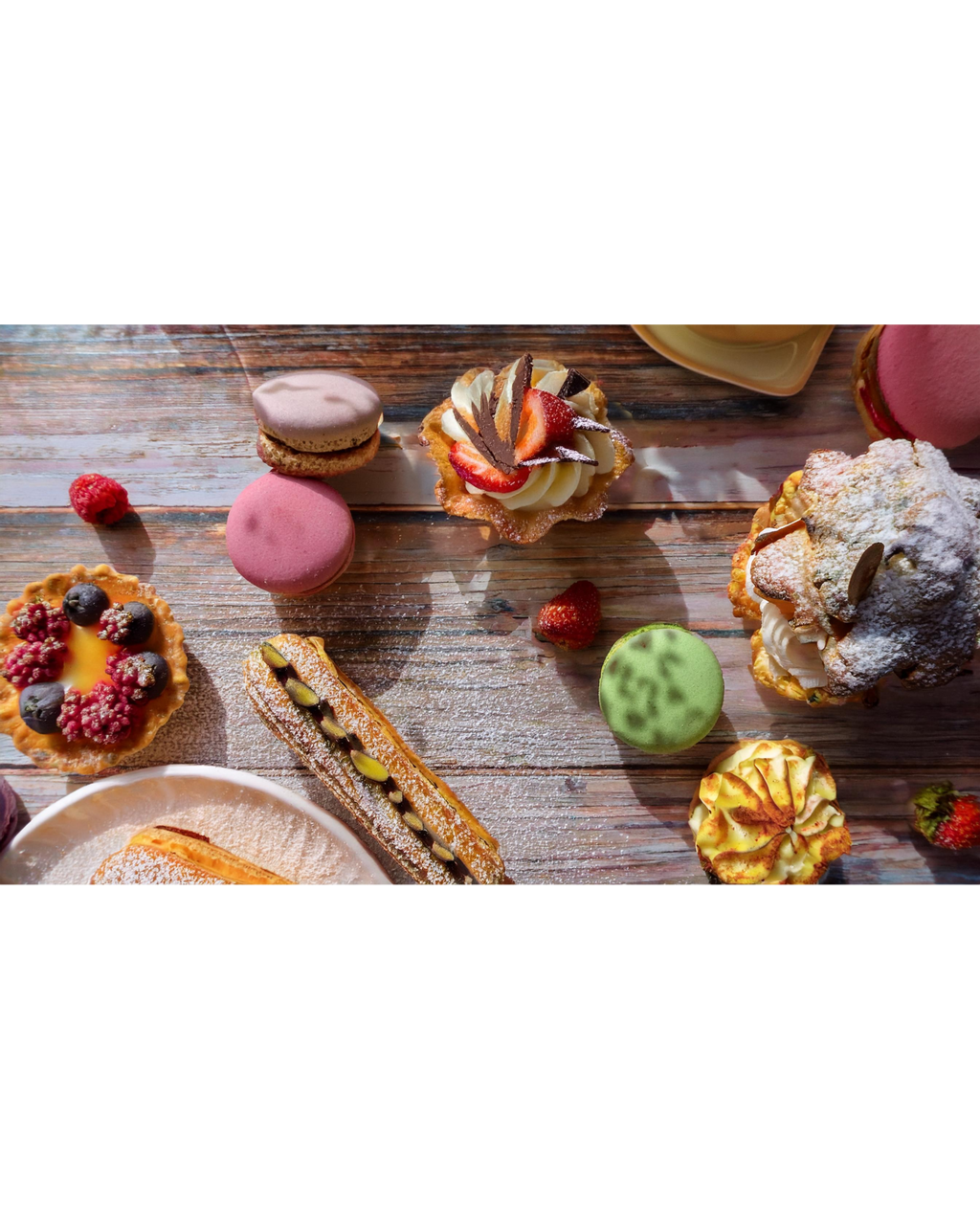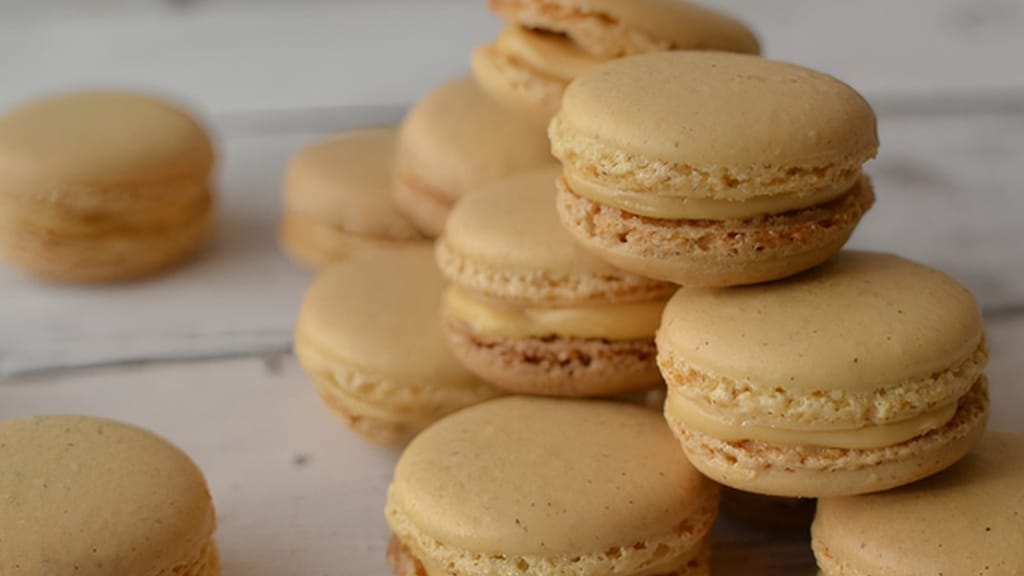
Salted caramel macarons
The History of French Pastry: From Honey to Macarons

Updated Jul 19, 2026
French pastry-making wasn't born overnight — it took eight centuries to become what it is today. From the honey-sweetened baking of medieval monasteries, through Renaissance sugar and spice, chocolate and pralines at the court of Louis XIV, to Marie-Antoine Carême's monumental cakes, the Paris-Brest, and the global fusion of the 20th century. Here's the full story: who invented what, and when — and which famous legends are actually just myths.
The earliest French sweets were made in medieval monasteries and sweetened with honey — cane sugar was still a rare imported luxury back then, affordable only to the nobility.
Monks were best placed to produce it: they kept bees for candle wax, and the leftover honey went into wafers, gingerbread, and honey-preserved fruit. Recipes drew on ancient, mainly Roman, traditions, and monasteries were among the few places where anyone could actually write things down.
The real turning point came with the Crusades (11th–13th centuries). Via the Levant and the Arab world, spices — cinnamon, nutmeg, cloves, ginger — made their way into Europe, along with the technique for refining sugar. For a long time afterwards, though, sugar was still sold in apothecaries as a spice and medicine rather than an everyday food.
The result was dense, heavily spiced treats far removed from today's delicate patisserie. Even so, this is where the guiding principle of French pastry-making takes root — one that still holds true today: sweets as a craft, not an accident.
Seasonal baking plans, tested recipes and kitchen tricks that save you time. Unsubscribe in one click.
The Renaissance (14th–17th centuries) brought more refined baking, cheaper sugar, and the first hints of specialised pastry shops to France — but the role of Catherine de' Medici is, for the most part, a myth.
The popular version goes that Catherine de' Medici (1519–1589) brought Italian chefs, forks, ice cream, and all of French haute cuisine with her from Florence. Historians now dismiss this: surviving records of her court staff list no Italian chefs, and French haute cuisine didn't actually emerge until a century later. What's more, the legend itself only appears more than a hundred years after her death.
What the Renaissance actually brought: sugar was gradually shedding its status as apothecary goods, vanilla spread through Spanish colonies, and fruit tarts filled with cream became popular, along with lighter butter and almond doughs (the forerunners of today's macarons). Craftsmanship also advanced — whipped foams, moulded sugar work, thinner doughs.

Salted caramel macarons
Salted caramel macarons — a French classic, step by step
In the 17th century, under Louis XIV, France became the centre of European gastronomy, and two treats still iconic today came into fashion: chocolate and the praline.
Chocolate reached the French court through Spanish family ties — historians credit the popularising of hot chocolate around 1660 to Marie Thérèse, the Spanish-born wife of Louis XIV. It was strictly an aristocratic indulgence: expensive, exotic, and a marker of status.
The praline emerged around the same time. According to popular legend, it was created in the 1630s by Clément Lassagne, chef to the Maréchal du Plessis-Praslin, who coated whole almonds in caramelised sugar — the sweet took its name from his employer (praslin → praline). Versailles became a showcase for it all: endless feasts where flavour mattered as much as spectacle. The old rule that "we eat with our eyes first" still holds true in patisserie today.
Modern French patisserie was defined in the early 19th century by Marie-Antoine Carême — a pastry chef nicknamed "the king of chefs and chef of kings," who elevated dessert to the level of architecture.
Carême (1784–1833) was famous for his monumental pièces montées, towering structures of caramel, marzipan, and choux pastry that adorned royal tables. The most famous of these, the croquembouche (a cone of choux puffs bound together with caramel), is still built for weddings and christenings today.
At the same time, the Industrial Revolution was transforming pastry-making: cheaper refined sugar, more precise ovens and moulds, and chocolate sold in bars. Elaborate desserts moved out of royal kitchens and onto the counters of everyday pastry shops — curiosities became classics, like the mille-feuille (a layered cream pastry made with puff pastry; here's how to master its delicate layers) and the choux-pastry éclair.

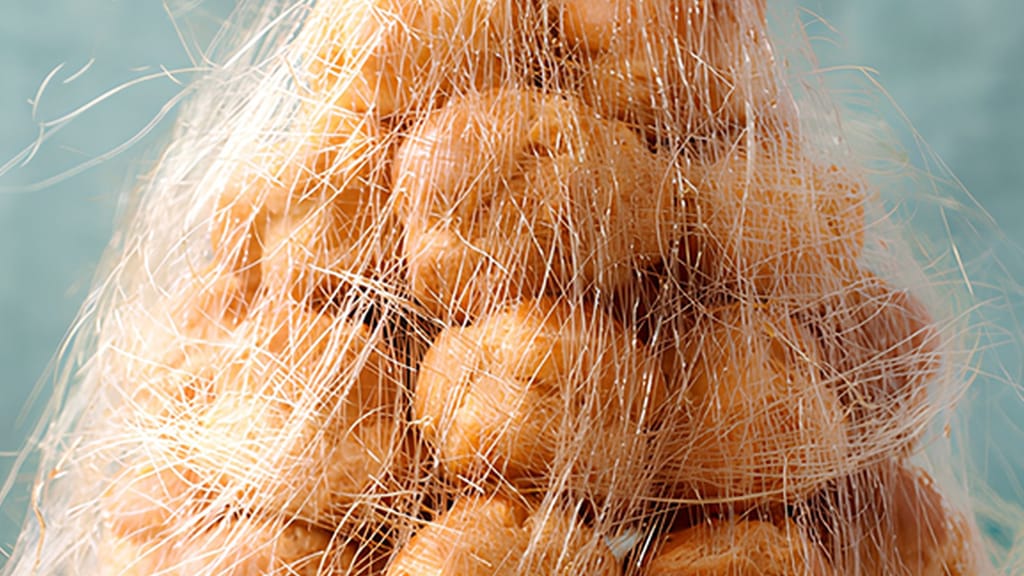
Croquembouche
The croquembouche — a celebratory tower of caramel and choux puffs
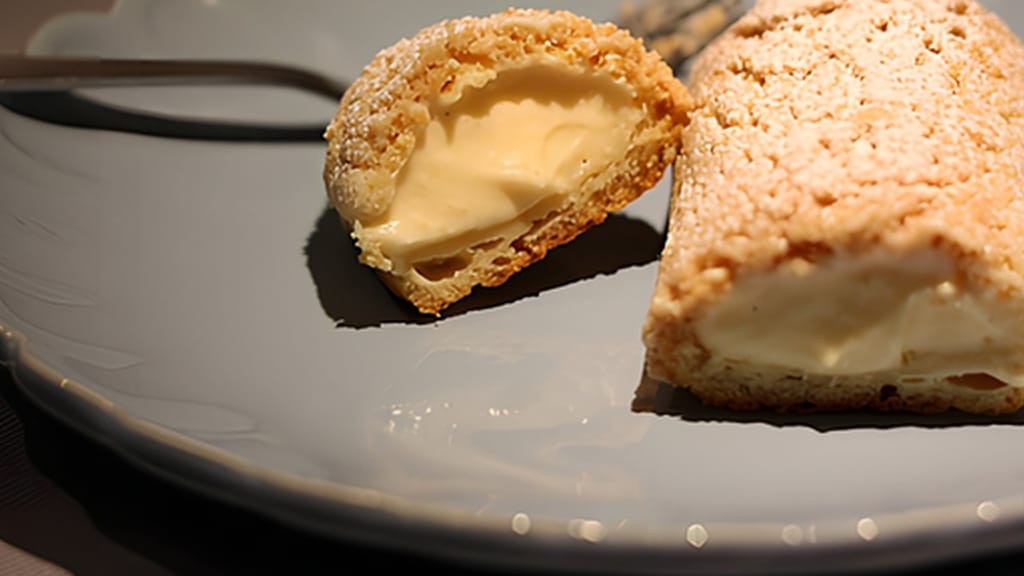
Eclairs à la ladurée – irresistibly delicious pastries
Éclairs à la Ladurée — choux pastry filled with silky cream
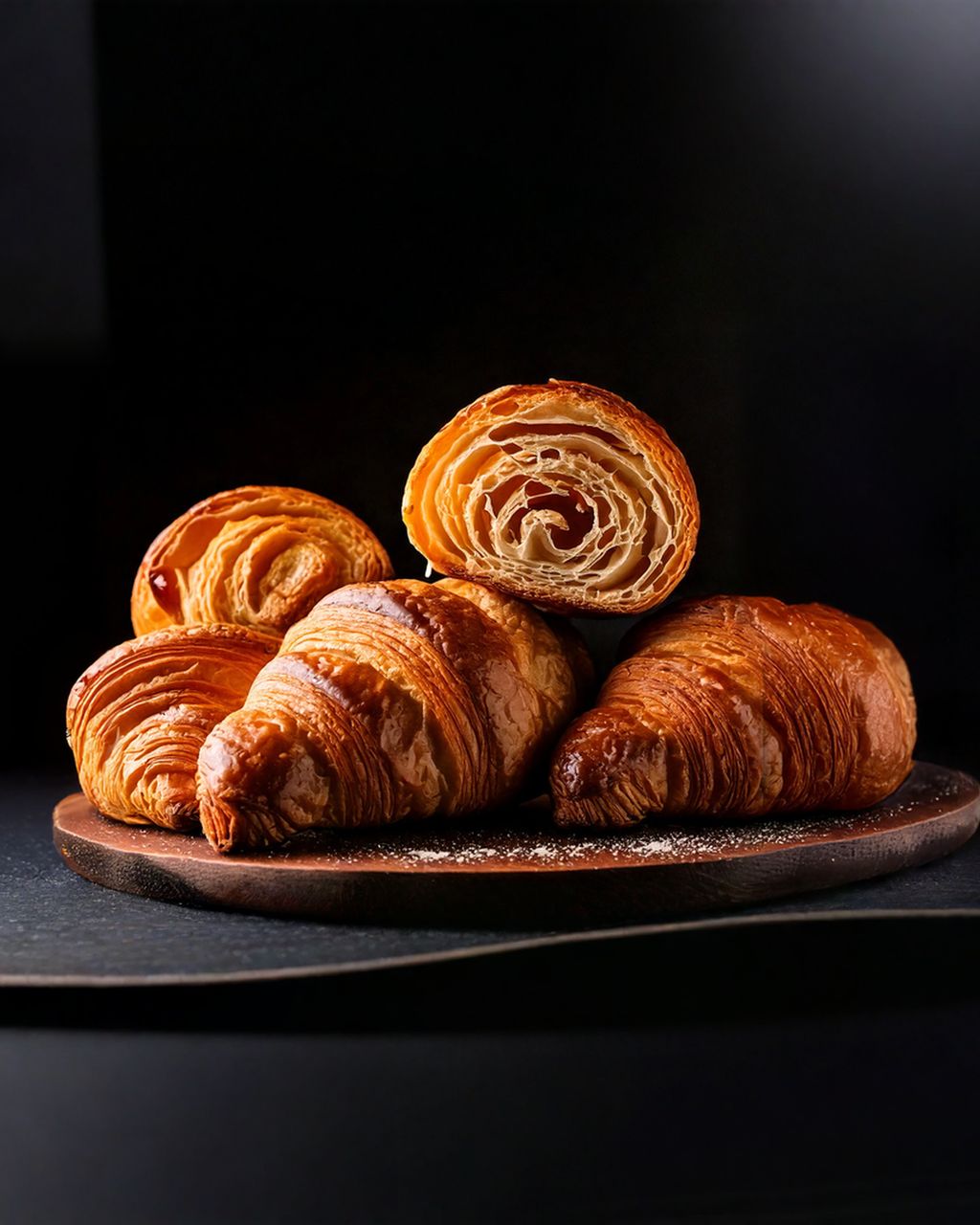
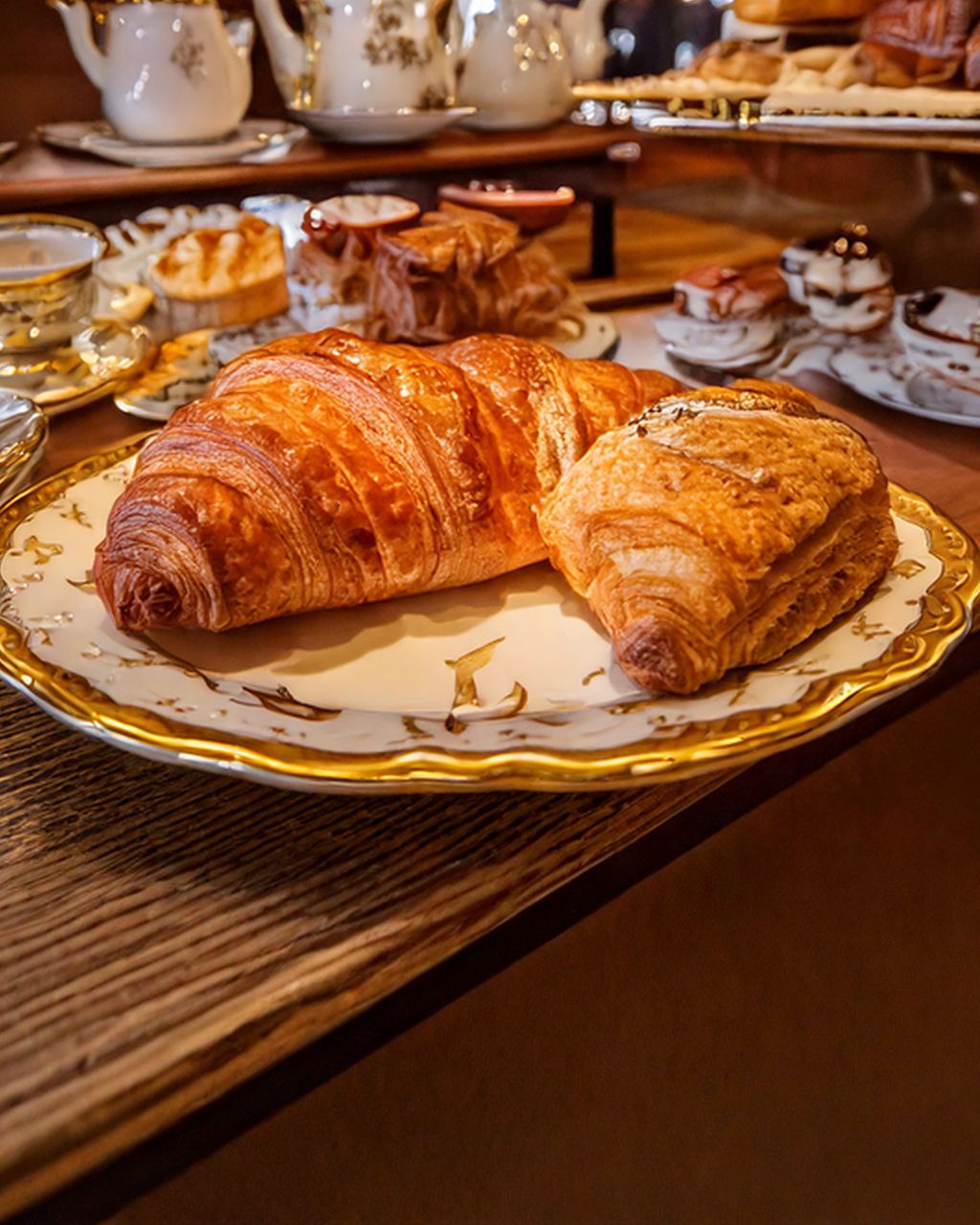
Not quite: the croissant is neither a medieval nor a Renaissance invention — it only arrived in Paris in 1838–1839, brought by the Austrian entrepreneur August Zang as the Viennese kipferl.
Zang opened the Boulangerie Viennoise in Paris, and Parisians started calling the crescent-shaped pastry croissant (French for "crescent"). It was French bakers who later gave it its crisp, flaky form we know today, turning the kipferl into a laminated, leavened dough by folding in cold butter. That's also where the umbrella term for croissants, pain au lait, and the like comes from: viennoiserie, literally "Viennese pastry."
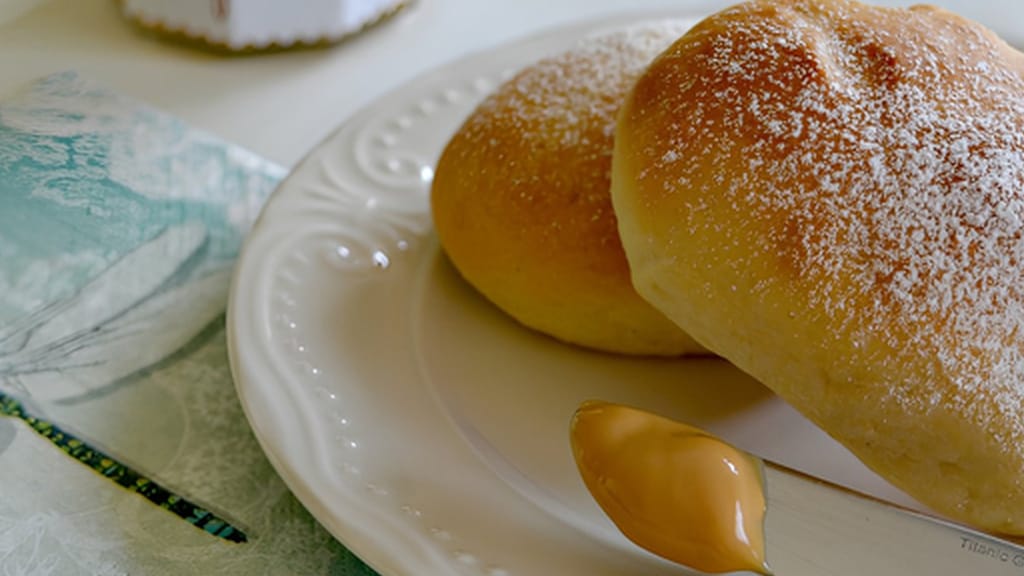
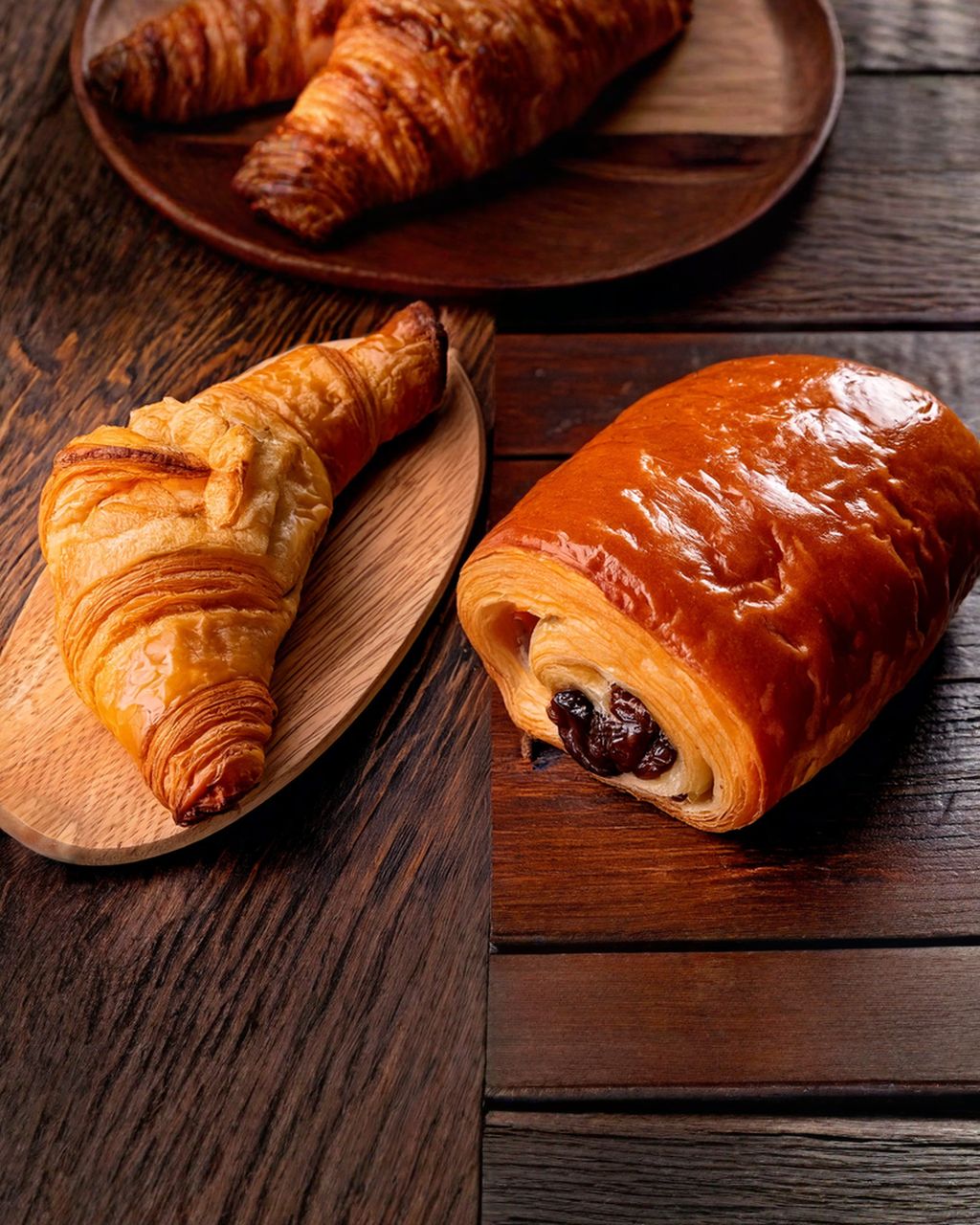
Pain au lait – french milk buns
Pain au lait — French milk rolls from the viennoiserie family
In the 20th century, French patisserie opened up to the world — new classics like the Paris-Brest emerged, and ingredients from across the globe found their way into traditional recipes.
The Paris-Brest was created in 1910 by the pastry chef Louis Durand to mark the Paris–Brest–Paris cycling race (first run in 1891). This ring of choux pastry filled with praline buttercream (mousseline) is deliberately shaped to resemble a bicycle wheel. Chocolate-making and luxury bonbons flourished during the same era.
After the Second World War, tropical fruit — mango, pineapple, passion fruit — found its way into desserts, and from the 1980s onward came a wave of fusion flavours: matcha, yuzu, or sesame turning up in classic éclairs and macarons. The tarte Tatin also spread far and wide — the upside-down apple tart attributed to the Tatin sisters of Lamotte-Beuvron (although upside-down apple tarts existed long before them) — along with the celebratory croquembouche.
Around the turn of the millennium, pastry shops began responding to demand for lighter, more accessible desserts: less sugar, alternative flours, and plant-based substitutes for milk and eggs to suit allergies and lifestyle choices alike. The classics never disappeared, though — they simply gained more variations. French pastry-making remains a traditional craft that keeps reinventing itself.
From history to practice: here are the French classics you can master in your own kitchen. Want to dive deeper into French pastry-making? Check out our secrets, recipes, and techniques of French pastry.
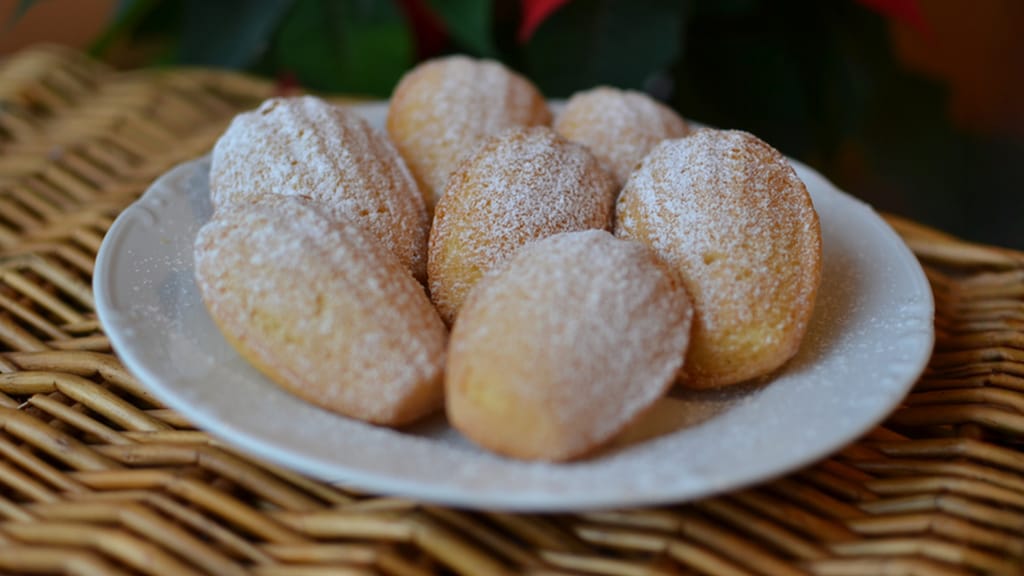
Madeleines - fragrant french sweets
Madeleines — the fragrant little shell-shaped cakes from Lorraine made famous by Marcel Proust
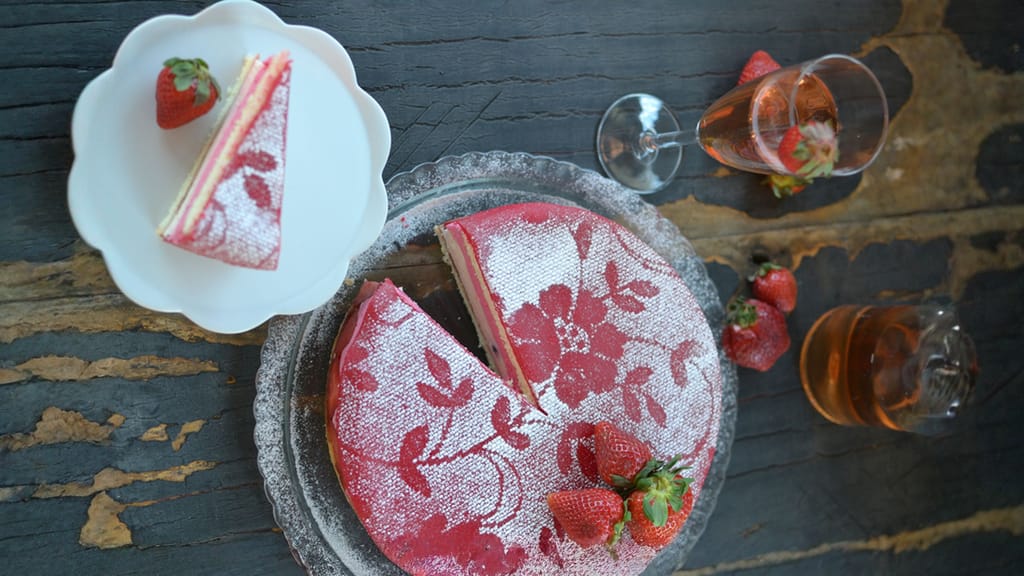
Strawberry fraisier cake
Fraisier strawberry cake — a French classic with mousseline cream
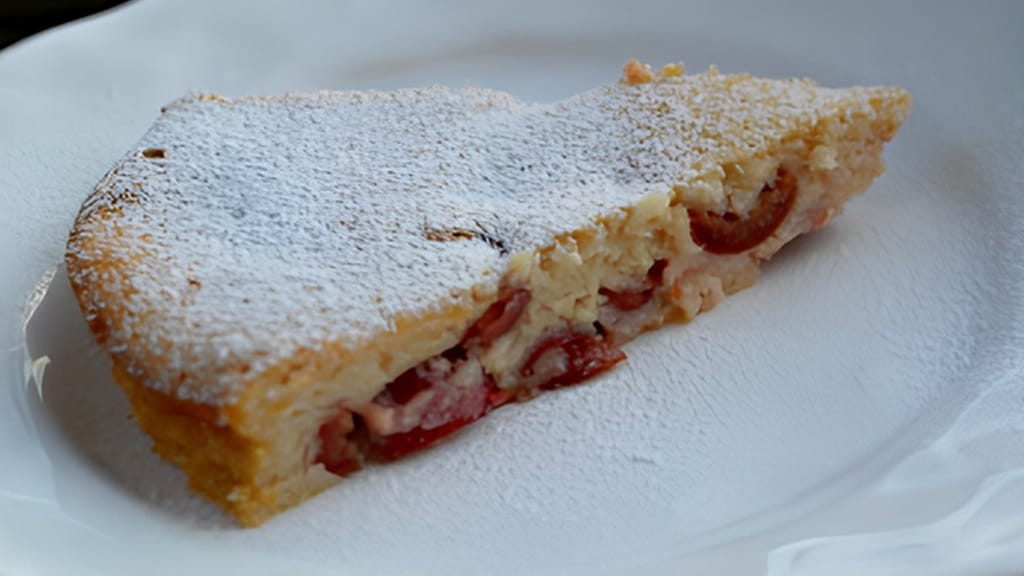
Delicious cherry cake
Delicious cherry cake — a homemade take on the French clafoutis
Pâtisserie refers to sweet creations made from various doughs and creams — cakes, gateaux, tarts, éclairs. Viennoiserie, on the other hand, means buttery leavened or laminated pastries of Viennese origin, like croissants, pain au lait, or brioche. Put simply: pâtisserie is dessert, viennoiserie is rich breakfast pastry.
A macaron is a French confection made of two smooth almond-based shells sandwiched together with filling, usually in bright colours. A macaroon is a British/American coconut biscuit made from shredded coconut, bumpy in texture and without any filling. Despite the similar name, these are two completely different treats.
The croquembouche was popularised in the early 19th century by the pastry chef Marie-Antoine Carême as one of his monumental pièces montées. It's a towering cone of choux puffs held together with caramel, and in France it's traditionally served at weddings, christenings, and first communions.
Macarons are naturally gluten-free, since the shells are made with almond flour rather than wheat flour. Crème brûlée and chocolate mousse are typically gluten-free too. On the other hand, croissants, éclairs, mille-feuille, and tarte Tatin all contain gluten.
An éclair is an elongated choux pastry filled with cream and topped with fondant icing or chocolate. A Czech větrník is round, filled with a mix of whipped cream and buttercream, and finished with caramel on top. Both share a choux pastry base, but they differ in shape and filling.
One recipe worth heating the oven for, one tip, and one deal from the shop. Nothing else.