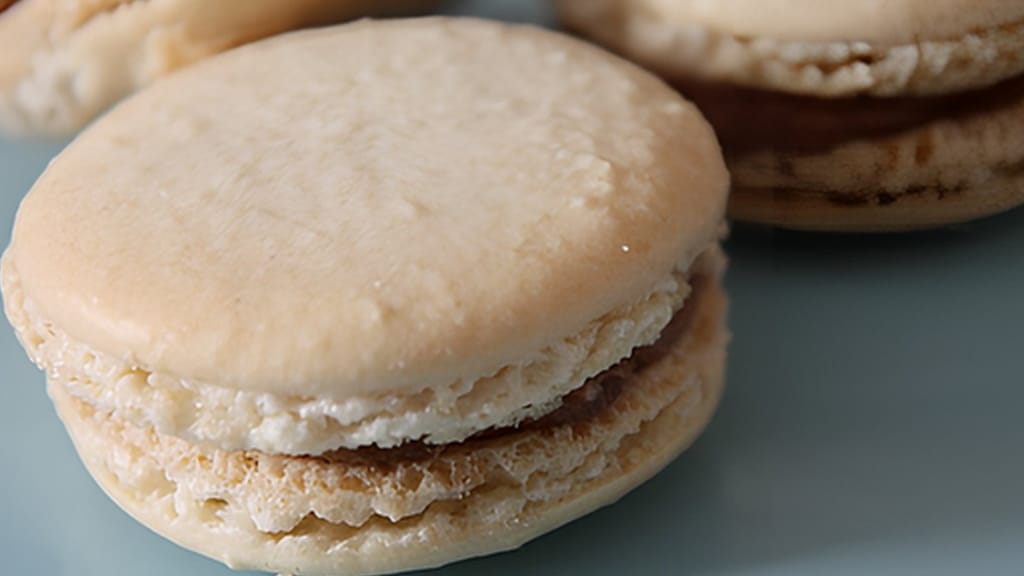
Macarons – the winning recipe

Updated Jul 19, 2026
Paris turned French desserts from simple almond biscuits into an art form — and set the direction the world's pastry-making still follows today. In less than three centuries, the city gave us the macaron as we know it, the éclair, and a craft that pastry chefs from Tokyo to New York now imitate. Let's walk through who started it all, which sweets became icons, and why the Parisian style still rules the world of dessert.
Paris became the world's centre of pastry-making in the 19th century, when three things came together at once: affordable sugar, a court obsessed with spectacle, and pastry chefs who turned sweet-making into a craft with rules. Before that, desserts were simple — throughout the Middle Ages, honey, fruit, and almonds ruled, since sugar was a rare luxury.
The turning point came with cheaper sugar and chocolate. In the late 17th century, the first Parisian cafés opened (Café Procope, founded in 1686, is still running today), and sweet pastries moved from the royal court into the hands of the middle classes. But the real revolution was set off by Marie-Antoine Carême (1784–1833), one of the first true "celebrity" chefs. He built what were called pièces montées — multi-tiered sugar structures resembling cathedrals — and in his book Le Pâtissier royal parisien (1815) he wrote down techniques that pastry chefs still draw on today.
In short, here's how Parisian pastry-making evolved:
up to the 16th century: honey, fruit, simple almond biscuits
late 17th century: affordable sugar and chocolate, the first cafés appear
1815: Carême and Le Pâtissier royal parisien give the craft its rules
1862: the Ladurée pastry house is founded
around 1930: the double-shelled macaron as we know it today is born
According to culinary historians, it was exactly this combination of craftsmanship and flair for spectacle that set Paris apart from the rest of Europe — it wasn't just about taste, it was about putting on a show.

Ladurée (founded in 1862) and Fauchon (1886) are the two Parisian addresses that turned French desserts into a global luxury brand. Each took a different route: Ladurée bet on tea-salon elegance, Fauchon on flawless presentation and a bold streak of innovation.
Ladurée was founded by miller Louis Ernest Ladurée on rue Royale. After the original shop burned down in 1871 during the Paris Commune, it was rebuilt as a pâtisserie and tea salon; the ceiling was decorated by painter Jules Chéret with plump cherubs dressed as pastry chefs, which became the brand's signature. It was here, around 1930, that the double-shelled macaron joined with cream was born.
Fauchon became famous for its obsession with aesthetics — a dessert has to be beautiful before it's anything else. In the 21st century, it also sparked the éclair's comeback: pastry chef Christophe Adam turned it into a fashion object, with dozens of flavours and decorations.
Both brands proved something that still holds true: with a French dessert, you're selling a story and a look, not just a flavour.
Two sweets symbolise Paris more than any other: the macaron and the éclair. One is a colourful almond sandwich, the other an elongated pastry made from choux dough. Both have surprisingly long histories — and both only found their famous form in Paris.
A macaron is a sandwich of two delicate almond shells joined with a filling — and this shape was invented around 1930 by Pierre Desfontaines at the Ladurée pâtisserie. The original macaron was just a single round biscuit made from ground almonds, sugar, and egg whites, with no filling at all.
Legend has it the recipe was brought to France in the 16th century by Catherine de' Medici. Historians, however, are cautious — there's no direct evidence of Italian chefs at her court, so it's more a nice story than a documented fact. A more solid trail leads to Nancy: in the 1790s, two nuns there baked and sold almond macarons to support themselves, and became known as the "Macaron Sisters".
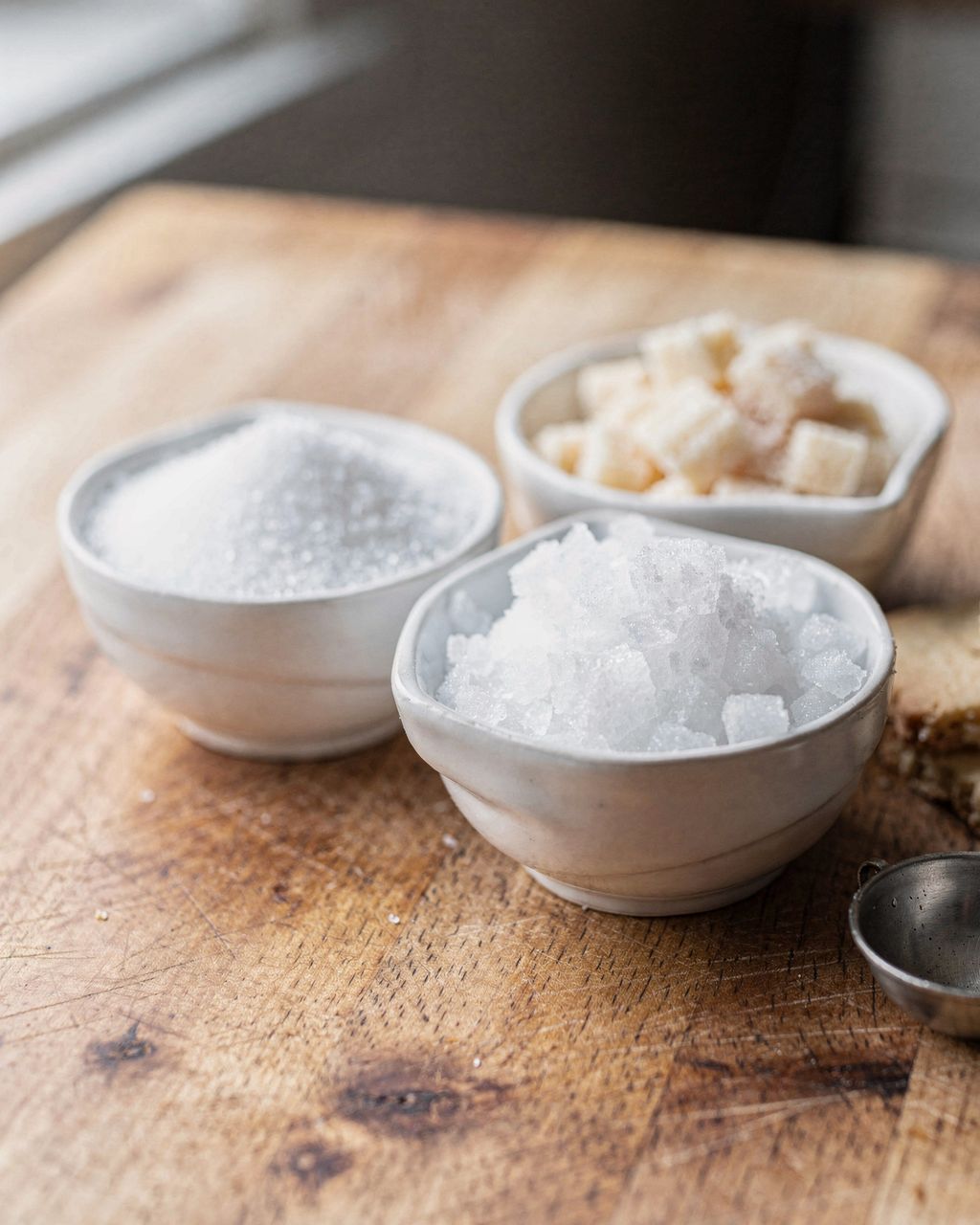
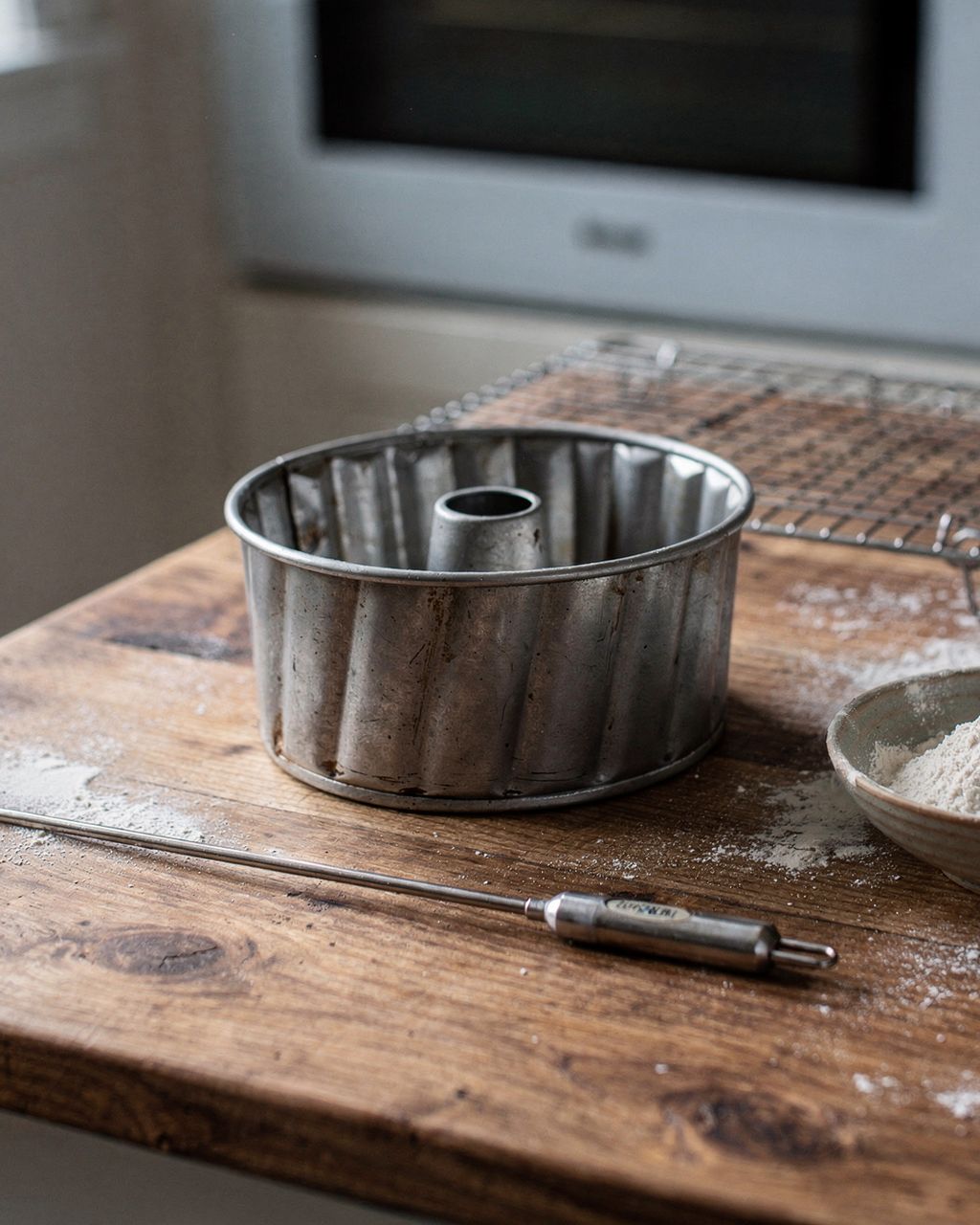
The base is simple, the execution is not: almond flour, icing sugar, and egg whites whipped with sugar, classically in a roughly 1:1 ratio of almonds to sugar. The magic lies in the details — resting the egg whites, precise folding (macaronage), and letting the shells dry before baking at 140–150°C (285–300°F). The filling is usually buttercream, ganache, or fruit-based — try, for instance, a white chocolate and coffee macaron filling or a salted caramel filling.
The modern star of the macaron world is Pierre Hermé, nicknamed the "Picasso of pastry", who introduced flavours like rose, salted caramel, and the legendary Ispahan combination (rose, raspberry, lychee).
Macarons – the winning recipe
Macarons – a winning recipe for perfect almond shells with feet
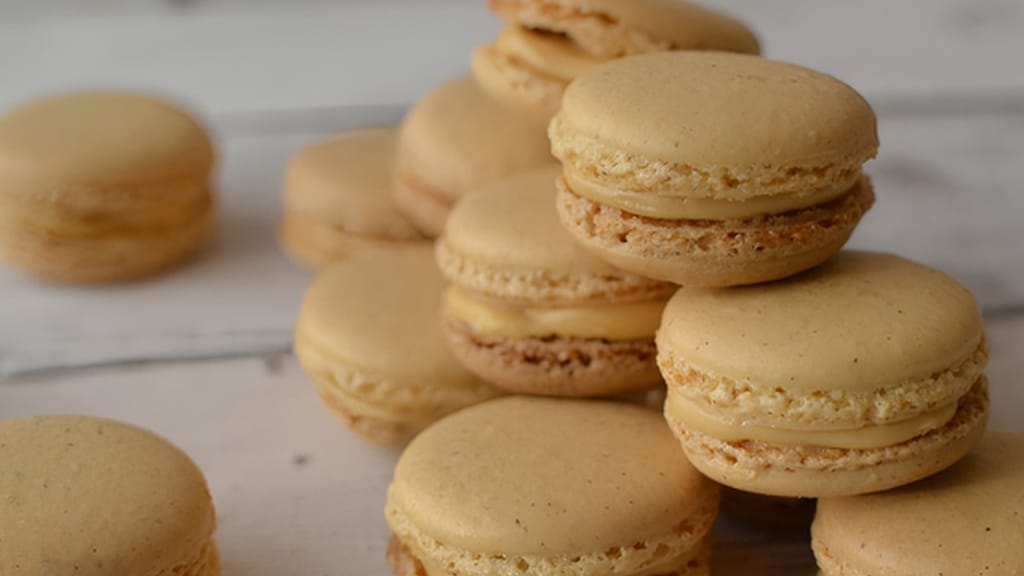
Salted caramel macarons
Salted caramel macarons – a French dessert in Hermé's style
An éclair is an elongated pastry made from choux dough (pâte à choux), filled with cream and topped with icing. Its name literally means "lightning" — supposedly because it disappears from the plate at lightning speed.
The éclair's shape was also refined by Carême, who called these elongated filled pastries pain à la duchesse. According to period recipes, in 1815 he filled them with apricot or peach jam, or with redcurrant jelly; only later did today's coffee and chocolate fillings become the standard. In the 21st century, the éclair made a comeback thanks to Fauchon and Christophe Adam.
We don't have a classic éclair recipe on Yumst just yet — until we do, stick to tried-and-tested choux pastry and fill it with a generous layer of pastry cream (crème pâtissière).

The Parisian café turned dessert from an occasional treat into a daily ritual — and the whole world adopted this model. A croissant with morning coffee, a macaron in the afternoon, an éclair as a quick pick-me-up between errands: in Paris, sweets aren't just an after-lunch thing, they're eaten any time of day.
The café works like a little oasis — marble-topped tables, wicker chairs, time to pause. This particular way of serving dessert with coffee in a pleasant setting became the template for cafés everywhere from Vienna to Seoul. Whenever you order a "flat white and a slice of cake" somewhere today, there's a bit of Parisian café culture echoing in that order.
Today's Parisian pastry scene blends centuries-old technique with new textures, flavours, and Instagram-ready looks. Three trends dominate the scene the most: molecular gastronomy, fusion, and social media.
Molecular gastronomy turns familiar desserts into unexpected textures — a classic lemon tart becomes an airy foam, a chocolate ganache becomes crisp little pearls. It's a game played with your expectations of a dessert: the flavour stays the same, but the form surprises you. If you want the classic that these experiments are built on, start with tarte au citron or a chocolate tart with salted caramel.
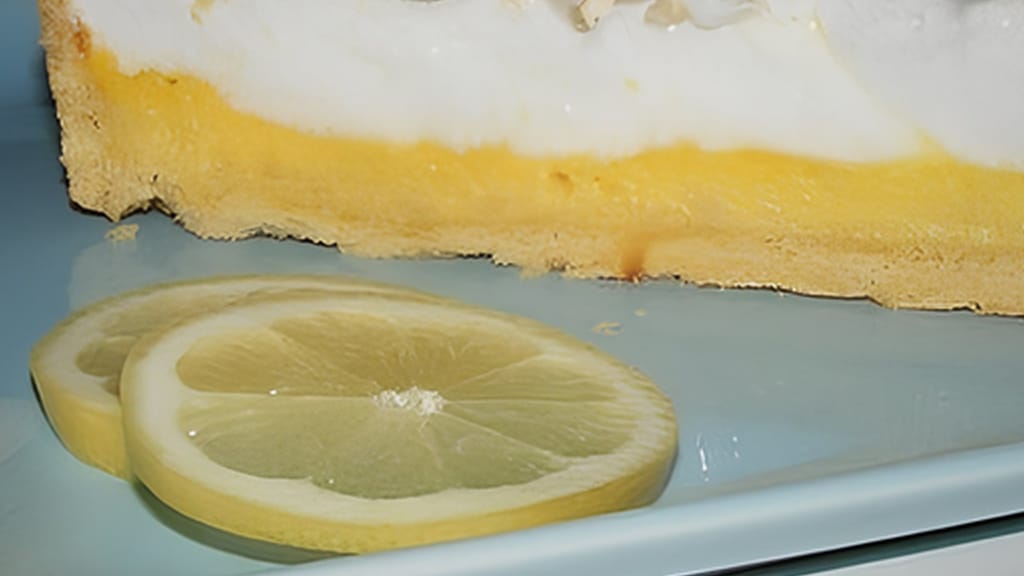
Tarte au citron – french lemon tart
Tarte au citron – the French lemon tart behind so many modern variations
Fusion pairs French craftsmanship with ingredients from all over the world — macarons filled with matcha cream, éclairs filled with passion fruit or lychee. The technique stays Parisian, but the flavour travels. The result is a new experience, and often bolder colours on the plate too.
Instagram and TikTok now decide which dessert becomes the next big thing. Pastry chefs create pieces built "for the camera" — for colour, shine, and a clean cross-section when cut — and the photos draw visitors straight to specific Parisian pâtisseries. The visual side has become part of the recipe itself, not just a garnish on top.
The Parisian style has become the universal language of pastry — from Asia to America, local pastry chefs borrow it and adapt it to their own tastes. The foundation (precision, butter, technique) stays the same; the flourishes change.
Asia: matcha, yuzu, and sesame have made their way into the classics; Japanese macarons are often a pale green from matcha powder and less sweet.
America: desserts tend to be bigger and richer — think an éclair filled with peanut butter cream or caramel.
Hybrids: blending techniques has produced crossbreeds like the cronut (croissant + doughnut), made famous in 2013 by French pastry chef Dominique Ansel in New York.
So Parisian pastry-making isn't a museum of fixed recipes — it's a living foundation that pastry chefs around the world keep building on with their own ideas. If you want to start at the roots, you could learn to make a fluffy Génoise sponge, the French sponge cake that so many cakes are built on.
Paris turned French desserts into an art form — and set a tone the world still follows. From Carême's sugar cathedrals, through the double-shelled macaron born at Ladurée, to the éclair's renaissance at Fauchon, one thread runs through it all: craftsmanship, precision, and a flair for spectacle. Modern trends like molecular gastronomy and fusion are simply building further on that same foundation. The best way to understand it all is to make a bit of Parisian classic at home — starting with macarons, for instance.
A macaron is a French sandwich made of two smooth almond shells joined with a filling, while a macaroon is a bumpy coconut cookie. People mix them up because the names sound alike, but they differ in ingredients (almond vs. coconut), looks, and texture. A Parisian macaron has a crisp shell and a soft centre; a macaroon is chewy all the way through.
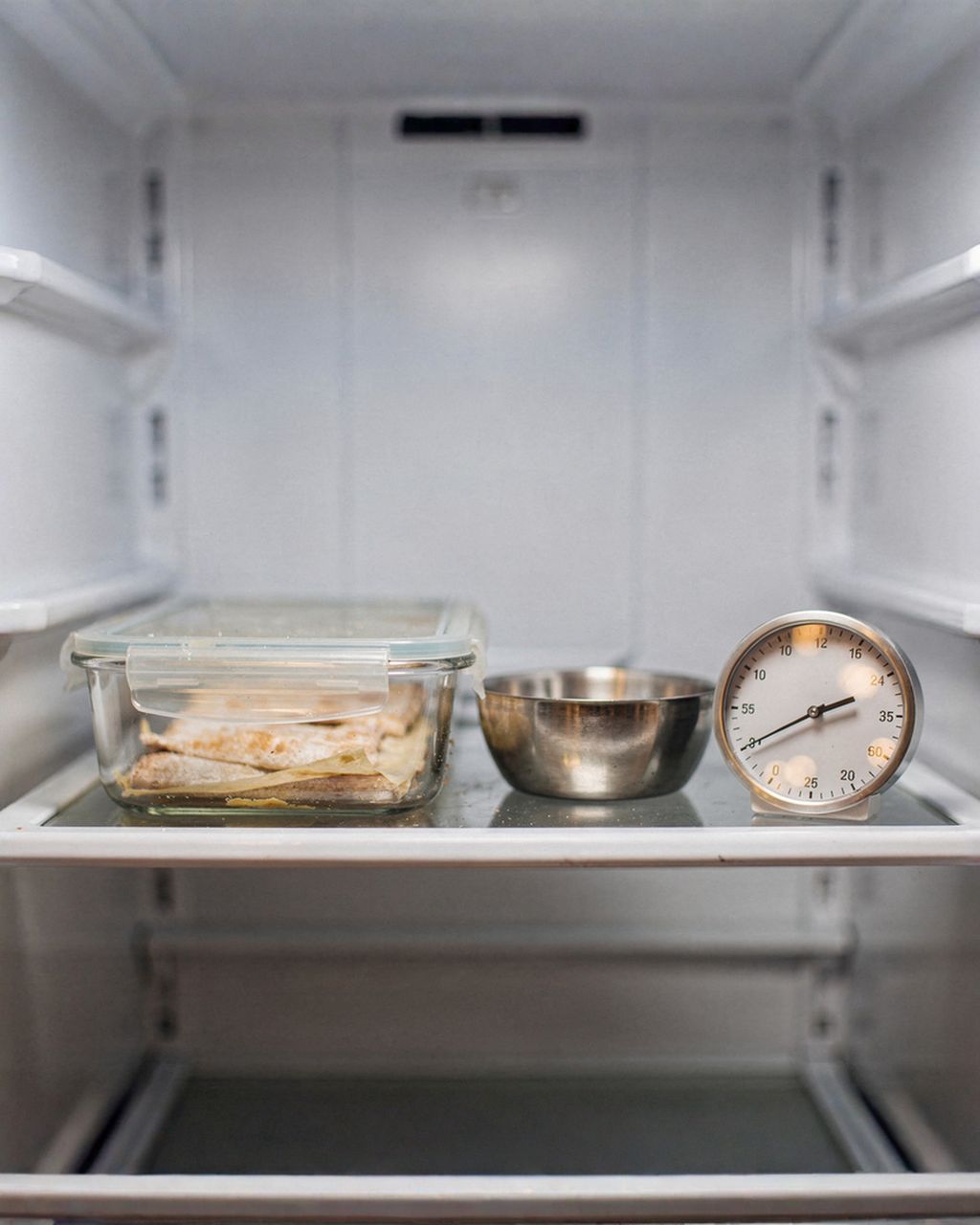
Macarons keep for about 4–5 days in the fridge in a sealed container, and actually taste best on day two. Store them cold, since the filling (ganache, buttercream) is delicate; let them come to room temperature for about 15–20 minutes before serving. For a longer stash, freeze them for up to 1–2 months and thaw in the fridge.
The most common cause of cracked, footless macarons is not letting the shells dry out enough before baking, plus mishandling the macaronage. Let the piped batter sit on the tray for 20–40 minutes until it's no longer sticky to the touch, and don't over- or under-mix the batter. Aged (rested) egg whites and a steady oven temperature around 140–150°C (285–300°F) help too.
For beginners, tarte au citron or a chocolate ganache tart are the easiest places to start — they don't need the precise egg-white whipping of macarons or the choux pastry technique of éclairs. A lemon tart forgives mistakes and needs only a handful of ingredients. Save macarons and croissants for once you've got the basics down.
Pâte à choux is a choux pastry that's first cooked on the stovetop, then finished with eggs beaten in, which is what makes it puff up and turn hollow inside in the oven. It's used for éclairs, chouquettes, profiteroles, and savoury gougères. The trick is to cook off the excess water in the dough and add the eggs gradually until the batter reaches the right consistency.
One recipe worth heating the oven for, one tip, and one deal from the shop. Nothing else.