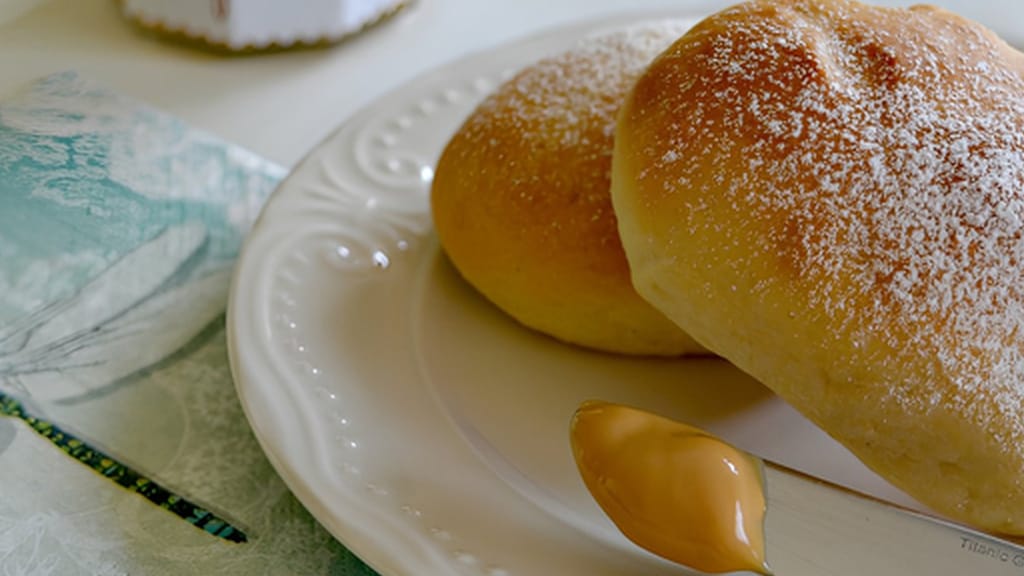
Pain au lait – french milk buns
The History of the Croissant: From the Kipferl to a French Icon

Updated Jul 19, 2026
The croissant isn't quite the French invention you might think. It was indeed born in Paris, but its direct ancestor is the Austrian kipferl — and the romantic legend that Viennese bakers baked it to celebrate the defeat of the Ottomans in 1683 doesn't have a single contemporary source. The real story is less warlike, but tastier: it's a tale of craft, of one Austrian baker in Paris, and of the technique of folding butter into dough. Let's trace where the croissant really comes from, how it became an icon, and what forms it takes around the world today.
The croissant was born in France, but grew out of an Austrian pastry called the kipferl — and its famous "battle" origin story is a myth. The crescent shape does invite tales of Ottoman defeat, but the documented facts point instead to an ordinary — and arguably more interesting — cultural exchange between Vienna and Paris. Let's separate legend from what can actually be proven.
The legend goes that in 1683, Viennese bakers overheard Ottoman soldiers tunneling under the city walls, raised the alarm, and later baked a crescent-shaped pastry — echoing the shape on the Ottoman flag — to celebrate the victory. It's a great story, but it's historically unsupported. There isn't a single contemporary source for it, and it only surfaces as a baker's anecdote much later. Similar "founding" tales circulate elsewhere too, including one tied to the Battle of Tours in 732. They all share the same problem: no actual evidence.
The croissant's real ancestor is the kipferl — an Austrian crescent-shaped pastry documented centuries before the Siege of Vienna. Surviving records show Viennese bakers gifting a kipferl to Duke Leopold as a Christmas present as early as 1227. The kipferl, though, was denser, closer to a sweet roll or a buttery biscuit; what links it to the layered, butter-driven croissant is mainly the shape, not the structure.
French bakers turned the kipferl into the croissant during the 19th and early 20th centuries, marrying the Austrian recipe with laminated dough — the technique of folding cold butter into the dough in layers. The key figure here was August Zang, an Austrian officer turned baker, who opened the Boulangerie Viennoise at 92 rue de Richelieu in Paris between 1838 and 1839. He sold Viennese specialties, including the kipferl, was a runaway success, and kicked off a French craze for viennoiserie — delicate, Vienna-style pastry.
The laminated croissant we know today is actually much younger still. A recipe that genuinely resembles it doesn't appear in French cookbooks until around 1905–1906, followed by a clearly described folded, leavened dough in 1915. It's this lamination — dozens of alternating layers of dough and butter — that sets the croissant apart from the original kipferl.
And one more stubborn myth: that Marie Antoinette brought the croissant to France. There's no evidence for this either — it's a later romantic tale, not a documented event.
The main differences come down to butter, time and lamination: an artisan croissant relies on real butter and slow proofing, while a mass-produced one often uses cheaper fats and a sped-up process. Both can be laminated, but the flavor, aroma and crunch differ noticeably.
Butter vs. fat: artisan croissants are made with real butter (croissant au beurre), while cheaper mass-produced ones often use margarine or palm oil.
Lamination: classic dough is folded through three "turns," creating 27 or more delicate layers; as they bake, steam from the butter lifts them apart, forming that honeycomb-like crumb.
Time: a slow, cold proof develops flavor that fast production methods try to replace with additives for a longer shelf life.
The shape often gives away the quality too — more on that in the tip below.
From Paris, the croissant spread around the world mainly during the 20th century, and today it's a symbol of a relaxed breakfast from New York to Tokyo. In the US, it took off in the 1970s and 80s as a stylish companion to coffee; later, hybrids like the cronut (croissant + doughnut) made headlines, sparking queue-round-the-block fever in New York in 2013. From an Austrian kipferl, it's become a kind of universal language of café culture — a pastry that tastes just as good in Paris as it does in a café eight time zones away.

The croissant has taken on dozens of forms worldwide — among the best known are the almond croissant, Italy's cornetto, pain au chocolat, Japan's matcha croissant, and Malaysia's roti croissant. Each version reveals a bit of local taste:
Almond croissant (France): often made from day-old croissants soaked in syrup, filled with almond frangipane and topped with sliced almonds and sugar — a clever way to give leftover pastry a second life.
Cornetto (Italy): lighter and less buttery than the French croissant, with egg and sugar in the dough, making it sweeter and softer; it's typically filled with custard, jam or chocolate.
Pain au chocolat (France): the same laminated dough, but shaped straight and filled with two sticks of chocolate. We break down the differences in our article croissant vs. pain au chocolat.
Matcha croissant (Japan): matcha green tea powder is added to the dough or filling, giving the pastry a green hue and a gently bitter edge.
Roti croissant (Malaysia): filled with coconut cream or curry paste — a playful mix of sweet and savory.
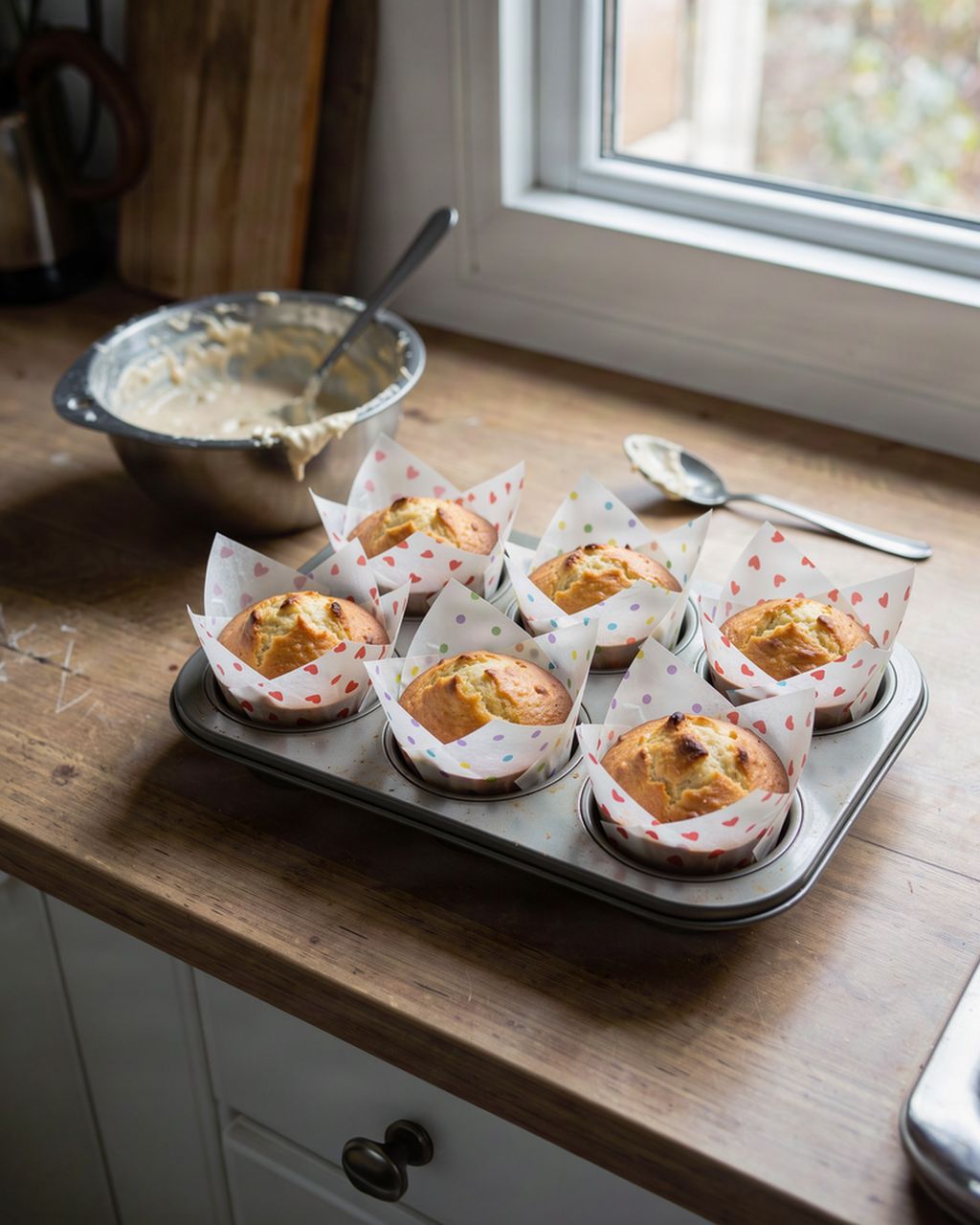
A homemade croissant is a marathon — laminated butter dough demands cold temperatures, time, and a serious amount of patience, but the result is worth it. If you'd rather ease into the world of French viennoiserie with something more forgiving first, start with soft, buttery milk rolls and save croissants as your next milestone.
Pain au lait – french milk buns
Pain au lait – French buttery milk rolls, an easy way to start baking viennoiserie at home
According to food composition databases, a butter croissant has roughly 400 kcal per 100 grams; a typical croissant weighing around 55–60 g comes out at about 230 kcal. Most of that energy comes from the butter fat, which is why values vary from bakery to bakery.
Pop it in an oven heated to 160–180 °C (320–355 °F) for 3–5 minutes — the crust will crisp back up and the layers will lift again. Skip the microwave, as it turns croissants soft and rubbery. If the croissant has gone quite dry, lightly mist it with water before reheating.
Yes. The best method is to freeze the shaped, not-yet-proofed croissants, then let them thaw and proof slowly overnight in the fridge before baking. You can also freeze fully baked croissants, but after thawing, always give them a short blast in the oven to bring back the crispiness.
Viennoiserie literally means "Viennese goods" and refers to the Viennese origins of this delicate pastry. The term took hold in France after Austrian baker August Zang opened the Boulangerie Viennoise in Paris in 1838, making Viennese specialties famous; his success gave rise to an entire category of buttery, leavened pastries that today includes the croissant, pain au chocolat and brioche.
One recipe worth heating the oven for, one tip, and one deal from the shop. Nothing else.