Delicious homemade focaccia – easy italian flatbread
Croissant vs. Pain au Chocolat: What's the Real Difference?

Updated Jul 19, 2026
The difference between a croissant and a pain au chocolat is simple: a croissant is a plain buttery crescent, while a pain au chocolat is a rectangle wrapped around two sticks of dark chocolate – and both are made from exactly the same laminated dough. In this article, we'll trace where these two French (well, actually originally Viennese) pastries come from, what they're made of, how they taste, and how to serve them properly at home. No myths, just technique you'll actually use.
The difference lies in the shape and filling, not the dough. Both croissants and pains au chocolat are made from the same laminated, yeasted dough (known as viennoiserie), but a croissant is an unfilled crescent, while a pain au chocolat is a rectangle with two sticks of dark chocolate tucked inside.
In short:
Shape: a croissant is a curved crescent, a pain au chocolat is a straight rectangle.
Filling: a croissant has no filling and tastes of butter, a pain au chocolat hides two chocolate sticks.
Dough: identical – butter-laminated yeasted dough.
Name: in southwestern France, pain au chocolat is called chocolatine.
When: both are classic breakfast viennoiserie.
The croissant didn't originate in France, but in Vienna. Its ancestor is the Austrian kipferl – a denser, sweet crescent-shaped pastry documented across Central Europe for centuries.
According to popular legend, Marie Antoinette brought the croissant to France, or it was supposedly created to celebrate victory over the Turks near Vienna in 1683 (hence the crescent shape echoing the Ottoman flag). Historians don't back this up, though – these are 19th-century legends with no contemporary sources. The verifiable trail leads to an Austrian entrepreneur, August Zang, who opened a Viennese bakery called Boulangerie Viennoise in Paris in 1838 and made the kipferl famous there. The modern laminated croissant we know today only took shape in the early 20th century, when French bakers swapped brioche dough for puff-style laminated dough.
Pain au chocolat also has roots in Viennese baking tradition and became established in France during the 19th century, mainly in the southwest of the country. That's where it's still called chocolatine today – and the argument over the correct name remains a beloved French café debate.
The basics are simple – flour, water, yeast, salt, sugar, and plenty of good butter. The magic isn't in the ingredients but in the technique: butter is repeatedly folded between layers of dough through a process called lamination. Pain au chocolat gets two sticks of chocolate added; otherwise, it's the exact same dough.
The most important element is high-fat butter – ideally European-style butter with 82% fat or more. Lower water content means the layers won't merge and the dough won't tear when rolled out.
Flour: plain flour with a higher protein content (in France, type T45 or T55), so the dough can support dozens of layers.
Yeast: fresh or dried yeast – ensures slow fermentation and an airy crumb.
Butter for lamination (tourage): a separate portion of butter that gets folded into the layers of dough.
Chocolate (pain au chocolat only): two sticks of dark chocolate around 55–70% cocoa, which soften during baking and hold their shape rather than melting out completely.
Lamination means repeatedly folding the dough with butter to create many thin layers. These puff up in the oven from the steam released by the butter, creating that signature crisp, flaky structure.
Butter is sealed inside a sheet of dough, and the dough is typically folded and rolled out three times (a process called tourage). Three simple folds create 27 layers of butter, and with them, dozens of delicate layers of dough.
The dough must always rest in the fridge (around 4°C/39°F) between folds. If the butter warms up and soaks into the dough, the layers merge and you end up with something closer to brioche than proper flaky pastry – this is the most common mistake home bakers make.
The difference between a croissant and a pain au chocolat only comes in at the final step: a croissant is cut from a triangle and rolled into a crescent, while a pain au chocolat is cut into rectangles that get wrapped around the chocolate sticks.

A croissant tastes buttery with a slight nuttiness, while a pain au chocolat adds bittersweet chocolate on top of that same buttery base. Both have a crisp, layered crust, but a croissant is airy and dry inside, whereas a pain au chocolat is softer in the middle thanks to the warm, melted chocolate.
A croissant is all about pure butter and textural contrast. On the first bite you get a crisp crust, then underneath it an airy, slightly stretchy crumb. The aroma is sweetly buttery with a hint of nuttiness. It doesn't need any filling – good butter and honest lamination are the whole story.
Pain au chocolat builds on the same buttery crust but adds warm, melted dark chocolate. The result is a contrast between crisp pastry and a silky filling, and a balance between buttery sweetness and cocoa bitterness. The better the chocolate, the deeper the flavour – that's why dark chocolate with a higher cocoa content is used rather than milk chocolate.
They taste best fresh and still slightly warm, in the morning with a strong coffee. If they're not straight from the bakery oven, warm them for 3–5 minutes in the oven at 150–160°C (300–320°F) – the crust will crisp up again and the butter will scent your whole kitchen. Skip the microwave, though – it turns flaky pastry rubbery.
The classic pairing is espresso or cappuccino – the bitterness of the coffee beautifully balances the butteriness of a croissant and the sweetness of a pain au chocolat's chocolate. If coffee's not your thing, reach for a bold tea: Earl Grey or green tea add a refreshing counterpoint to the rich pastry.
A croissant pairs well with a little butter and homemade jam – apricot or strawberry add a fruity tang that lightens the butter. Leave the pain au chocolat alone, though: the chocolate inside speaks for itself, and any extra topping would be overkill.
Butter-laminated, yeasted pastries have cousins all over the world – from Italian focaccia to Indian naan and Swedish cinnamon buns. Every culture has taken yeasted dough and bent it to its own tradition.
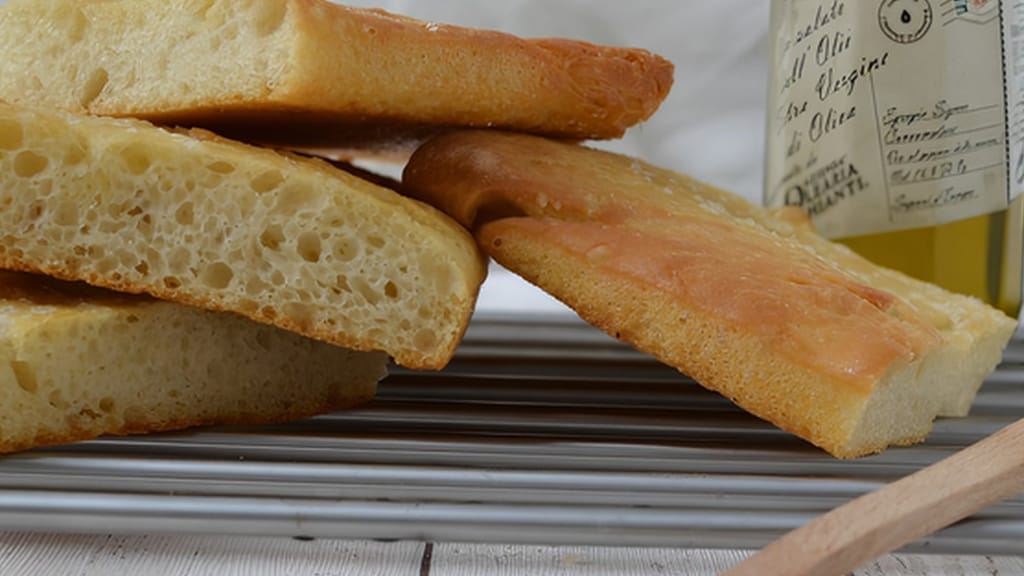
In Europe you'll find Italian focaccia (a flat bread with olive oil and rosemary), Scandinavian kanelbullar – cinnamon buns with cardamom that are a staple of Swedish fika breaks – or German brezel, a crisp, salted pretzel perfect with beer.
In Asia, there's Japanese melon pan, with its sweet, crackly crust resembling a melon's rind, and Indian naan, a soft flatbread traditionally baked in a tandoor to go with sauces and curries.
Modern bakers are pushing traditional recipes even further – laminating gluten-free doughs or adding wholegrain flour and seeds. But the basic principle of layering butter stays exactly the same as it is for a croissant.
Delicious homemade focaccia – easy italian flatbread
Gorgeous homemade focaccia – Italian bread with olive oil and rosemary
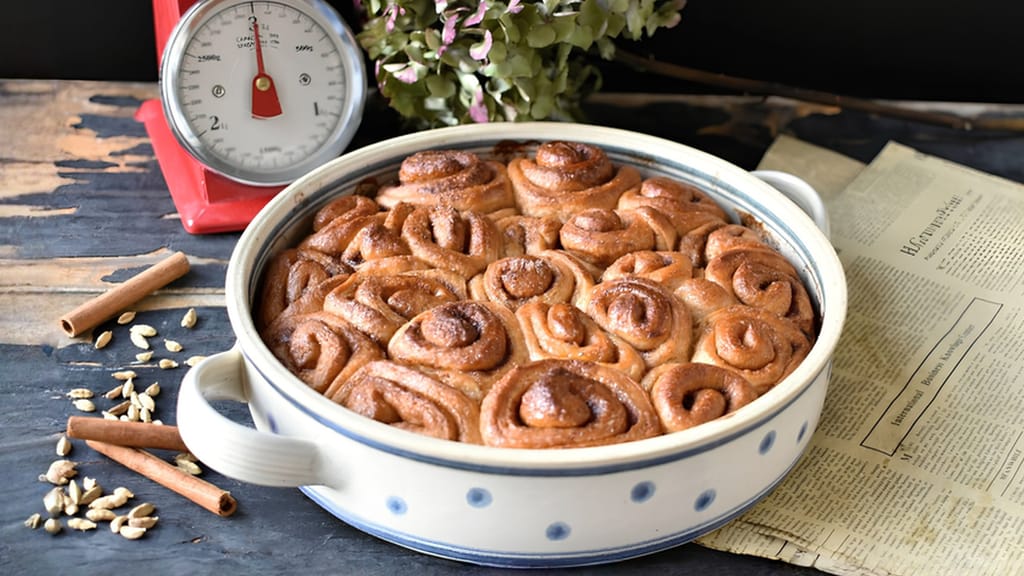
Swedish treat: cinnamon buns
Swedish cinnamon buns (kanelbullar) for a proper fika break
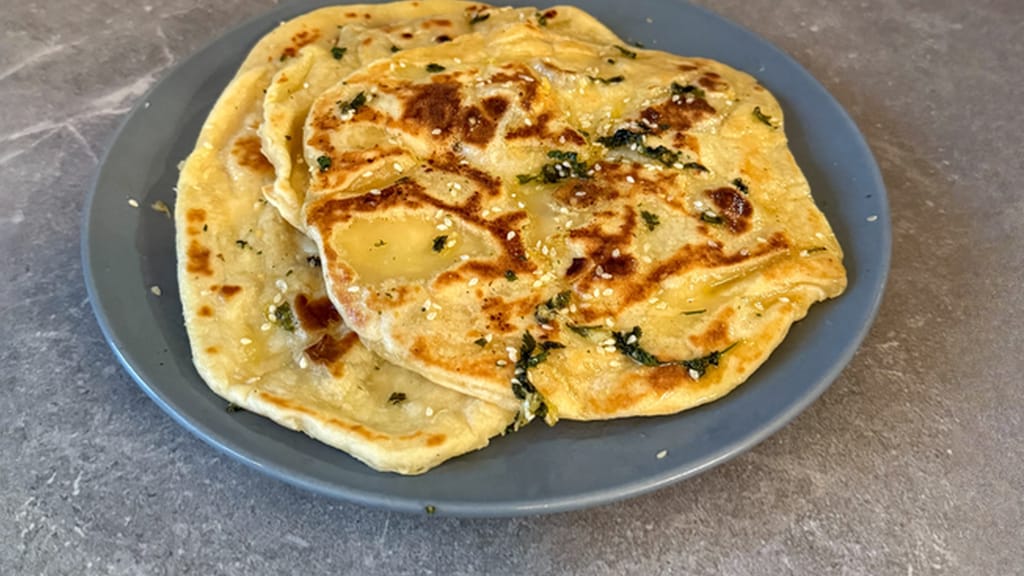
Skillet naan bread (no yeast)
Homemade skillet naan bread – soft Indian bread for curries
Pick based on your mood: a croissant when you want pure butter and lightness, a pain au chocolat when you're craving chocolate. The dough's the same either way – so go ahead and have both, and leave the chocolatine argument to the French.
Yes, both freeze well – ideally once baked and cooled, sealed in a bag, they'll keep in the freezer for 1–2 months. Thaw at room temperature, then warm through in the oven at 150–160°C (300–320°F) for 5 minutes so the crust crisps up again. You can also freeze shaped, unbaked pastries and bake them fresh whenever you like.
Most often it's because the butter warmed up during lamination and soaked into the dough instead of staying in distinct layers. Always chill the dough in the fridge (around 4°C/39°F) between folds, work quickly, and keep your kitchen cool. If the butter gets too soft, the layers merge together and the fat leaks out onto the baking tray.
Not quite. A true pain au chocolat is a rectangle with two sticks of chocolate inside, whereas a "chocolate croissant" is usually a crescent-shaped croissant filled with chocolate, as it's typically sold outside France. The dough is identical – it's the shape and filling method that differ.
The classic choice is dark chocolate around 55–70% cocoa in stick form (called *bâtons* in French), which hold their shape during baking without burning. Milk chocolate is sweeter and scorches more easily at high heat, so it's less suited to pain au chocolat.
Yes. You can prepare the laminated dough a day ahead and let it rest overnight in the fridge, or freeze the shaped pastries and bake them fresh in the morning. Slow, cold fermentation actually improves both the flavour and the layering.
One recipe worth heating the oven for, one tip, and one deal from the shop. Nothing else.