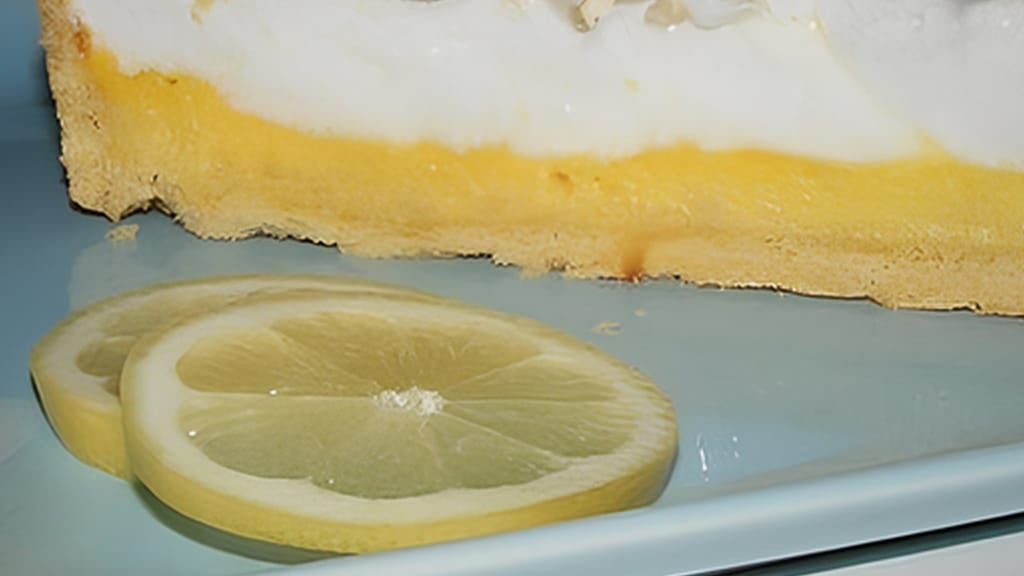
Tarte au citron – french lemon tart
French Pâtisserie: Techniques, Classic Desserts and How to Start at Home

Updated Jul 19, 2026
French pâtisserie rests on a handful of core techniques — once you've mastered crisp pâte sucrée, silky crème pâtissière, and how to handle caramel and chocolate, dozens of classic desserts open up to you, from madeleines to croquembouche. In this guide you'll find where French pâtisserie comes from, the techniques that form its backbone, how the iconic desserts are made (with direct links to our own recipes), and what you need to get your first attempts right at home.
Modern French pâtisserie was born in the 19th century, when pastry chefs turned it into a discipline in its own right, with rules of its own. Its founding figure is considered to be Marie-Antoine Carême (1784–1833), nicknamed "the king of chefs and chef of kings." Historians credit him with codifying puff pastry technique, and he was famed for building elaborate sugar showpieces, pièces montées. He's also credited with croquembouche and choux pastry; he set down his methods in 1815 in the book Le Pâtissier royal parisien.
The roots go back further, to the Middle Ages — Arab traders brought sugar and spices to Europe, and monastery and court kitchens began experimenting with sweet baking. But real order only arrived with Carême and those who followed him.
In the 20th century, pâtisserie was modernised by Gaston Lenôtre: he lightened heavy buttercreams, championed airy mousse, and trained a whole generation of pastry chefs at his Paris school. From there runs a direct line to today's scene, which alternates between a return to honest classics and bold fusion desserts.
Seasonal baking plans, tested recipes and kitchen tricks that save you time. Unsubscribe in one click.
French pâtisserie rests on a handful of techniques that recur across dozens of desserts. Master these four first:
pâte sucrée — sweet shortcrust pastry for tarts and tartlets,
crème pâtissière — thick vanilla pastry cream for choux buns, tartlets and slices,
working with caramel — from light to dark, both glue and garnish,
tempering chocolate — for a glossy finish and decorations that hold their shape in your hand.
Once you have these under your belt, most classic recipes are really just a clever combination of them.
Pâte sucrée is the sweet shortcrust pastry that lines tarts and tartlets — it holds its shape, has a delicate crunch, and won't turn soggy under a filling. The key is a ratio of roughly 2:1:1 (flour : butter : sugar), plus an egg yolk to bind it and a pinch of salt.
Work in the butter cold and cubed, or use the crémage method instead (beat the butter with the sugar first, then fold in the flour) — this gives a smoother, less crumbly dough. Whichever method you choose, don't overwork the dough: stop as soon as it comes together, or you'll develop the gluten and end up with a tough base that shrinks in the oven.
Tip: Wrap the finished dough and chill it for at least an hour. Chilling relaxes the gluten and firms up the butter, so the base won't shrink as it bakes. Blind-bake with baking weights at 170–180°C (340–355°F) until golden.
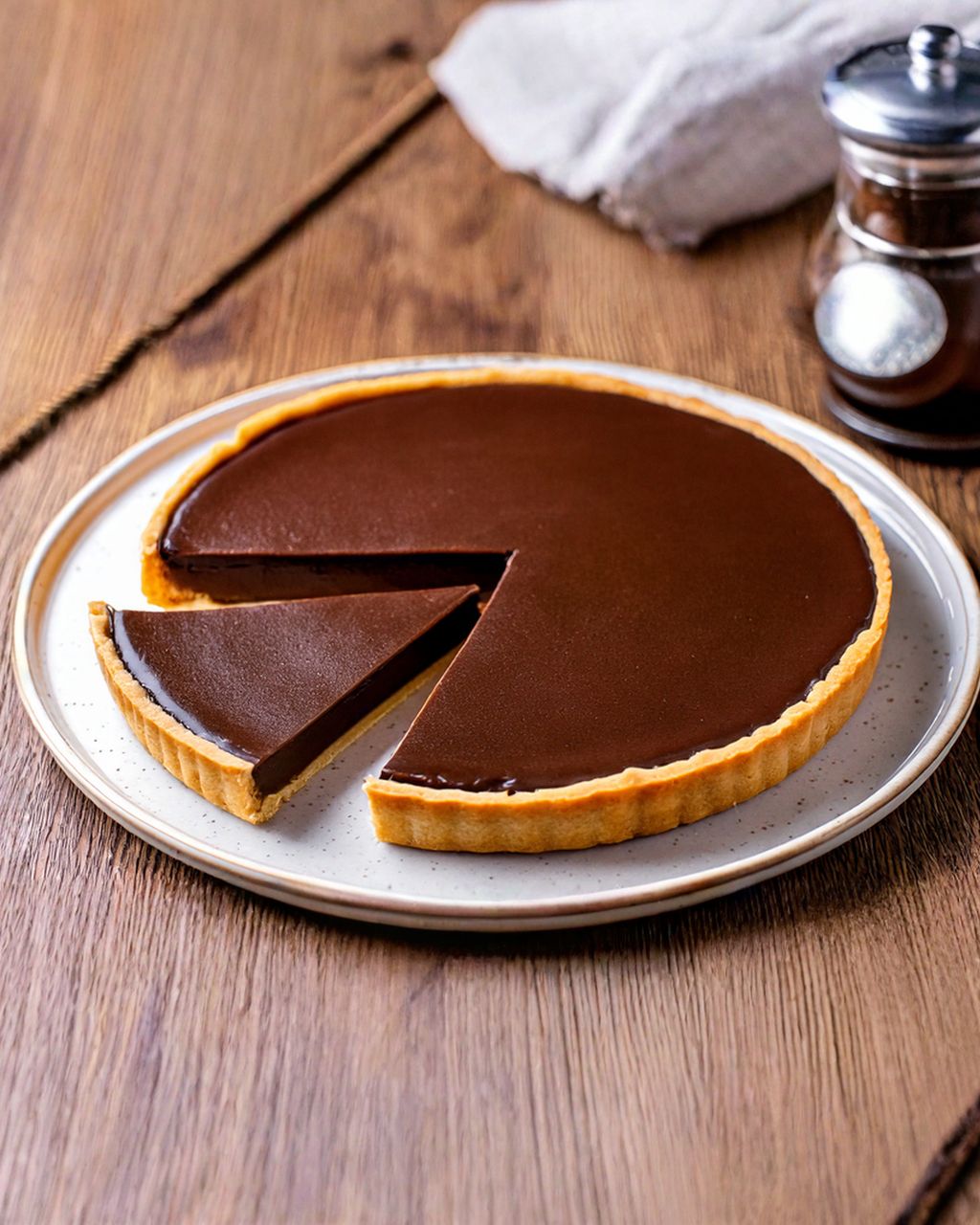
Tarte au citron – french lemon tart
Tarte au citron – French lemon tart on crisp pâte sucrée
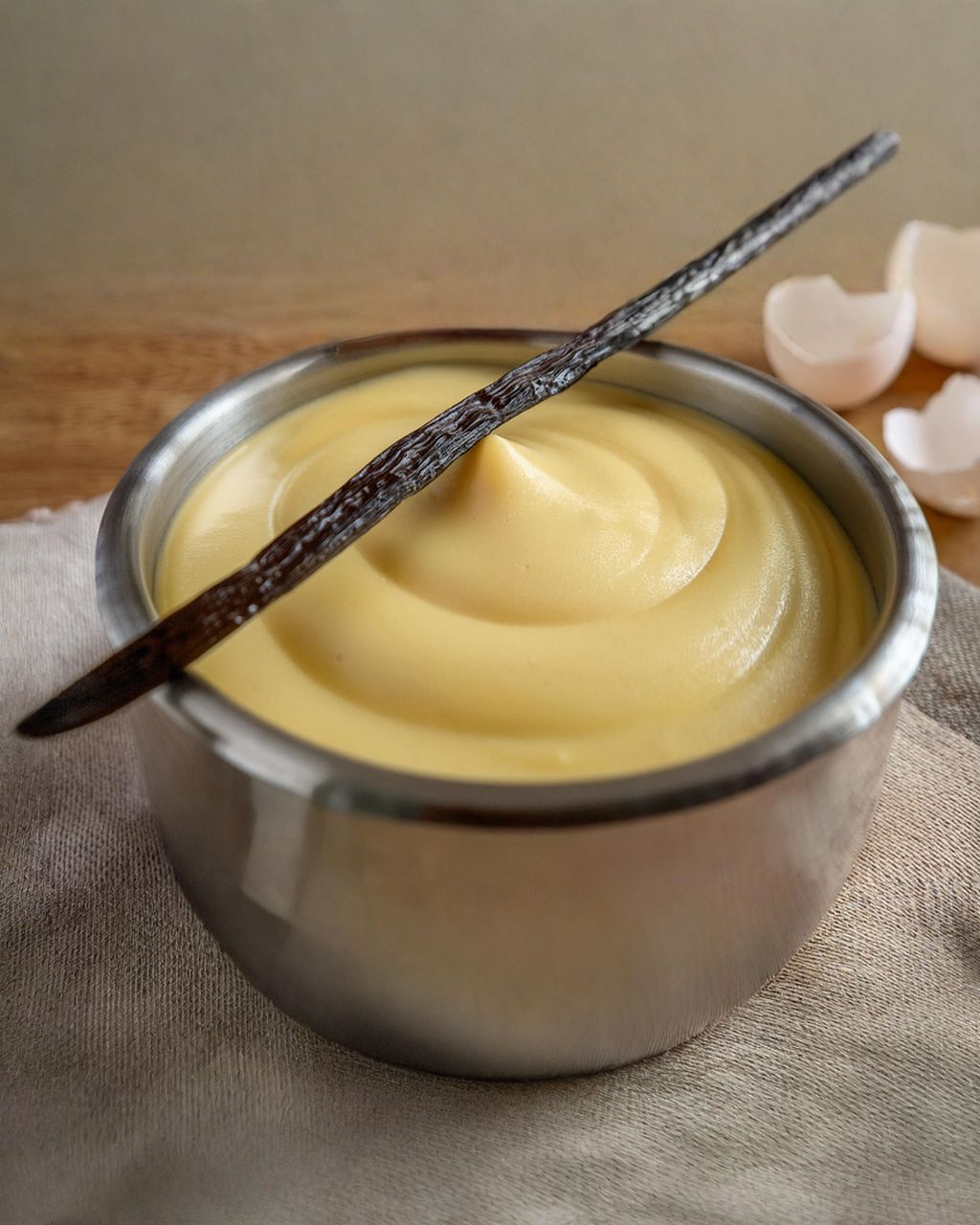
Crème pâtissière is a thick vanilla cream made from milk, egg yolks, sugar and starch (or flour), and it holds its shape — the base of choux buns, tartlets and layered slices. The secret is in the order of operations: whisk the yolks with the sugar and starch, pour over the hot milk, return to the heat and, stirring constantly, bring to the boil and simmer for 1–2 minutes. Only boiling fully cooks the starch and destroys the enzyme in the egg yolks that would otherwise thin the cream out by the next day.
Tip: Tip the finished cream straight into a bowl and cover with plastic wrap pressed onto the surface — this stops a skin forming. Whisk it smooth again before you use it.
You'll find the full method with exact ratios in our dedicated guide: perfect crème pâtissière, step by step.
Caramel and tempered chocolate are what give French pastries their final shine. Caramel forms when you heat sugar (often with a splash of water) to roughly 160–180°C (320–355°F) until it turns golden; it glues together a croquembouche and can be pulled into fine sugar threads. Work fast and stay fully focused.
Tempering chocolate gives it its shine and satisfying snap. For dark chocolate, melt it to around 50°C (120°F), cool it to 28–29°C (82–84°F), then rewarm it to a working temperature of 31–32°C (88–90°F) — pastry chefs say this range produces stable Type V crystals, which keep the shine and stop the chocolate greying. Chocolate overheated past 32°C falls out of temper and you'll need to start over.
Six classics that French pâtisserie both teaches and treasures: madeleines (little buttery shell-shaped cakes for your coffee), croquembouche (a caramel tower of profiteroles), tarte Tatin (upside-down caramelised apple tart), macarons (almond sandwich biscuits), tarte au citron (lemon tart) and crêpes Suzette (crêpes in an orange-caramel sauce). We already have recipes for most of these on Yumsto — click straight through below.
Madeleines are small, buttery, shell-shaped sponge cakes with a distinctive little hump; you'll know them by their crisp edge and soft, tender centre. The trick to the hump: chill the batter thoroughly (overnight in the fridge is fine), then bake it straight from cold in a hot, greased tin — the temperature shock forces the centre to rise.
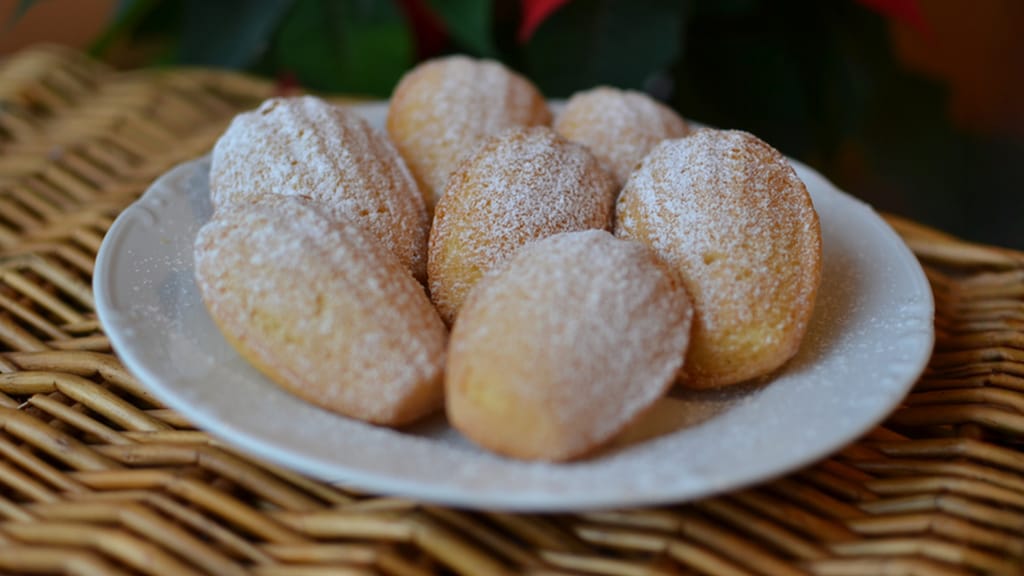
Madeleines - fragrant french sweets
Madeleines – fragrant French shell cakes for your coffee (step-by-step recipe)
Croquembouche is a showstopping tower of choux profiteroles glued together with caramel — a traditional French dessert for weddings and Christmas. It's assembled right before serving, since the caramel goes soft and sticky in the fridge and the tower won't hold.
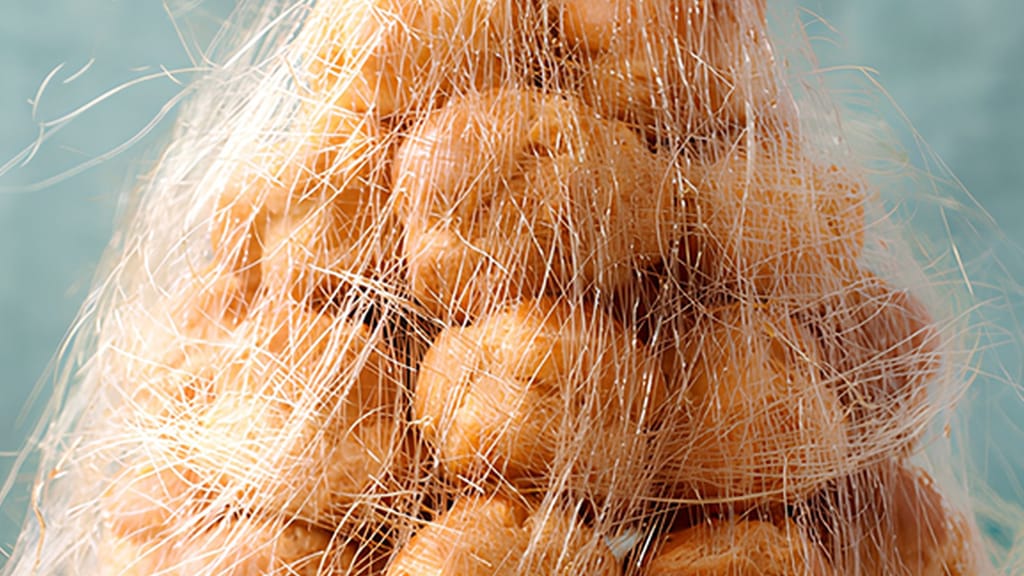
Croquembouche
Croquembouche – French caramel tower of profiteroles (step-by-step recipe)
Tarte Tatin is an upside-down apple tart: the apples are caramelised in a pan first, topped with pastry, baked, then flipped so the caramel ends up on top. Legend has it the tart was invented by accident by the Tatin sisters, who forgot apples cooking in butter on the stove. We haven't published our own recipe on Yumsto just yet — until we do, try the same caramel-and-upside-down principle on the related dessert below.
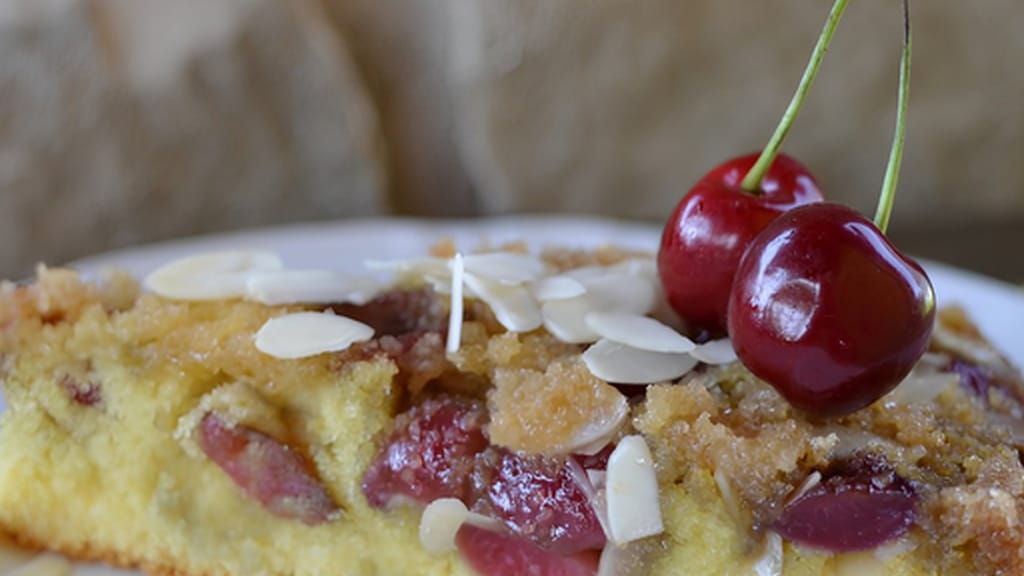
Upside-down cherry cake with caramel
Upside-down cherry tart with caramel – the same principle as tarte Tatin
Macarons are delicate almond sandwich biscuits made from two shells of almond flour and whipped egg whites, filled with buttercream or ganache. You'll recognise them by their smooth, glossy shell and the small "foot" at the base. Success comes down to weighing precisely, whipping the meringue properly, and resting the shells before baking.
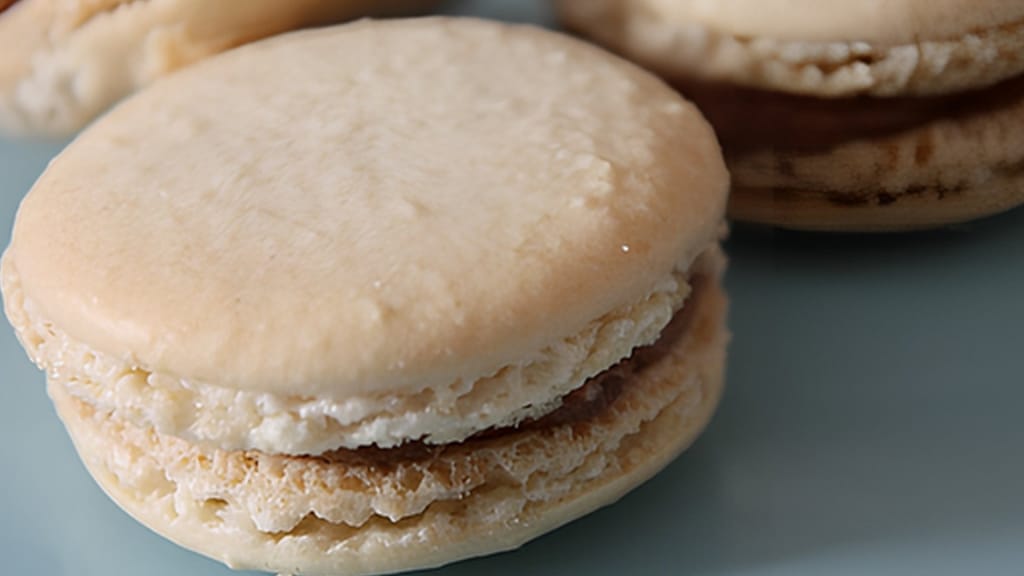
Macarons – the winning recipe
Macarons – a winning recipe for French almond sandwich biscuits
Tarte au citron is a crisp pastry shell filled with smooth lemon cream — a bright counterpoint to all those buttery desserts (find the recipe above, in the pâte sucrée section). Crêpes Suzette are thin crêpes warmed through in an orange-caramel sauce, a classic that's traditionally flambéed tableside in restaurants.
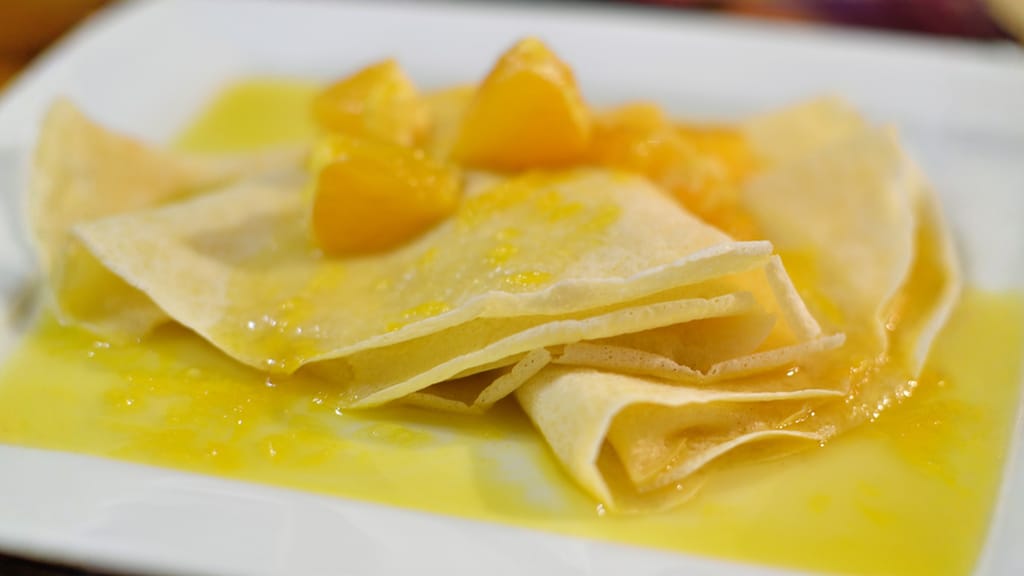
French delight: crêpes suzette
Crêpes Suzette – French crêpes in orange caramel sauce (recipe)
Today's French pâtisserie is moving in three directions: fusion (classics meeting matcha, yuzu or exotic fruit), minimalism (clean lines, less decoration, more focus on flavour), and sustainability (seasonal, local ingredients and less waste).
Fusion is best shown by the fraisier — the classic strawberry cake with mousseline cream — which pastry chefs today are flavouring with matcha or yuzu. Similarly, mille-feuille (known to some as a "Napoleon") now swaps vanilla cream for pistachio, caramel, or even a savoury twist. Minimalism, meanwhile, pulls in the opposite direction: fewer flourishes, even better ingredients. We're still working on our own mille-feuille recipe.
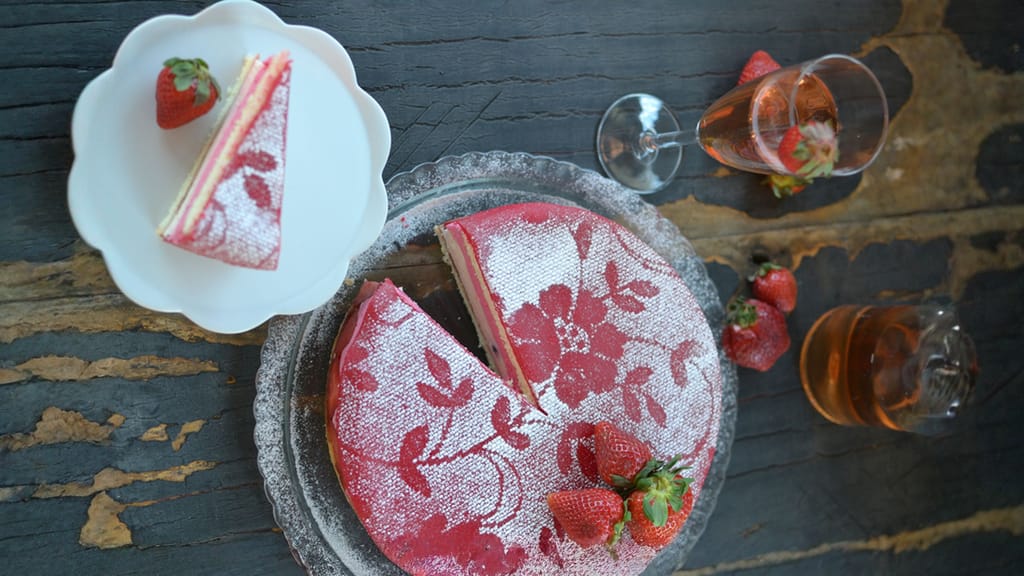
Strawberry fraisier cake
Fraisier strawberry cake – a French classic with mousseline cream (recipe)
You don't need a fully equipped pastry kitchen for your first attempt at French baking at home — just precision and a few basics. The key is simple: weigh, chill, plan ahead.French recipes are measured in grams, buttery and choux doughs need a proper chill, and the more involved projects can be split across two days.
The essential minimum: a digital scale, a stand mixer or hand mixer with dough hooks, a work surface or silicone mat, a sugar/candy thermometer (for caramel and tempering), and a piping bag with a few tips. Add specialist tins — for madeleines or tartlets — depending on what you want to bake.
You'll find the full rundown in our article on essential kitchen tools you shouldn't be without.
With French baking, ingredient quality is half the battle. Go for high-fat butter (82%), almond flour for macarons and financiers, fresh eggs, and fine plain flour. Use real vanilla — the difference versus flavouring is obvious the moment it hits the cream.
Stick to three rules: weigh everything in grams, chill thoroughly, and plan ahead (dough in the evening, baking in the morning). Your first croissants or macarons might not turn out perfectly the first time — it's a craft that clicks into place after a few tries. Start with something forgiving: a light génoise sponge or an honest loaf of bread, to get a feel for working with dough.
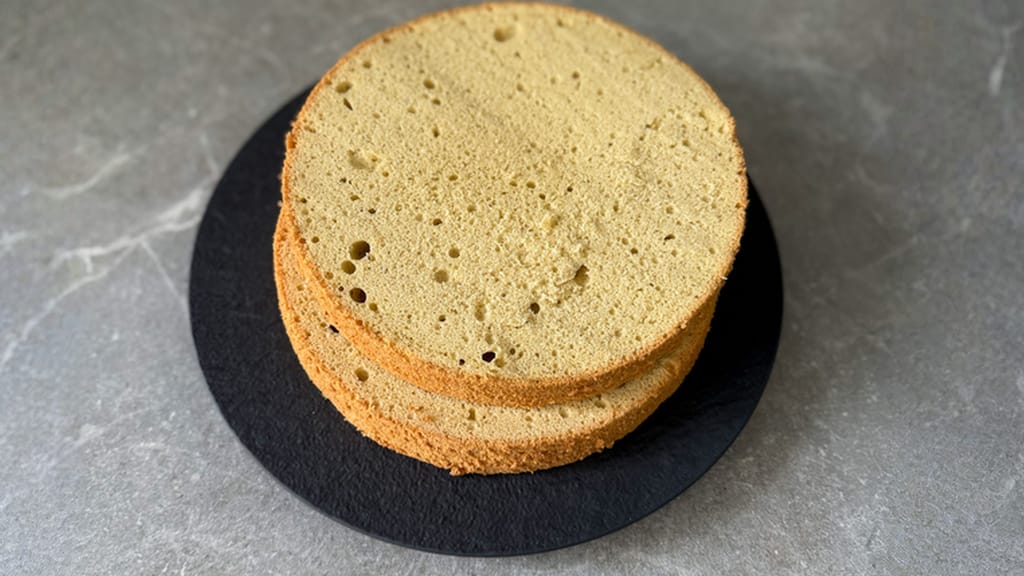
Light and airy génoise sponge cake
Light génoise sponge – the all-purpose base for French cakes
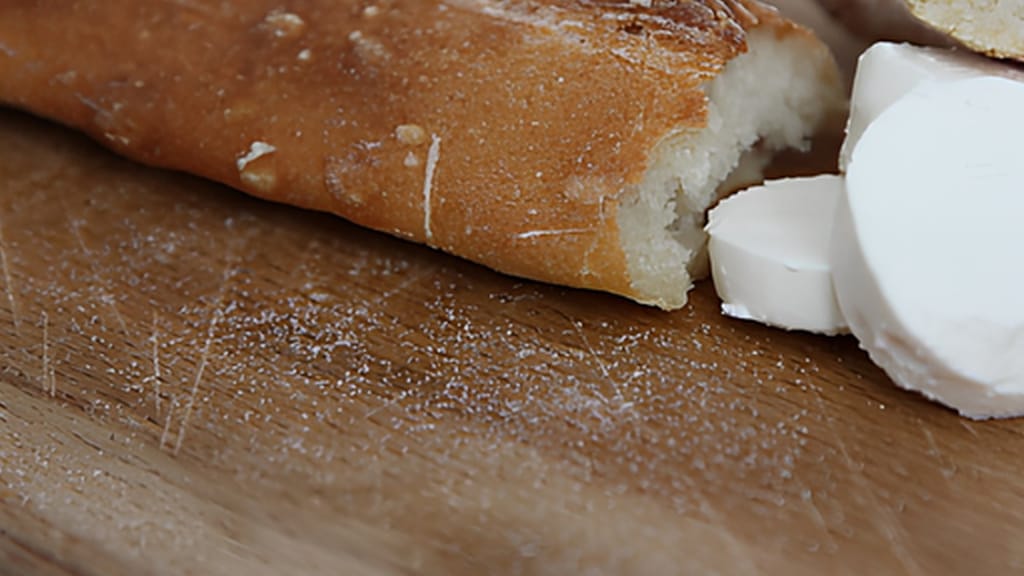
Pain à l'ancienne – rustic bread
Pain à l'ancienne – a rustic French loaf for your first attempt at working with dough
They differ in their ratio of sugar to fat, and in the resulting texture. Pâte sucrée is a sweet, firm dough for dessert tarts; pâte brisée is unsweetened, flaky and all-purpose (works for savoury quiches too); pâte sablée has the highest butter content, giving it a crumbly, "sandy" texture perfect for biscuits and delicate tartlets.
It keeps in the fridge for 2–3 days in a sealed container, with plastic wrap pressed directly onto the surface to stop a skin forming. It doesn't freeze well — it turns watery and separates once thawed. Always whisk it smooth again before using.
The most common culprits are under-resting the shells or excess humidity. Let the shells sit out for 20–40 minutes before baking until dry to the touch, bake at a steady 150°C (300°F), and let your egg whites "age" in the fridge for a few days beforehand. Weighing your almond flour and icing sugar precisely helps too.
Good-quality shop-bought puff pastry (ideally all-butter, not one made with vegetable fat) works perfectly well for croquembouche and mille-feuille, and saves hours of work. For tarts, you can also swap in pâte sucrée if you don't need pronounced layering.
Crystallisation is triggered by a single stray sugar crystal on the side of the pan, or by stirring at the wrong moment. Melt the sugar over gentle heat, don't stir the pan (just swirl it gently), and brush down the sides with a wet pastry brush. A pinch of lemon juice or glucose syrup is good insurance against crystallising.
One recipe worth heating the oven for, one tip, and one deal from the shop. Nothing else.