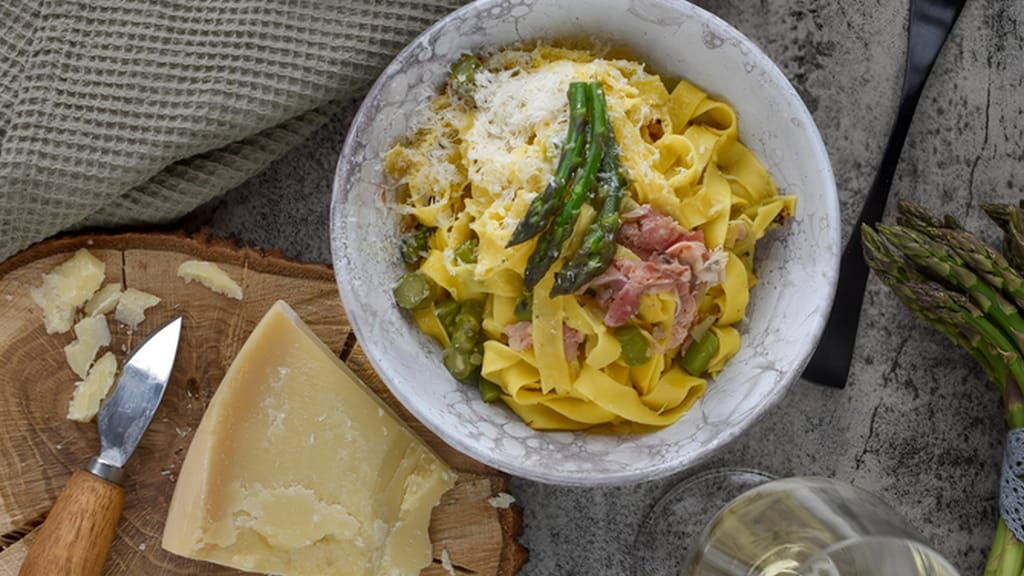
Pappardelle with asparagus
Spring Produce Guide: What's in Season and What to Cook

Updated Jul 19, 2026
Spring produce tastes best from March to June — asparagus, wild garlic, radishes, young peas, chives and tender leafy greens all hit their peak. They're cheaper than out of season, packed with more nutrients, and don't need to travel halfway around the world to reach your plate. In this guide you'll find what to buy and when, how to store it so it stays fresh, and what to cook with it — from crisp salads and light soups to homemade lemonades.
Here's a rundown of the best spring produce, so you know what to grab at the market:
Wild garlic – March to May, leaves are best before flowering
Asparagus – mid-April through 24 June (traditionally the last harvest falls on St. John's Day)
Radishes – April to June, with the first ones often coming from cold frames as early as March
Spinach – spring harvest runs April to June
Young peas – May to June
Chives, parsley, mint, lemon balm – from April onward, right through spring
Rhubarb and strawberries – late spring, perfect for sweet recipes and lemonades
The shorter the journey from field to plate, the more flavour and nutrients an ingredient holds onto. Buying in season is also easier on your wallet — supply is at its highest exactly when demand is too.
Seasonal baking plans, tested recipes and kitchen tricks that save you time. Unsubscribe in one click.
Cooking with seasonal produce pays off for three reasons: freshness and nutrients, lower prices, and a shorter trip to your plate.
More nutrients and flavour. Produce harvested in season and locally doesn't need to be picked unripe for long-distance transport, so it ripens fully and retains more vitamins. According to nutritional tables, 100g of asparagus provides around 37% of your daily folate needs for a mere ~20 kcal.
Lower prices. When something is at peak supply, prices drop — seasonal asparagus and radishes will cost you less than out-of-season imports.
A shorter journey. Local produce doesn't need to travel halfway around the globe, and buying it supports growers in your own area.
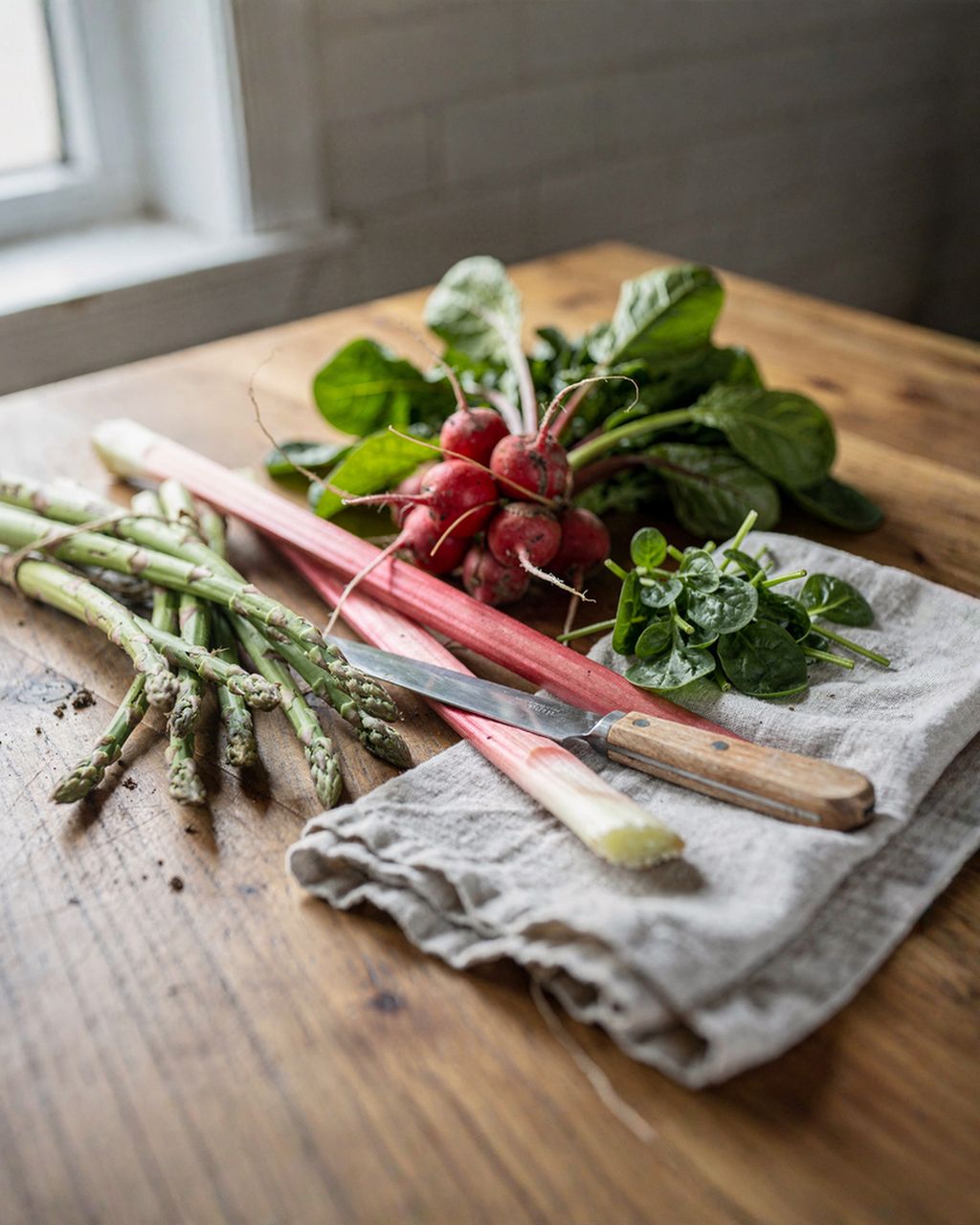
The three sure things at the spring market are asparagus, spinach and radishes. Each needs slightly different handling to really shine — and all three taste best just a few days after harvest, so buy them fresh and in small amounts.
In the Czech Republic, asparagus season runs from mid-April to 24 June, and it's one of the lightest spring vegetables around — about 20 kcal per 100g, while being rich in folate and vitamins A, C and K according to nutritional tables. Green asparagus has a bolder flavour and doesn't need peeling; white asparagus is milder, but the bottom third of the stalk needs to be peeled.
Store it standing upright in a glass with a little water, like a bunch of flowers, covered with a bag — it'll stay fresh in the fridge for 3–4 days. Don't cut off the woody ends; snap them instead: bend the stalk and it will break naturally right at the point where the tender part begins.
The quickest way to cook it: sauté or grill briefly in hot oil for 3–4 minutes so it stays crisp, then season with salt, lemon and shavings of parmesan. Overcooked asparagus turns mushy and loses both its colour and its bite.
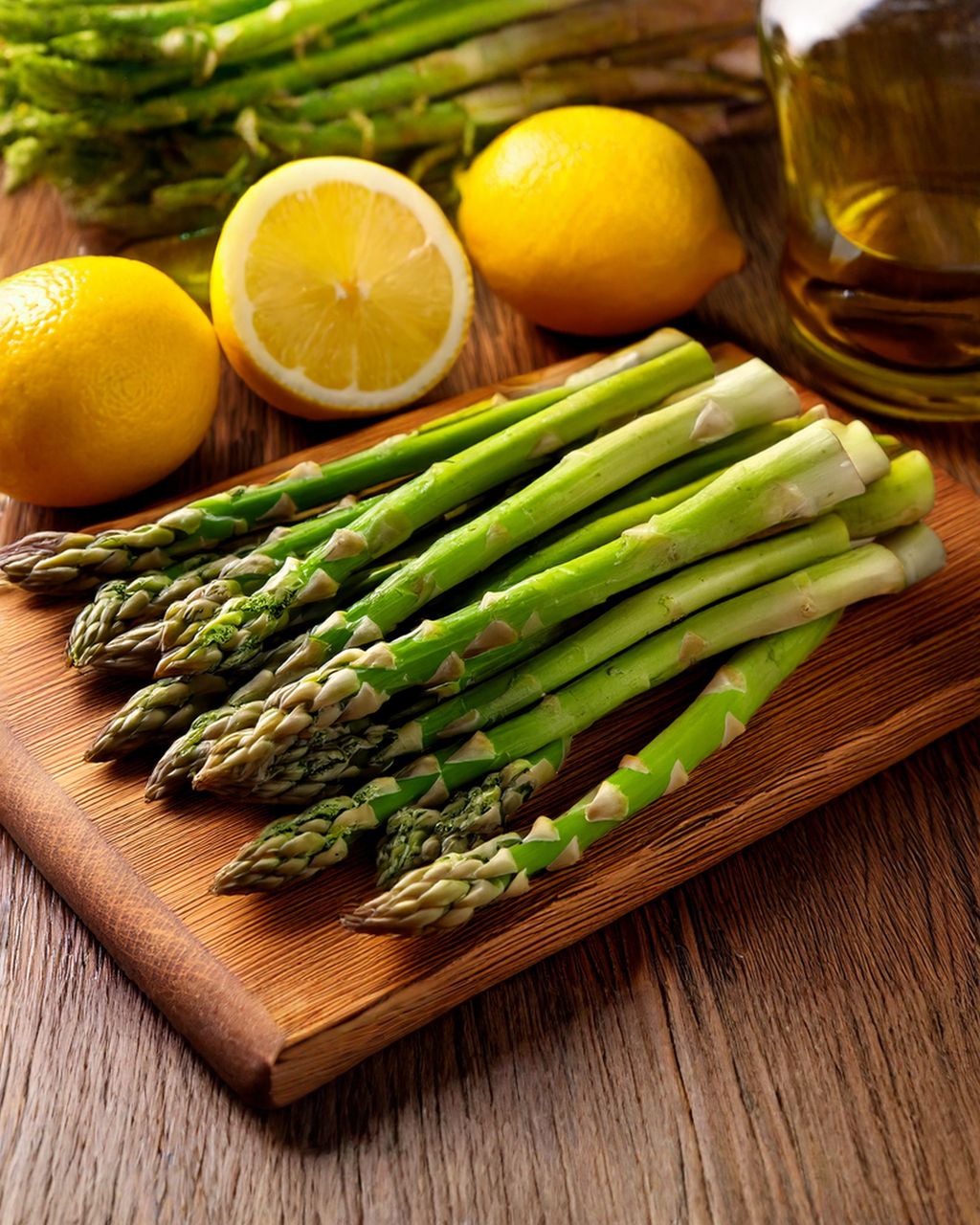
Pappardelle with asparagus
Pappardelle with Asparagus: A Way to Use It as a Main Course
Fresh spring spinach has a more delicate leaf than the frozen kind and is a great source of iron, magnesium and vitamin K. Young leaves are ideal raw in salads, while larger ones are better suited to a quick sauté.
Store it dry — moisture makes it wilt. Wrap it in paper towel and place it in a bag in the fridge, where it'll keep for 2–3 days; wash and dry it only right before using.
You can get it on the plate in minutes: sauté a crushed garlic clove in a spoonful of oil, add the leaves, and let them just wilt down until they collapse — a few dozen seconds is enough. Overcooked or over-salted spinach releases water and turns bitter.
Radishes bring crunch and a mild peppery bite, and they're in season for nearly all of spring, from April through June. The heat sits in the skin, so don't peel them — just wash them well.
Remove the tops as soon as you get them home, since they draw moisture out of the bulbs, and store the radishes in a perforated bag in the fridge; they'll stay crisp for over a week. Limp ones can be revived with an hour-long soak in ice water.
The simplest way to prepare them: slice thinly, salt, and drizzle with good olive oil and lemon. Butter, salt and fresh bread turn them into a classic spring snack — and don't toss the tops, they make a great soup or pesto.
Two herbs define the taste of spring — wild garlic and chives. The same rule applies to both: add them fresh and at the very last moment, since heat strips away their colour and aroma.
Wild garlic is the first bold herb of spring, tasting like a milder, fresher version of garlic, and it's in season from March to May — the leaves are best before flowering, as they turn bitter once the plant blooms. It works best raw: in pesto, spreads, soups or salads. Always add it right at the end of cooking, or you'll lose both its colour and flavour.
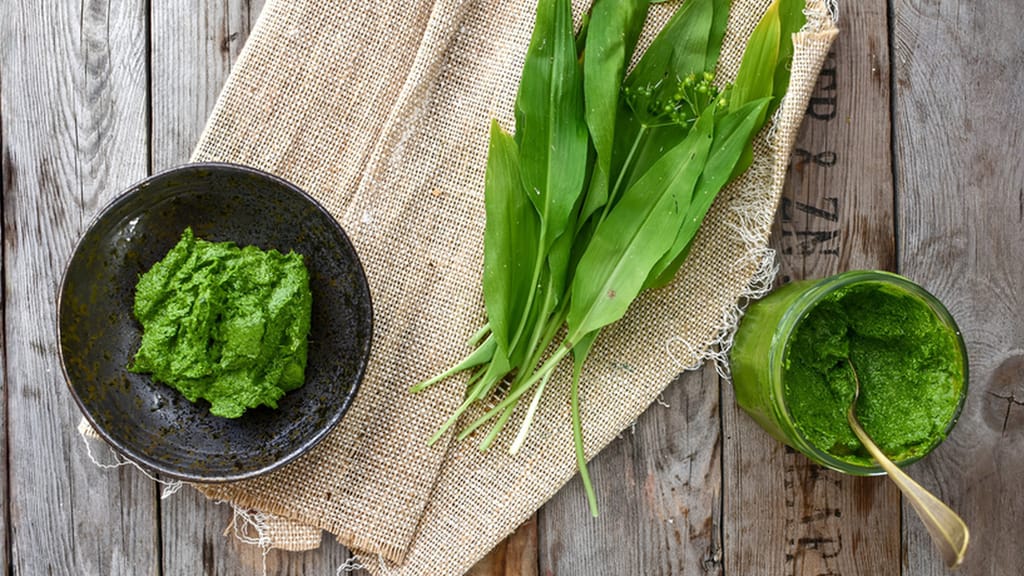
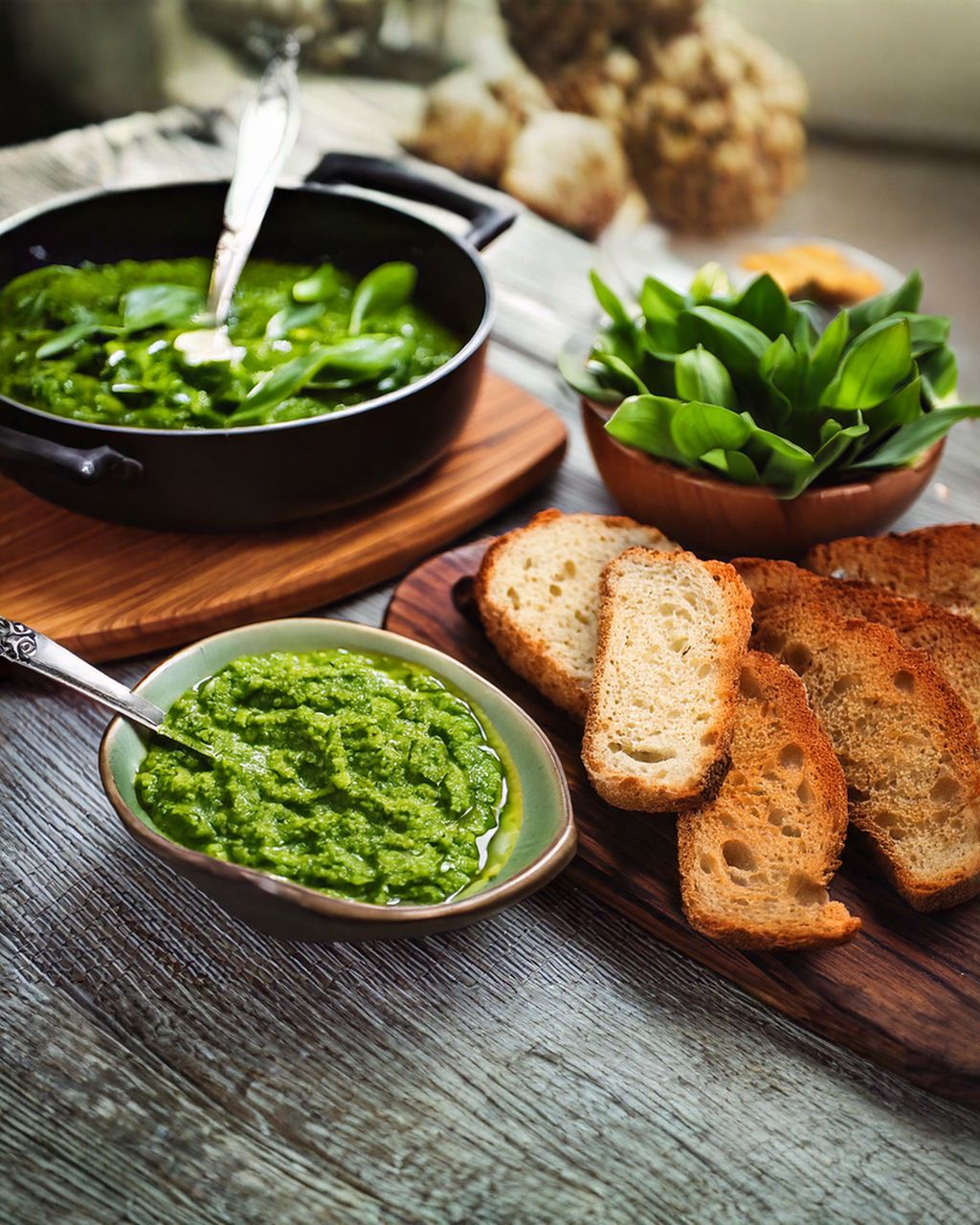
Wild garlic pesto
Wild Garlic Pesto: The Best Way to Preserve Its Flavour
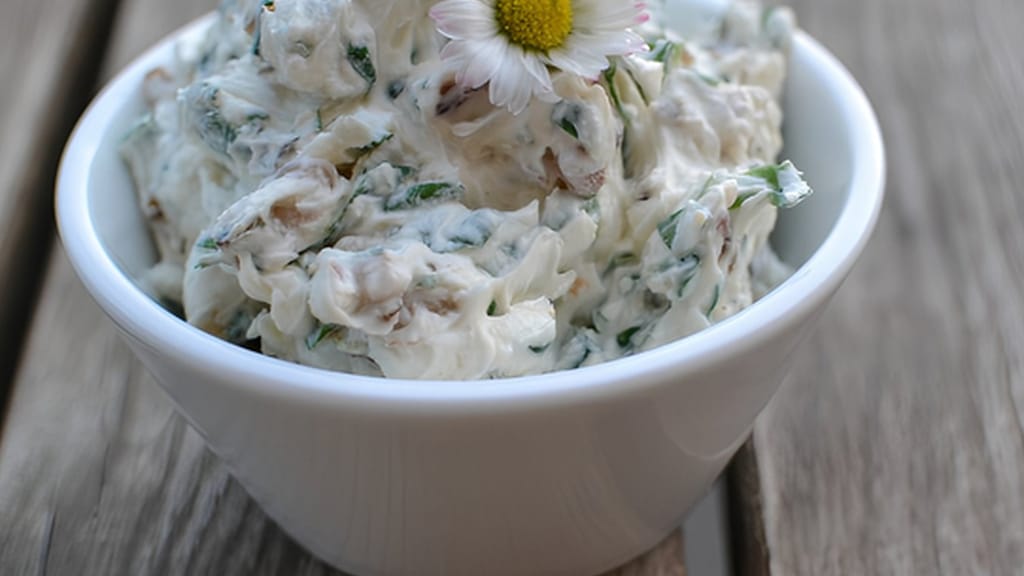
Wild garlic spread
Wild Garlic Spread for Fresh Bread
Chives have a mild onion flavour that pairs beautifully with anything featuring eggs, potatoes or curd cheese — from soft-boiled eggs to curd cheese spreads to roasted potatoes. Snip them with scissors just before serving so they don't lose their aroma, and never cook them; they belong on top of a finished dish, not in it.
You don't need a garden to grow chives or wild garlic — a windowsill will do. You'll need a pot with good-quality soil, drainage at the bottom, and plenty of light. Water regularly but sparingly — overwatering harms the roots more than the occasional dry spell. Chives regrow after cutting, so you can keep harvesting from a single pot all spring long.
The best spring salad rests on three things: tender leaves, something sweet and crunchy, and a simple tangy dressing. Combine delicate leaves (rocket, lamb's lettuce) with young peas or radishes, and tie it together with a light dressing — spring calls for nothing heavy.
Reliable combinations: rocket + young peas + feta; lamb's lettuce + radishes + sunflower seeds. Keep the dressing simple: lemon juice, good olive oil, a teaspoon of honey, salt. Dress the leaves just before serving so they don't wilt, and add mint or chives for extra freshness.
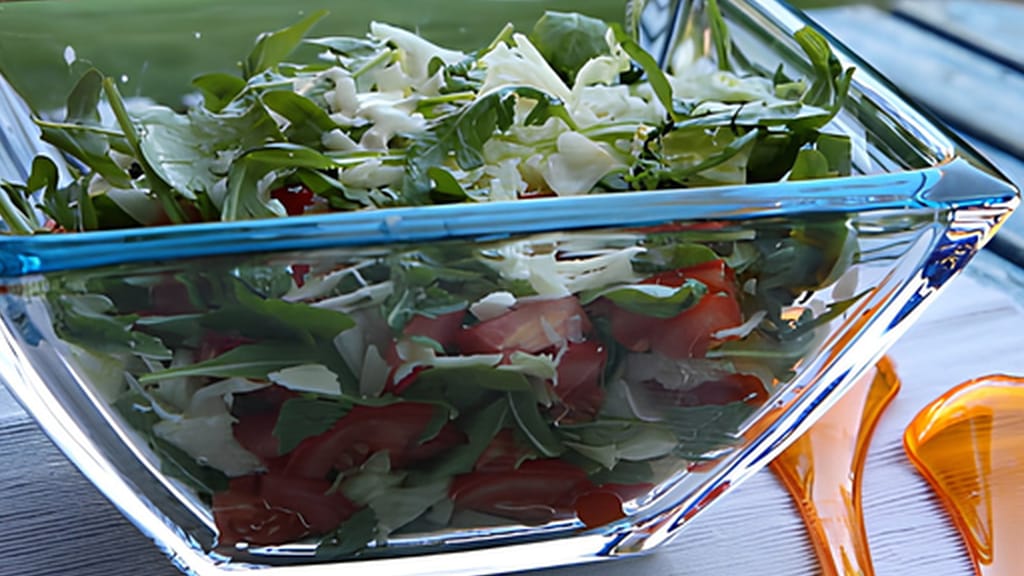
Arugula salad with tomatoes and parmesan
Rocket, Tomato and Parmesan Salad: A Quick Spring Lunch
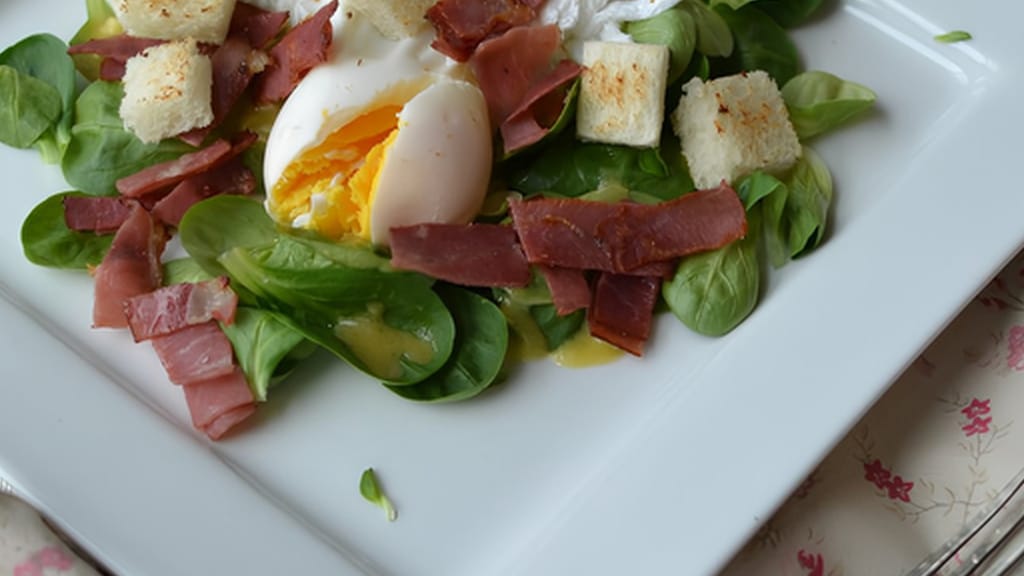
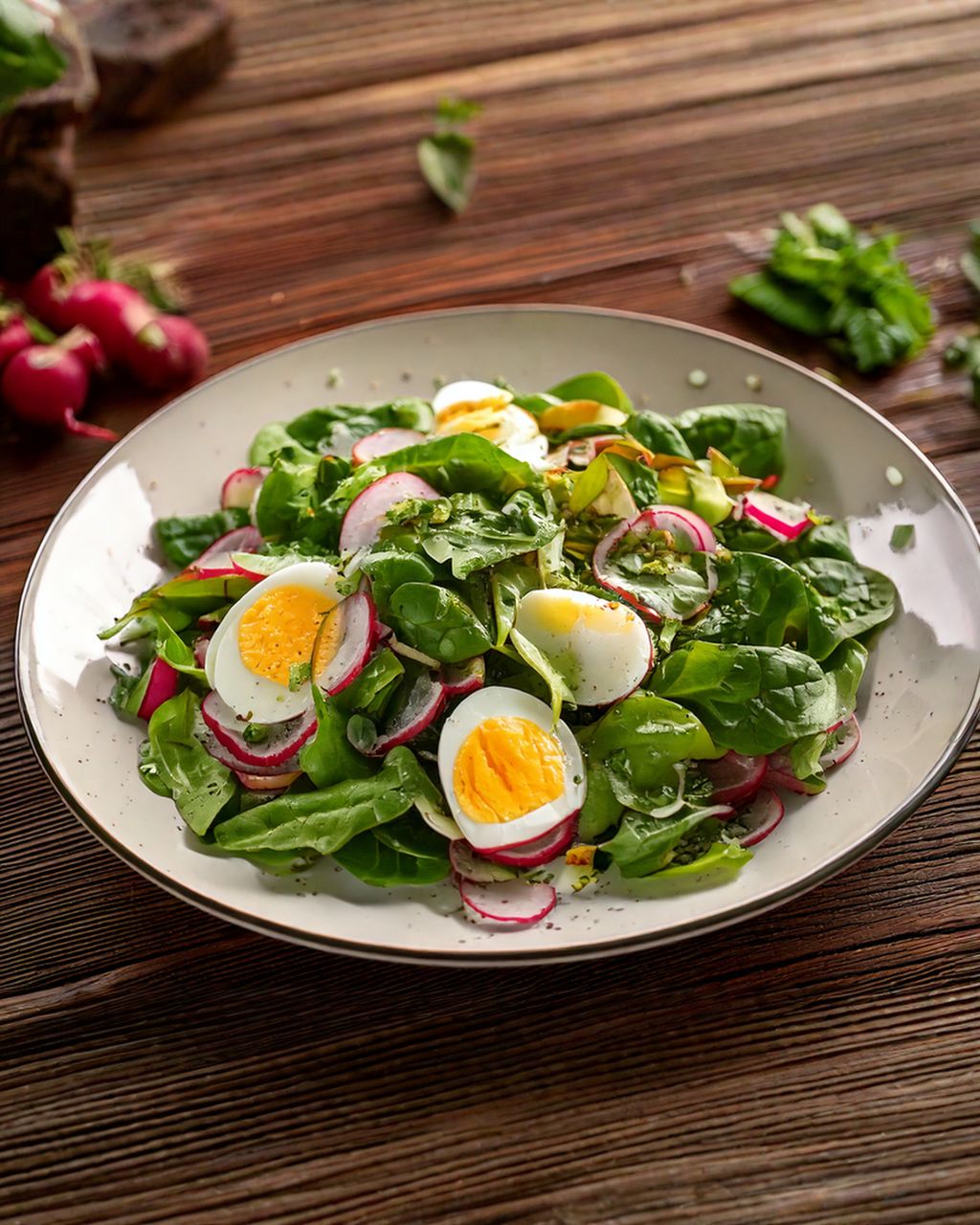
Spring lyonnaise salad
Spring Lyonnaise Salad with Soft-Boiled Egg
Spring soups are the bridge from hearty winter fare to light summer dishes — either creamy and built around a single ingredient (leek, peas), or a clear broth with young vegetables, always finished with fresh herbs.
Cream of leek soup is the easiest way to get the most out of a single spring ingredient. Sauté sliced leek in butter until soft, but don't let it turn golden or it'll turn bitter. Add potatoes and stock, simmer until tender, then blend until smooth. A splash of cream at the end will mellow the soup, while a touch of nutmeg and some chives on top will round out the aroma.
Add thinly sliced carrot and young peas to a clear chicken or vegetable broth right near the end of cooking — just a few minutes is enough to keep them crisp, sweet and vibrant. That freshness is exactly what sets a spring broth apart from a heavy winter one.
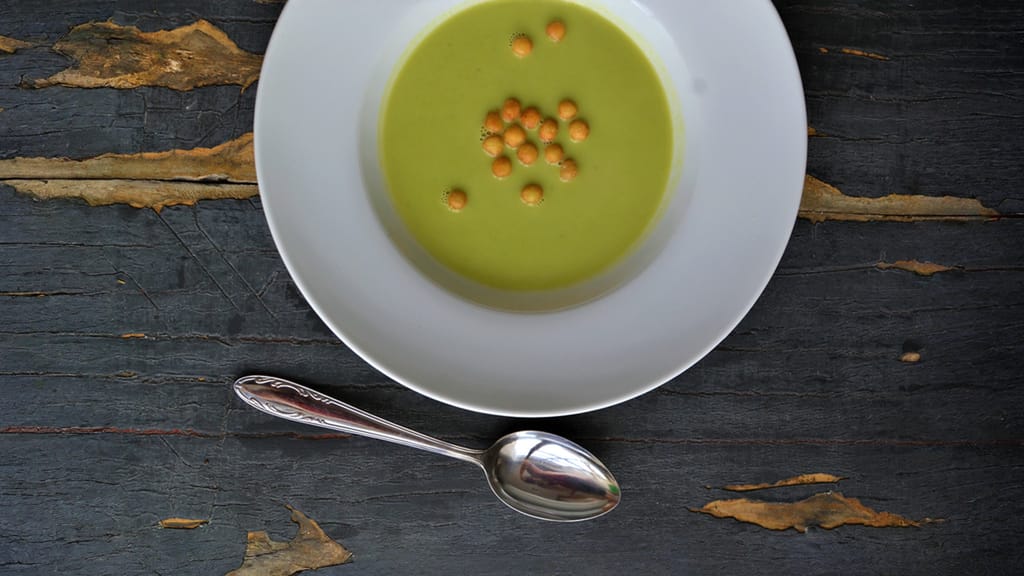
Fresh pea soup with sour cream
Fresh Pea Soup with Sour Cream, Made from Young Peas
Fresh herbs can lift a soup without reaching for extra salt. Parsley adds freshness, chives bring a subtle onion note, and mint or coriander lend an exotic touch. Chop them finely and stir them into the finished soup off the heat, so they keep their aroma.
In spring, water is enough to stay hydrated, but a smoothie made with the first fruit of the season or a homemade herbal lemonade adds extra flavour and vitamins — and takes only minutes to make.
A green smoothie is the fastest way to pack in a serving of both fruit and leafy greens at once. A tried-and-tested combo: banana for creaminess and sweetness, a handful of strawberries for flavour, a handful of spinach for colour and nutrients, topped up with water or plant-based milk. The spinach disappears on the palate, leaving just its colour behind.
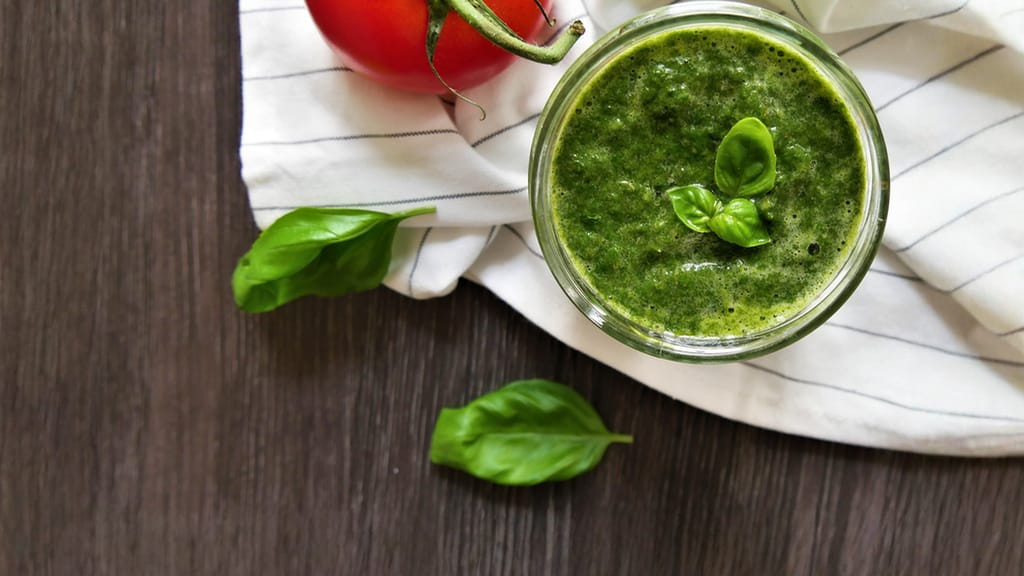
Leafy green smoothie
Green Leafy Smoothie with Spinach and Fruit
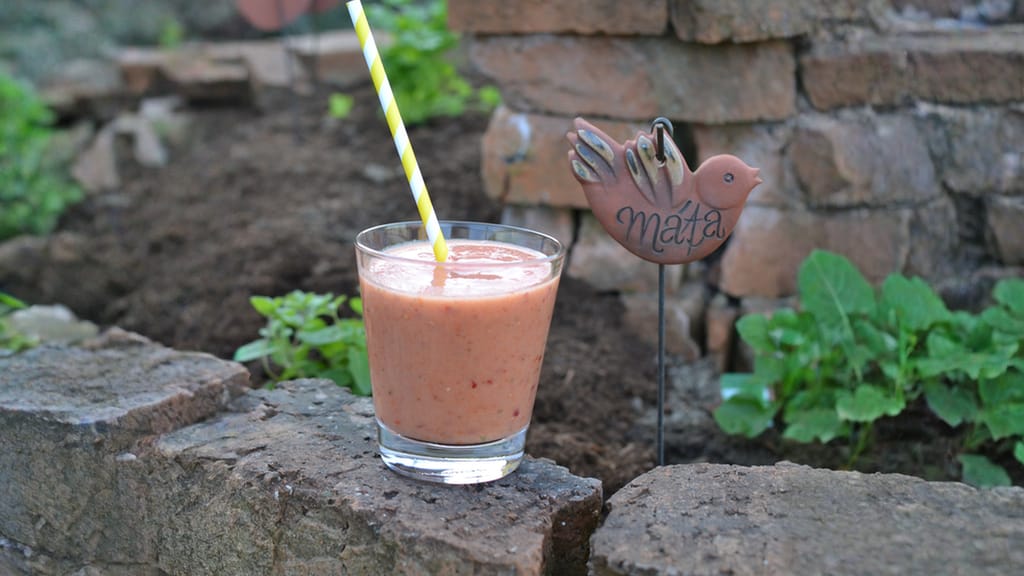
Strawberry mint smoothie
Strawberry-Mint Smoothie Made with the Season's First Strawberries
Homemade lemonade takes just five minutes to make and has nothing in common with the overly sweet store-bought kind. The base: juice of 2 lemons per litre of water, a spoonful of honey for sweetness, and a handful of mint or lemon balm, lightly crushed to release its aroma. Chill it and let it steep for a while. You'll find more combinations and methods in our article on 5-minute homemade lemonades.

Homemade lemonade syrup and other fruit syrups
Homemade Lemon Cordial and Syrups: The Base for Spring Lemonades
Stick to what's actually in season — wild garlic from March, asparagus, radishes and spinach from April, young peas in May. Buy local and fresh, store things properly (asparagus in water, spinach dry, radishes with the tops removed), and let simple preparation let the ingredients shine. And with wild garlic, always check the smell before you eat it.
Fresh asparagus has firm, straight stalks with tightly closed tips and a moist, not dried-out, cut end. Rub two stalks together and they should squeak slightly. Steer clear of limp, wrinkled stalks or tips that have started to open up — both are signs of age.
The closest match in flavour is a mix of young (spring) garlic or chives with flat-leaf parsley. Your best bet, though, is to make pesto with it while it's in season and freeze that — the flavour holds up far better than any fresh substitute.
Yes, but each needs different treatment. Chop asparagus and blanch it briefly (2–3 minutes) before freezing, then cool it in ice water and pat dry. Wild garlic keeps best once it's been processed — turned into pesto or chopped and frozen in ice cubes with a little oil; whole raw leaves go limp once thawed.
A normal culinary portion of fresh leaves won't cause problems for a healthy person. However, a large serving of raw wild garlic can irritate digestion, so go easy with your first spring batches. The most important thing is being absolutely certain it's genuinely wild garlic and not a poisonous look-alike.
Don't throw away radish greens — they're edible and have a mild, peppery, slightly tangy flavour. You can turn them into a creamy soup, blend them into a pesto in place of basil, or chop them into salads and mashed potatoes. Use them fresh, as they wilt quickly.
One recipe worth heating the oven for, one tip, and one deal from the shop. Nothing else.