Leafy green smoothie

Updated Jul 19, 2026
Spring salads live or die by three ingredients: baby spinach, eggs and radishes. Spinach brings freshness and fibre, eggs bring staying power and protein, radishes bring crunch and a peppery kick — and then there's spring onion, cucumber or herbs, depending on your mood. You don't need to be a trained cook to get it right: just fresh seasonal veg, a well-cooked egg and a simple dressing. Here's what belongs in a spring salad, how to prep each ingredient so it shines, and finished recipes to build on.
A spring salad is built on four seasonal ingredients that complement each other in flavour and texture:
Baby spinach – delicate leaves, freshness and fibre; the base you build the salad on.
Eggs – protein and staying power, turning the salad into a proper meal.
Radishes – crunch and a peppery, slightly sharp bite.
Spring onion – a mild onion flavour without the harshness of regular onion.
The season runs roughly from March to May, when these ingredients are cheapest and tastiest — at farmers' markets and in shops alike. The fresher the leaves and radishes you buy, the more flavour and nutrients stay in the salad.
Yes — baby spinach is low in calories and packed with vitamins A, C and K plus fibre, though its reputation as the "iron king" is a bit overblown. You can pile a generous handful into a salad and barely add any calories.
Spinach is famous for its iron content, but that reputation largely traces back to an old decimal-point error from the 19th century. In reality it has around 2–3 mg of iron per 100 g — decent, but not miraculous. Plant-based iron is also absorbed less efficiently by the body than iron from meat; vitamin C helps with that, and spinach has plenty of it, so a squeeze of lemon in the dressing makes sense nutritionally too.
Fresh spinach is delicate: studies show it loses about half its vitamin C after just a few days in the fridge. Store it in a sealed container with a paper towel to soak up moisture, and use it within two to three days. Besides salads, it's great in smoothies, swapped in for lettuce in a wrap, or stirred into a hot dish at the last minute, where it only needs a few seconds to wilt.
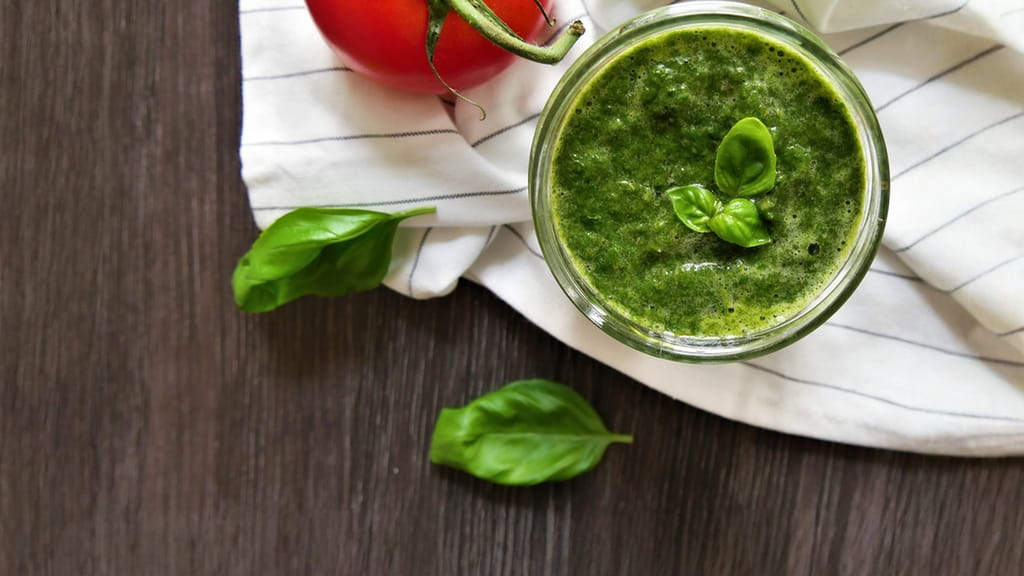
Leafy green smoothie
Leafy green smoothie with baby spinach — a quick dose of greens
Eggs work well in a salad either hard-boiled and quartered, or cooked softer with a creamy yolk; the key is watching the cooking time and chilling them in ice water right after. One egg has around 6g of protein plus vitamins A, D and B12 and choline — it's the protein that turns a salad into a meal that keeps you full for hours.
Cover the eggs with water, bring to a boil, and once boiling, count 9–12 minutes depending on size — shorter for smaller eggs, longer for larger ones. Both white and yolk set above 60°C; a firm yet still tender yolk is ready at around 10 minutes. Right after cooking, transfer the eggs straight into ice water for 5–10 minutes: this stops the cooking and makes the shell easier to peel. Eggs a few days old also peel more easily than very fresh ones.
A poached egg with a runny yolk turns an ordinary salad into a mini meal. The water should be just below boiling point (barely simmering), and a splash of vinegar helps the white hold together. Use the freshest eggs you can find — their whites are firmer and hold up better in water. Rest the finished egg on a paper towel to drain before adding it to the salad.
Radishes bring crunch and a peppery kick to a salad, plus vitamin C and fibre. They don't have to be the usual red spheres: watermelon radish surprises with pink flesh inside, while black Spanish radish brings a sharper, spicier flavour and dark skin.
A few tips to get the most out of them:
Slice them thin or into quarters; a mandoline gives even, almost translucent slices.
To keep them crunchy, soak the slices in ice water for a few minutes after cutting.
Tame the sharpness with a light sprinkle of salt or a short rest — salt draws out some of the pungent compounds.
Don't toss the leafy tops: turn them into pesto or add them to soup.
Store them separately — bulbs with tops removed will stay crisp in a sealed container in the fridge for over a week.
The best spring salads are a Lyon-style salad with a poached egg, a leafy salad with salmon and eggs, a fresh cucumber-and-dill salad, and a spinach frittata — ranging from a light side dish to a heartier meal with egg and fish. There's a classic we haven't covered yet in our catalogue — radish salad with yoghurt-dill dressing — but it's easy enough to make on your own: mix thin radish slices with plain yoghurt, dill, a pinch of salt, sugar and a dash of vinegar, and let it sit for a few minutes so the flavours meld.
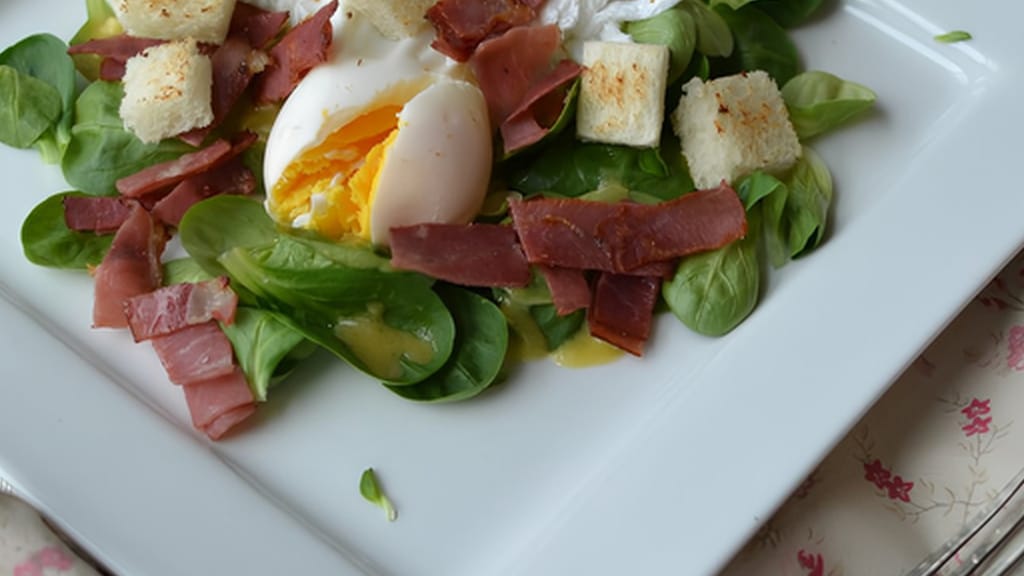
Spring lyonnaise salad
Spring Lyon-style salad with poached egg and warm bacon dressing
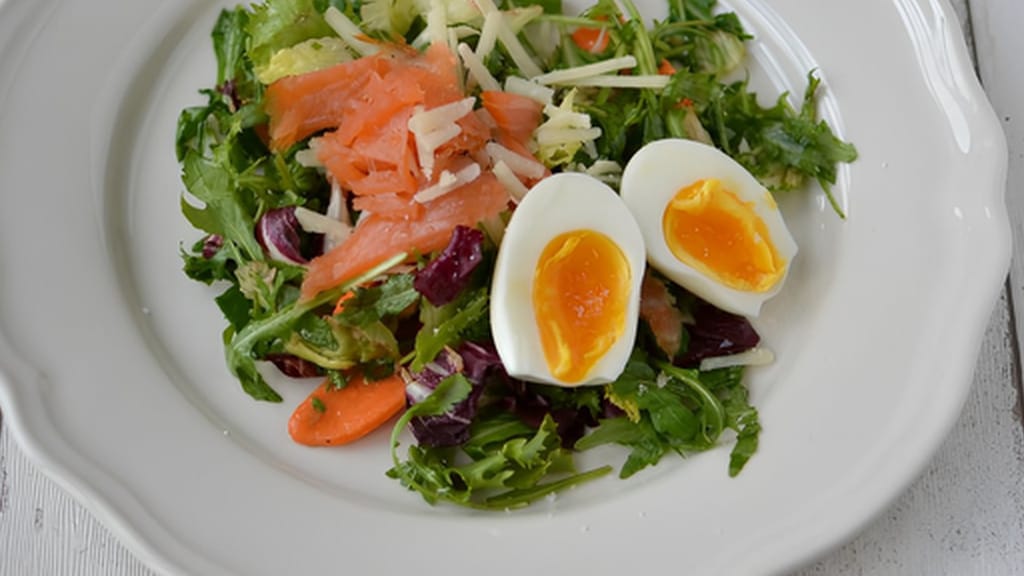
Summer recipe: leafy salad with salmon and eggs
Leafy salad with salmon and eggs — a heartier, protein-packed option
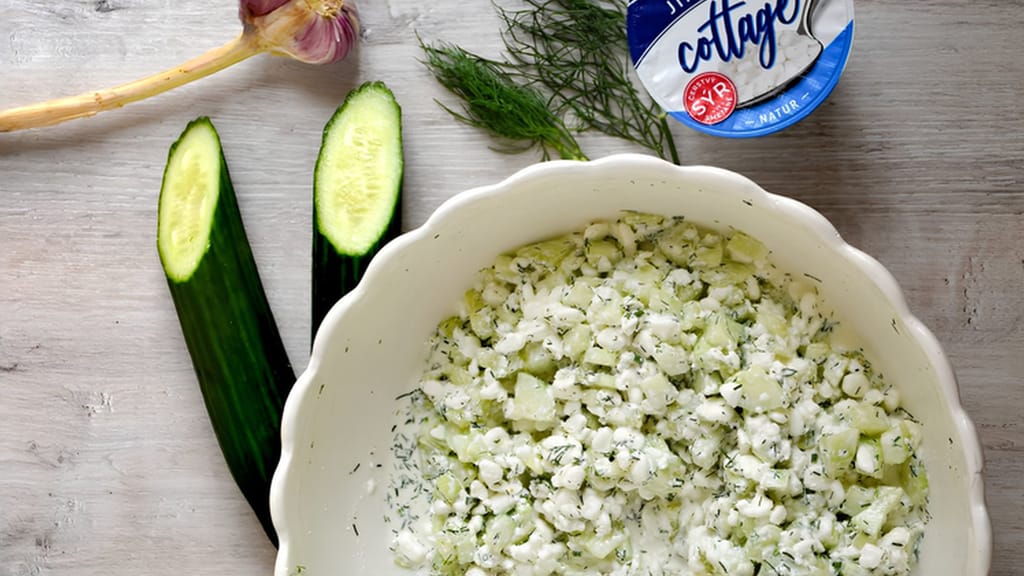
Fresh cucumber & dill salad
Fresh cucumber and dill salad — a light spring side
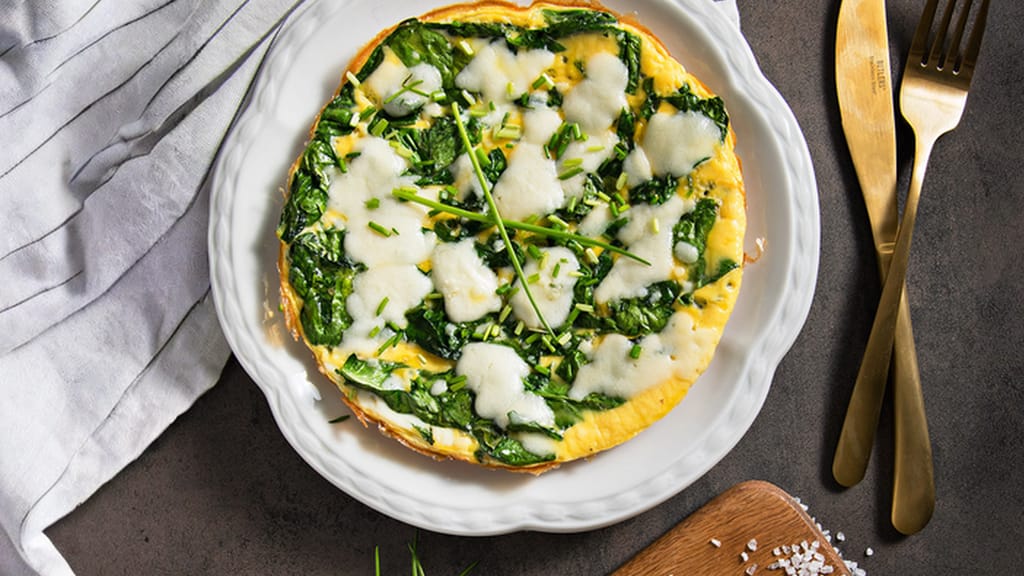
Egg frittata with baby spinach and fresh cheese
Egg frittata with baby spinach and fresh cheese — for when you want your spinach and eggs warm
For delicate leafy greens, go for a light lemon vinaigrette; for radishes and root veg, a bolder honey-mustard dressing works better — and always keep the fat-to-acid ratio at roughly 3:1.
For leafy greens (spinach, arugula): lemon juice + good olive oil + a pinch of salt. Won't overpower the delicate leaves.
For radishes and young carrots: honey + Dijon mustard + wine vinegar + olive oil. The sweet-sour edge balances out the radishes' bite.
Creamy version: plain yoghurt with dill, lemon and salt — pairs well with both radishes and cucumber.
A reliable ratio is roughly 3 parts oil to 1 part acid (vinegar or lemon juice). Acid brightens the flavour, oil rounds it out. Feel free to experiment with vinegars — balsamic adds a sweeter note, apple cider vinegar a gentler tang. Just mix the dressing in right before serving so the leaves don't wilt.
Partly, yes: prep the ingredients in advance, but only toss with the dressing right before eating, otherwise the leaves will wilt. Do it this way and you can have a fresh salad ready in two minutes.
Boil and peel the eggs a day ahead and keep them in the fridge.
Slice the radishes, cucumber and spring onion and store in a sealed container.
Keep the spinach whole and dry — damp leaves go slimy fast.
Assemble everything on the plate at the last minute, and add the dressing right before serving.
An undressed spring salad will keep in a sealed container in the fridge for about a day, but it's best eaten right after making. Once you toss it with dressing, the spinach leaves will wilt within a few hours and the radishes will weep water — so always add the dressing just before eating.
The best swap for eggs in a spring salad is another protein source — feta, chickpeas, baked tofu, or avocado slices for creaminess. This keeps the salad filling even if you're skipping eggs for taste reasons or going vegan.
No, baby spinach goes into salads raw — just wash it and let it drain. Cooking or blanching suits older, coarser spinach better; with delicate baby leaves, heat treatment is unnecessary and would strip away their freshness.
Fresh spring salads with spinach and radishes don't freeze well — once thawed, the leaves wilt and the radishes go soft and watery. You can only freeze a cooked version, like a spinach frittata: let it cool, slice into portions, and it'll keep in the freezer for about a month; thaw slowly in the fridge and warm through briefly.
A spring salad can be a full main course if you add a protein source and something more filling — eggs, fish, cheese, pulses, or bread on the side. Spinach and radishes on their own make a light side dish, but paired with egg and an oil-based dressing, it's substantial enough for lunch.
I send one like it every week. A recipe, a tip, one deal — nothing else.