Homemade lemonade syrup and other fruit syrups

Updated Jul 19, 2026
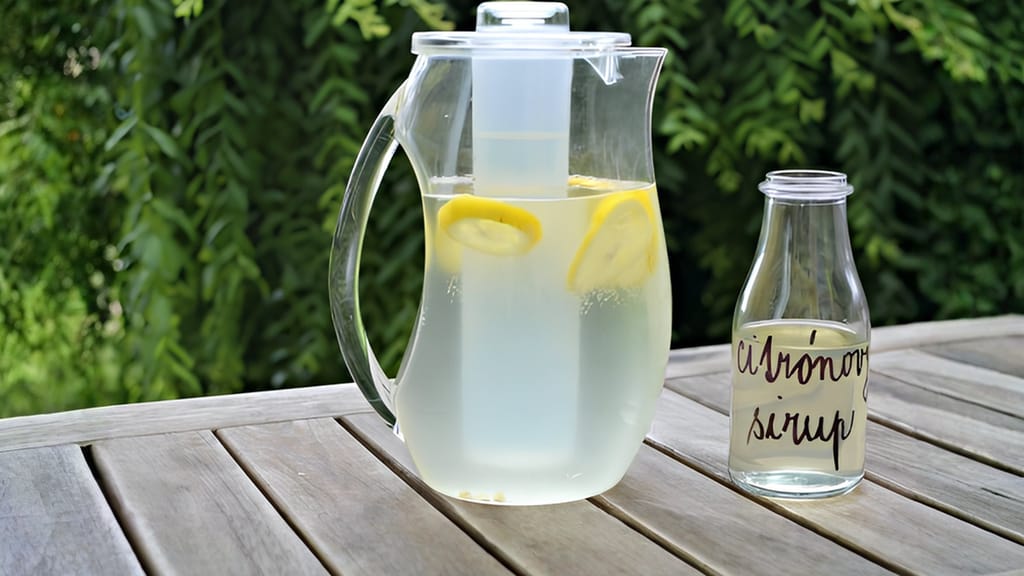
You can make homemade lemonade in five minutes from just three things: lemon juice, cold water, and a sweetener. The basic ratio is the juice of 1 lemon per 250–300 ml of water, plus 1–2 tablespoons of syrup per glass — and from there you tweak it exactly to your taste: more tart, sweeter, with mint, with fruit, with ginger. You know exactly what you're drinking, you save money compared to store-bought drinks, and you don't need a single special tool. Below you'll find the basic ratio, an overview of ingredients, five quick recipes, and tips for fine-tuning and serving your lemonade.
Basic homemade lemonade is the juice of 1 lemon, 250–300 ml of cold water, and 1–2 tablespoons of sweetener per glass. The ratio of 1 lemon : ~300 ml water is your starting point — add water if it's too tart, or more juice if it tastes flat. One medium lemon yields roughly 40–50 ml of juice.
Three things that take it from "pretty good" to "best lemonade of the summer":
Sweeten with syrup, not granulated sugar. Granulated sugar won't dissolve in cold water and will just sink to the bottom. Boil sugar and water in a 1:1 ratio to make sugar syrup, or reach for honey or a ready-made fruit syrup — both dissolve instantly.
Squeeze the juice right before serving. Roll the lemon on the counter with your palm before squeezing it — it releases more juice. Freshly squeezed juice tastes best; after a few hours it starts to turn bitter.
Add ice to the glass, not the jug. In a jug it melts and waters the lemonade down to nothing.
Homemade lemonade syrup and other fruit syrups
Recipe for homemade lemon squash and a basic syrup that turns into lemonade in a minute
You only need five things for homemade lemonade: citrus for tartness, water as the base, a sweetener, ice, and optionally herbs or fruit for flavor. Nothing exotic — chances are you already have most of it at home.
Lemon is the classic choice — it gives a sharp tartness and fresh aroma. Lime is milder and more fragrant, while orange is sweeter and fuller-bodied, so you can cut back on the sweetener when using it. Always squeeze fresh juice; bottled concentrate tastes flat and is usually already loaded with sugar. Feel free to grate some zest straight into the drink before squeezing — that's where most of the aromatic oils are — but grate only the yellow layer, since the white pith is bitter.
Plain cold water is the base. Sparkling mineral water adds fizz and refreshment — but pour it in last so the lemonade stays bubbly. For an extra dimension, replace part of the water with cooled herbal tea (mint or lemon balm work beautifully) or coconut water for a subtly nutty finish.
For cold lemonade, the most practical choice is sugar syrup (sugar and water in a 1:1 ratio, boiled and cooled) — it dissolves instantly and won't settle at the bottom. Honey adds a light floral note, but mix it separately with a bit of warm water first. Stevia is the only common calorie-free option, though it does have a slightly sweet aftertaste, so use it sparingly. Whichever you choose, start with less and adjust after tasting the cold drink — cold temperatures dull the perception of sweetness.
Ice is what makes lemonade truly refreshing — just keep in mind that it melts and dilutes. So chill your ingredients in the fridge beforehand and add ice only to the glass. Then fine-tune the flavor and look with herbs and fruit: mint, lemon balm, or basil, slices of lemon and lime, raspberries, strawberries, blueberries, or cucumber. Lightly bruise herbs before adding them so they release their oils.
Five tried-and-tested variations, each ready in under five minutes: classic lemon, minty, strawberry or raspberry, ginger, and elderflower. They're all built on the same base — tartness, water, sweetener — and differ only in what you add. Feel free to skip the sweetener in any of them or swap it for stevia; the flavor can handle it.
Squeeze the juice of 2 lemons, mix with 1 liter of cold water, and sweeten to taste with sugar syrup. Add a few lemon slices and a handful of ice to the glass, and you're done. You'll find the exact method — plus a make-ahead syrup version — in the homemade lemon squash recipe above.
Lightly bruise a handful of fresh mint in a jug with a pestle or the back of a wooden spoon — you want to bruise it, not tear it, or it'll turn bitter. Add the juice of 2 lemons, 1 liter of water, and sweeten to taste. Let it steep for 10 minutes, then strain. It's even more refreshing with sparkling water.
Mash a handful of strawberries or raspberries with a fork, strain through a sieve (this removes the seeds if you're using raspberries), and mix the juice with lemon, water, and sweetener. Frozen fruit works just as well — and chills the drink at the same time. Add sparkling water for a pink party in a glass.
Grate or thinly slice a piece of fresh ginger (about 2–3 cm), pour over a little hot water, and let it steep for 5 minutes to draw out more flavor. Strain, add lemon juice and honey, and top up with cold water. It's zingy, warming, and just as good served slightly warm on a cooler evening.
Elderflower lemonade is made by diluting homemade elderflower syrup with cold water, then garnished with a slice of lemon and mint. Make the syrup in season (elderflowers bloom roughly May–June) and it will keep happily through the whole summer. You'll find the syrup method and the finished elderflower spritz recipe below.
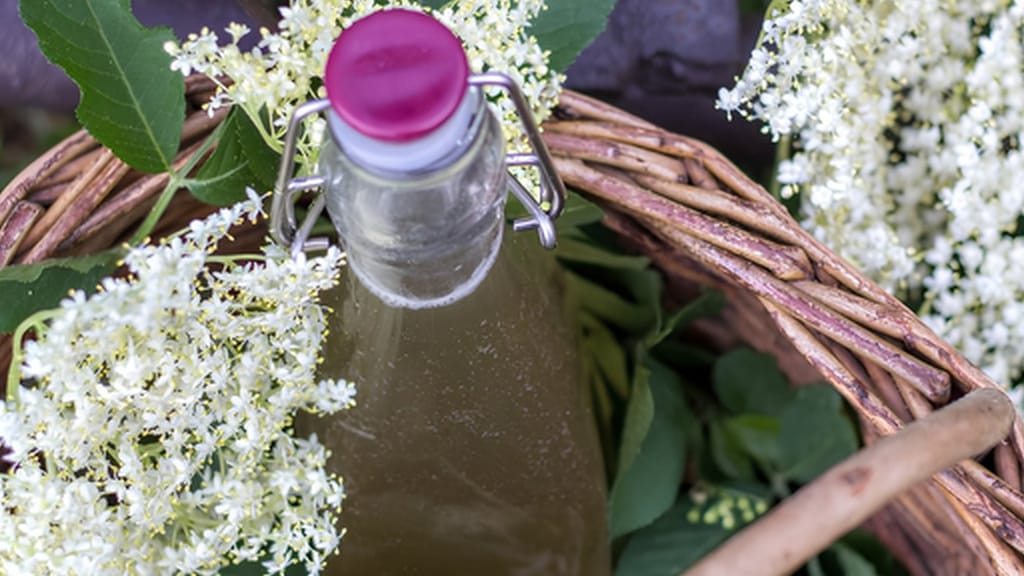
Elderflower cordial ("bezináda")
Elderflower cordial — the base for a refreshing elderflower spritz
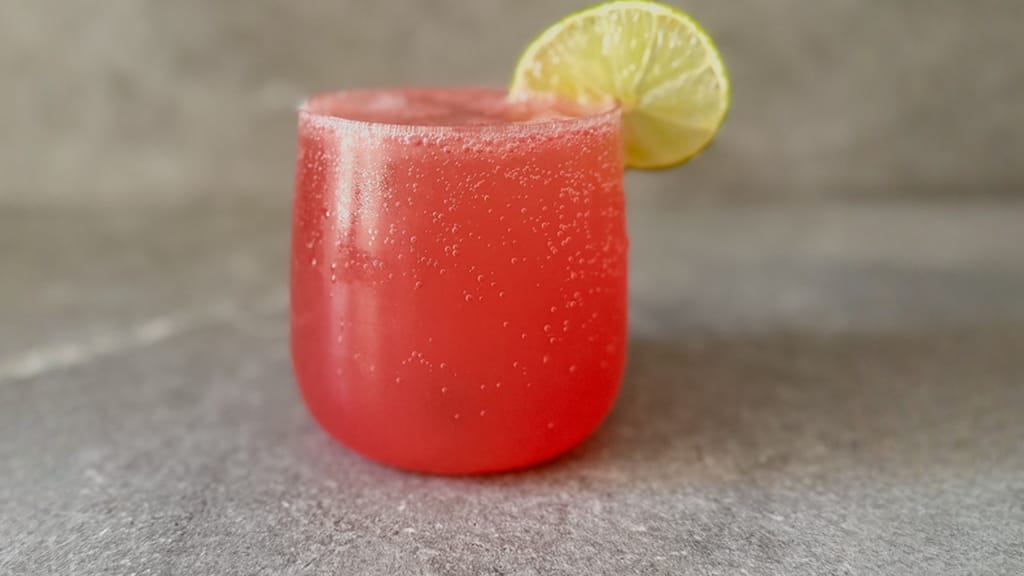
Cold-steeped watermelon syrup
Cold-pressed watermelon syrup for a sweet summer fruit lemonade
A great lemonade lives or dies by the balance of sour and sweet — and a few small extra touches make the difference between "drinkable" and "can I have another?"
Start with a 1:1 ratio of lemon juice to sugar syrup and adjust from there. If it's too tart, round it out with more syrup; if it's too sweet, brighten it up with more lemon. A bartender's trick: a pinch of salt tones down excess sweetness and brings out the fruity flavor without being noticeable itself.
Mint (and basil) only needs to be lightly bruised to release its aromatic oils. If you crush or chop it, bitter chlorophyll compounds are released and the drink turns bitter. Just press the leaves a few times against the bottom of the glass or jug and let them steep.
Lemonade tastes best ice-cold, but ice dilutes it. The fix: chill all your ingredients and water in the fridge beforehand, and add ice only when serving — ideally larger cubes, since they melt more slowly. For parties, try freezing ice cubes with a piece of fruit or a mint leaf inside.
We drink with our eyes too. Garnish the rim of the glass with a slice of lemon or lime, and add fruit slices, edible flowers, or a sprig of mint to the drink. A tall clear glass shows it off better than colored plastic, and a colorful straw adds summer flair.
Homemade lemonade with no added sugar has significantly fewer calories than sweetened store-bought drinks, and you have full control over what goes into it — no preservatives, no artificial colors, no hidden sugars. According to the WHO, free sugars should make up less than 10% of daily energy intake (roughly 50g for an adult), ideally under 5%; sweetened drinks are one of the main sources of these sugars. A homemade version sweetened with fruit or stevia helps you stay under that limit while also contributing to your daily fluid intake.
Grab two lemons, some water, and syrup, and make the classic version — then next time try mint or a handful of mashed raspberries. If you're after more sugar-free refreshment, check out our refreshing hibiscus iced tea with lime or some tips on what to drink on a picnic. Here's to a refreshing summer!
Finished homemade lemonade keeps in a sealed jug in the fridge for about 2–3 days. After a day, though, the lemon juice starts to turn bitter and the fizz from sparkling water fades, so it tastes best fresh. Homemade syrup (lemon, fruit, or elderflower) lasts much longer — weeks in the fridge — so you can always mix up a fresh batch of lemonade from it.
The most common cause of bitterness is the white pith (albedo) from the lemon peel and over-crushing mint leaves. Don't squeeze the lemon down to the very last drop, and don't zest the white pith — only the yellow peel; just lightly bruise the mint, don't mash it. Lemon juice also starts turning bitter if it sits for several hours, so squeeze it fresh.
Use sugar syrup instead of granulated sugar. Boil equal parts sugar and water, let it cool, and add it to your cold lemonade — it dissolves instantly and won't settle at the bottom. Honey stirred into a little warm water, or a ready-made fruit syrup, works just as well.
Yes, but prepare a concentrate or syrup in advance rather than the fully diluted lemonade. Mix the lemon juice with syrup and fruit and let it chill; just before serving, top up with cold or sparkling water and add ice. This keeps the lemonade fresh, fizzy, and not watered down by melting ice.
Homemade lemonade is a better choice for kids than store-bought sweetened drinks, since you control the amount of sugar and there are no artificial colors or preservatives. For younger children, dilute it more with water and sweeten only lightly — ideally with fruit or a minimal amount of syrup. Think of it as an occasional treat rather than a replacement for plain water.
One recipe worth heating the oven for, one tip, and one deal from the shop. Nothing else.