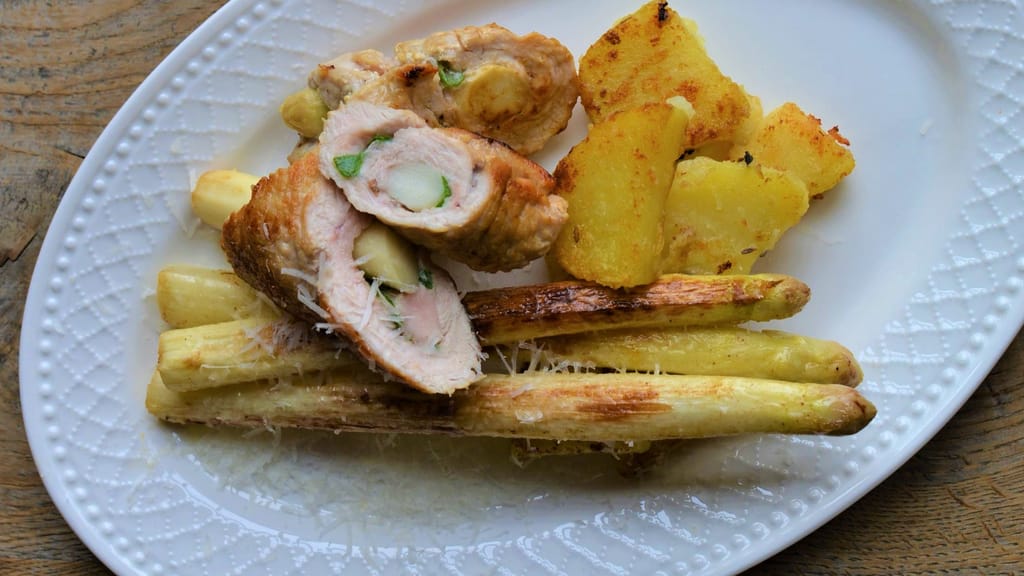
Turkey roulade stuffed with white asparagus and pan-fried asparagus

Updated Jul 18, 2026
Asparagus is a spring vegetable in season from March to June – tender, subtly nutty, and ready in minutes. You've got green, white, and purple to choose from, and each wants slightly different treatment. In this guide you'll find out how to spot fresh asparagus, peel it, cook it so it stays pleasantly crisp, and what to pair it with to let it shine. No filler, straight to the point.
Asparagus comes in three colours: green (the most common, with a bold flavour), white (mild, grown underground away from light), and purple (slightly sweet, rich in anthocyanins). They differ in how they're grown, how they taste, and how they're best prepared.
Green asparagus grows above ground in the sun, so photosynthesis gives it a deep green colour and the boldest, slightly nutty flavour. It usually doesn't need peeling – just snap off the woody ends. It's great for quick cooking methods: grilling, sautéing, tossing into pasta, adding to salads, or serving as a side with meat and fish.
White asparagus grows underground, mounded up and shielded from light, so it doesn't develop chlorophyll and stays pale and milder in flavour. Before cooking, peel it from just below the tips down – the skin is fibrous – and trim off the woody ends. Classically it's boiled and served with butter, breadcrumbs, or hollandaise sauce. White asparagus tends to cost more than green, since growing and hand-harvesting it is more labour-intensive.
Turkey roulade stuffed with white asparagus and pan-fried asparagus
Turkey roulade stuffed with white asparagus – an idea for pairing white asparagus with meat
Purple asparagus is sweeter than green, and its colour comes from anthocyanins – the same antioxidants found in blueberries. It has thinner skin and works well raw in salads, or just briefly blanched or grilled. Watch out: long cooking fades the purple to green, so prepare it quickly and gently.
In Europe, asparagus is in season from March to June, peaking in April and May. In Germany it's traditionally celebrated as "Spargelzeit", with the harvest wrapping up on 24 June, St John's Day. Outside the season it's imported, but fresh local asparagus in spring has the best flavour and price. Purple asparagus tends to have a shorter window due to lower production.
You'll know good asparagus by firm, straight stalks, tightly closed tips, and a fresh colour – the cut ends should look moist and the stalk should snap crisply when bent, not bend limply. Before cooking, rinse it, snap off the woody ends, and peel thicker spears (especially white ones).
Look for firm, straight stalks with tightly closed tips and smooth, glossy skin. Avoid limp or shrivelled spears, brown spots, and dry, frayed ends. Truly fresh asparagus makes a faint squeak when you press the bunch together.
The best way to remove woody ends is by hand – the stalk snaps exactly where the tough part ends, usually 2–3 cm from the base. Green asparagus usually doesn't need peeling; for white and thicker green spears, peel the bottom two-thirds with a vegetable peeler and leave the tips alone. Don't throw away the peelings and trimmed ends – they make a great base for an asparagus soup or risotto stock.

Wrap the asparagus in a damp tea towel, pop it in a bag, and store it in the fridge – it'll keep for 3–4 days. It keeps even better standing upright in a glass with a little water, like a bunch of flowers, loosely covered with a bag. Don't wash it ahead of time – excess moisture speeds up spoilage. For longer storage, blanch and freeze it.
Asparagus cooks quickly and should stay crisp-tender: in boiling salted water, green asparagus takes 3–5 minutes, steamed it takes 5–7 minutes, and on the grill or in the oven 8–10 minutes. White asparagus and thicker stalks need a few minutes more (in water, 8–12 minutes is fine). If it's going into a salad, cool it in ice water right after cooking – this stops the cooking process and keeps the colour vibrant.
In boiling salted water, green asparagus is done in 3–5 minutes, white in 8–12. It's traditionally cooked standing upright in a bunch, so the delicate tips only steam above the water rather than boil. The downside: some water-soluble vitamins leach into the cooking water – worth saving for a soup or risotto.
Steamed, green asparagus takes 5–7 minutes and retains more nutrients and colour than boiling, since it's not submerged. Place it in a steamer basket over boiling water and cover. It's done once a knife tip slides in easily but the stalk still holds its shape.
On the grill or in an oven heated to 200°C (400°F), asparagus is ready in 8–10 minutes. Drizzle it with olive oil, season with salt, and turn it occasionally. Dry, direct heat caramelises the natural sugars, giving the most intense flavour and a light char on the stalk. Watch thin spears closely, as they burn easily. For more on technique, check out our guide on how to grill vegetables on the barbecue.
Asparagus is healthy and packs a lot into very few calories – around 20 kcal per 100g, plus fibre, folate, vitamin K, vitamin C, and potassium. According to nutrition tables, 100g of asparagus covers roughly a third of the recommended daily intake of folate, which is especially important during pregnancy.
Fibre, including inulin, supports digestion and feeds beneficial gut bacteria. Asparagus also contains antioxidants – vitamin C, beta-carotene, and in the purple variety, anthocyanins too – which studies suggest help the body cope with oxidative stress. There's just one thing to watch out for if you have gout:
Asparagus works best with fat, acidity, and umami. Tried-and-true partners include:
Butter and olive oil – carries the flavour of both boiled and grilled asparagus
Lemon juice – its bright acidity balances the earthiness, a classic with both grilled and boiled asparagus
Eggs – poached, fried, or as hollandaise sauce
Salty cheeses – parmesan, pecorino, feta
Ham and bacon – smoky saltiness against asparagus's mild flavour
Herbs – tarragon, chervil, thyme, chives
Toasted nuts – almonds and hazelnuts for texture
For something bolder – truffle and spring peas
Start with the classic: grilled asparagus, a splash of lemon, and shaved parmesan. For something a bit more special, add a few drops of truffle oil – its bold aroma pairs beautifully with delicate asparagus.
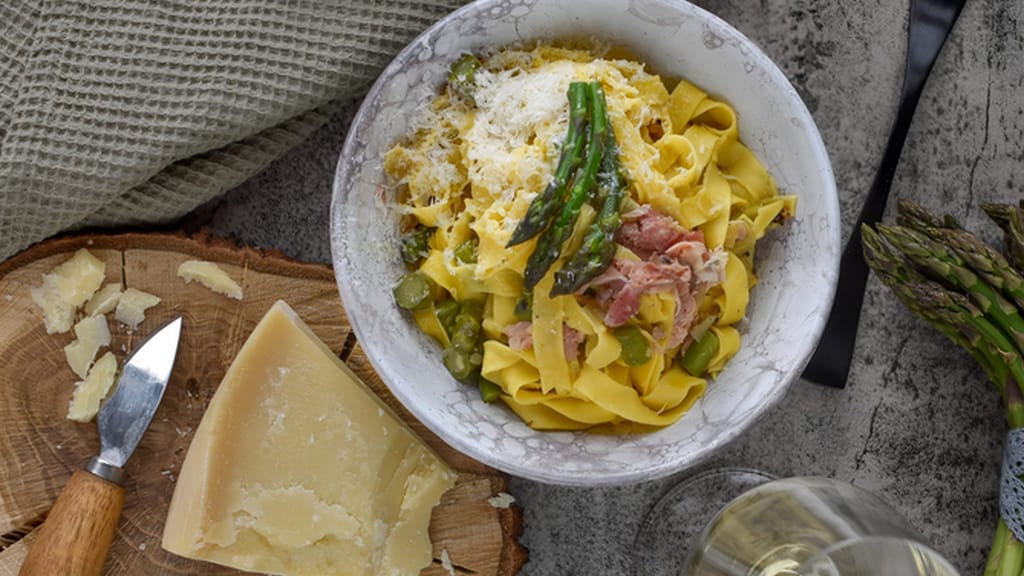
Pappardelle with asparagus
Pappardelle with asparagus – a spring pasta where asparagus takes centre stage

Savory asparagus tart with bacon and yogurt
Savoury asparagus quiche with bacon and yogurt – asparagus, egg, and smoky flavour
Whether you're after a fancier risotto or a quick weeknight dinner, here are a few tried-and-tested recipes from Yumsto that put asparagus front and centre.
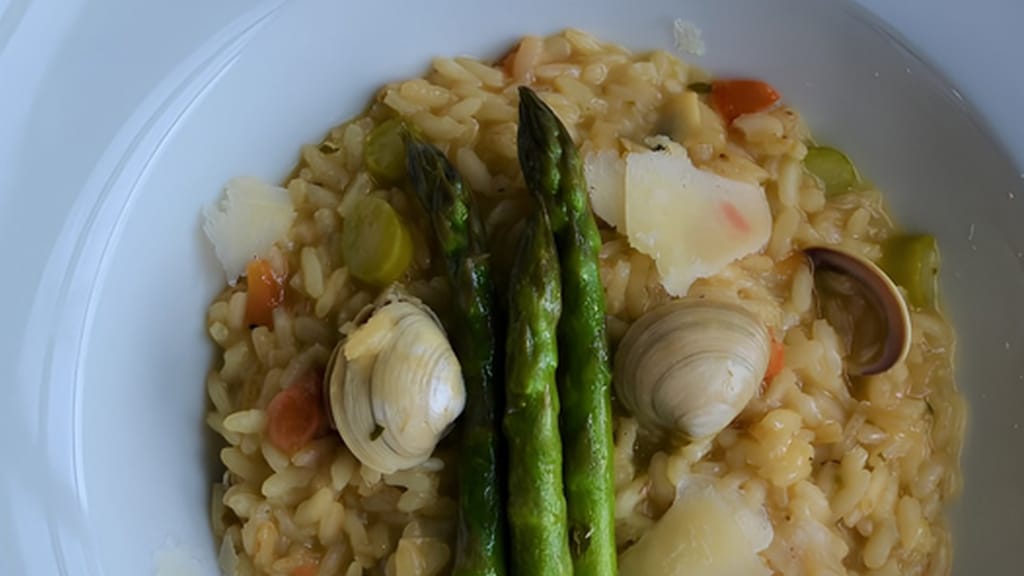
Green asparagus and seafood risotto
Green asparagus and seafood risotto – a creamy spring risotto with asparagus
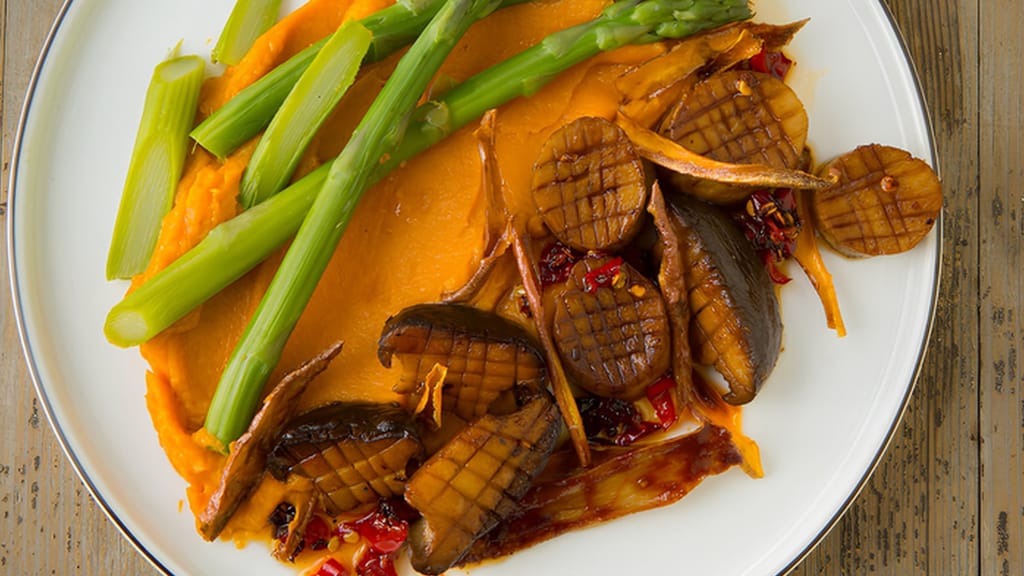
Sweet potato mash with asparagus and mushrooms
Sweet potato mash with asparagus and mushrooms – a quick meat-free dinner with asparagus
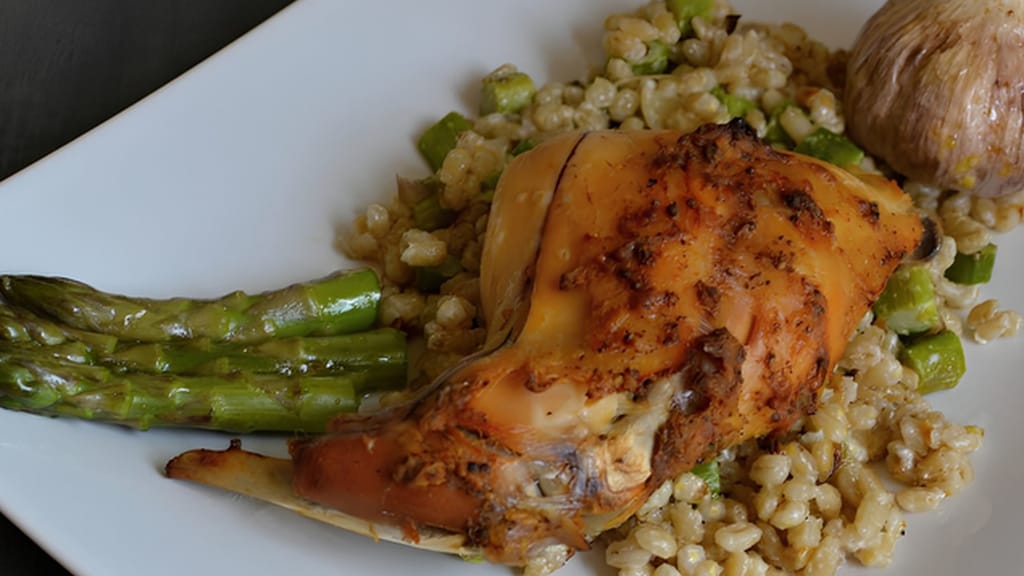
Roast rabbit with garlic and green asparagus
Roast rabbit with garlic and green asparagus – asparagus as a spring side for meat
Asparagus has been eaten for over two thousand years – the ancient Egyptians and Romans grew it, prizing it as both a luxury food and a medicinal plant. Monastery gardens kept its cultivation alive through the Middle Ages, and it's since become a symbol of spring, especially in France, Germany, and the Netherlands, where its season is still celebrated as a mini holiday to this day.
Yes, asparagus can be eaten raw – best with young, thin green or purple spears. Slice it thinly or shave it into ribbons for a salad, then finish with lemon and olive oil. Thicker or white asparagus is fibrous raw, so it's better to blanch it briefly first.
Blanch asparagus before freezing – dunk it in boiling water for 2–3 minutes, then cool it immediately in ice water. Pat it dry, spread it on a tray to freeze, then transfer to a bag; it keeps for roughly 8–12 months. Blanching stops the enzymes, so the asparagus holds onto its colour and flavour. Once thawed it's softer, so it's better suited to soups, risottos, and quiches rather than salads.
The typical smell is down to sulphur compounds (asparagusic acid) that the body breaks down from asparagus. It's completely harmless and says nothing about your health. Fun fact: some people can't smell it at all due to genetics.
Asparagus is relatively high in purines, which the body converts into uric acid, so if you have gout it's best to eat it in moderation and check the amount with your doctor. For healthy people with no uric acid issues, asparagus is perfectly fine. This is general information, not medical advice.
The closest substitutes are green beans, young courgette cut into batons, or broccoli, and for risottos and pasta, spring peas work well too. Cooking times vary, so keep an eye on the vegetable to make sure it stays crisp-tender. The flavour won't be identical, but it'll keep that fresh spring character in the dish.
One recipe worth heating the oven for, one tip, and one deal from the shop. Nothing else.