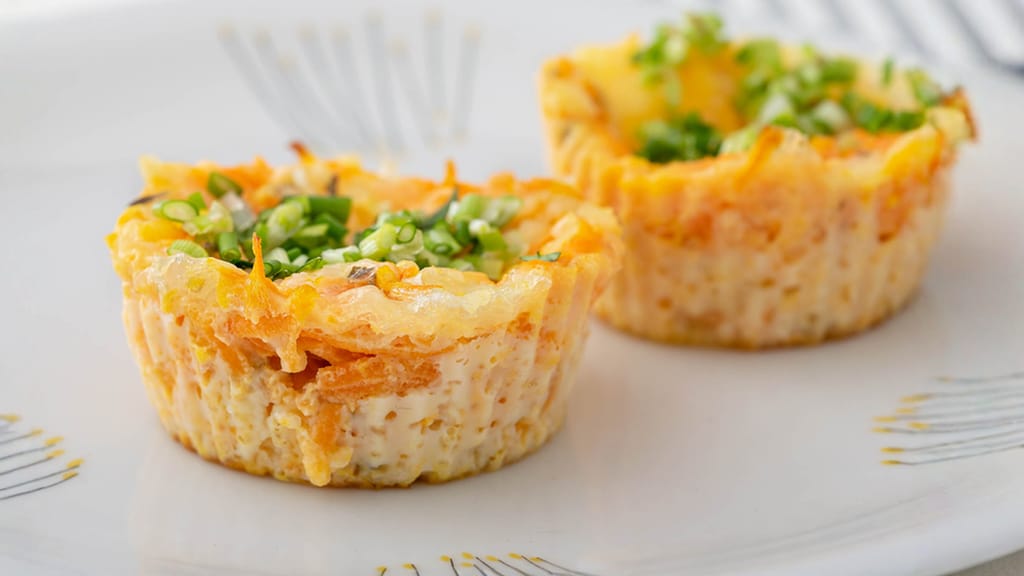
Veggie & cheese muffins
School Snacks That Survive the School Bag Until Lunch: What to Pack
Updated Oct 6, 2026
Good school snacks come down to three things: they survive the school bag until lunch, they survive the trip without a fridge, and your child actually eats them. A simple formula is all it takes — a wholegrain base, some protein, fruit or veg, and water. Below you'll find how to put together a lunchbox like that, five ideas to cover a whole week, what holds up in the warmth and what doesn't, and how to bake snacks ahead so mornings are less of a scramble.
A good school snack has four parts: a wholegrain base (wholemeal bread, oats), protein (cheese, cottage cheese, egg, hummus), fruit or vegetables, and something unsweetened to drink. Each part brings something different, and together they make a well-rounded lunchbox.
Wholegrain base. Wholemeal bread has more fibre than a white roll, and with seeds it brings extra flavour and crunch too.
Protein. Cheese, cottage cheese, egg or hummus all provide protein.
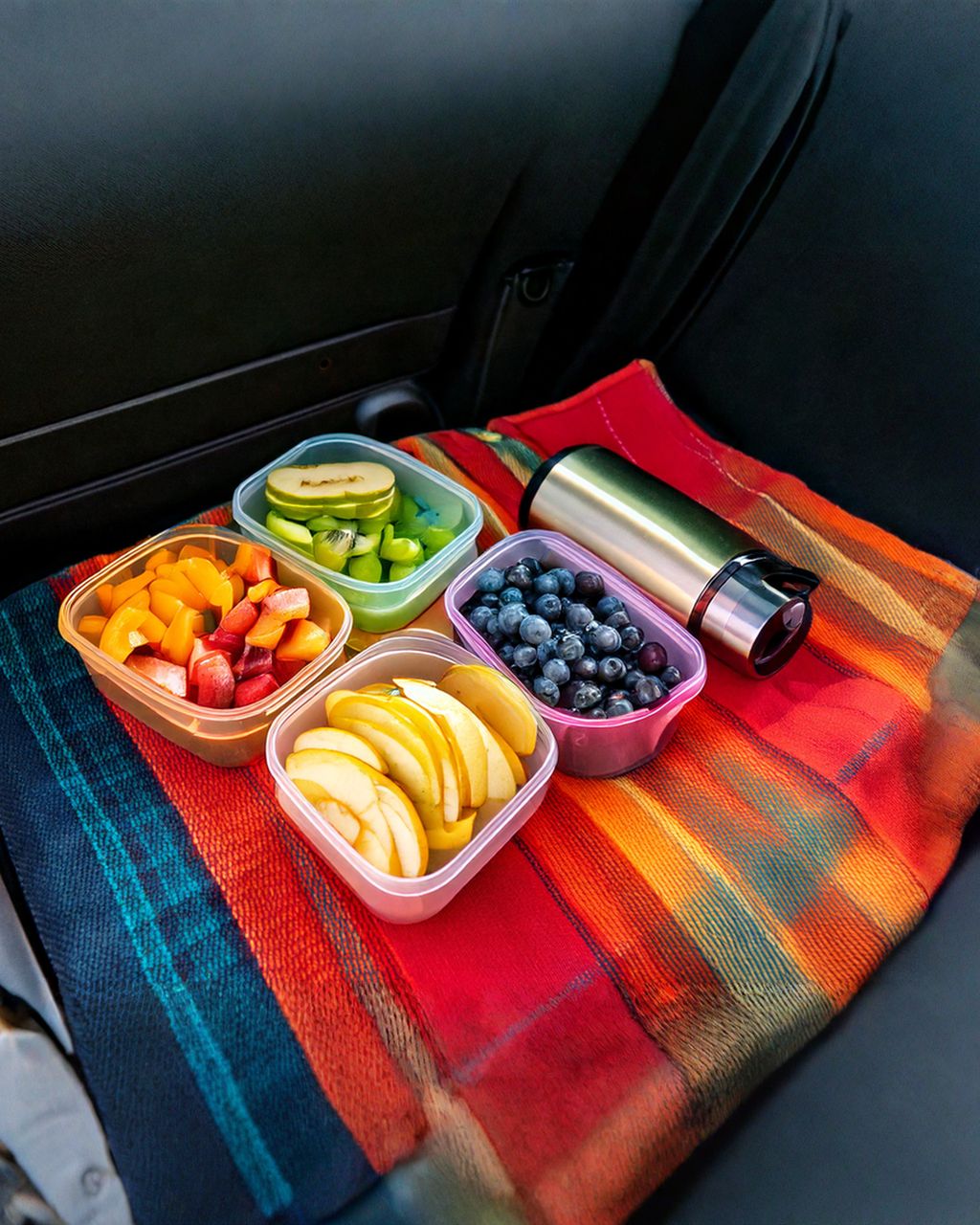
Fruit or vegetables add juiciness, colour and crunch. Think carrot, cucumber, pepper, apple.
Water or unsweetened tea. Save sweet drinks for the odd treat.
General nutrition guidelines suggest a mid-morning snack should cover roughly 10–15% of daily energy intake. For a primary-school child that's around 600–1,200 kJ (about 150–300 kcal), depending on age and activity level — so something like wholemeal bread with cheese, a bit of veg and an apple. Not a feast, but not a single biscuit either.
Five tried-and-tested combos for a school week: bread with a spread, savoury muffins, hummus with veg, homemade granola bar with yoghurt, and fruit muffin with hard cheese. Each one covers the four parts above, and none takes more than five minutes in the morning.
Monday – bread with a spread. A slice of homemade bread with roasted beetroot spread, plus cucumber rounds on the side. The beetroot spread is so colourful that kids treat it like a game.
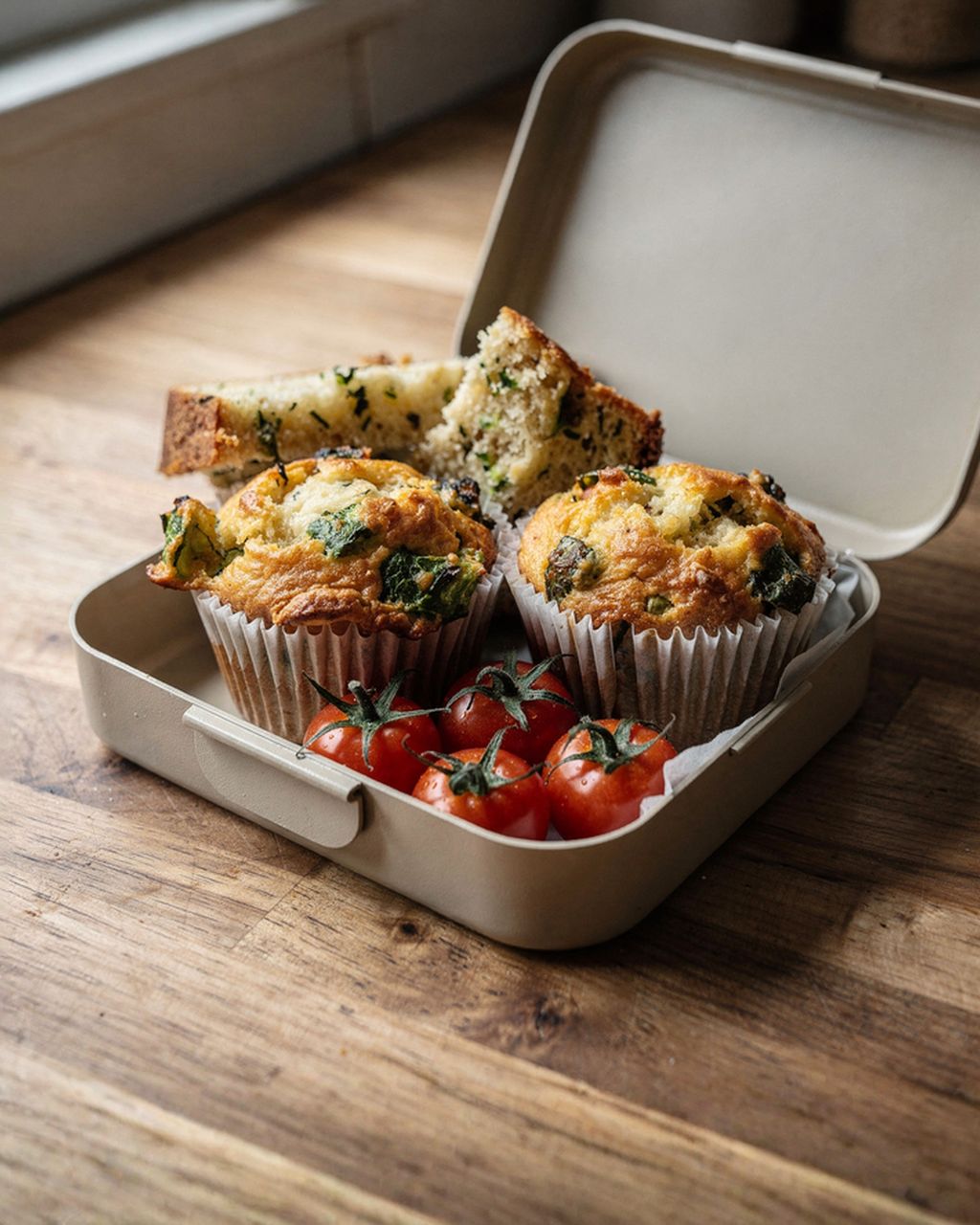
Tuesday – savoury muffins. Two veggie and cheese muffins pack bread, cheese and veg into one bite. Add a handful of cherry tomatoes.
Wednesday – hummus with veg. A small tub of carrot hummus with an ice pack, carrot and pepper sticks for dipping, and a piece of wholegrain flatbread. For crunch, add a handful of roasted chickpeas.
Thursday – granola bar. Homemade almond granola bars with plain yoghurt (kept cool with an ice pack) or a piece of hard cheese, plus a pear.
Friday – a sweeter day. Orange-scented carrot muffins or redcurrant yoghurt muffins, with a cube of Edam and an apple. A sweet treat at the end of the week works better than a ban.
For variety, try crunchy snack bars or homemade raspberry and banana fruit leather — light in the bag, won't get squashed, and keep well all day.
Veggie & cheese muffins
Veggie and cheese muffins – a savoury school snack in one bite
Items that reliably hold up without refrigeration until lunchtime include bread, hard cheeses, firm vegetables, apples and pears, nuts, dried fruit, and baked muffins or bars. What doesn't last long — and shouldn't be left in a warm classroom or in the sun at all — includes egg spreads, soft cheeses, yoghurt, cottage cheese, hummus, ham and cooked meat. Mayonnaise-based salads have no place in a school bag at all.
Food safety guidance recommends keeping perishable foods below 5°C (41°F) and not leaving prepared food at room temperature for more than 2 hours — even less in hot weather. Yet a child typically leaves home at seven and has their snack at nine or ten, which is cutting it close.
Fine all day: wholemeal bread and rolls, Edam or Cheddar, carrot, kohlrabi, pepper, apple, pear, nuts, raisins, baked muffins and bars.
Okay until lunch with an ice pack: yoghurt, cottage cheese, cream cheese, ham, hummus, hard-boiled egg.
Better left out of the bag: mayonnaise-based salads, creamy desserts, sushi, or anything meant to be eaten chilled if the child won't have their snack until the afternoon.
An ice pack or a frozen bottle of water keeps a lunch bag cool for several hours, depending on the size of the pack and bag. The frozen bottle has a bonus: it thaws out by snack time, giving the child a cold drink too.
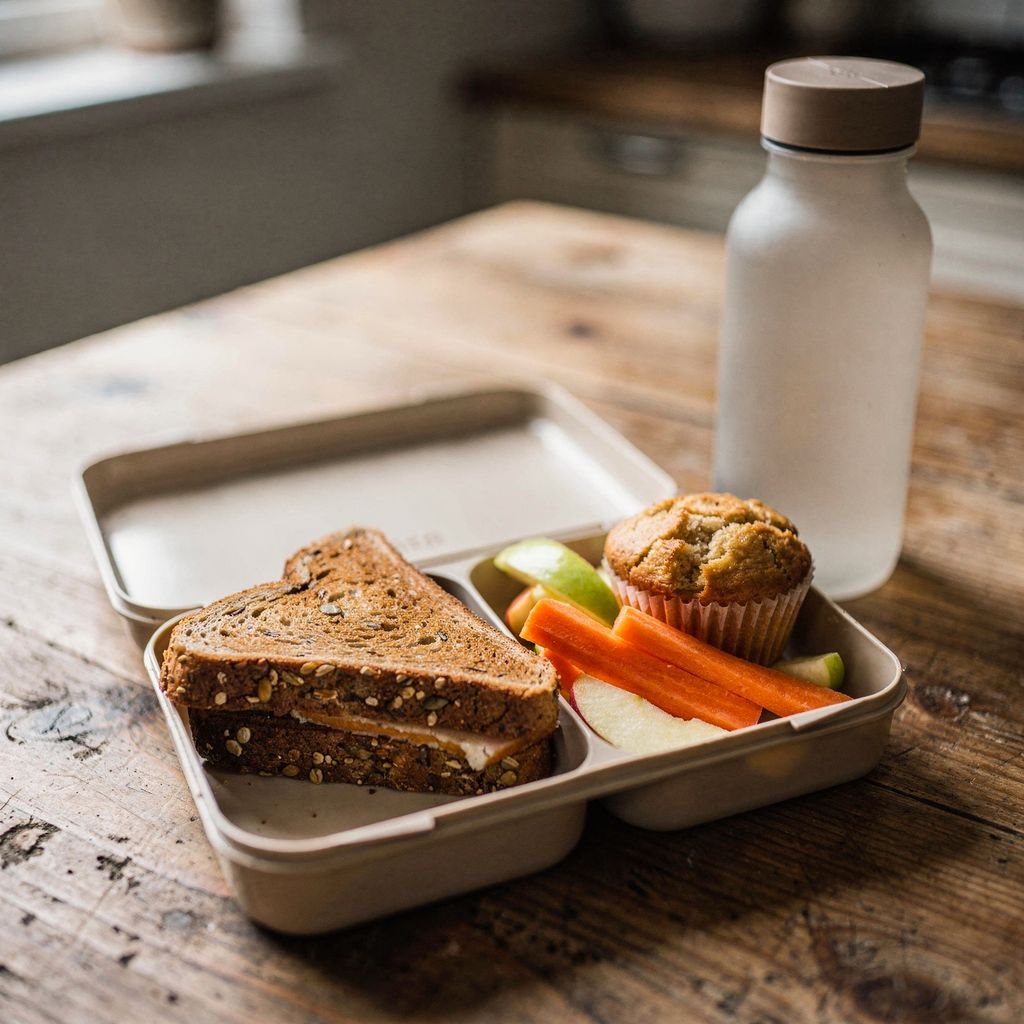
A snack won't get squashed if you keep wet ingredients away from dry ones and give each component its own compartment. Soggy bread or a browned apple is exactly what comes back home uneaten.
A compartmented lunchbox beats any sandwich bag. Rigid sides, a tight-fitting lid.
Keep tomato and cucumber separate from the bread. They release water and turn bread to mush within a couple of hours.
A thin layer of butter under the spread acts as a barrier against sogginess.
Sliced apple — splash it with lemon juice, or leave it whole so it doesn't brown.
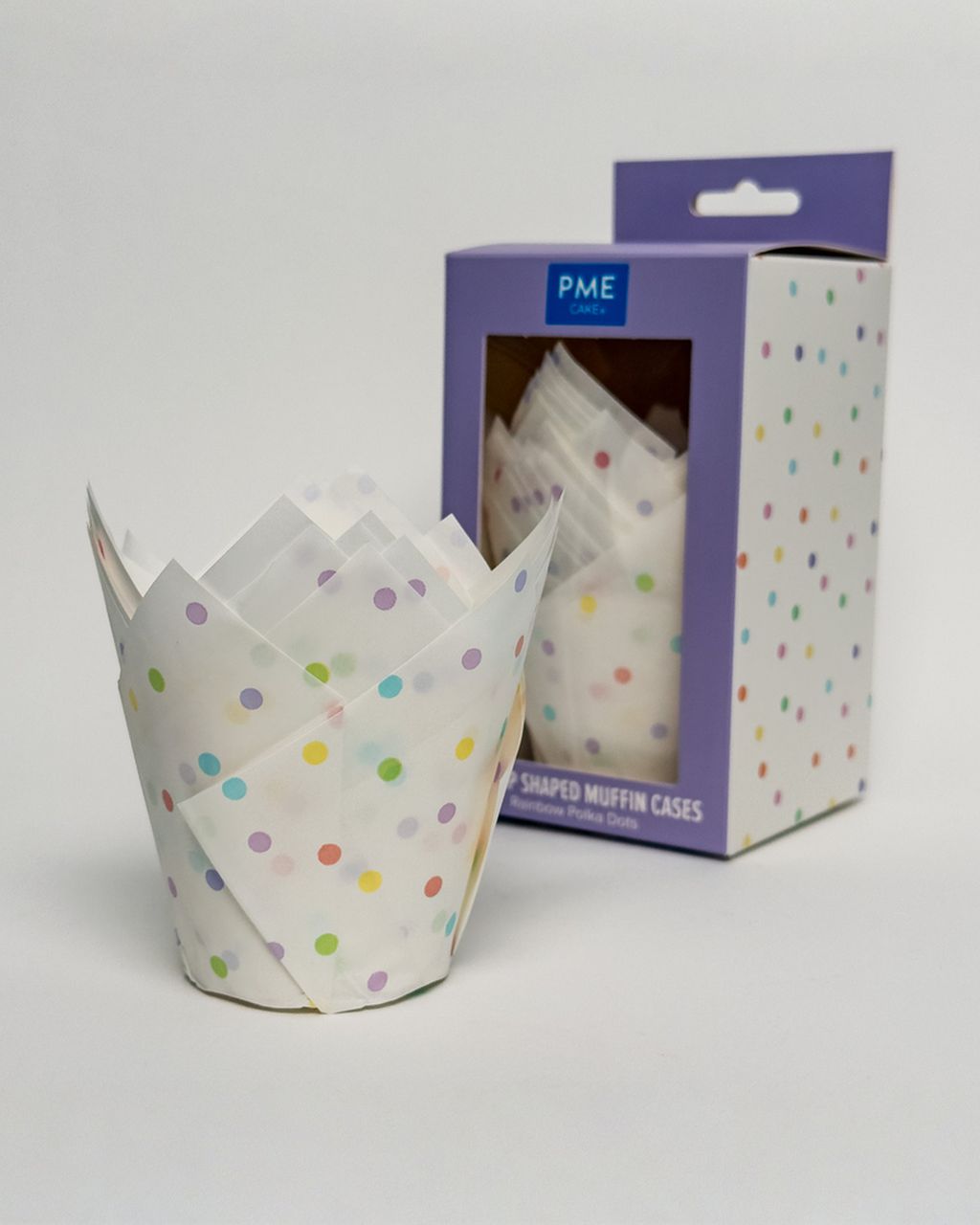
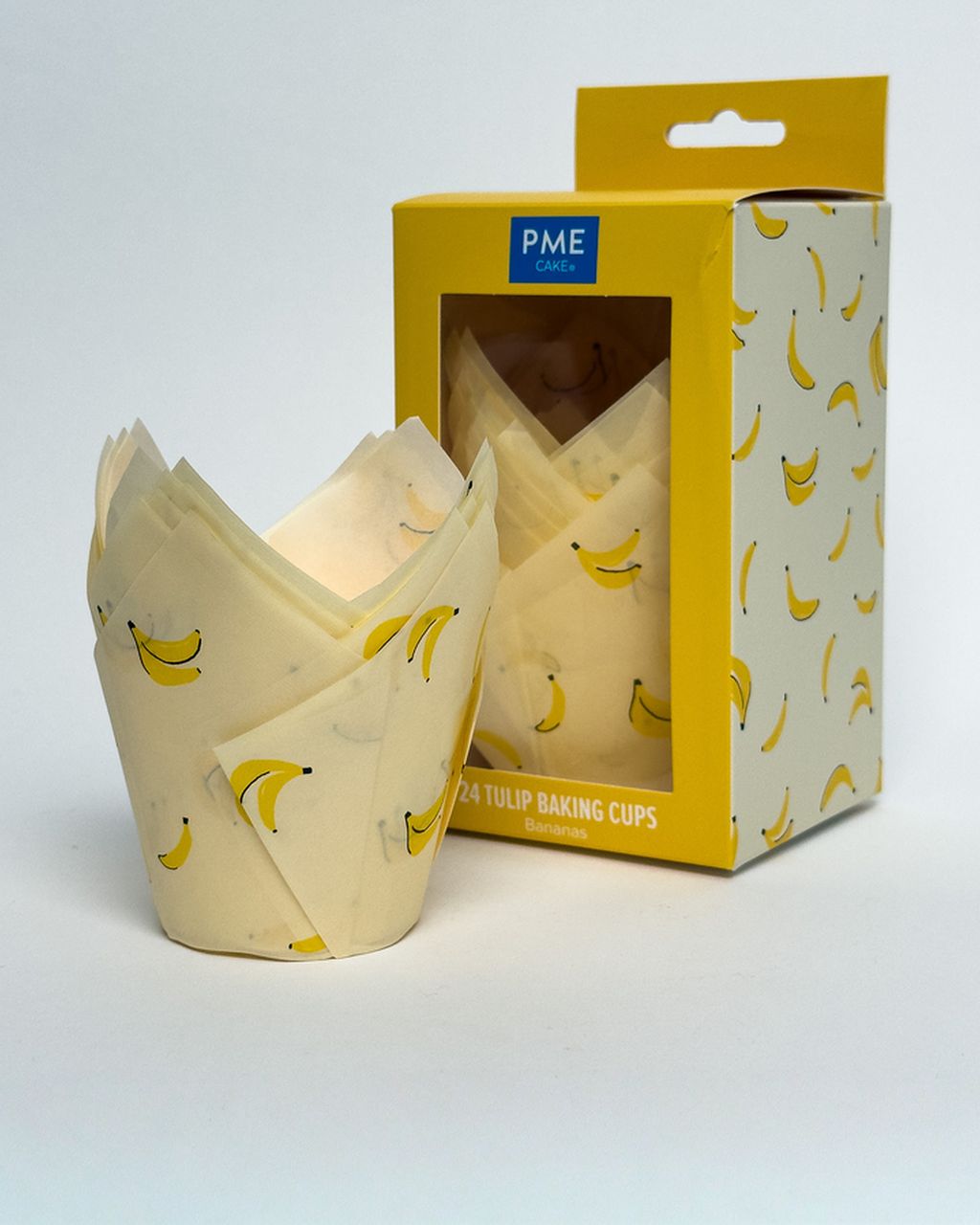
A muffin in a tulip-shaped liner won't crumble in the box, won't stick to the lid, and the child can pull it out with clean hands. Tulip muffin liners work well for baking.
A fork or a toothpick for hummus and cheese cubes, plus a napkin on top.
Kids actually eat their snack when it's cut into small pieces, rotated regularly, when they help choose it, and when it's colourful.
Small pieces. Cubes, sticks, mini muffins. Kids eat fast between bouts of play and won't get through a big hunk of bread.
Rotate rather than repeat. The five combos above are enough to cycle through; even a favourite snack gets old after three weeks straight.
Get the child involved. Let them pick the veg for the box or help bake the muffins — kids eat what they had a hand in making.
Sweet is fine, if it's homemade. A carrot, banana or redcurrant muffin, where you control the sugar, beats a shop-bought wafer any day. And it doesn't have to be off-limits.
Colour sells. Beetroot spread, orange hummus, yellow pepper — a colourful box is far more tempting than a beige one.
The biggest time-saver for busy mornings is baking muffins and bars over the weekend: freeze the muffins individually, keep the bars in a tin, and in the morning all that's left is adding fruit and cheese.
Muffins — freeze as soon as they've cooled, each still in its liner. They keep for roughly 2–3 months in the freezer; in the morning, take one straight from the freezer into the lunchbox — it'll thaw by break time and help keep the rest of the snack cool on the way.
Granola bars keep for about a week at room temperature in a sealed tin.
Hummus and spreads can be made on Sunday; stored in a sealed container in the fridge, they keep for 3–4 days.
Vegetables — chop the night before and store overnight in the fridge in a container with a damp paper towel; they'll still be crunchy in the morning.
If you want to go deeper into how many muffins to bake in one go and how to get them properly baked through, check out the articles below.
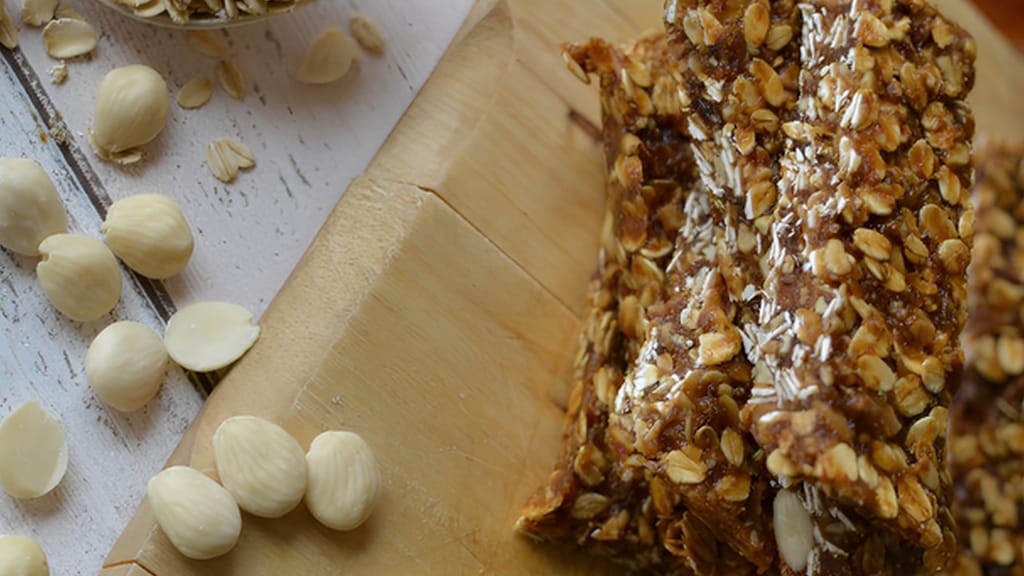
Homemade almond muesli bars
Homemade almond granola bars – a school snack that lasts all week
Nuts can work in a lunchbox, but check your child's class rules first — some schools ban them because of classmates with allergies. For younger children, nut butter or chopped nuts baked into a muffin or bar is safer than whole nuts, which can be a choking hazard.
Hide the veg in baked goods and spreads — savoury muffins with grated courgette or carrot, beetroot spread, or carrot hummus. Alongside that, add one raw vegetable your child already tolerates, cut into sticks, and don't push it; offering it again and again works better than pressure.
With an ice pack (ideally two — one under and one over the food, or a pack plus a frozen water bottle), a lunch bag keeps food cool for several hours, which is usually enough for a mid-morning snack. Freeze the ice pack overnight and keep the bag away from sunny windowsills or radiators — if your child doesn't eat their snack until the afternoon club, only pack what holds up without a fridge.
For everyday use, water or unsweetened tea is the better choice — save juice for occasional treats. Even 100% fruit juice contains natural sugar and, unlike whole fruit, almost no fibre, so an apple in the lunchbox is a better pick than a carton of juice.
One recipe worth heating the oven for, one tip, and one deal from the shop. Nothing else.