Veggie & cheese muffins
Lunchbox Muffins: Savoury, Sweet & Sliced Loaf Cakes
Updated Oct 6, 2026
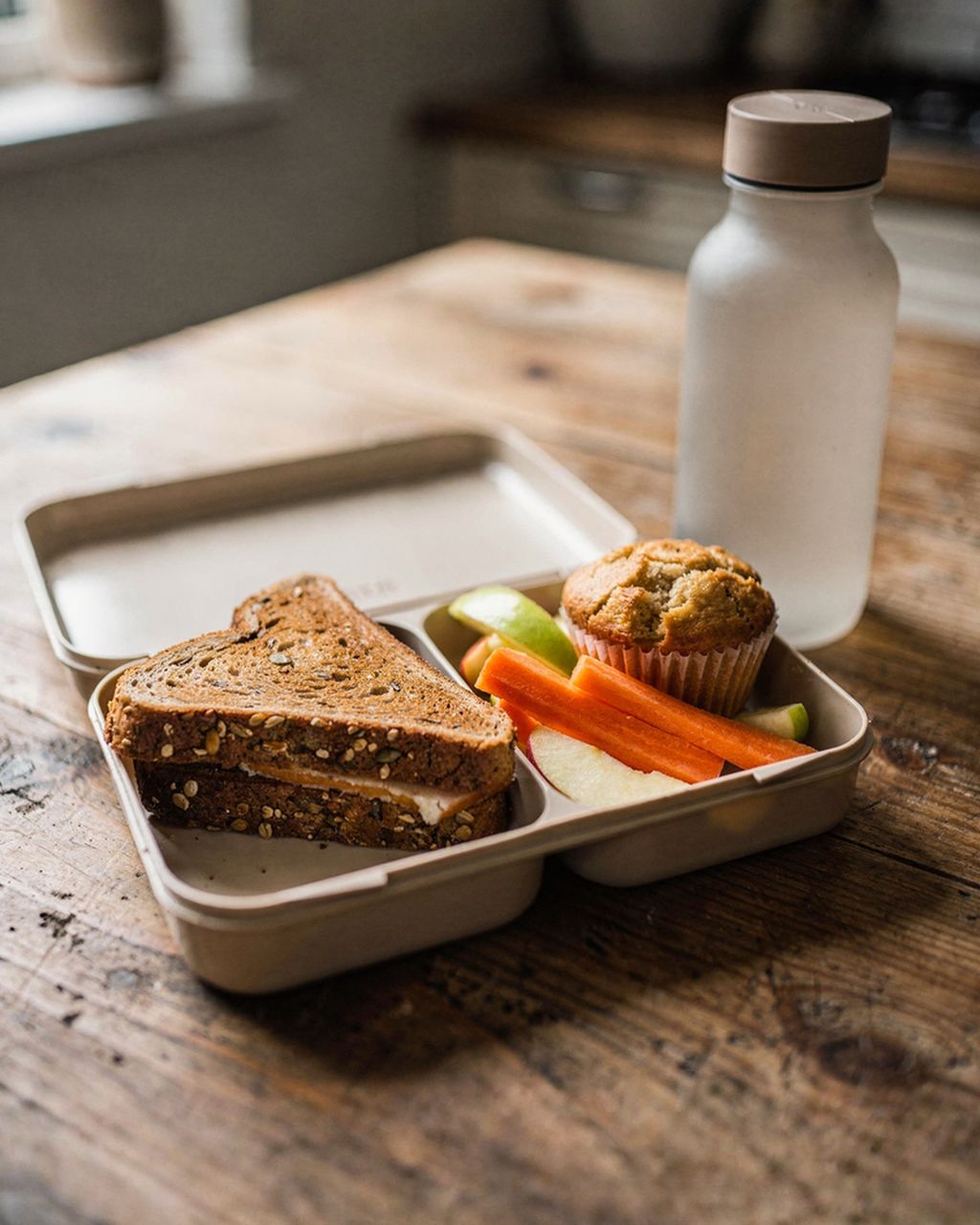
Lunchbox muffins are the easiest homemade snack there is: bake a batch once a week, freeze them individually, and in the morning just drop one straight from the freezer into the lunchbox — by break time it'll have thawed and stayed lovely and moist. A loaf cake baked in a tin and sliced works just as well. But to stop muffins going soggy, falling apart, or turning rubbery by the next day, it all comes down to the batter, the filling, and how you wrap them. Here you'll find savoury school muffins, sweet ones with no icing, loaf cakes, and a freezing routine that saves your mornings.
Muffins and sliced loaf cakes make an ideal lunchbox snack for four reasons: they're pre-portioned, they hold their shape, they freeze well, and they taste good cold.
The portion is sorted. One muffin equals one snack — no slicing bread in a morning rush.
They hold their shape. Unlike a sandwich with a spread, nothing squishes or goes soggy.
The freezer is your friend. Bake a batch of 12 on Sunday and you've got snacks for two weeks.
They're good cold. No need to heat them up or add anything else — perfect for school, a day trip or the office.
The best lunchbox muffins are moister, denser ones with no icing and no cream filling. Light, fluffy muffins dry out quickly, and anything iced will stick to the lid.
What to focus on:
Moisture in the batter: grated carrot or courgette, mashed banana, yoghurt, soured cream. These keep the crumb soft even on day two or three.
Oil instead of butter: oil stays liquid even when cold, so a muffin straight from a chilled lunchbox won't be stiff. Butter-based batter firms up at lower temperatures and ends up tasting drier.
No icing or cream: cream cheese frosting, whipped cream or buttercream belong in the fridge, not in a backpack. If you want to dress a muffin up, a crumb topping or a handful of oats sprinkled on before baking is enough.
Smaller pieces of fruit: blueberries, redcurrants, finely chopped apple. Big chunks sink to the bottom and the muffin falls apart when you pick it up.
Size to match the eater: bake mini muffins for younger kids — easier to eat and they fit a smaller lunchbox too.
Savoury school muffins are built on a simple base: flour, baking powder, eggs, yoghurt or milk, oil, and a handful of hard cheese — plus vegetables or herbs depending on the season.
Cheese: go for something hard and flavourful (Edam, Gouda, Parmesan, Cheddar). It holds its flavour cold and doesn't release water.
Vegetables: grated courgette and carrot, corn, spinach, sun-dried tomatoes. Always squeeze courgette and spinach really well, or the crumb will turn gluey.
Herbs and spices: chives, parsley, sweet paprika, oregano. Go easy on garlic and chilli for kids.
Cured meats: ham or bacon taste great, but they turn the muffin into something that needs refrigeration — see below.
Tried-and-tested ideas from our kitchen: vegetable and cheese muffins are a flexible base you can vary with whatever's in the fridge. In spring, try wild garlic muffins with three cheeses. And if you want more flavour combos plus the base batter spelled out in detail, check out our savoury party muffins — what works at a party works just as well in a school lunchbox.
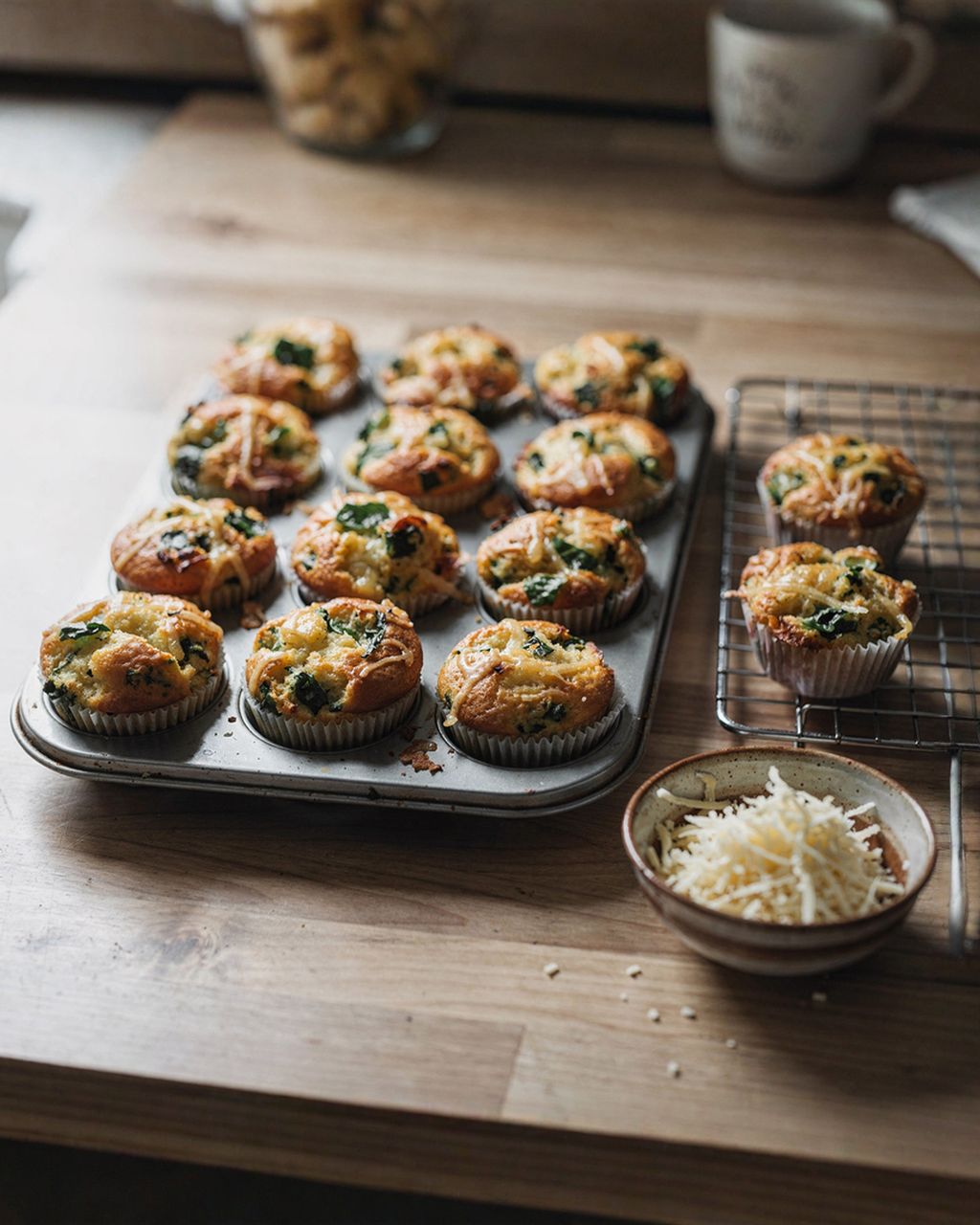
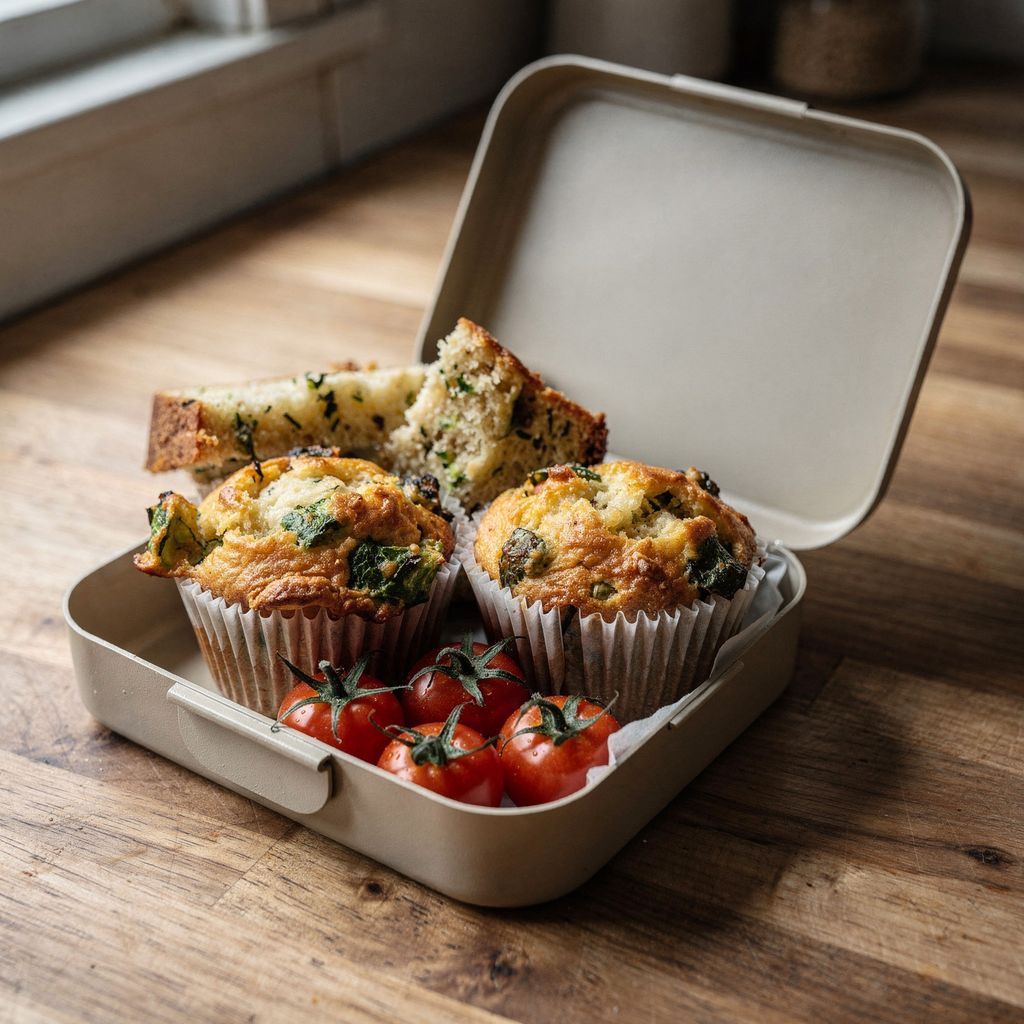
Veggie & cheese muffins
Vegetable and cheese muffins – savoury school muffins that stay fresh in a lunchbox
The best sweet lunchbox muffins have fruit or vegetables right in the batter — banana, carrot or yoghurt give them sweetness and moisture, so they don't need icing at all.
Banana muffins – made from overripe bananas nobody would otherwise eat. The darker the peel, the sweeter and moister the muffin.
Easy redcurrant yoghurt muffins – yoghurt keeps the crumb moist, redcurrants add a tangy kick. Out of season, use frozen berries without thawing them first, so they don't bleed into the batter.
Carrot muffins with a hint of orange – carrot is a classic "hidden vegetable" kids usually can't spot in a muffin.
Courgette and carrot mini bundt cakes – the same idea, baked in smaller moulds.

Banana muffins
Banana muffins – sweet lunchbox muffins made from overripe bananas
A loaf cake is a dense cake or savoury bake baked in a loaf tin and cut into slices — think bishop's bread or banana bread. It works just as well in a lunchbox as muffins do, with one bonus: you decide the thickness of the slice (and so the portion size) each morning.
Savoury: courgette loaf with sun-dried tomatoes – moist thanks to the courgette, bold thanks to the tomatoes. Spread a slice with a little butter or soft cheese and add some cucumber on the side.
Sweet: egg-white walnut loaf – a great way to use up leftover egg whites from other baking. Watch out for nuts if it's going to school (more on that in the FAQ below).
For the adventurous: avocado bread with roasted oyster mushrooms – better suited to a work lunchbox than a first-grader's.
Tip: let the loaf cool completely, ideally overnight, before slicing. A warm loaf squashes and crumbles under the knife.
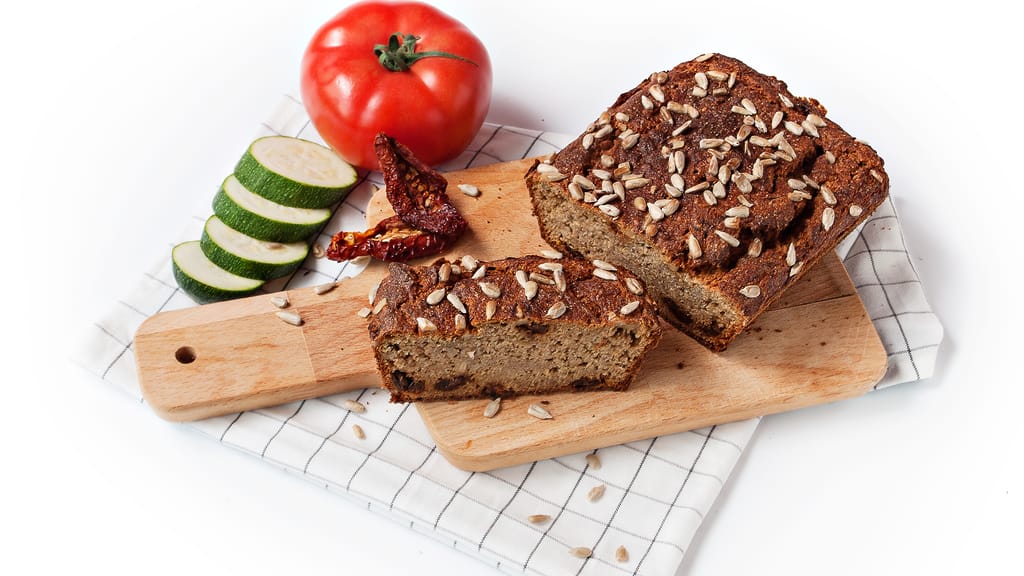
Zucchini bread with sun-dried tomatoes
Courgette loaf with sun-dried tomatoes – a savoury loaf for the lunchbox
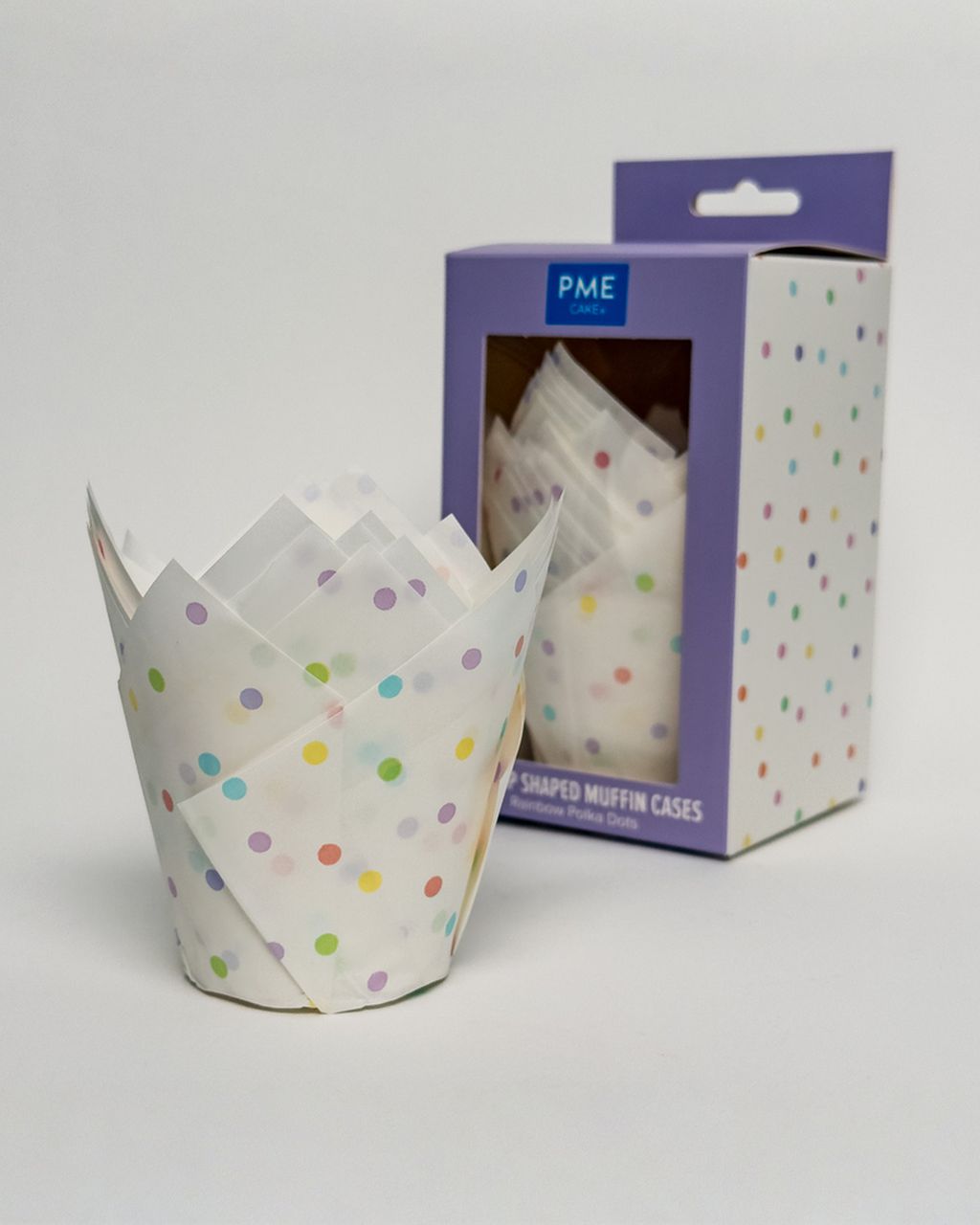
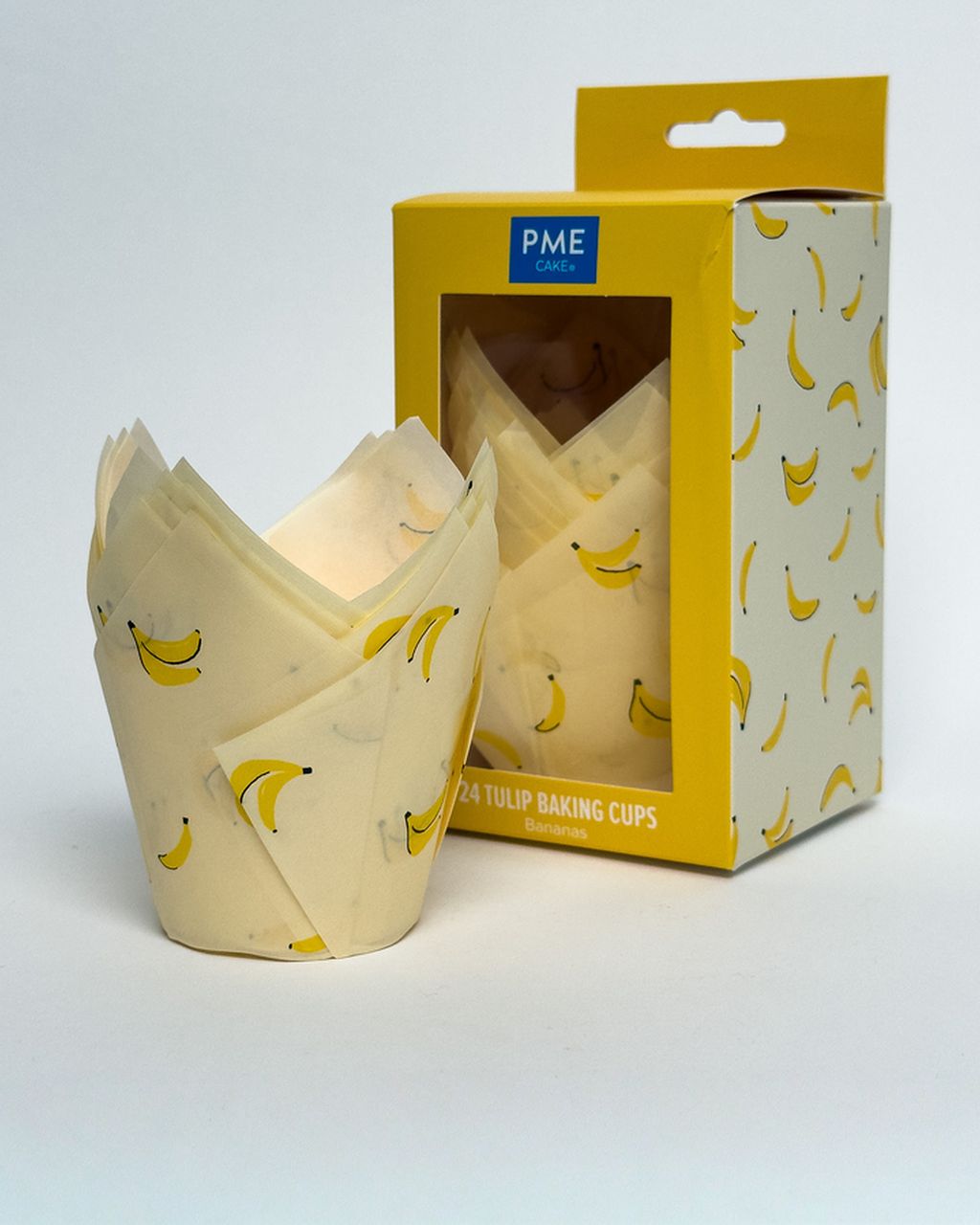
A tulip case is a taller paper liner with pointed edges that wraps the muffin on all sides — and in a lunchbox it works as the muffin's own packaging.
Keeps moisture in. The paper slows down the sides drying out, so the muffin is still soft by the afternoon.
No crumbs. Kids hold the case, not the muffin itself — hands and backpacks stay clean.
Protects the shape. The taller sides stop the muffin getting squashed against the rest of the lunch.
Looks good. Not a trivial point for a school snack — food that looks appealing gets eaten.
Fill the cases about two-thirds full when baking — the taller sides give the muffin room to rise without overflowing. Choose from a range of tulip muffin cases in different patterns; a cheerful design on the case is half the battle with younger eaters.
Freezing muffins and loaf cakes is simple: once fully cooled, freeze them individually on a tray, then transfer to a bag — they'll keep for up to 3 months, and in the morning you just pop one straight from the freezer into the lunchbox.
Let them cool completely on a wire rack, for at least an hour. A warm muffin in a bag will steam itself, condensation forms, and it turns damp once thawed.
Freeze them individually – spread them out on a tray or baking sheet so they don't touch, and freeze for 1–2 hours.
Transfer to a bag or container, press out the air and label with the date. This way they won't stick together and you can grab just one at a time.
Pre-slice the loaf cake and put a strip of baking paper between the slices. In the morning, take out exactly as many slices as you need.
Pack it straight into the lunchbox in the morning. A regular-sized muffin thaws at room temperature in about 2–3 hours, so it's perfectly ready by morning break. Mini muffins thaw even faster.
Bonus: a frozen muffin also helps keep the rest of the lunchbox cool on the way to school. Just don't rely on it instead of a proper ice pack — see the warning below.
Most disappointments come down to five causes: packing them warm, soggy vegetables, icing, overbaking, and oversized portions.
Packing them warm – condensation from a warm muffin turns it spongy and the lunchbox into a damp box. Always let them cool first.
Vegetables that weren't squeezed out – courgette and spinach release water, leaving the crumb around them raw and gluey.
Icing and cream – it melts in the lunchbox or sticks to the lid. Save decorating for parties.
Overbaking – a few extra minutes in the oven and you've got a dry brick by the next day. A muffin is done when a skewer comes out clean or with just a few moist crumbs; mini muffins need noticeably less time than full-size ones.
Too big a portion – a giant café-style muffin is too much for a kid to finish, and the leftover crumbles in the lunchbox. Standard or mini size is just right for a snack.
Sweet muffins with no icing keep for about 2 days in a sealed container at room temperature. Savoury muffins made with just cheese and vegetables should be eaten within 1–2 days; if they contain ham or bacon, keep them in the fridge. Anything you won't finish in time is best frozen straight away.
Only send muffins with nuts to school if the school allows it — many schools and nurseries restrict nuts because of classmates' allergies. If you're not sure, nuts in muffins or loaf cakes are easily swapped for sunflower or pumpkin seeds, oats, or chopped dried fruit.
One egg in a muffin recipe can be replaced with about 60g of plain yoghurt, half a mashed banana (sweet muffins only), or 1 tablespoon of ground flaxseed mixed with 3 tablespoons of water and left to thicken for 10 minutes. The muffins will be a bit denser, which doesn't matter at all for a lunchbox.
Rubbery muffins are usually down to overmixing the batter — this develops the gluten and toughens the crumb. Fold the wet and dry ingredients together only briefly with a spatula, just until the flour disappears; a few lumps in the batter are fine.
Yes, a frozen muffin thaws in the microwave in 20–30 seconds on medium power, but let it cool down before putting it in the lunchbox. A warm muffin in a closed lunchbox will steam and turn damp, so for the morning it's better to pack it straight from the freezer, still frozen.
One recipe worth heating the oven for, one tip, and one deal from the shop. Nothing else.