Carrot hummus

Updated Jul 19, 2026
The best light snacks for a day by the water are easy to carry and hold up well in the heat: fruit and veg with a high water content, a handful of nuts, a wholegrain sandwich, fruit skewers, and above all, plenty to drink. They won't weigh you down before a swim, they release energy gradually, and they all fit in one bag. Below you'll find exactly what to pack, how to pack it so it doesn't spoil in the heat, and ready-made recipes you can prep the night before.
For a day by the water, reach for five snack categories — each one does a different job:
Water-rich fruit — watermelon, grapes, apples, strawberries: refreshing and a quick energy boost.
Crunchy veg — carrots, cucumber, peppers, radishes, ideally with a dip.
Nuts and seeds — almonds, walnuts, sunflower seeds: keep you full for hours.
A wholegrain sandwich — fibre and protein to keep you going.
Plenty to drink — water, homemade lemonade or unsweetened iced tea.
The rest of the article breaks down each category in detail — and, importantly, shows you how to pack food so it holds up in the heat. If you'd rather bring whole ready-made meals instead of individual snacks, check out 15 easy picnic dishes that survive the journey and the sun.
Light snacks won't weigh you down before a swim or slow down digestion, which already drains your energy in the heat. A big serving of rich, fatty food takes hours to digest, and combined with heat and swimming, it'll leave you groggy on the towel. Smaller portions of fruit, veg and nuts release energy gradually, without that heavy post-lunch slump.
The second reason is practical. Light snacks don't spoil as easily as mayo-based salads or warm meat dishes, they take up little space in your bag, and you can eat them without a plate or cutlery — straight from your hand or a container.
The third is nutrition. Choose foods that combine water, fibre and a bit of fat or protein: fruit gives you quick sugars and fluids, while nuts provide healthy fats and protein for longer-lasting fullness. Together they keep you going without knocking you out on the blanket between swims.
Don't let perishable food sit out for more than an hour once it's above 32°C — in milder heat, you get about two hours. Between 4°C and 60°C is the so-called danger zone, where, according to the US FDA, bacteria multiply fastest and can double in number in as little as 20 minutes. Sandwiches with meat or egg, mayonnaise and dairy are the riskiest.
How to do it in practice:
A cool bag with ice packs is essential — keep perishables below 4°C right up until you eat them.
Pre-chill drinks and food in the fridge at home, not once you're already there.
Keep separate fruit and veg in sealed containers so they don't get soggy from melting ice.
Lean on sturdy snacks — nuts, wholegrain bread, firm fruit and raw veg aren't bothered by heat, so prioritise these if you don't have a cool bag.
For packaging and containers that hold up all day without creating waste, see our detailed guide Zero-Waste Picnics: How to Pack Eco-Friendly Food and Containers.
Fruit and veg with a high water content make the best beach snacks — they hydrate and refresh at the same time. Watermelon, cucumber and strawberries are all over 90% water, so they'll cool you down and top up your fluids a little.
Pick varieties that survive the trip in a bag:
Apples and grapes — sturdy, crunchy, ready to eat straight from your hand.
Watermelon cut into cubes in a sealed container — best served straight from the cool bag.
Carrots, cucumber, peppers, radishes — cut into sticks at home; they hold their shape and don't wilt.
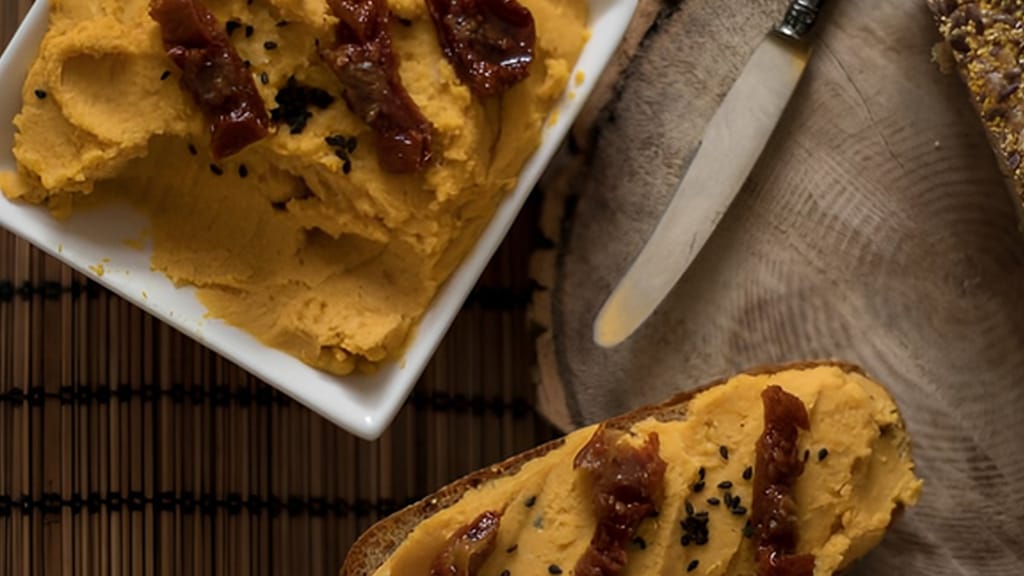
A dip livens up veg. Hummus adds protein and is more filling than carrots on their own, and it makes veg go down easier with kids too.
Carrot hummus
Carrot hummus as a dip for chopped veg
A handful of nuts keeps you full for hours because it combines healthy fats and protein — exactly what fruit alone can't provide. Almonds, walnuts, cashews or sunflower and pumpkin seeds are ideal for the heat: they won't spoil, nothing leaks, and they release energy slowly.
Go for unsalted, unroasted-in-oil varieties — salted nuts will only dehydrate you further by the water. Measure out roughly a handful (about 30g) per person; they're energy-dense and easy to overdo. A homemade mix of nuts and dried fruit — commonly called trail mix — is also handy: tip it into a bag and it'll keep through anything.
The best picnic sandwich starts with wholegrain bread and a filling that won't turn soggy — avocado, hummus, cottage cheese spread, hard cheese or roasted veg. Wholegrain bread holds its shape better than sliced white and adds fibre.
Flavour comes from contrast: creamy avocado against something crunchy, sweet roasted veg against sharper mustard, fresh herbs (basil, mint) on top. In summer, build around what's in season — tomatoes, cucumber and peppers taste best and cost least. Just keep juicy pieces like tomato separate and add them to the sandwich on site, otherwise they'll make the bread soggy.
Packing: wrap each sandwich separately in waxed paper or a reusable wrap that keeps moisture out. That way they won't squash each other and will stay fresh right up to lunchtime.

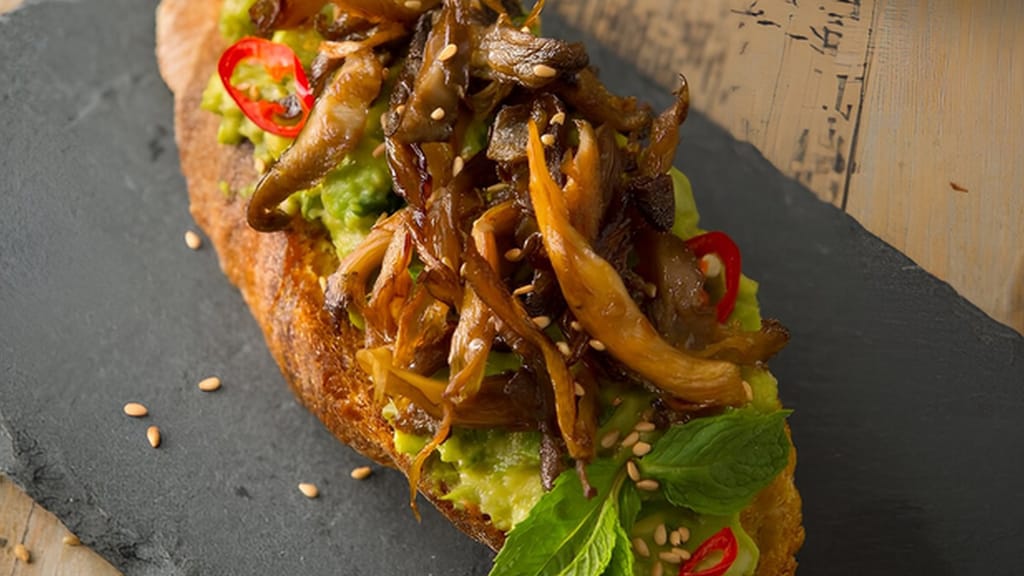
Avocado toast with crispy roasted oyster mushrooms
Avocado toast with roasted oyster mushrooms — a heartier option for the beach
Fruit skewers are the easiest way to get kids eating fruit — chunks threaded onto a stick disappear faster than fruit in a bowl. Thread on alternating colours: watermelon cut into 2–3cm cubes, whole or halved strawberries, rinsed grapes, kiwi rounds. Mixing colours — a red strawberry next to green kiwi and orange watermelon — looks appealing and blends the flavours.
To stop fruit browning in the air, splash lemon juice over varieties prone to it (apple, pear, banana). Skewers travel best lying flat in a shallow container inside a cool bag; once you're there, serve them on a tray of ice and garnish with a mint leaf.

In the heat, drinking matters more than eating — depending on conditions and activity level, you can lose roughly 0.5 to 2 litres of fluid an hour through sweat, and thirst always kicks in later than it should. Plain water is the foundation; sip it steadily in small amounts rather than waiting until you're parched — your body absorbs fluids better when you top up continuously. Slices of lemon, cucumber or a few mint leaves right in the bottle liven up the flavour.
For variety, try homemade lemonade made with fresh fruit and herbs, or unsweetened iced tea — brew it a bit stronger, chill it in the fridge and top up with ice. Pre-chill drinks and carry them in a flask or insulated bottle. Go easy on alcohol and heavily sweetened drinks: in the heat, they tend to dehydrate rather than hydrate. For quick summer drink recipes, see How to Make Homemade Lemonade in 5 Minutes.
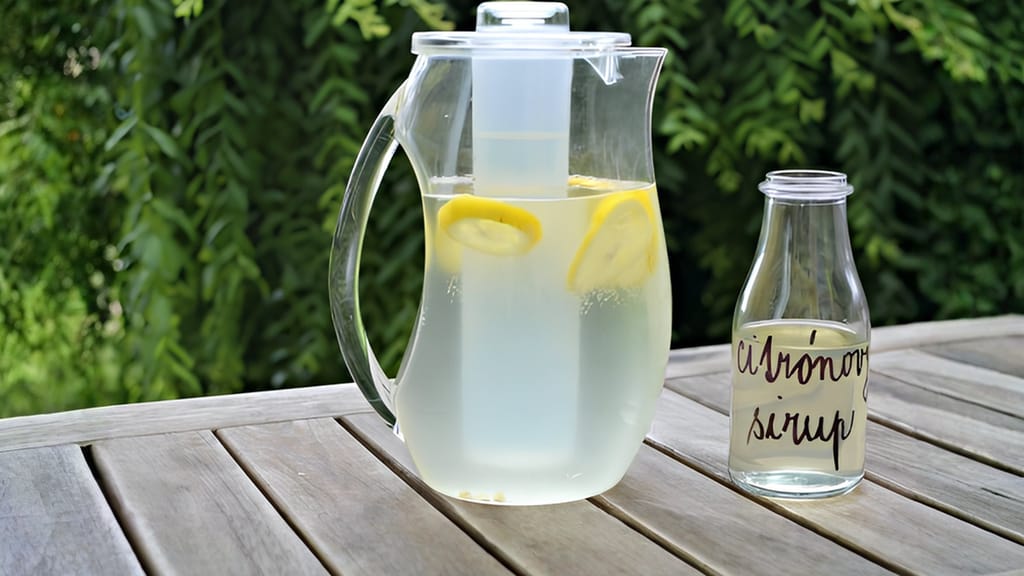
Homemade lemonade syrup and other fruit syrups
Homemade lemonade and syrups as a base for summer drinks
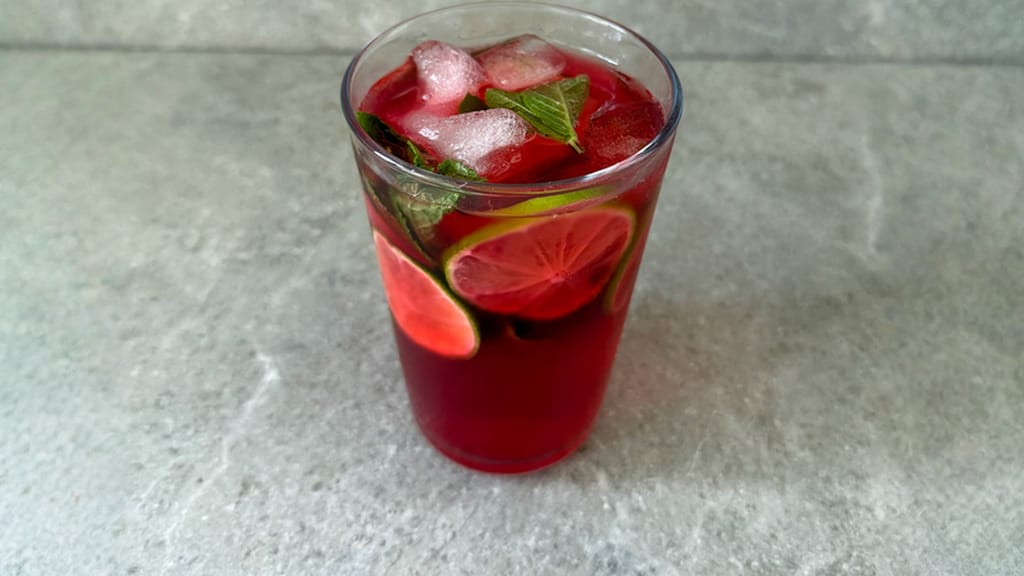
Refreshing hibiscus iced tea with lime
Refreshing sugar-free hibiscus iced tea with lime
The best sweet treat for the beach is filling and refreshing at once — date bites, oat squares or yoghurt with fruit instead of a heavy cake. Homemade energy bars made from dates, oats and nuts give you a quick energy boost, won't spoil, and can handle a whole day in a bag.
If you want something fresher, layer up Greek yoghurt with fruit and a spoonful of granola. Just remember yoghurt is perishable, so keep it in the cool bag and eat it within two hours.
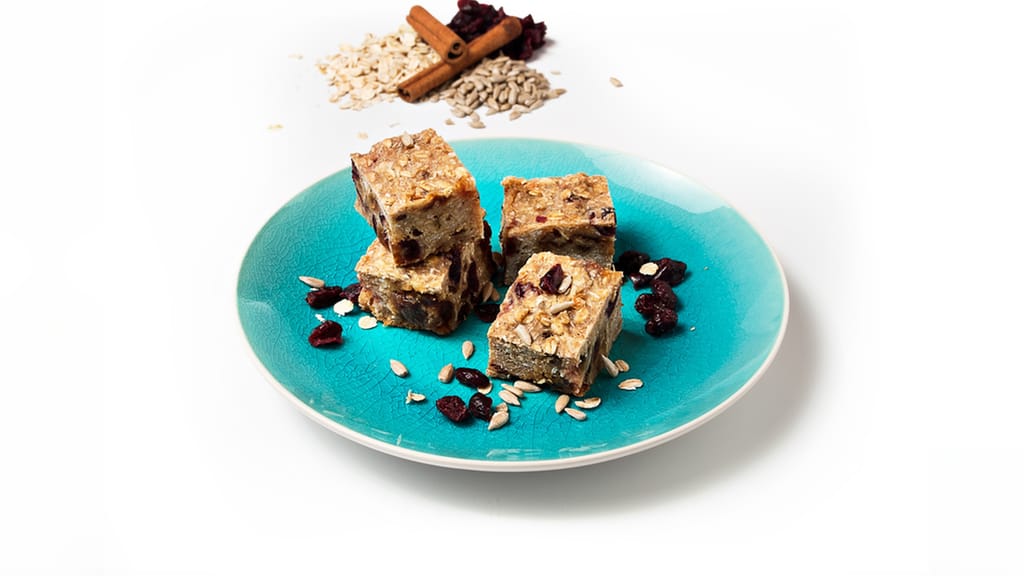
Oat bars with dried fruit
Oat squares with dried fruit — a snack that holds up in a bag
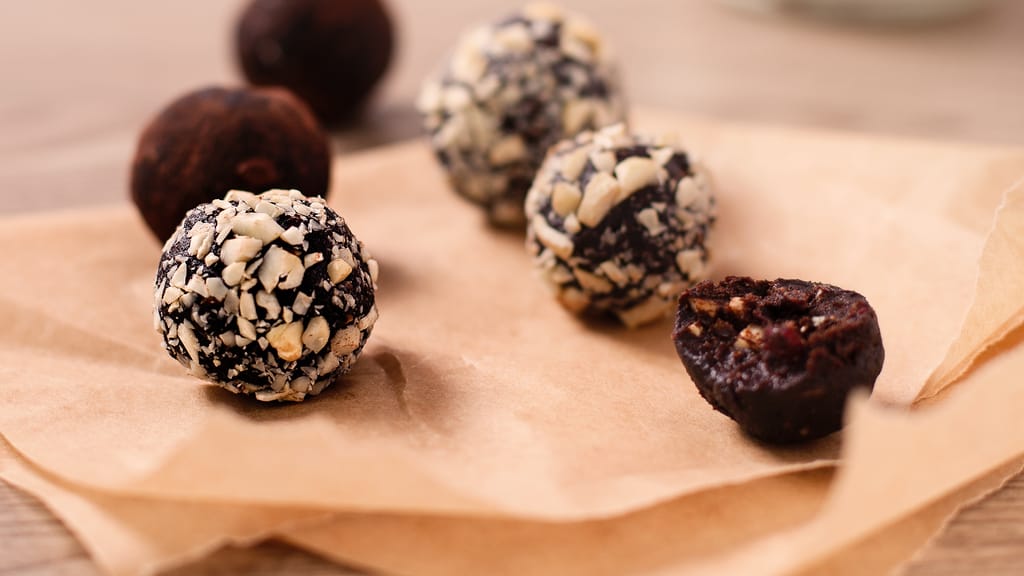
Cocoa date & oat balls
No-bake cocoa and date energy balls made with oats
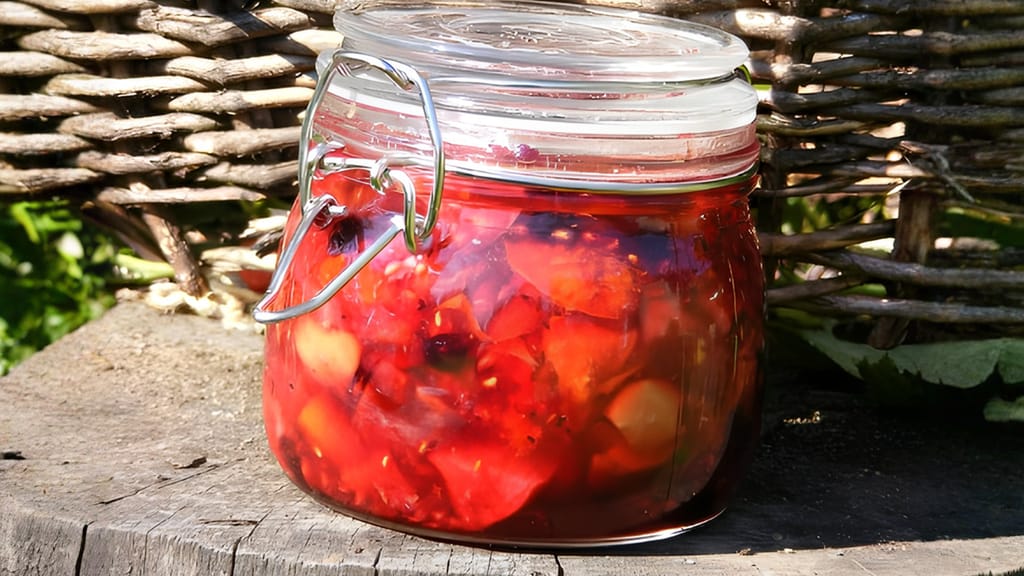
Summer fruit in a jar
Summer fruit in a jar as a light beach dessert
Go for snacks that don't need chilling: whole fruit (apples, grapes, bananas), raw veg, nuts and seeds, wholegrain bread, dried fruit and date-based energy bars. Skip meat, eggs, mayonnaise and dairy — without refrigeration these spoil fast in the heat.
Plan on at least 1.5 to 2 litres of water per person per day, and more if it's hot or you're swimming and being active. Sweat losses typically run between 0.5 and 2 litres an hour, so err on the generous side and sip steadily throughout the day rather than waiting until you're thirsty.
Kids do best with colourful, easy-to-grab snacks: fruit skewers, chopped veg with hummus, mini wholegrain sandwiches and chunks of watermelon. Pre-cut, ready-to-eat portions disappear much faster than a bowl of whole fruit, and kids stick with them longer.
Go by time, not smell: throw out perishable food (meat, eggs, mayonnaise, dairy) that's been sitting above 32°C for more than an hour, even if it looks and smells fine. Bacteria often don't change the taste or smell, but they can still make you sick.
Water-rich fruit and veg are the lightest option — cucumber, radishes, peppers, watermelon, strawberries — along with iced tea or water flavoured with lemon instead of sugary drinks. Nuts are healthy but calorie-dense, so stick to one handful per person.
One recipe worth heating the oven for, one tip, and one deal from the shop. Nothing else.