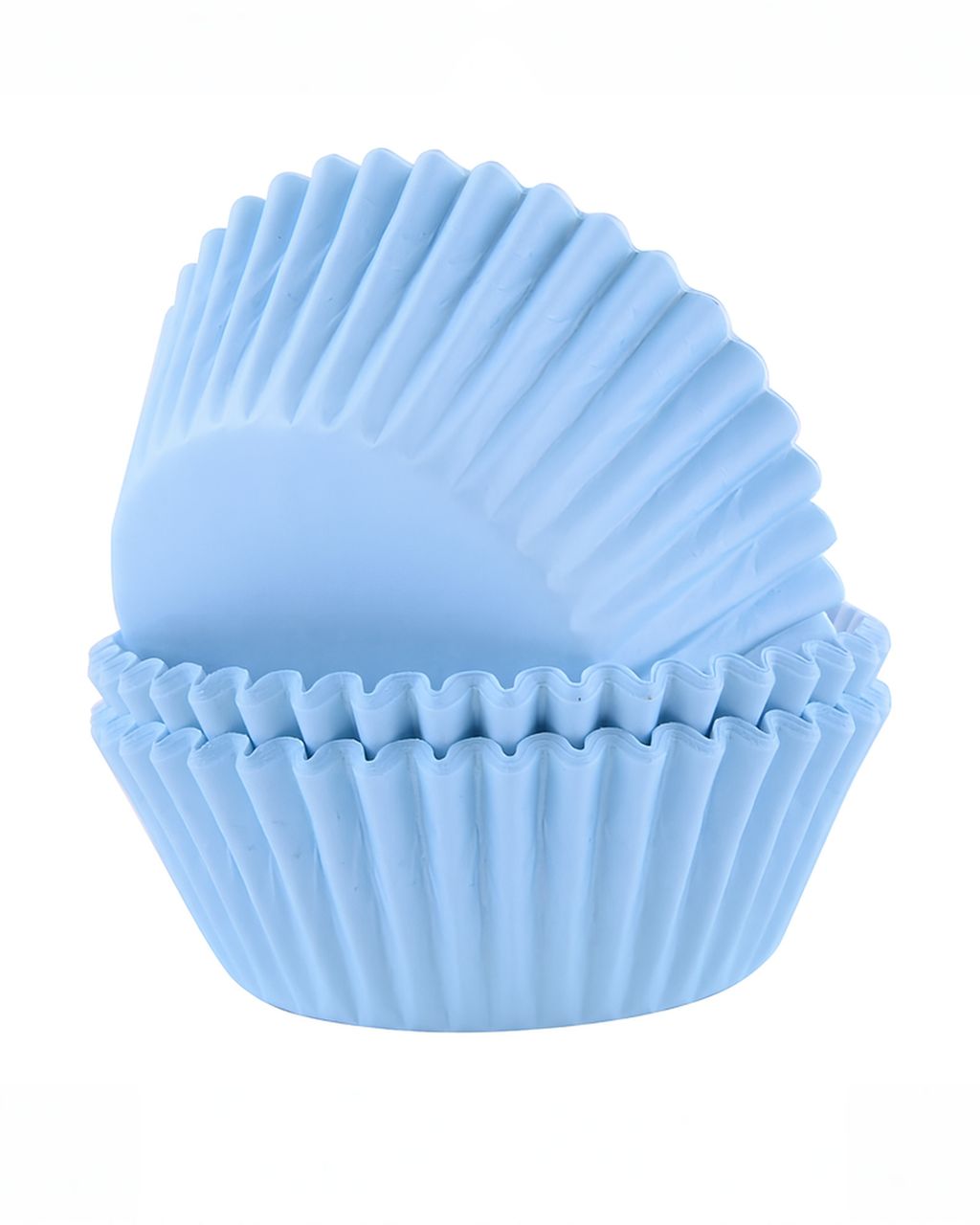
PME Paper Cupcake Cases – Light Blue (60 pcs)
Filled Cupcakes: How to Fill Them with Cream or Jam
Updated Oct 8, 2026
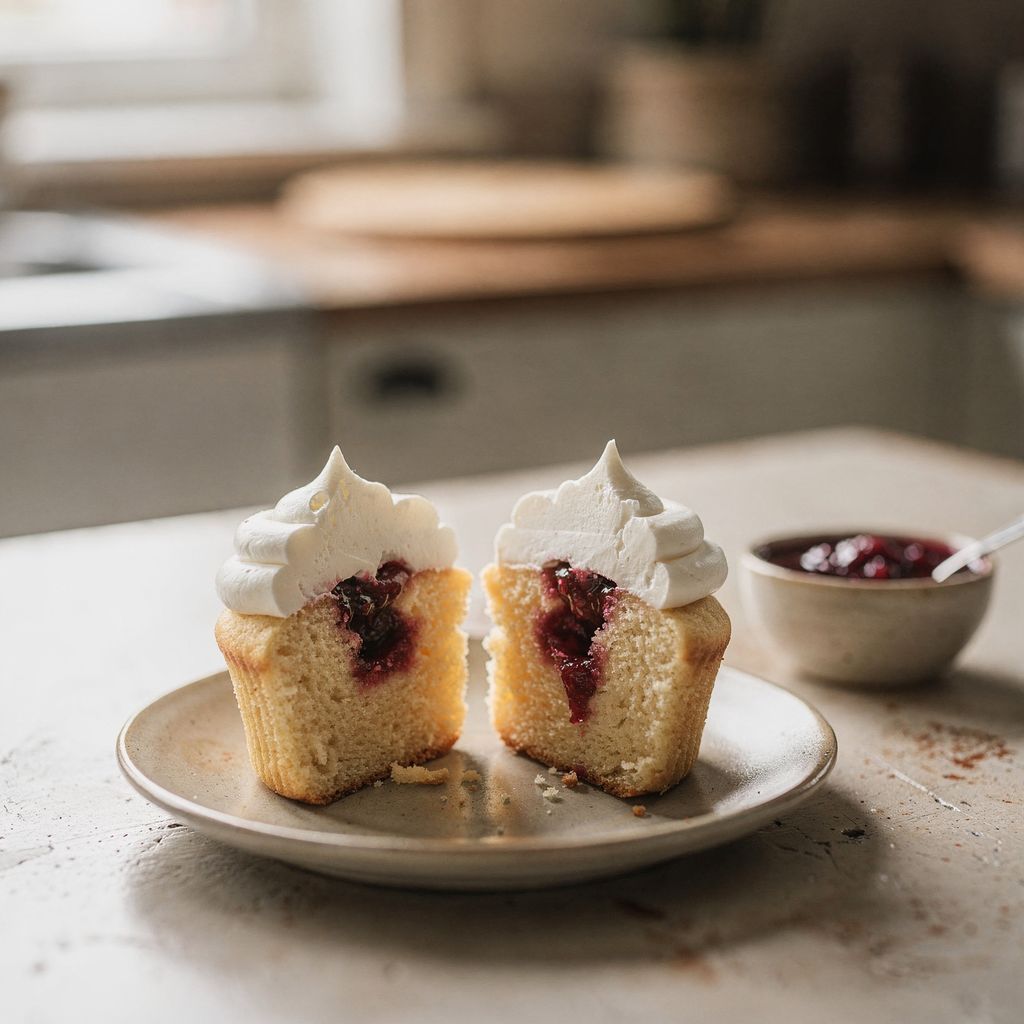
The most reliable way to fill cupcakes is to let them cool completely, then cut out a hollow about 2.5–3 cm (1–1.2 in) wide and roughly 2.5 cm (1 in) deep in the centre, fill it with 1–2 teaspoons of a thick cream or jam, and cover it over with cream on top. This works for jam, lemon curd, ganache and caramel alike. Below you'll find all three filling methods, how much filling to use, which fillings hold up and which turn the sponge soggy — plus how to stop your cupcake falling apart in your hand the moment you bite into it.
There are three ways to fill cupcakes: coring out the centre, piping the filling in without cutting, or baking the filling right into the batter. Each method suits a different type of filling:
Coring the centre – works for both thick and runnier fillings, and fits the most (1–2 teaspoons). The safest choice if you're just starting out.
Piping – best for smooth, creamy fillings (curd, ganache, pastry cream). Quick, but holds less filling.
Baking in – only works for fillings that can withstand the oven (a square of chocolate, nut spread, or a cream cheese mixture). Jam isn't suited to baking into the batter.
Whichever method you choose, one rule always applies: only fill cupcakes once they're completely cool. Warm sponge tears easily and simply soaks up the filling. Allow at least 1 hour of cooling on a wire rack.
Coring out the centre is the most dependable way to fill cupcakes, because you can see exactly how much filling you're adding, and it even copes with thicker, chunkier jam.
Holding a small sharp knife upright, cut out a cylinder with straight sides, about 2.5–3 cm (1–1.2 in) across and 2–2.5 cm (0.8–1 in) deep — roughly two-thirds of the cupcake's height. Don't cut all the way through the bottom, or the filling will leak into the liner. An apple corer or a wide round piping tip, pushed in and twisted, works just as well instead of a knife.
From the cylinder you've removed, trim off and discard the base, keeping the top as a "lid".
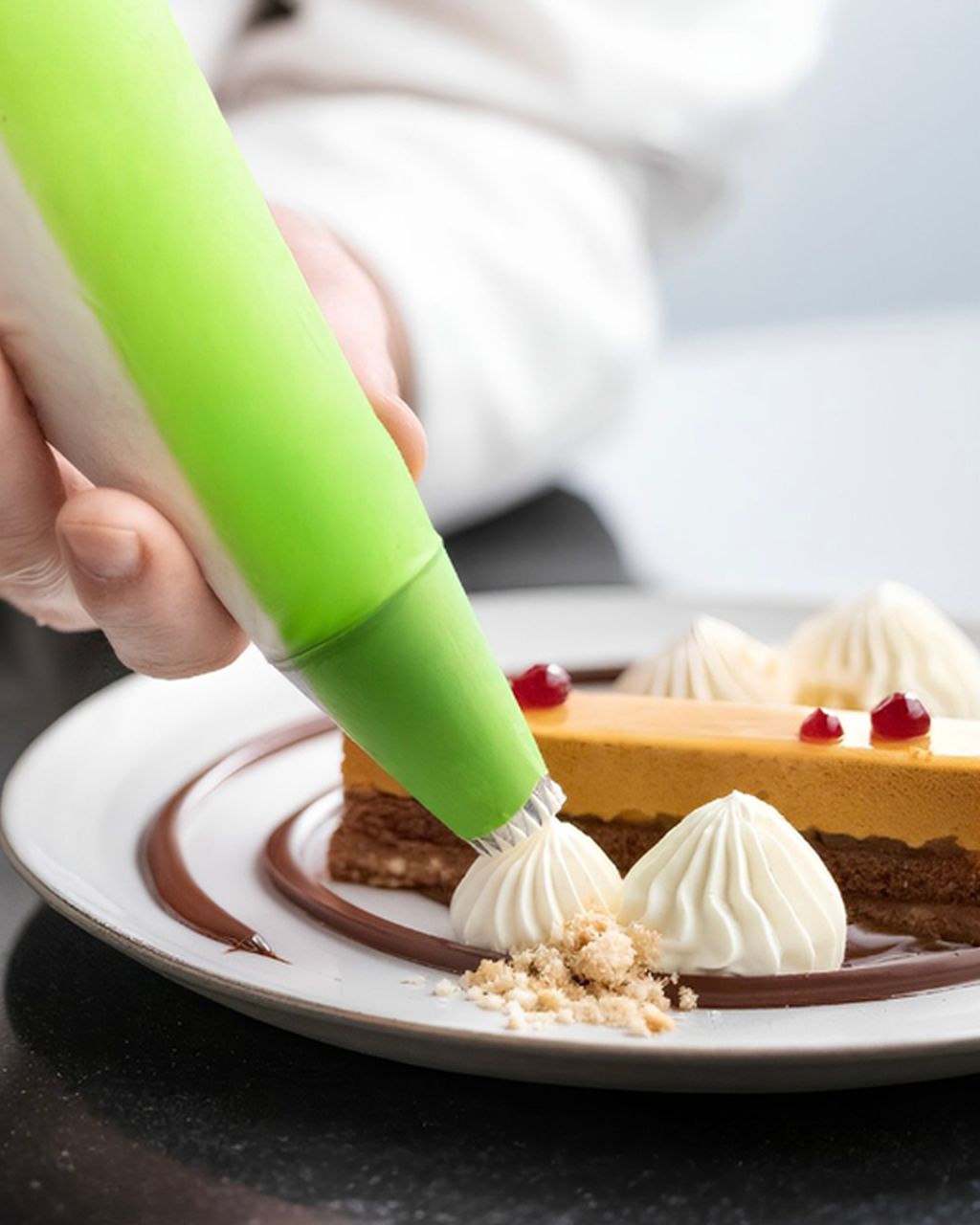
Fill the hollow almost to the top — it will hold 1–2 teaspoons (about 7–14 g) of filling. A spoon works fine for jam; for cream or curd, a piping bag gives the neatest result.
Replace the lid, or simply pipe the cream straight on top.
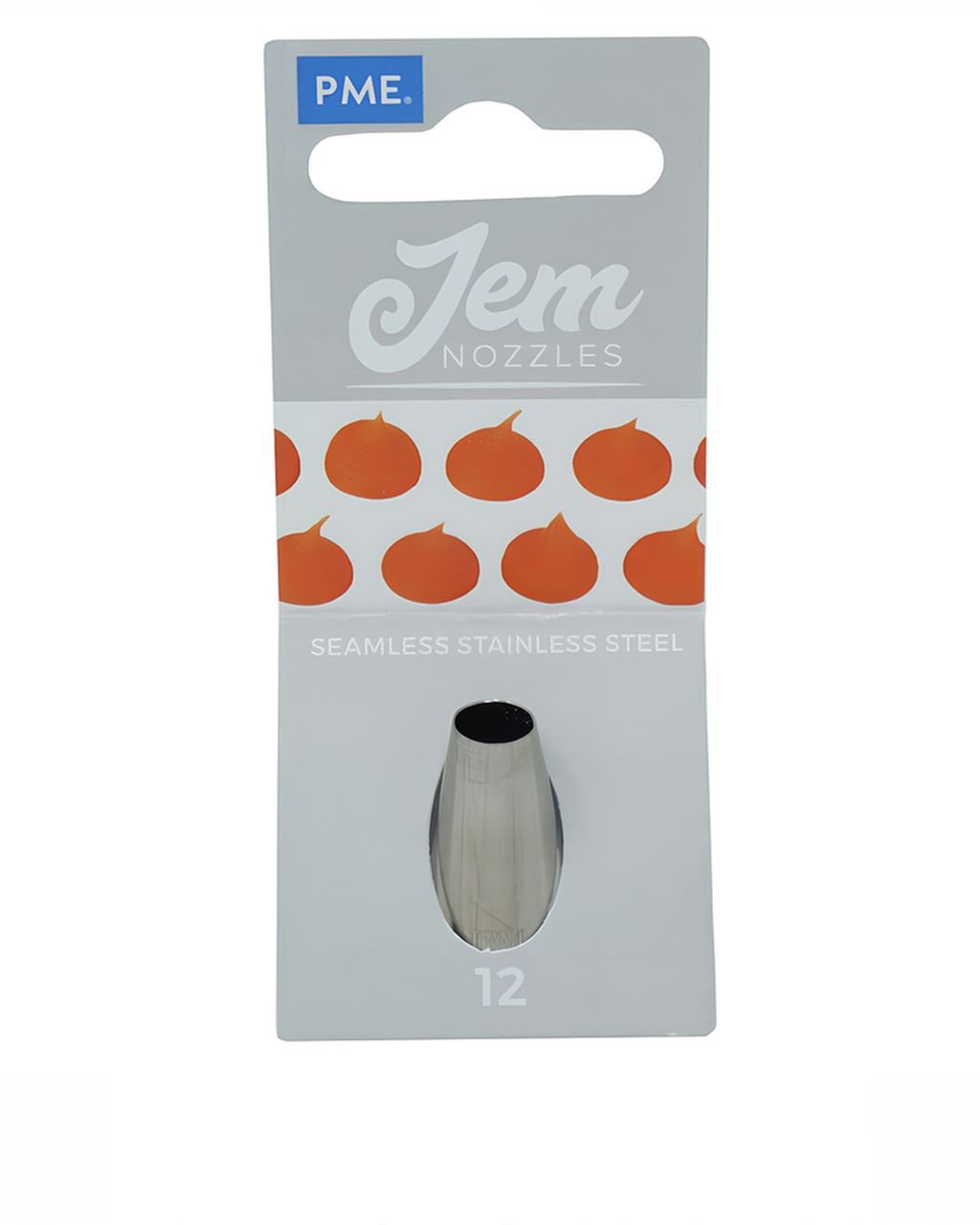
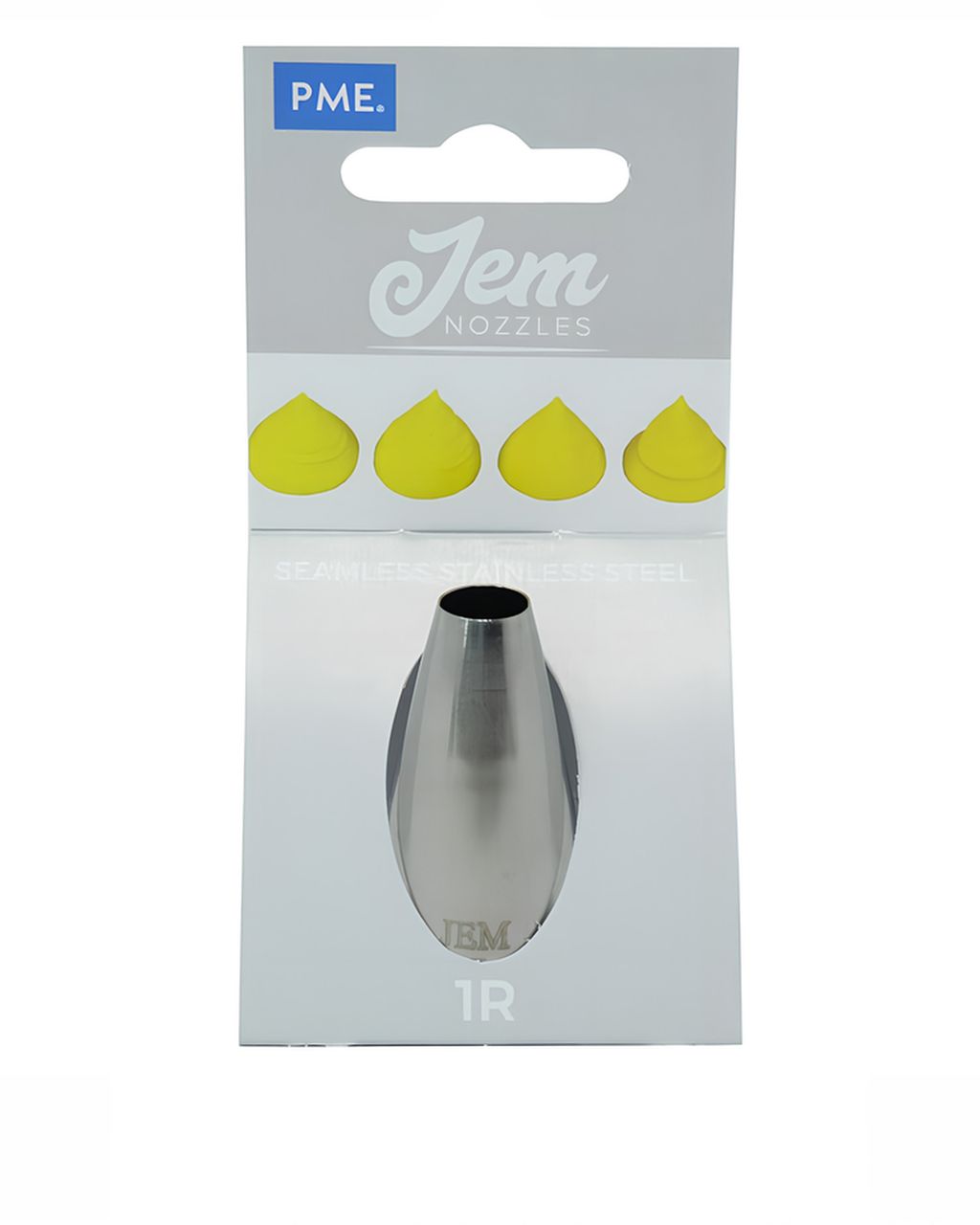
For a creamy filling, fit the piping bag with a round tip. A smaller round tip (such as a JEM Round #12) gets the cream right to the bottom of the hollow with no air pockets. A larger round tip, like a Savoy, handles a thicker filling with pieces in it.
If you want cupcakes with a flat top so the lid and cream sit neatly, check out how to bake cupcakes with a flat top.
Piping is the fastest way to fill cupcakes when you're working with a smooth filling and want to leave the surface of the cupcake intact. A long, narrow filling tip (Bismarck) is the classic choice, though a smaller round tip works just as well.
Smaller round tip (such as a JEM Round #12) – push it in to about a third or halfway down, squeeze the bag gently, and pull it out slowly. Ideal for curd, ganache, or pastry cream. You'll get roughly 1 teaspoon (about 7 g) into each cupcake — any more and the sponge starts to tear.
Snipped piping bag – pushing the tip of a piping bag into the centre of the cupcake works as a makeshift option, though it's harder to control how much filling goes in and it won't reach as deep. For help choosing a bag, see piping bags: disposable or reusable?.
You'll know it's full when the surface around the tip starts to lift slightly — that's your cue to stop. If you want to fit more filling in, go with the coring method instead.
Only fillings thicker than the batter that won't release water in the oven can be baked into cupcakes — think a square of chocolate, frozen nut spread, or a cream cheese mixture. Spoon half the batter into the liner, add the filling in the centre, then cover with the rest of the batter.
Works: a square of chocolate, a frozen spoonful of nut spread or caramel, a cream cheese and egg mixture (like in cheesecake brownies).
Doesn't work: jam, curd, fruit purée. These contain a lot of water, sink to the bottom, leave the batter around them gluey, and often cause the cupcake to collapse.
So always add jam or curd to a baked, fully cooled cupcake instead.
Any filling that's thick enough to hold its shape on a spoon when cold works well for cupcakes — if it slides off an upturned spoon within a few seconds, it's too thin and will make the sponge soggy.
Jam – the quickest option. Choose a thick jam, ideally without large chunks; if it's runny, simmer it down for 3–5 minutes or thicken it with a teaspoon of cornstarch mixed with water, then let it cool.
Lemon curd – a tangy contrast to a sweet cream. See it in action in our pistachio cupcakes with lemon curd and mascarpone cream recipe.
Ganache – perfect for chocolate cupcakes. For filling, aim for a ratio of roughly 2:1 chocolate to cream (using dark chocolate) so the ganache holds its shape at room temperature.
Caramel – needs to be thick and fully cooled, or it will run out. For inspiration, see chocolate cupcakes with caramel cream and how to make salted caramel at home.
Creams – buttercream, mascarpone or pastry cream. These are the least troublesome, since their fat content stops them soaking into the batter.
Flavouring paste gives a creamy filling bold flavour and colour without thinning it out — unlike fruit purée, which loosens the cream and can make the sponge soggy. That makes paste a great choice specifically for fillings.
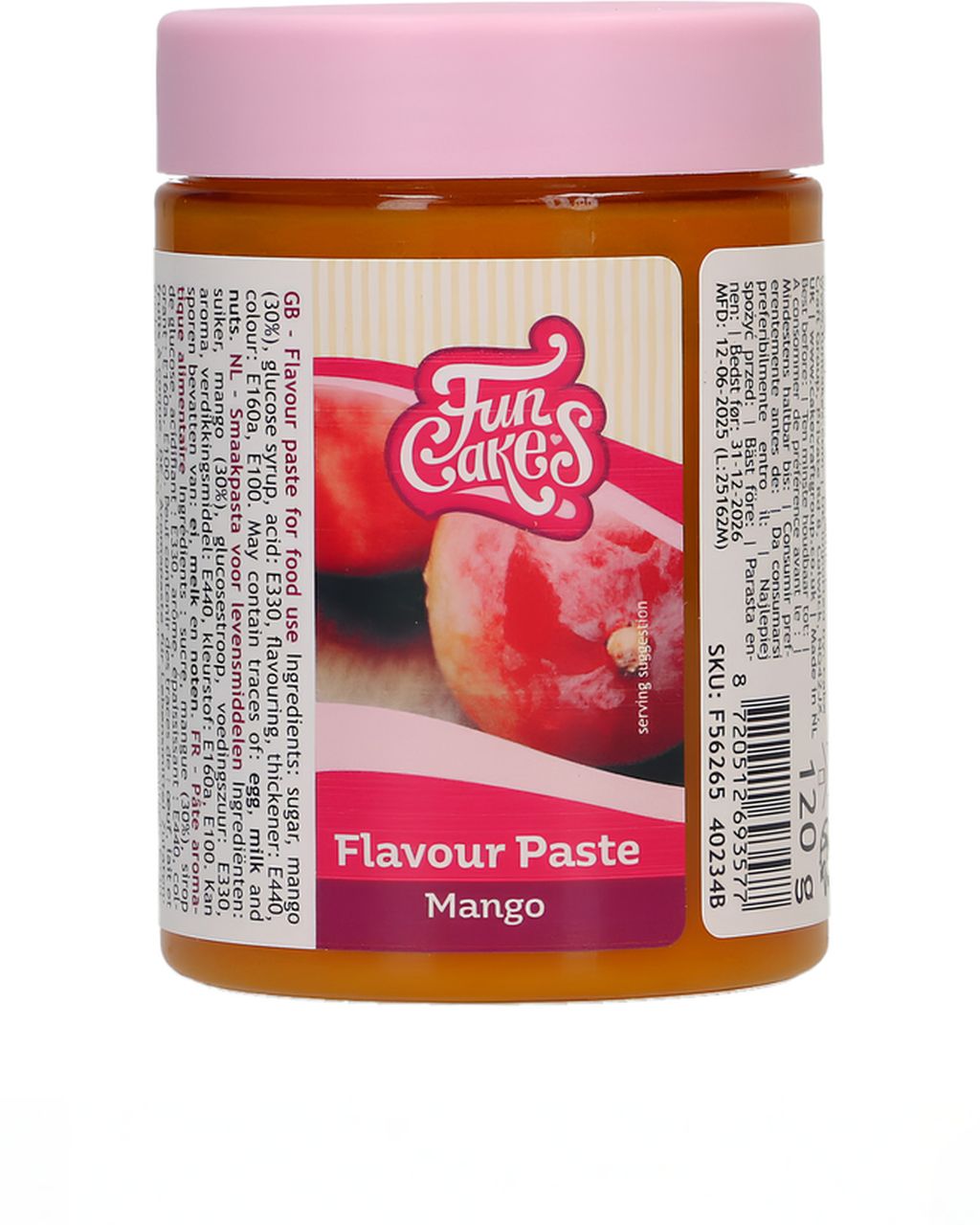
Start with a small amount, around 1 teaspoon of paste per 100 g of cream, whisk it in, taste, and add more only if needed. Exact quantities vary by brand, so follow the packaging. FunCakes mango paste turns plain mascarpone into a tropical filling for vanilla cupcakes, while mint paste works beautifully in ganache for chocolate ones.
If you want real fruit in the mix, combine the two: a teaspoon of thick jam in the hollow, topped with cream flavoured with a matching paste. For more on how much paste to use and where, see flavouring pastes for creams and batters.
Filling won't make a cupcake soggy if it's thick, you fill into fully cooled batter, and you seal the hollow from above with cream. In practice, that means:
Use a thick filling – apply the spoon test described above. Thicken a runny filling, or swap it for cream instead.
Let the cupcake cool fully – at least an hour on a wire rack, or two in summer.
Seal with cream – a ring of buttercream around the edge of the hollow, or a full cream topping, keeps the filling locked in and stops it drying out. For a cream that holds its shape, see which cream holds its shape on cupcakes, and for piping technique, see how to pipe a cream swirl onto a cupcake.
Fill as late as possible – jam gradually seeps into the sponge over time. Ideally fill cupcakes on the day you plan to serve them, or the evening before at the latest.
Don't overfill – more than 2 teaspoons and the top will bulge, the cream will slide off, and the cupcake will fall apart when you bite into it.
For filled cupcakes, choose sturdier liners, since moist filling and cream add extra weight, and moisture can show through thin paper. Here's what's available:
Paper liners – the most common and cheapest option. Thicker paper (such as PME liners) holds its shape and colour better than the thin liners you'll find in supermarkets. See the full range in our guide to cupcake liners.
Foil liners – completely grease- and moisture-proof, and they hold their shape without a muffin tray. Great for extra-juicy fillings.
Tulip liners – taller and able to hold more, but often unnecessarily large for small filled cupcakes.
For a detailed comparison, see muffin and cupcake liners: paper, foil, or tulip?. And if you want to prepare filled cupcakes ahead of time, check out cupcakes in advance: when to bake, decorate and store them.
For 12 filled cupcakes you'll need roughly 90–180 g of jam (depending on the size of the hollow) — basically one small jar. Each hollowed-out cupcake takes 1–2 teaspoons (7–14 g); the higher end allows for a bit of extra margin.
Filled cupcakes can be frozen, ideally without the cream topping and with a filling that freezes well — ganache, caramel or buttercream. Jam and curd can release moisture into the sponge once thawed, so it's better to add those fillings only after thawing.
Shop-bought cupcakes and muffins can be filled just like homemade ones — the most reliable way is to cut out the centre, fill it with a thick filling, and cover it with cream. The same rules apply: keep the filling thick, don't overfill, and fill as close to serving time as possible.
Filled cupcakes need refrigerating if they contain a perishable filling or cream — anything with eggs (curd) or fresh dairy ingredients such as mascarpone, cream cheese, whipped cream or pastry cream (including buttercream made with custard). Kept somewhere cool, up to about 20°C (68°F), only cupcakes filled with jam, caramel, a thick 2:1 ganache, or classic buttercream made purely from butter and sugar will keep outside the fridge until the next day. Before serving, let chilled cupcakes sit at room temperature for 20–30 minutes so the cream softens up again.
One recipe worth heating the oven for, one tip, and one deal from the shop. Nothing else.