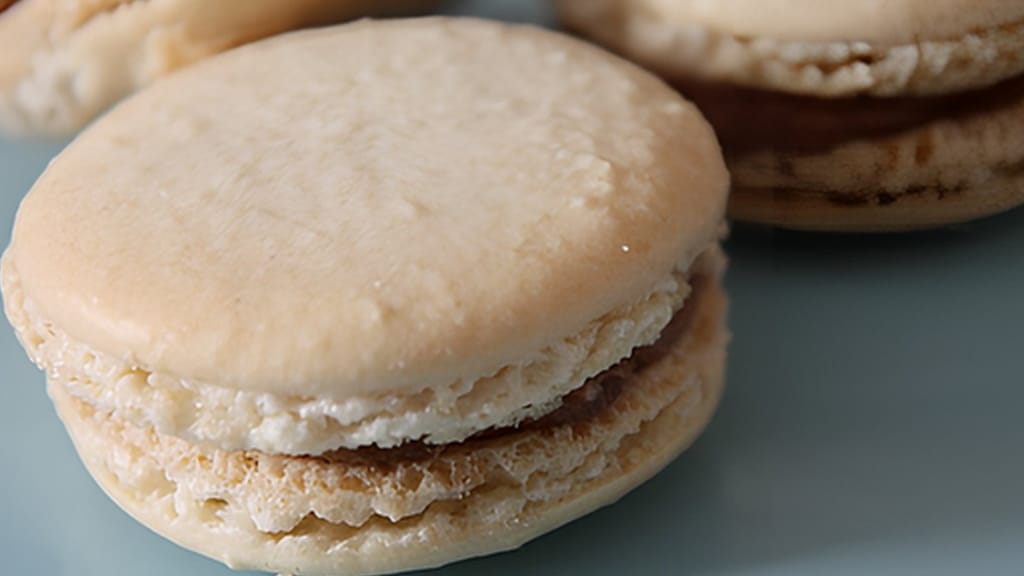
Macarons – the winning recipe
Piping Bags: Disposable or Cloth, and What Size to Choose
Updated Oct 8, 2026
Piping bags for home baking: for most decorating jobs, grab a disposable bag around 14 in (36 cm) long. A cloth bag only pays off if you bake often and in large batches. Reach for an 18 in (46 cm) bag for choux pastry, meringue and cakes, and a small one around 12 in (30 cm) for fine detail work. Below you'll find out why, and where each option really earns its place.
For home baking, a disposable bag is the better choice. A reusable cloth bag only pays off if you decorate often, in big batches, and have time to wash and dry it properly after every use. A silicone bag is a compromise between the two.
Quick comparison:
Disposable (plastic): hygienic, no washing, see-through so you can check the fill, and easy to swap colours fast. Downside: creates waste, and cheap thin bags can split at the seam.
Cloth (cotton with a rubberised inner layer, or polyester): sturdy, easy to grip, and keeps the cream cooler in your hands for longer. Downside: needs careful washing, takes a while to dry, and can pick up a greasy smell over time.
Silicone: washable and tough, but stiffer, so piping is harder work and fine detail is trickier to control.
A disposable bag wins every time you're working with several colours, raw eggs or cream, or when you only pipe a few times a month.
Multiple cream colours: one bag per colour, no rinsing between switches. For cupcakes in three shades, that's simply three bags and done.
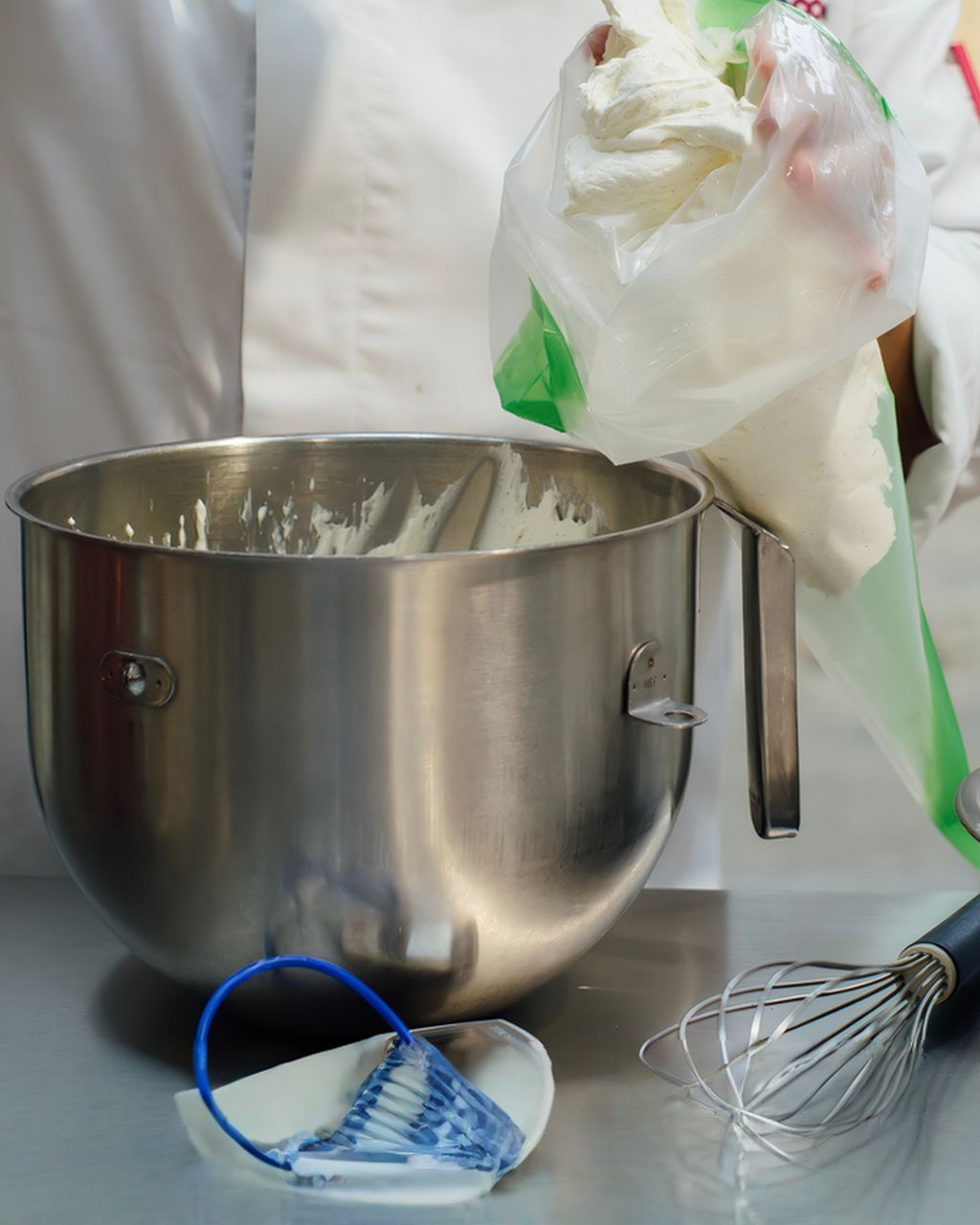
Hygiene: whipped cream, mascarpone or raw-egg-white meringue all go into a fresh bag every time. No moisture lurking in a seam where bacteria could grow.
Visibility: you can see how much cream is left and whether there are any air bubbles.
Speed: toss the bag once you're done decorating and just rinse the tip.
When buying disposable bags, check the film thickness and how firmly it's sealed. With thick buttercream or macaron batter, a thin bag will split at the seam before you've even finished the first tray.
A cloth bag pays off for large batches of thick mixtures, think choux pastry for eclairs, mashed potato, or cookie dough. It's worth having if you make these regularly.
It's sturdy and won't split even under heavy pressure.
The thicker material insulates, so buttercream or chocolate ganache won't warm up as much in your hand and will hold their shape longer.
In the long run, you'll generate less waste.
The trade-off is upkeep. After use, wash a cloth bag in hot water with detergent, turn it inside out, and let it dry completely, ideally hung tip-down. Keep sweet and savoury bags separate, since smells like garlic or cheese are hard to wash out of fabric. If you only decorate occasionally, this kind of washing routine isn't worth the hassle.
A silicone bag suits anyone who wants something washable without the fuss of drying fabric. Silicone doesn't absorb grease or odours, turns inside out easily, and often goes straight in the dishwasher. It is stiffer, though, so it works best for purées, dough and filling, less so for delicate piping. After washing, let it dry open and store it loosely rather than folded into a sharp crease.
If you're buying just one size, go for 14 in (36 cm). A 18 in (46 cm) bag suits large batches and cakes, while a 12 in (30 cm) one is best for fine detail and small amounts. The length of the bag determines how much comfortably fits inside and how well you can control it in your hand.
Around 12 in (30 cm): lettering, dots, small decorations, small amounts of royal icing or melted chocolate. Easy to grip even for smaller hands.
14 in / 36 cm (e.g. One Way 36 × 20 cm): the household all-rounder, good for 12 cupcakes, a tray of macarons, filling doughnuts, or decorating a cake. Comfortable to hold in one hand.
18 in / 46 cm (e.g. One Way 46 × 26 cm): large batches, like covering a whole cake in cream, 2 trays of choux buns, meringue, or purée. Fewer refills needed, but you'll want both hands and a firm grip.
Rule of thumb: fill the bag no more than two-thirds full. You need that top third to twist and seal it closed. If your batch won't fit into two-thirds of a 14 in (36 cm) bag, size up to 18 in (46 cm), or refill it twice instead.
An overfilled bag can't be twisted shut, so cream squeezes out the top and the pressure on the tip becomes uneven. The result is jerky, smeared piping lines.
The more cream you're holding, the more you warm it with your palm. Buttercream softens above roughly 68°F (20°C) and decorations lose their crisp edges. That's why pros often fill smaller amounts and refill more often, even when working with a large bag. For tips on filling a piping bag cleanly and without air bubbles, check out how to fill a piping bag without the mess.
Cut gradually and in small increments: snip so that a third to half of the nozzle sticks out of the opening, measured from its tip. You can't undo a cut, and if the opening ends up too big, the nozzle will push right through.
Put the nozzle into the empty bag and push it all the way into the tip.
Feel for the tip of the nozzle through the bag and mark the spot with a marker about a third of the nozzle's height higher up. That's where you'll cut.
Cut straight across, not at an angle, or the nozzle will sit crooked inside the bag.
Push the nozzle down. If less than a third of it is showing, trim another 2–3 mm. Never cut right up to where the nozzle widens, or the bag won't be able to hold it in place.
If you want to switch nozzles without emptying the bag, a coupler helps: it goes inside the bag in place of the nozzle, and the nozzle attaches on the outside. You can also use the bag with no nozzle at all: a 2–3 mm opening works for piping chocolate and glaze, while an opening of about 1 cm (⅜ in) is perfect for filling doughnuts or piping batter into cupcake liners. You'll find bags in every size, plus nozzles, in our piping bags and tips category.
The thicker the mixture, the sturdier and larger the bag you need. For thin, warm mixtures, a small disposable bag is enough.
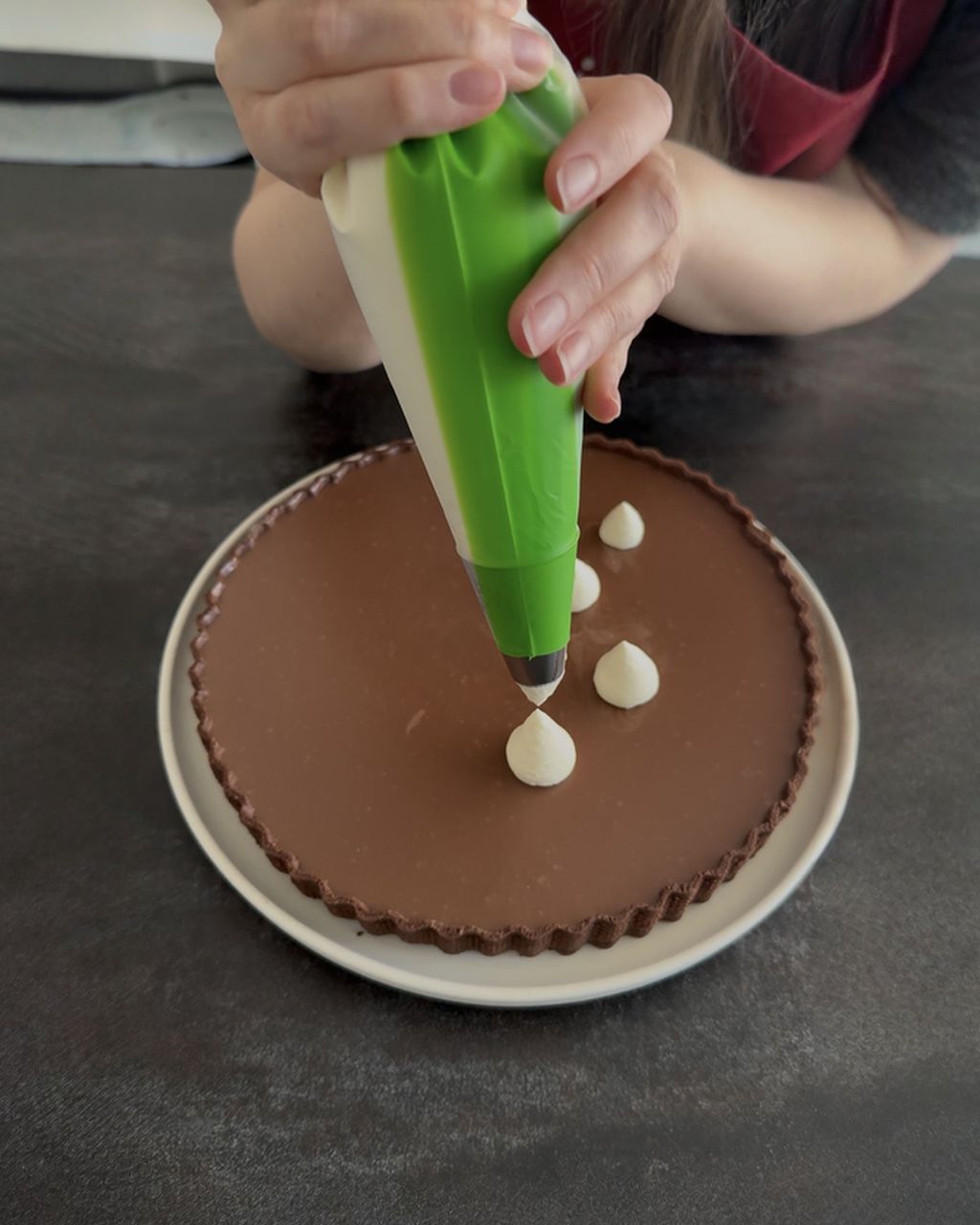
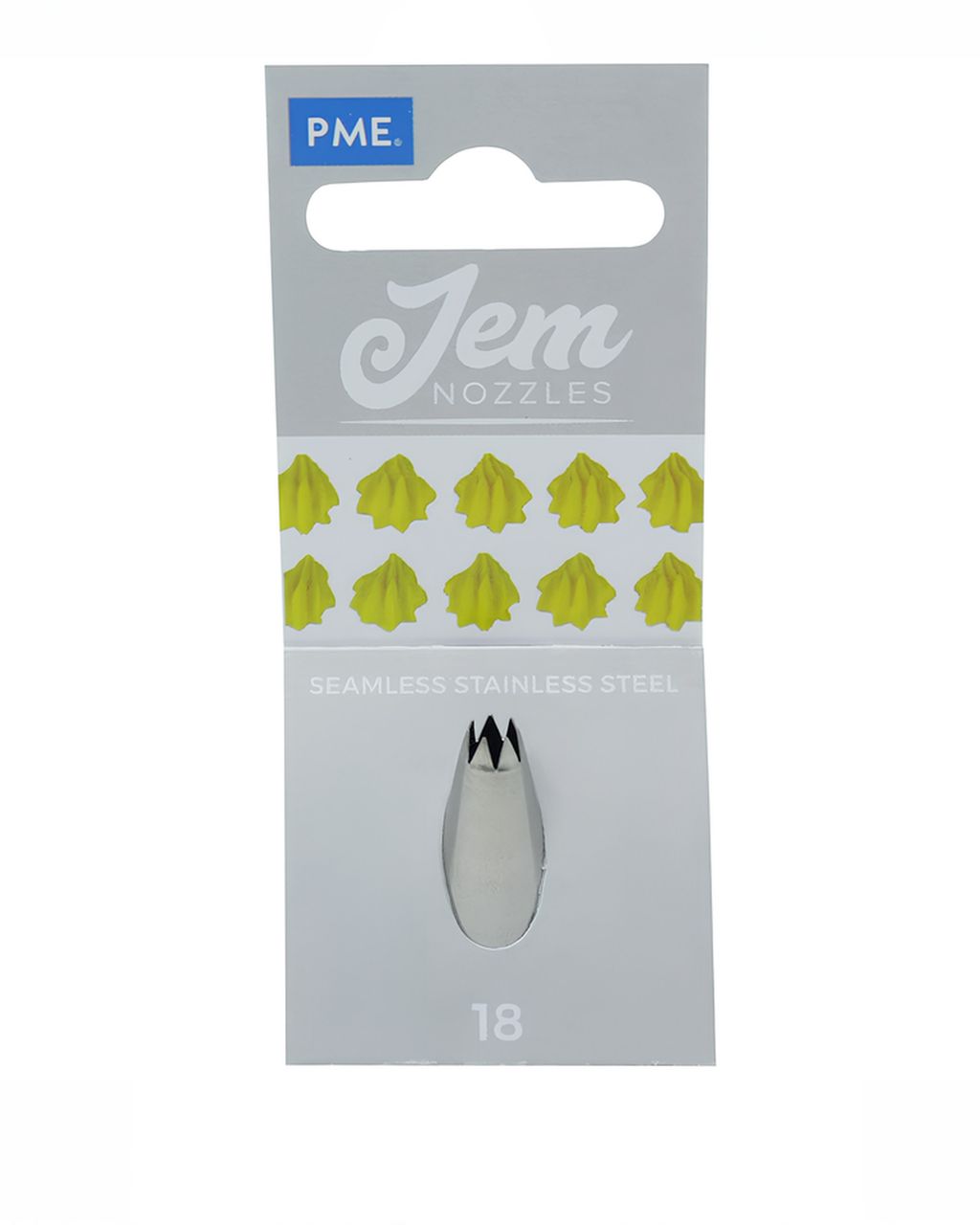
Buttercream, mascarpone cream, cream cheese frosting: a 14 in (36 cm) disposable bag with a star or round tip. For pistachio cupcakes with mascarpone frosting, for example, one bag is enough for the whole batch.
Whipped cream: a 14 in or 18 in (36 or 46 cm) disposable bag. Work quickly, since the warmth of your hands will melt it.
Choux pastry, mashed potato, cookie dough: 18 in (46 cm), a sturdy disposable or cloth bag. This is where a thin bag is most likely to tear.
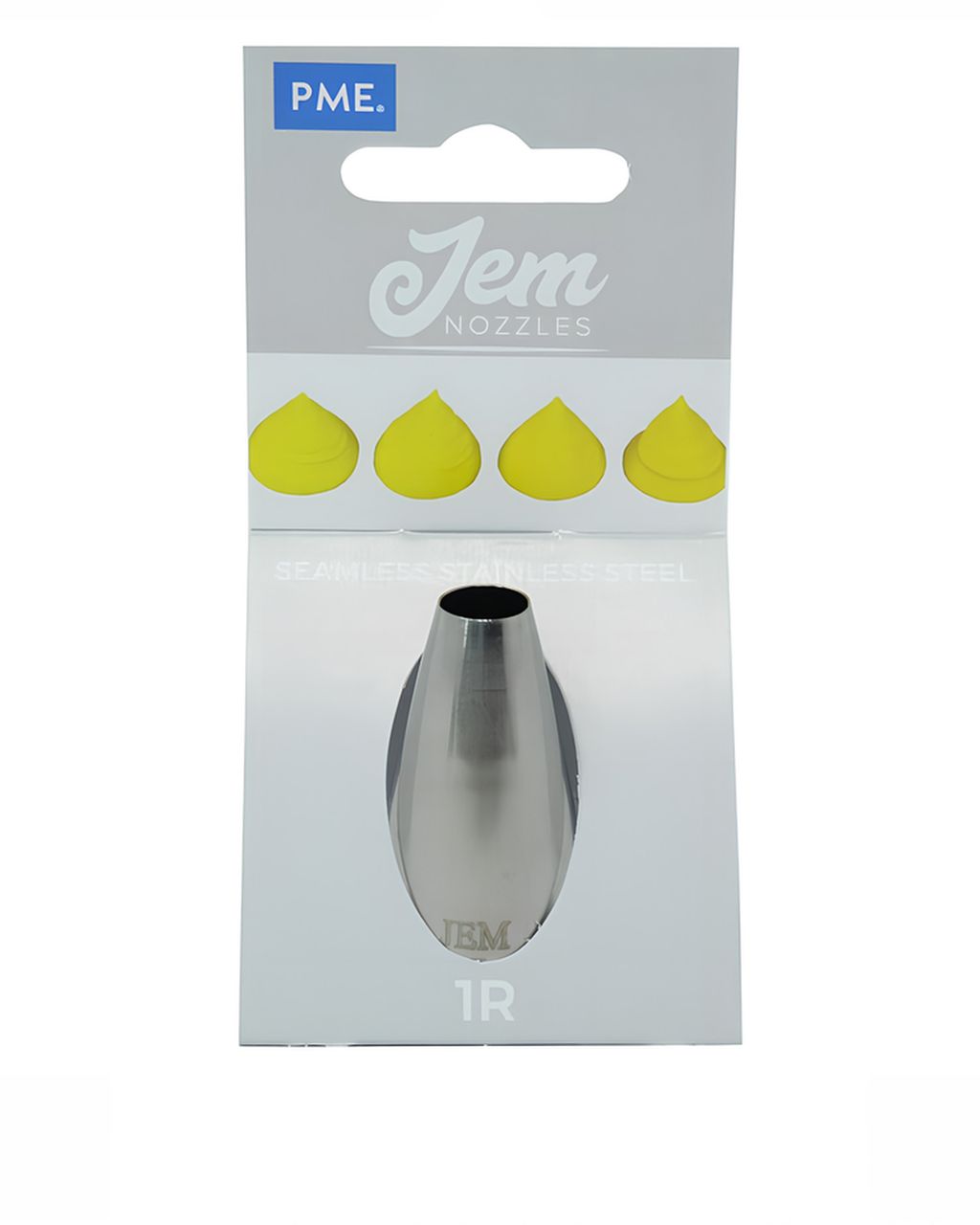
Macarons and meringue: 14 in (36 cm) for one tray, 18 in (46 cm) for a big batch. Use a round tip. Try it out with this award-winning macaron recipe.
Filling doughnuts: a 14 in (36 cm) bag with a long, narrow filling nozzle, or simply an opening of about 1 cm (⅜ in), as with these jam-filled doughnuts.
Melted chocolate and royal icing: a small bag around 12 in (30 cm) with no nozzle, just a tiny opening.
Decorating a cake? Cream looks best on a flat surface, so it's worth knowing why cakes dome and how to bake a flat sponge. And if you're just getting started with decorating, take a look at cake decorating for beginners: 7 techniques you'll nail the first time.
Macarons – the winning recipe
Macarons: an award-winning recipe that only needs one 14 in (36 cm) piping bag with a round tip

Golden fried, jam-filled donuts!
Jam-filled doughnuts: a piping bag with a filling nozzle is all you need
You can reuse a disposable piping bag the same day for the same cream, but washing it for later use isn't worth it. Even after washing, a greasy film stays behind, the seams weaken, and with creams made from whipped cream or raw eggs it becomes a hygiene risk.
In a pinch, a sturdy zip-top freezer bag with a corner snipped off will do the job. It works fine for dots, filling doughnuts, or chocolate lines, but it won't hold a nozzle securely, and the thin plastic tends to split under the pressure of thick cream, so it's not suited to decorating with a star tip.
Buttercream keeps for 3–5 days in a sealed piping bag in the fridge. Let it come back to room temperature for about 30 minutes before decorating and knead the bag to soften it. Use whipped cream and cream-based fillings the same day you make them.
Usually because it's too thin for the mixture inside, or it's overfilled and you're squeezing from the side instead of pressing down from the top with your palm. For thick mixtures like choux pastry or firm buttercream, use a sturdier bag, fill it only two-thirds full, and press from the twisted end with your palm.
A clean plastic bag goes with your plastic recycling; one with leftover cream in it goes in general waste. Follow your local council's rules. If you want to cut down on waste, one cloth bag will see you through large batches, leaving disposable bags just for coloured creams and whipped cream.
One recipe worth heating the oven for, one tip, and one deal from the shop. Nothing else.