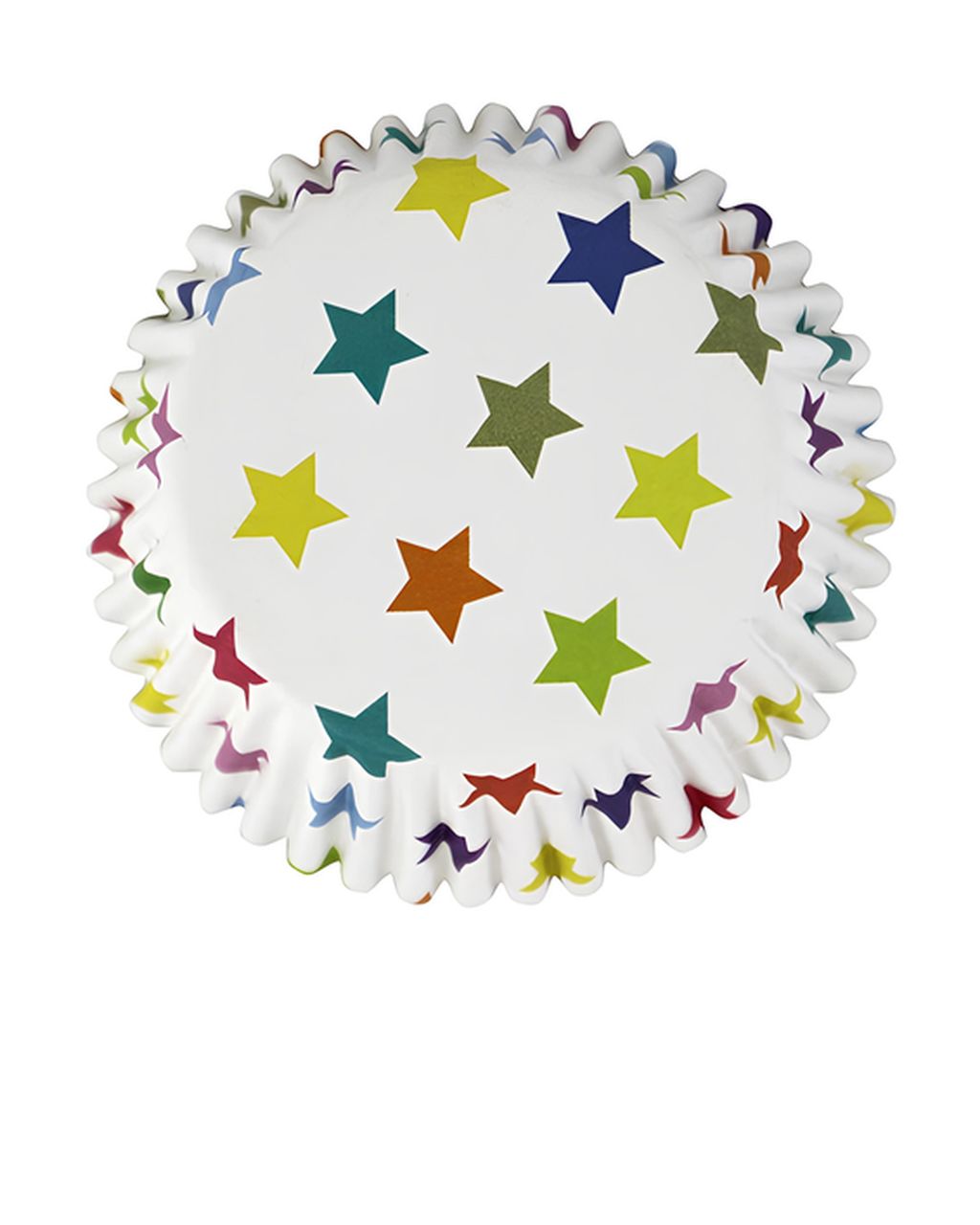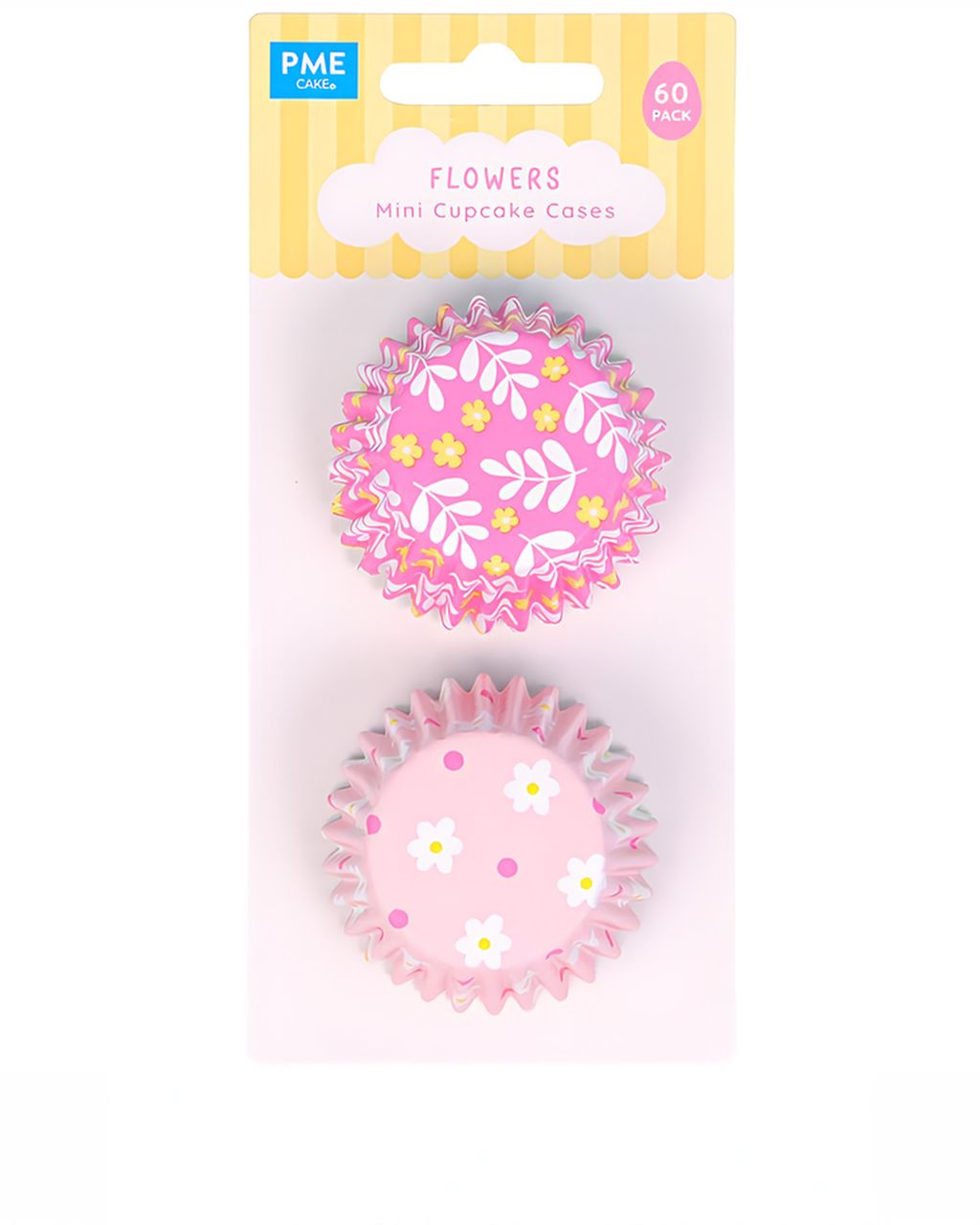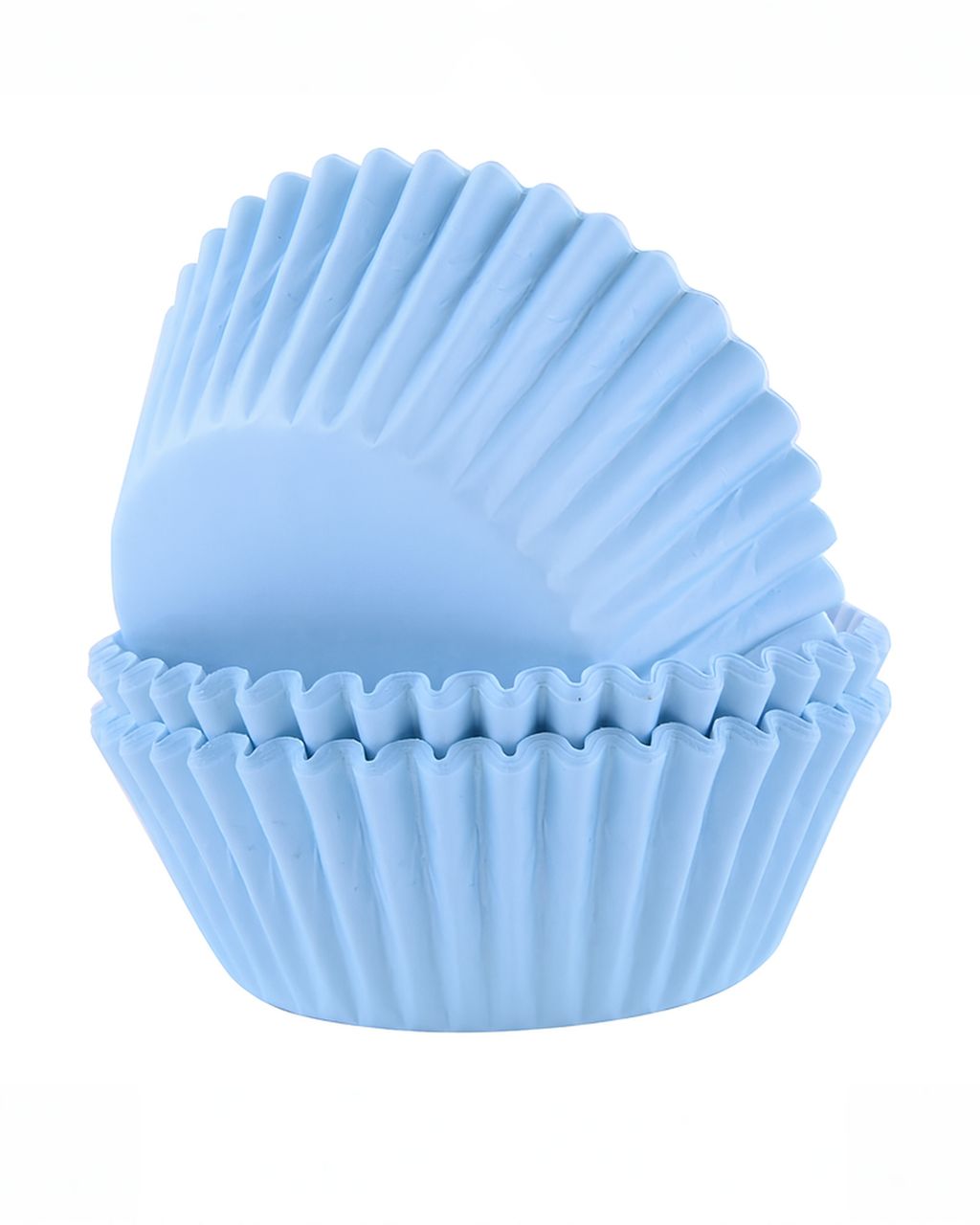
PME Paper Cupcake Cases – Light Blue (60 pcs)
Muffin & Cupcake Liners: Paper, Foil, or Tulip-Style?
Updated Oct 8, 2026
Pick your muffin and cupcake liners based on what you actually need: paper liners are the cheapest option and work fine for everyday baking in a tin, foil-lined (foil-paper) liners hold their shape even without a tin and won't fade once baked, and tulip liners have tall sides so your muffins come out looking bakery-worthy. Below you'll find how they differ, what size to buy, and how much batter to put in each one.
Paper liners are enough for everyday baking in a tin, foil liners are the pick for cupcakes that need to look good even after baking, and tulip liners suit big, domed muffins.
Paper liners – cheap, versatile, and need a metal tin to hold them up. Plain paper can soak through with grease, leaving any pattern looking faded and grey.
Foil liners – paper coated on the outside with a thin layer of aluminium foil. Sturdier, grease-proof, the colour stays bright, and they can even stand on their own on a baking sheet.
Tulip liners – tall paper wraps with "petals" at the top. They hold more batter, letting the muffin rise well above the rim of the liner.
Silicone liners – reusable and waste-free, but the crust comes out paler and the finished muffins are trickier to serve straight from them.
If you're mostly baking for a snack at home, plain paper liners will do just fine. For a party, where the cupcakes will sit on a tray topped with frosting, foil liners are worth the extra cost.
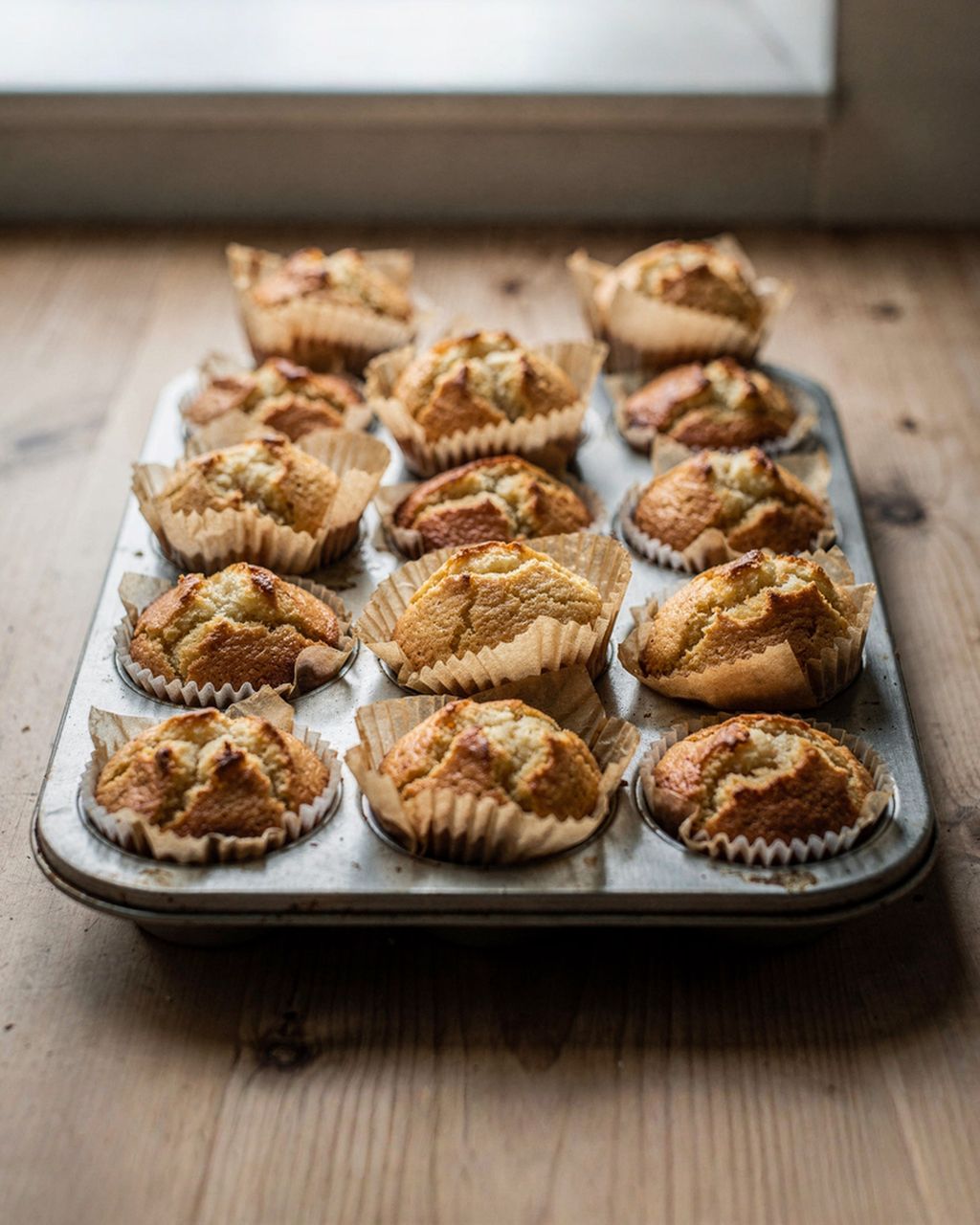
Paper liners are perfectly fine for anything you bake in a metal muffin tin and serve the same day. They're the cheapest option and usually come in the biggest packs – PME paper liners, for instance, come 60 to a pack in one colour, so a single pack covers five full trays of twelve.
What to watch out for:
Grease and moisture soak through. Butter- and oil-based batters will soak into plain paper, darkening the liner and blurring any pattern. The richer the batter (chocolate, banana, carrot), the more noticeable this is. Look for paper labelled as grease-proof or grease-resistant on the pack.
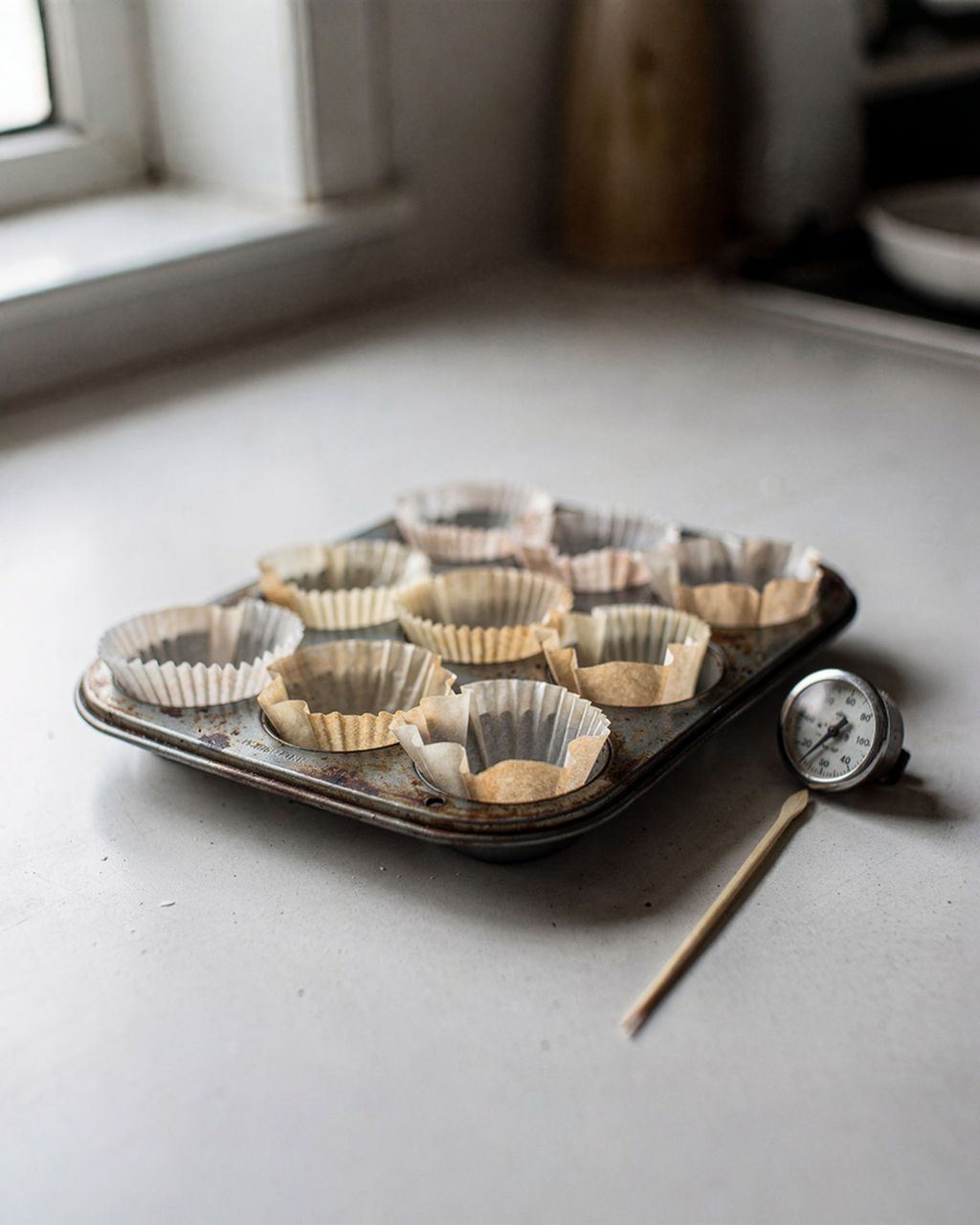
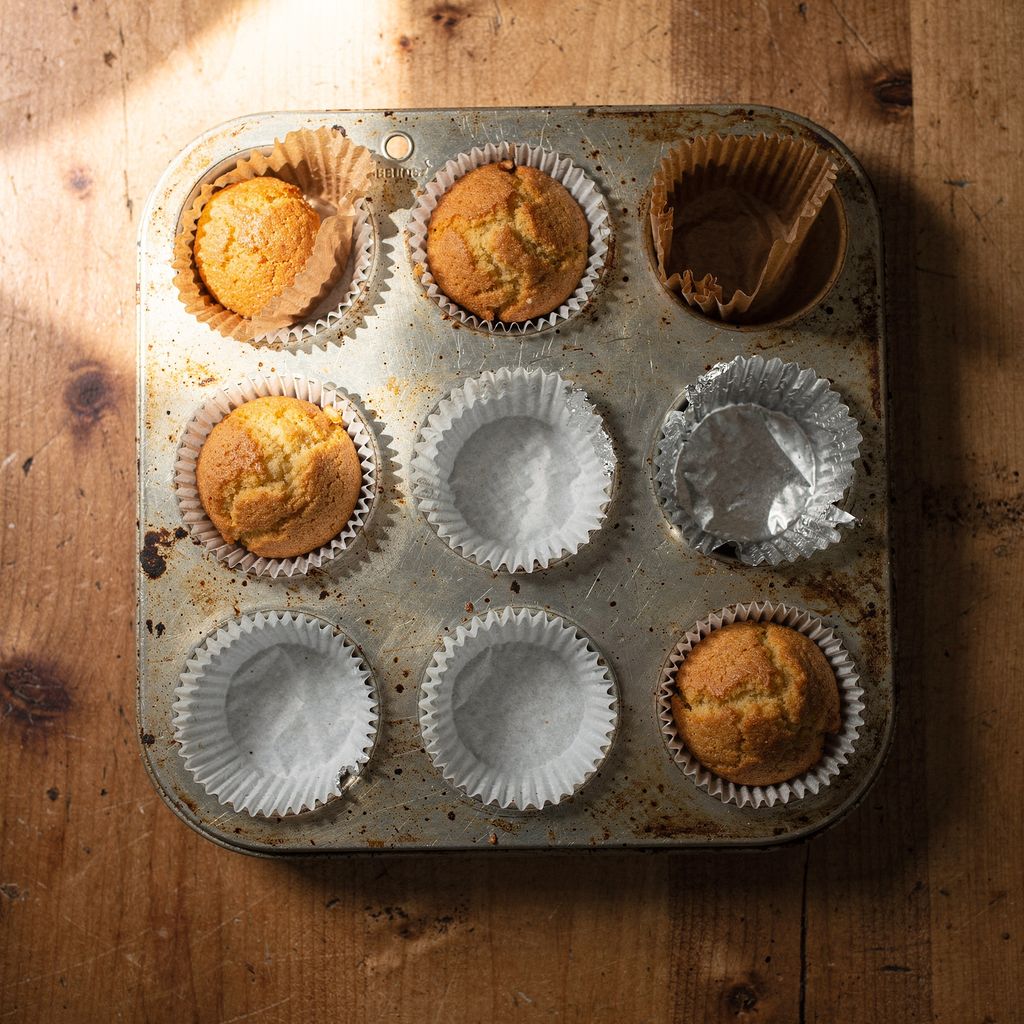
Without a tin, they lose their shape. Thin paper can't hold batter on its own – set on a flat baking sheet, the liner will spread out into a flat puddle. Always bake them in the cups of a tin.
They peel away from the baked muffin. If a muffin cools under a towel or in a closed box, trapping steam, the paper will peel off. Let them cool uncovered on a wire rack instead.
Paper liners are the reliable everyday workhorse. If you want them to still look good on the table the next day, reach for foil instead.
Foil-paper liners are the best choice for party cupcakes: the foil layer blocks grease, so the colour and pattern stay just as vivid after baking as they were in the pack. They have paper on the inside and a thin foil layer on the outside. The muffin sticks to them about as much as it would to plain paper, but the liner itself is noticeably sturdier.
What else they can do:
They stand on their own. You can set filled foil liners right next to each other on a baking sheet and bake without a tin at all – handy if you only own one 12-cup tin but need 24 cupcakes.
They hold their shape under frosting. A heavy cap of buttercream or cream-cheese frosting can sometimes splay a paper liner open; foil stays upright.
They travel better. Onto a tray, into a box, off to the school fête – foil doesn't crumple as easily as paper.
In a home oven, the difference between foil and paper in how much the muffin rises is pretty much negligible. One hard rule, though: foil liners should never go in the microwave.
In our range you'll find PME foil liners in the classic size (30 per pack) and in mini size for bite-sized mini cupcakes (60 per pack). They look stunning with recipes like chocolate cupcakes with caramel frosting, where a dark batter would quickly soak straight through plain paper.
A tulip liner is a tall paper wrap with pointed "petals" at the top, letting the muffin rise up high and come out looking like something from a café. The base is the same size as a classic liner, so it fits a standard muffin tin, but the sides stand roughly twice as tall.
When they're worth using:
For big, domed muffins. You can add more batter, and the muffin doesn't need to spread sideways to form a tall, generous dome.
For gifts and selling. A muffin in a tulip liner is easy to pick up by hand, won't get your fingers greasy, and packs up neatly.
For wet, moist batters. Think fruit- or vegetable-based bakes like carrot muffins with orange zest – the taller sides help hold everything together.
One thing to keep in mind: a larger muffin needs 5–8 minutes longer in the oven than a standard one, and the dome will brown a touch sooner than the centre finishes cooking. Check doneness with a skewer. For exact baking times by size, see our guide on how long to bake muffins depending on their size.
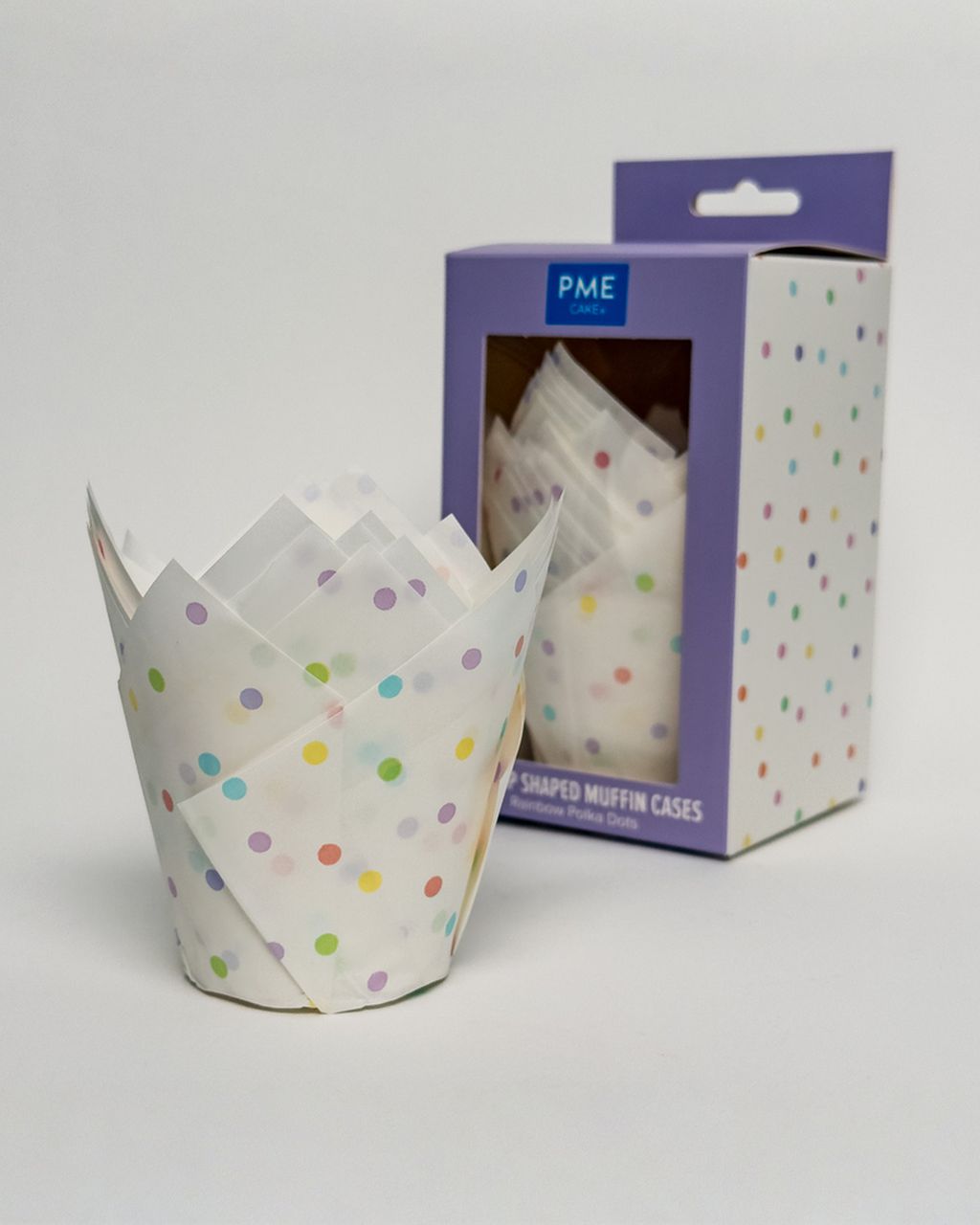
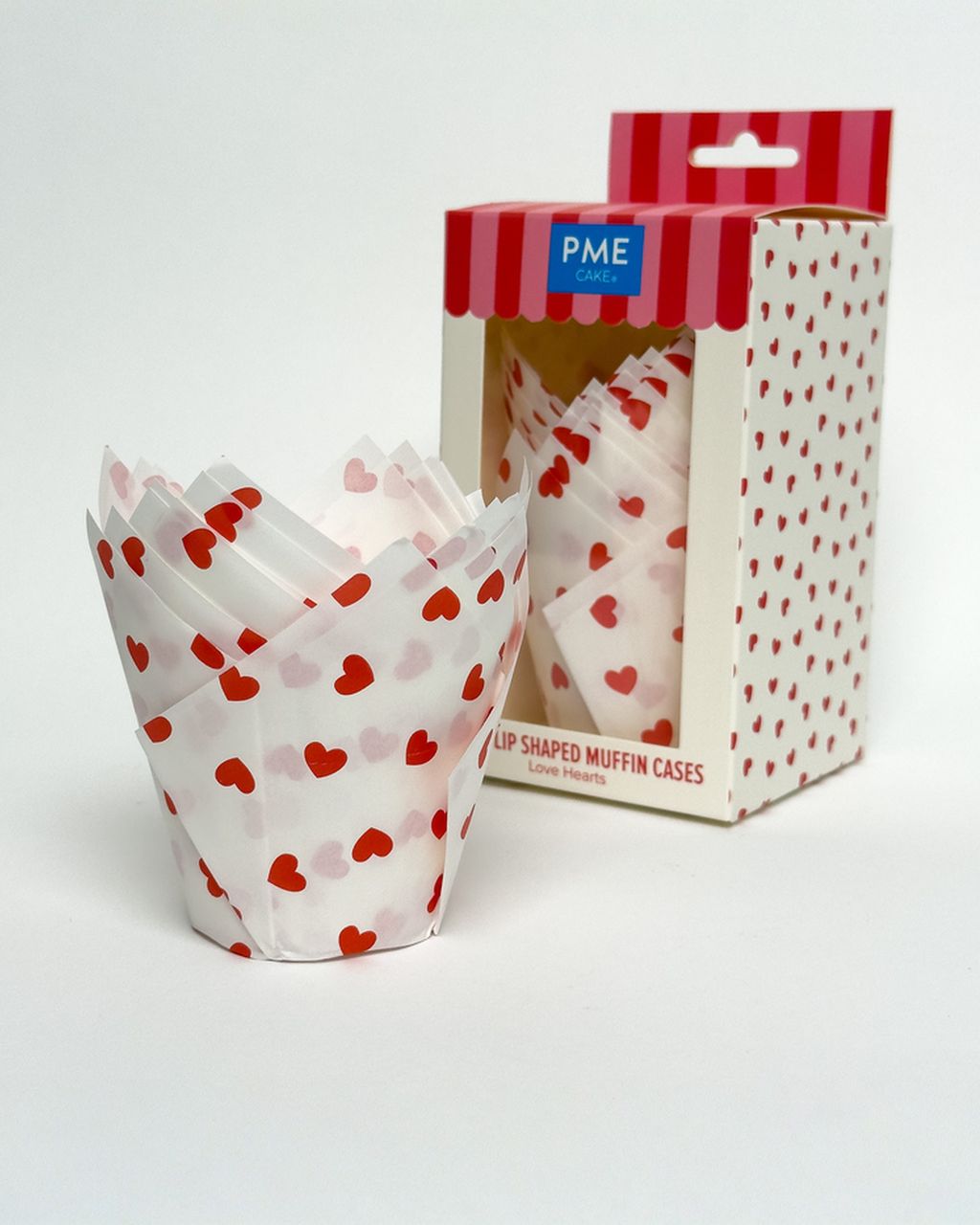
Tulip liners are less suited to frosted cupcakes – the petals get in the way when piping, and any frosting cap tends to get lost among them. Our PME tulip liners come in rainbow dot, heart, and banana prints, 24 to a pack.
There are three alternatives to disposable liners: silicone liners, a greased and dusted tin, or squares of baking parchment. We don't sell silicone liners or tins ourselves, but they're worth considering:
Silicone liners – they'll last through hundreds of bakes and create zero waste. The crust tends to be paler and softer, though, since silicone conducts heat less efficiently than metal, and you'll need to let the muffin cool before unmoulding it. Our article on baking parchment, a silicone mat, or a greased tin compares when silicone makes sense and when paper wins.
A greased and dusted metal tin – a muffin baked without any liner gets the crispiest, most golden crust around the edges. Grease the tin thoroughly with butter and dust with flour, let the muffins rest for 5 minutes after baking, then turn them out. It's the least practical option for serving or transporting them, though.
Squares of baking parchment – a handy fallback: press roughly 12 x 12 cm (4¾ x 4¾ in) squares into the cups (a glass works well for this). It looks rustic and holds up reliably.
For everyday snack muffins at home, a greased tin might genuinely be your best bet. But the moment you need to transport, display, or decorate cupcakes, liners win out.
Liner size is all about base diameter, and that needs to match the cups of your tin. Measure the base of a cup with a ruler before you buy.
Mini – base roughly 3–3.5 cm (around 1¼ in). For mini cupcakes and kids' parties; one batch of batter makes around 40.
Standard – base roughly 5 cm (2 in), side height 3–3.5 cm (1¼–1⅜ in). Fits a regular 12-cup tin; one batch (around 250 g / 9 oz of flour) makes 12 muffins.
Tulip – base the same as a standard liner (roughly 5 cm / 2 in), fits a regular tin. They hold more batter, so one batch yields fewer than 12.
Jumbo – wider base, roughly 6–6.5 cm (2½ in), requiring a special jumbo muffin tin. One batch yields 6–9.
Exact dimensions are always on the packaging – they vary by a few millimetres between brands. A liner slightly smaller than the cup will crinkle during baking, one slightly larger will crease a bit; both are purely cosmetic. A liner that's significantly too small, though, won't hold the batter, and the muffin will spill out.
For a classic paper or foil liner, fill it to about two-thirds full – that's the standard rule of thumb. For a tulip liner, fill it roughly up to the rim of the tin cup, meaning right up to where the petals start.
For muffins with a tall dome, you can fill a classic liner almost to the top, but only with a thick batter that holds its shape. A runnier batter will overflow, so stick to two-thirds with those.
For cupcakes meant for frosting, fill less – about half to three-fifths full. The batter will only rise to the rim of the liner, leaving a flatter top that's easier to pipe frosting onto.
Use an ice-cream scoop or two spoons to portion the batter. That way every liner ends up roughly the same size and bakes in the same amount of time.
An overfilled liner (more than two-thirds with a thin batter) will overflow and the batter will bake onto the tin, while an underfilled one gives you a flat muffin that sinks into the liner. If your muffins still come out flat despite correct filling, check out why muffins don't rise and stay flat instead of domed.
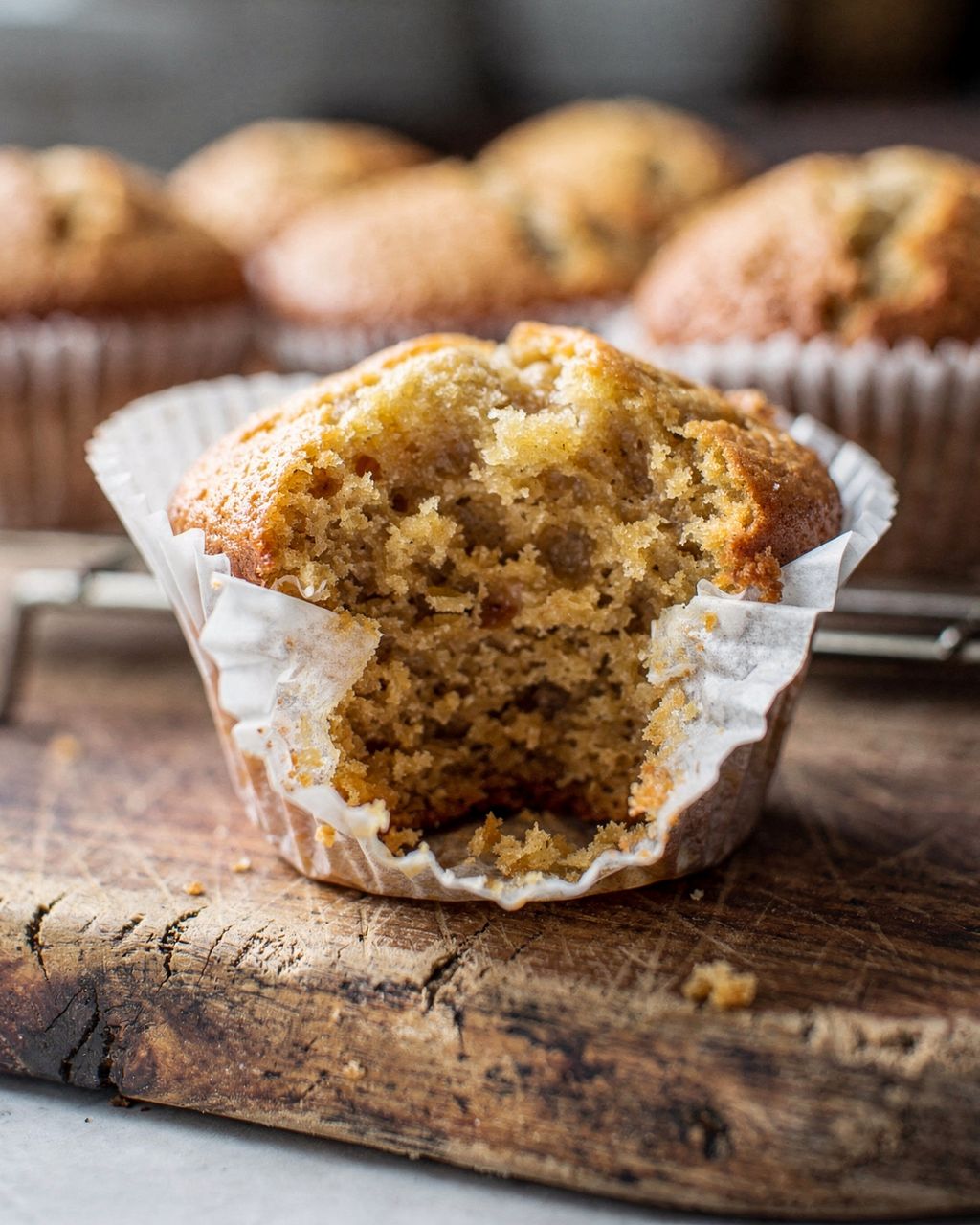
A muffin most often sticks to its liner because it's still warm, too low in fat, or underbaked – the type of liner matters less than you'd think. Paper, on the other hand, peels away when a muffin cools in trapped steam. We cover both issues in detail in why muffins stick to their liners and how to stop it.
Buy two kinds: a big pack of plain paper liners for everyday baking, and a smaller stash of foil or tulip liners for the times your cupcakes will have an audience. You'll find our full range of liners, tulip wraps, and baking paper goods in the liners and baking paper category.
Store them somewhere dry, in their original packaging – paper will pull moisture from the air and then won't open up properly in the tin.
Better not to. Tulip liners are made of thin paper and, without a tin to support them, they'll splay open under the weight of the batter. Set them into the cups of a regular muffin tin instead – their base is the same size as a classic liner, so they fit right in.
Usually not – paper liners don't need greasing as long as the batter contains enough fat. For lower-fat batters (yogurt-based, butter-free), a light spritz of spray oil inside the liner helps, making the muffin easier to peel out.
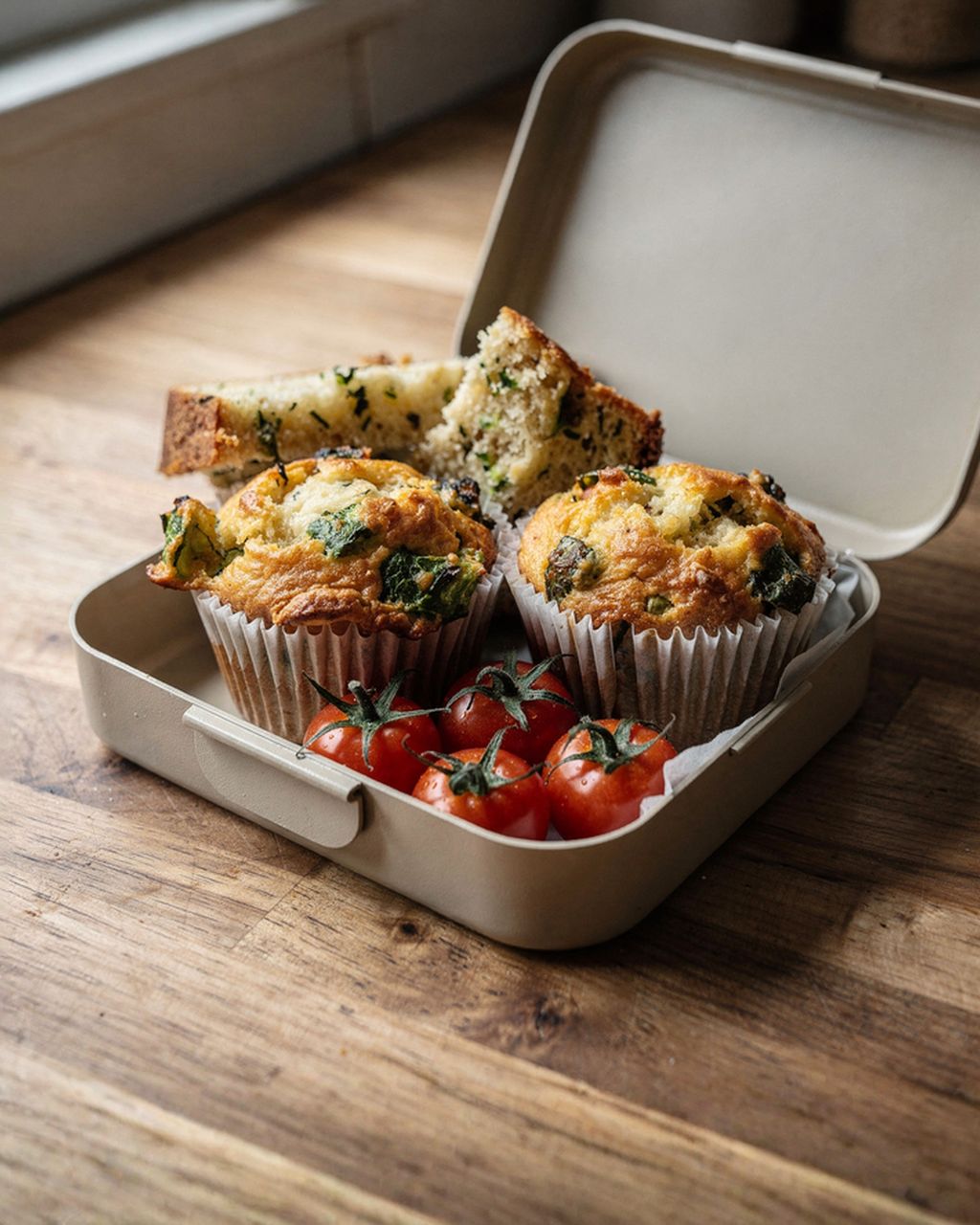
Yes, muffin liners also work well for chocolates, homemade candies, savoury canapés, or party-size portions of nuts. Mini liners are perfect for chocolate truffles, while foil ones are great for serving anything greasy since they won't let fat soak through.
Toss used foil-paper liners in with general waste – the paper and foil are bonded together so firmly you can't separate them, which means they don't belong in either the paper or metal recycling bin. Plain, clean aluminium foil on its own, though, does go with metals. If your local council sorts combined packaging differently, follow their guidelines. Greasy paper liners also go in general waste, since oily paper can't be recycled.
You can bake cupcakes in their liners a day or two ahead and store them in a closed box at room temperature. They'll hold their looks better in foil liners, since paper ones can pick up moisture and peel away during storage; add any frosting on the day you plan to serve them.
One recipe worth heating the oven for, one tip, and one deal from the shop. Nothing else.