How Long to Bake Bread, at What Temperature, and How to Tell It's Done
How to Thaw Bread and Rolls So They Stay Crusty Like Fresh
Updated Nov 17, 2026
The best way to thaw bread and rolls is to let them come to room temperature on the counter in their bag, then pop them into a hot oven for a few minutes to bring back the crisp crust. If you're in a hurry, put a frozen loaf straight into the oven. Rolls (rohlíky, housky) and baguettes work the same way, just faster. Sliced sandwich bread can go straight into the toaster. The microwave is a last resort. Below you'll find temperatures and times for each type of bread, with the source behind every number, plus how to revive a roll that has gone hard or rubbery.
The best way to thaw bread and rolls is on the counter in the bag, then briefly in a hot oven. Put sliced sandwich bread straight into the toaster and keep the microwave for emergencies. By type:
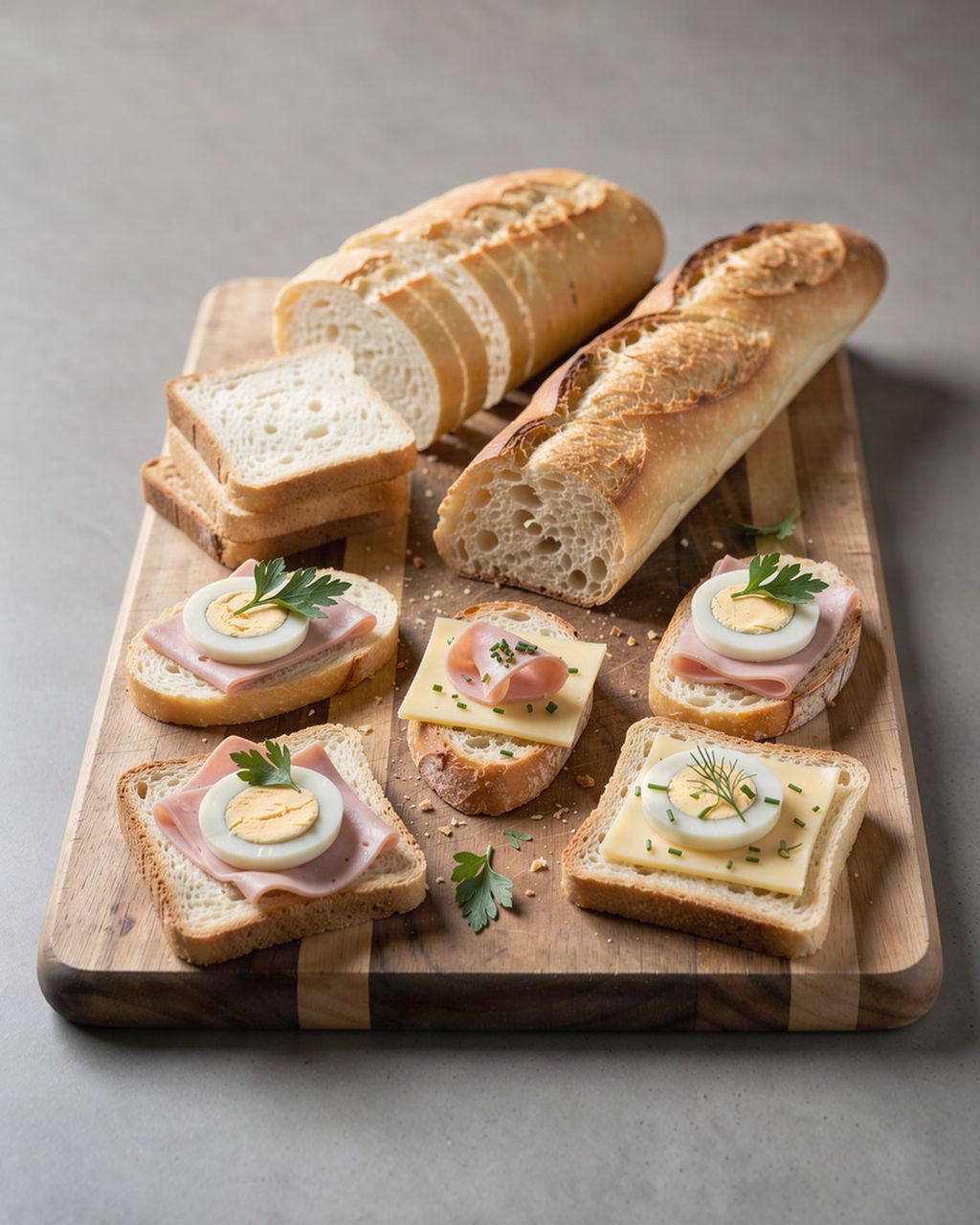
Whole loaf: thaw on the counter in the bag, then crisp it up briefly in the oven. If you're in a hurry, wrap the frozen loaf in aluminum foil and put it in an oven preheated to 175°C (350°F) for about 45–50 minutes, then unwrap it for the last few minutes so the crust crisps up (King Arthur Baking).
Bread slices: they thaw on the counter in about 30 minutes (King Arthur Baking, room temperature). You can also put them straight into the toaster.
Rolls (rohlíky, housky): about an hour on the counter (King Arthur Baking, room temperature). Then wrap them in foil and heat for 10 minutes in an oven preheated to 175°C (350°F) (America's Test Kitchen), or in an air fryer at 150°C (300°F) for no more than 10 minutes (Philips instructions).
Baguette: a bake-off baguette goes straight into the oven, following the package. For a baguette you baked yourself, let it thaw on the counter in the bag first, then heat it in foil for 10–15 minutes in an oven preheated to 230°C (450°F) and unwrap it for a minute or two so the crust crisps (following the America's Test Kitchen method for rustic bread).
Sandwich bread: straight from the freezer into the toaster (King Arthur Baking).
Microwave: just one slice or roll, wrapped in a damp towel, for 30–45 seconds (King Arthur Baking), and eat it right away.
One rule applies: warmth brings back softness, but only dry, hot air makes the crust crisp. That's why the oven works better than the microwave for bread from the freezer.
Seasonal baking plans, tested recipes and kitchen tricks that save you time. Unsubscribe in one click.
Thawing bread on the counter in a closed bag is the gentlest method, because the moisture stays in the bread. Times at room temperature according to King Arthur Baking:
sliced bread: about 30 minutes
rolls, buns: about an hour
whole loaf: about 3 hours, depending on size and the temperature of your kitchen
Keep the bag closed until the bread has thawed completely. Moisture condenses on frozen bread as it thaws. If it stays in the bag, the bread soaks it back up. If you open the bag too early, the crust gets damp and soft.
Thawing bread on the counter is safe. Bread is normally stored at room temperature, so thawing it on the counter is fine. The "don't thaw on the counter" rule applies to meat, fish and ready meals, not to bread. The counter won't bring back a crisp crust, though. For that you need the oven, see the next section.
There are two ways to thaw bread in the oven, depending on how much time you have:
Straight from the freezer: wrap the frozen loaf in aluminum foil and put it in an oven preheated to 175°C (350°F) for about 45–50 minutes. Unwrap it for the last few minutes so the crust crisps up (King Arthur Baking). The bread thaws and its crust is restored at the same time.
After thawing on the counter: put bread that has already thawed in an oven at about 175°C (350°F) for a few minutes so the crust crisps again (King Arthur Baking). You can also wrap rustic bread in foil and heat it for 10–15 minutes at 230°C (450°F), then unwrapped for a minute or two (America's Test Kitchen). If the slices or loaf brown too quickly, cover them with foil.
Note that bread reheated in the oven stays soft for only a few hours (America's Test Kitchen), so eat it right away. Only put in the oven as much as you'll eat at one meal. Leave the rest in the freezer or thaw it on the counter.
It helps to lightly sprinkle the loaf with water before it goes into the oven. The water turns to steam, which moistens the crumb, while the dry hot air crisps the surface.
Let baked rolls (rohlíky, housky) from the freezer thaw on the counter, then wrap them in foil and heat them for 10 minutes in an oven preheated to 175°C (350°F). First, though, work out what you actually have:
Bake-off rolls (frozen or chilled from the store) aren't fully baked. Follow the package instructions, as temperature and time vary by manufacturer and size.
Baked rolls you froze yourself are already done. You only need to thaw them and bring back the crust. America's Test Kitchen advises letting rolls thaw first, then wrapping them in foil and heating them for 10 minutes in an oven preheated to 175°C (350°F). For a crisp crust, unwrap them for the last minute or two, just as the same source advises for bread. For a baguette, also let it thaw first, then heat it in foil for 10–15 minutes at 230°C (450°F) and unwrap it for a minute or two, following the America's Test Kitchen method for rustic bread. It's the same principle as for a loaf, just much quicker, because a roll is small.
A few practical tips:
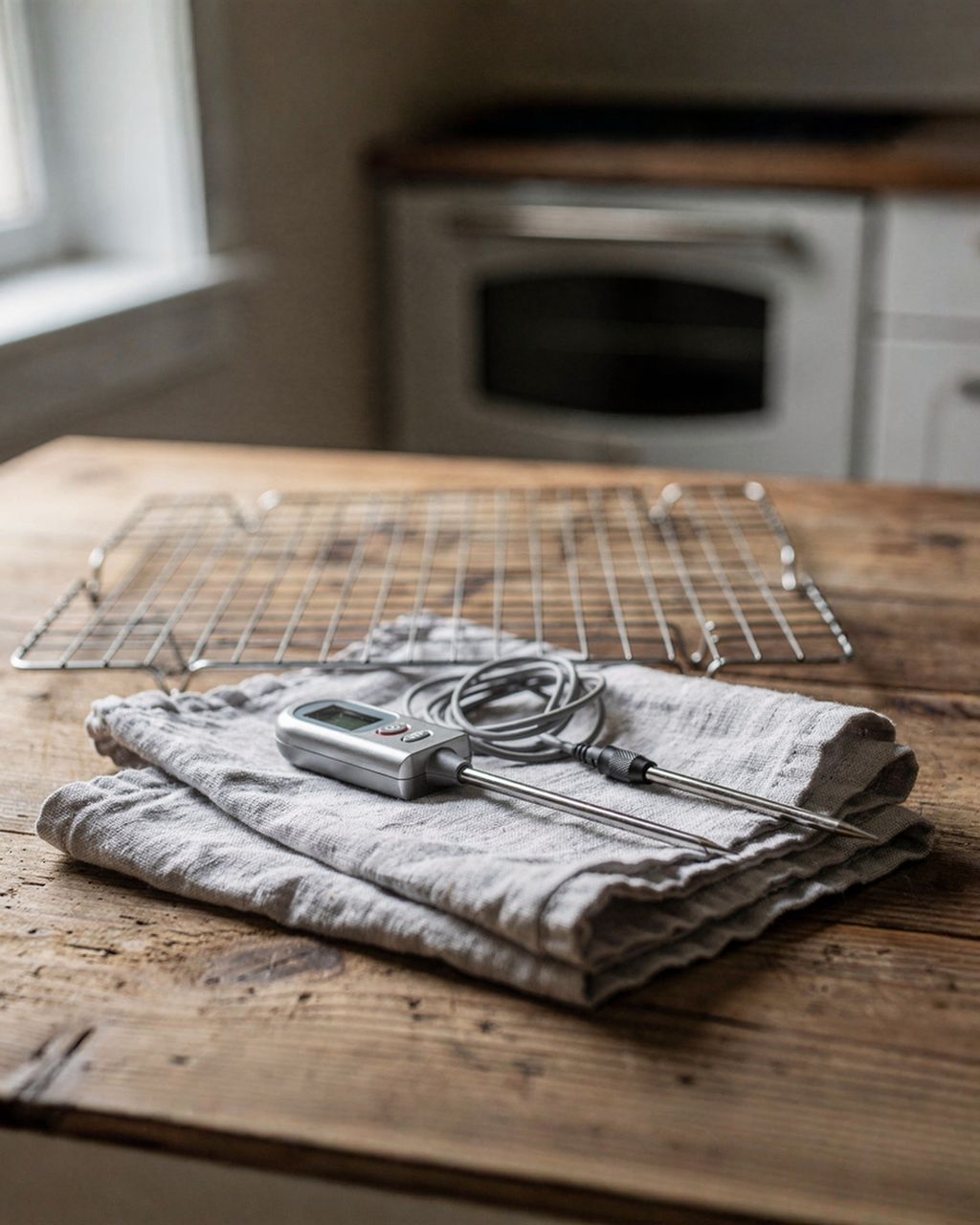
Put unwrapped rolls on a rack, not a baking sheet, so the bottoms don't turn soft.
Space the rolls out so air can reach them from all sides.
Feel free to cut a long baguette in half so it fits on the rack and heats evenly.
Don't put in more than you'll eat, because thawed and reheated rolls go stale quickly.
The microwave thaws a slice of bread or a roll quickly, but you have to eat it right away. Method according to King Arthur Baking:
Wrap the slice or roll in a damp paper or cloth towel.
Set the microwave for 30–45 seconds.
Eat it right away, while it's warm.
Why no longer, and why right away: the microwave heats the water inside the bread, and it evaporates quickly. King Arthur Baking warns that microwaved bread dries out and goes hard quickly. If you heat it too long, it's rubbery straight away, and once it cools it's like a rock. That's why you should thaw just one piece, not the whole bag. The microwave never dries the crust to a crisp. If crispness matters to you, put the roll on a dry hot skillet or in the toaster for another minute.
An air fryer is essentially a small convection oven, so you thaw bread in it the same way as in the oven, only faster. Stick to the heating setting in your air fryer's manual: for example, Philips air fryer instructions give 150°C (300°F) and no more than 10 minutes for reheating.
Arrange rolls (rohlíky, housky) or pieces of baguette in the basket in a single layer and sprinkle them lightly with water.
Keep an eye on them. In an air fryer the bread sits close to the heating element, so the crust can burn before the crumb has heated through.
Light slices of sandwich bread can be lifted by the fan and blown onto the heating element. Weigh them down with a metal rack if your air fryer came with one, or thaw them in the toaster instead.
Don't put a large loaf in the air fryer. It won't fit, or it will heat unevenly. The oven is better for a loaf.
Put sandwich bread straight from the freezer into the toaster, with no need to thaw it first (King Arthur Baking). Freeze the slices already separated so you don't have to pry them apart with a knife.
If you want soft sandwich bread for sandwiches, let the slices thaw on the counter in the bag for about 30 minutes at room temperature (King Arthur Baking). For a single sandwich in the morning, this is the easiest route. Slices thawed in the microwave are rubbery until they cool and then go hard, so they're no good for a packed sandwich.
Bread goes hard mainly because of starch retrogradation, not drying out, and it happens fastest in the fridge at 4°C (39°F). After baking, the starch in the crumb gradually crystallizes and binds water, so the crumb stiffens. According to America's Test Kitchen, heating the crumb to about 60°C (140°F) temporarily reverses starch retrogradation. That's why stale bread softens again in the oven.
According to the same source, though, revived bread stays soft for only a few hours. So thaw only as much as you'll eat at once.
Starch crystallizes fastest at temperatures just above freezing, that is, in the fridge. Bread goes stale fastest at temperatures just above freezing, that is, in the fridge. In the freezer, crystallization slows down considerably. So store bread at room temperature if you'll eat it in the next few days, and freeze what you won't. Don't put thawed bread in the fridge.
You can revive stale bread with water and a moderate oven. Method according to America's Test Kitchen:
Briefly hold a stale loaf or baguette under cold running water so the crust gets damp but not soaked.
Wrap it tightly in aluminum foil, place it in the middle of a cold oven and set it to 150°C (300°F). Don't preheat the oven; the times below assume a cold start.
Leave a loaf in the oven for about 30 minutes, a baguette for 15–20 minutes.
Unwrap it and bake for another 5 minutes without the foil so the crust crisps up.
Sprinkle a single roll with water and bake it briefly, just until it's heated through (America's Test Kitchen). Wrap several rolls in foil and heat them for 10 minutes at 175°C (350°F, America's Test Kitchen). Revived bread stays soft for only a few hours, so eat it right away.
A rubbery microwaved roll can't be brought back to its original state. You'll only dry it out faster. But don't throw it away. Let it dry out completely and use it another way:
cube it for steamed bread dumplings (houskový knedlík) or Easter stuffing
toast it into croutons for panzanella salad with croutons
toast cubes of stale bread for hearty garlic soup with potatoes and bacon
grate fully dried-out bread into homemade breadcrumbs, or use it in žemlovka (Czech baked bread pudding)
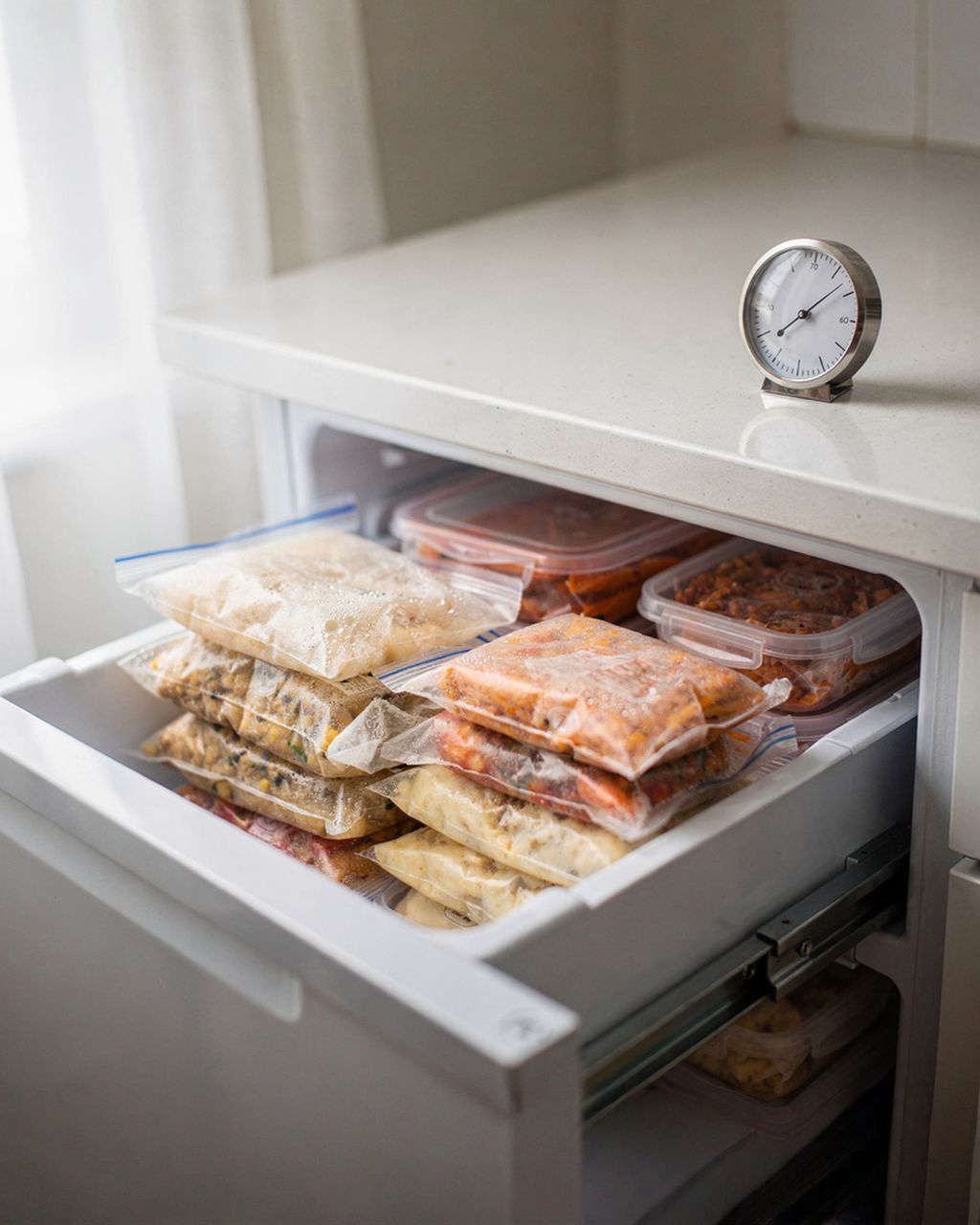
Freeze bread fresh, completely cooled, sliced and in a bag with the air pressed out. Why each step matters:
Freeze fresh bread, ideally on the day you buy or bake it. The freezer stops bread going stale, but it can't fix bread that's already stale.
Let homemade bread cool completely before freezing, otherwise steam condenses in the bag and turns to ice. If you're still baking it, see how long to bake bread and how to tell when it's done. An underbaked crumb stays gummy after thawing.
Slice the loaf ahead of time. Then you take out only as many slices as you need and the rest stays in the freezer.
Press the air out of the bag. The less air in the bag, the less frost and the fewer dried-out edges.
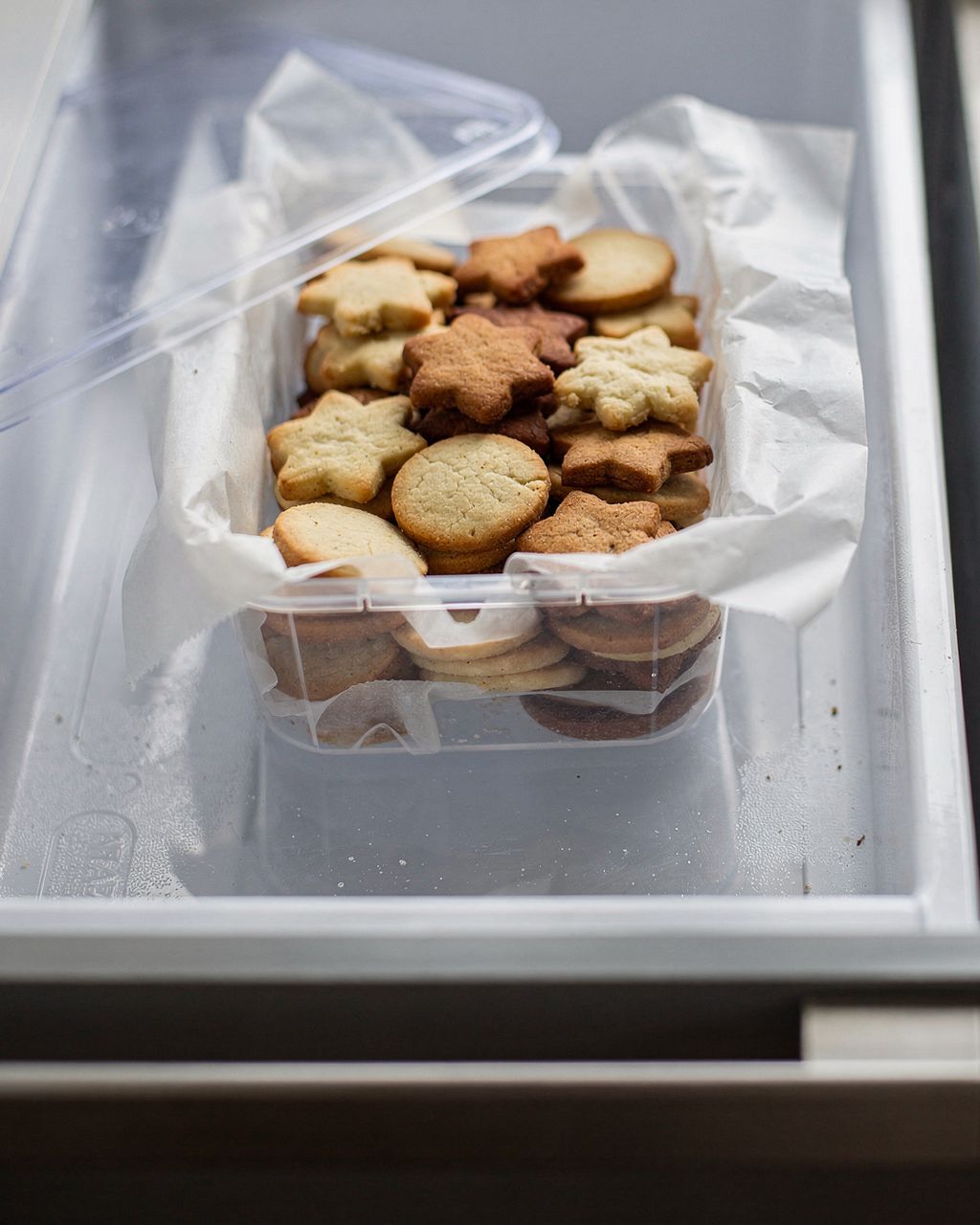
For how long bread keeps in the freezer and how to wrap it, see the article on storing food in the freezer. Raw yeast dough and Christmas cookies are frozen differently, see how to freeze Christmas cookies and dough.
Take the rolls out of the freezer in the evening and leave them overnight on the counter in a closed bag. In the morning, wrap the rolls in aluminum foil and heat them for 10 minutes in an oven preheated to 175°C (350°F) (America's Test Kitchen), or in an air fryer at 150°C (300°F) for no more than 10 minutes (Philips air fryer instructions). Want a crisp crust? Unwrap them for the last minute or two. Bread is normally stored at room temperature, so thawing overnight on the counter is fine. According to King Arthur Baking, rolls thaw on the counter in about an hour.
You can refreeze thawed bread, but every freeze and thaw cycle costs it moisture, and the crumb gets more crumbly. Bread is a food that doesn't mind room temperature, so this is about flavor and texture, not safety. Only refreeze bread you thawed on the counter and didn't heat, and do it as soon as possible. To avoid the problem, freeze bread sliced and take out only as many slices as you'll eat.
Bread thawed on the counter in a bag behaves like fresh bread and keeps about as long as day-old bread: a day or two in a bag at room temperature. According to King Arthur Baking, microwaved bread goes hard quickly, and bread reheated in the oven stays soft for only a few hours (America's Test Kitchen), so eat either one right away. Don't put thawed bread in the fridge, where it goes stale fastest.
Thaw homemade sourdough bread the same way as store-bought: in a closed bag on the counter, then briefly in a hot oven if you want a crisp crust. The most convenient way is to freeze it already sliced, take out only as many slices as you'll eat, and put them straight into the toaster.
One recipe worth heating the oven for, one tip, and one deal from the shop. Nothing else.