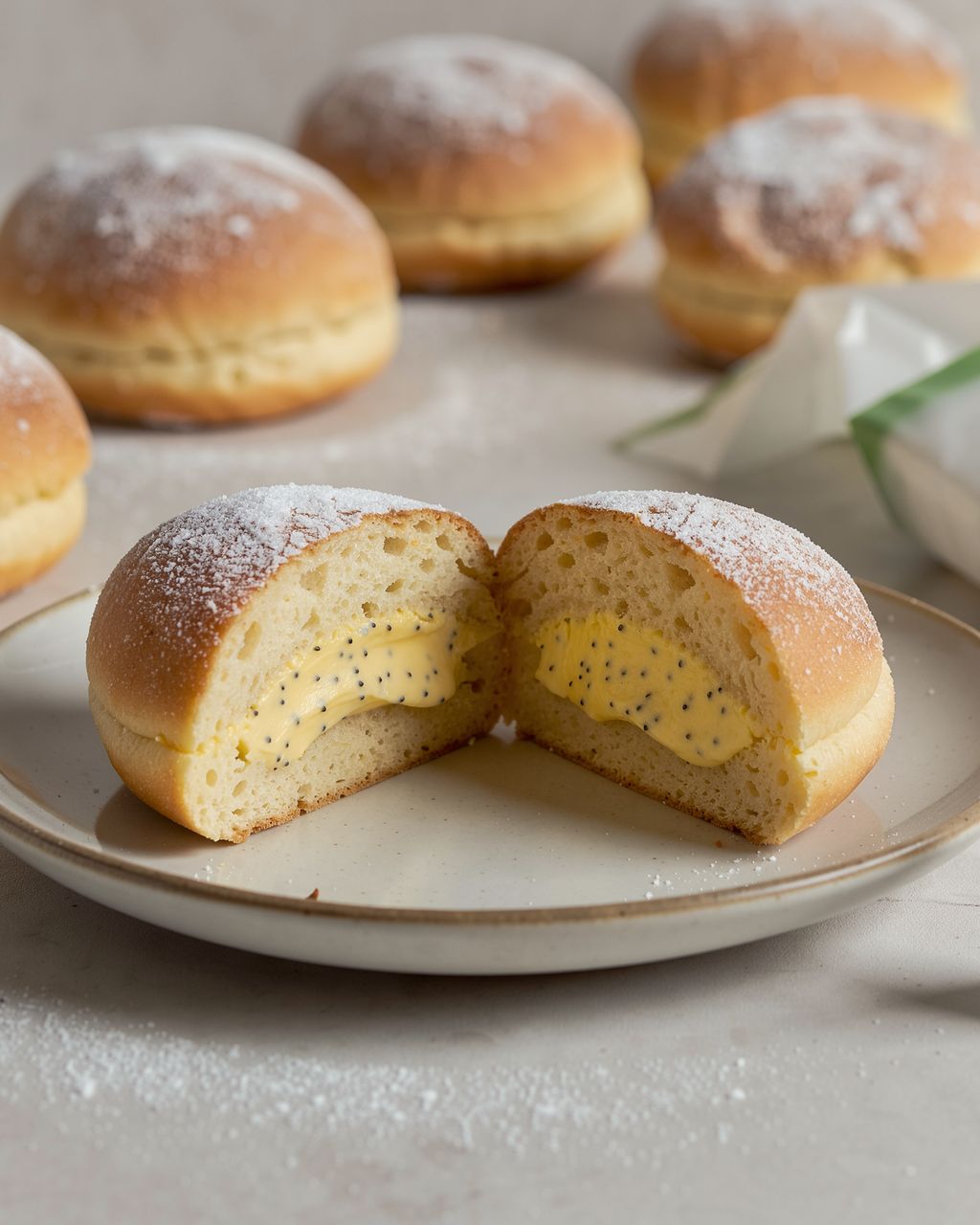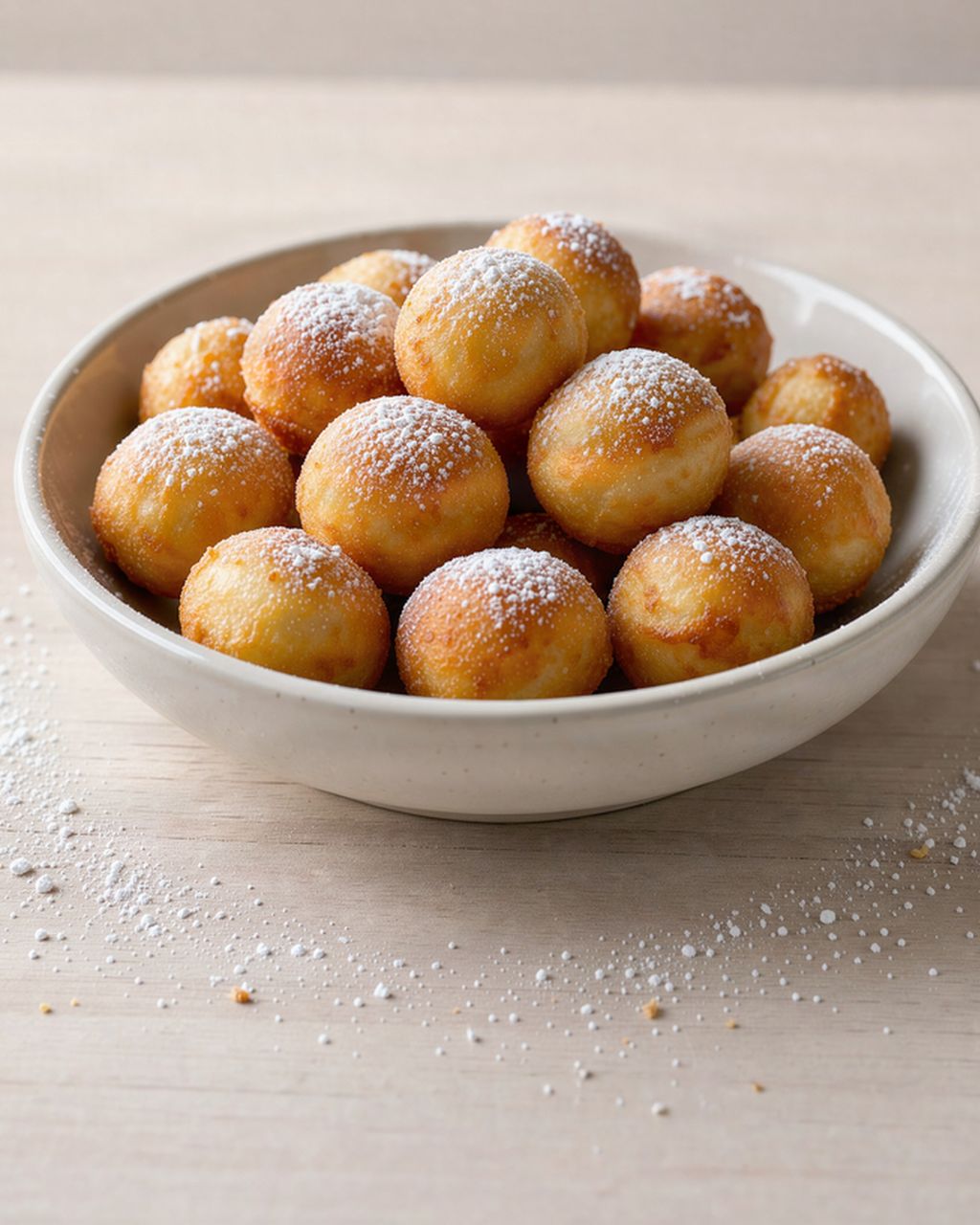
Golden fried, jam-filled donuts!
Masopust at Home: What to Bake and Cook from Three Kings to Shrove Tuesday
Updated Nov 17, 2026
Masopust is the season of merrymaking and generous feasting between Christmas and the Easter fast. In 2027 it runs from Three Kings on January 6 to Shrove Tuesday on February 9, peaks on Fat Thursday, February 4, and ends on Ash Wednesday, February 10. The table calls for fried doughnuts (koblihy), crisp boží milosti, šišky, in some regions vdolky, and above all the pig slaughter feast (zabijačka): jitrnice, jelita, tlačenka and ovar. Here you'll find what each dish means, when to serve it and where to find the recipe.
Masopust is a folk festival where we bid farewell to winter and to meat before the 40-day fast leading up to Easter. The name says it exactly: maso pustit, to let go of meat, much like the Italian carnevale from the Latin carnem levare ("to put away meat"), which gave us the word carnival.
Why such wild celebrations? Because a fast without meat, lard and often eggs was coming. Whatever was left of the winter stores and the pig slaughter had to be eaten, so people feasted, fried and danced. Frying in lard, rich meats and sweet yeast pastries are therefore the logic of Masopust, not a coincidence.
The final days are the high point: Fat Thursday with its feast, then Masopust Sunday, Monday and Tuesday with a masked parade and a party that ends at midnight with the burial of the bass. The Masopust processions and masks of the Hlinecko region have been on the UNESCO Intangible Cultural Heritage list since 2010.
We send seasonal cooking and baking plans and recipes made from everyday ingredients. Unsubscribe in one click.
Masopust 2027 begins on January 6 and ends on Shrove Tuesday, February 9. The end shifts every year with Easter (in 2027 Easter Sunday falls on March 28), which is why Masopust sometimes lasts four weeks and other years almost nine.
Start of Masopust: Wednesday, January 6, 2027 (Three Kings)
Fat Thursday: February 4, 2027, the day of the feast and the pig slaughter
Masopust Sunday: February 7, 2027
Shrove Tuesday: February 9, 2027, with masked parades, doughnuts and the burial of the bass
Ash Wednesday: February 10, 2027, the start of the fast
Masopust is the general Czech name; the regions have their own:
Fašank / fašanky: mainly in Slovácko and southeastern Moravia (from the German Fasching)
Ostatky: in Bohemia and Moravia (for example in the Chodsko or Haná regions), usually for the last three days of Masopust
Voračky, voráčí, končiny: older local names, rare today
And šibřinky? That's mostly what Masopust masked balls are called.
The table changes with the name: in Moravia at fašank you're more likely to get fánky and koláče (Czech filled yeast pastries), while in Hlinecko it's doughnuts and the pig slaughter feast. But the heart of it is the same everywhere: sweet fried treats and rich meat.
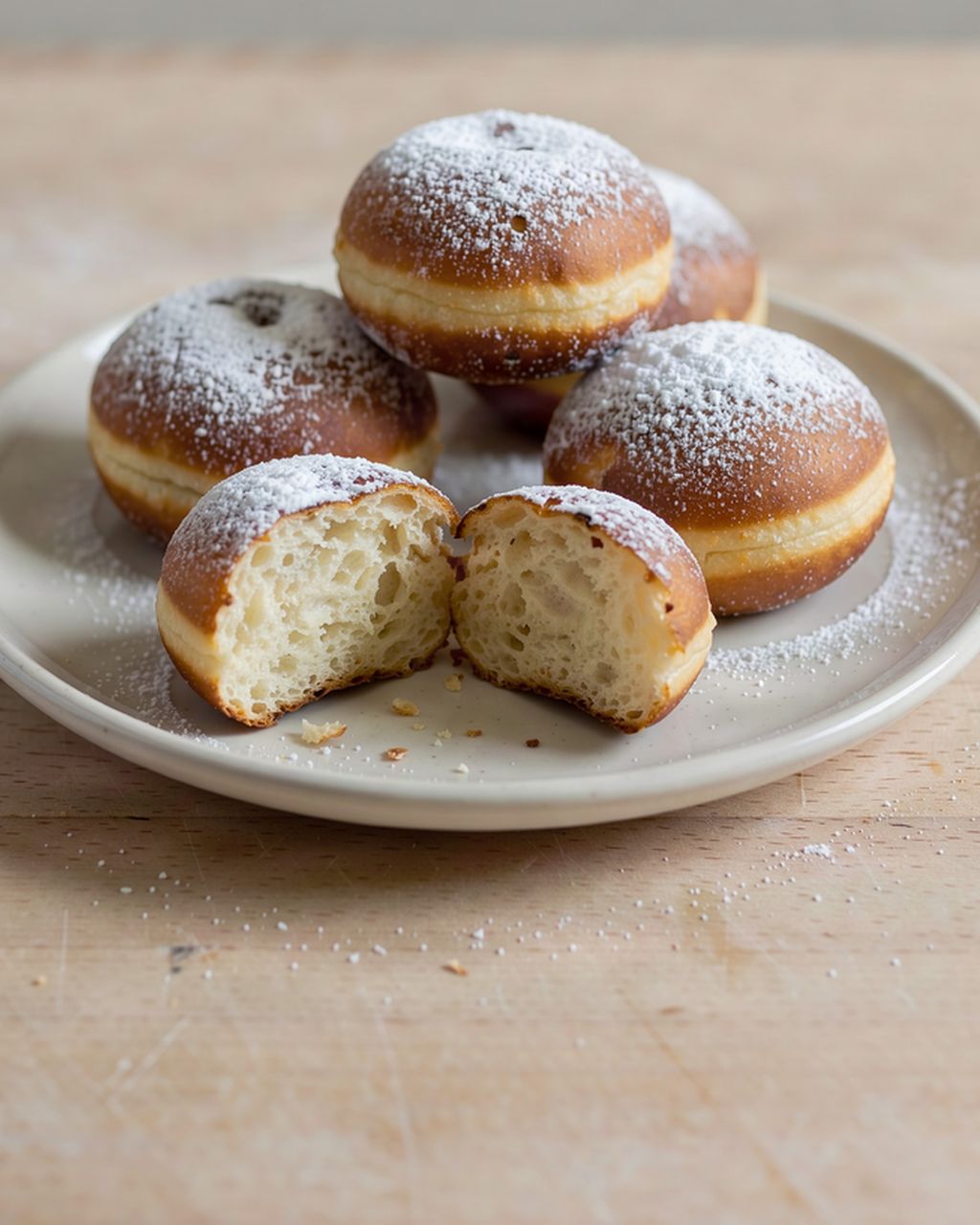
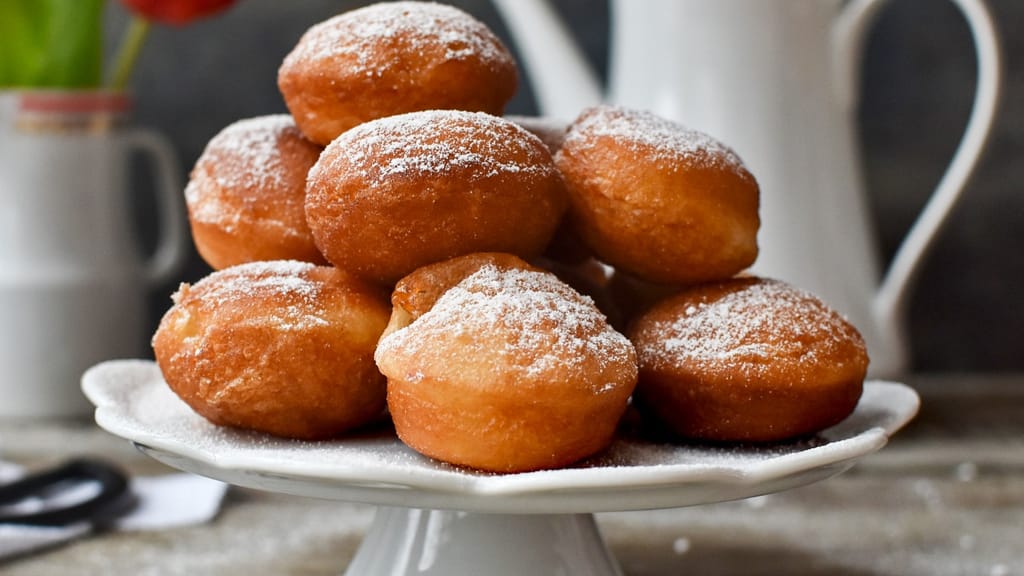
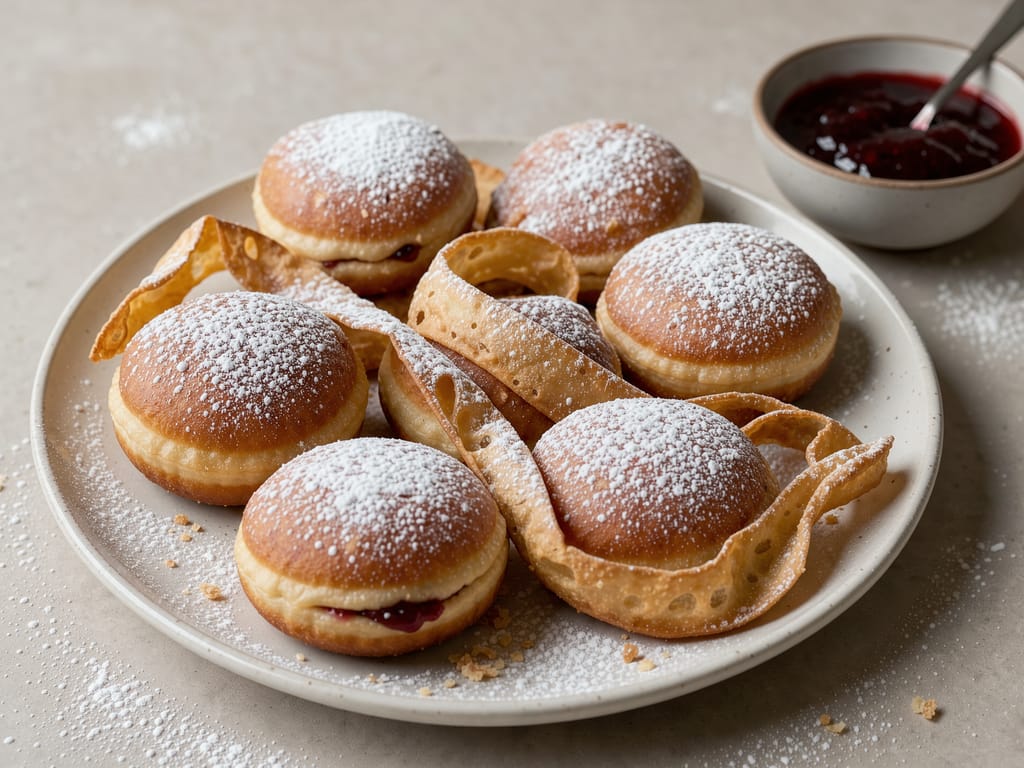
The kobliha (Czech doughnut) is the number one Masopust pastry: a yeast dough of flour, milk, egg yolks and butter, fried until golden and filled with plum butter (povidla), jam or cream. You can recognize it by the pale stripe around its "waist", a sign that the dough rose well and floated in the fat.
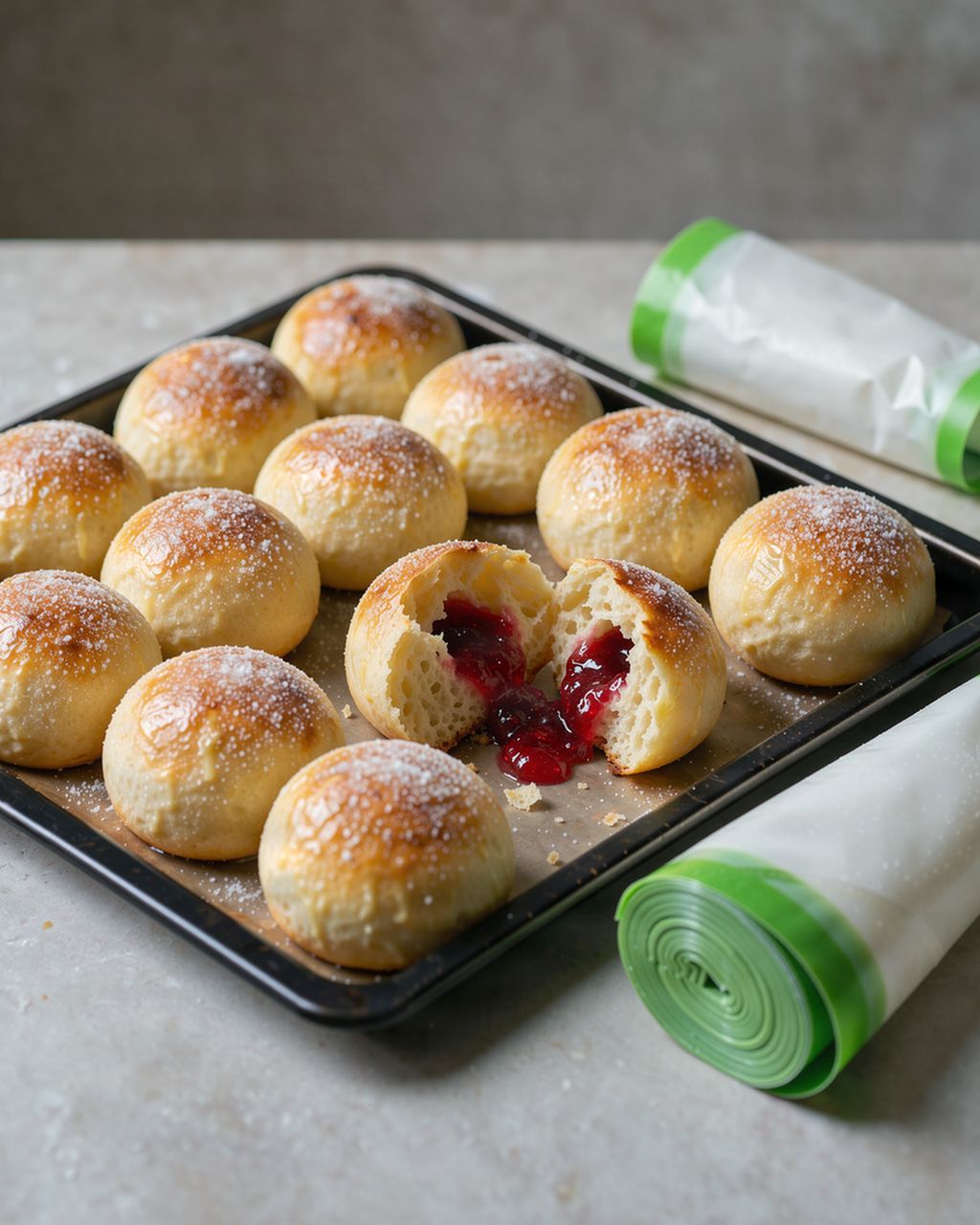
The quickest way in is the recipe for golden fried doughnuts filled with jam; if you'd rather skip the deep-frying, try oven-baked doughnuts with jam. They fry briefly in fat heated to 160–170°C (320–340°F), about 2–3 minutes per side. In cooler fat they soak up grease, and in hotter fat they brown before they cook through. You'll find the whole method step by step right in the recipe.
Want variations? Continue here:
Golden fried, jam-filled donuts!
Fried doughnuts filled with jam for Masopust
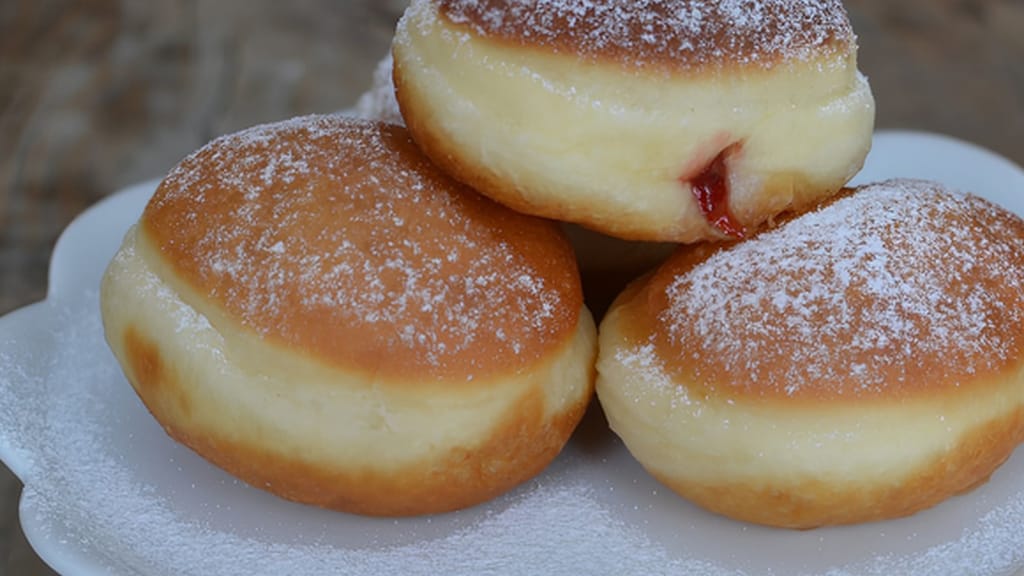
Golden fried doughnuts with jam
Masopust oven-baked doughnuts with jam
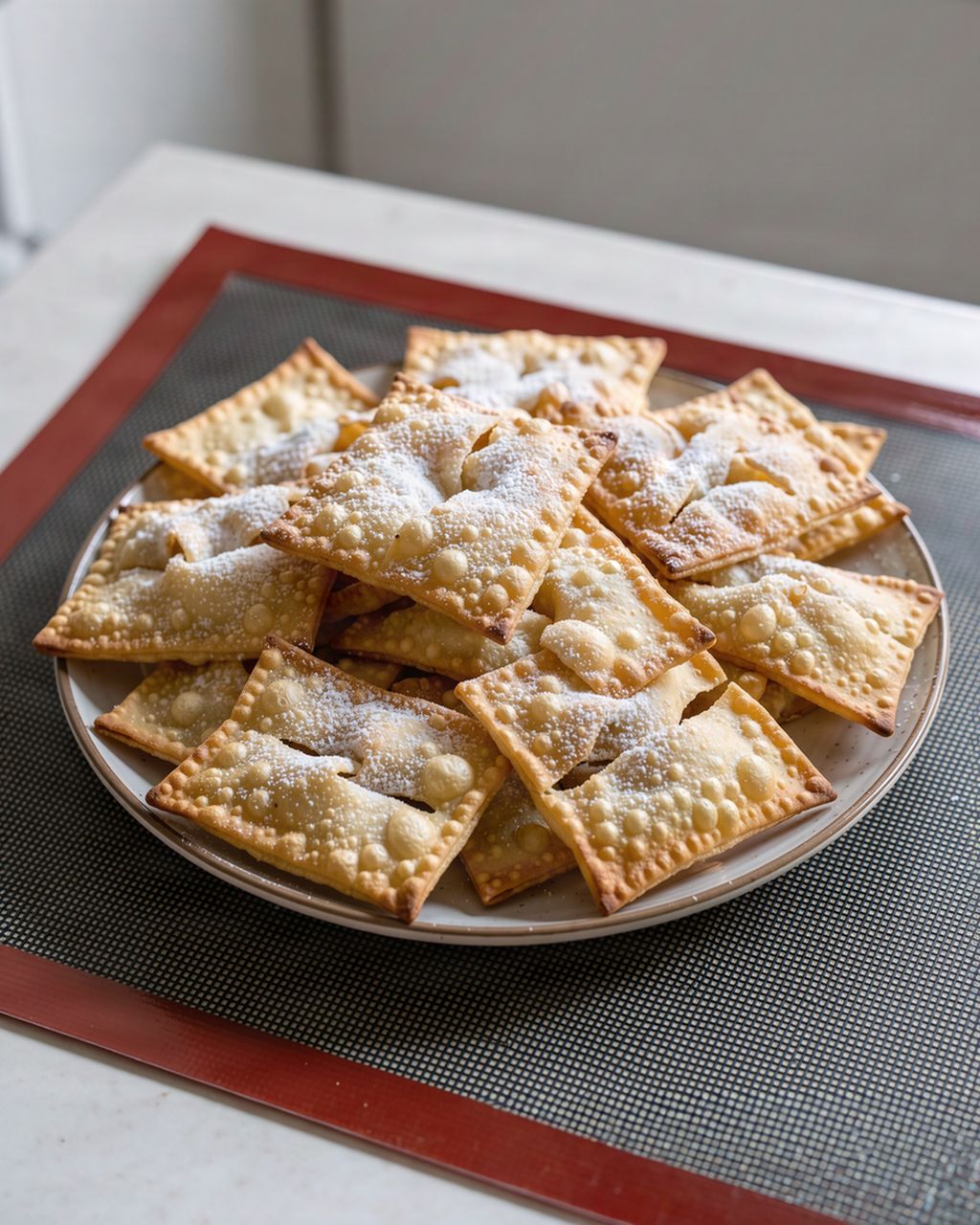
Boží milosti are crisp, wafer-thin strips of unraised dough made with egg yolks, cream and a little rum or wine, fried until bubbly and dusted with powdered sugar. In Moravia and Silesia they're often called fánky.
They differ from doughnuts in every way: no rising, no filling, and instead of fluffiness they shatter and crumble in your mouth. They're traditionally fried; if you don't want a pan full of fat, read how to bake boží milosti in the oven from puff pastry.
Šišky are the simplest of the masopust treats: pieces of yeast dough that are fried and then rolled in sugar or ground poppy seeds, or drizzled with melted butter. In some regions the name means doughnuts themselves, while elsewhere it refers to oblong, unfilled pieces of fried dough that were made from the leftover doughnut dough. The appeal is obvious: no filling, quick work, and the family eats them warm, straight from the bowl.
You can make šišky from the same dough as jam-filled doughnuts. Just cut it into smaller pieces, fry them, and instead of filling them, roll them in sugar or poppy seeds.
Vdolky are flat yeast rounds, pressed down in the middle, fried or baked and spread with plum butter (povidla) or quark, then drizzled with cream. They belong to Masopust mainly in South and West Bohemia, where they were baked alongside doughnuts or instead of them. In Moravia, fašank koláče play a similar role.
Fat Thursday belonged to the pig slaughter, and the slaughter is still the main savory part of Masopust today. What goes with it:
jitrnice: a fine filling of pork, liver and bread roll, seasoned with marjoram and garlic
jelita: dark, made with blood and barley or groats
tlačenka: chilled pieces of meat in aspic, served with vinegar and onion
ovar: boiled pork with horseradish and bread
black slaughter soup (prdelačka): the broth from cooking ovar and jelita, with blood and barley, seasoned with garlic and marjoram
white slaughter (ovar) soup: the light broth from cooking ovar, without blood
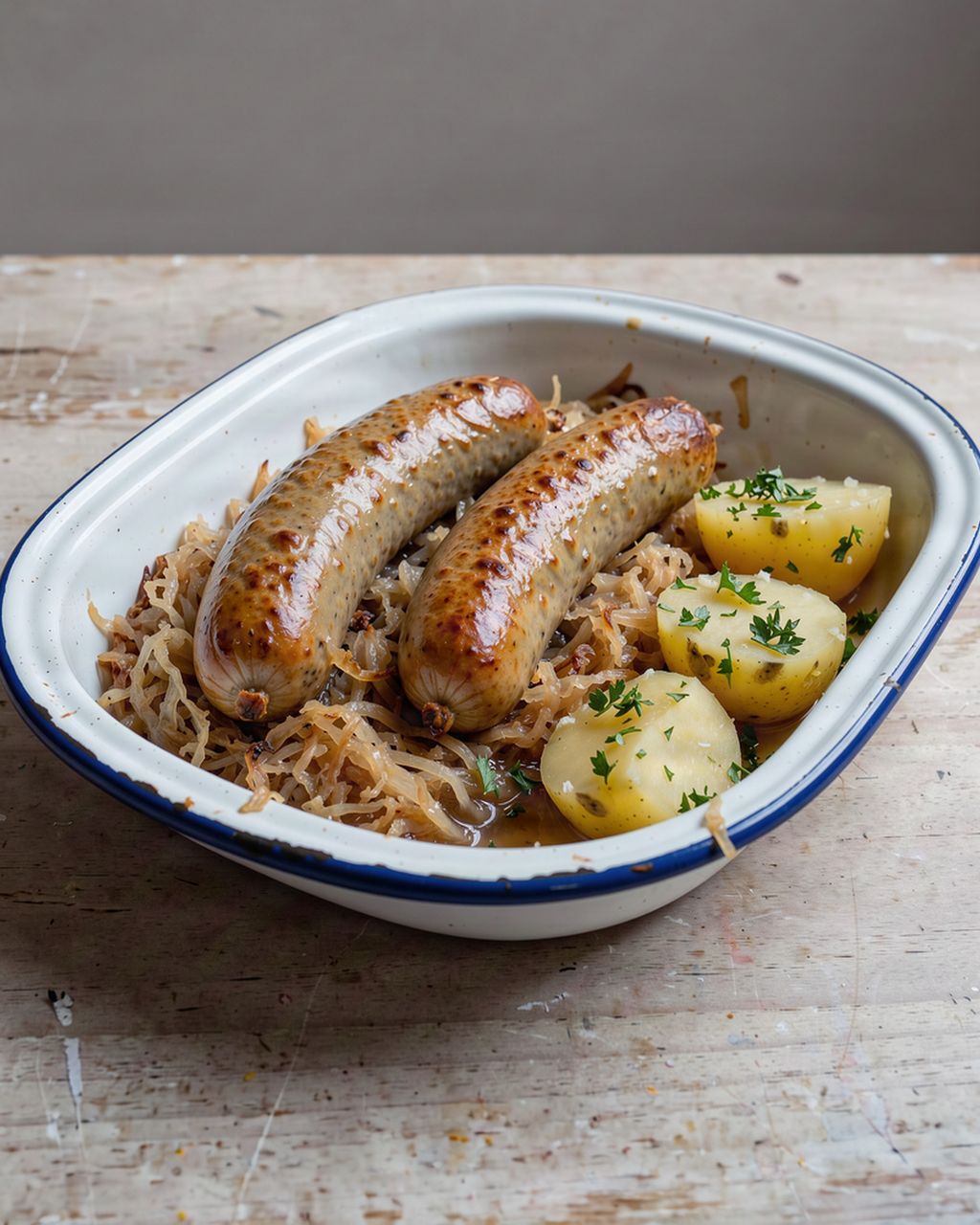
At home you'll manage best with ready-made jitrnice from the butcher: grilled jitrnice with potato and cabbage salad is a Masopust dinner you can have on the table in half an hour. How to heat them so they don't burst is covered in the article jitrnice and jelita in the oven and in a pan; how many days they keep in the fridge and whether you can freeze them is in the piece on how long tlačenka, jitrnice and jelita keep.
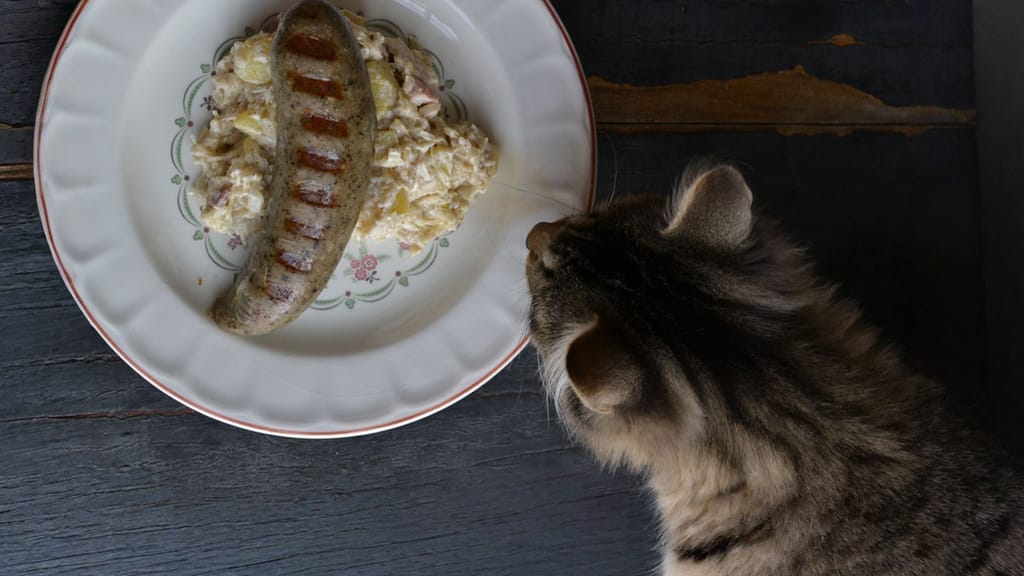
Grilled jitrnice (czech liver sausage) with warm potato and sauerkraut salad
Grilled jitrnice with potato and cabbage salad for Fat Thursday
It's best to spread your Masopust menu over three days: Fat Thursday, Sunday and Tuesday. You don't need to make everything; just pick one dish for each day.
Fat Thursday (February 4, 2027): the pig slaughter feast, with jitrnice or jelita with sauerkraut and potatoes, plus ovar with horseradish. If you want a festive roast, make roast duck, for example slow-roasted honey duck, juicy and crisp.
Masopust Sunday (February 7, 2027): a hearty soup, such as a thick barley soup with smoked meat, or slaughter soup made from the ovar broth.
Shrove Tuesday (February 9, 2027): something sweet: doughnuts, boží milosti or šišky. Start the yeast dough in the morning, then fry and fill them in the afternoon, and you'll have them fresh for dinner.
A practical tip: doughnuts taste best on the day you fry them. Boží milosti stay crisp in a tin for two to three days, so feel free to make them as early as Sunday. You'll find more ideas under the masopust tag.
Traditionally, no meat is eaten on Ash Wednesday, the first day of the 40-day fast. The table held lentils, peas, barley, kyselo (a sour soup), baked potatoes or fish; in some places people ate only once a day, until full.
The burial of the bass (pochování basy) is a symbolic "funeral" of a double bass at midnight between Shrove Tuesday and Ash Wednesday, which ends the Masopust festivities. The masked revelers carry the bass like a dearly departed, a "priest" delivers a mock funeral speech, and from then on there is no music or dancing until Easter.
It's better to prepare the dough a day ahead than the finished doughnuts. You can let the yeast dough rise slowly overnight in the fridge, then shape and fry it in the morning; finished doughnuts go hard the next day and lose their fluffiness. If any are left over, warm them briefly in the oven.
Masopust and Carnival are the same festival before the fast; they differ mainly in form. Carnival (Venice, Rio) is a city parade of masks, while Czech Masopust is a rural procession of masked revelers through the village, with music, going door to door for food, and a pig slaughter feast.
One recipe worth heating the oven for, one tip, and one deal from the shop. Nothing else.