Mushroom sauce - an easy and wonderful autumn treat

Updated Jul 19, 2026
A great steak comes down to four things: quality meat, a dry surface, fierce heat, and hitting the right internal temperature. You can nail it at home in a pan or on the grill — and all you really need is a good cut of meat and an instant-read thermometer. This guide walks you through choosing the right meat, salting at the right moment, cooking technique, and how to hit your desired doneness spot on, then rest and slice the steak properly.
The best cuts for steak are ribeye (rib steak), sirloin (rump/striploin), tenderloin (filet mignon), T-bone / porterhouse and lean, flavourful cuts like flank, onglet or bavette. They differ mainly in fat content and tenderness — and in how forgiving they are to cook.
Ribeye – the most marbling, the richest flavour, and the most forgiving if your timing's slightly off. A great first steak to try.
Sirloin – leaner, with a bold beefy flavour and the best value for money.
Tenderloin / filet mignon – the most tender and leanest cut, with a subtle flavour; watch it closely so it doesn't dry out.
T-bone / porterhouse – two cuts on one bone (tenderloin and sirloin) for anyone who can't decide.
Flank, onglet, bavette – lean, intensely flavoured and cheaper; just be sure to slice against the grain and keep them no more than medium, or they'll turn tough.
When you're buying, check three things. Colour should be a deep red to dark cherry (aged meat is darker), with creamy white — not grey — fat. Marbling refers to the thin white streaks of fat running through the muscle — the finer the network, the juicier and tastier the steak. And thickness should be at least 2.5–3 cm (1–1¼ in): a thin slice will overcook before a crust has a chance to form. Feel free to ask your butcher about ageing too — dry-aged beef (21+ days) has a more concentrated, nutty flavour.

Before the steak hits the heat, do three things: bring it to room temperature in time, pat it thoroughly dry, and salt it at the right moment. These three steps determine how juicy it turns out and whether you get a proper crust or just steamed meat.
Tempering. Let the steak sit at room temperature for 30–60 minutes (longer for thicker cuts). A cold steak straight from the fridge will char on the outside before the centre warms through, leaving a wide grey overcooked band. A tempered steak cooks far more evenly.
Drying. Blot the surface completely dry with paper towel. A dry surface is essential for the Maillard reaction — the browning that creates a proper crust. Wet meat steams in its own moisture in the pan instead of searing, and stays pale.
Salting at the right time.You've got two good windows. Either salt at least 40 minutes ahead — ideally overnight, uncovered in the fridge (a dry brine): the salt first draws out moisture, which then reabsorbs back in along with the seasoning, leaving the surface dry and better able to brown. Or salt right before cooking (within 3 minutes). Avoid the in-between window — roughly 3 to 40 minutes — when salt draws juice to the surface but it hasn't had time to soak back in, leaving the meat wet and slow to brown. Freshly ground pepper is best added after cooking, so it doesn't scorch and turn bitter over high heat.
Don't marinate a premium steak (ribeye, sirloin, tenderloin) — salt and pepper are enough to let the meat's own flavour shine. Save marinades for leaner, tougher cuts like flank, onglet or chuck, where salt and acid help season and tenderise the meat.
A dry rub is a blend of ground ingredients — salt, pepper, garlic, smoked paprika — pressed onto the surface. It's quick and gives a great boost to the crust. Watch out for sugar in the mix, though: it caramelises beautifully but can also burn fast over high heat.
A marinade is oil + acid (vinegar, lemon, yoghurt) + seasoning; let it work for 2–8 hours. Don't overdo the time or the acid — too long in an acidic bath breaks down the surface of the meat and turns it mushy rather than tender.
In other words: the better the cut, the less you should do to it. Save the marinade for where it'll actually make a difference.
You can nail a top-notch steak at home either way. A cast-iron pan gives the most even crust and full control over temperature, while a grill adds a smoky aroma a pan simply can't replicate. It really comes down to taste and what you've got on hand.
In the pan: get the cast iron almost smoking hot, then add a spoon of a high-smoke-point oil (rapeseed, avocado or ghee — not olive oil). Lay the steak in and leave it alone for 2–3 minutes before flipping. Near the end, drop in a knob of butter, a smashed garlic clove and a sprig of thyme, and baste the steak with the melted mixture — it adds shine and a beautiful aroma.
On the grill: set up two zones — direct fierce heat for the crust and a cooler, indirect side to finish cooking. Keep the grate clean and oiled, and flip the steak ideally just once. Play around with different woods or charcoal for extra smoky flavour.
Tip for thick cuts (4 cm / 1.5 in+): reverse searing. Slowly bring the steak up to around 50°C (120°F) in the oven or the indirect zone of the grill first, then sear it hard on both sides at the end. The centre comes out pink edge to edge with barely any grey ring, and the crust turns out perfect.

The most reliable way to check doneness is with an instant-read thermometer inserted into the thickest part of the steak (avoiding bone and fat). The touch test is a handy backup, but for an expensive cut, it's worth measuring properly.
Target temperatures at the centre of the steak (measured after resting):
Rare: 50–52°C (122–126°F) — red, barely warm centre
Medium-rare (the most popular): 54–57°C (129–135°F) — deep pink, juicy centre
Medium: 60–63°C (140–145°F) — light pink centre
Medium-well: 65–68°C (149–154°F) — just a hint of pink
Well-done: 71°C+ (160°F+) — cooked through
Because the temperature keeps climbing after cooking, take the steak off the heat about 2–3°C below your actual target.
If you don't have a thermometer, your hand will do the job. Touch your thumb to your index finger, and with your other hand, press the fleshy pad below the thumb — that firmness matches rare. Thumb to middle finger = medium-rare, to ring finger = medium, to little finger = well-done. Then press the steak with the same pressure and compare. It's quick and intuitive, but less precise — for a pricey cut, reach for the thermometer instead.
Once cooked, let the steak rest for 5–10 minutes, then always slice it against the grain. These two steps decide whether it turns out juicy and tender or dry and chewy.
Resting — cover the steak loosely with foil (not tightly, or the crust will go soggy). During cooking, the muscle fibres tighten and push juice towards the centre; resting lets them relax and the juice redistribute back through the meat. Slice it afterwards and the juice stays in the meat, not on the board.
Slice against the grain — cutting perpendicular to the direction the fibres run. This shortens the fibres and makes every bite noticeably more tender. For long-fibred cuts like flank or onglet, this step is absolutely essential.
A steak pairs well with one starchy side, something fresh or grilled from the vegetable world, and, if you like, a bold sauce. Classics include a peppercorn sauce (cream reduced with green pepper and a splash of brandy), mushroom sauce, roasted or gratin potatoes, and a light salad to balance things out. Fancy grilled vegetables alongside? Check out our guide on how to grill vegetables so they actually taste great. A few tried-and-tested sides and sauces for steak below.
Mushroom sauce - an easy and wonderful autumn treat
Creamy mushroom sauce for steak
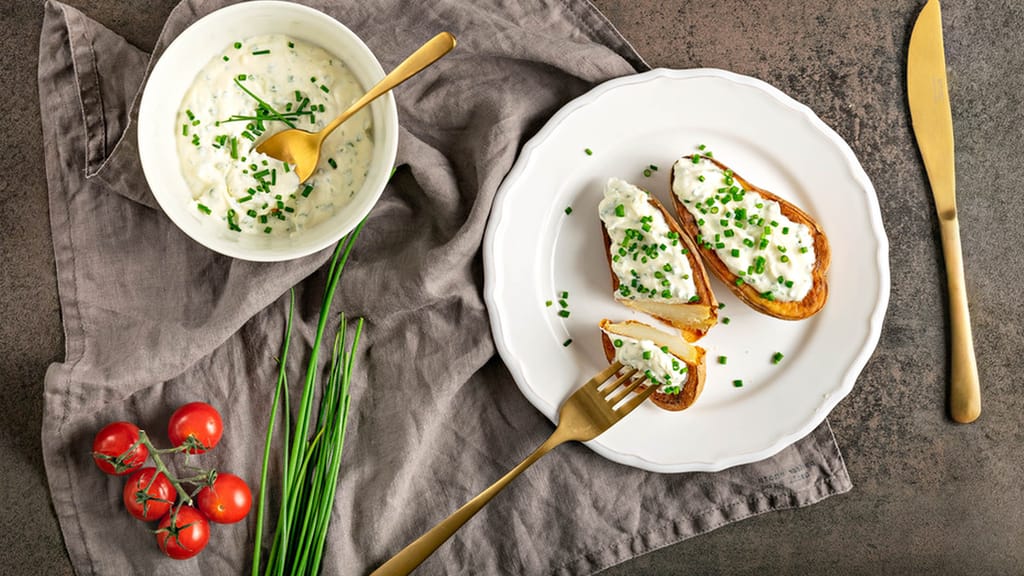
Baked potato with whipped herb curd cheese
Baked potato with whipped herb curd cheese as a steak side
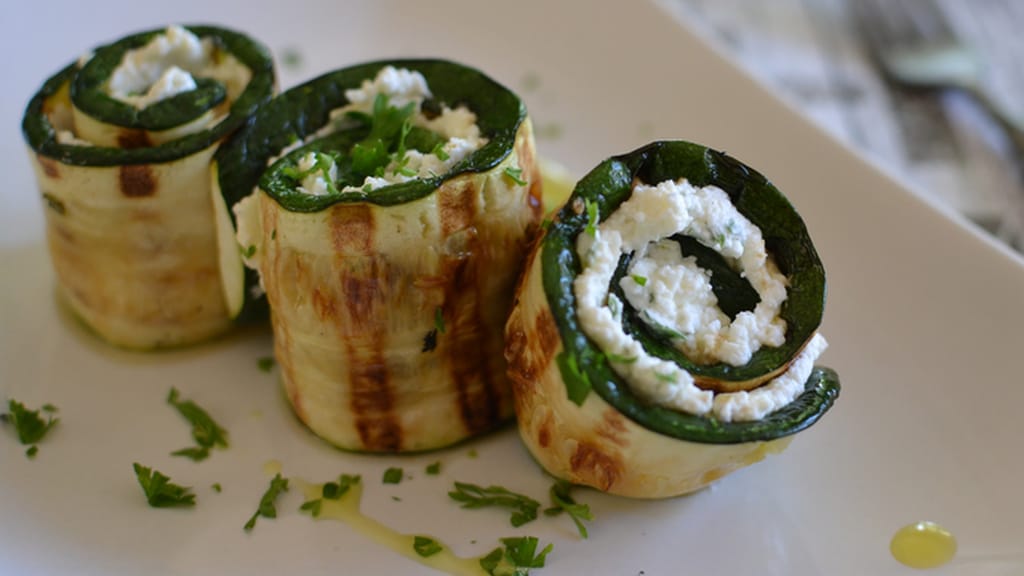
Grilled zucchini roll-ups with cream cheese
Grilled courgette rolls as a light vegetable side for steak
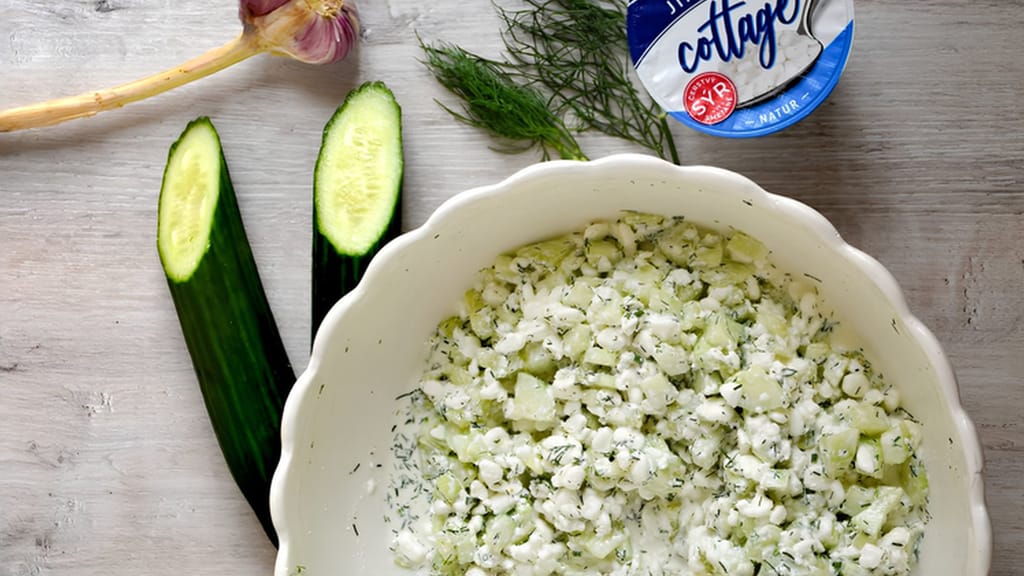
Fresh cucumber & dill salad
Fresh cucumber and dill salad to balance a steak dinner
No — never rinse a steak before cooking; just pat it dry with paper towel. Running it under the tap splashes surface bacteria all over your kitchen and, worse, soaks the meat, which then steams instead of searing in the pan. Any bacteria on the surface of a whole muscle cut is reliably killed off by a hard sear anyway.
Lean, flavour-packed cuts like flank (bavette) and onglet (hanger steak) give you the best bang for your buck. They deliver bold beefy flavour for a fraction of the price of ribeye — just don't cook them past medium, and always slice thinly against the grain, or they'll turn tough.
There are three usual culprits: a steak that's too thin or too cold, overcooking, and slicing with the grain instead of against it. A thin or cold slice turns grey before a crust can form; too high an internal temperature squeezes out the juices; and cutting along the grain leaves you with chewy bites. Use a thicker, fully tempered cut, keep an eye on your thermometer, and always slice against the grain.
Pop the cooled steak into an airtight container within 2 hours and eat it within 3 days in the fridge. Reheat it gently — in the oven at 100–120°C (210–250°F) just until warmed through in the middle, never in the microwave on full power, which will dry it out. Best of all, slice the leftovers cold into a salad or sandwich and skip the reheating altogether.
Yes — a thick steak can go straight from the freezer onto the heat without thawing first. The frozen centre warms up more slowly, so there's actually less risk of overcooking and getting that grey ring — just pat the surface dry first and allow extra time in the pan or oven. Thin steaks, though, are better off thawed in the fridge first.
One recipe worth heating the oven for, one tip, and one deal from the shop. Nothing else.