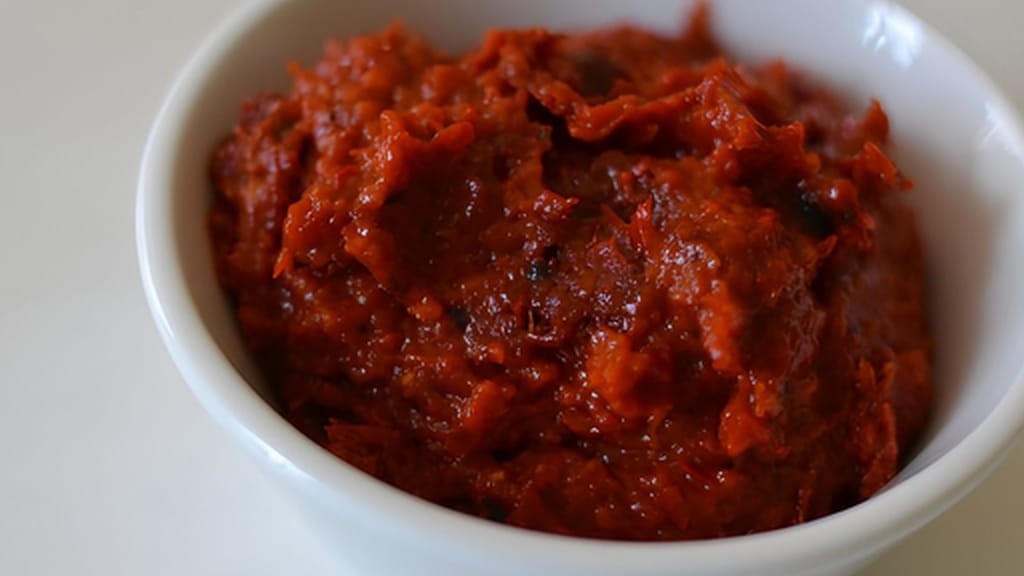
Grilling tip: roasted pepper dip

Updated Jul 16, 2026
Grilled vegetables aren't just a fallback side dish – they're the fastest way to coax a sweet, smoky flavor out of peppers, zucchini, or eggplant. The secret isn't complicated: cut your veggies into evenly sized pieces, brush with oil, season with salt, and grill over a well-heated grate (around 200–230°C / 390–450°F) until tender with golden char marks. In this guide you'll find out which vegetables grill best, how to cut and marinate them, what temperature to use for each type, and what to cook with them afterward.
Peppers, zucchini, eggplant, button and portobello mushrooms, asparagus, fennel, onions, and corn on the cob grill best – these are the types that hold their shape and have enough natural sugar to caramelize over the heat. Steer clear of delicate leafy greens and very watery vegetables, as they tend to fall through the grate or fall apart.
What works well and how to handle it:
Peppers – sweet and juicy, they get even sweeter on the grill. Cut into large quarters so they don't fall through.
Zucchini – delicate and quick-cooking; slices or lengthwise strips about 1 cm thick are done in 3–5 minutes.
Eggplant – meaty texture that holds its shape well; cut into rounds or lengthwise slices 1–1.5 cm thick.
Button and portobello mushrooms – earthy flavor; the caps soak up marinade beautifully and can even be stuffed with cheese or herbs.
Asparagus and fennel – asparagus crisps up in just a few minutes, while sliced fennel caramelizes beautifully into a sweet anise flavor.
Onions and corn – cut onions into halves or thick rounds for grilling; corn can go on the grill husk and all.
Go for seasonal, firm vegetables with rich color – not only do they taste better, they also hold up better on the grill.
Grilling tip: roasted pepper dip
Grilled peppers as a ready-made mix – a grilling tip
Good prep matters more than the grilling itself: cut vegetables to an even thickness, brush lightly with oil, and salt at the right moment. That way everything cooks evenly and nothing sticks to the grate.
Always cut one type of vegetable to a consistent thickness so it cooks evenly all at once. Tried-and-true thicknesses: zucchini and eggplant 1–1.5 cm, peppers cut into large quarters, onions in 1.5 cm-thick rounds (feel free to skewer them with a toothpick to hold them together). Cut tougher vegetables – carrots, potatoes, squash – thinner, or par-boil them for a few minutes first, otherwise they'll burn on the outside before softening inside. Small vegetables like cherry tomatoes or broccoli florets should go on the grill in a grill basket or on skewers so they don't fall through.
With modern eggplant varieties, you don't need to salt them for bitterness – that trait has long since been bred out. Salting is mainly useful for texture: eggplant is over 90% water, and a pinch of salt draws some of it out, helping it brown better on the grill and absorb less oil. According to culinary sources, the dry heat of grilling often does this job on its own by drawing moisture off the surface. If you do salt your eggplant, let it rest for 15–20 minutes, pat dry with paper towels, and only then brush with oil.
Brush vegetables with a thin layer of a high-smoke-point oil (olive, canola, or avocado) – it locks in moisture and helps transfer heat. Don't overdo it, though, or it'll drip into the flames and flare up. Salt watery vegetables (zucchini, tomato, mushrooms) right before grilling, otherwise they'll release their juices and start steaming instead of grilling. Rosemary and thyme hold up well to the heat; add delicate herbs like basil or parsley only at the end.
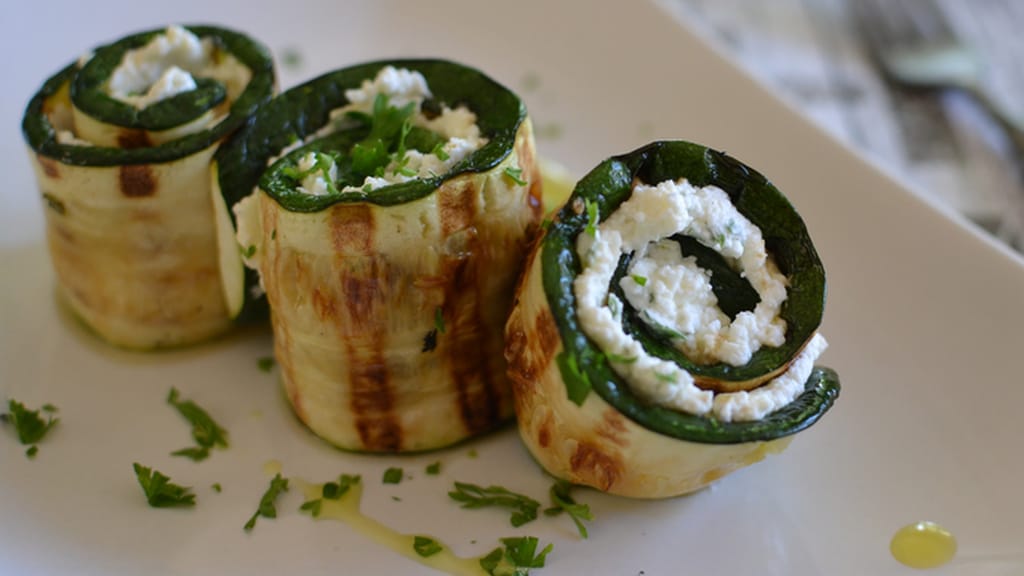
Grilled zucchini roll-ups with cream cheese
Grilled zucchini rolls filled with cream cheese
The basis of a good marinade is a simple ratio: 3 parts oil, 1 part acid (lemon or vinegar), salt, and aromatics (garlic, herbs, spices). The oil carries flavor and helps transfer heat, the acid brightens the taste, and the aromatics add depth. Vegetables only need 20–30 minutes – unlike meat, there's no need for a long soak.
Oil: olive oil is the classic choice; avocado and sesame oil add an exotic touch.
Acid: lemon juice and apple cider vinegar bring freshness, while balsamic adds a sweet depth.
Aromatics: garlic, fresh herbs, chili, ginger, a spoonful of honey or maple syrup for better caramelization.
Mix 3 tablespoons of olive oil, 2 tablespoons of lemon juice, chopped basil and parsley, salt, and pepper. Perfect for peppers and zucchini.
Mix sesame oil, a tablespoon of soy sauce, crushed garlic, and a knob of grated ginger. Fantastic on eggplant, mushrooms, and tofu.

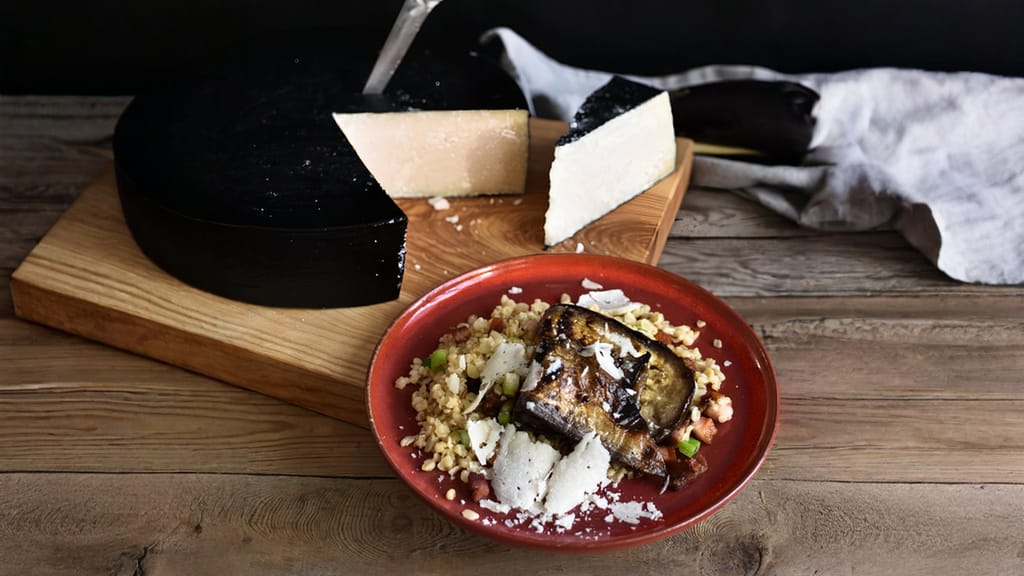
Bulgur with grilled eggplant and aged goat's cheese "parmesan" bon lait
Marinated grilled eggplant with bulgur and goat's-milk Parmesan
Grill vegetables over medium-high to high heat, around 200–230°C (390–450°F), and adjust the time to their density: soft vegetables 3–5 minutes, medium-dense ones 8–10 minutes, and hard root vegetables 15–20 minutes. Always preheat the grate thoroughly so the vegetables sear nicely and don't stick.
Quick (3–5 min): zucchini, asparagus, tomatoes, thin-sliced mushrooms – medium-high heat.
Medium (8–10 min): peppers, onions, portobello caps, fennel – high heat.
Slow (15–20 min): carrots, potatoes, squash – best on lower heat or par-boiled first.
High heat doesn't 'seal in' juices – that's a popular myth. A hot grate creates a crust, smoky flavor, and char marks thanks to the Maillard reaction and caramelizing sugars, not because it 'locks in' moisture. You actually retain moisture through oil, the right thickness, and by not overcooking the vegetables.
Place the vegetables on the grate at a 45° angle. After a few minutes, once they release easily from the grate on their own, rotate them 90° on the same side to create crosshatch marks. Only then flip them to the other side and repeat. Don't keep shifting them around – char marks need time and patience.
Don't keep flipping or moving the vegetables around – let them sit for a bit so they sear and release naturally. Excess oil and dripping marinade cause flare-ups that scorch the vegetables from the outside, so let any excess drip off first. Grill more delicate types like tomatoes on the cooler part of the grate.
Grilled vegetables can be a main course or a side: they're great in a salad with legumes or grains, as an accompaniment to meat or fish, in a risotto or bulgur dish, or even in a warm sandwich. Fancy a salad? Toss grilled peppers, zucchini, and eggplant with cooked quinoa or chickpeas, herbs, and lemon. Add marinated tofu from the soy-ginger marinade to grilled peppers and broccoli for a heartier vegan plate. Or layer pesto, grilled tomatoes, eggplant, and zucchini into a quick warm sandwich. Here are a few ready-made ideas from Yumsto.
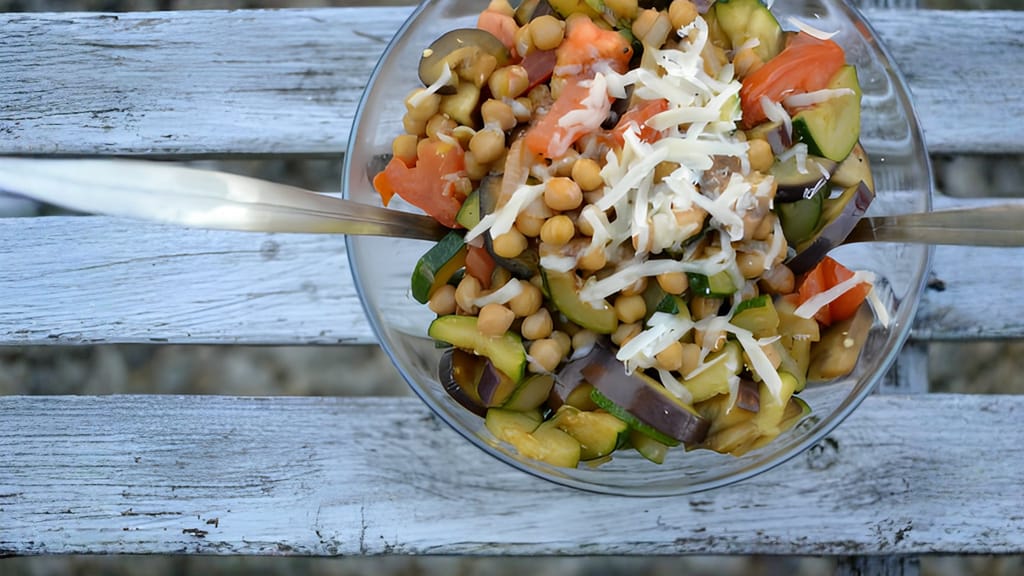
Grilled chickpea salad
Grilled vegetables in a hearty chickpea salad
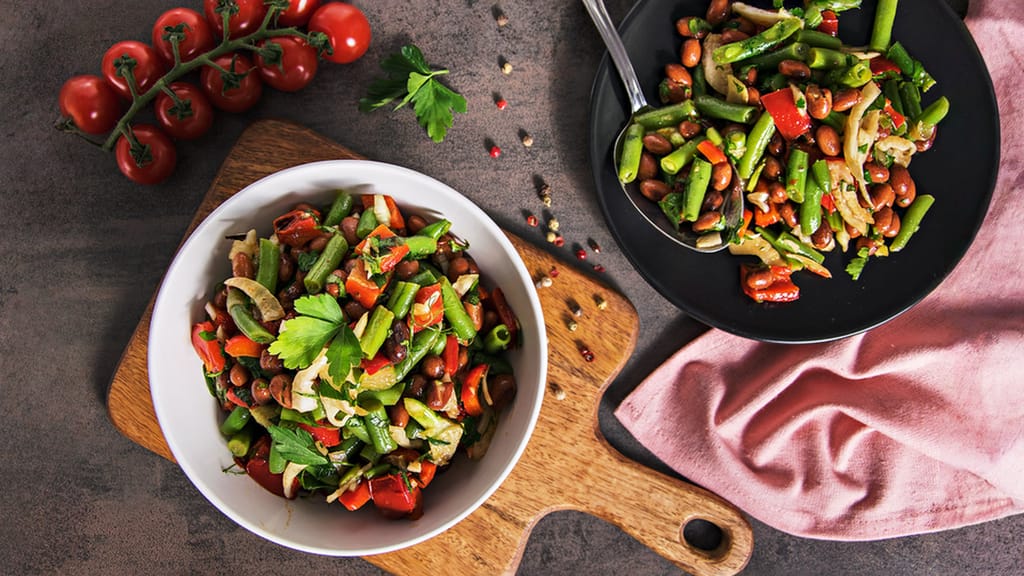
Borlotti bean salad with grilled peppers and fennel
Grilled pepper and fennel salad with borlotti beans
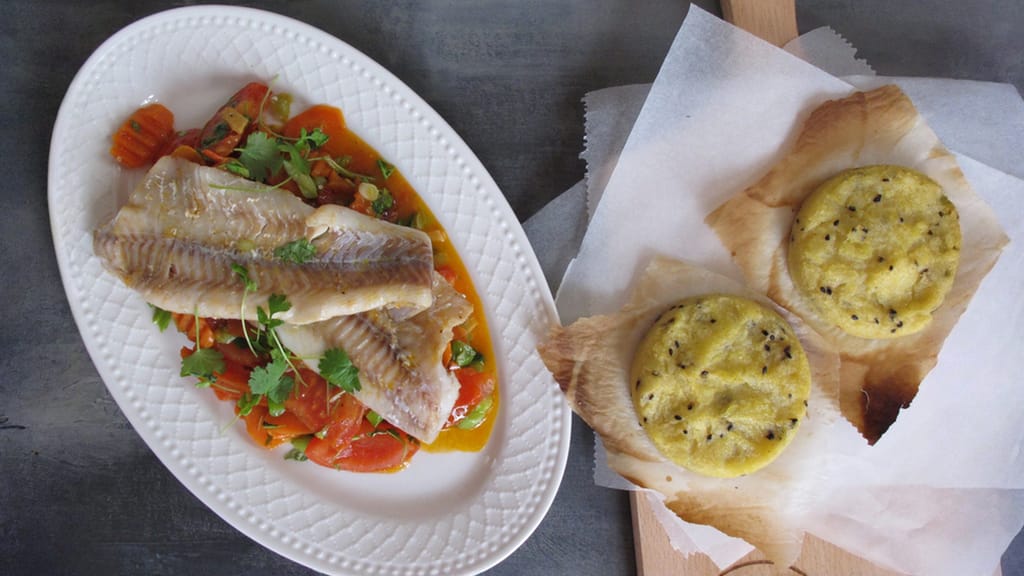
Grilled trout with polenta and vegetables
Grilled vegetables as a side for grilled trout with polenta
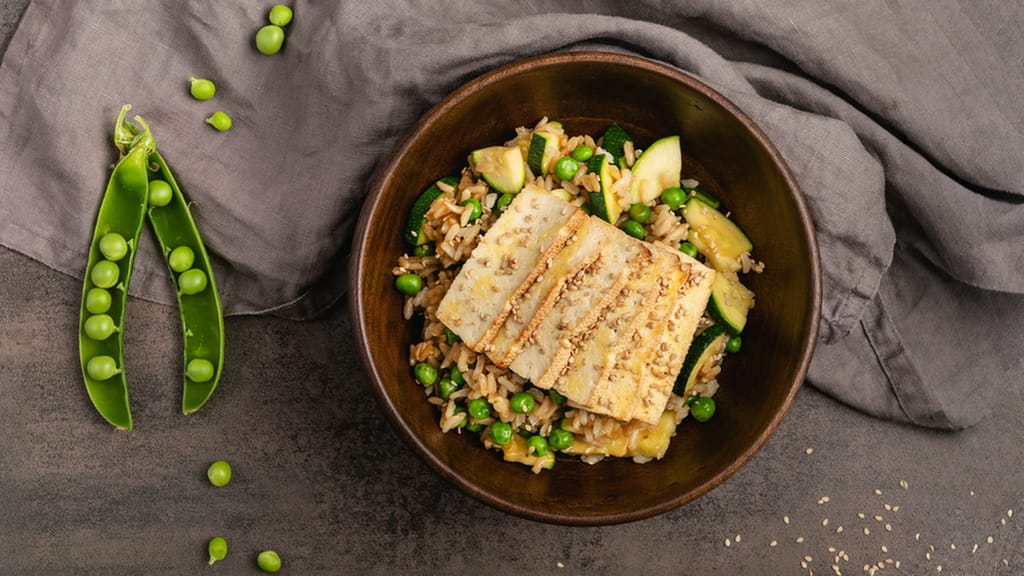
Tofu risotto with peas and zucchini
Risotto with tofu, peas, and grilled zucchini
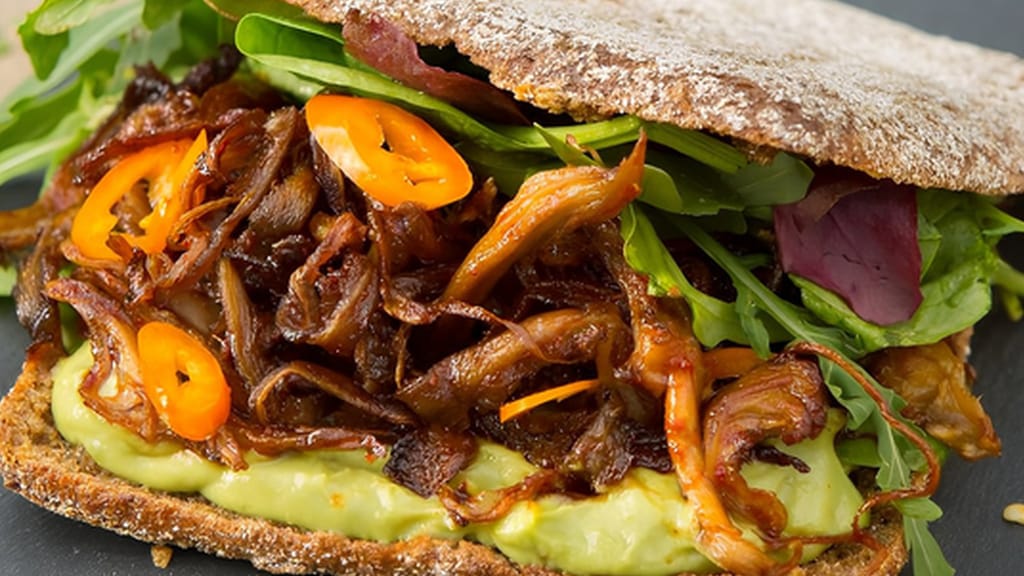
Oyster mushroom sandwich with bbq sauce, avocado and wasabi
Grilled sandwich with oyster mushrooms, BBQ sauce, and avocado
Most vegetables don't need pre-cooking – peppers, zucchini, eggplant, mushrooms, and asparagus all grill beautifully raw. Pre-boiling (blanching) is only worth it for tough root vegetables like potatoes, carrots, or squash, so they soften inside before burning on the outside. Just boil for 3–5 minutes, pat dry, then pop them on the grill.
You can grill vegetables just as well on a grill pan or in the oven. A hot cast-iron grill pan gives you the same char marks as an outdoor grate; in the oven, roast at 220°C/430°F with the fan on, on a baking sheet lined with parchment, flipping halfway through. The flavor will be a touch less smoky, but otherwise the results are comparable.
Grilled vegetables keep for 3–4 days in the fridge in a sealed container. They taste best at room temperature or cold in a salad; you can also reheat them briefly in a pan. Stored in a sealed jar covered with olive oil, they'll keep a bit longer still.
Yes, grilled vegetables can be frozen for up to 3 months. After thawing they'll be softer and release water, so they're better suited to sauces, soups, pizza, or bakes rather than a crisp salad.
Grilled vegetables are light and nutritious – grilling needs almost no fat and preserves most of the fiber and minerals. Some heat-sensitive vitamins (like vitamin C) are reduced, but the short cooking time – and the fact that you end up eating more vegetables overall – more than makes up for it. Just trim off any heavily charred bits.
Vegetables fall through the grate when they're cut too small. Cut them into larger pieces, skewer them, or use a grill basket or a perforated grill tray. A skewer poked through onion rounds will help hold them together.
One recipe worth heating the oven for, one tip, and one deal from the shop. Nothing else.