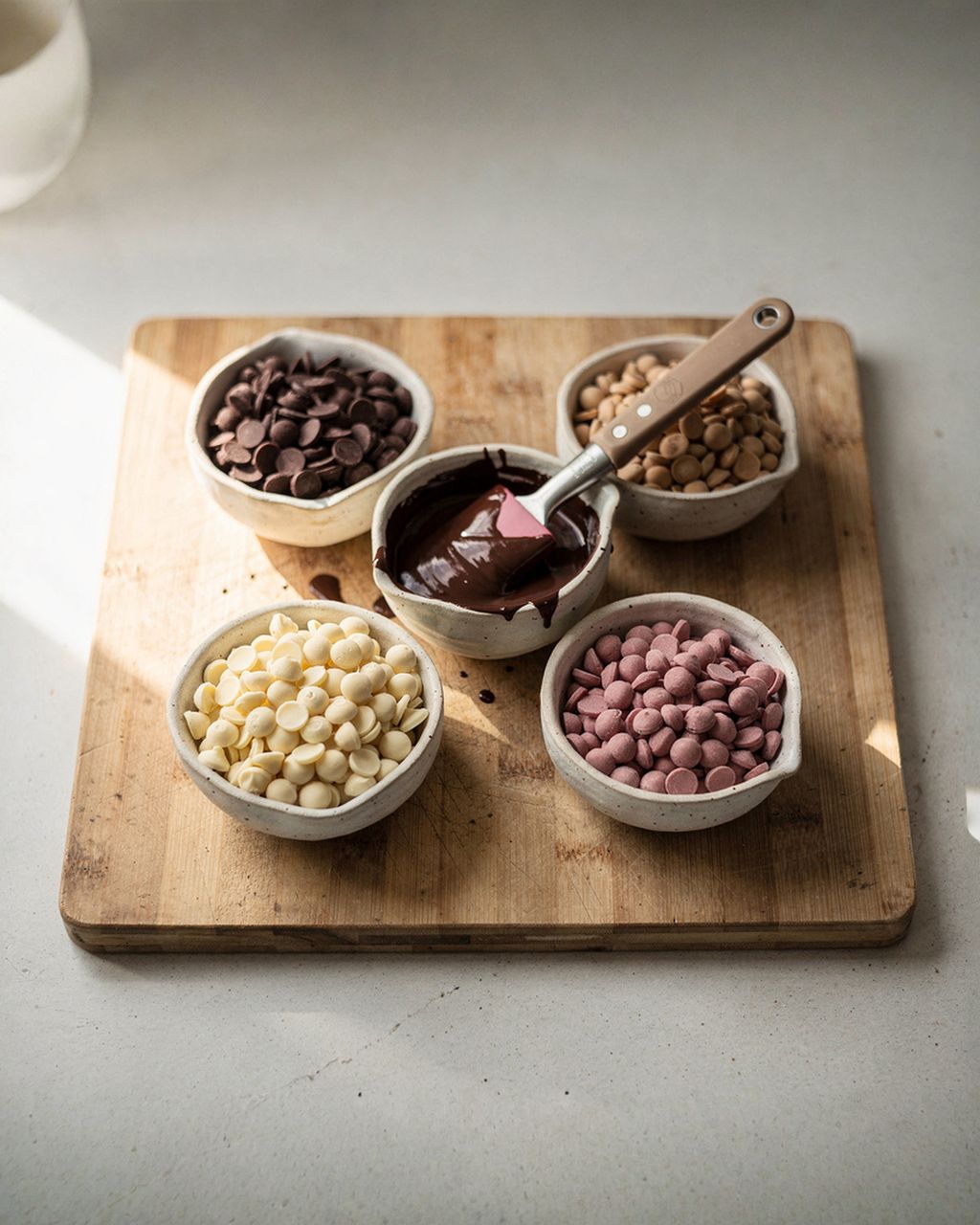
Callebaut Dark Chocolate Callets (811) 400g
Homemade Chocolate Bars with Edible Flowers & Nuts: A Gift-Worthy Recipe
Updated Oct 8, 2026
Homemade chocolate bars with edible flowers and nuts come together from just three things: good-quality chocolate, toasted nuts, and dried edible flowers. You temper the chocolate, pour it into a mould or onto paper in a 4–5 mm layer, sprinkle on the toppings while it's still liquid, and let it set somewhere cool. The whole thing takes about an hour. Two things make all the difference: tempering, which gives the chocolate its shine and clean snap, and dry toppings, which won't make the chocolate go soggy. Below you'll find the method, tried-and-tested flavour combinations, and how to package the bars so they arrive looking just as good as when you made them.
For homemade chocolate bars, couverture — pastry-grade chocolate with a higher cocoa butter content — works best. It flows well, tempers reliably, and sets with a good shine and a clean snap. You'll find the difference between couverture and everyday chocolate in our article Couverture chocolate: how is it different from regular chocolate?.
In practice, you have three options:
Couverture (such as Callebaut callets): the best flavour and shine, but you do need to temper it. It's the best choice for a gift.
Good-quality chocolate bars from the shop (70% for dark): these work too, but they're thicker and don't spread as thinly. You still need to temper them.
Chocolate-flavoured coating (made with vegetable fat instead of cocoa butter): no tempering needed, and it always sets firm. But it tastes waxy and doesn't melt on the tongue like real chocolate. Fine for a quick craft session with kids, not for a gift.
From the Callebaut range, dark 811 (54.5% cocoa) works well for bars — bold enough to stand up to almost anything, from nuts to rose. White W2 (28% cocoa) makes an ideal backdrop for colourful flowers. Ruby RB2 is naturally pink with a light fruitiness, so it pairs beautifully with rose buds. We explain what the numbers on the bag mean in Callebaut 811, 823, W2 and RB2.
How much chocolate you need: a standard gift bar weighs 80–100 g. If you're breaking chocolate from a slab, use about 300 g for a 20 × 25 cm area. That gives you a 4–5 mm layer, thick enough to hold toppings without snapping too easily.
Yes — if you want your chocolate bars glossy, firm, and free of grey bloom, you need to temper the chocolate. Untempered chocolate sets dull, develops grey streaks within a few days, and melts too easily in your hand. Tempering coaxes the cocoa butter into forming stable crystals. We explain why chocolate turns grey in How to store chocolate (and why it turns grey).
The easiest method at home is seeding:
Melt two-thirds of the chocolate over a water bath or in the microwave in 20–30 second bursts, stirring each time. Heat dark chocolate to 45–50°C (113–122°F), milk and white to around 45°C (113°F).
Stir in the remaining third of the callets and keep mixing until they've melted and the chocolate has cooled to working temperature.
Callebaut's recommended working temperatures: dark 31–32°C (88–90°F), milk 29–30°C (84–86°F), white 28–29°C (82–84°F). Ruby behaves similarly to milk chocolate.
The test: dip the tip of a knife or a strip of baking paper into the chocolate and leave it at room temperature. If it sets glossy and streak-free within 5 minutes, it's tempered. If it stays tacky, add a few more callets and keep stirring.
Watch out for water — even a drop of condensation from the water bath will thicken the chocolate into a lumpy mess you can't temper. Dry the bowl thoroughly and keep the heat low.
Homemade chocolate bars come together in seven steps: prepare your toppings, line your mould, temper the chocolate, pour it into a 4–5 mm layer, sprinkle the toppings within 2 minutes, let it set at 15–18°C (59–64°F), then break it into pieces. Have your toppings ready in advance — once the chocolate is poured, you only have 2 minutes before it starts to set.
Prep the toppings first. Toast the nuts and let them cool completely. Sort the flowers into separate bowls. Warm toppings would throw off the temper.
Line your mould or tray. Line a baking sheet with baking paper, or better still, acetate sheet, which gives the underside of the bar a mirror shine (more in Acetate (chocolate transfer) sheets). A silicone or polycarbonate bar mould also works well.
Temper the chocolate as described above.
Pour and spread it into a 4–5 mm layer. An angled spatula helps if you're working on paper. Tap the mould a few times on the counter to release any air bubbles.
Add the toppings within 2 minutes. Scatter the larger pieces first (nuts, rose buds), then the smaller ones (petals, sprinkles). Press the larger pieces in gently so they stick. Once the surface starts to set, nothing will hold.
Let it set at 15–18°C (59–64°F) for 30–60 minutes. If you're in a hurry, chill it in the fridge for no more than 10–15 minutes. Longer chilling causes condensation and a white sugar bloom once it comes out.
Break or cut into pieces. For clean, even pieces, warm a knife in hot water, dry it, and cut in one firm motion.
Pistachios, hazelnuts, almonds, and pecans work best on chocolate bars. Toasted, they're crunchier and have more flavour. Toast hazelnuts, almonds, and pecans in the oven at 160°C (320°F) for 8–12 minutes, until fragrant and lightly golden inside. Rub hazelnuts in a tea towel afterwards to loosen the skins.
How much: around 25–40 g of nuts per 100 g of chocolate. Any more and they tend to crumble off the bar.
Size: halves or roughly chopped pieces. Finely ground nuts just look like dust and get lost visually.
Pistachios can be left untoasted, or toasted briefly at 160°C (320°F) for just 3–5 minutes. This keeps their green colour, which pairs beautifully with rose.
A pinch of flaky sea salt on dark chocolate with nuts is a small trick with a big payoff.
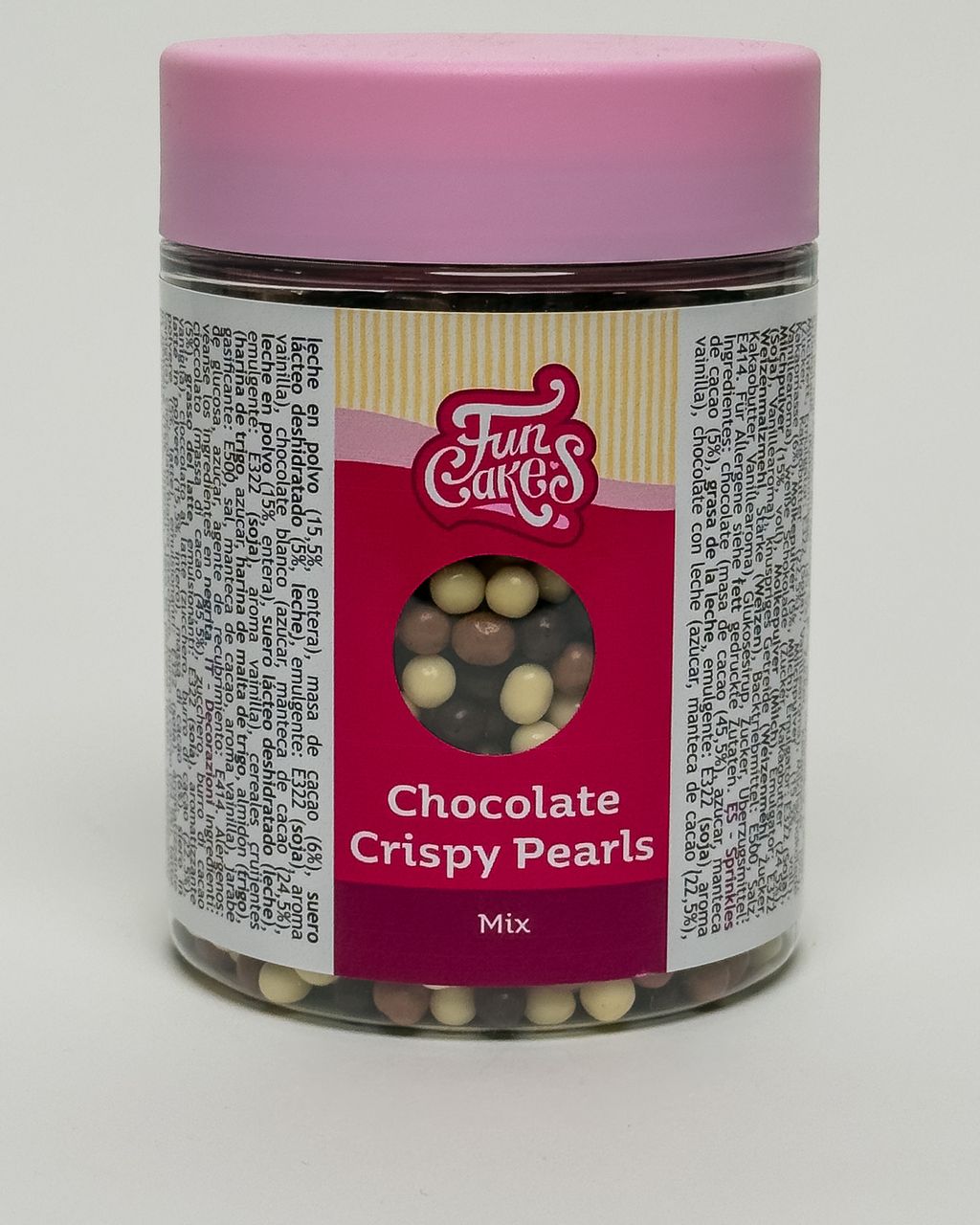
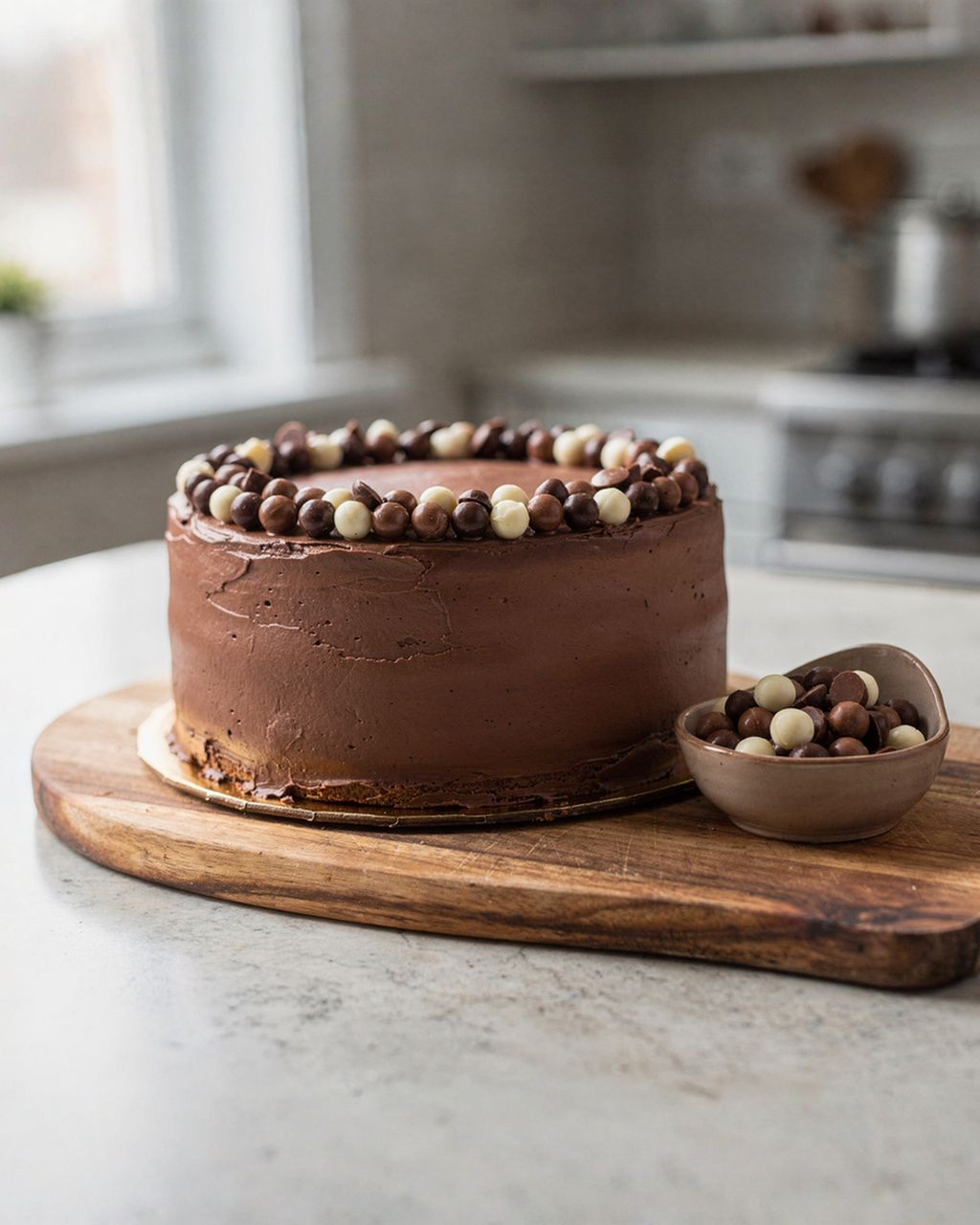
If you want crunch without nuts, go for crispy pearls. They hold their shape on the bar and stay crisp thanks to their chocolate coating. FunCakes Chocolate Mix (white, milk, and dark pearls) adds a nice contrast of colours. For more ways to use them, see Crispy pearls: how to use them in cakes and sweets.
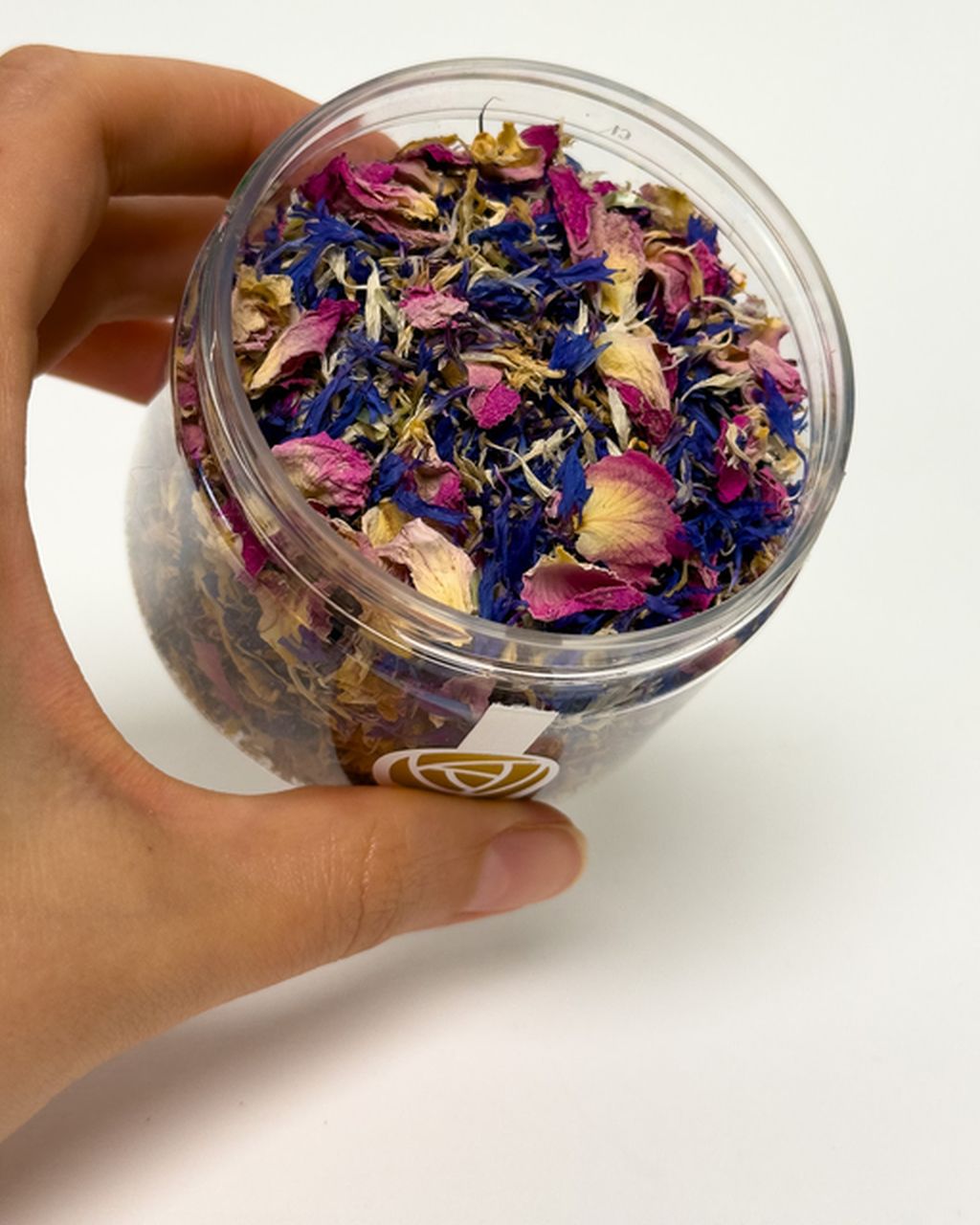
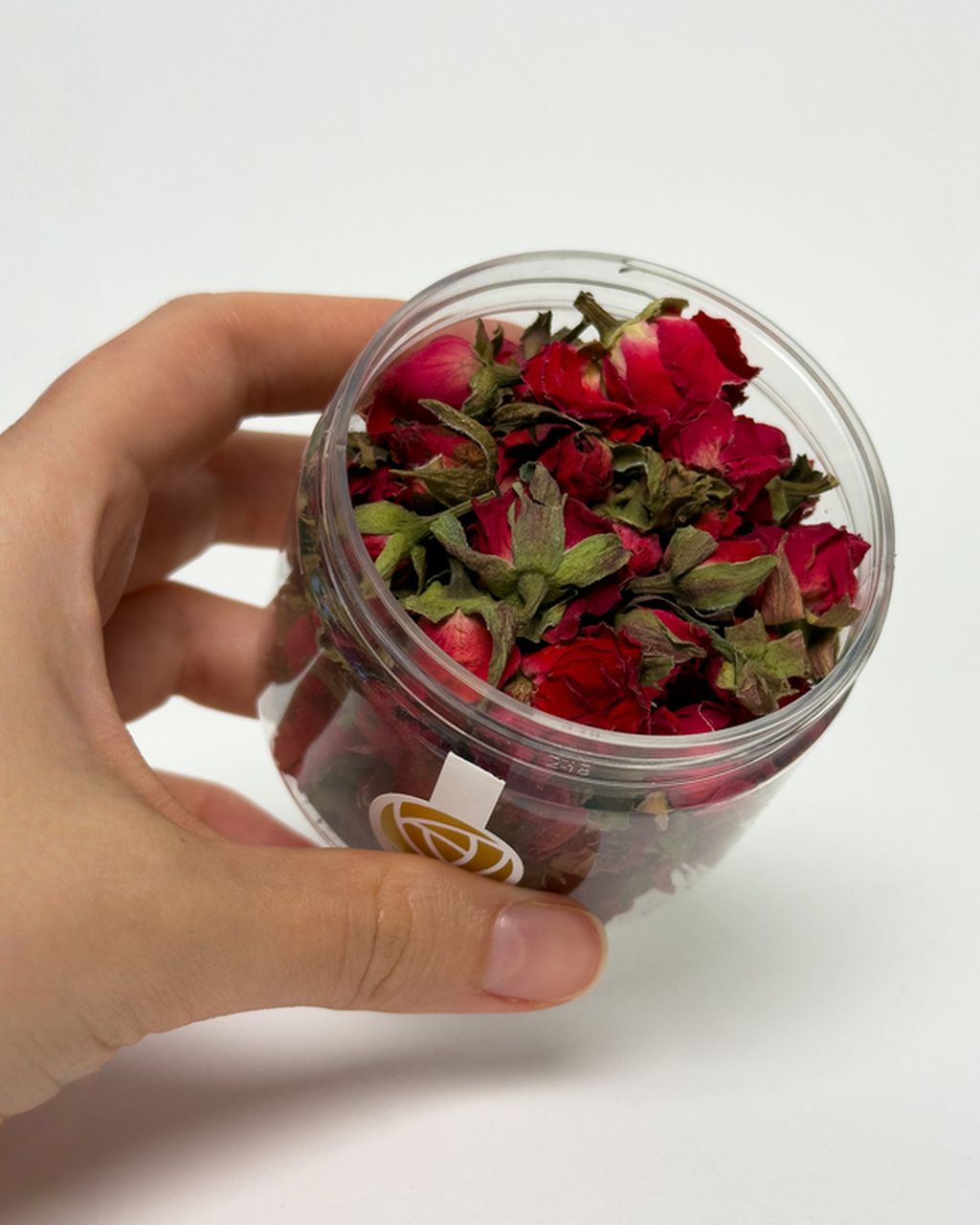
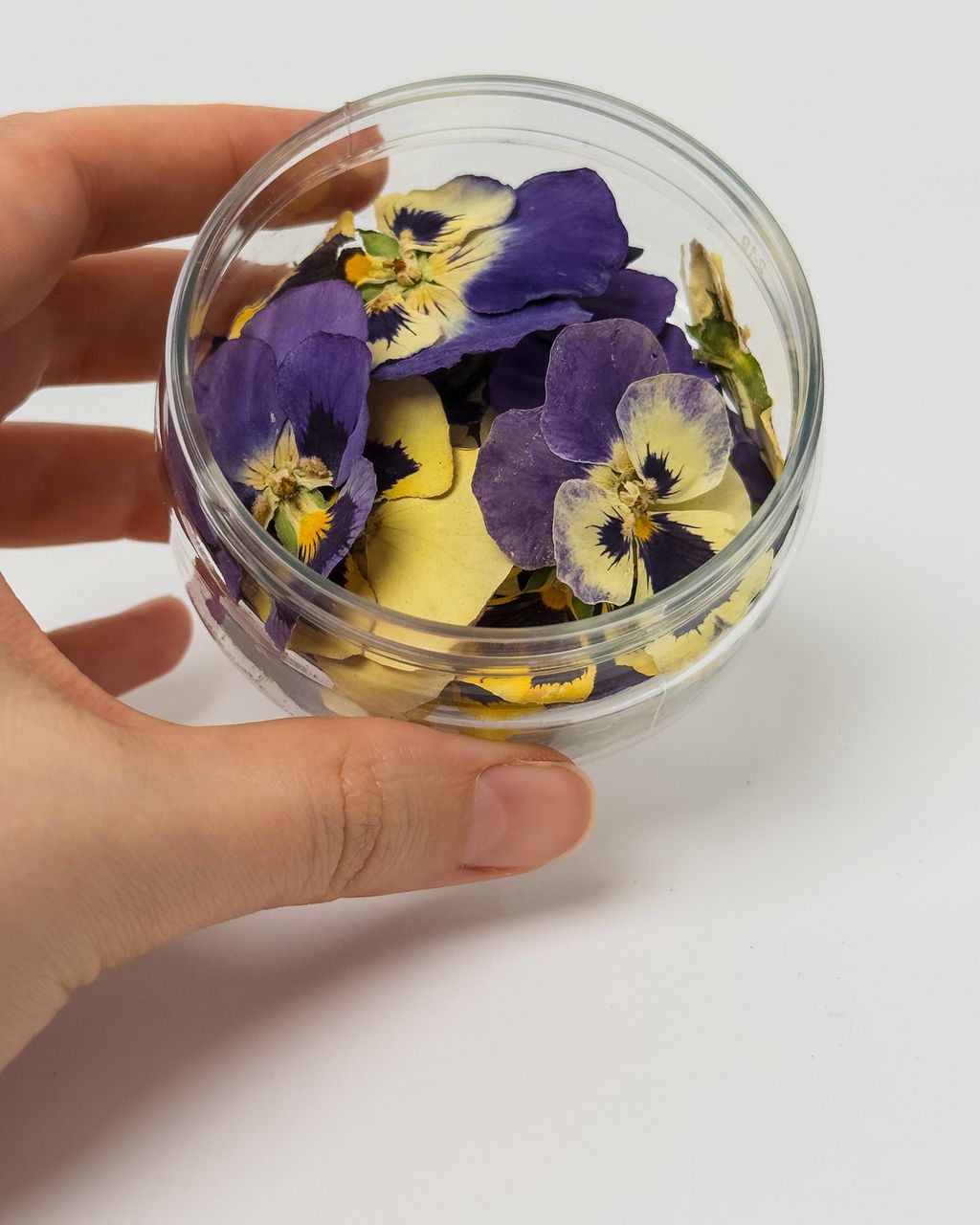
Dried edible flowers work best on chocolate bars: Damask rose, cornflower, pansies, and rose buds all hold their colour and shape for weeks and won't make the chocolate go soggy.
Damask rose: delicately scented petals. Pairs best with dark, ruby, and white chocolate.
Cornflower: deep blue and nearly flavourless. Mainly used for colour — it really stands out on white chocolate.
Pansies: whole flat blooms that look almost pressed. They look elegant on a bar and show best when placed individually.
Rose buds: whole dried buds. They're larger and more striking, so use just 3–5 per bar and press them gently into the chocolate — or crumble them into petals instead.
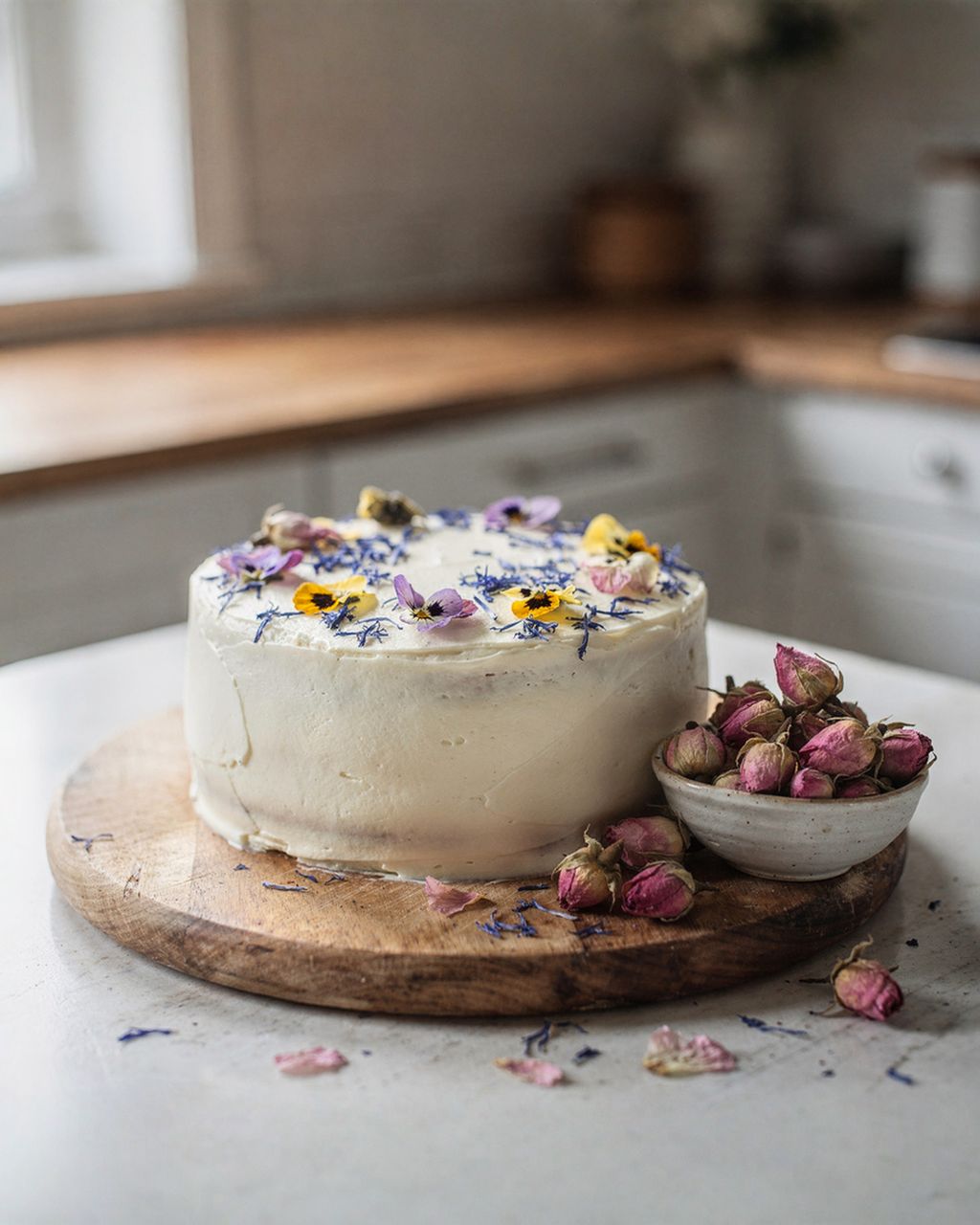
Here you'll find dried Rosie Rose flowers: a mix of Damask rose and cornflower in Sapphire Blue, pansies, and cherry-red rose buds. See the full range on our dried edible flowers page. Beyond our own range, dried lavender also works on chocolate (go easy — a pinch is enough, or it tastes like soap), as do marigold and freeze-dried raspberries, which add a touch of tartness.
Use flowers sparingly — 1–2 g per 100 g of chocolate is plenty. For more on working with them, see Dried edible flowers and rose buds: where to use them and how to work with them.
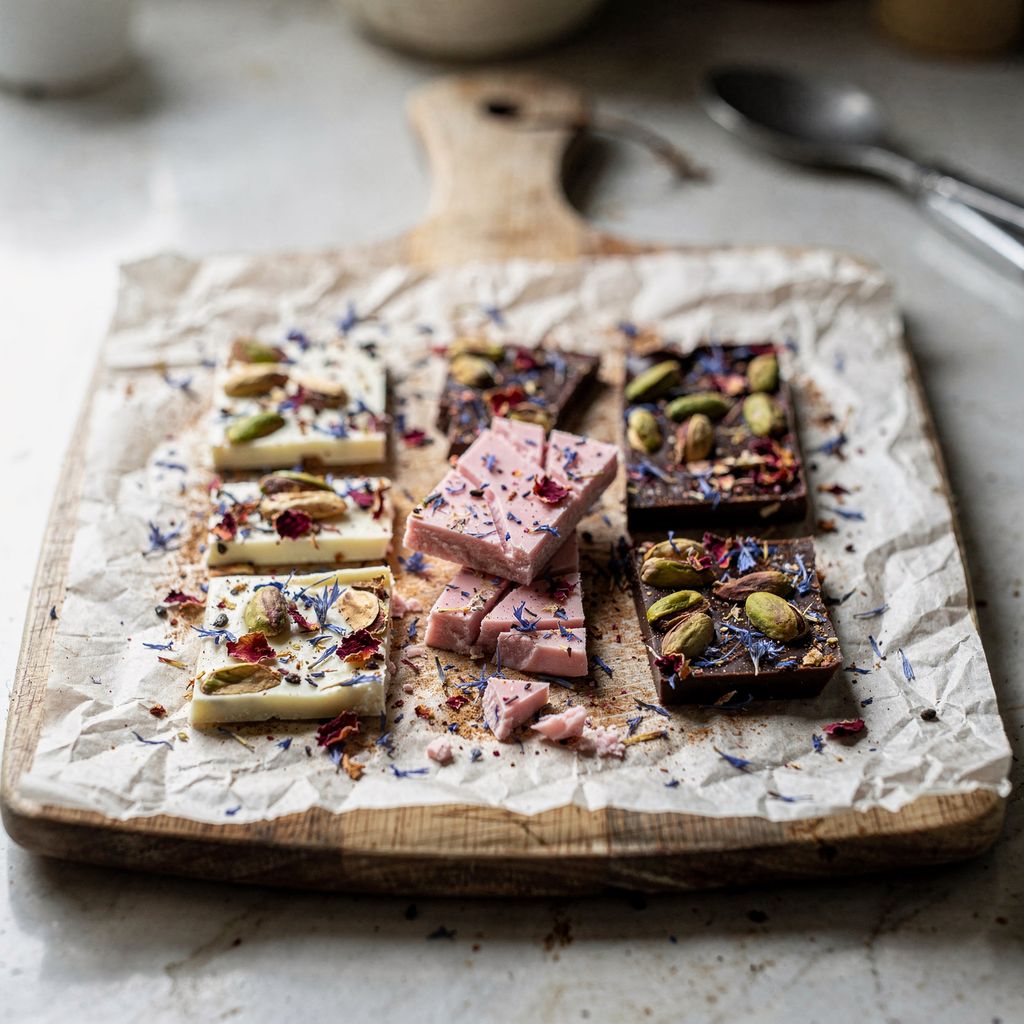
Five combinations have proven themselves for homemade chocolate bars: dark chocolate with rose and pistachios, white chocolate with cornflower and raspberries, ruby with rose buds and almonds, milk chocolate with hazelnuts and crispy pearls, and dark chocolate with pecans and salt.
Dark 811 + Damask rose + pistachios: a classic, with dark, pink, and green in contrast. The rose scent really comes through against dark chocolate.
White W2 + cornflower + freeze-dried raspberries: blue and red against white. The tart raspberries balance out the sweetness of white chocolate.
Ruby RB2 + rose buds + almonds: a whole bar in shades of pink. Perfect for Valentine's Day or a wedding.
Milk chocolate + hazelnuts + crispy pearls: the safest choice for kids, or anyone who's not keen on dark chocolate.
Dark chocolate + pecans + flaky salt + pansies: a lovely autumn or Christmas combination. The pansies add elegance, the salt adds flavour.
Once you've got the hang of tempering, try two chocolates together. Pour the dark chocolate first, swirl in a few spoonfuls of white with a fork or skewer to create a marbled effect, then add the toppings.
Tempered chocolate bars with nuts and dried flowers stay at their best for 2–3 weeks when stored somewhere dry, dark, and at 15–18°C (59–64°F). The chocolate itself keeps longer — according to chocolatiers, it's mainly the nuts that shorten shelf life, as their fat gradually turns rancid. The flowers will also fade in light over time.
Packaging: cellophane bags, paper boxes with a window, or simply wrap the bar in baking paper and then in gift wrap. Separate layers with baking paper so the toppings don't rub off.
Never store in the fridge. Once taken out, moisture condenses on the chocolate and leaves a white film.
Transport: above 25°C (77°F), chocolate starts to soften. In summer, use a cool bag with an ice pack, but keep the bars wrapped separately from it with a tea towel in between.
Label: note the type of chocolate, the nuts used (for allergy purposes), and the date made.
To round out a gift box, add some chocolate truffles — you can make them from the same chocolate.
Homemade chocolate bars almost always turn grey, lose their shine, or shed their toppings for one of four reasons: wrong temperature, water, the fridge, or sprinkling toppings too late.
Grey streaks and a dull surface: the chocolate wasn't properly tempered, or it overheated past its working temperature while you worked. Melt it down and temper it again.
Thick, grainy chocolate: water or steam got into it. It's no longer suitable for bars, but you can still use it for hot chocolate or in a batter.
White powdery film: condensation after refrigeration — sugar on the surface dissolved and then recrystallised.
Toppings falling off: you sprinkled them too late, once the chocolate had already started to set. Next time, have your toppings ready beforehand and add them within 2 minutes of pouring.
You can use fresh edible flowers on chocolate bars, but only if the bars will be eaten that same day. Fresh flowers wilt within a few hours and release moisture, so the bar quickly loses its good looks. For a gift meant to last, use dried flowers instead.
Make vegan chocolate bars using dark chocolate with no milk, and top them the same way as regular ones, since both nuts and dried flowers are plant-based. Just always check the ingredients list on dark chocolate: some contain milk fat or milk powder, and many carry a 'may contain traces of milk' warning. Instead of milk or white chocolate, reach for a plant-based alternative, such as one made from oats or rice. Temper it according to the temperatures given on the manufacturer's packaging.
You can replace nuts with toasted pumpkin or sunflower seeds, crispy pearls, or freeze-dried fruit. But check the packaging on all your ingredients, including the chocolate itself, for 'may contain traces of nuts' warnings, since these are often processed in the same facility.
You can post homemade chocolate bars as long as it's not over 25°C (77°F) outside; in warm weather, send them by express delivery with a cooling pack, or wait for cooler days. Layer the bars with baking paper, pack them into a sturdy box, and fill any gaps so they can't shift around.
Yes, you can use edible gold or shimmer powder on homemade chocolate bars — add it as part of the topping while the chocolate is still liquid. Apply gold leaf with a dry brush, and dust shimmer powder lightly through a sieve. On a bar with flowers, use just a few flecks of gold or powder, or they'll overpower the flowers' colours.
One recipe worth heating the oven for, one tip, and one deal from the shop. Nothing else.