Homemade bread
Dried vs. Fresh Yeast: The Conversion and How to Get a Good Rise
Updated Sep 18, 2026
To convert fresh yeast to dried, divide by three: a 42 g cube of fresh yeast equals roughly 14 g of instant dried yeast, or two 7 g sachets. It works the other way too — one 7 g sachet replaces half a cube, i.e. 21 g of fresh. That's the whole of the maths. The rest comes down to what the swap actually does to your rise: instant dried yeast gets going almost as fast as fresh, and only active dried yeast is slower off the mark, since it needs rehydrating first — and both behave differently in a sweet dough than in a bread dough.
A 42 g cube of fresh yeast equals 14 g of instant dried yeast, or two 7 g sachets — divide fresh by three, multiply dried by three.
42 g fresh (a whole cube) = 14 g instant dried = 2 sachets of 7 g
21 g fresh (half a cube) = 7 g instant = 1 sachet
10 g fresh = roughly 3.3 g instant = roughly 1 level teaspoon
7 g instant (1 sachet) = 21 g fresh
14 g instant (2 sachets) = 42 g fresh
The reason is simple and worth knowing, because then you can work out the ratio yourself without a chart: fresh yeast is about 70% water, while instant dried yeast is only around 3% water. You're not converting yeast cells, you're converting water content. That's why the factor of three.
One thing to watch — the rule of three applies to instant dried yeast: the fine granules sold in 7 g sachets, which is what you'll find most often here. Active dried yeast (coarser pellets, common in overseas recipes) is dried at a higher temperature, so some of the cells die off and the same weight has weaker rising power — which is why you divide by 2.5, not 3. The gap between 2.5 and 3 won't ruin a home bake, but you'll notice it in a long-proved loaf of bread.
Multiply fresh yeast by 0.33 for instant dried, and by 0.4 for active dried; going the other way, multiply instant by three. Four multipliers that cover every recipe you'll meet:
fresh → instant dried: × 0.33 (divide by 3)
fresh → active dried: × 0.4 (divide by 2.5)
instant dried → fresh: × 3
active dried → instant: × 0.8 (you'll also see 0.75 or 0.83 quoted — for a home batch the difference is negligible)
Example: a recipe calls for 30 g fresh yeast. 30 ÷ 3 = 10 g instant, i.e. one and a half sachets. If you don't have scales that measure tenths of a gram, use the rule that a level teaspoon of dried yeast weighs roughly 3 g — so 10 g works out to about three teaspoons.
And the other way round: a recipe from a British or American site calls for "2 tsp instant yeast." That's about 6 g, so roughly 18 g fresh yeast — just under half a cube. A whole 7 g sachet is 2¼ teaspoons.
For 500 g of flour, use 10–15 g fresh yeast (3–5 g instant) for a standard white dough; 20–25 g for a sweet dough; and just 1–2 g for an overnight fridge prove. Broken down by dough type and proving time:
Sweet yeasted dough (buns, sweet pastries, festive braided loaf): 20–25 g fresh, i.e. 7–8 g instant
White bread rolls and buns (1.5–2 hours proving): 10–15 g fresh, i.e. 3–5 g instant
Bread proved 3–4 hours at room temperature: 5–8 g fresh, i.e. 2–3 g instant
Dough left to prove overnight in the fridge (pizza, bread): 1–2 g fresh, i.e. 0.3–0.7 g instant
In baker's percentages — that is, as a share of flour weight — these are the same quantities: fresh yeast at 2–3% for white bread, 1–1.6% for longer-proved bread, and 4–5% for rich sweet dough; instant dried at 0.6–1%, 0.3–0.5% and 1.4–1.7% respectively. For a cold overnight prove, go as low as 0.2–0.4%, calculated on fresh yeast (i.e. 0.07–0.13% instant) — the yeast has eight to twelve hours to work, so it only needs a fraction of the usual amount.
And here's the key thing most recipes never spell out: more yeast isn't better yeast. Over-dosed dough rises fast, but ends up with a coarser crumb, a shorter shelf life, and that unmistakable yeasty aftertaste people wrongly blame on dried yeast. If your dough needs to be ready in an hour, add warmth, not yeast.
The term "dried yeast" on a shop shelf can mean three different products, and only two of them actually make dough rise:
Instant dried yeast — fine granules, added straight to the flour, nothing to dissolve. This is the standard 7 g sachet. The ratio to fresh is 1:3.
Active dried yeast — coarser pellets that need 10 minutes in lukewarm liquid before going into the flour. Common in overseas recipes. The ratio to fresh is 1:2.5.
Nutritional (flaked) yeast — inactive, doesn't rise dough at all. It's a savoury, cheese-like seasoning, not a leavening agent. Mistaking it for baker's yeast is the quickest way to write off an entire batch of dough.
How to tell them apart without testing: check the instructions on the pack. "Add directly to flour" means instant. "Dissolve in lukewarm liquid and leave for 10 minutes" means active dried. Nutritional yeast comes in flakes and is usually sold in bigger packs than baker's yeast; you won't find any proving instructions on the label — instead it'll say "not for rising" and suggest using it to season dips, sauces, or popcorn.
Crumble fresh yeast into 50–100 ml of lukewarm milk or water at 30–35 °C, add a teaspoon of sugar and a tablespoon of plain flour, stir, and leave somewhere warm for 10–15 minutes. If a foam cap forms on top and the mixture noticeably grows in volume, the yeast is alive and well and you can add it to the flour.
Why it's worth doing even if you're in a rush: proofing isn't magic, it's a test. You find out in fifteen minutes what you'd otherwise only discover after two hours of dough refusing to rise in the bowl. Sugar isn't strictly necessary — the yeast can feed on starch from the flour just fine — but it makes the reaction faster and easier to see.
If nothing happens after 15 minutes and the surface stays flat, the yeast is dead. Don't try to save it by waiting longer or adding more sugar. This method also doubles as a general test of rising power — we'll refer back to it throughout the article.
Instant dried yeast doesn't need activating — mix it straight into the dry flour, then add the liquid. That's exactly why it's called "instant": the granules are fine enough to rehydrate directly in the dough.
Active dried yeast does need activating. Without 10 minutes in lukewarm liquid, the coarser pellets won't fully dissolve, and some will sit in the dough as inactive dead weight.
You can also proof instant yeast (same method as above, just use a third of the amount), and it's the cheapest way to check whether that sachet that's been sitting in your drawer for a year still has any life in it.
Instant dried yeast gets going nearly as fast as fresh. Sprinkled straight into the flour, it rehydrates within the dough itself, adding at most a few minutes to the first rise. Expect a 15–20 minute delay on a one-hour rise only with active dried yeast, which needs to dissolve in lukewarm liquid first — and even then it catches up: by the second rise, the difference is practically zero, since by that point the yeast population is fully active either way.
What doesn't change: crumb structure, loaf height, or the dough's ability to hold its shape. Both are the same strain, Saccharomyces cerevisiae, just preserved differently.
And flavour? The difference is smaller than people think. A pronounced "yeasty" smell is usually caused not by the type of yeast but by the quantity used and too short a rise in too warm an environment. If your bake tastes of yeast, cut the amount by a third and let it prove longer and cooler.
Go by the dough, not the clock. You'll know the first rise is done when the dough has doubled in size and a finger pressed into it springs back slowly and only partway. For exact ratios and times for specific doughs, see our guide to yeasted dough for sweet buns and dumplings.
Once sugar exceeds roughly 5% of the flour's weight, the rise slows down — sugar is hygroscopic and draws water away from the yeast cells, which slows their metabolism. It's not a fault with the yeast or an error in the conversion, it's simple chemistry.
Do the maths: 500 g of flour with 100 g of sugar works out to 20%, which is clearly a sweet dough. A dough like that can easily take twice as long to rise as a bread dough with the same amount of yeast. Fat and egg yolks slow things down too, since they coat the gluten strands and get in the way of the network forming.
What to do about it:
Give it time. The simplest and tastiest fix — for a festive braided loaf or other rich sweet dough, plan on 90–120 minutes for the first rise.
Add a third more yeast. Bump 7 g of instant up to 9–10 g. It works, but at the cost of a slightly coarser flavour.
Reach for osmotolerant yeast. A special strain of instant yeast (sold abroad as "gold" yeast) is designed exactly for doughs with sugar above roughly 5% of the flour's weight.
Split the sugar. Add part of it only after the first rise, once the dough's texture allows for it.
And don't tip sugar directly onto the yeast in concentrated form — a teaspoon in a proofing mixture is fine, a handful isn't.
Fresh yeast makes sense if you bake often and go for rich doughs. It's easy to portion by eye (the cube cuts cleanly into halves and quarters), and it's the default in traditional recipes, where the quantities are already calibrated for it — no conversion needed.
Instant dried yeast wins out if you bake occasionally. It keeps in a drawer for a year, saves you a trip to the shop, and it's much easier to measure out in tenths of a gram for long, cold-proved doughs — you can't slice 1.5 g off a cube, but you can easily sprinkle that much from a sachet.
A few specific cases:
Bread and bread rolls — small amount of yeast, long rise. Ideal for instant dried; try it in a homemade loaf or homemade sandwich bread.
Overnight-proved pizza dough — 1–2 g fresh per 500 g flour, or 0.5 g instant. Here a sachet is more practical than a cube; give it a go with this foolproof homemade pizza dough.
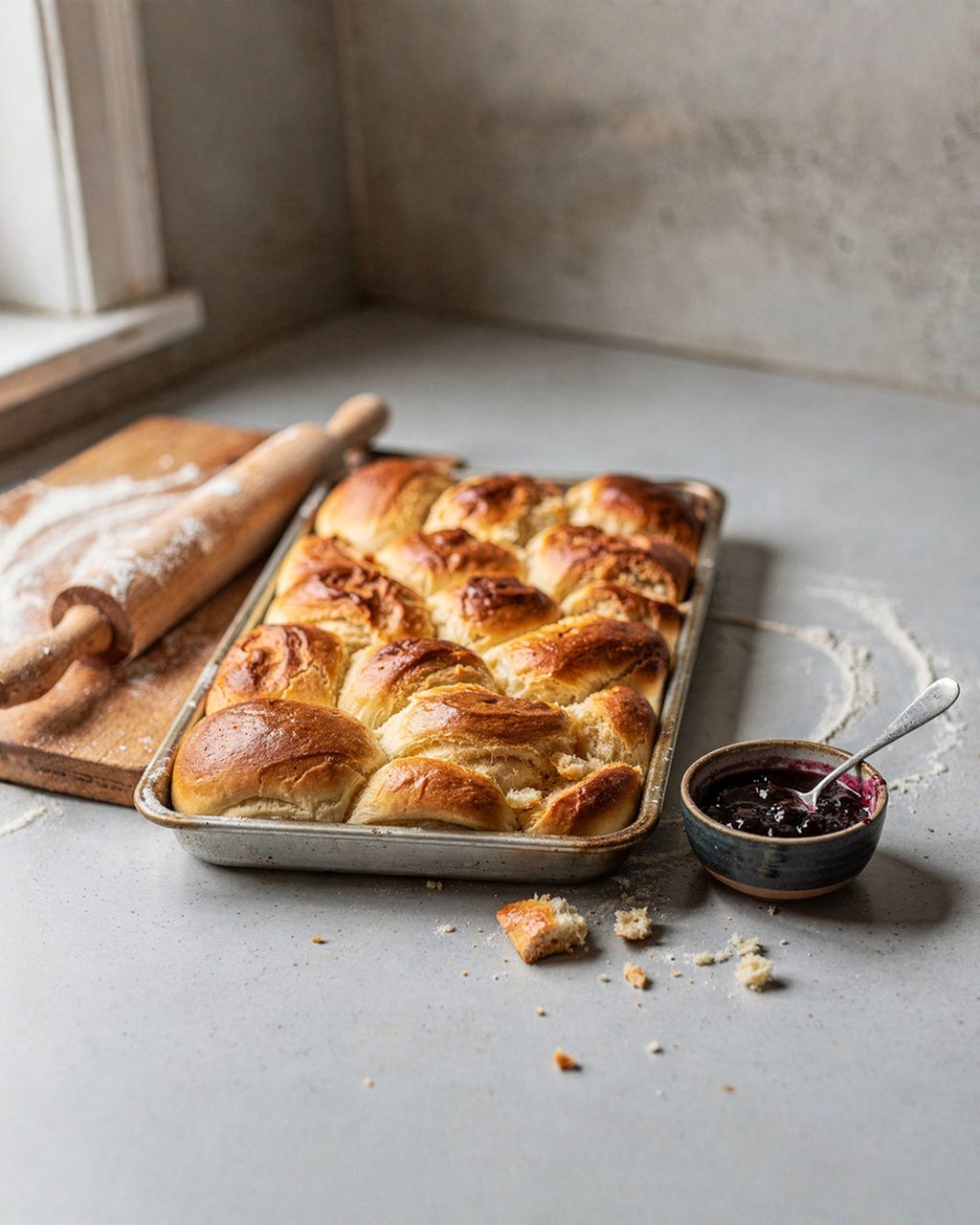
Sweet yeasted dough — festive braided loaf, buns, sweet pastries. Fresh yeast is the classic choice, but instant works just as well.
Yeasted dumplings — need a soft, well-risen dough, like the one for fruit-filled yeasted dumplings. The type of yeast doesn't matter here — proving temperature is what counts.
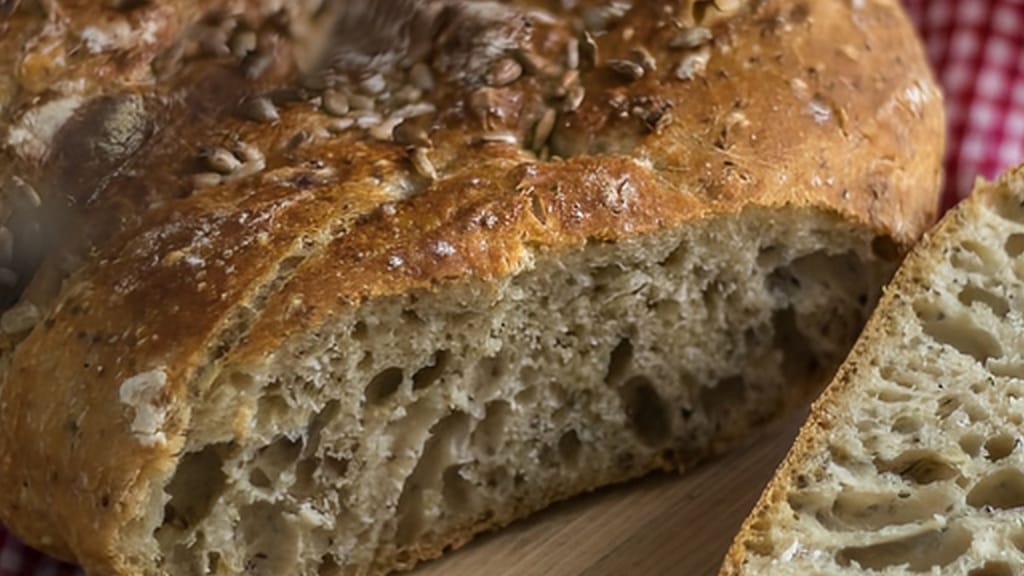
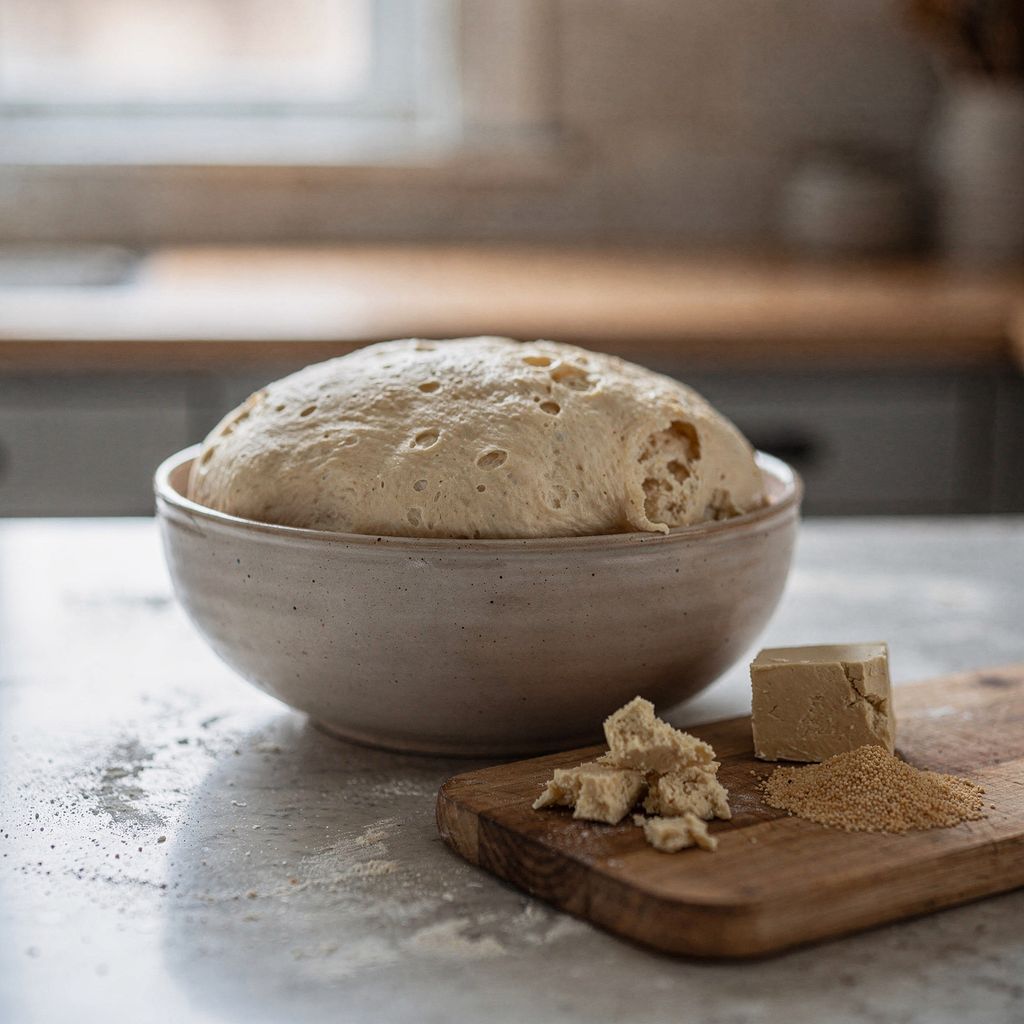
Homemade bread
Homemade bread: little yeast, long rise — exactly where instant dried yeast shines
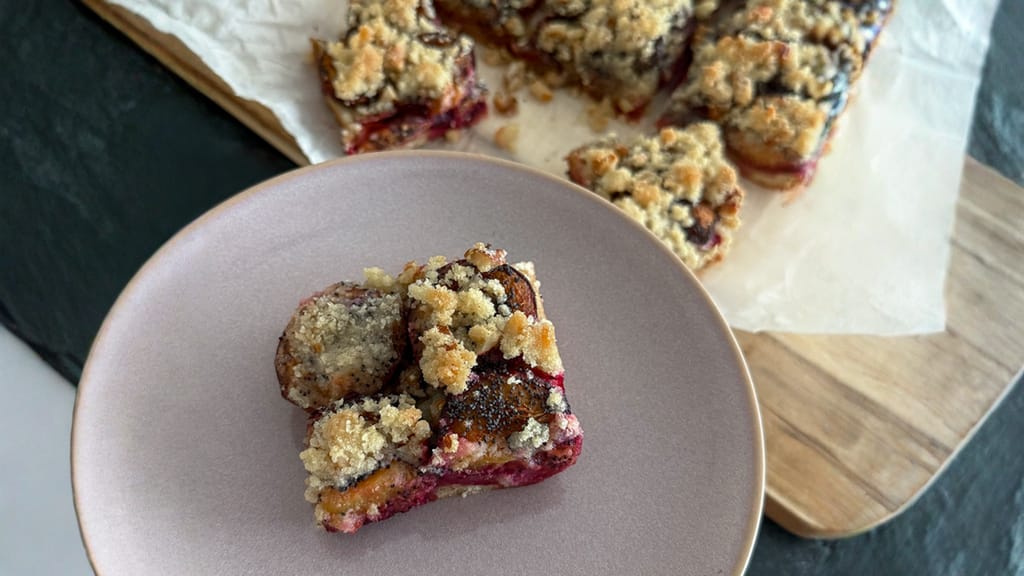
Classic yeasted plum sheet cake with crumble topping
Classic yeasted plum cake with crumble topping: a sweet dough that rewards a slow, unhurried rise
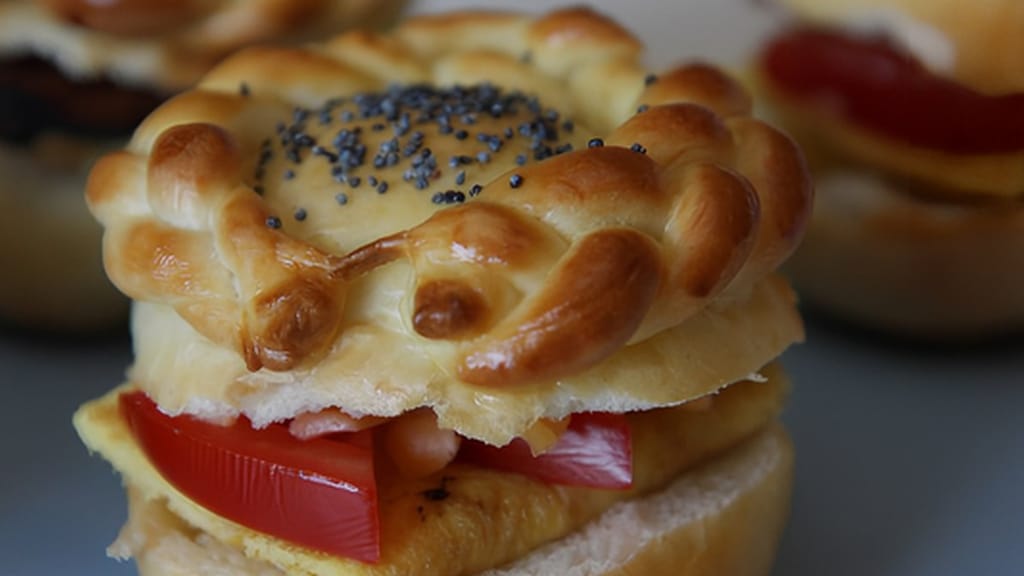
Bread rolls – not just for breakfast
Rolls, not just for breakfast: a white dough using 10–15 g fresh yeast per 500 g flour
Five mistakes behind most failed rises:
Swapping 1:1 without converting. Using 42 g dried instead of 42 g fresh — three times too much. The dough shoots up, collapses, and tastes strongly of yeast.
Nutritional yeast instead of baker's yeast. It won't rise, no matter how long you wait.
Liquid that's too hot. Above 50 °C you start damaging the yeast, above 60 °C you kill it. See the warning above.
Using thawed yeast blind. Freezing weakens the rising power, and the only way to tell how much is left is to proof it — see the storage section for the method and dosing.
Pouring yeast directly onto salt. Salt won't kill yeast in a normal dough — at the usual 2% of flour weight it just slows it down slightly, which is actually good for flavour and structure. But direct contact can kill it: don't let yeast sit in a pile of salt — add it to the opposite side of the bowl and mix it into the flour first.
Fresh yeast keeps in the fridge for roughly two weeks unopened and about a week once opened, while unopened dried yeast lasts a year or more at room temperature. In detail:
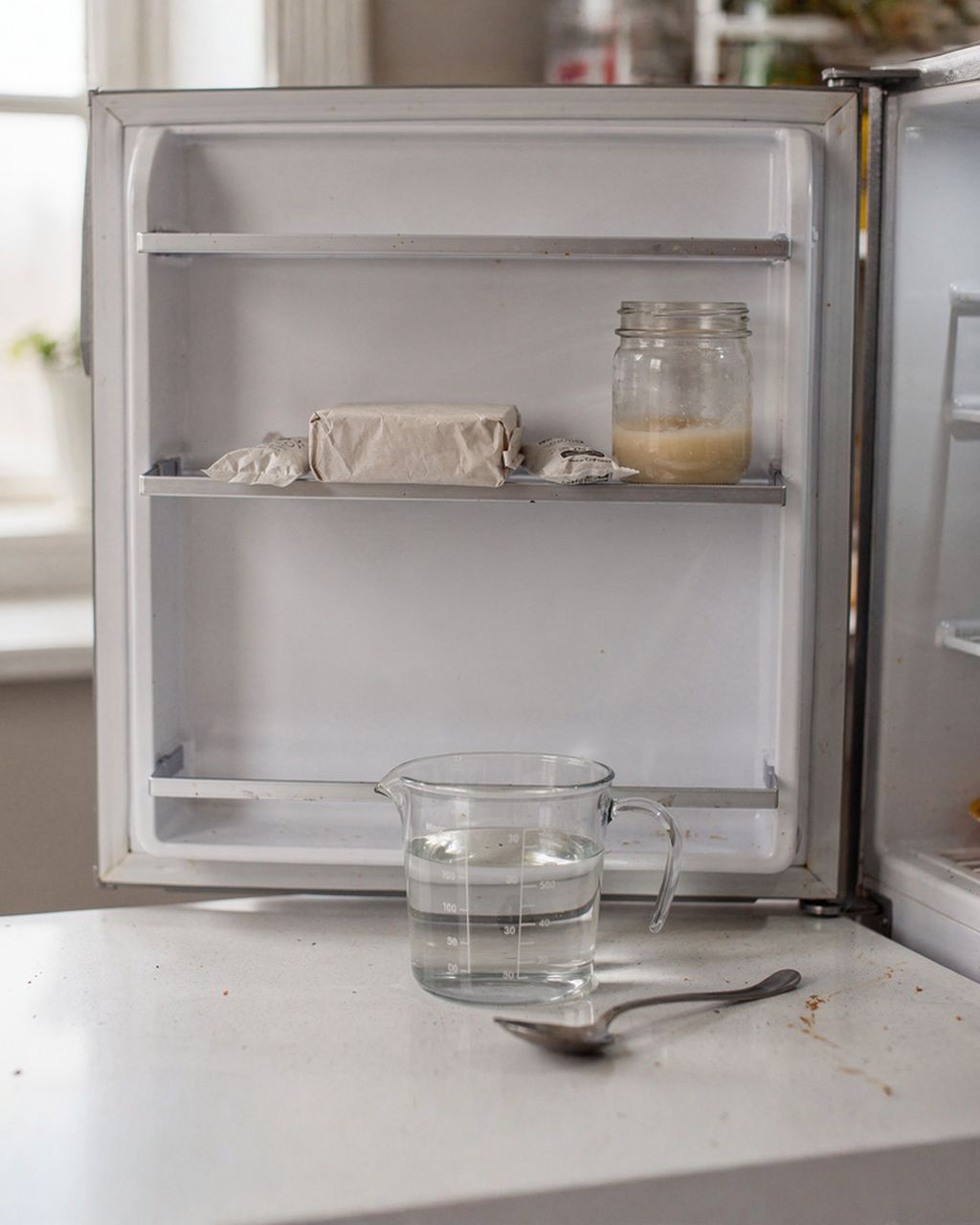
Fresh, unopened: fridge below 8 °C, 10–14 days, generally up to the date on the pack.
Fresh, opened: up to a week, wrapped well in foil or in a sealed container — it dries out even in the fridge.
Fresh, frozen: cut the cube into 10–20 g portions, wrap individually, and it'll keep for about 3 months. Thaw slowly in the fridge, never in the microwave, and proof it after thawing — the foam will tell you how much strength is left. You'll usually need to increase the amount slightly, since some of the yeast won't survive freezing.
Dried, unopened: a year or more, somewhere dry and away from the stove. Moisture is a bigger enemy than heat.
Dried, opened sachet: transfer to an airtight container — about 4 months in the fridge, up to 6 months in the freezer.
Not sure if a year-old sachet still works? Check it with a proofing test using a third of the usual amount (method above) — it costs you one teaspoon of flour and can save an entire batch of dough.
No — in a yeasted dough they can't stand in for one another. Baking powder releases carbon dioxide within minutes, and mostly once it hits the oven, whereas yeast works for hours, building flavour compounds and stretching out the gluten network along the way. A batch of sweet buns made with baking powder instead of yeast comes out as a dense, flavourless flatbread. It works the other way round too: you won't get a proper rise on a Bundt cake or muffins using yeast.
Both work, and water and milk give the same rising power. Milk adds a softer crumb and a more golden crust thanks to its natural sugar and fat, so it suits sweet doughs; water gives a cleaner flavour and a crisper crust, which is what you want for bread and pizza. One practical difference: the foam cap on a yeast starter is much easier to see in water, so if you're testing old yeast, reach for water.
Yes — the date on the pack guarantees full rising power, not a hard cut-off for usability. Dried yeast typically still works up to a year past the date, just with less strength — bump up the quantity slightly depending on how quickly and vigorously the starter foams up. With fresh yeast, trust your senses first: it should be pale cream, crumbly, and smell cleanly of yeast; a darkening, sticky cube with a musty or sour smell has no business going into your dough, even if the date is technically still valid.
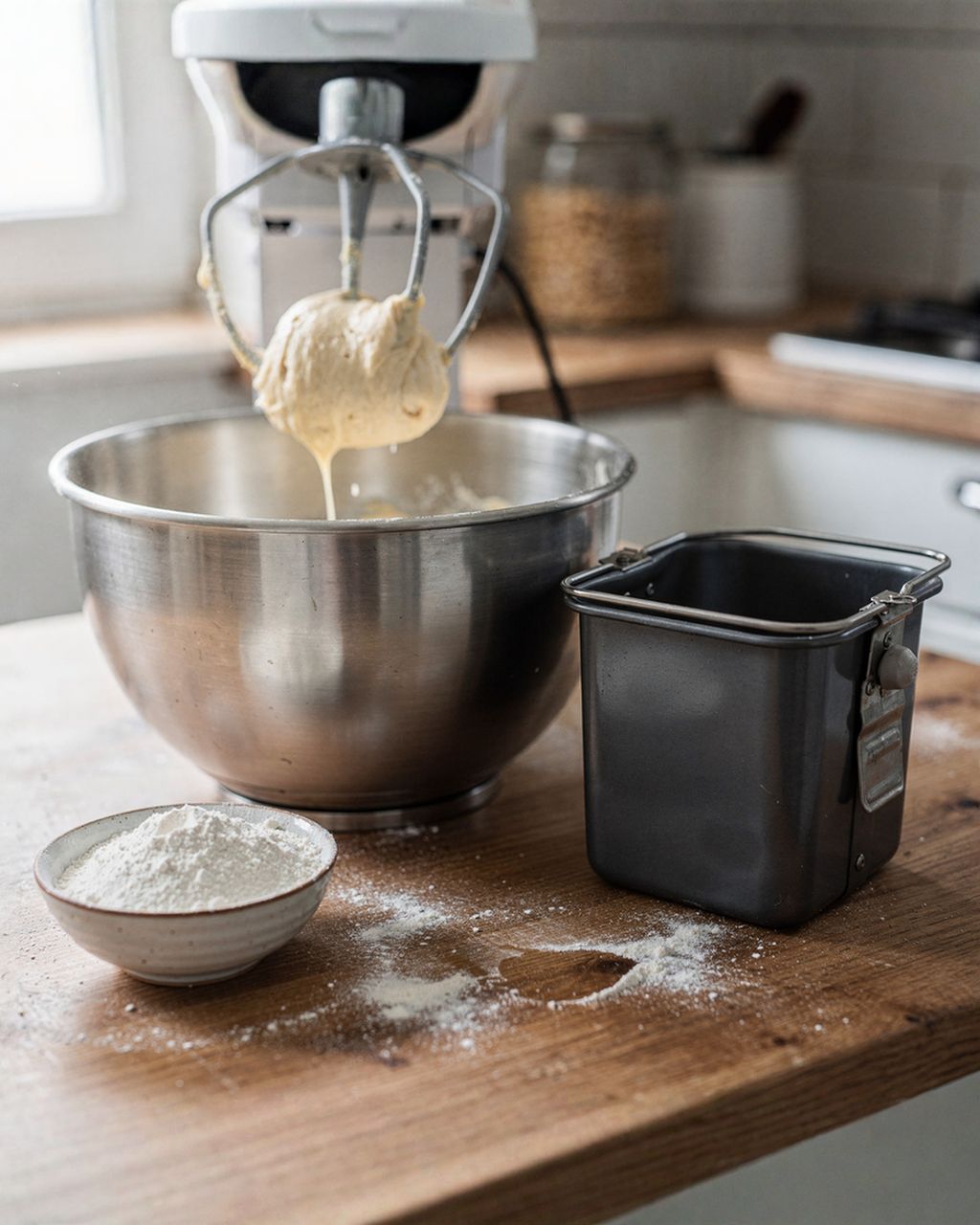
In a bread maker, instant dried yeast is actually a better choice than fresh, since it's added straight to the dry flour with nothing to dissolve beforehand. The order of ingredients matters: liquid on the bottom, flour on top of that, and yeast in a little well in the flour, as far as possible from the salt and the liquid, so it doesn't activate before the machine starts mixing. In a stand mixer, it doesn't matter which you use — just watch that the dough doesn't heat up past 28 °C from kneading, which can easily happen with longer mixing in a metal bowl.
It over-proved — the gluten network stretched past its limit and can no longer hold the gas the yeast produced inside it. You'll know because a finger poked into the dough leaves a dent that doesn't spring back at all, and the dough smells sharp, almost alcoholic. It can be rescued: knead it again, let it rest 20–30 minutes, then shape it. Next time, shorten the proving time, use less yeast, or prove at a lower temperature — collapsed dough is almost always a sign of too much warmth or too much yeast, not a faulty ingredient.
One recipe worth heating the oven for, one tip, and one deal from the shop. Nothing else.