Homemade bread
How Long Does Yeast Last, and How to Tell It's Gone Bad
Updated Oct 6, 2026
How long yeast lasts depends mainly on whether it's fresh or dried: fresh yeast keeps in the fridge at 35–46°F (2–8°C) for about 2–3 weeks, while unopened dried yeast lasts 1–2 years in its sealed packet. Yeast is made of living cells, so it weakens over time even when it still looks fine. A quick 10-minute test with sugar and lukewarm water will tell you whether it'll still make your dough rise.
Fresh yeast keeps for 2–3 weeks in the fridge, and a few months in the freezer (though it gradually weakens), while unopened dried yeast lasts 1–2 years.
Fresh yeast in the fridge (35–46°F / 2–8°C): 2–3 weeks from production — always check the date on the pack. Once a cube is opened, wrap it tightly and use it up as soon as possible.
Fresh yeast in the freezer: a few months, though it loses strength with every week that passes.
Dried yeast, unopened: 1–2 years at room temperature, depending on the date on the packet.
Dried yeast, opened large pack: up to 4 months in the fridge, or up to 6 months in the freezer, kept in a tightly sealed container.
At room temperature: fresh yeast starts losing strength within a single day, so don't leave it sitting out on the counter.
Fresh yeast keeps for roughly 2–3 weeks from the day it's made — and since it's already spent part of that time at the shop, you often only have 1–2 weeks left once it's in your fridge. Treat the date on the pack as the outer limit, not a guarantee.
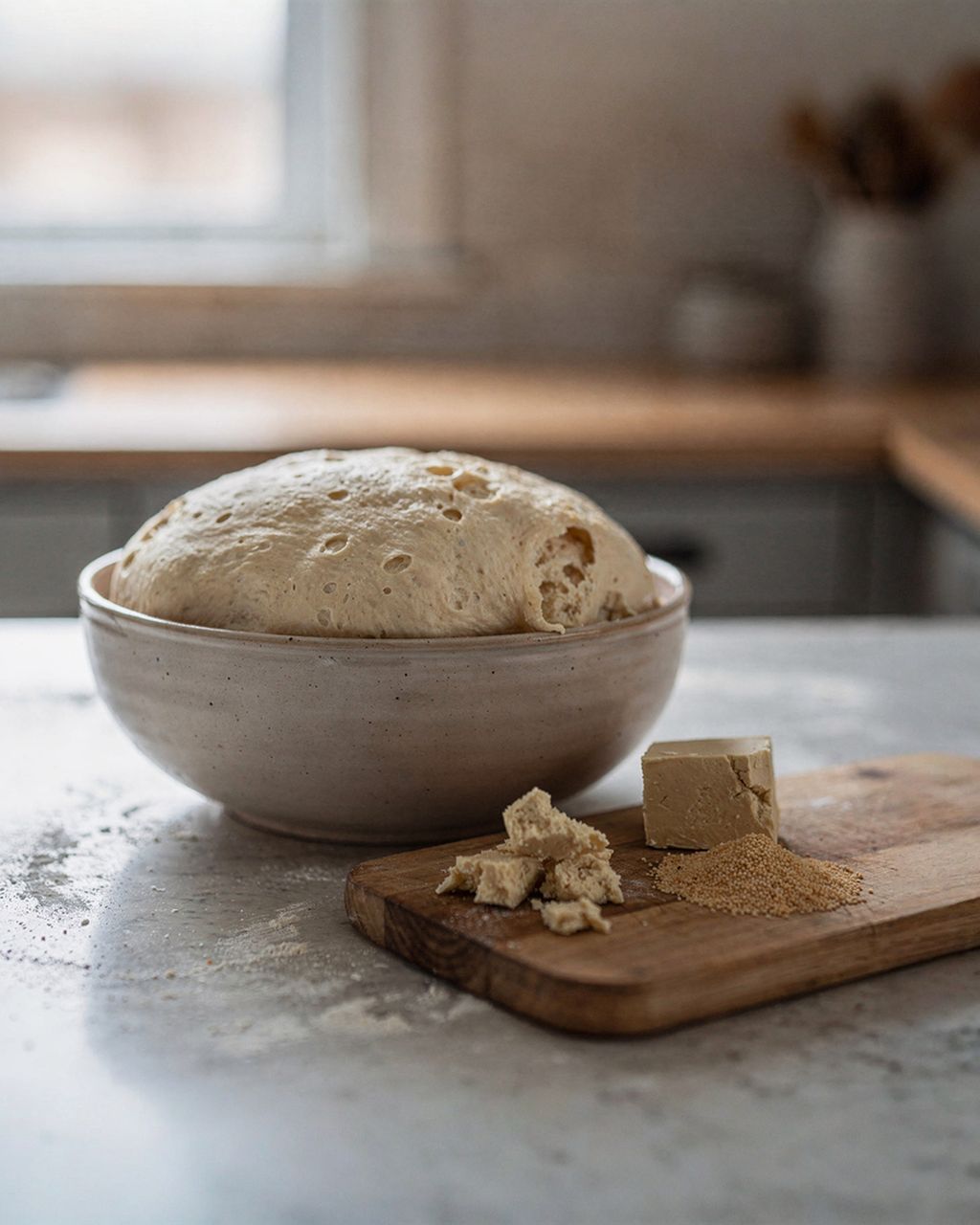
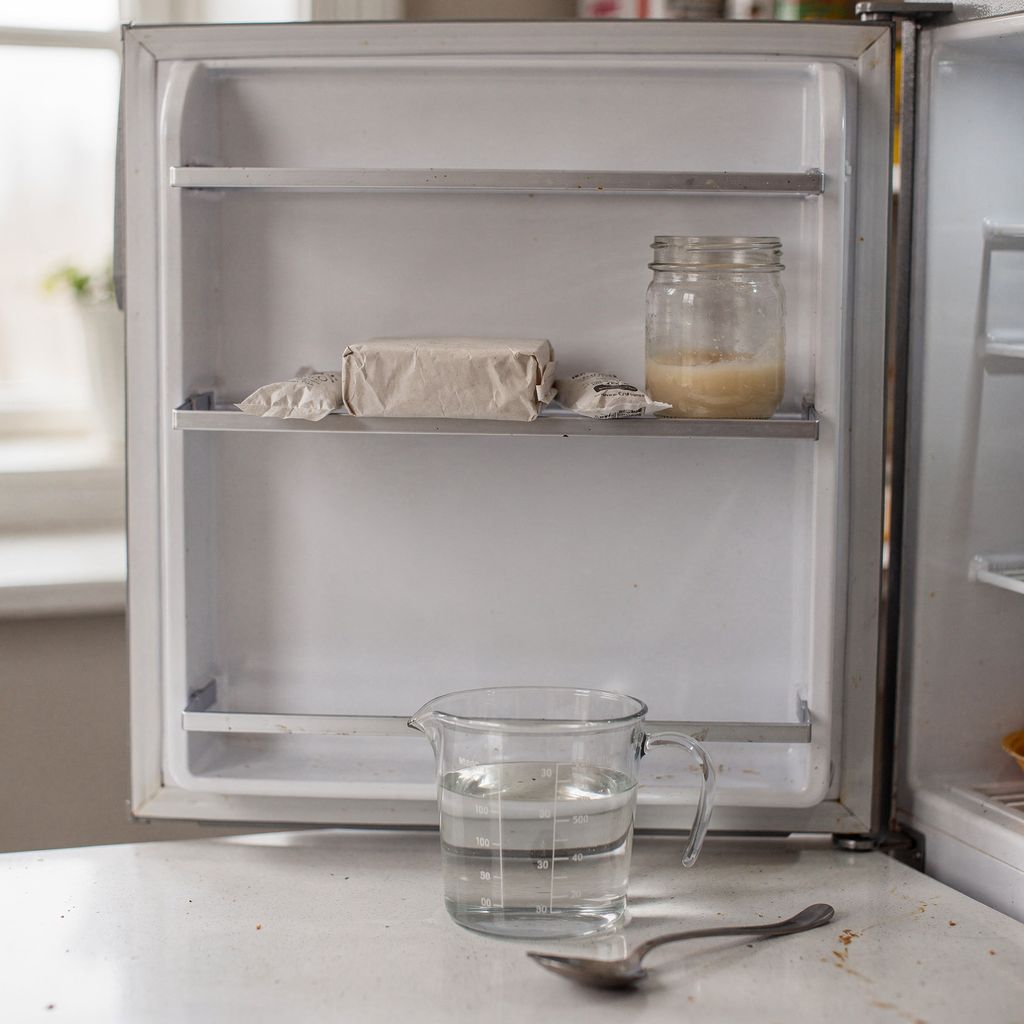
Fresh (compressed) yeast is about 70% water, and the yeast cells in it are fully active. Cold only slows their metabolism down — it doesn't stop it — which is why fresh yeast still ages in the fridge. Store it in the coldest part (towards the back, not the door) and keep it wrapped so it doesn't dry out or pick up odours.
In practice: only buy fresh yeast a few days before you'll actually use it. A 42 g cube sitting in the fridge for a month "just in case" is more likely to ruin your weekend baking than save it.
Unopened dried yeast keeps for 1–2 years at room temperature, depending on the date on the packet. The yeast is dried into a dormant state, and as long as it's kept away from moisture, air and heat, it loses potency only very slowly.
Once opened, the clock starts ticking faster:
Small sachet (7 g): use the whole thing at once — it's measured out for exactly 500 g of flour.
Large pack (100–500 g): transfer it to a tightly sealed jar and store in the fridge, where it keeps for about 4 months, or around 6 months in the freezer. Frozen dried yeast can go straight into your dough — no need to thaw it first.
Store it somewhere dry and dark, not next to the oven or above the stove.
For how much dried yeast corresponds to a cube of fresh yeast, and how to adjust rising times for each, see Dried vs fresh yeast: conversions and how to proof with each.
Yes, fresh yeast can be frozen and will keep for several months — just bear in mind that some of the yeast cells won't survive freezing, so it'll come out a bit weaker.
Cut the cube into 10–20 g portions so you don't have to thaw the whole thing at once.
Wrap each portion tightly in cling film, then place in a bag or container.
Thaw slowly in the fridge (a couple of hours) — never on a radiator or in the microwave, as sudden heat will kill the yeast.
Thawed yeast tends to be sticky and softer than usual. That's normal after freezing, but use it straight away, and it's worth testing it before you bake with it (see below).
Spoiled fresh yeast shows itself through a dark brown colour, a dry, cracked surface, a sticky texture, a sour or cheesy smell, or mould. Good fresh yeast, by contrast, is pale beige to greyish-beige, crumbly, smooth when broken, and has a pleasant, yeasty smell. Watch out for:
Colour: dark brown edges, or the whole cube turning brown — a sign the yeast is ageing and losing strength.
Surface: a dry, cracked, hard crust — this means it's dried out and lost a lot of its power.
Texture: sticky, tacky or even runny (if it hasn't been frozen) — a sign the yeast cells are breaking down.
Smell: sour, cheesy or unpleasantly sharp, instead of a fresh, yeasty aroma.
Mould: any fuzzy spots at all — white, green, grey or pink.
Slightly darker edges or a bit of surface dryness aren't necessarily a dealbreaker — just test the yeast first. But if there's any smell, sliminess or mould, don't bother testing — just throw it out.
Mix the yeast with a teaspoon of sugar and lukewarm water at 95–104°F (35–40°C) — if it hasn't foamed up within 10 minutes, it's no longer working. It's the same idea as proofing a sourdough starter and watching it rise; this works for both fresh and dried yeast, and it saves you wasting a whole batch of flour.
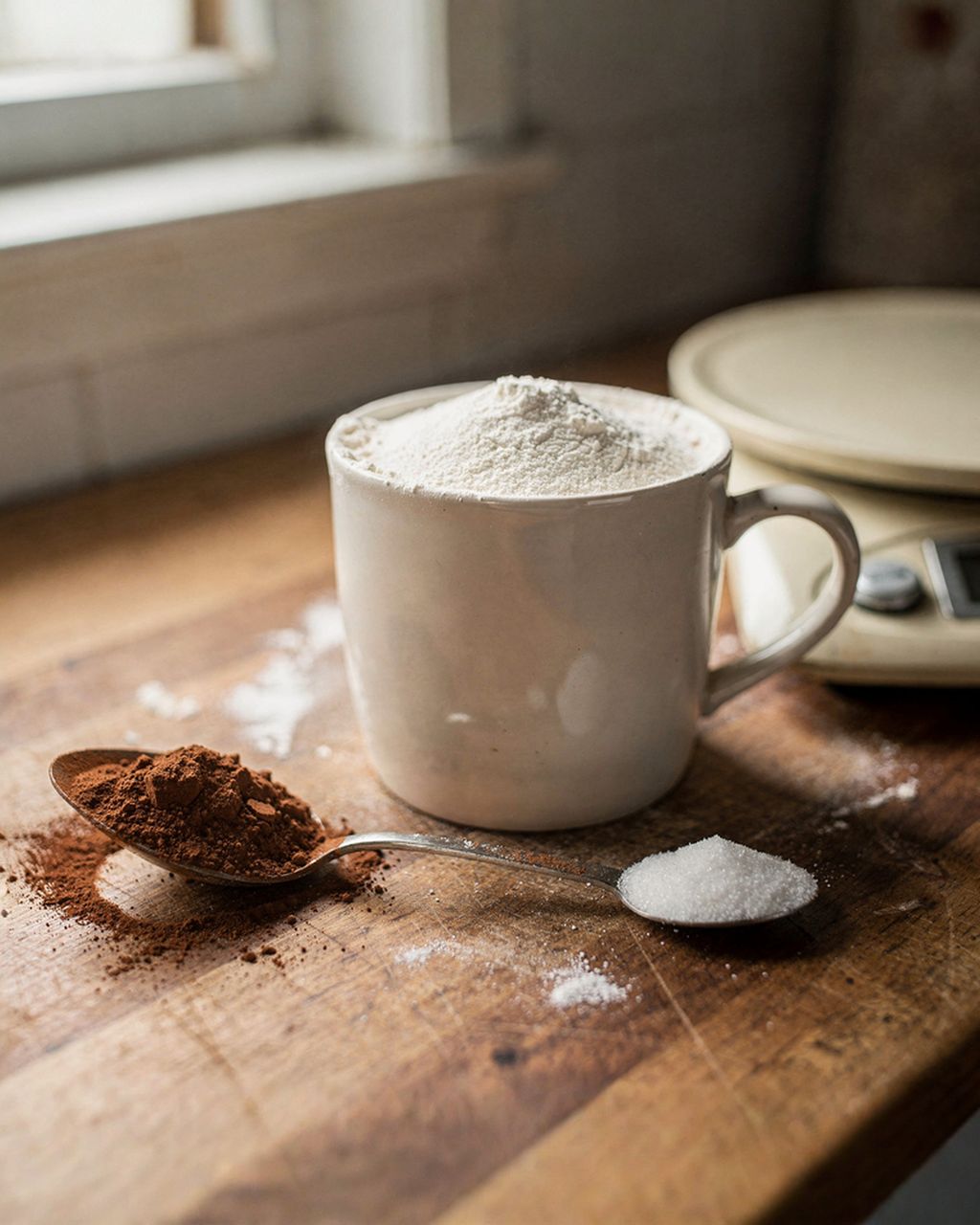
Pour 100 ml of lukewarm water (95–104°F / 35–40°C) into a mug — it should feel pleasantly warm on your wrist, not hot.
Add 1 teaspoon of sugar and stir it in.
Add 1 teaspoon of dried yeast (about 3 g), or crumble in about 10 g of fresh yeast.
Stir and leave it somewhere warm for 10 minutes.
After 10 minutes, read the result like this:
Thick foam, risen volume, a yeasty smell — the yeast is fine; you can use this mixture straight away in your dough (just subtract 100 ml from the liquid in the recipe).
Just a few bubbles on the surface — the yeast is alive but weak. Use a bit more than called for, or allow extra rising time.
Nothing happens at all — the yeast is dead. Throw it out and get a fresh batch.
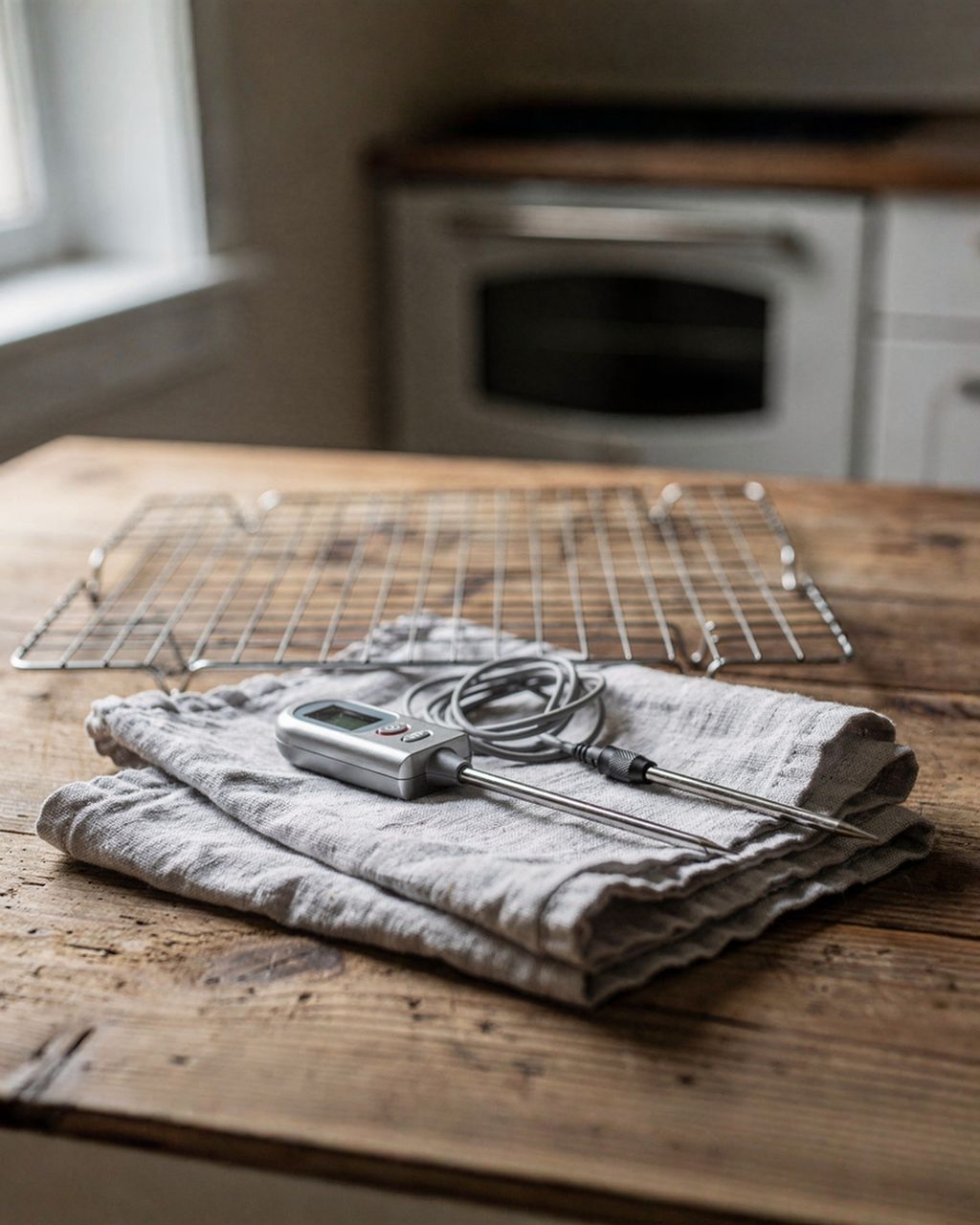
Watch the water temperature: around 122°F (50°C) the yeast already starts to struggle, and above 140°F (60°C) it dies. If in doubt, go cooler rather than hotter — the yeast will just work more slowly, but it'll survive.
Dried yeast past its best-before date will often still work, just more weakly — always test it before baking with it. The best-before date tells you how long the manufacturer guarantees full strength, not when the yeast stops being safe to use. If it foams up in the test, go ahead and bake with it; if the foam is weak, use about a third more than the recipe calls for.
Be more cautious with fresh yeast. A few days past the date, only use it if it looks and smells normal and passes the test. If it shows any of the warning signs above, it's not worth the risk — a new cube costs next to nothing, while a ruined batch of dough costs you a whole morning.
If your fresh yeast is nearing its date, the best way to use it up is in a loaf of bread or a yeasted cake — don't let it die in the fridge. The simplest place to start is homemade yeast bread, a yeasted plum sheet cake with crumble topping is perfect for the weekend, and for Easter there's fragrant Czech Easter mazanec bread.
Homemade bread
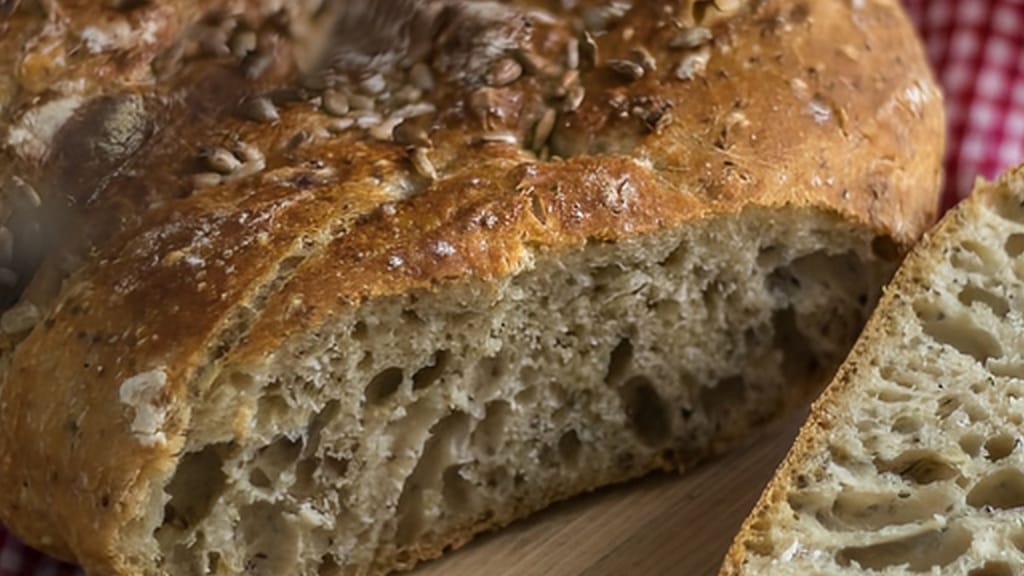
Homemade yeast bread – the best way to use up a fresh cube
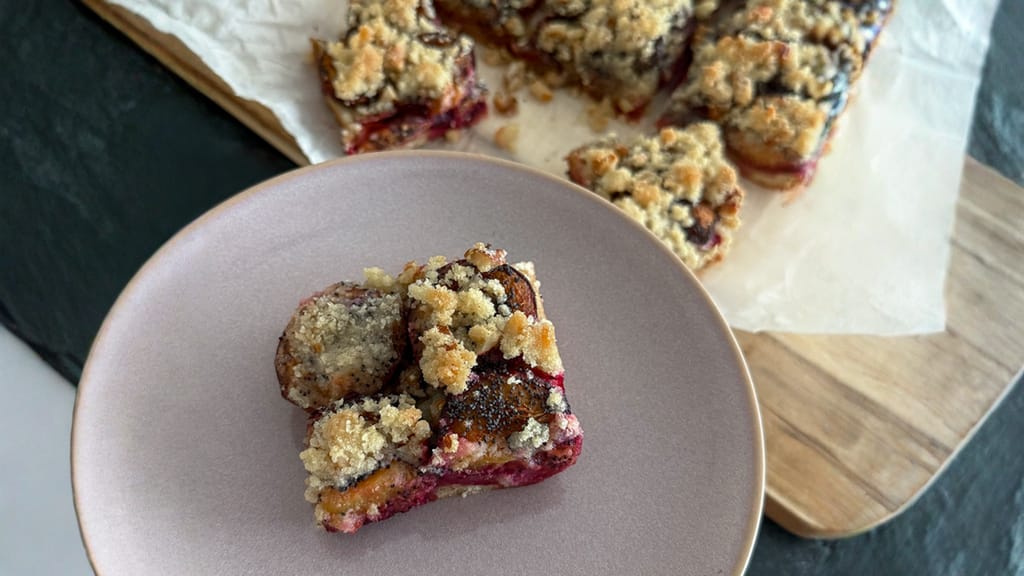
Classic yeasted plum sheet cake with crumble topping
Classic yeasted plum sheet cake with crumble topping
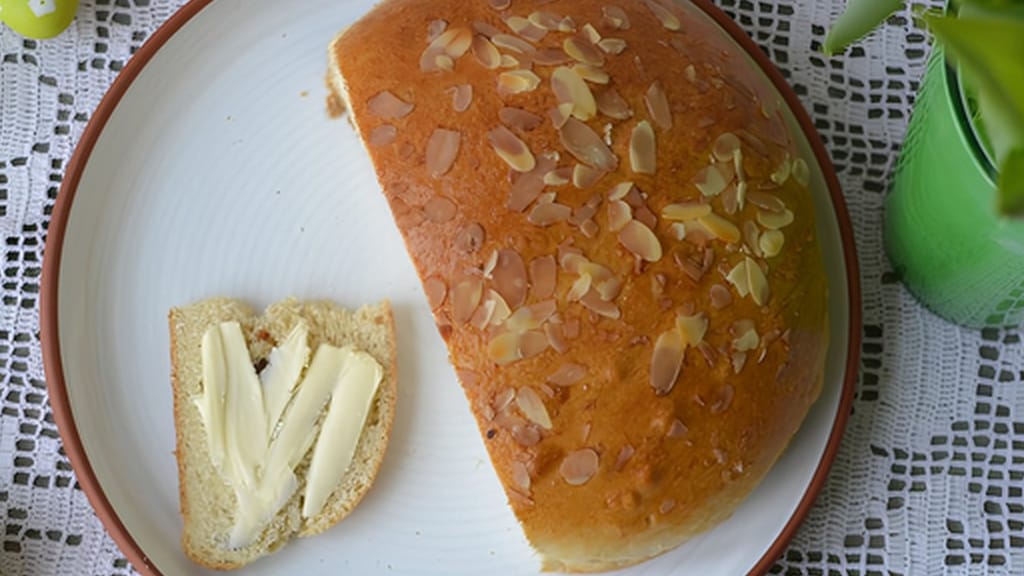
Easter classic: fragrant mazanec bread
Fragrant Easter mazanec made from yeasted dough
Wrap the opened cube of fresh yeast tightly in cling film or its original paper wrapper, then keep it in a sealed container in the fridge. The less air that reaches it, the more slowly it dries out and darkens. If you know you won't use it up within a week, portion it out and freeze it right away.
No, instant dried yeast can be added straight to the flour — there's no need to dissolve it first. The sugar-and-lukewarm-water test is only worth doing if you're unsure how old it is; in that case, do the test and simply use the resulting mixture in your dough.
When dough won't rise even though the yeast itself is fine, temperature is usually the culprit: in a cool kitchen below 68°F (20°C) dough rises very slowly, while milk or water above 122°F (50°C) damages the yeast. Other common causes are salt poured directly onto the yeast, a lot of sugar or fat in the dough (richer doughs like vánočka or mazanec rise more slowly), and simply not enough time — rich doughs can easily need 1.5–2 hours.
No, the float test doesn't reliably show whether yeast is still active. That test is meant for sourdough starter, not for baker's yeast. A much more reliable method is the teaspoon-of-sugar-and-100-ml-lukewarm-water test: live yeast will visibly foam up within 10 minutes.
Yes, you can dissolve yeast in milk, just warm it to only 95–104°F (35–40°C) first. Milk heats up quickly and can easily overshoot, and above 122°F (50°C) the yeast starts to suffer — so if it's boiled, let it cool down to lukewarm first.
One recipe worth heating the oven for, one tip, and one deal from the shop. Nothing else.