At a glance
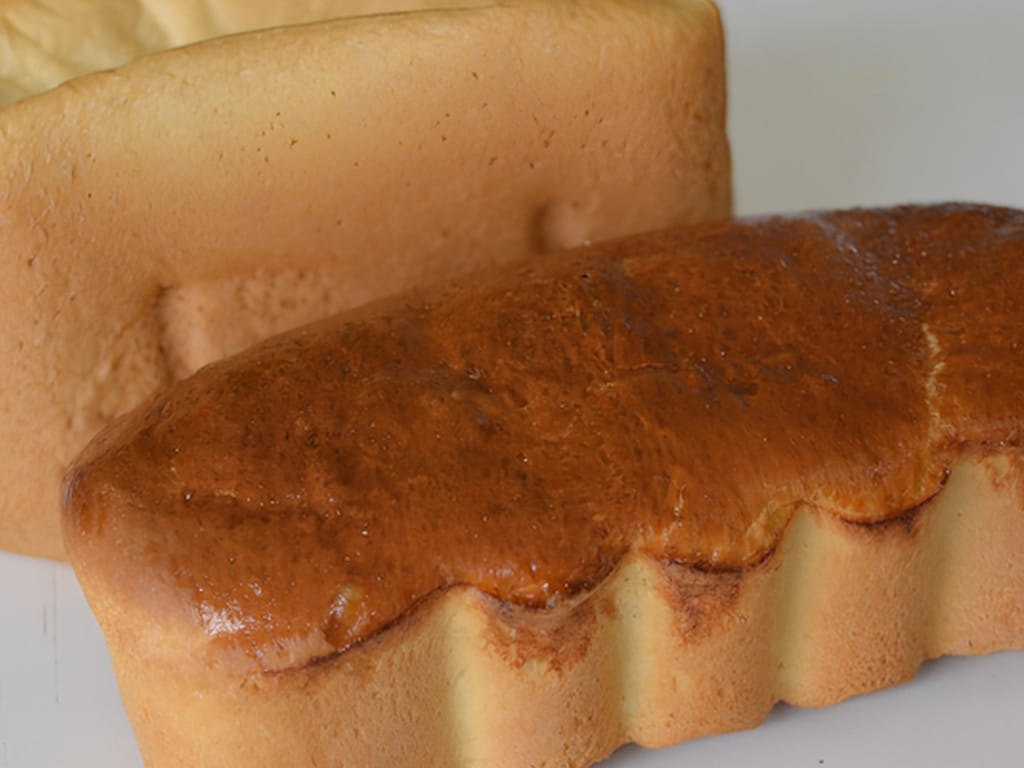
This easy homemade toast bread comes together in a bread maker, where you combine flour, yeast, sugar, and salt before adding warm milk mixed with melted butter. The bread maker handles all the heavy lifting—mixing, rising, and baking the dough into a beautiful light-crusted loaf with minimal hands-on time, making it perfect for a leisurely brunch or anytime you want fresh-baked bread at home.
-
1/4
Mix the ingredients in the bread maker
Add the flour, yeast, sugar and salt to the bread maker. Switch it on and it will immediately start mixing.
For this step
0/4 -
2/4
Add the milk and butter
Pour in the lukewarm milk mixed with the melted butter.
For this step
0/2 -
3/4
Rising
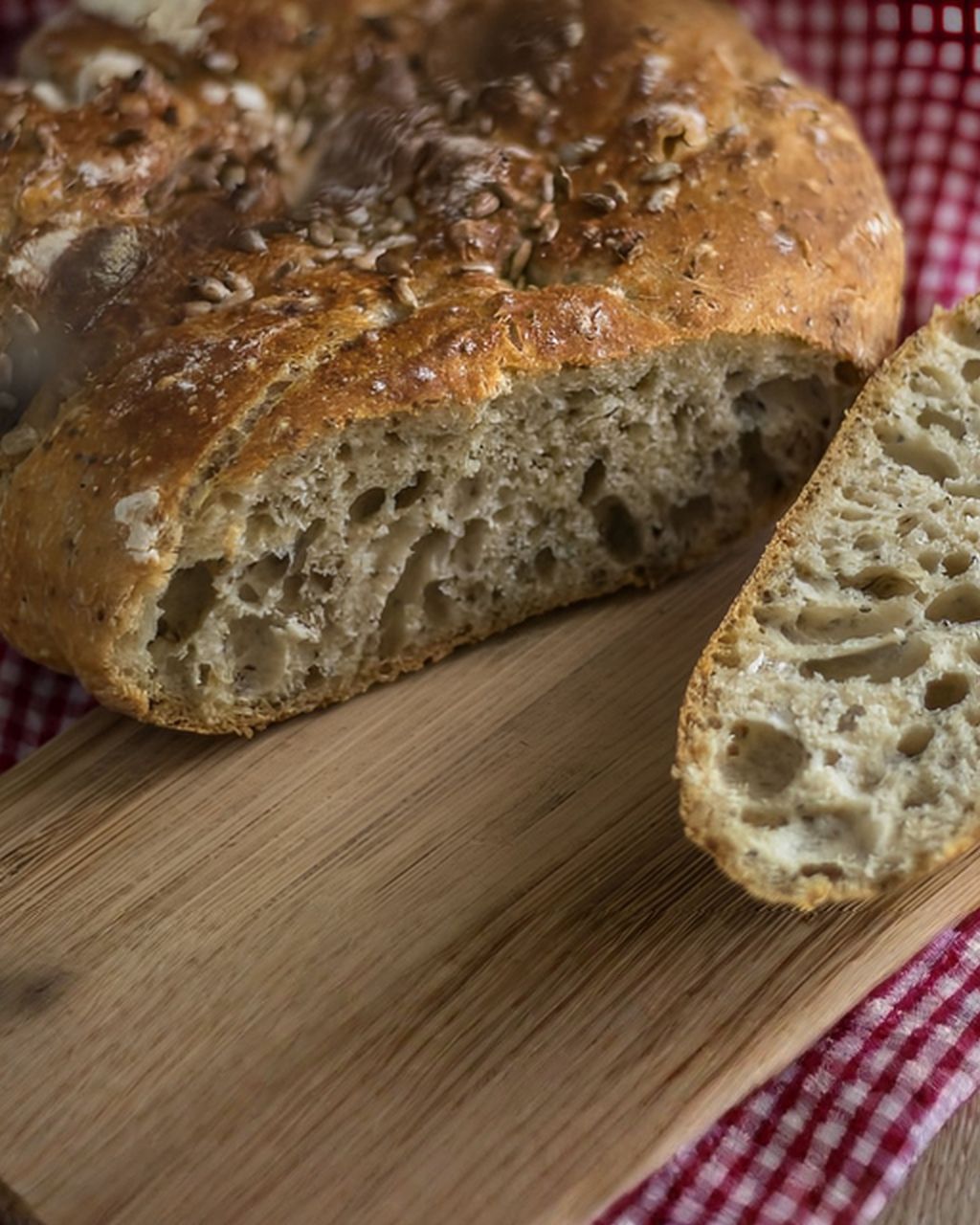
Let the bread maker do its work - it will mix up a beautifully smooth dough. And not just mix it: the dough will also rise and bake, all on its own.
How it went
Nobody has tried this recipe yet
Be the first to say how it went.
Anyone can answer, without signing in or buying. Answers aren't verified. The percentage is the share of “Worked out” answers, shown from 5 answers.
Tips from the Yumsto kitchen
Why it works
Milk and butter give the soft, fine crumb and thin crust you want from toast bread. There is more sugar than in an everyday loaf, so the yeast gets going fast, but the crust also browns more. That is why the author picks the light-crust program. The machine handles kneading, rising temperature and baking.
Tips
Warm the milk only until lukewarm, comfortable on your finger. Hot milk kills the yeast. Let the melted butter cool for a moment before mixing. Weigh the flour; cup measures are unreliable. Ingredient order: the recipe puts the dry ingredients in first, but some machines want liquids at the bottom. Follow your machine's manual. Don't use a delayed start with this recipe: the fresh milk and butter would sit at room temperature for hours.
When the loaf goes wrong
The author mentions a lopsided, "eared" top: the loaf over-rises and tips to one side. Usually there is too much dough for the pan or it rises too fast. Try the larger-loaf program, or a little less yeast (the loaf will be lower). A sunken top means over-proofing. A dense, short loaf points to old yeast or milk that was too hot.
Storage
Let the bread cool for at least an hour before slicing, or the crumb squashes. It keeps 2–3 days in a bag or bread box. For longer, slice and freeze; you can toast slices straight from frozen.
Serving
For toast, sandwiches, eggs at brunch, or sweet French toast.
Common questions
Can I bake it without a bread machine?
Yes: knead by hand, let it double, shape into a loaf pan, let it rise again and bake at about 180 °C for roughly 30–35 minutes until golden.
Can I use fresh yeast?
Yes. Use roughly three times the weight of dried yeast, so about 25–30 g, crumbled into the lukewarm milk. Don't use a delayed start.
Which flour works best?
The recipe uses all-purpose flour. Higher-protein bread flour gives a firmer structure and the loaf may rise higher.
Why is the crust too dark?
Sugar and milk brown the crust quickly. Choose the light-crust program, as the recipe suggests.
Featured in our guides
Want a recipe like this every Thursday?
One recipe worth heating the oven for, and one tip that saves you time. Nothing else.