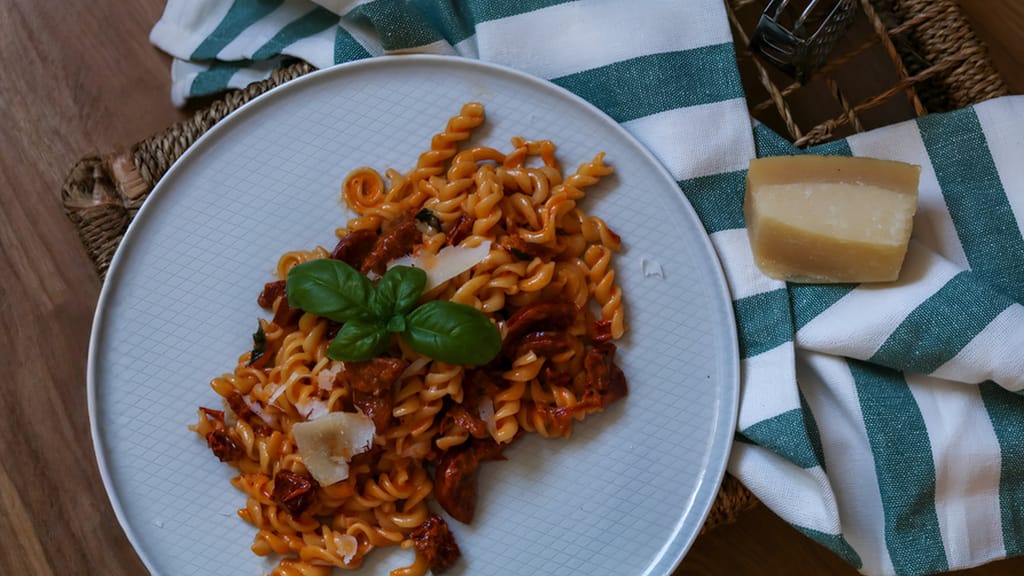
Quick chorizo and sun-dried tomato pasta
Dried Tomatoes: How to Store Them Dry and in Oil, and How Long They Last
Updated Nov 17, 2026
Store dry dried tomatoes in a tightly sealed container in a dry, dark place at room temperature. Put an opened jar of tomatoes in oil in the fridge and keep the tomatoes under the surface of the oil. Homemade tomatoes in oil with garlic or herbs always belong in the fridge, and you should eat them within 4 days. If you need more time, freeze them. Below you'll find how long each type lasts, why homemade "tomatoes in oil that keep for years" are a bad idea, and how to tell it's time to throw a jar out.
Keep dry dried tomatoes in the pantry; store-bought tomatoes in oil in the fridge once opened; homemade tomatoes in oil without garlic or herbs in the fridge for up to 6 months; and homemade tomatoes in oil with garlic or herbs in the fridge for up to 4 days.
Dry, store-bought, unopened: room temperature, in a dry, dark place. The date on the package takes priority.
Dry, opened or homemade: airtight container at room temperature, keeps for several months.
In oil, store-bought, unopened: room temperature until the manufacturer's date passes.
In oil, store-bought, opened: fridge, tomatoes under the surface of the oil. Follow the time on the manufacturer's label.
In oil, homemade, just tomatoes and oil: fridge only, up to 6 months, freezer for longer. That's the guidance from Oregon State University Extension.
In oil, homemade, with garlic or herbs: fridge only, use within 4 days, otherwise freeze. Also according to Oregon State University Extension.
The difference between "dry" and "in oil" isn't only about flavor. Dry tomatoes contain so little water that microbes barely multiply in them. Oil, on the other hand, is an oxygen-free environment, and that's exactly what the bacteria that cause botulism need.
Seasonal baking plans, tested recipes and kitchen tricks that save you time. Unsubscribe in one click.
Dry dried tomatoes belong in an airtight container, which you put in the pantry or a cupboard away from the stove and sunlight. At room temperature they keep for several months; the date on the package takes priority.
Container: a jar with a screw-on lid or a resealable bag you press the air out of. The paper bag from the store lets moisture in.
Place: dry, dark and a steady temperature. Above the stove or next to the dishwasher, steam settles on them, the tomatoes turn damp and start to mold.
Light: in the light, tomatoes fade and lose their aroma. It doesn't affect safety, but it does affect flavor.
Fridge or pantry? You don't need to put dry tomatoes in the fridge; they keep just as well in the pantry. In the fridge they also pick up moisture and odors from other foods. The fridge only makes sense if your home is humid or very warm.
Store homemade dried tomatoes the same way as store-bought ones, in an airtight jar at room temperature. First, though, make sure they're truly dry. Home drying is often uneven, and a single damp piece is enough to make a whole jar go moldy.
By touch: a finished tomato is leathery and pliable, but not sticky. When you fold it, no juice comes out and the cut surface has no damp spot.
Moisture equalizing (conditioning): put the tomatoes loosely in a jar, close it and shake it daily for a few days. If droplets appear on the glass or the pieces stick together, return them to the dehydrator.
Thicker pieces: meaty Roma-type tomatoes dry more slowly than small cherry tomatoes. Dry them separately, or check the thicker ones more often.
You'll find general drying principles that also apply to tomatoes in the article how to preserve summer fruit by drying, freezing and fermenting. How to tell when dried vegetables are done and how to store them is described in detail in the guide how to dry mushrooms at home. Tomatoes are dried in a similar way: slowly, at a low temperature and with good air circulation.
An unopened jar of store-bought dried tomatoes in oil keeps at room temperature until the date the manufacturer gives. Once opened, it belongs in the fridge, and you should use it within the time the manufacturer wrote on the label. It's usually worded something like "after opening, keep refrigerated and consume within…". This only holds if the tomatoes stay under the oil the whole time. If the label gives no time after opening, take 6 months in the fridge as the upper limit, which is what Oregon State University Extension gives for tomatoes in oil without garlic and herbs, and use the jar up sooner rather than later.
Store-bought tomatoes in oil last longer than homemade because the manufacturer has to acidify or otherwise treat the product. In Australia and New Zealand, commercially produced vegetables in oil, brine or vinegar must not have a pH above 4.6, according to the Australian science agency CSIRO. The value 4.6 is a generally accepted threshold below which botulism bacteria don't multiply.
To make an opened jar last as long as possible:
Scoop with a clean, dry spoon or fork, never your fingers. Water and crumbs from other food are the most common way mold gets into a jar.
Keep the tomatoes under the surface of the oil. If the level drops, top up with olive oil so it covers them.
Return the jar to the fridge right away. Don't leave it on the table for the whole dinner.
Homemade dried tomatoes in oil with garlic or herbs have to go in the fridge, and you should eat them within 4 days. For longer storage, freeze them. That's the guidance from Oregon State University Extension, citing a scientific study on vegetables in oil (Nummer et al., 2011), published in Food Protection Trends. The study recommends freezing vegetables and herbs in oil, or else keeping them in the fridge and eating them within 4 days.
Why such a difference from store-bought? Oil keeps air away from the tomatoes. The bacterium Clostridium botulinum lives in soil and on vegetables, and an oxygen-free environment suits it perfectly. Garlic and fresh herbs are low in acid, so they bring into the jar exactly what the bacteria need. A drop of water left in a tomato or herb creates a sheltered spot for it in the oil. At home you have no way to measure pH or confirm that everything is acidic enough. A manufacturer has to do that.
Oregon State University Extension distinguishes two cases:
Completely dry tomatoes without garlic and herbs go in oil in the fridge. They keep there for up to 6 months, and for longer, freeze them. The cold is necessary for safety and also slows the oil going rancid. According to CSIRO, fresh tomatoes have a pH just under the 4.6 threshold. Drying concentrates the acids, and the pH of dry tomatoes often drops to around 4.0. Garlic and herbs are low in acid, though, which is why stricter rules apply when they're included.
Tomatoes with garlic or herbs (fresh or dried) go in the fridge only, to be used within 4 days, or frozen.
In practice, that means:
Make small batches, only as much as you'll eat in a few days.
Briefly soak the tomatoes in bottled lemon or lime juice before covering them with oil. They soften and become more acidic. Even then, according to Oregon State University Extension, keep them in the fridge and eat a mixture with garlic or herbs within 4 days.
Add garlic and herbs only to the finished dish, not to the jar. That way the dry tomatoes keep for months in the pantry, and you flavor them only when you use them.
Freeze for storage. Divide tomatoes in oil into small containers; in the freezer the oil stays usable.
The same caution applies to anything you preserve in oil at home: fridge, short time, and when in doubt, throw it out.
Throw dried tomatoes out if you find mold, smell a musty, fermented or rancid odor, or if the oil in a sealed jar is bubbling. If something is going on in a jar, don't taste even a bit.
With dry tomatoes, watch for these signs:
Mold: fuzzy white, greenish or gray spots, most often in the folds and where pieces touch. Throw out the whole container, not just the affected piece.
Stickiness and dampness: tomatoes that were leathery and are now sticky or soft have absorbed moisture. Mold usually follows soon.
Smell: a musty, cellar-like or fermented smell instead of a sweet tomato one.
Darkening: tomatoes gradually darken from brick red to brown. With no other signs, that's just a loss of flavor, not spoilage.
With tomatoes in oil, look mainly at the oil and the lid:
Mold on the surface or on pieces that stuck out above the oil.
Bubbles or foam in a jar you haven't stirred at all. That means something is multiplying in it.
Oil that stays cloudy even after warming to room temperature. Cloudiness right after taking it out of the fridge is normal.
A bulging lid or a hiss when you open it. Throw out the whole jar, unopened.
A rancid smell of the oil, sharp like old oil or oil paint. The oil has oxidized. It isn't an immediate health threat, but it will spoil the food.
With homemade tomatoes in oil with garlic or herbs, appearance isn't what decides it, time is. After 4 days in the fridge, throw them out, even if they look and smell fine.
You'll use up dried tomatoes fastest in dishes that can handle a bold, sweet-and-sour flavor: pasta, spreads, baked goods and sauces.
Pasta: chop them into a pan and simmer them in their own oil. Quick pasta with chorizo and dried tomatoes is built on this principle.
Spread: blend them with quark (tvaroh, a Czech fresh curd cheese) or a creamy cheese. Try a spread with dried tomatoes and olives.
Baked goods: bake them into dough, for example in a zucchini loaf with dried tomatoes, or press them into homemade focaccia.
Oil from the jar: don't pour it out. It's good in dressings, on roasted vegetables or for sautéing. The same storage rules apply to it as to the tomatoes it held.
Before using dry tomatoes in a cold dish, soak them in warm water for 15–30 minutes. You can add them straight to a sauce or soup, as they soften while cooking.
Quick chorizo and sun-dried tomato pasta
Quick Pasta with Chorizo and Dried Tomatoes
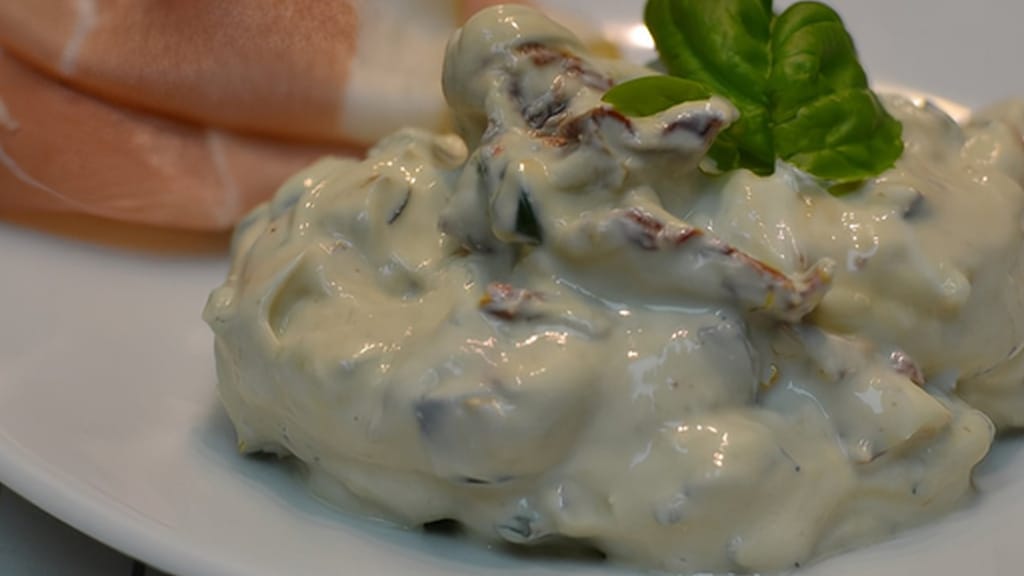
Sun-dried tomato and olive spread
Spread with Dried Tomatoes and Olives
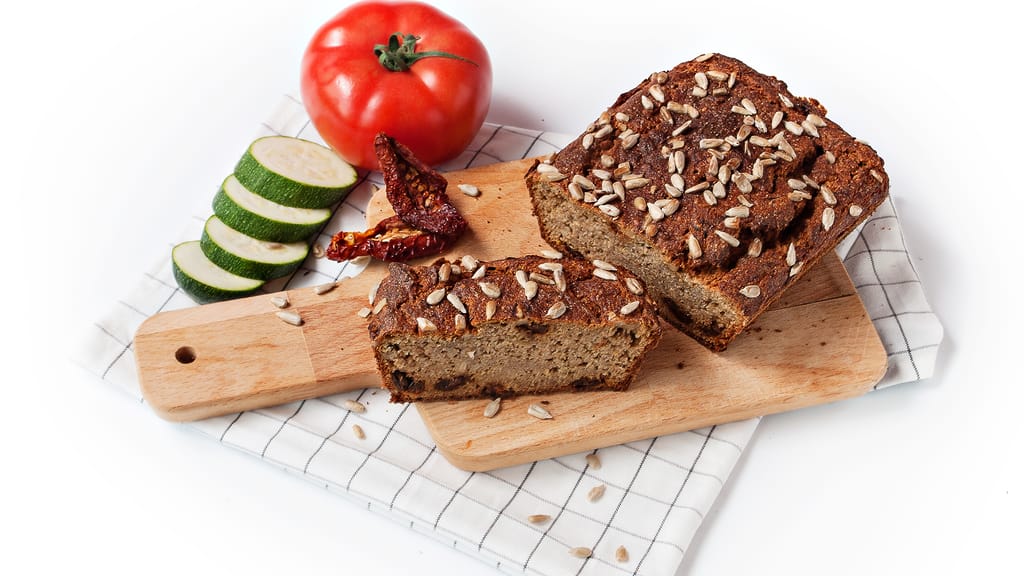
Zucchini bread with sun-dried tomatoes
Zucchini Loaf with Dried Tomatoes
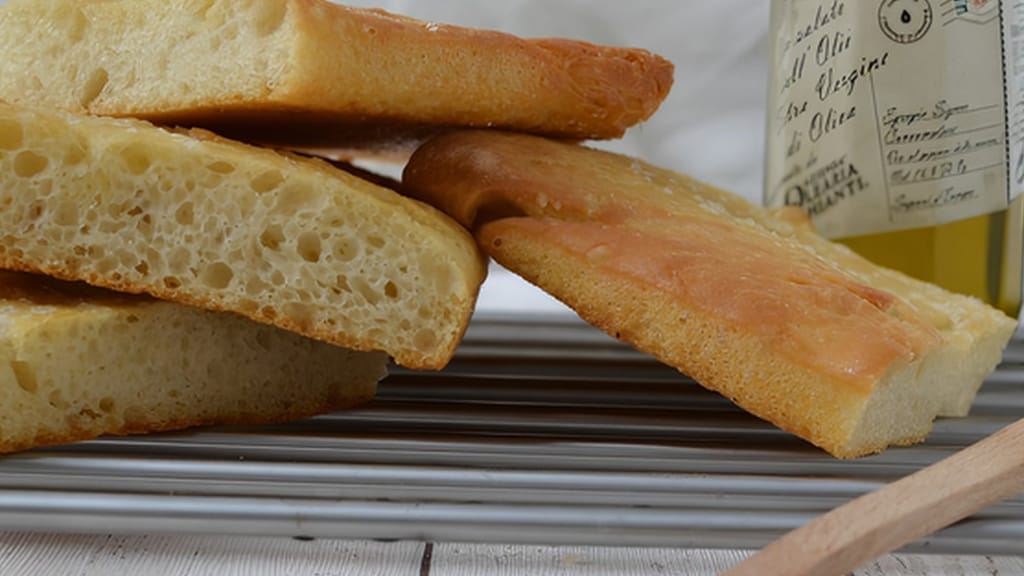
Homemade focaccia
Homemade Focaccia with Dried Tomatoes Pressed In
Yes, and for homemade tomatoes in oil with garlic or herbs, the freezer is the only safe way to keep them longer than 4 days. Oregon State University Extension recommends it for long-term storage of flavored mixtures in oil. Divide them into small containers so you thaw only as much as you'll eat. You don't need to freeze dry tomatoes, as they keep for months in a jar in the pantry.
A dry, crystalline white coating that dissolves in water is usually salt, which tomatoes are salted with before drying. Mold, on the other hand, is fuzzy, sits raised above the surface, can be greenish or gray, and the tomatoes smell musty. If you're not sure, throw out the whole container.
Soaked dried tomatoes keep in a closed container in the fridge for about 3–4 days, like other cooked or soaked vegetables. Soaking puts water back into them, so they no longer behave like shelf-stable dry tomatoes. Don't leave them out on the table for more than 2 hours.
No, use fresh oil for new tomatoes. Old oil holds water and tiny bits from the previous tomatoes, so the new jar would start out in worse conditions. Use the oil from the jar in the kitchen instead, for example in a dressing or for sautéing.
Olive oil naturally solidifies and turns cloudy at fridge temperature, and that doesn't mean it has spoiled. At room temperature it turns liquid and clear again after a short while. Signs of spoilage are mold, bubbles, a bulging lid or a rancid smell, not thickening.
One recipe worth heating the oven for, one tip, and one deal from the shop. Nothing else.