Chili Peppers: How to Store, Freeze and Dry Them Without Losing the Heat
Garlic in Oil, Honey and Salt: How to Preserve It Safely
Updated Nov 17, 2026
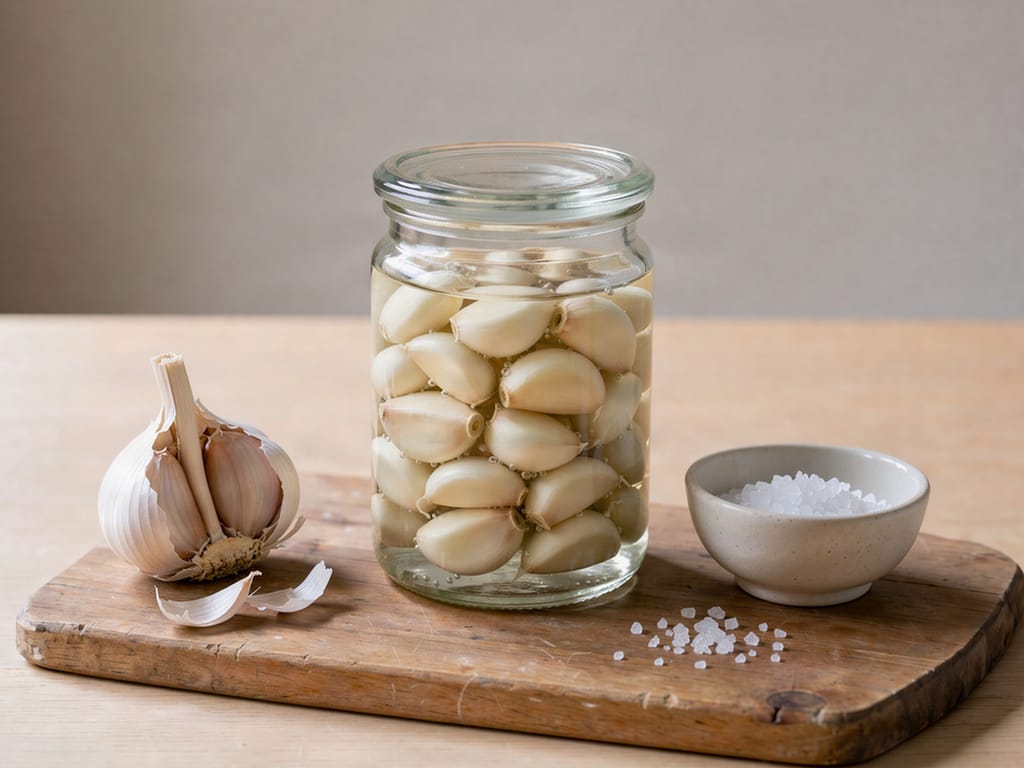
Only some methods of preserving garlic in oil, honey and salt are safe: in oil, you have to acidify it or keep it in the fridge or freezer; in salt, only dried garlic works; and for honey, there is no tested safe method. Fresh garlic is a low-acid vegetable, and once you cover it with oil, Clostridium botulinum spores get exactly what they need: no air, little acid and warmth. Below you'll find an overview of every method, how long each one keeps and where the numbers come from.
In short: in oil, only 4 days in the fridge; in vinegar, about 4 months in the fridge; in honey, there is no tested safe method; dried garlic with salt keeps at room temperature. All the figures below come from the University of California publication UC ANR 8568 Garlic: Safe Methods to Store, Preserve, and Enjoy (UC ANR from here on), unless stated otherwise.
Fresh garlic in oil – fridge, 4 days at most; freezer, several months; room temperature never (UC ANR, Oregon State University Extension).
Acidified garlic in oil (24 hours in a citric acid solution) – according to the tested method, safe even at room temperature, though it keeps its quality longer in the fridge or freezer (UC ANR, based on University of Idaho research).
Garlic in undiluted vinegar or wine – fridge, about 4 months; at room temperature it molds quickly (UC ANR).
Garlic in honey (\"fermented\") – no tested safe method exists; a food safety specialist at Oregon State University doesn't recommend it.
Dried garlic and garlic salt – room temperature in an airtight container, or the freezer (UC ANR).
Canned (heat-processed) garlic on its own – not recommended at home, as safe processing times haven't been established (UC ANR).
Seasonal baking plans, tested recipes and kitchen tricks that save you time. Unsubscribe in one click.
There are three safe ways to preserve garlic in oil: in the fridge for a few days, in the freezer, or after acidifying it with citric acid. There is no other way.
Quick fridge version. Cover peeled cloves with oil, label the jar with the date and use it within 4 days (UC ANR). Throw out or freeze whatever is left over – don't leave it \"just for the weekend\".
In the freezer. According to Oregon State University Extension, blend peeled garlic with oil in a ratio of 1 part garlic to 2 parts oil and freeze it. The mixture stays soft enough that you can spoon out as much as you need for the pan. Garlic in oil keeps in the freezer for several months (UC ANR).
Acidified garlic (University of Idaho method, adopted by UC ANR). This is the only tested home method for garlic oil that doesn't have to go in the fridge.
Dissolve 15 g citric acid in 500 ml warm water (a 3% solution).
Chop peeled garlic into pieces no larger than 6 mm.
Measure out 150 ml of chopped garlic (don't pack it down), add it to the solution, cover and leave it for 24 hours at room temperature. Don't change the ratio of garlic to solution – safety depends on it.
Drain, let it drip dry well and cover with oil; for flavor, UC ANR recommends roughly 1 part garlic to 10 parts oil (by weight).
Leave it to infuse for 1–10 days, then store at room temperature, in the fridge or in the freezer; in the cold, the oil keeps its quality longer.
Watch out for substitutions: lemon juice and vinegar haven't been tested in place of citric acid, and whole cloves take 3 days to over a week to acidify in vinegar, so there is no home method for them (UC ANR). That's why the garlic is chopped finely.
Garlic in vinegar is the most convenient long-keeping supply: cover peeled cloves with undiluted vinegar or dry wine and put them in the fridge; they keep for about 4 months (UC ANR). The acid lowers the pH below 4.6, where Clostridium botulinum doesn't multiply.
Vinegar: wine or white vinegar; balsamic tends to be too overpowering for garlic (UC ANR). Don't dilute it with water – it's the full strength of the vinegar that makes this a safe method.
Wine: dry white or red.
Seasoning: you can add a little dried seasoning – pepper, chili flakes, caraway, bay leaf.
Not at room temperature: according to UC ANR, the mixture would quickly go moldy. If mold or yeast appears on the surface, throw out both the cloves and the liquid.
Don't pour the brine away afterward: garlic vinegar makes a ready-made base for a dressing or marinade.
\"Fermented garlic in honey\" is popular, but there is no tested safe method for it. Joy Waite-Cusic, a food safety specialist at Oregon State University, writes in the Ask Extension service that she is not comfortable with the safety of garlic fermented in honey because the data is missing. She also warned Scientific American that botulinum toxin can kill.
Here's why: honey itself is hostile to bacteria, since it's very sweet and has little free water. But fresh garlic releases water, so a moist, low-acid environment forms where the clove meets the honey, and Clostridium botulinum spores can germinate there. Bubbles of \"fermentation\" don't mean the jar is safe, and monitoring the pH doesn't turn it into a tested method either.
What to do instead: if you want garlic with honey, mix them fresh, right before using – for a glaze on meat, a dressing or roasted vegetables. And whatever you do, don't give honey to children under 12 months; the UK's NHS also recommends this because of infant botulism.
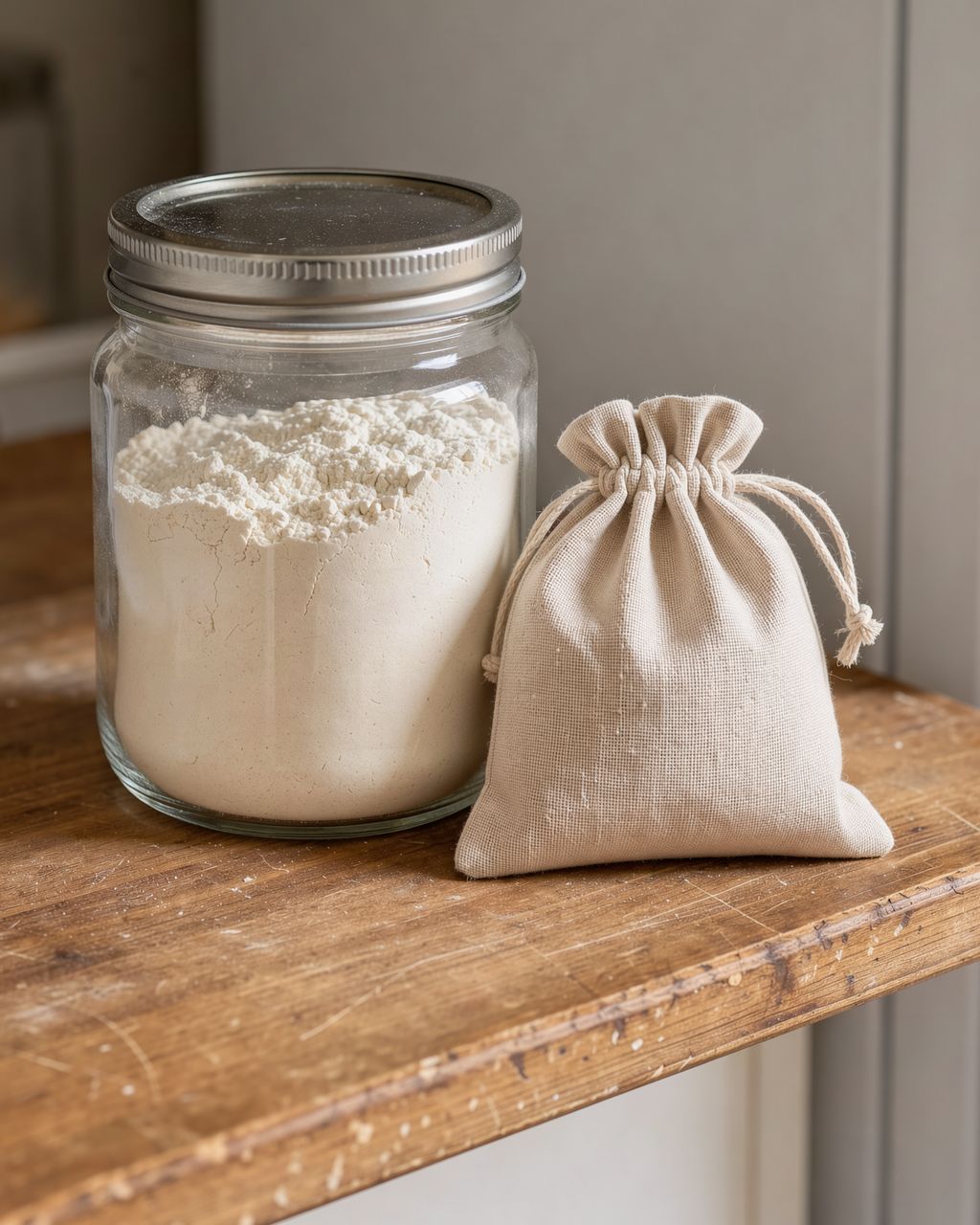
The only safe way to preserve garlic in salt is when it's dried first: garlic salt is 4 parts salt to 1 part garlic powder, and it keeps at room temperature in an airtight container (UC ANR).
Dry the garlic. Halve peeled cloves lengthwise and dry them in a dehydrator for 2 hours at 60°C (140°F), then 4–6 hours at 55°C (131°F), until brittle – when bent, they should snap, not bend (UC ANR).
Grind it to a fine powder in a blender or grinder.
Mix with the salt in a 4:1 ratio and blend for just 1–2 seconds. Any longer and the salt gets ground so fine that it clumps together (UC ANR).
And what about freshly grated garlic buried in salt? We have no tested method with proven shelf life for that, so treat it like fresh garlic: keep it in the fridge, make small batches and freeze it if you need it to last longer. Salt in kitchen quantities won't turn it into a shelf-stable pantry supply.
Don't can garlic on its own at home. According to UC ANR, it's a low-acid vegetable that could be safely processed only in a pressure canner, and no safe processing times have been established for it – and it would lose most of its flavor in the process.
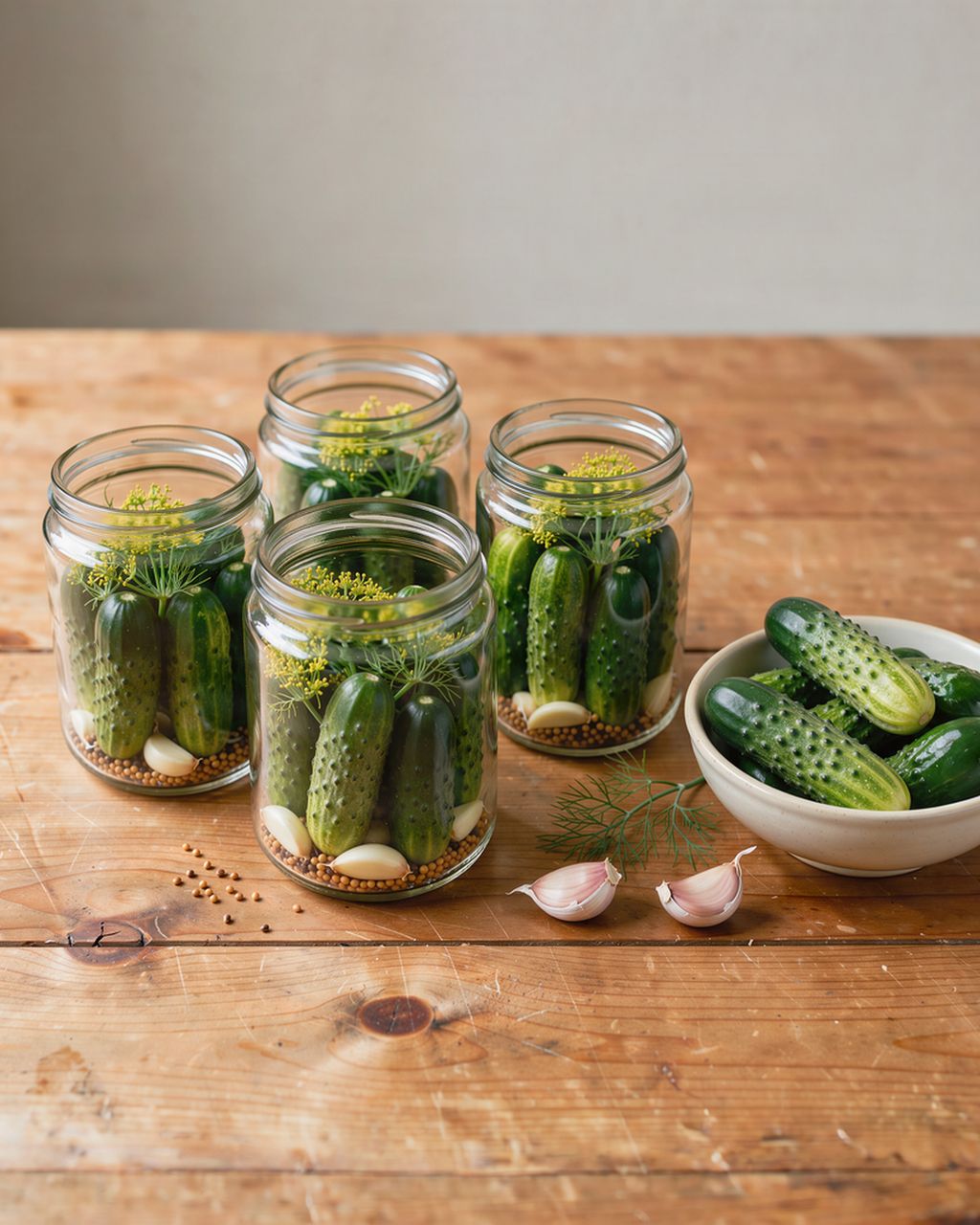
At home, only acidic foods can be safely canned for the pantry: vegetables in a vinegar brine and acidic fruit. Don't can low-acid vegetables or meat without added acid at home because of the risk of botulism. For a step-by-step guide, see canning for beginners. For garlic on its own, vinegar in the fridge, the freezer or drying is a safer way to keep a supply.
You can freeze garlic in three ways: chopped, as whole heads or cloves, or as a purée with oil in a 1:2 ratio (UC ANR, Oregon State University Extension). The freezer is the simplest and safest option for it.
Chopped garlic: wrap it tightly in a bag or plastic wrap and freeze; break off or grate as much as you need.
Whole heads or cloves (peeled or unpeeled): put them in a bag and take them out one at a time.
Purée with oil (1:2, see above) – the fastest start to any sauce.
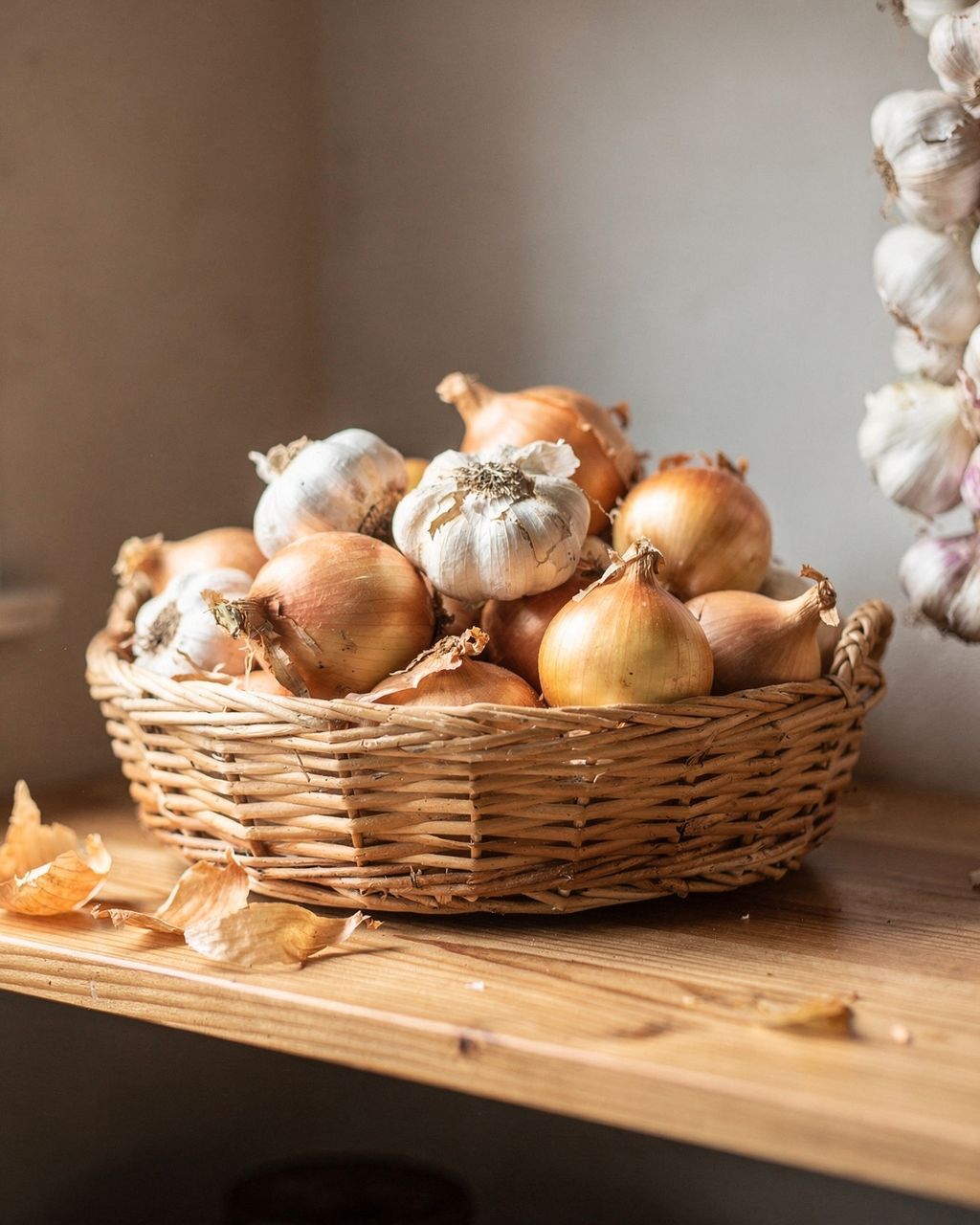
Frozen garlic goes soft once thawed, so it suits cooking rather than raw garlic toast. How to pack it so it doesn't pick up odors or get freezer burn is covered in our article on storing food in the freezer. And if you're more concerned with fresh whole heads that just need to last until spring, take a look at storing garlic and onions.
You can then put your stash to use in, say, rabbit with shallots and roasted garlic or trout baked in foil with butter and garlic. The same goes for roasted garlic in oil as for fresh: fridge and within 4 days, or freezer.
No. Briefly heating or boiling garlic in oil doesn't make it a shelf-stable preserve. Clostridium botulinum spores survive boiling and can germinate again under the oil once it cools. Garlic oil that you heat and use straight away in cooking is fine, but any leftovers belong in the fridge for 4 days at most, or in the freezer.
Store-bought garlic in oil is safe as long as you store it according to the manufacturer's label. Commercial products are made by a controlled process that includes acidification, which you can't replicate at home. After opening, follow the label, which usually means the fridge, and never judge homemade garlic in oil by the store-bought kind.
Blue or green garlic in vinegar is harmless, and you can keep eating it. The color comes from pigments that form in an acidic environment when sulfur compounds in garlic react with amino acids; green is a mix of blue and yellow pigment. It happens more often with young, immature garlic.
Garlic in vinegar has spoiled if you see mold or a film of yeast on the surface; according to UC ANR, throw out both the cloves and the brine. Also be wary if the brine turns cloudy, the cloves go slimy or the jar smells of anything other than vinegar and garlic; in that case, don't try to rescue anything and throw out the entire contents. Don't scrape mold off, because it grows into the food even where you can't see it.
You can buy citric acid in an ordinary supermarket, usually in the spice, baking or canning aisle. Look for pure food-grade citric acid with no other ingredients, not a cleaning product or a blend such as a "canning preservative". For one batch of garlic following the UC ANR method, you need 15 g.
One recipe worth heating the oven for, one tip, and one deal from the shop. Nothing else.