Breakfast with strawberry chia jam
How to Preserve Summer Fruit Without Sugar: Freezing, Drying and Fermenting

Updated Jul 19, 2026
You can preserve summer fruit without sugar in three reliable ways: freezing, drying and fermenting. Each suits something different — freezing keeps the flavour and vitamins almost unchanged, drying makes a long-lasting snack, and fermenting adds probiotics. For each method you'll find exact temperatures, times, step-by-step instructions, and — most importantly — the mistakes to avoid. No refined sugar, no preservatives — just fruit that will last from summer all the way through to spring.
Fruit doesn't need to be drowning in sugar to last — sugar is a preservative, not a necessity. When you preserve it at home without added sweetness, you stay in full control of what you're eating, and the fruit's own flavour shines through far more than it would under a layer of syrup.
Skipping the sugar doesn't mean sacrificing nutrition either. Studies on freezing suggest that fruit loses very little vitamin C right after freezing (often under 10%), and gentle drying below 60°C preserves most nutrients too — frozen blueberries can sometimes contain even more vitamin C after a few months than "fresh" ones that have sat on a shop shelf for a week.
Less sugar in your diet without losing the fruit's natural sweetness.
Less waste — you use up a garden or market glut before it has a chance to spoil.
Freedom to flavour it your way — season plain purée or dried fruit with herbs, cinnamon or vanilla instead of sugar.
Looking for the easiest place to start? Skip the classic jam and make a chia jam instead — the seeds do the thickening, not sugar.
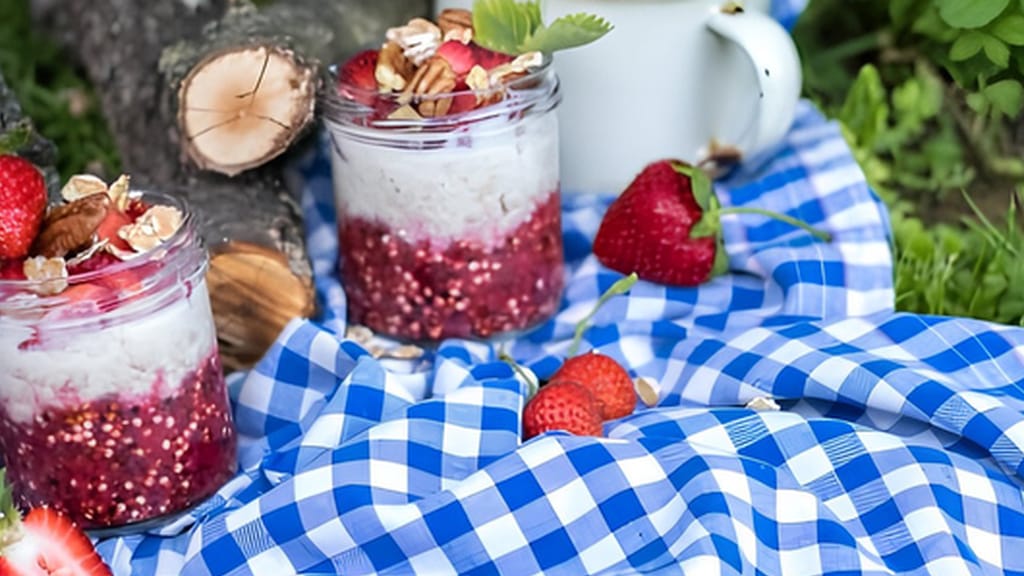
Breakfast with strawberry chia jam
Sugar-free strawberry chia jam — the taste of summer on toast
Freezing is the fastest and gentlest way to preserve summer fruit: it keeps flavour and colour almost unchanged, and at −18°C fruit will keep for 8–12 months. It works without sugar and without blanching — with fruit, blanching tends to strip vitamins rather than preserve them, unlike with vegetables, so skip that step.
Wash the fruit, let it dry thoroughly, and remove stalks and stones. Surface moisture is the biggest enemy — wet fruit turns into one solid frozen block inside the bag.
Strawberries: leave small ones whole, halve larger ones.
Blueberries, currants, raspberries: freeze whole; delicate raspberries are best left unwashed if possible, as they don't take much washing.
Peaches, apricots, plums: remove the stones and slice, splashing with lemon juice to stop browning.
Want loose pieces instead of one solid block? Spread the fruit in a single layer on a tray or baking sheet and freeze it "dry" for 1–2 hours before bagging it up. This way, next time you'll be able to scoop out just a handful — exactly as much as you need for a smoothie or porridge.
Packing determines how long frozen fruit will actually last. Oxygen and evaporating moisture cause freezer burn — dry, grey, flavourless patches — so push as much air out of the bag as you can.
Push the air out with a straw, or use a vacuum sealer.
Portion the fruit into batches you'll use in one go; don't refreeze fruit once it has thawed.
Label the bag with the fruit type and date, and use it up within 8–12 months.
Frozen fruit doesn't need thawing before cooking or blending into a smoothie — it can go straight from the bag into the blender.
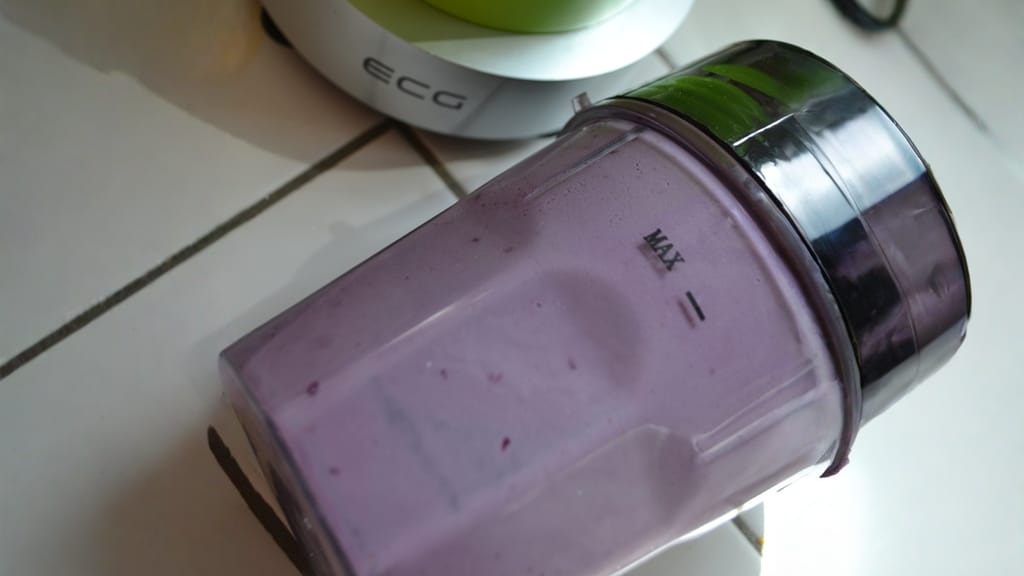
Mixed berry smoothie
Forest fruit smoothie — frozen blueberries and raspberries straight into the blender
Drying removes water from fruit, and with it, the environment mould and bacteria need to grow — the result is a long-lasting snack that keeps for 6–12 months when stored properly. The key is a low temperature, between 50–60°C. Above 60°C, vitamin C starts to break down and you end up "baking" the fruit rather than drying it.
Fruit with firm flesh and lower water content dries best: apples, pears, plums and apricots. Slice them into pieces around 5mm thick — even slices dry evenly and won't go mouldy. Thinner slices make crispy chips, thicker ones stay chewy.
Dip apples and pears briefly in lemon water to stop browning. Watery fruit like melon isn't suited to drying — it simply contains too much water.
Most fruit dries at 55–60°C for roughly 6–12 hours, depending on juiciness and slice thickness.
Food dehydrator: the most reliable option — set the temperature and time, and rotate the trays occasionally.
Fan oven: set it to 50–60°C and leave the door slightly ajar (propped with a wooden spoon, for example) so moisture can escape.
Properly dried fruit is leathery and pliable but doesn't release juice when pressed. Let it cool completely before storing, so condensation doesn't form inside the container.
Dried fruit belongs in an airtight container kept somewhere dark, dry and cool, ideally around 10–15°C. Glass jars with a tight-fitting lid or vacuum-sealed bags will protect it from moisture and pests.
For the first 7–10 days, give the jar a daily shake and keep an eye on it: if condensation appears inside, the fruit wasn't fully dried — put it back in the dehydrator. Don't forget to note the date; properly dried fruit keeps for 6–12 months.
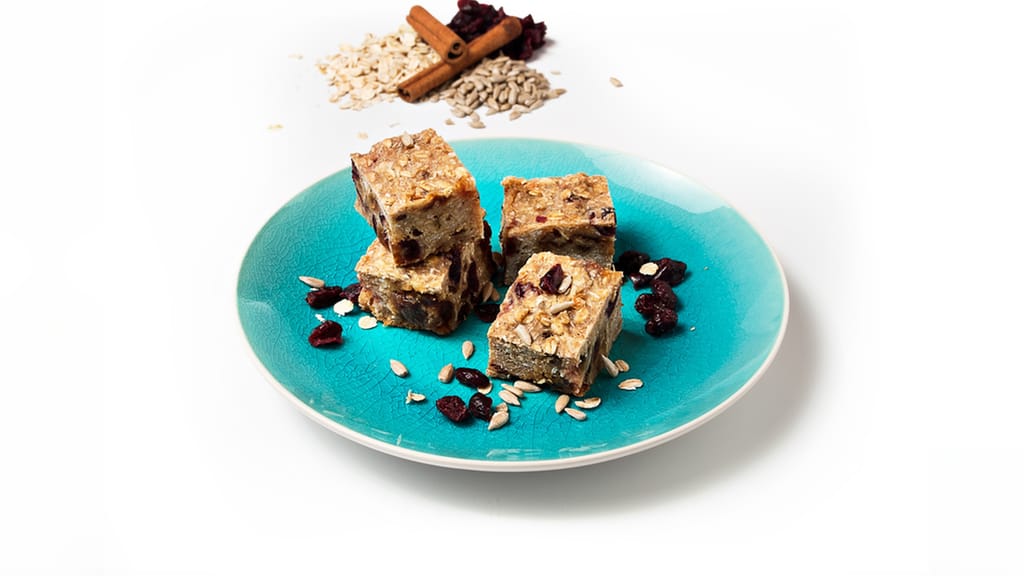
Oat bars with dried fruit
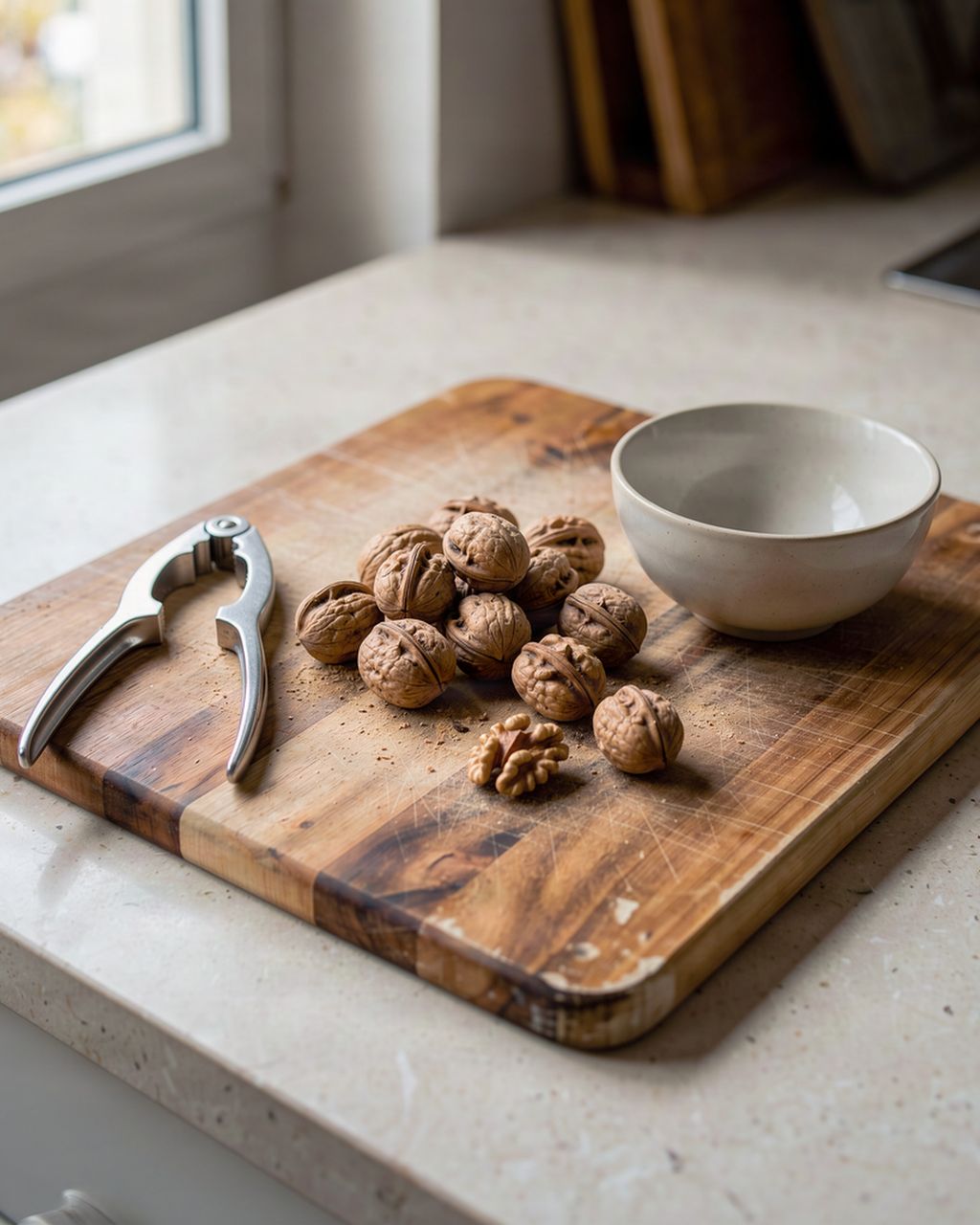
Oat bars with dried fruit — a great way to put dried fruit straight to use
Fermenting preserves fruit using beneficial bacteria that convert sugars into acids — the result is longer-lasting, slightly tangy fruit packed with probiotics, which available studies suggest can support digestion. Fruit needs a different approach to vegetables, though: because it's sweet, it easily "slips" into alcoholic fermentation instead of lactic fermentation.
Vegetables are covered in a 2–3% salt brine, and lactic bacteria take care of the rest on their own. But fruit contains so much sugar that, without help, wild yeasts take over and you end up with alcohol or vinegar instead of a fresh ferment. That's why sweet fruit is more often fermented into drinks (fruit kvass, vinegar) than into a classic "pickle" — so take the idea that you can just sprinkle fruit with something and wait with a grain of salt.
To send the fermentation in the right direction, add a starter culture — a spoonful of whey, juice from fermented cabbage, or a splash of kombucha. This introduces enough lactic bacteria into the jar to outcompete the wild yeasts, so you won't need to sweeten anything.
Honey works in a similar way: it contains its own enzymes, and fruit ferments slowly in it — this is how honey-fermented blueberries or raspberries are made. Keep the jar somewhere warm, out of direct light, and release the built-up carbon dioxide every day.
Where and for how long each method keeps fruit fresh:
Frozen fruit: −18°C, steady temperature, 8–12 months. Don't overfill the freezer, so air can circulate and the temperature stays steady.
Dried fruit: airtight, in the dark, at 10–15°C, 6–12 months. Always label it with the drying date.
Fermented fruit: fridge or cellar at 4–7°C, lasting anywhere from weeks to months. Cold slows down fermentation and settles the flavour.
Proper storage doesn't just extend shelf life — it preserves the flavour and nutrients that made the effort worthwhile in the first place.
No, fruit doesn't need blanching before freezing — unlike vegetables, blanching actually strips out vitamins rather than protecting them. Just wash it, dry it thoroughly, remove any stones, and slice if needed. Blanching (a quick dip in boiling water) makes sense for vegetables, not for strawberries, berries or stone fruit.
It's best not to refreeze fruit once it's thawed. Thawing releases juice and kickstarts bacterial growth, so a second freeze will hurt the flavour, texture and safety of the fruit. That's why it's worth portioning fruit into batches you'll use in one go before freezing. If it does thaw unexpectedly, turn it into a purée or compote instead of refreezing it.
In homemade jam, sugar can be replaced with chia seeds, longer simmering, or fruit naturally high in pectin (like apples or redcurrants). Chia jam thickens on its own in the fridge within a few hours and doesn't need cooking at all. Just keep in mind that without sugar it won't keep as long — this kind of jam belongs in the fridge and should be eaten within a few weeks, or frozen for later.
The trickiest are very watery fruits like melon — they don't dry well and turn mushy once thawed from frozen. Strawberries also soften after freezing and thawing, so they're better suited to smoothies, purées or baking than for garnishing. Always remove the stones from stone fruit first, or they'll turn hard and bitter.
Grey, dry patches and ice on frozen fruit are signs of freezer burn — this happens when air reaches the fruit and moisture evaporates out of it. You can prevent it by pushing as much air as possible out of the bag (using a straw or a vacuum sealer) and keeping a steady −18°C. Fruit with mild freezer burn is still safe to eat — it just loses some flavour.
One recipe worth heating the oven for, one tip, and one deal from the shop. Nothing else.