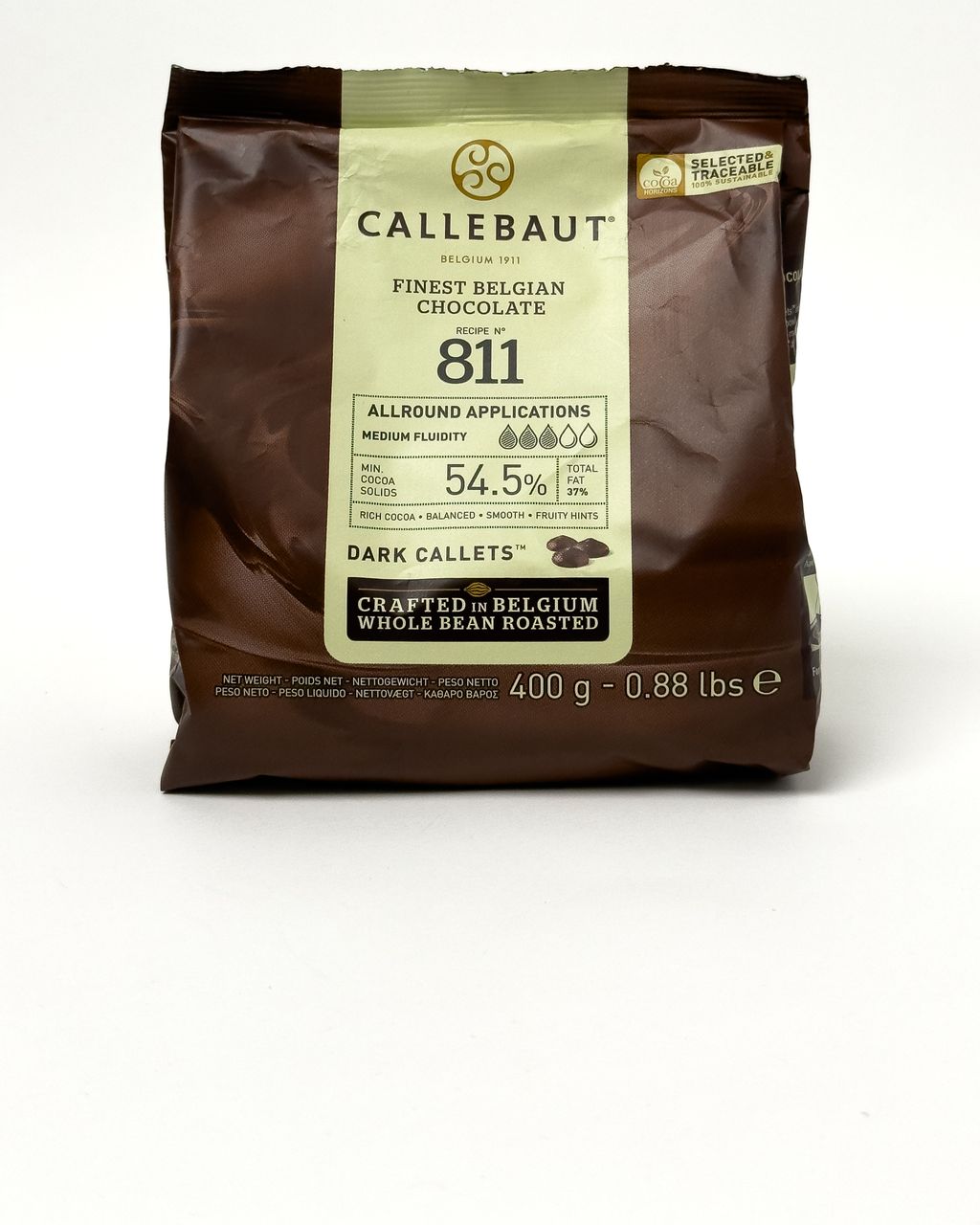
Callebaut Dark Chocolate Callets (811) 400g
Chocolate-Dipped Candied Orange Peel: Method, Drying Time and How Long It Keeps
Updated Oct 15, 2026
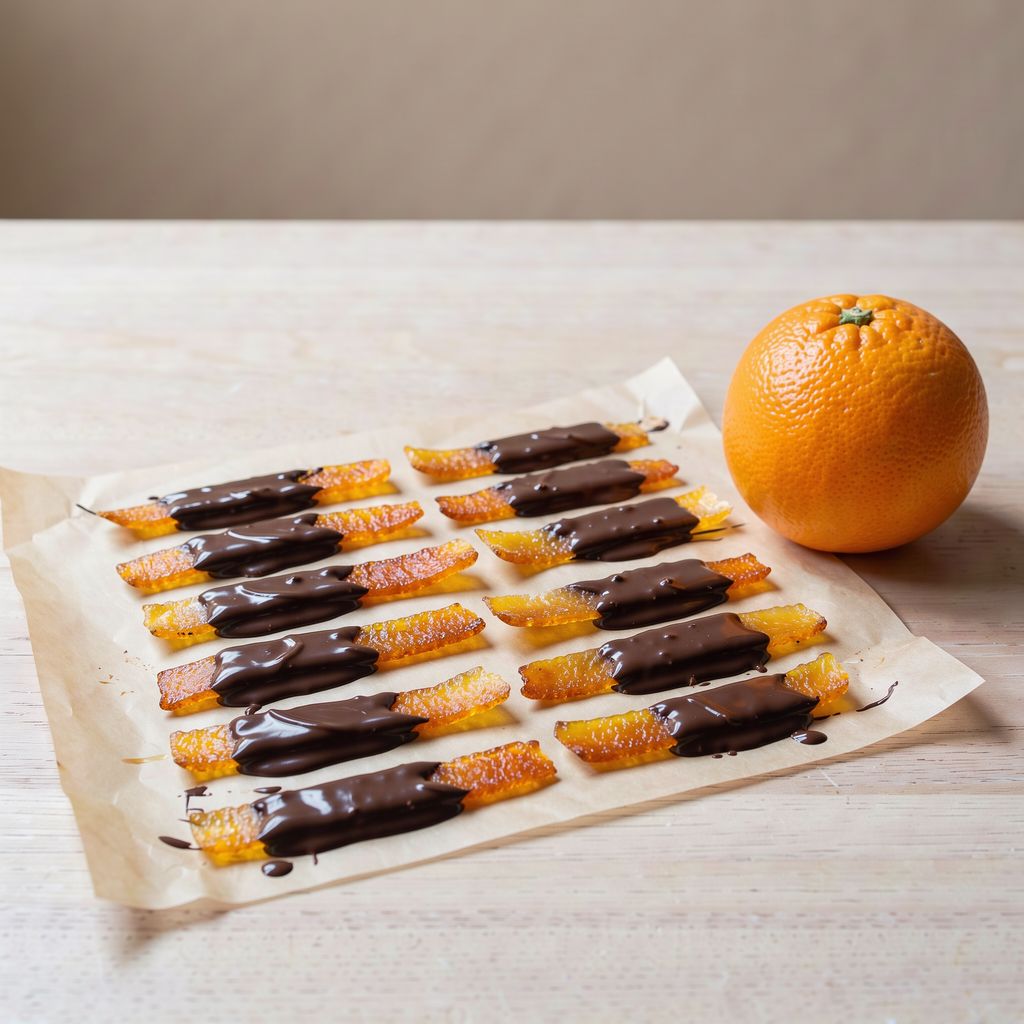
Chocolate-dipped candied orange peel is made from strips of orange peel simmered in sugar syrup, dried, then dipped in dark chocolate. It takes five steps: cut the peel into strips, blanch it three times so it isn't bitter, simmer it slowly in syrup until translucent, let it dry for 1–2 days, then dip it in tempered chocolate. Most of the work is waiting, not making. And if you skip the drying, you can count on sticky peel and chocolate that flakes right off.
The best oranges for candied peel are unwaxed oranges with thick, firm skin. Thick peel with its white layer (the pith) stays juicy after candying and won't fall apart, while the thin peel of mandarins or clementines easily breaks down in syrup.
Unwaxed (organic) fruit – you'll be eating the peel, so the surface treatment matters. On treated citrus, the label or net bag usually says what the fruit was treated with after harvest.
Thick skin – about 4–6 mm including the white layer. Navel oranges are ideal.
Firm fruit with no soft spots – old, shriveled peel takes up syrup unevenly.
Even with organic oranges, scrub them with a brush under hot water before peeling. Four large oranges will give you roughly one batch for dipping.
The method has five steps: cut, blanch three times, simmer in syrup, dry, dip in chocolate. Allow 2–3 days, though the hands-on work is only about an hour and a half.
Cut the peel. Score the orange lengthwise into quarters, pull off the peel along with its white layer, and cut it into strips about 8–10 mm wide. Narrower strips break, and wider ones are hard to dry.
Blanch three times. Cover the strips with cold water, bring to a boil and drain. Repeat twice more, using fresh cold water each time.
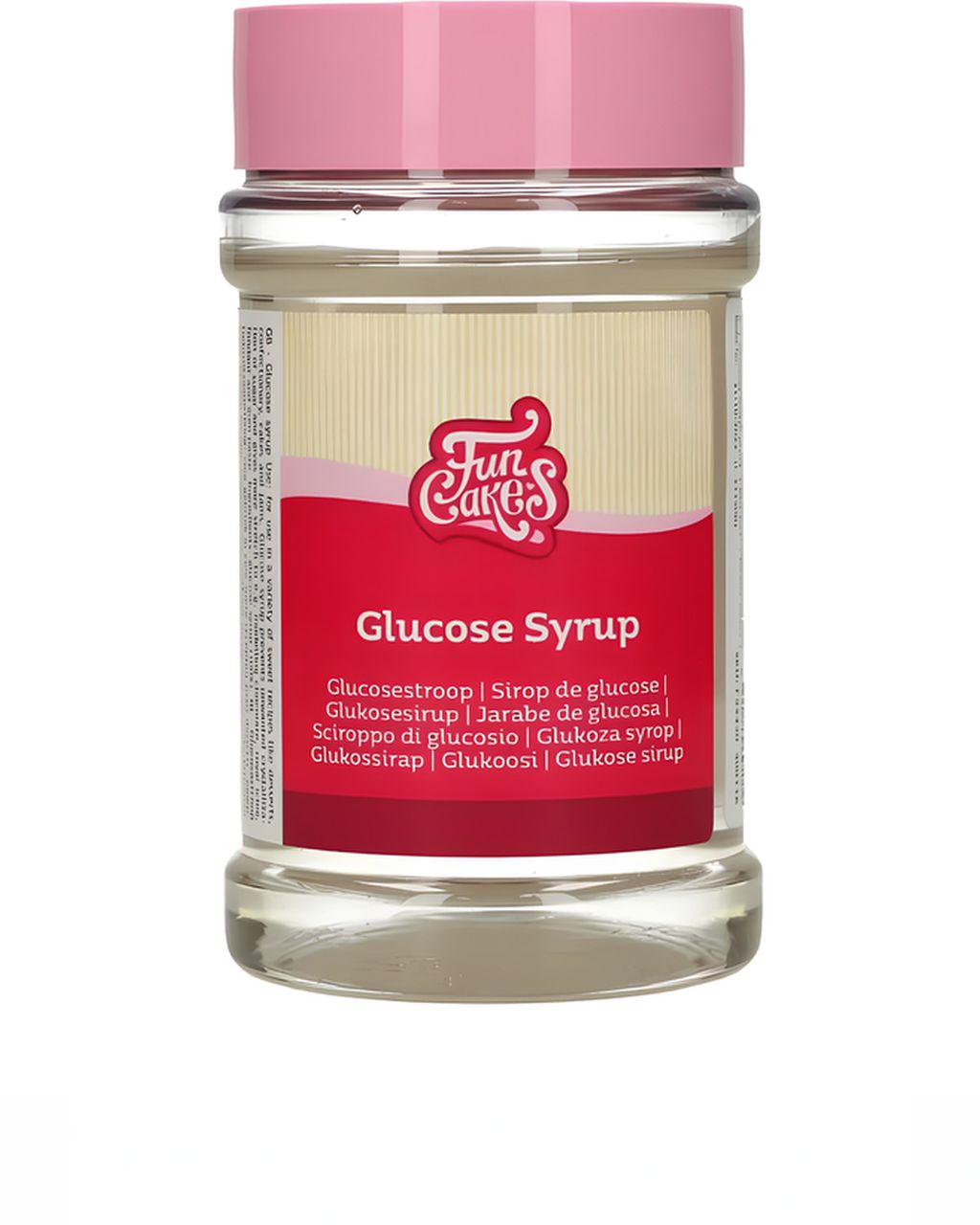
Simmer in syrup. For the peel of 4 oranges: 300 g sugar, 250 ml water and 50 g glucose syrup. Cook at a gentle bubble only, for 45–60 minutes, until the peel turns translucent.
Dry. Lay the strips on a rack so they don't touch and leave them to dry for 24–48 hours.
Dip in chocolate. Dip about two thirds of each strip into tempered chocolate, let the excess drip off and set it on baking paper.
The bitterness in the white layer of the peel is water-soluble, so each blanching washes some of it away. Repeated blanching in fresh cold water is also recommended by the UC Master Food Preserver Program (University of California). After one blanching, a strong bitterness remains; after three, only a pleasant orangey background is left.
If you like a more bitter, sharper flavor (say, with very dark chocolate), you can stop after two blanchings. Don't trim off all the white layer, because it's what keeps the peel juicy after candying. Cut it away only where it's thicker than about 5 mm.
Glucose syrup stops the sugar in the syrup and on the peel from crystallizing. Without it, a grainy sugar crust easily forms on the strips as they dry, and the chocolate then won't bond to the peel and starts to flake off.
Ratio: about 50 g glucose to 300 g sugar, or roughly a sixth of the sugar's weight. The California Master Food Preservers add corn syrup to the syrup (3 tablespoons per 1 cup of sugar), which is roughly twice as much.
Temperature: the syrup should bubble only gently. A hard boil toughens the peel and caramelizes the syrup.
When it's done: the strips are translucent right to the edge, don't crack when bent, and the syrup around them thickens to something like thin honey.
We use FunCakes glucose syrup. If you don't have it at home, invert sugar in the same amount also works, though it's sweeter and the peel will turn out a little softer. For what invert sugar does and where it's useful, see the article Invert sugar: what it is and why pastry chefs use it, and you'll find more options in the article on what to use instead of glucose syrup. A teaspoon of lemon juice per liter of syrup helps a little too, but only glucose is reliable.
If you have time, let the peel rest overnight in the syrup after simmering. It soaks up the syrup more evenly and stays softer inside.
Dry the peel on a rack at room temperature for 24–48 hours, until the surface is dry and no longer sticks to your finger but it can still bend. It should stay soft inside. If it snaps, you've dried it too long.
In the open air: a rack over a baking sheet, strips not touching, in a room free of cooking steam. In humid weather, expect closer to 48 hours.
In a dehydrator: the UC Master Food Preserver Program gives 3–3.5 hours, with the trays rotated now and then so the peel dries evenly. The result should be dry but pliable, not crisp.
In the oven: at 50–60 °C (120–140 °F) with the door propped open (for example with a wooden spoon), for about 2–3 hours. Check the strips from the second hour on, because the edges dry out fast and turn hard.
Don't roll the peel in sugar if you're dipping it in chocolate. A sugar coating is fine if you'll eat the peel on its own, but the chocolate would cling to the sugar rather than the peel. Just dry the peel until it stops being sticky.
The best match for candied orange peel is dark chocolate with 54–70% cocoa, since it balances the sweet peel. More important than the percentage, though, is that it's real chocolate, ideally couverture (on Czech packaging often labeled "chocolate coating", min. 31% cocoa butter). Any real chocolate can be tempered, but couverture is more fluid thanks to its higher cocoa butter content and gives a thinner, glossier coat. A comparison based on what you want from the result:
Callebaut 811 (54.5% cocoa) – the manufacturer rates it medium fluidity (3 drops out of 5) and recommends it for dipping and enrobing. It makes a thin, even coat that doesn't overpower the peel, and tastes of cocoa with a fruity note. This is the one we use. For what the Callebaut numbers mean, see the article Callebaut 811, 823, W2 and RB2: which chocolate to use for what.
Dark 70% and up – more contrast and a more bitter flavor. It tends to be thicker, so the coat is heavier. It suits you if you blanch the peel only twice and want the whole thing to taste more "grown-up".
Milk (e.g. Callebaut 823) – it works, but candied peel is very sweet on its own, and with milk chocolate it's easy to overdo the sweetness. It suits kids better.
White – it overpowers the orange flavor. If you want to use it, only do so for thin drizzled stripes.
Cocoa (fat-based) coating – a chocolate substitute – you'll recognize it by the vegetable fat (palm, coconut) in the ingredients. It isn't tempered, but it's waxy, doesn't snap crisply and tastes noticeably worse. It isn't suitable for gifts.
You'll find the whole selection of real chocolates in the baking and dipping chocolate category. How to temper chocolate so it's glossy and doesn't stay on your fingers is described in detail in our complete guide to tempering chocolate.
A practical detail: for dipping you need more chocolate than ends up on the peel, so that it's deep enough in the bowl. Plan on 300–400 g, though only about 100–150 g will cling to the peel. Let the rest set on paper and use it another time.
Chocolate-dipped candied orange peel keeps for 1 month at most in a well-sealed tin outside the fridge, in a cool, dry place. Here is what we know about each part:
Candied peel (without chocolate, coated in sugar): the UC Master Food Preserver Program (University of California) gives up to 1 month in an airtight container. It doesn't call for the fridge.
Peel dried thoroughly in a dehydrator: according to the same program, it keeps up to a year in an airtight container, but only if you first leave it for a week in a closed jar, shaking it daily and watching for moisture condensing inside. Peel for dipping is deliberately left softer, so this figure doesn't apply to it.
Chocolate: for Callebaut 811, the manufacturer gives a shelf life of 24 months when stored dry at 12–20 °C (54–68 °F), meaning a cool room, not the fridge.
So the peel is the limiting factor, not the chocolate. That's why we take 1 month as the upper limit, and it's best to eat or give away the peel within 2–3 weeks. Store it in layers separated by baking paper, in the dark and dry, ideally in a cool pantry or larder.
Skip the fridge. When you take it out, moisture condenses on the cold chocolate, dissolves sugar from the surface, and a greyish-white film is left once it dries. It's still edible, but the shine is gone.
Chocolate-dipped strips make a ready-made gift: put 10–15 in a cellophane bag or tin, layered with baking paper. With the leftover tempered chocolate, you can make homemade chocolate bars with nuts straight away and add them to the same box.
Dice the peel without chocolate and use it in baking:
in chocolate-glazed marokánky, which are traditionally baked with candied fruit,
in yeast dough, such as a fragrant Easter mazanec, as a softer, more fragrant replacement for store-bought candied fruit.
Don't pour away the syrup left over from candying. It has a strong orange flavor, and you can add it to tea, spoon it over pancakes or brush it on a cake layer.
Yes, lemon and grapefruit peel are candied exactly like orange peel: blanch, simmer in syrup, dry and dip. Grapefruit peel is more bitter, so feel free to blanch it four times. Lemon peel is usually thinner and candies faster, so start checking it after just 30 minutes in the syrup.
You can dip store-bought candied orange peel in chocolate, but it usually comes diced and soaked in syrup, so it stays sticky. For chocolate-dipped strips, it's worth candying the peel at home. Use the store-bought cubes in dough instead.
White streaks mean either the chocolate wasn't tempered or moisture has condensed on it, for example after coming out of the fridge. Chocolate that isn't properly tempered sets dull and grey and melts on your fingers. Condensation dissolves the sugar on the surface, which then dries into a white film. Both are safe to eat, they just don't look great.
We don't recommend freezing chocolate-dipped candied orange peel, because water condenses on the chocolate as it thaws and ruins the shine. It's better to make a smaller batch and eat it within a month.
Sticky peel usually means the syrup was too thin or the room is humid. Finish drying it in the oven at 50–60 °C (120–140 °F) with the door slightly open, and check it after an hour. Then wipe it briefly with a dry tea towel and dip it once it no longer sticks to your finger.
One recipe worth heating the oven for, one tip, and one deal from the shop. Nothing else.