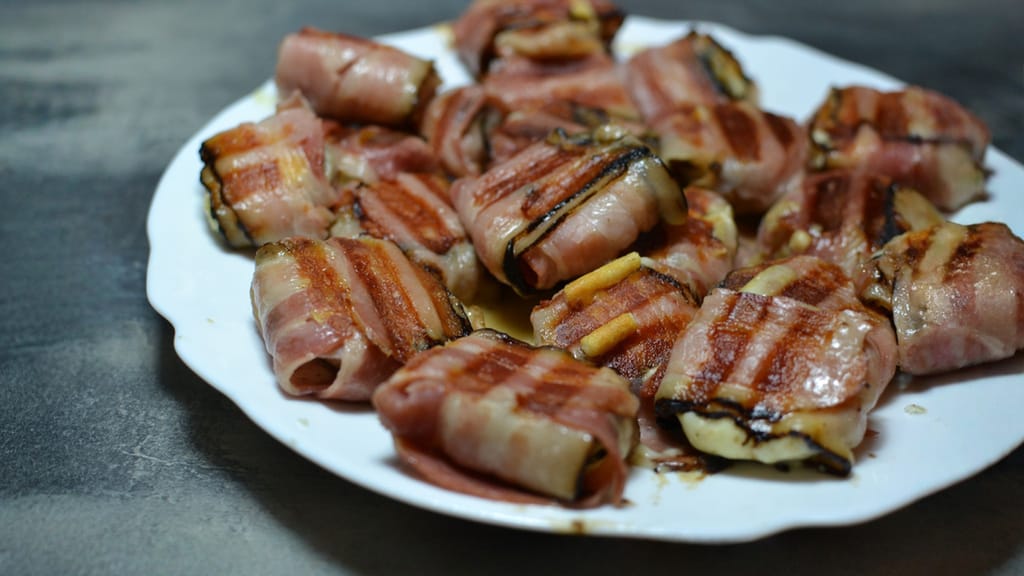
Blue cheese-stuffed mushrooms wrapped in bacon
Button Mushrooms: How Long They Keep in the Fridge, How to Store Them and Roast Them in the Oven
Updated Nov 17, 2026
Fresh button mushrooms keep in the fridge for roughly 3–7 days (according to the USDA FoodKeeper database), longest in their original container or a paper bag, unwashed. There's no point freezing them raw, so sauté them first. And if you want to roast them, give them a hot oven and plenty of room on the pan, or they'll end up stewing in their own juices. Below you'll find it all: storing, washing, freezing, roasting, cooking and what to substitute.
Fresh whole button mushrooms keep in the fridge for 3–7 days, according to the American USDA FoodKeeper database. The Mushroom Council (a US association of mushroom growers) says some will last up to a week in the fridge if you leave them in their original packaging or a paper bag.
The range is so wide because a lot depends on how fresh they were when you bought them:
Firm, closed caps with white or light pink gills underneath are fresh, so expect them to last toward the upper end.
Open caps with dark gills have been sitting around for a while, so use them within two to three days.
Sliced mushrooms keep for less time than whole ones, because they lose water and turn brown where they're cut. Slice them just before cooking.
Don't leave them out on the counter at room temperature, as they wilt and turn soft quickly. They belong in the fridge, which the UK's FSA says should be set to 0–5°C (32–41°F).
Seasonal baking plans, tested recipes and kitchen tricks that save you time. Unsubscribe in one click.
Store mushrooms in the fridge in a paper bag or in their original container with perforated film, not in sealed plastic. The Mushroom Council recommends both. Mushrooms are mostly water and they keep "breathing." In a sealed plastic bag, moisture condenses on the walls, the mushrooms sit in it, and within a few days they turn slimy.
Here's how:
Leave store-bought mushrooms in their container. If they're in film with no holes, poke some in it or transfer the mushrooms to a paper bag.
Fold the top of the bag over loosely at the top; don't tie it shut.
Put them in the main part of the fridge, not right at the back against the wall, where they can freeze.
Don't wash them ahead of time (see the next section).
If you don't have a paper bag, a bowl covered with a dry paper towel will do. The towel absorbs excess moisture without letting the mushrooms dry out.
Don't wash mushrooms before putting them in the fridge. Rinse them briefly just before cooking and dry them right away. According to USDA FoodKeeper, mushrooms last longer if you don't wash them before storing, because moisture on the surface speeds up spoilage.
Cultivated store-bought mushrooms are usually almost clean, so wiping them with a damp cloth or a soft brush is enough. If there are clumps of growing medium on them, rinse them briefly under running water just before cooking and dry them right away with a paper towel, which is also what the Mushroom Council advises. Don't leave them soaking in a bowl: they soak up water and then just steam in the pan instead of browning.
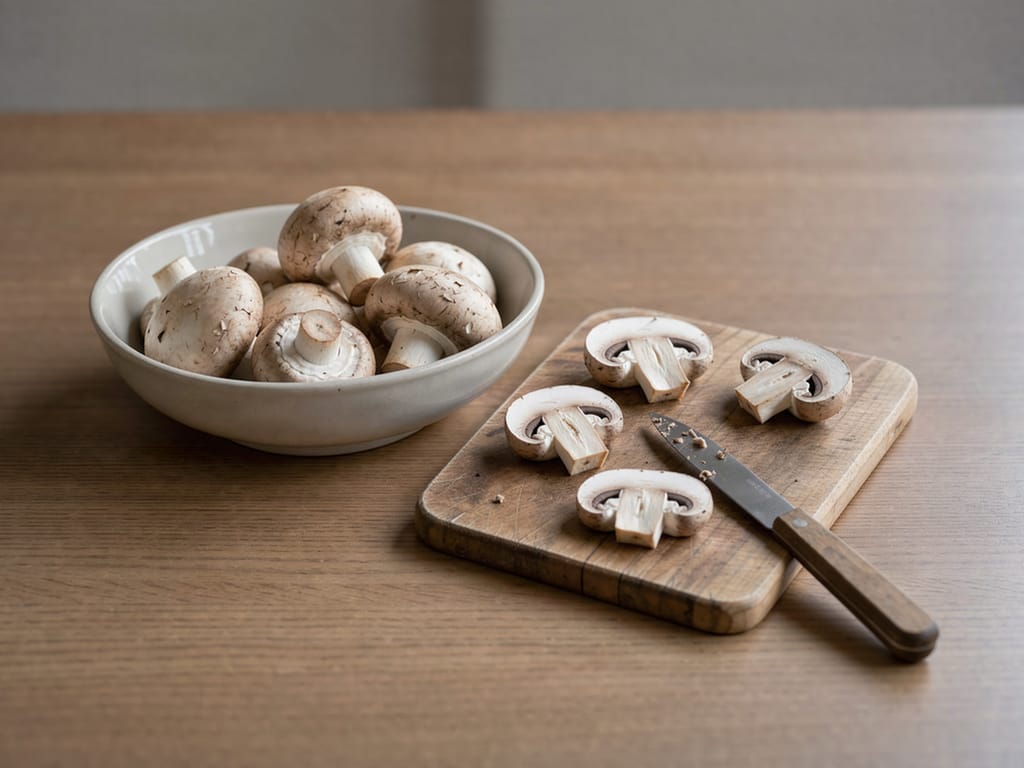
You don't need to peel them. The skin is thin and delicate, and peeling would only waste some of the mushroom. Just trim off the dried-out end of the stem.
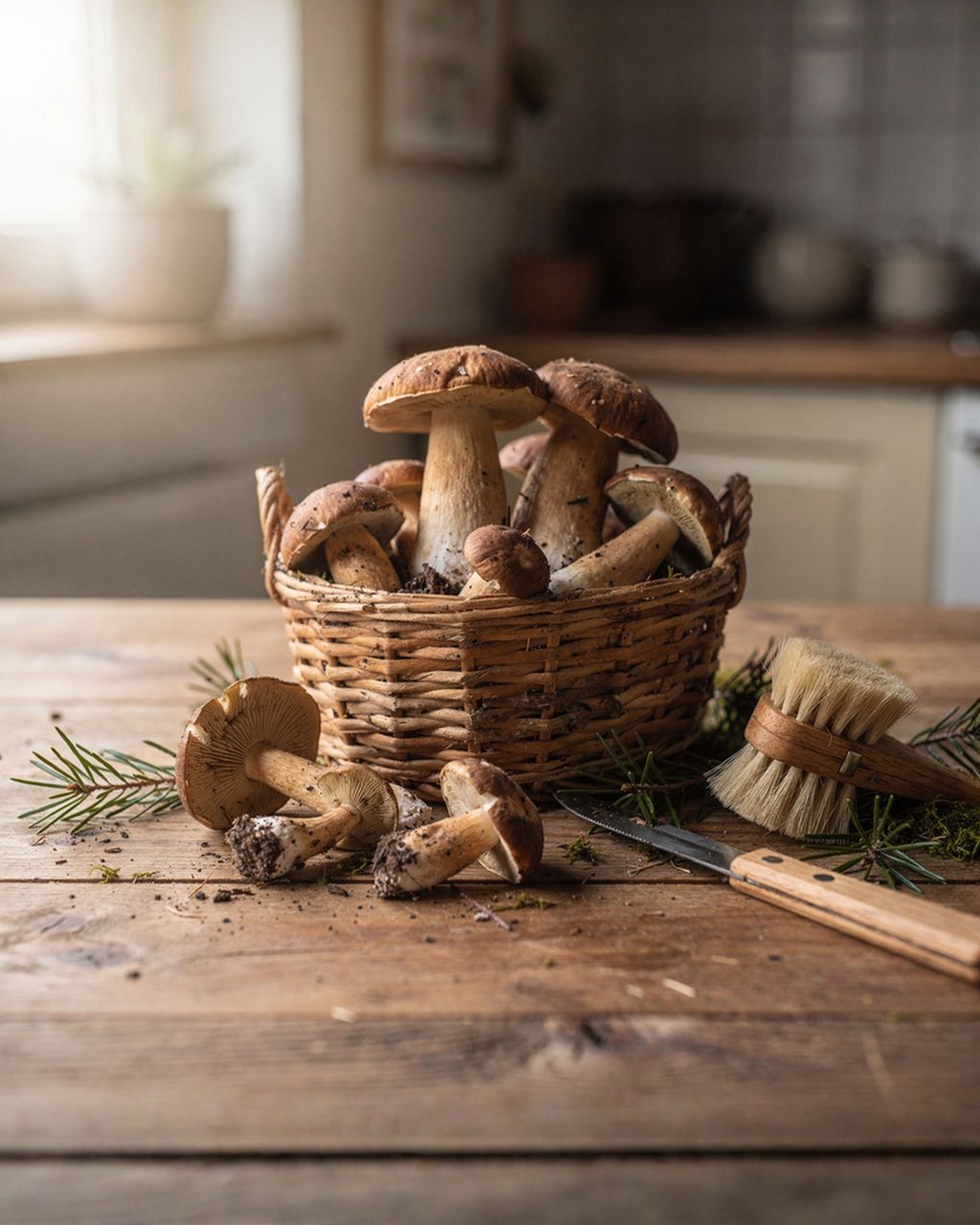
Wild mushrooms are a different matter. We cover how to clean them dry and with water, depending on the type, in our article on how to clean wild mushrooms.
You can freeze mushrooms, but only cooked (sautéed) ones. Don't freeze them raw. The Mushroom Council explicitly says not to freeze fresh mushrooms. They're full of water, which forms crystals in the freezer. Those break down the cells, and after thawing you're left with rubbery, watery mush.
A method that works:
Cut the mushrooms into slices or quarters.
Sauté them in a skillet in a little fat until they release their water and it evaporates.
Let them cool quickly, spread them in a thin layer in a bag or container, and put them in the freezer.
According to the Mushroom Council, sautéed mushrooms keep in the freezer for about 1 month.
If you've come home from the forest with a whole basket and want to freeze them in bulk, see our article on how to freeze mushrooms, which covers methods for wild varieties. You'll find the general rules for freezing other vegetables in how to freeze vegetables.
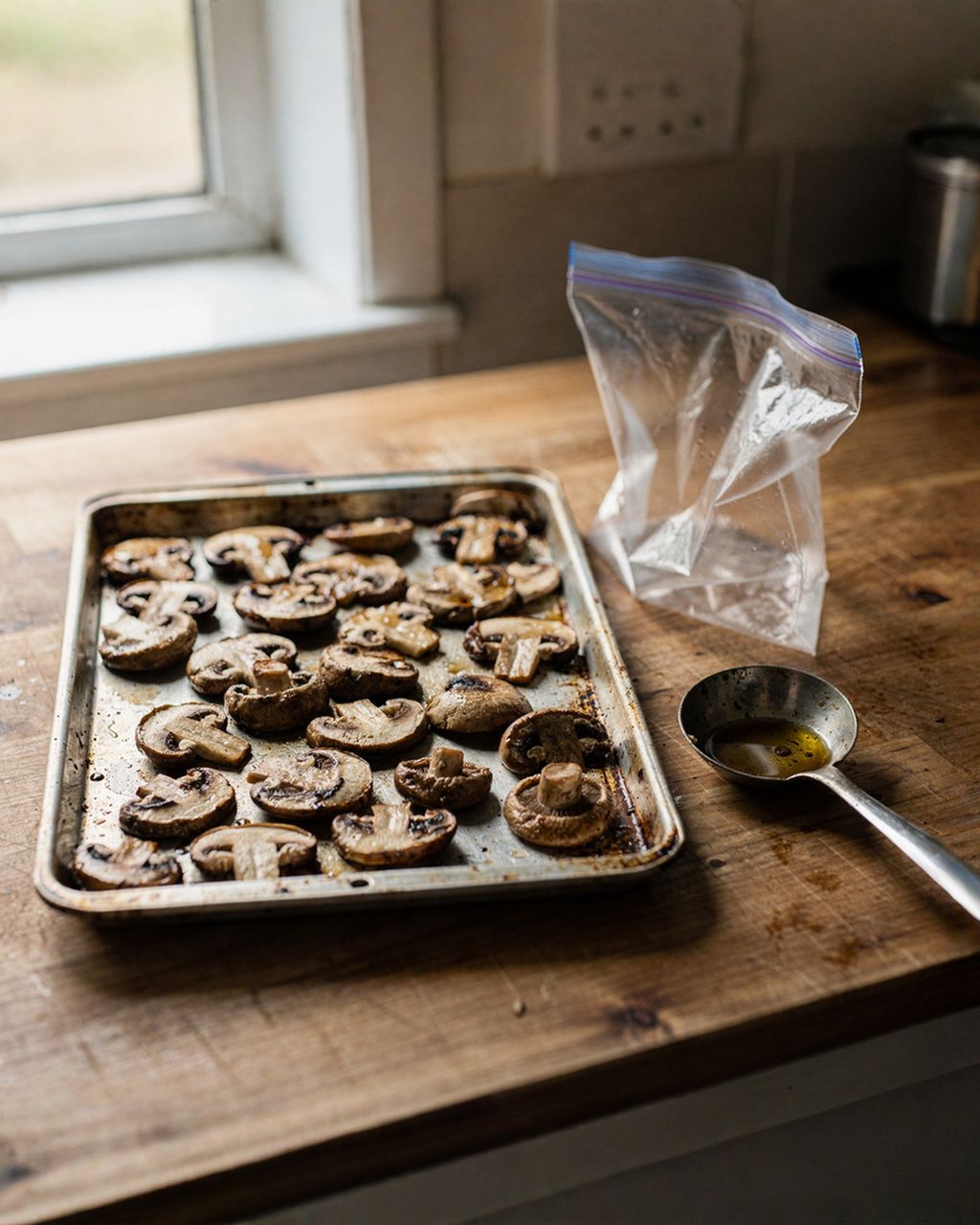
The Mushroom Council gives an oven heated to 450°F (230°C) and about 20 minutes of roasting, stirring the mushrooms occasionally, until they're browned. For 225 g (8 oz) of mushrooms, figure on about 1 tablespoon of oil.
What makes the difference between browned mushrooms and steamed ones:
Room on the pan. Spread them in a single layer so they don't touch. If they're crowded, the water they release can't evaporate and the mushrooms stew in it. Use two pans if you need to.
Dry mushrooms. If you washed them, dry them thoroughly. A wet surface won't brown.
Salt at the end. Salt draws water out of mushrooms. Season them in the last few minutes or after they come out of the oven.
Size. Leave small ones whole and halve or quarter large ones, so the pieces are the same size and finish roasting at the same time.
When they're done: the edges are golden brown, the mushrooms have shrunk to almost half their size, and there's no puddle left on the pan.
At the end you can add garlic, thyme, a squeeze of lemon or shavings of Parmesan. Add the garlic in the second half of roasting, or it will turn bitter.
Large mushrooms are great stuffed too, so try cheese-stuffed mushrooms wrapped in bacon. You can also roast mushrooms right alongside meat, as in the recipe for slow-roasted leg of lamb with mushrooms and vegetables.
Blue cheese-stuffed mushrooms wrapped in bacon
Oven-baked cheese-stuffed mushrooms wrapped in bacon
Cook mushrooms briefly, just until tender, in a soup or sauce rather than on their own in water. In water they leach their flavor into the broth, so mushrooms boiled on their own tend to be bland. That's why you should cook them right in whatever you're going to eat.
For soup, first sauté them briefly in butter, and only then add the liquid. Browning gives them flavor and makes the soup more intense. Try a delicate, fragrant mushroom soup.
For a sauce, add them after sautéing the onion and let them simmer until they soften and the sauce thickens, for example in a mushroom sauce.
For risotto, sauté them separately and stir them in near the end so they don't overcook. You'll find inspiration in Italian mushroom risotto.
You'll know they're done when they darken, soften and shrink. If you cook them too long, they turn rubbery.
The best substitutes for button mushrooms are other mushrooms (oyster mushrooms, shiitake or soaked dried mushrooms). Without mushrooms, eggplant or zucchini will work. It depends on whether you want to keep the mushroom flavor or just the texture.
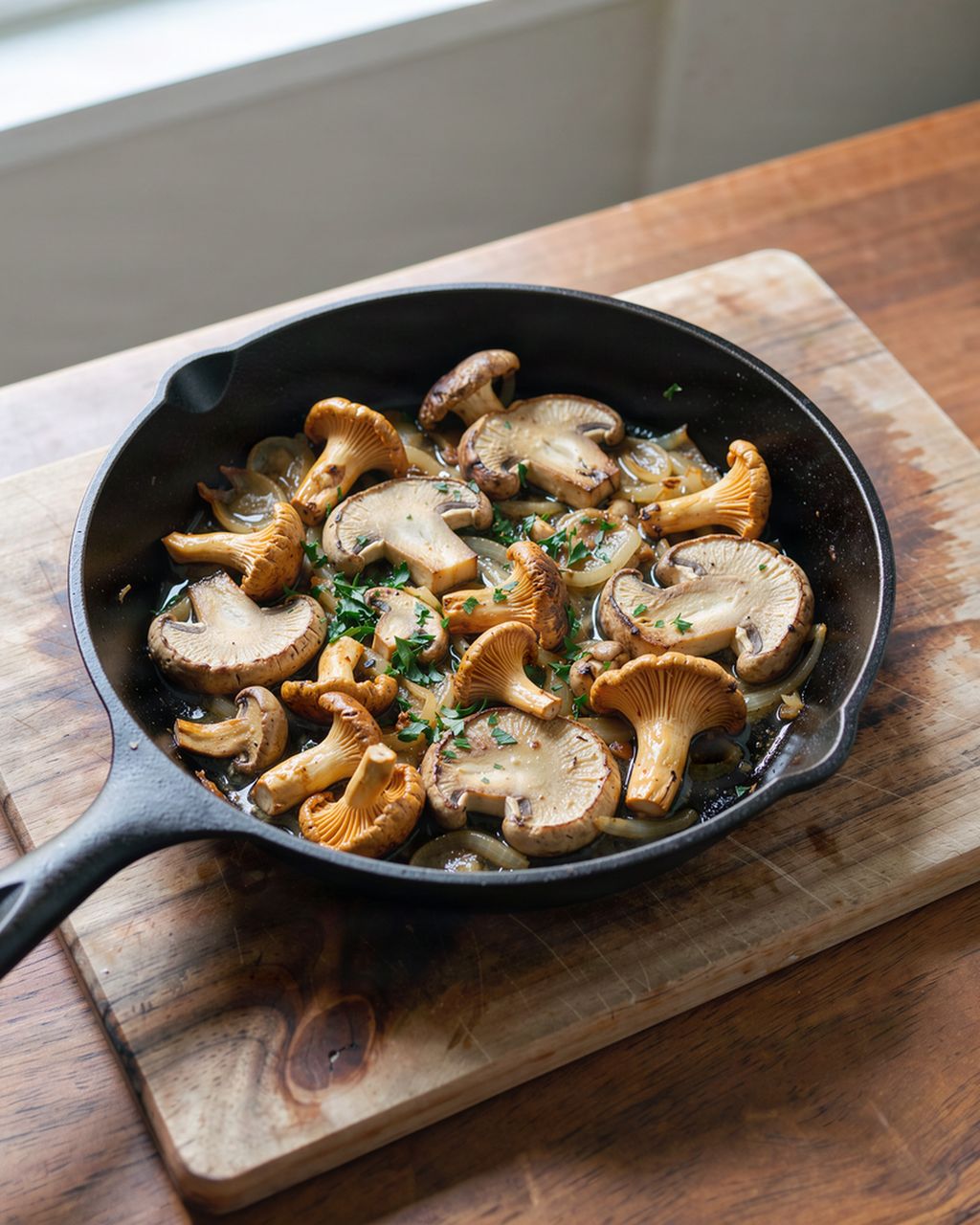
Oyster mushrooms are the closest substitute in availability and mildness. Roasted or seared, they're meatier and crispier, as in avocado toast with roasted oyster mushrooms.
Shiitake have a stronger, almost smoky flavor. They suit Asian dishes, sauces and risotto. Cut off the tough stems.
Dried mushrooms give a pronounced mushroom flavor. Soak them, slice them and add the strained soaking liquid to the dish.
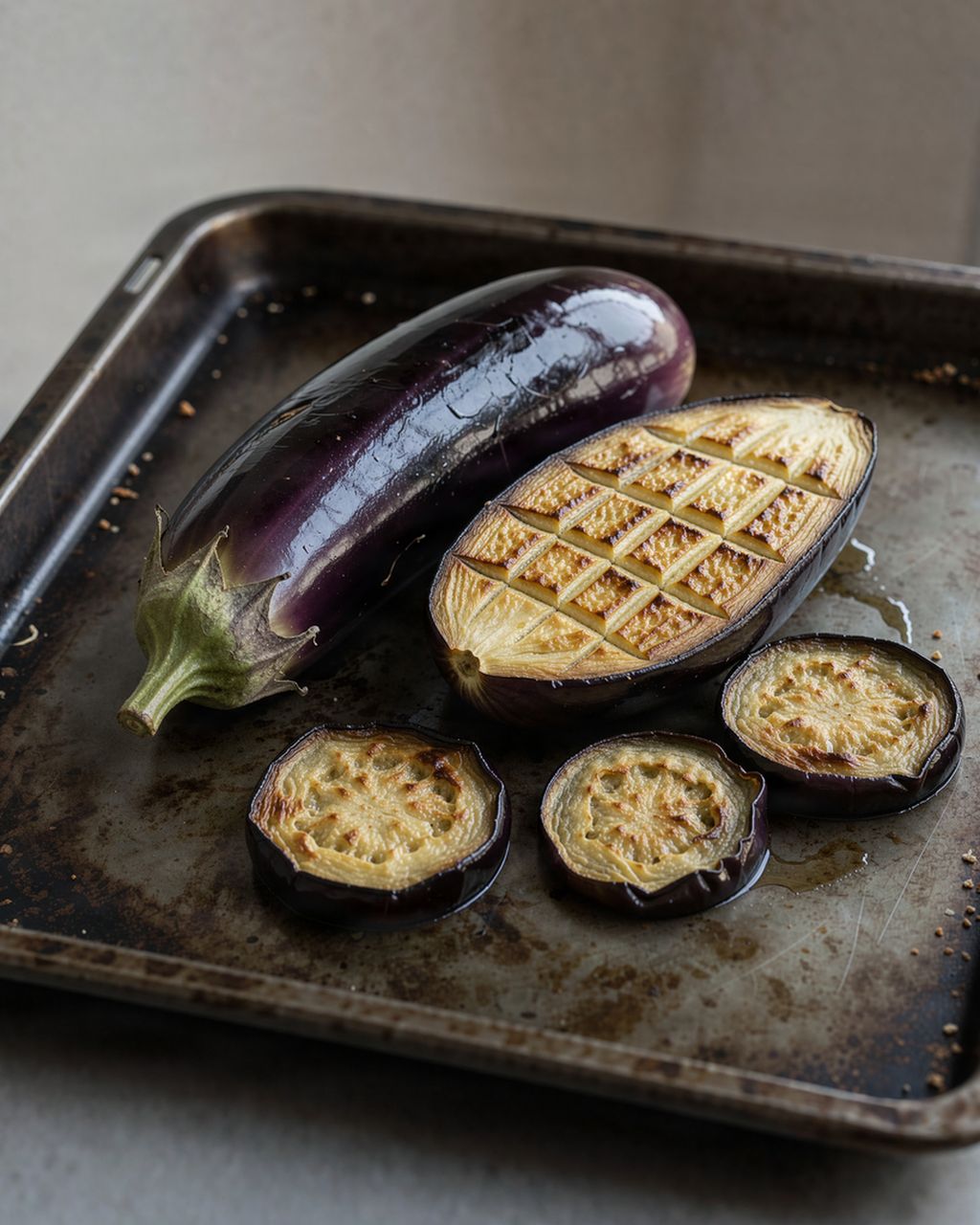
Eggplant works when you want a meaty texture, for example in a sauce or on the grill. We explain how to roast it so it doesn't turn rubbery in how to roast eggplant in the oven.
Zucchini is a mild, neutral substitute for baked dishes and skillet mixes. It won't add any mushroom flavor, though.
Spoiled mushrooms have a slimy, sticky surface, a sour or musty smell and dark, soft spots. Throw them out whole; don't just cut off the bad part.
Mushrooms that are slightly shriveled or browned but still firm, dry and odor-free should be cooked the same day. They're best in soup, a sauce or a skillet. If you can't use them right away, sauté and freeze them; raw, they'd only last a few more hours.
Don't thaw sautéed frozen mushrooms. Toss them straight from the freezer into a skillet, sauce or soup. Thawing them slowly in the fridge makes them release water and turn soggy.
Yes, store brown mushrooms and portobellos just like white ones: in the fridge, in a paper bag or the original container, unwashed. Brown mushrooms tend to be firmer and usually keep a little longer. Portobellos are mature brown mushrooms with an open cap and dark gills, so use them sooner and wipe the gills rather than rinsing them, because they soak up water.
Cultivated mushrooms can be eaten raw, for example thinly sliced in a salad. They must be fresh, firm, and washed and dried just before serving. Don't eat wild mushrooms raw.
One recipe worth heating the oven for, one tip, and one deal from the shop. Nothing else.