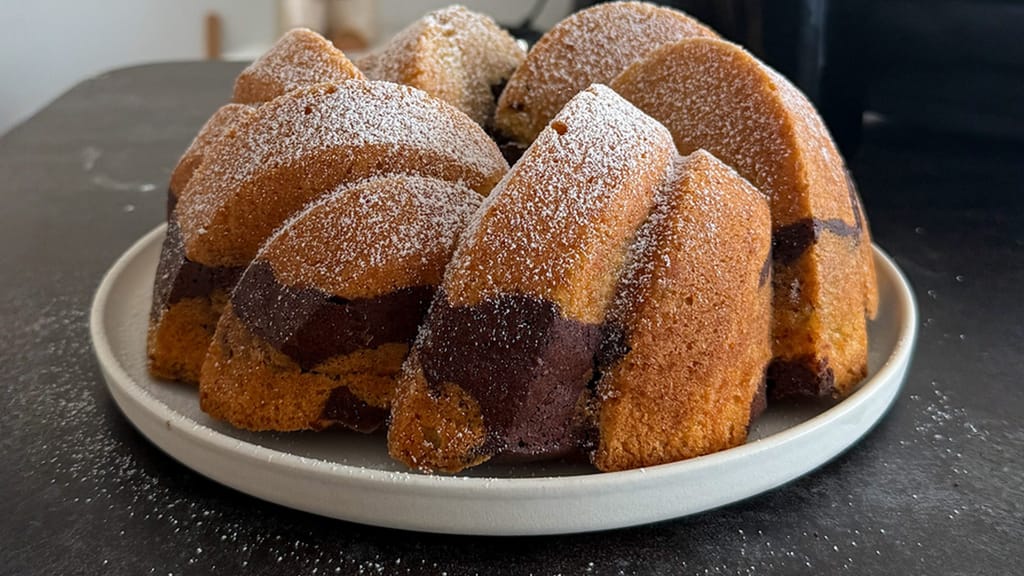
Marble bundt cake with buttermilk and vanilla
Baking Equipment for Beginners: What to Buy First and What Can Wait
Updated Oct 8, 2026
Baking equipment for beginners fits on a single shelf: a digital scale, two bowls, a whisk and silicone spatula, a hand mixer, a baking tray with baking paper, one cake tin, a cooling rack, and an oven thermometer. With that kit you can bake cookies, a bundt cake, a sheet cake, a sponge, and your very first cake. Everything else – nozzles, cake rings, silicone moulds, a stand mixer – can wait until you know what you actually enjoy baking. Here's what to buy right away, why, and what you can happily skip for now.
A beginner needs eight things: a scale, bowls, a whisk and spatula, a hand mixer, a baking tray, one cake tin, a cooling rack, and an oven thermometer. Chances are you already have most of them at home.
A digital kitchen scale that measures in 1 g increments – the foundation of accuracy, more on that below.
Two bowls – one large (3–4 l) for batter, one smaller for whipping egg whites or melting butter. Stick to stainless steel or glass; plastic holds onto grease and makes it harder to whip whites to stiff peaks.
A whisk and silicone spatula – use the whisk to combine dry ingredients and beat a simple cream, and the spatula to scrape every last gram out of the bowl and gently fold in whipped egg whites.
A hand-held electric mixer – for whipped cream, meringue, and butter creams. A stand mixer can do the job too, but you don't need one to get started.
A baking tray and baking paper (or a silicone mat) – for cookies, meringues, and sheet cakes.
One springform cake tin, Ø 24 cm (or a bundt tin, depending on what you want to bake first).
A cooling rack – keeps the bottom of your bakes from going soggy as they cool.
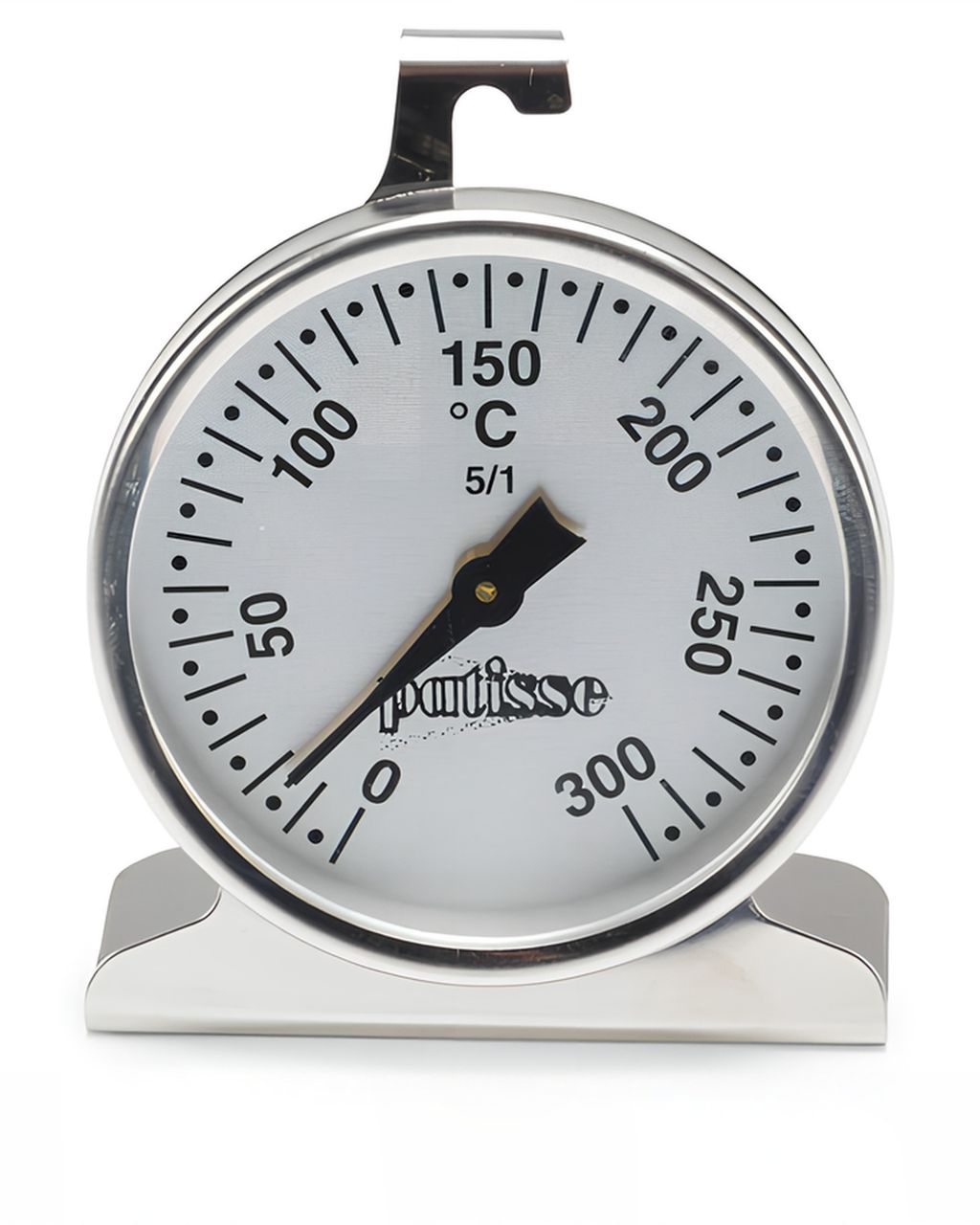
An oven thermometer – a cheap buy that does the most to boost your success rate.
With this basic kit you can bake a bundt cake, cookies, a sheet cake, a sponge, and even your first cheesecake – you don't need anything else. A bundt cake (bowl, whisk, tin) or a tray of cookies make great first attempts: they forgive small mistakes and quickly show you how your oven behaves. Once you've picked up a muffin tray, try these easy redcurrant yoghurt muffins.
Marble bundt cake with buttermilk and vanilla
Buttermilk marble bundt cake – a first bundt cake for beginners
Chocolate chip cookies with fleur de sel
Fleur de sel chocolate cookies – all you need is a tray and baking paper
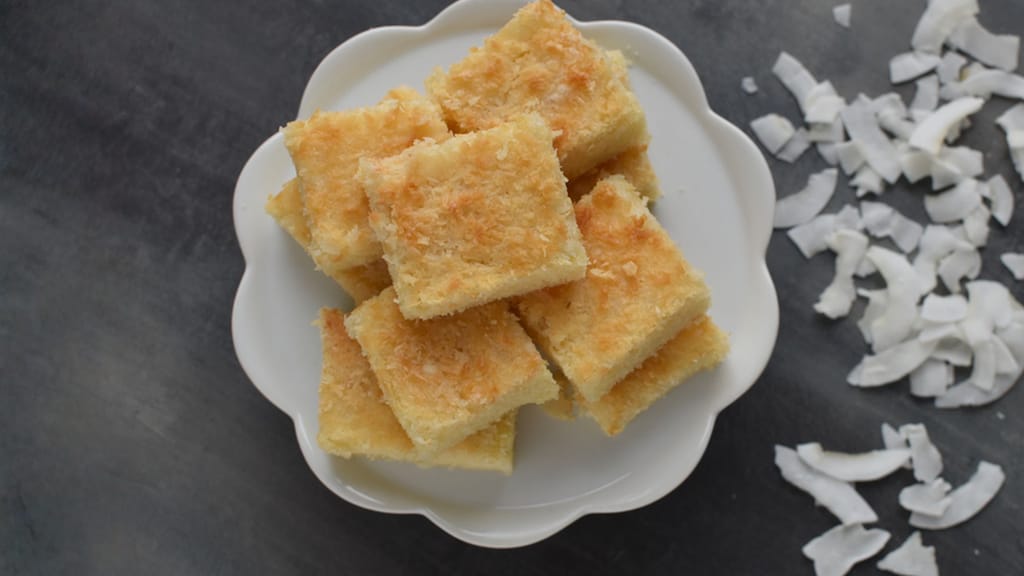
Coconut sheet cake with a crunchy cream crust
Coconut sheet cake with a crisp creamy crust – a tray bake made with just a bowl and whisk
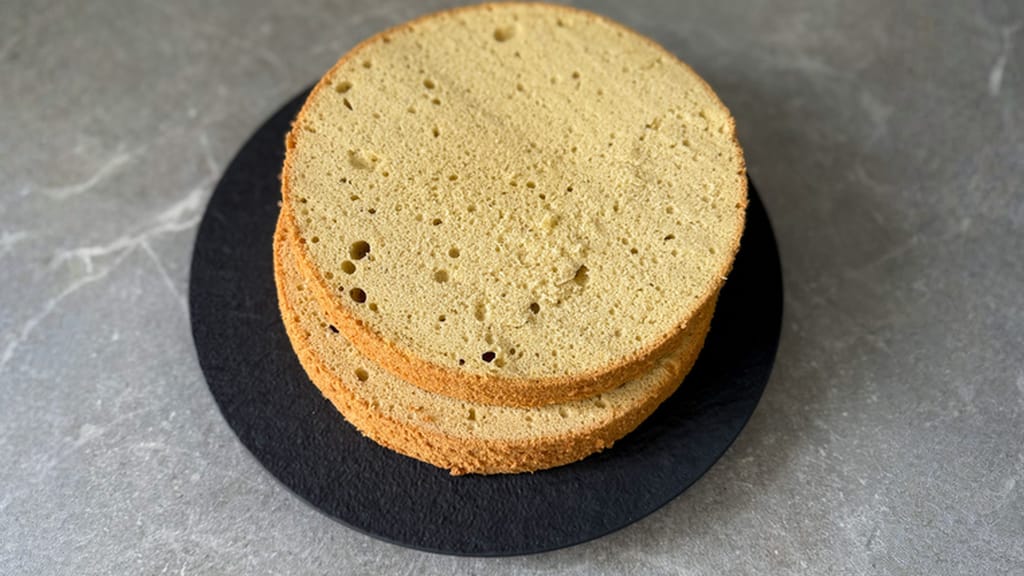
Light and airy génoise sponge cake
Light and airy Génoise sponge – a sponge baked in a Ø 24 cm cake tin
A kitchen scale matters more than measuring cups because baking depends on precise ratios of ingredients, and you can only measure those accurately in grams – a measuring cup measures volume, and a cup of flour can vary by 20–30 g depending on how you scoop it. In a bundt cake, that's the difference between moist and dry.
Choose a digital scale with 1 g increments and a tare function (resets to zero once you place the bowl on it).
A capacity of up to 5 kg covers everything you'll bake at home.
With yeast, baking powder, or gelatine, every gram counts – so skip the dial scale.
We don't sell scales on Yumsto, so just pick one up at a regular homeware shop. A pricier model won't give you anything extra – a cheap digital scale for a few pounds does exactly what you need.
An oven thermometer tells you the actual temperature inside – and it's often a different number from what the dial shows. According to tests by America's Test Kitchen, even a well-calibrated oven swings by roughly ±14°C (±25°F) around the set temperature while baking, and poorly calibrated ovens are off by even more. So a recipe calling for 180°C (355°F) might actually be baking at 165°C (330°F) or 195°C (380°F) – and then you wonder why your cake is raw in the middle or burnt around the edges.
How to use it:
Place the thermometer in the centre of the middle rack.
Set the oven to 180°C (355°F) and let it heat for 20 minutes – the indicator light turning off doesn't mean the oven's actually up to temperature.
Check the reading, and adjust the dial up or down next time based on the difference.
A basic dial oven thermometer is a small investment that eliminates the most common reason an otherwise good recipe doesn't turn out right. For more on why ovens lie and how to work around it, see oven thermometer: why your oven doesn't show the real temperature.
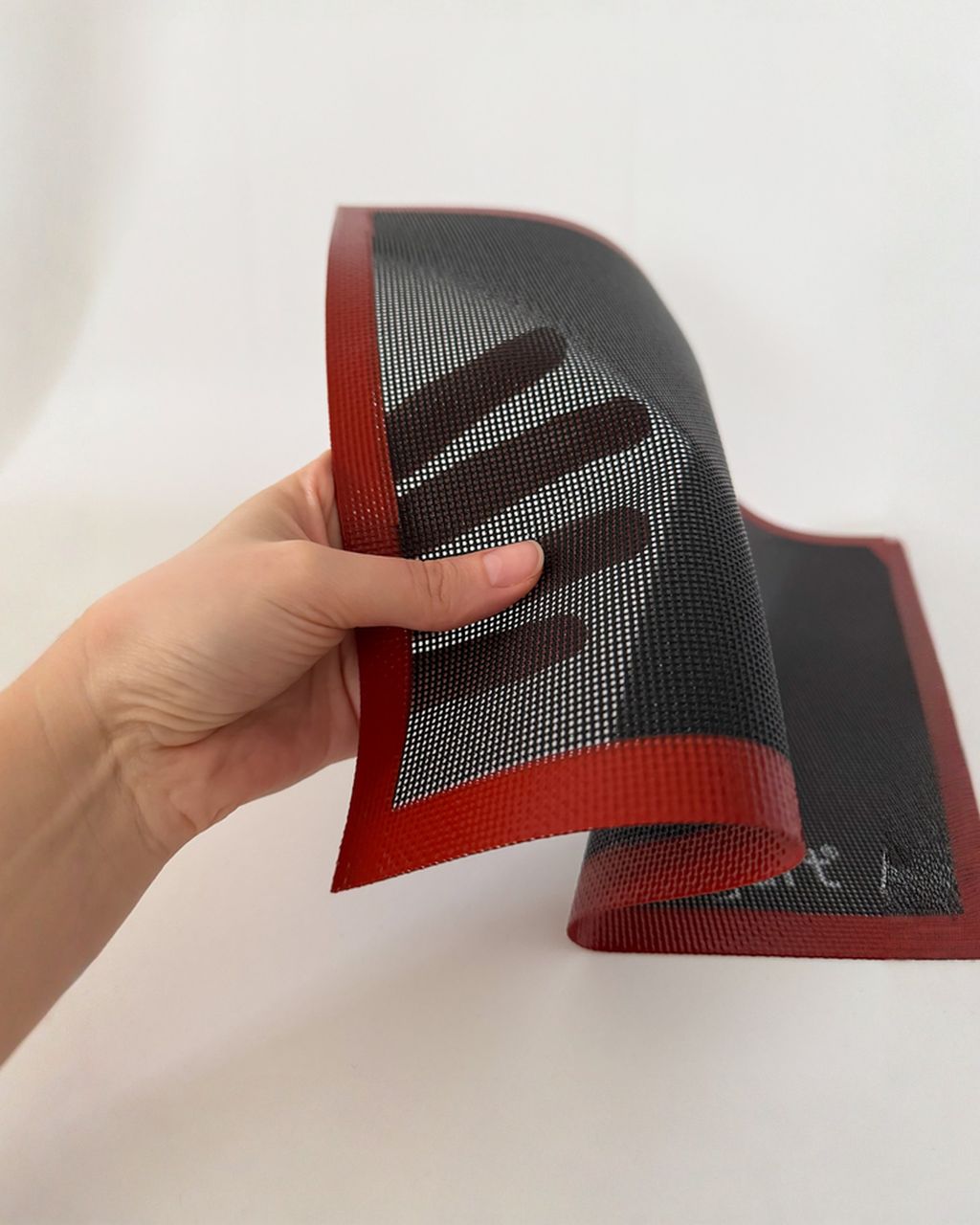
Baking paper is enough to start with; a silicone baking mat pays off once you're baking cookies or meringues more often than once a month. Both do the same job – nothing sticks and the tray stays clean – they just differ in long-term cost and in the result on the bottom of your bakes.
Baking paper: cheap, available everywhere, and you can cut it to fit any tin. It goes in the bin, and it curls up on the tray until weighed down by batter.
Silicone mat: lasts for hundreds of bakes, lies flat and smooth, and nothing sticks to it. Never cut on it with a knife.
A perforated silicone mat has tiny holes that let steam escape. The bottoms of cookies, tartlets, or delicate pastry then bake evenly and crisp up instead of turning soggy.
If your cookies keep spreading on the tray, the mat is only part of the answer – find out more in why cookies spread on the tray.
Start with one metal springform cake tin, 24 cm in diameter – 24 cm is the standard size in Czech recipes, and it's enough for a sponge, cheesecake, or fruit cake. Pick your second tin based on what you enjoy baking: a bundt tin or a muffin tray.
Metal, not silicone. A metal tin conducts heat quickly and evenly, so the cake browns and rises properly. Silicone tins have their place, but they bake differently and can trip up a beginner – more in silicone baking moulds: how to bake with them and where they fall short.
Light-coloured, not dark. A dark surface absorbs more heat, so edges and bottoms brown faster. If a dark tin or tray is what you've got, lower the temperature by about 10–15°C (18–27°F) or keep a closer eye on the time.
Skip the five-tin sets. Half of them will just sit unused in the cupboard.
We don't currently sell springform cake tins on Yumsto, so pick one up at a regular shop.
A cake ring is a bottomless metal circle, and you only need one once you start building layered or mousse cakes – not before. You won't appreciate it for your first sponge, but you won't get straight sides on your first cream-and-jelly layer cake without it.
For pies and tarts, there's the perforated tart ring: the holes let delicate pastry bake evenly, sides included. A large fluted ring, Ø 24 cm, is for a classic fruit tart, while small Ø 8 cm rings are for tartlets. It's lovely kit to have, but it's really a second- or third-season purchase. The article perforated tart rings for tartlets explains how to use one, and step-by-step mousse cake shows when a cake ring comes in handy.
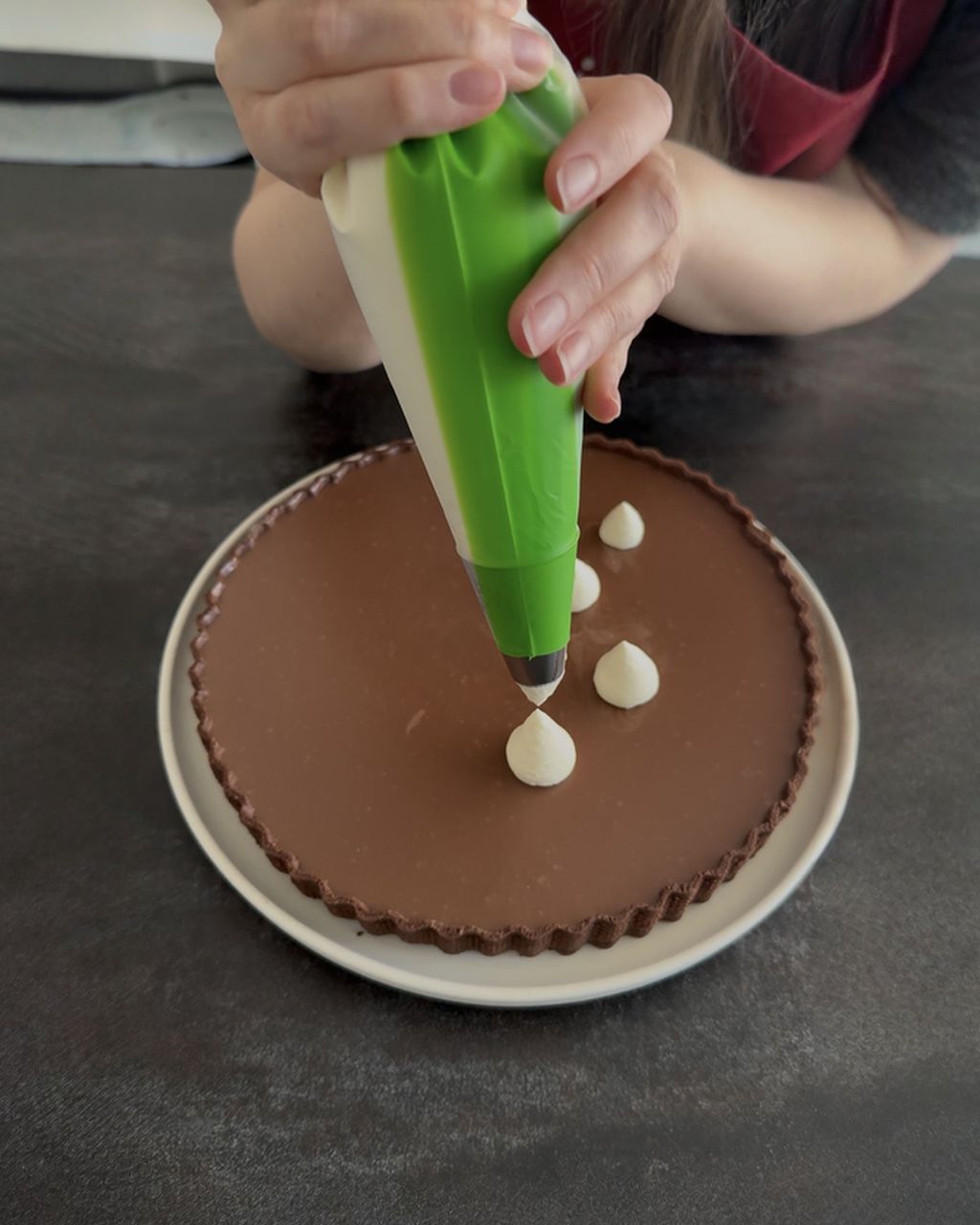
You need a piping bag with a nozzle once you want to decorate cupcakes, pipe meringues, or fill éclairs – not for a bundt cake or cookies. But as soon as you try decorating, it's the next thing to buy after the basics, because a spoon just won't give you a neat finish.
What's enough to start with:
Disposable bags, 35–40 cm long. A shorter bag empties quickly and the filling ends up all over your hand. Disposable bags skip the washing-up of greasy cream and are more hygienic. A reusable fabric bag pays off once you're decorating weekly – the differences are covered in piping bags: disposable or reusable fabric?
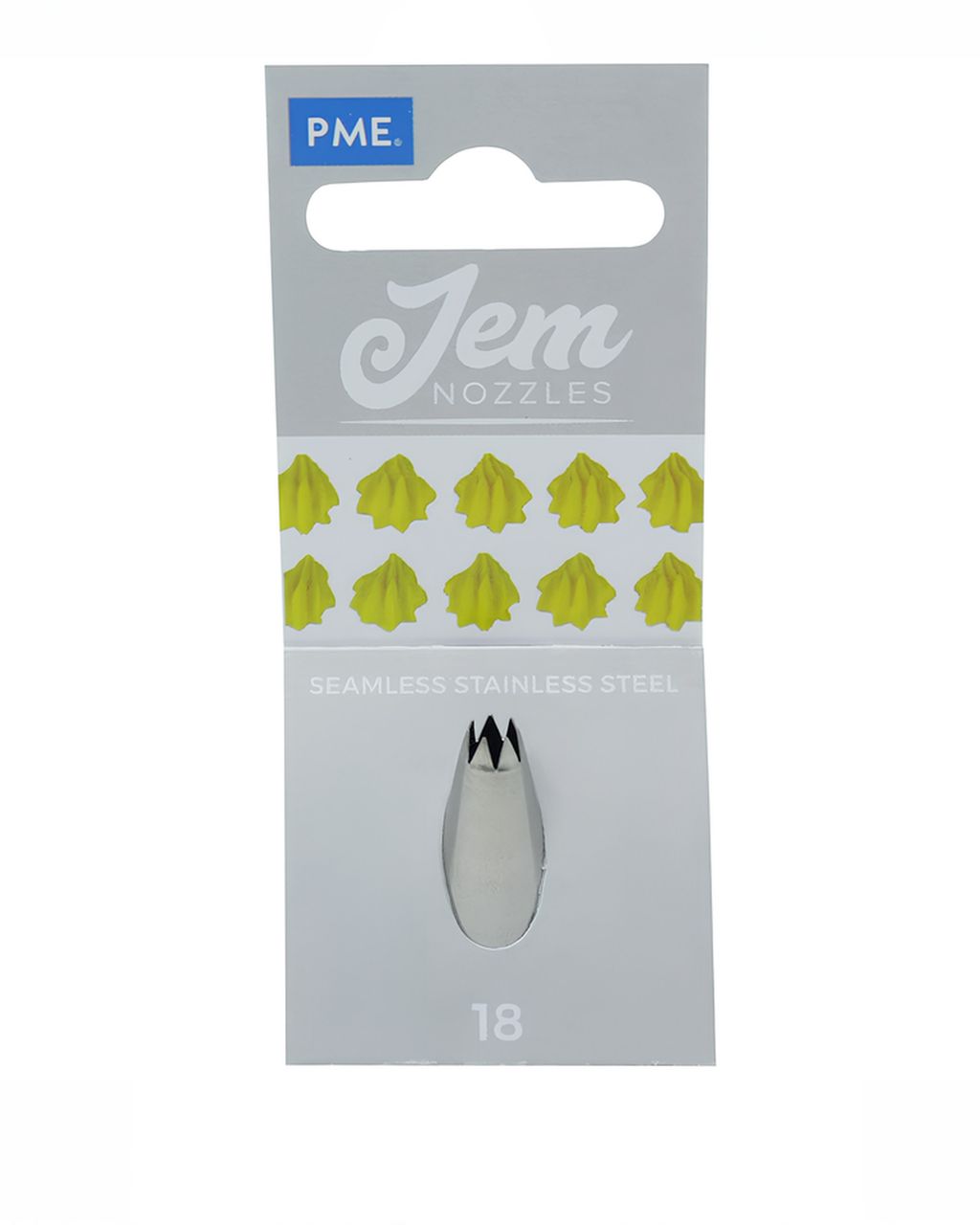
Two nozzles, not a set of twenty. One open star (for cupcake tops, rosettes, cake borders) and one round (for meringues, éclairs, lettering). Specialty nozzles for petals or ruffles can wait until decorating really grabs you.
You'll find bags and nozzles together in the piping bags and nozzles category. For your first attempt at decorating, pick something where the piping actually matters – like coffee cupcakes with a light cream. And for a neat, level top ready for decorating, this helps: how to bake cupcakes with a flat top for decorating.
You don't need a stand mixer, a set of tins, a set of twenty nozzles, a rotating cake stand, or special single-use moulds to get started. You can bake everything a beginner bakes without them – and spend the money you save on better ingredients instead.
Stand mixer – a hand mixer and wooden spoon cover most batters. You'll appreciate a stand mixer once you're making large batches of yeasted dough or baking often.
Sets of tins and nozzles – they look like good value, but you'll only ever use one or two from the set.
Rotating cake stand, acetate cake collars, cake rings – kit for layered and mousse cakes. It'll come with your first one.
Silicone moulds shaped like hearts and stars – pretty, but they bake differently from metal and can confuse a beginner.
Cup-based measuring sets – with a scale, you don't need them.
Buy in three waves: the basics right away, decorating gear after your first successes, and specialty kit only once you know what you enjoy.
Right away: scale, bowls, whisk, spatula, hand mixer, tray with baking paper, 24 cm cake tin, cooling rack, oven thermometer.
After your first successes: silicone baking mat, disposable piping bags, an open star and round nozzle, a second tin (bundt or muffin).
Once you know what you enjoy: cake ring or perforated tart ring, acetate cake collar, specialty nozzles, stand mixer.
Buy each item only once you need it for a specific recipe. That way, you know you'll actually use it.
For baking, a hand mixer with around 300–500 W of power, at least five speed settings, and stainless steel whisks is enough. A stronger motor helps with dense butter creams and heavier batters; dough hooks are a nice bonus, but you'll still get better results kneading yeasted dough by hand.
Yes, baking paper can handle two to three batches of cookies as long as it isn't greasy, scorched, or brittle. Toss it after greasy or wet batters, or after baking above 220°C (425°F); if you want to reuse the same sheet over and over, a silicone baking mat is the better buy.
In a pinch, a sturdy zip-lock bag with a small corner snipped off works as a piping bag. It's fine for simple whipped cream swirls or writing, but a nozzle won't stay in place well, and thick butter cream can split the bag.
Buy a baking tray based on your oven's interior, not what's on the shop shelf: leave at least 2–3 cm between the tray and the oven walls so hot air can circulate. The tray that came with your oven is usually enough to start with.
Wash a silicone baking mat with warm water, washing-up liquid, and a soft sponge, then let it dry flat or hanging up. Never cut on it, never scrub it with a wire brush, and never put it straight on a hob or under a grill.
One recipe worth heating the oven for, one tip, and one deal from the shop. Nothing else.