- Season
- Year-round
- Price
- Low
Calories and nutrition per 100 g
- 92 kcal
- 10.1 g protein
- 4 g fat
- 3.6 g carbs
Semi-Fat Curd Cheese
Semi-fat curd cheese (tvaroh polotučný) is a fresh, unripened cow's-milk cheese set mainly by lactic acid, with 15–25% fat in dry matter under the Czech decree 397/2016 Coll. In the product that is about 4 g fat and 10–11 g protein per 100 g, so it is lighter than full-fat tvaroh and goes into Czech fillings, dumplings and spreads.
Do not leave it at room temperature. Take it out only while you work, and do not leave spreads or unbaked creams made from it out of the fridge for more than 2 hours.
Keep it in the fridge at 2–8 °C and use it by the use-by date. Makers print "use immediately after opening" on the pack. Put any leftover in a closed container and use it within 2 days at most. At the first sign of mould, throw out the whole pack.
Tvaroh takes freezing better than any other fresh cheese. Freeze it in its unopened pack or a container and use it within 2–3 months. Thaw in the fridge, pour off the water and stir. After thawing it is grainier, so use it for baking and dumplings, not in an unbaked cream.
Look for "tvaroh polotučný" and the fat in dry matter on the pack. The ingredients should be milk, cream and culture, nothing else. A foil-wrapped block tends to be drier and suits fillings that must hold their shape; tvaroh from a tub is smoother, better for creams and spreads. The pack should be intact and not bulging, with the use-by date as far off as possible.
Full-fat tvaroh in the same amount. The filling will be creamier and moister.
Well-drained ricotta, or cottage cheese drained and blended smooth. Cottage cheese is salted, though, so cut back the salt in the recipe.
For a filling, mash it with a fork or press it through a sieve so it is not lumpy. Leave moist tvaroh to drain for a few hours in a sieve lined with a cloth, or thicken the filling with starch, semolina or custard powder. Always bake fillings with raw egg until they set.
Add the whey from the pack to bread dough, pancake batter or a smoothie. Beat a small leftover with salt and chives into a spread, or stir it into pancake batter.
Roughly what one measure weighs, scooped the way you normally would in the kitchen.
For baking, in fillings for buns, kolache and strudel, in tvaroh bundt cake, grated cheesecake cake and cheesecake. Tvaroh dough is boiled into curd-cheese and fruit dumplings and fried into pancakes. Raw, it goes into spreads and creams.
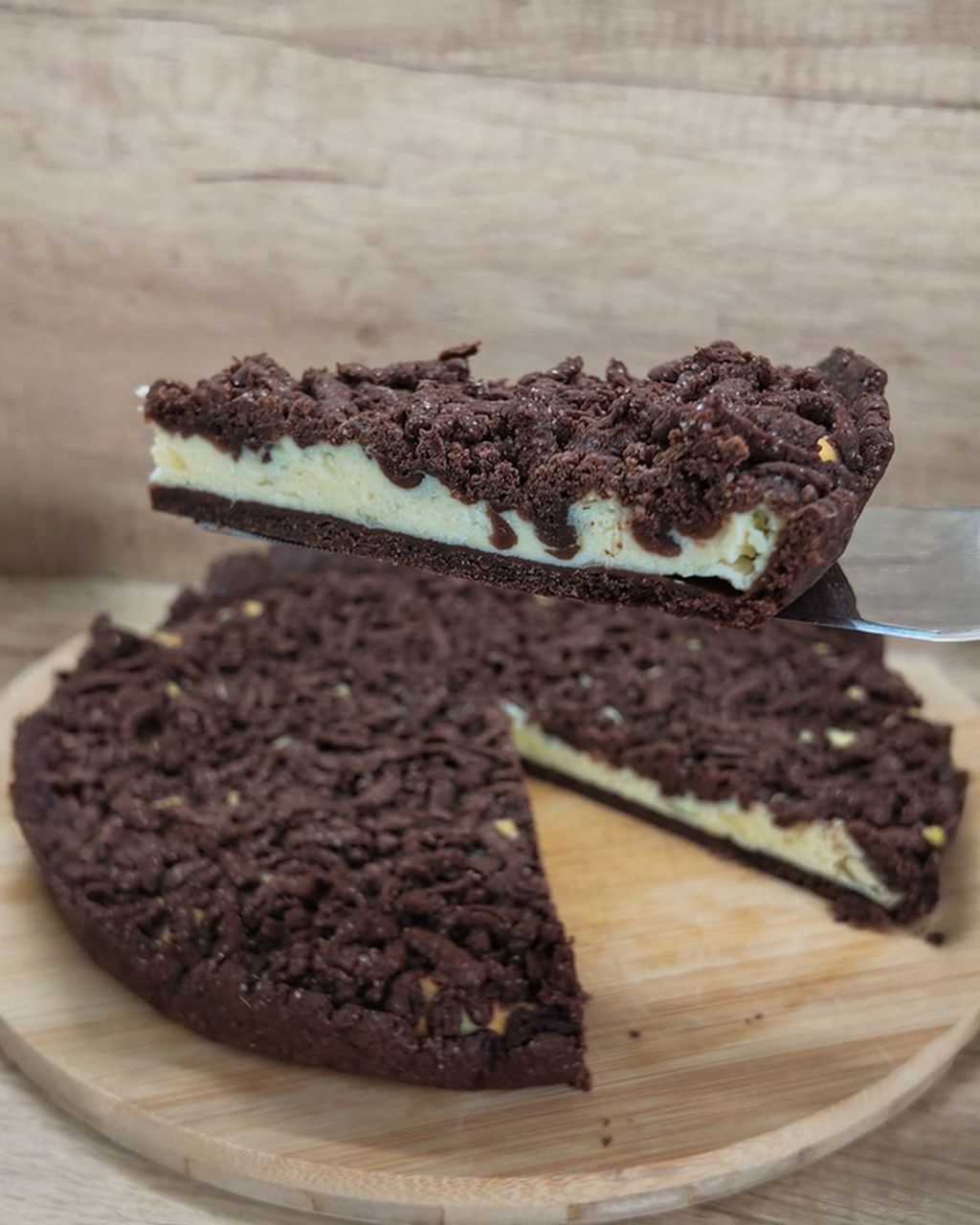
Grated cheesecake cake
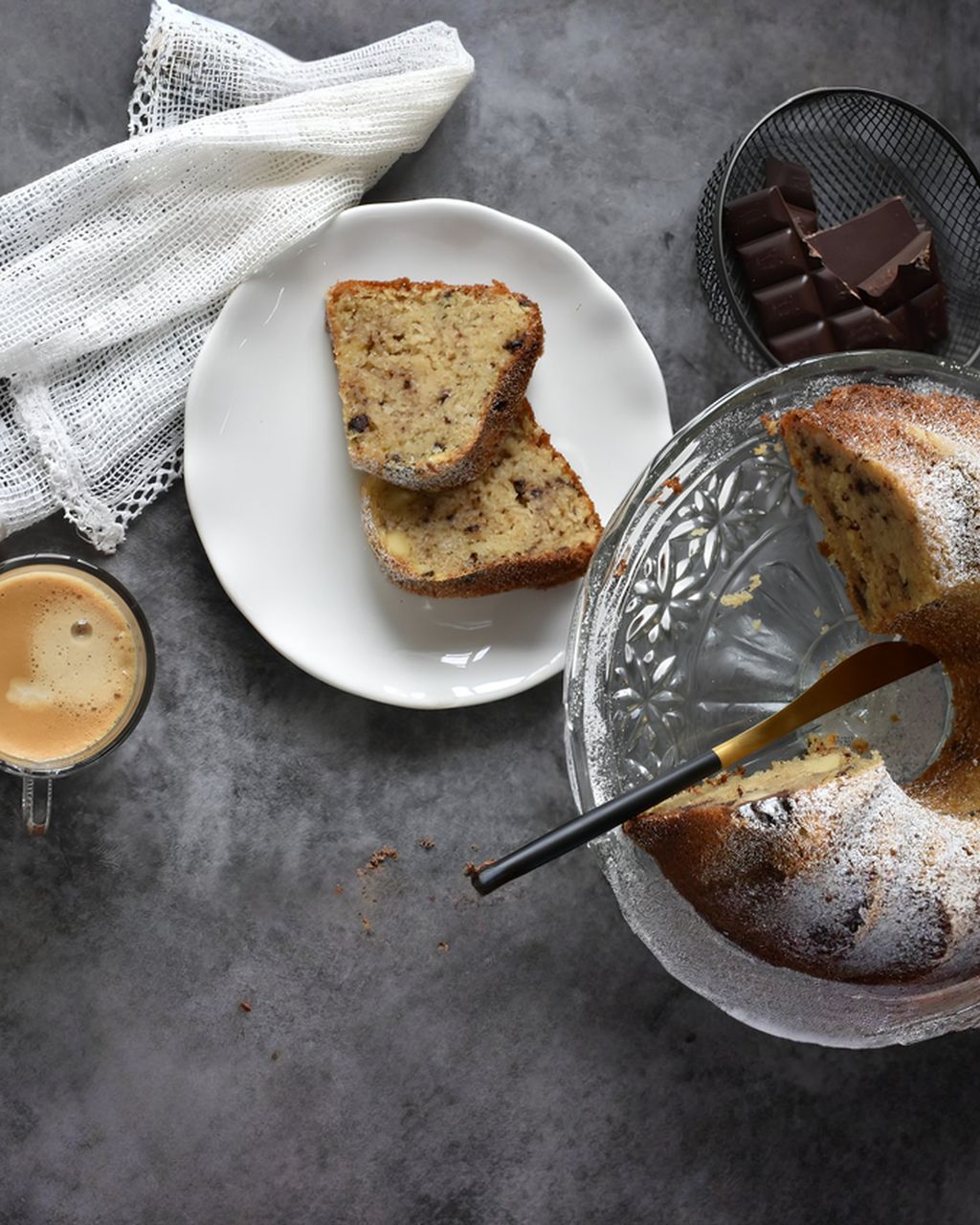
Two-fifty curd cheese bundt cake with chocolate and almonds
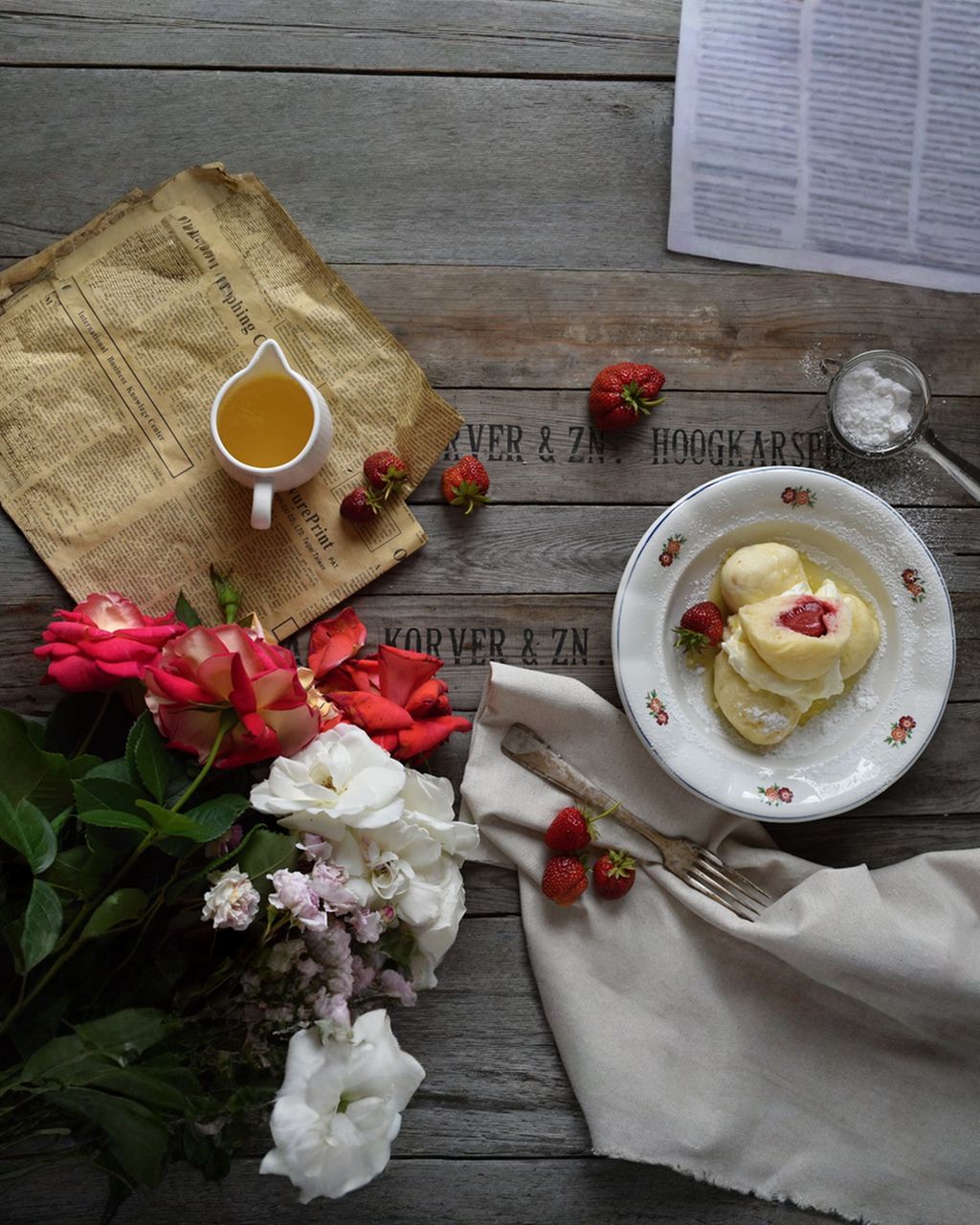
Yeasted strawberry dumplings in tescoma pots
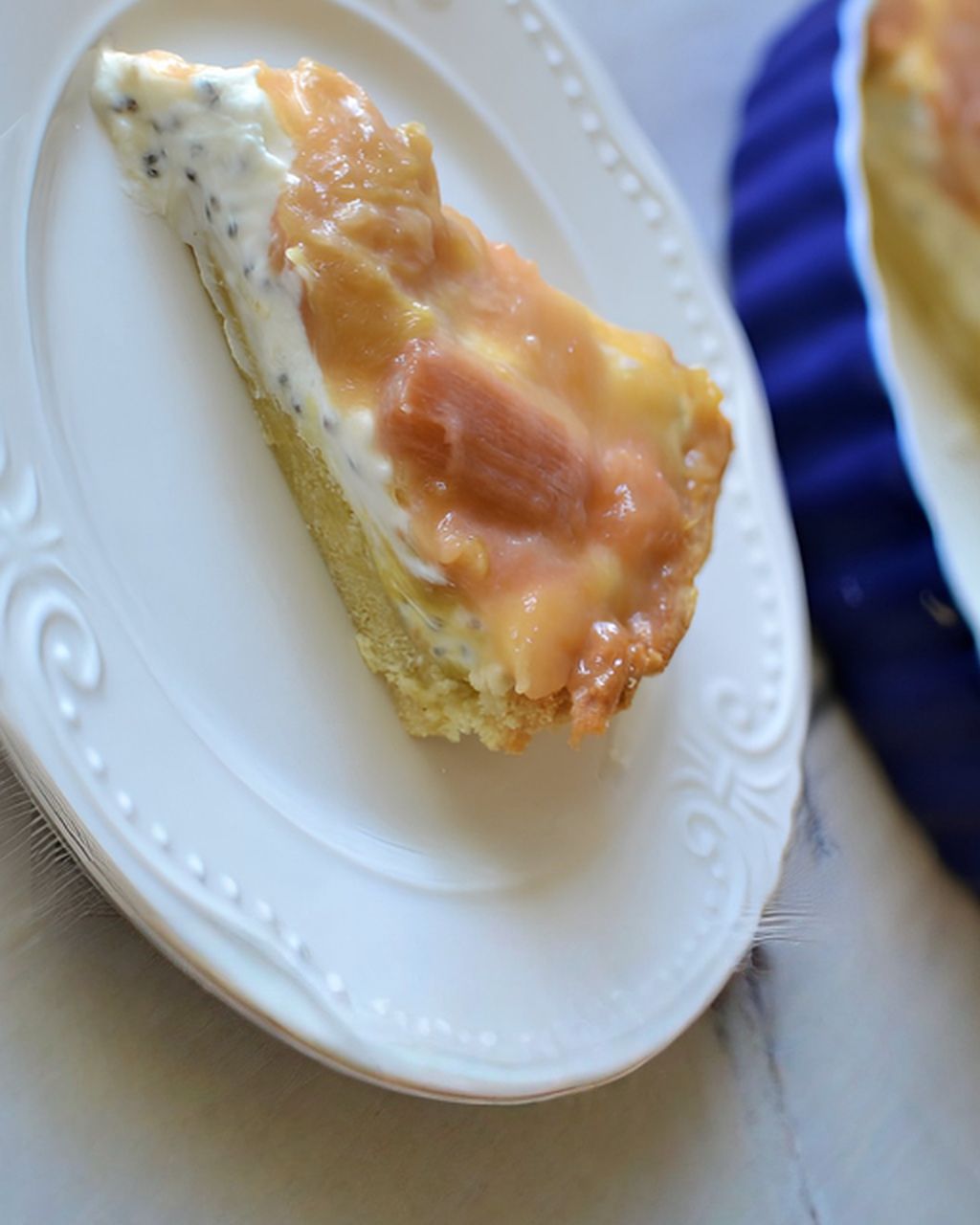
Rhubarb pie with curd cheese and chia seeds
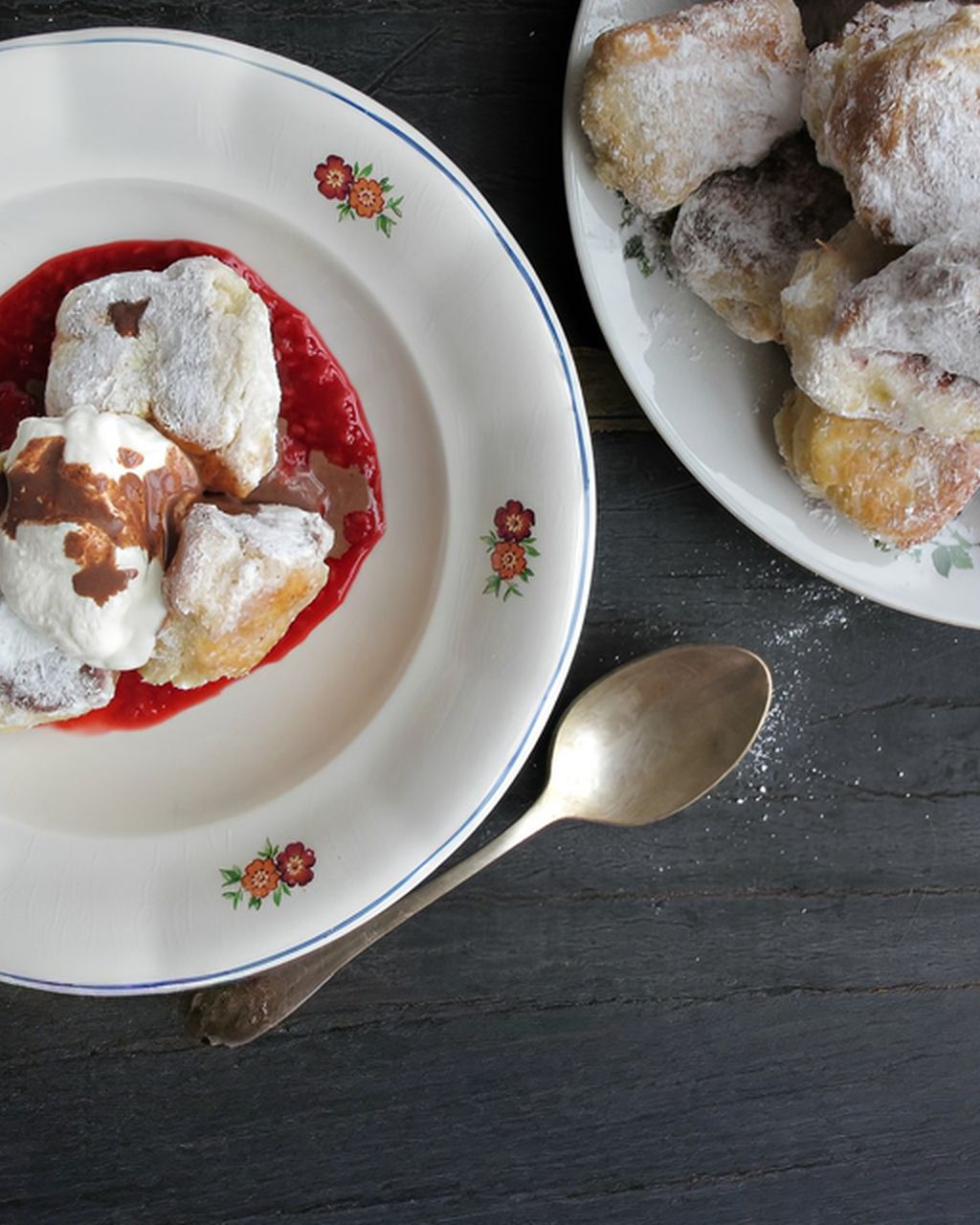
Cottage cheese doughnuts with raspberry sauce
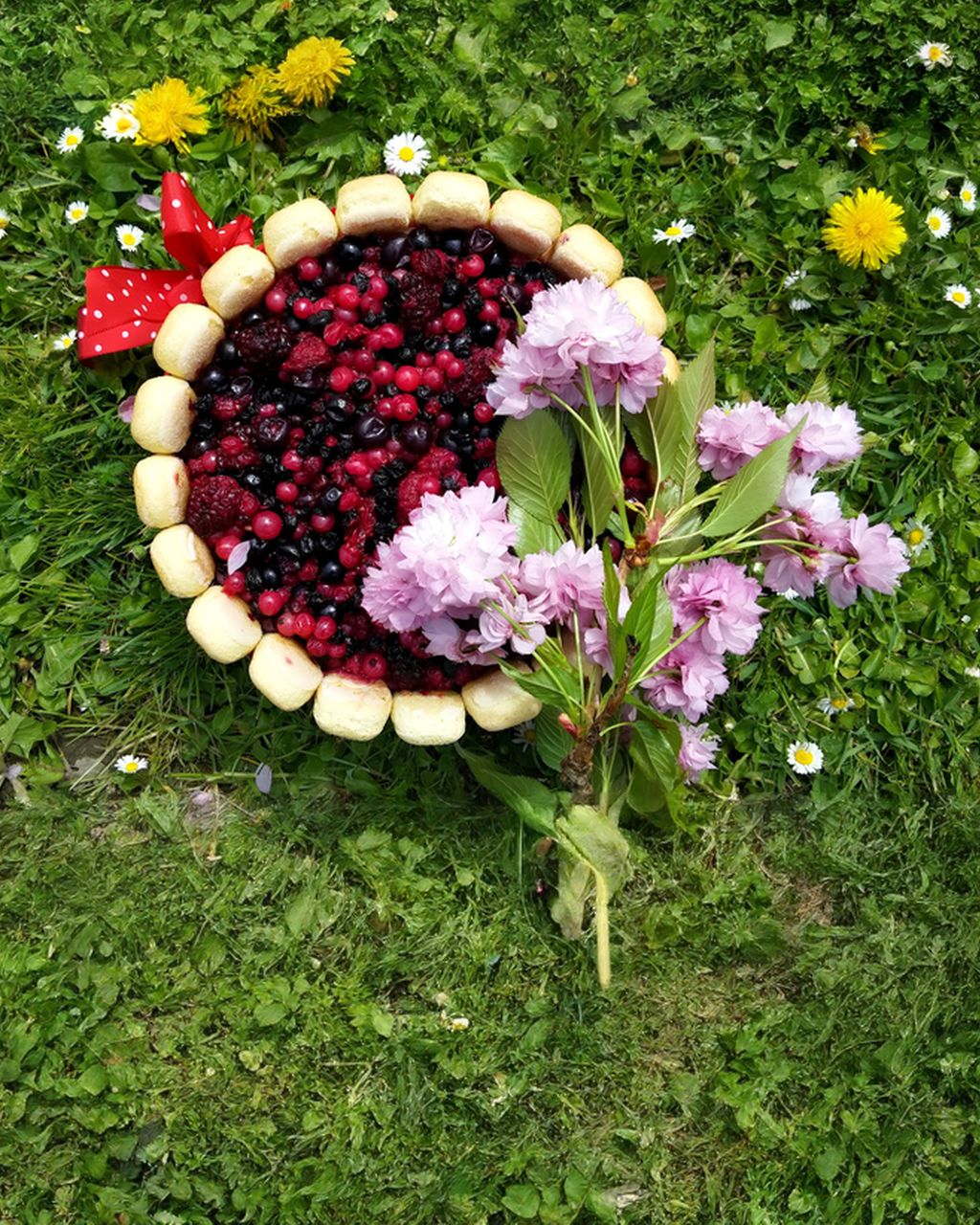
Charlotte with curd cheese and forest fruits
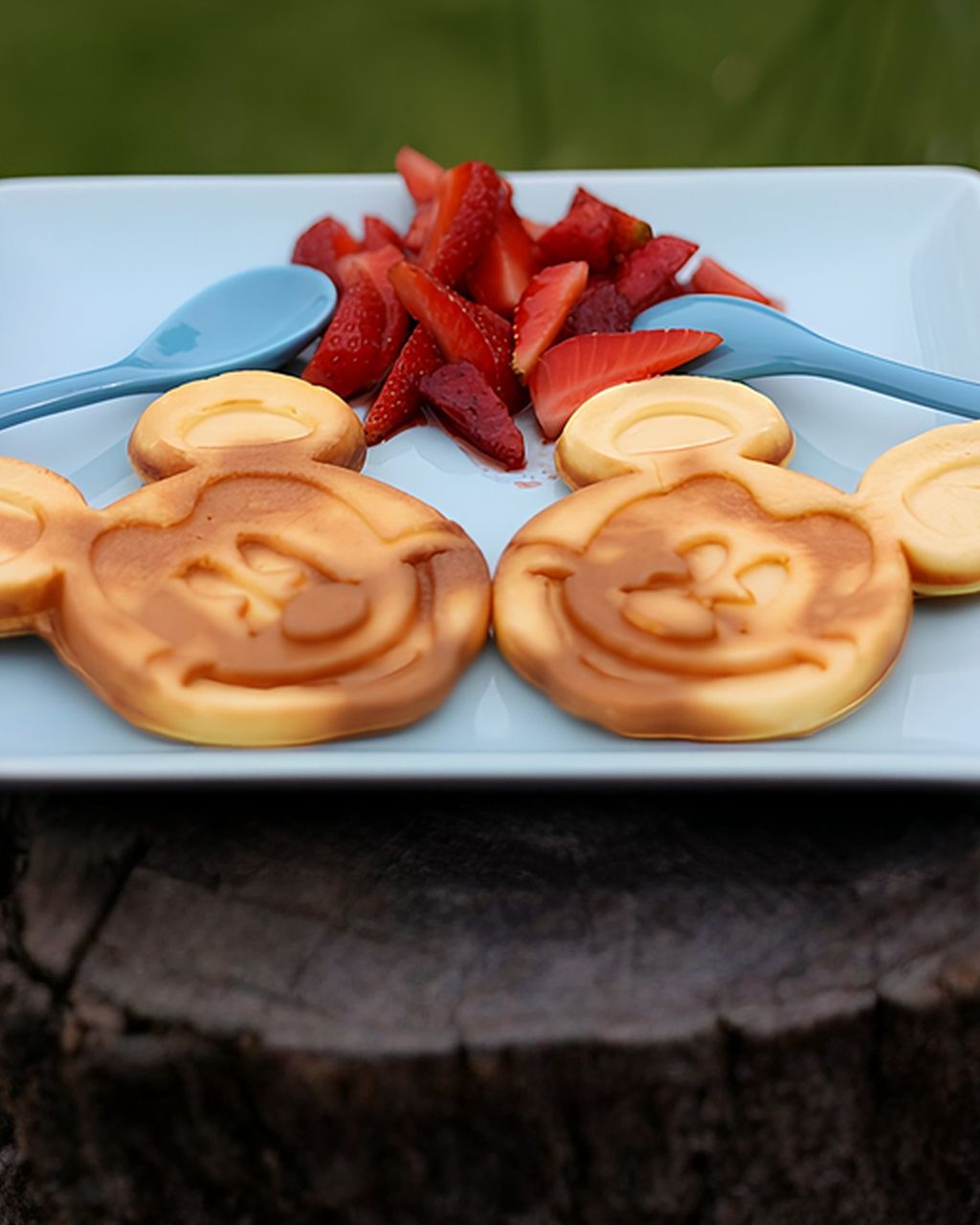
Curd cheese pancakes
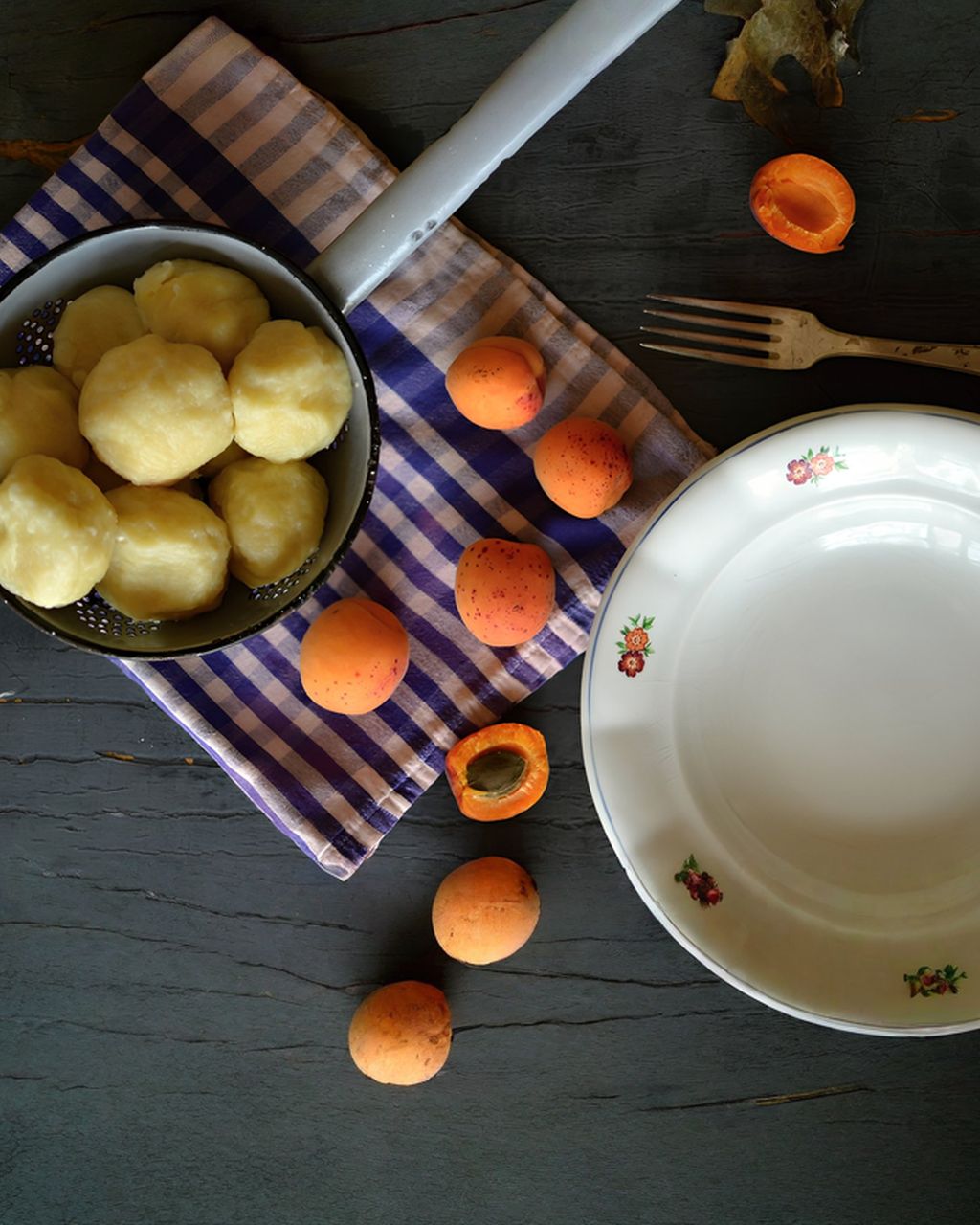
Apricot dumplings with curd cheese dough
The Czech decree 397/2016 Coll. defines tvaroh as an unripened cheese made by acid coagulation, or one in which acid coagulation outweighs rennet. It grades tvaroh by fat in dry matter, meaning in what is left once the water is gone: semi-fat must have 15.0–25.0%, and Madeta states 18% fat in dry matter for its semi-fat tvaroh. The ingredients are just milk, cream and dairy cultures. It is sold chilled, most often in 250 g blocks or in tubs.
Clean, milky, gently sour and unsalted. Next to full-fat tvaroh it is less creamy and the sourness stands out more; next to fat-free it is fuller and moister.
Seasonal baking plans, tested recipes and kitchen tricks that save you time. Unsubscribe in one click.
2 min read
The decree 397/2016 Coll. grades tvaroh by fat in dry matter. Because tvaroh contains a lot of water, the number on the pack is higher than the actual fat in the product. There are four categories:
Full-fat (tučný): at least 38% fat in dry matter, covered on our page on full-fat curd cheese.
Semi-fat (polotučný): 15–25% fat in dry matter, which labels put at about 3.8–4.4 g fat per 100 g of product.
Low-fat or fine (nízkotučný, jemný): no more than 15% fat in dry matter.
Fat-free, soft or hard (odtučněný, měkký, tvrdý): no more than 5% fat in dry matter.
Labels from Madeta, Milko and Miil give semi-fat tvaroh 90–95 kcal, 3.8–4.4 g fat, 10–11 g protein and 3.4–4 g carbohydrate per 100 g. A whole 250 g block has about 230 kcal. It has only about 0.1 g salt per 100 g.
The carbohydrate is lactose, at roughly 2.5–4 g per 100 g of tvaroh. Milk and milk products are among the allergens that must be emphasised on food labels in the EU.
Tvaroh is a fresh cheese and carries a use-by date. Do not eat it after that, even if it looks fine.
In the fridge at 2–8 °C until the date on the pack. A bulging pack, a yeasty or bitter smell or mould mean it has gone off.
Ideally use it straight away, as makers advise, and keep any leftover in a closed container for 2 days at most. Liquid on the surface is whey and is not a sign of spoilage in itself.
For 2–3 months, after which it is only for baking and dumplings. What freezing does to tvaroh is explained in Can you freeze cheese?.
Half a kilo of semi-fat tvaroh mixed with sugar, egg and starch makes the filling of the grated cheesecake cake. Quick curd cheese pancakes made from tvaroh, eggs, flour and baking powder are ready in about 20 minutes.
For dumpling dough a drier block of tvaroh works best, as explained in Curd cheese dumplings: a traditional recipe and tips. A cake cream that has to hold its shape needs setting; the ratios are in Quark cake filling that holds its shape.
The UK's NHS lists pasteurised soft cheeses such as cottage cheese, ricotta and mascarpone as safe in pregnancy advises avoiding unpasteurised milk and dairy products, and says foods made from unpasteurised milk must be thoroughly cooked, because of listeria. So check the label on farm tvaroh: under EU Regulation 853/2004, a product made from raw milk without any heat treatment must say so explicitly on the label.