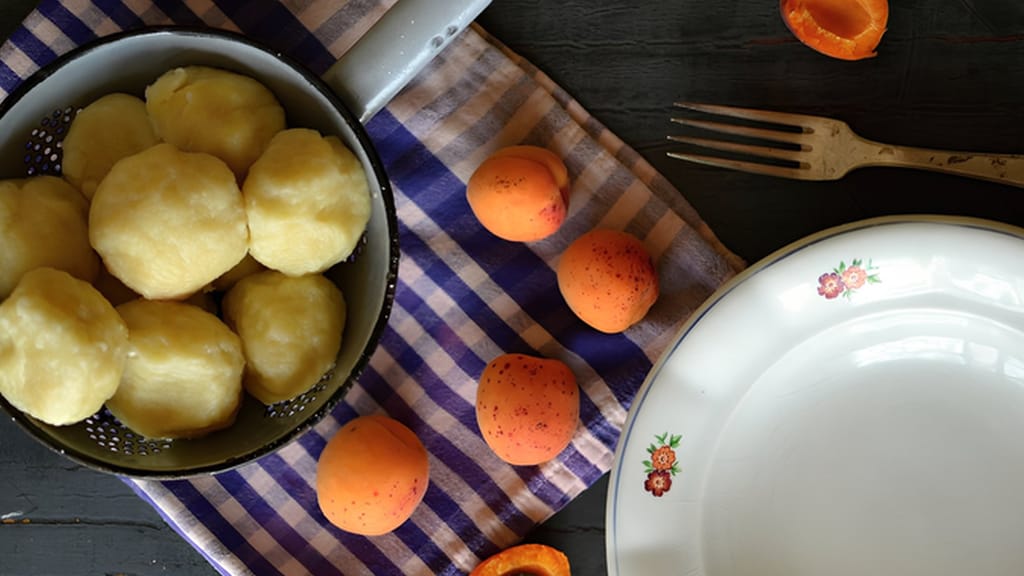
Perfect apricot dumplings with curd cheese dough
Curd Cheese Dumplings: A Traditional Recipe and Tips for Perfect Dough

Updated Jul 19, 2026
You can make curd cheese dumplings even without any experience – all that matters is the right ratio of curd cheese to flour, well-drained curd cheese, and a gentle simmer that keeps the dumplings from bursting. The basics are simple: soft curd cheese, coarse flour, egg and a pinch of salt. From one batch of dough you can make sweet fruit dumplings or a savoury side dish. In this article you'll find a step-by-step basic recipe, how to get the dough consistency just right, why dumplings burst, sweet and savoury variations, serving ideas and nutritional values – plus links to specific recipes built on curd cheese dough.
For classic curd cheese dumplings you only need five ingredients and one pot: soft curd cheese, coarse flour, egg, salt and water for cooking. The basic ratio is 2 parts curd cheese to 1 part flour – from 500g of curd cheese and roughly 250g of coarse flour you'll get 10–12 dumplings.
Ingredients for the dough:
500g soft, well-drained curd cheese
200–250g coarse flour (adjust the amount depending on how moist the curd cheese is)
1 egg
a pinch of salt
for finishing: butter, breadcrumbs and icing sugar; for the sweet version, fruit (apricots, strawberries, plums)
Make the dough. Mix the curd cheese with the egg and salt, then gradually work in the flour until the dough holds together and no longer sticks to your hands. Don't overwork it – the less flour and kneading, the softer the dumplings will be.
Let it rest. Wrap the dough and chill it in the fridge for 20–30 minutes. The cold firms it up and makes it easier to shape.
Shape the dumplings. Cut the dough into equal pieces, flatten each into a small disc on a floured surface, and for the sweet version wrap a piece of fruit inside. Seal the edges carefully so the dumpling doesn't leak juice in the water.
Cook at a gentle simmer. Drop the dumplings into salted water that's barely bubbling and cook for 8–10 minutes (10–12 minutes with fruit). The water must not boil hard. Once they float to the top and simmer a little longer, they're done.
Prick and finish.Prick the cooked dumplings with a fork or toothpick to let the steam escape so they don't collapse. Serve drizzled with melted butter, sprinkled with breadcrumbs and dusted with sugar.
Perfect apricot dumplings with curd cheese dough
Apricot dumplings made from curd cheese dough – a classic way to try out the basic dough from this recipe
The right dough is soft, pliable and only slightly sticky – the kind you can hold in your hand without it running through your fingers. It's mostly determined by how moist the curd cheese is and how much flour you use, not by sticking rigidly to the recipe's gram amounts; every batch is a little different.
Curd cheese: use a soft, well-drained variety. If it's watery or very fatty, let it drain for a few hours in a sieve lined with a clean cloth – otherwise you'll need to add extra flour and the dumplings will turn out heavy.
Flour: coarse flour holds its shape better than fine flour. You can replace part of it with semolina – this makes the dumplings lighter and fluffier.
Sticky dough: add flour a spoonful at a time, or chill the dough in the fridge for half an hour.
Dry, crumbly dough: mix in a little more curd cheese, milk, or half a beaten egg until it comes together.
Curd cheese dumplings most often burst for four reasons: boiling too hard, poorly sealed edges around the fruit, dough that's too soft, and overcooking. Watch out for these and they'll stay whole and smooth.
Boiling too hard.In rapidly bubbling water, the dumplings knock against the bottom of the pot, and steam from the fruit tears the dough apart. Cook them in barely simmering water, not a full boil.
Unsealed edges.For fruit dumplings, carefully fold and pinch the dough around the fruit so juice can't leak out.
Dough that's too soft.If the dough is sticky and won't hold its shape, add more flour or chill it – soft dough will simply dissolve in the water.
Overcooking.As soon as the dumplings float and simmer briefly, take them out right away. Cooking them longer will cause them to fall apart.
Sweet curd cheese dumplings are most often filled with fruit – apricots, strawberries or plums – which add freshness and a pleasant tartness. Serve them drizzled with butter, sprinkled with breadcrumbs and dusted with sugar, or topped with poppy seeds, grated curd cheese, or cinnamon.
You can also play with the flavour of the dough itself: a pinch of vanilla or lemon zest will scent it nicely, and a spoonful of cocoa turns it into a lightly chocolatey version. A scoop of sour cream or vanilla ice cream pairs beautifully with the dumplings. And if you want more fibre, try making the dough with buckwheat flour.
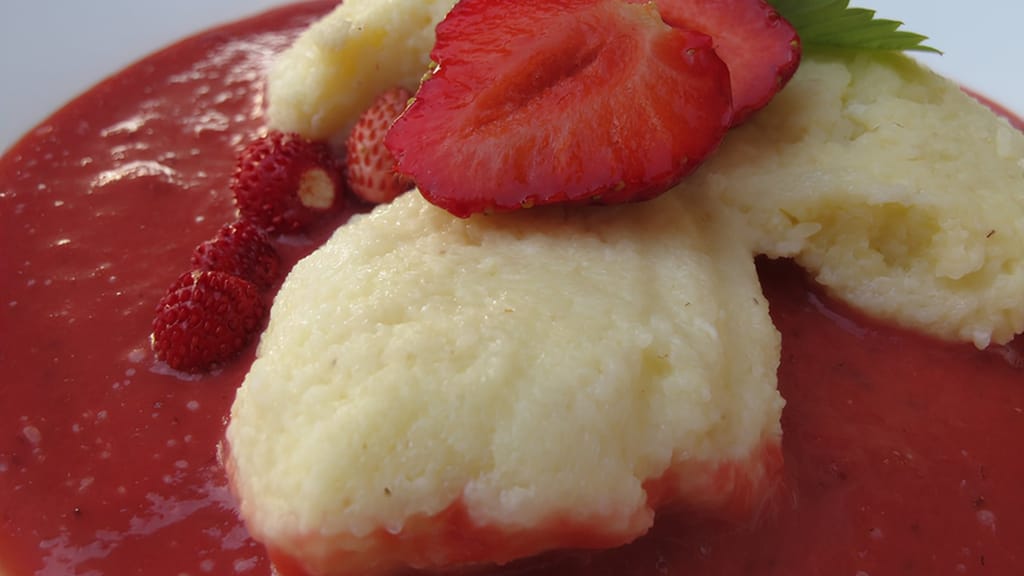
Curd cheese dumplings with fruit sauce
Curd cheese gnocchi with fruit sauce – a quicker sweet variation made from curd cheese dough, without any filling
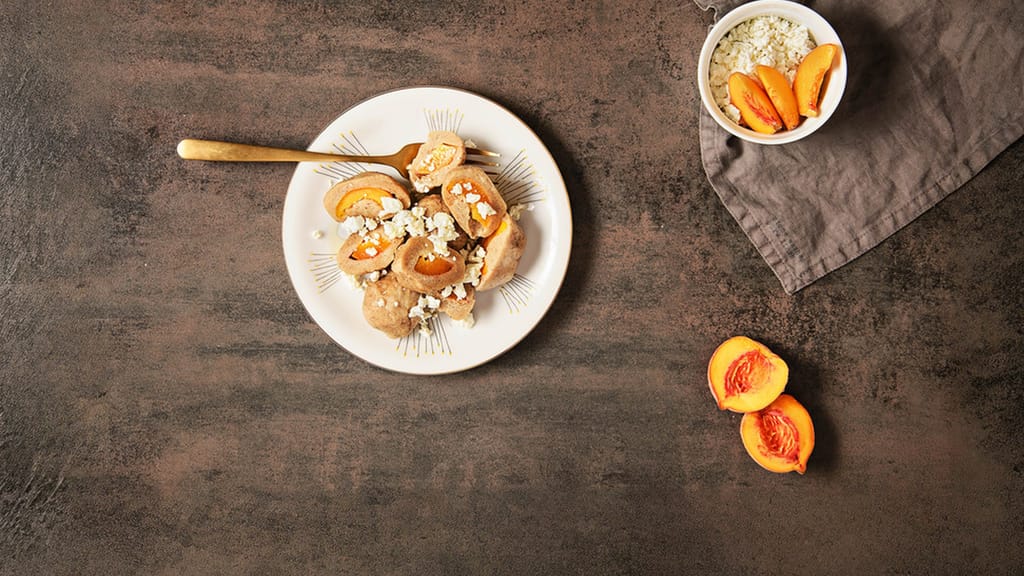
Buckwheat dumplings with peaches and curd cheese
Buckwheat dumplings with peaches and curd cheese – a wholegrain version with extra fibre
Savoury curd cheese dumplings make an interesting alternative to serve alongside meat or a sauce – instead of sugar, the dough gets herbs, cheese or spinach. Mix finely chopped spinach into the dough for green dumplings that go well with tomato sauce or grilled meat.
Another option is filling them – a piece of blue cheese, Parmesan or cured meat adds a bold flavour. Herbs like thyme or basil beautifully scent the savoury dough. In this case, don't skip the salt in the dough, and leave the sugar out entirely.
The simplest and best way to finish sweet dumplings is with melted butter, breadcrumbs and icing sugar. A few extra touches, though, can turn the plate into something special:
Fruit for colour: fresh strawberries, raspberries or blueberries make a beautiful contrast against the white dumplings.
Sauce: drizzle the dumplings with vanilla or raspberry sauce and let it run down the side of the plate.
Topping: dust with icing sugar through a sieve, or add a sprinkle of cinnamon or cocoa for an extra layer of flavour.
Texture: pair the smooth dumplings with something crunchy – toasted breadcrumbs, crushed nuts, or fresh fruit.
Curd cheese dumplings can be a substantial source of protein as well as a fairly calorie-dense dish – it mainly depends on the ratio of curd cheese, flour and sugar. The key ingredient is the curd cheese itself: according to nutrition tables, it contains roughly 10–12g of protein and around 90mg of calcium per 100g, meaning complete protein for your muscles and calcium for your bones. The calories and carbs in the dish come mainly from the flour and any added sugar.
Making a lighter version is easy:
swap part of the white flour for wholemeal or buckwheat flour for extra fibre and longer-lasting fullness;
reach for semi-skimmed or low-fat curd cheese;
cut back on sugar and lean on the natural sweetness of fruit instead.
Even the healthier version remains a fairly filling dish, though, so keep an eye on portion size.
Curd cheese and fruit dumplings belong to Central European cuisine, where curd cheese was a cheap, readily available ingredient from rural farms. Dumplings made from curd cheese, flour and eggs began as a filling, no-fuss food, and over time this dish of humbler households became a beloved home-cooking classic.
The way they're made varies from region to region: in Moravia, dumplings filled with fruit and drizzled with butter and sugar are common, while in Bohemia sweet versions with poppy seeds are especially popular. Preparation and serving styles were also shaped by neighbouring Austrian and German cuisine.
Yes, you can steam curd cheese dumplings for about 12–15 minutes instead of boiling them. Steaming means they don't soak up water and are less likely to split, which makes it a reliable option especially for fruit-filled dumplings. Just like boiled ones, prick steamed dumplings afterwards so the steam can escape.
Cooked curd cheese dumplings will keep in a sealed container in the fridge for 1–2 days. The best way to reheat them is by steaming or briefly frying in butter, so they don't dry out; if using a microwave, cover them so they don't turn tough. Add warmed butter and sugar only just before serving.
Yes. The best method is to freeze the raw dumplings spaced apart, then once frozen transfer them to a bag and cook them straight from the freezer for a few minutes longer than usual. You can also freeze cooked dumplings; after thawing, it's best to reheat them by steaming.
Curd cheese dumplings are made from a dough of curd cheese, flour and eggs, giving them a softer, more tender texture with a slight tang. Potato dumplings are made from boiled potatoes and flour, making them firmer and more neutral in flavour. Curd cheese dough is easier to shape and cooks faster, which is why it's especially popular for fruit dumplings.
Yes. Without eggs, well-drained curd cheese and a slightly larger amount of flour will hold the dough together; the dough will be more delicate, so handle it gently. For a gluten-free version, use a gluten-free flour blend or buckwheat flour – just note you may need to adjust the amount slightly so the dough holds its shape.
One recipe worth heating the oven for, one tip, and one deal from the shop. Nothing else.