- Season
- Year-round
- Price
- Low
Calories and nutrition per 100 g
- 360 kcal
- 12.6 g protein
- 1.8 g fat
- 71.5 g carbs
Pasta
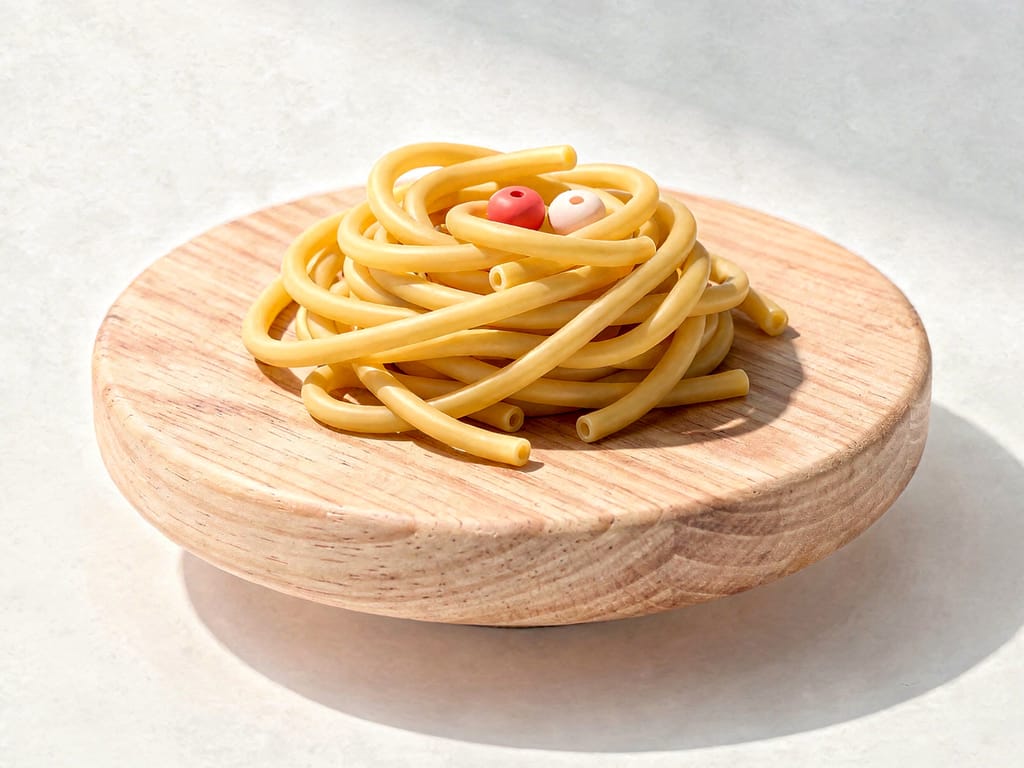
Pasta is food made from unleavened dough, most often wheat flour or semolina (durum wheat) and water, sometimes with eggs. It is sold dried, fresh and filled; ordinary wheat pasta contains gluten and is boiled in salted water as the pack says, until al dente.
Keep dried pasta somewhere dry and cool, away from spices and other strong-smelling food, and use it by the best-before date. Close opened packs well or tip the pasta into a container.
Fresh and undried pasta belongs in the fridge. Use it by the use-by date and, once opened, within the time the pack gives. Refrigerate cooked pasta within 2 hours of cooking and eat it within 3 days.
Cooked pasta keeps its quality for 1–2 months in the freezer, pasta bakes and lasagne for 2–3 months. Freeze shop-bought fresh pasta only if the pack allows it; some producers label theirs as unsuitable for freezing.
The pack must state the type of pasta. Semolina pasta is made only from semolina, durum wheat (Triticum durum), without eggs; egg pasta contains eggs or egg products. Czech shops also sell pasta made from ordinary wheat flour. Fresh and undried pasta is sold chilled, and fresh pasta carries a use-by date no more than 14 days after production. Gluten and egg are highlighted among the allergens on the pack.
Another shape of similar size and thickness, cooked for the time on its own pack.
For gluten-free, pasta explicitly labelled gluten-free, such as corn or rice pasta. It overcooks easily, so taste it 2 minutes before the pack time.
For every 100 g of pasta use 1 litre of water and 10 g of salt. Drop it into fast-boiling water, stir during the first two minutes so it does not stick, and cook as the pack says; taste 1–2 minutes earlier. Do not add oil to the water and do not rinse the pasta after draining, or sauce will not cling to it. Before draining, save a mug of the cooking water to bring the sauce together.
Use the starchy cooking water to bind the sauce. Bake leftover or overcooked pasta into a pasta bake or a pasta frittata.
Roughly what one measure weighs, scooped the way you normally would in the kitchen.
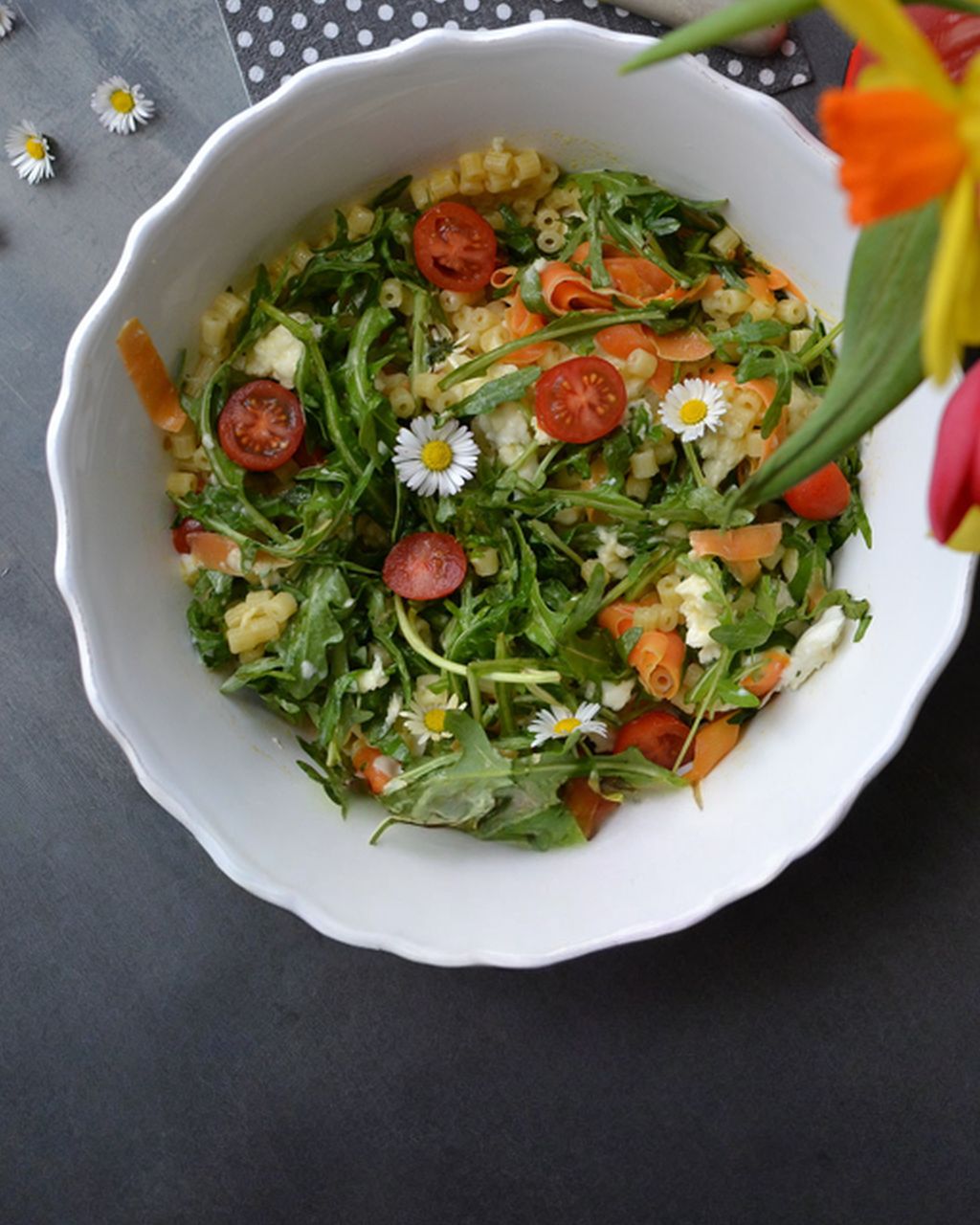
Pasta is boiled in salted water and best finished in the pan with the sauce and a splash of cooking water. It can be baked (pasta bakes, lasagne, Czech šunkofleky), used in cold salads or cooked in soup; cook soup noodles separately, though.
Czech Decree No. 18/2020 Coll. defines it as products shaped from dough that is neither yeast-leavened nor chemically raised, made from cereal mill products or other plant ingredients. By composition it distinguishes egg, egg-free, semolina, egg semolina and wholegrain pasta, and by processing dried, undried, fresh and filled pasta.
On its own it tastes mildly of grain, and the bite matters more than the flavour. Semolina pasta is firm and springy, egg pasta softer and richer, wholegrain pasta fuller and denser.
Seasonal baking plans, tested recipes and kitchen tricks that save you time. Unsubscribe in one click.
3 min read
The base is flour or semolina and water, sometimes eggs. Czech Decree No. 18/2020 Coll. distinguishes semolina pasta, made only from semolina, durum wheat Triticum durum, without eggs; egg semolina pasta, semolina with eggs; egg pasta, where eggs or egg products are added to the mill products; and wholegrain pasta from wholegrain flour of cereals, buckwheat or rice. Italian dried pasta such as spaghetti or penne is usually semolina pasta, while Czech elbows, flecky and noodles are often made from ordinary wheat flour, with or without eggs.
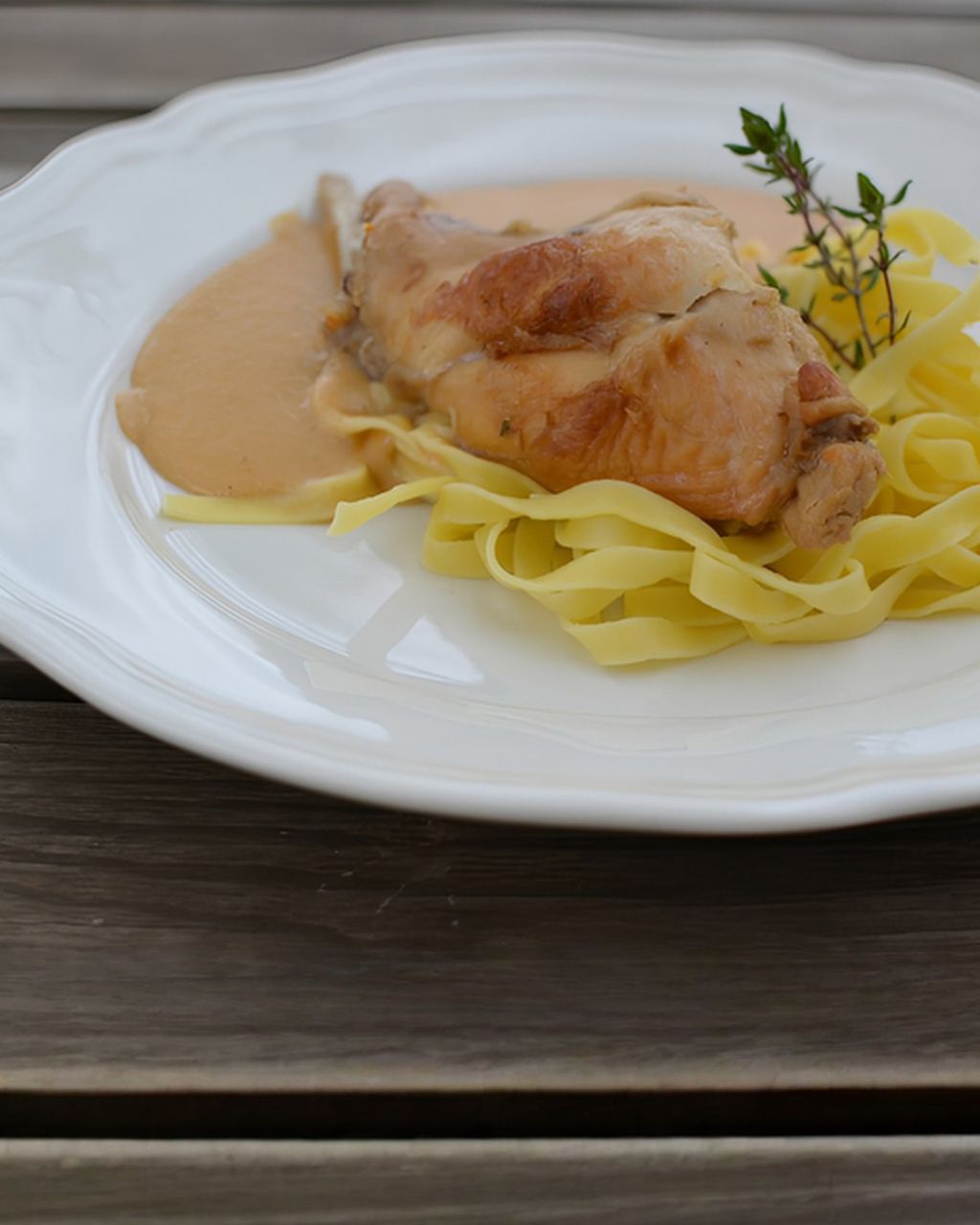
By shape, pasta is long, short, filled or in sheets. Wide egg ribbons such as tagliatelle and pappardelle suit rich sauces; short shapes suit bakes and salads.
Under the decree, dried pasta has at most 13 % moisture, which is why it keeps in the cupboard until the best-before date. Undried pasta has at least 20 % moisture, fresh pasta at least 24 % and a use-by date no more than 14 days after production; shops must sell it chilled, at no more than 8 °C. Vacuum-packed pasta must say on the pack how soon to use it once opened.
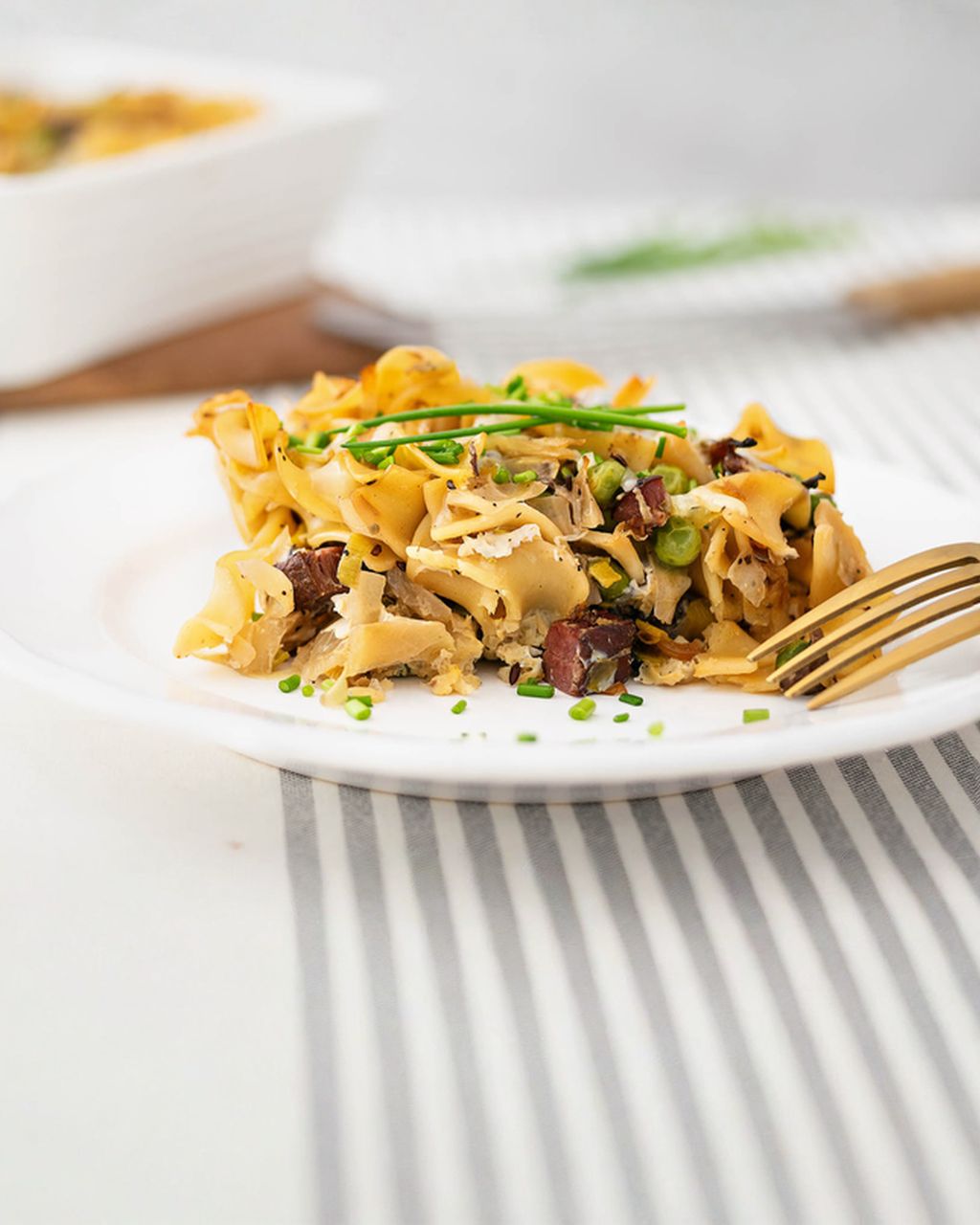
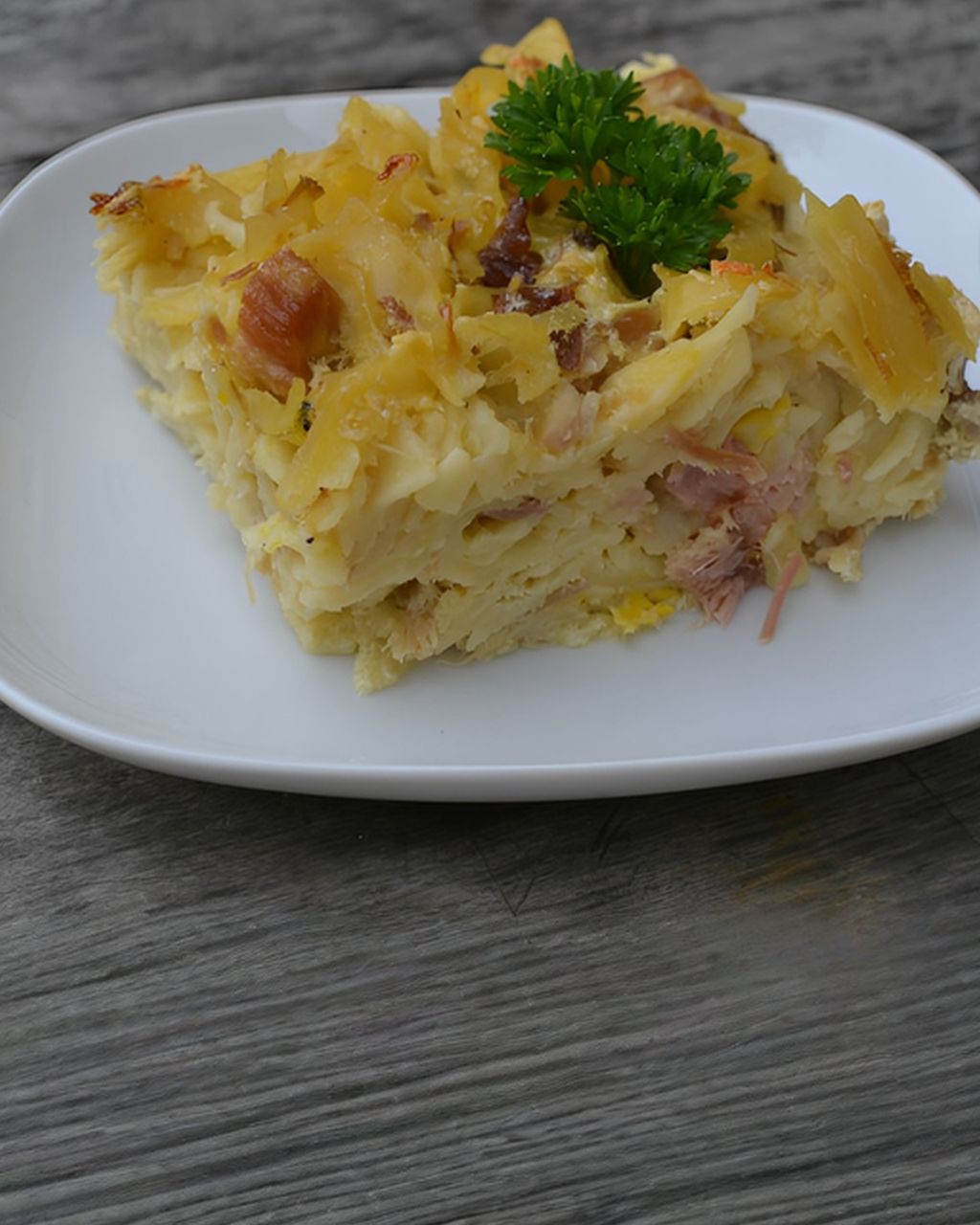
Fresh pasta cooks in just 2–4 minutes, dried pasta in roughly 4–14 minutes depending on shape and thickness, from egg nests to thick spaghetti. Cook filled pasta such as tortellini or ravioli gently, as the pack says, so it does not burst. Czech baked classics use small square flecky, as in ham and cabbage flecky pasta bake.
Allow 1 litre of water and 10 g of salt per 100 g of pasta, and 80–100 g of dried pasta per person for a main course, 50–60 g as a side or in soup. Drop the pasta into fast-boiling water, stir straight away and a few times during the first two minutes, and cook uncovered. Taste 1–2 minutes before the pack time: al dente means the pasta is still firm inside and offers slight resistance to the teeth.
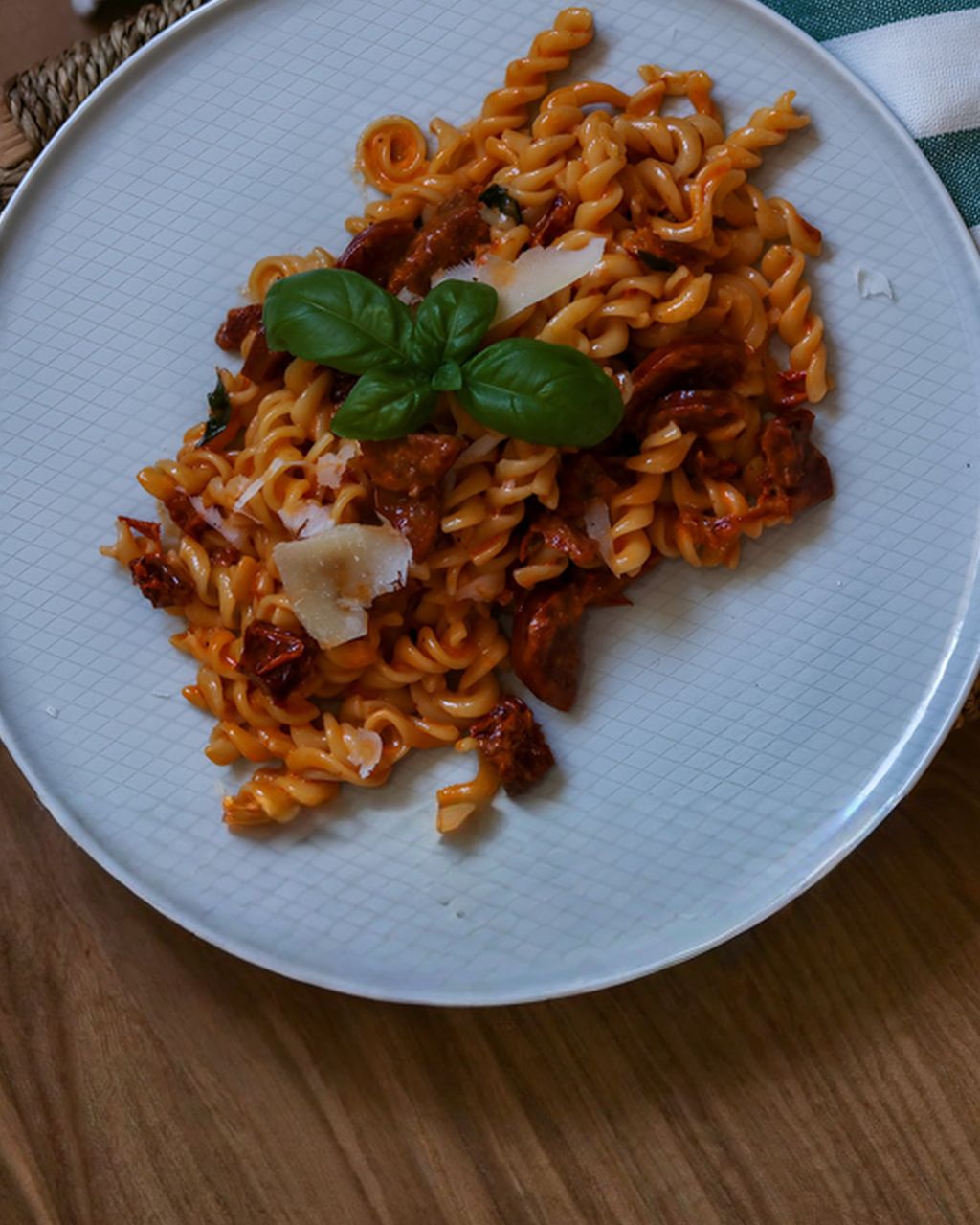
Oil in the water does not help, and rinsing with cold water washes off the starch that holds the sauce. The exceptions are pasta salad and pasta you want to store. All the tips, including spaghetti, orzo and soup noodles, are in our article how to cook pasta so it does not stick. For a fast dinner, try quick chorizo and sun-dried tomato pasta.
Cooked pasta carries the same risk as rice: the bacterium Bacillus cereus, whose spores survive cooking. When pasta cools slowly, the bacterium starts making a toxin that reheating does not destroy. So spread it in a shallow container, refrigerate it within 2 hours of cooking and eat it within 3 days. It should never sit on the counter overnight.
Reheat it only once, until it is hot all the way through, at least 70 °C for 2 minutes. How to store it so it does not clump and how to freeze it is covered in cooked pasta: how long it keeps in the fridge and how to freeze it.
Wheat pasta contains gluten, whether it is made from semolina or ordinary flour, and egg pasta contains egg as well. Regulation (EU) No 1169/2011 lists wheat among cereals containing gluten, so producers highlight it in the ingredients. With coeliac disease, choose only pasta explicitly labelled gluten-free. More in gluten allergy: symptoms, diagnosis and living gluten-free.