- Season
- All year
- Price
- Low
Calories and nutrition per 100 g
- 133 kcal
- 7 g protein
- 3.1 g fat
- 20.3 g carbs
Canned Chickpeas
Canned chickpeas are cooked chickpeas packed in water or salted brine and sterilised in a can or jar, so they can be eaten straight after draining, without soaking or cooking. A 400 g can usually holds 240 g of drained chickpeas, which equals roughly 100 g dried.
Store unopened cans and jars somewhere dry and cool until the best-before date. Do not open a bulging, leaking, rusty or badly dented can; throw it away. Do not leave opened chickpeas at room temperature for more than 2 hours.
Once opened, move the chickpeas from the can into a covered container, refrigerate and use within 2–3 days. The liquid (aquafaba) keeps just as long in a closed jar.
Spread drained, dried chickpeas on a tray, freeze, then tip into a bag so they do not freeze into a lump. At −18 °C use within 6 months. Aquafaba can be frozen in an ice cube tray and thawed in the fridge.
Choose cans without bulging, rust or deep dents, especially at the seams and lid. Compare the drained weight: a 400 g can usually holds 240 g. The shortest ingredient list is chickpeas, water and salt. If you want the liquid as aquafaba for sweet recipes, look for chickpeas with no added salt. Jars cost more but let you see the chickpeas.
Dried chickpeas cooked at home: 100 g dried gives roughly 200–250 g cooked, about the same as one 400 g can. They are soaked overnight and simmered for 1–2 hours.
Canned white beans (cannellini) or canned lentils. They are softer and taste different, but work similarly in salads, soups and spreads. White beans also make a creamy hummus.
If you do not need the liquid, drain the chickpeas in a sieve and rinse with cold water. This washes off the starchy liquid and some of the salt. Add them straight to a salad, or to a hot dish for the last 5–10 minutes just to warm through. For crisp roasting, dry them well after rinsing. For very smooth hummus, simmer them briefly with a pinch of bicarbonate of soda until the skins start to slip off.
Do not pour the liquid down the sink: it is aquafaba, which whips into meringue or vegan mousse and thins hummus better than water. Mash leftover chickpeas with oil, lemon and garlic for a quick spread.
Roughly what one measure weighs, scooped the way you normally would in the kitchen.
Canned chickpeas are already cooked and only need warming. Add them at the end to curries, stews and soups. For a crunchy snack, dry them, toss with oil and spices and roast at 200 °C for about 25–35 minutes until golden. Blended with tahini, lemon and garlic they make hummus, roughly mashed a spread, and whole they go into salads and grain bowls.
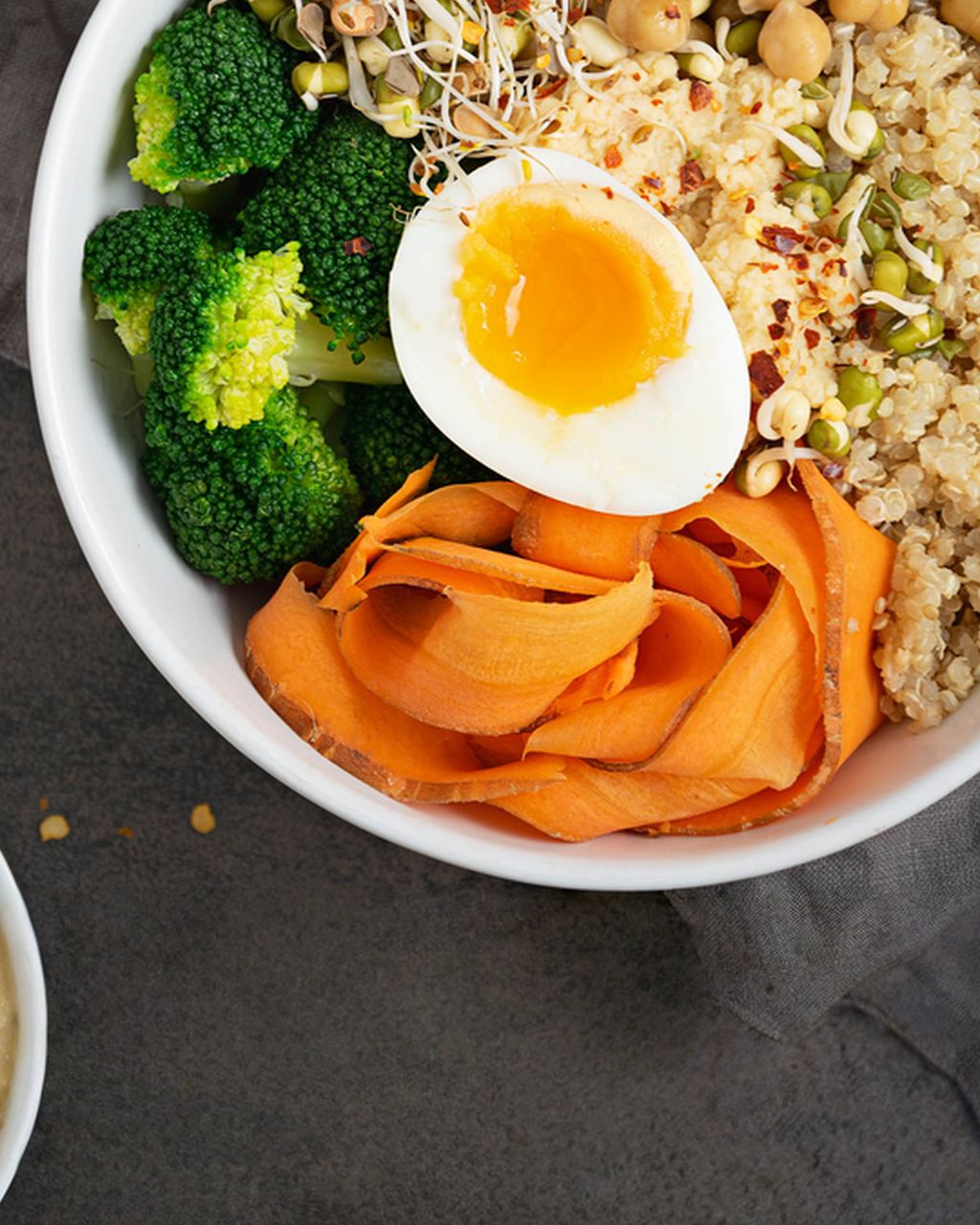
Quinoa buddha bowl with egg, chickpeas and vegetables
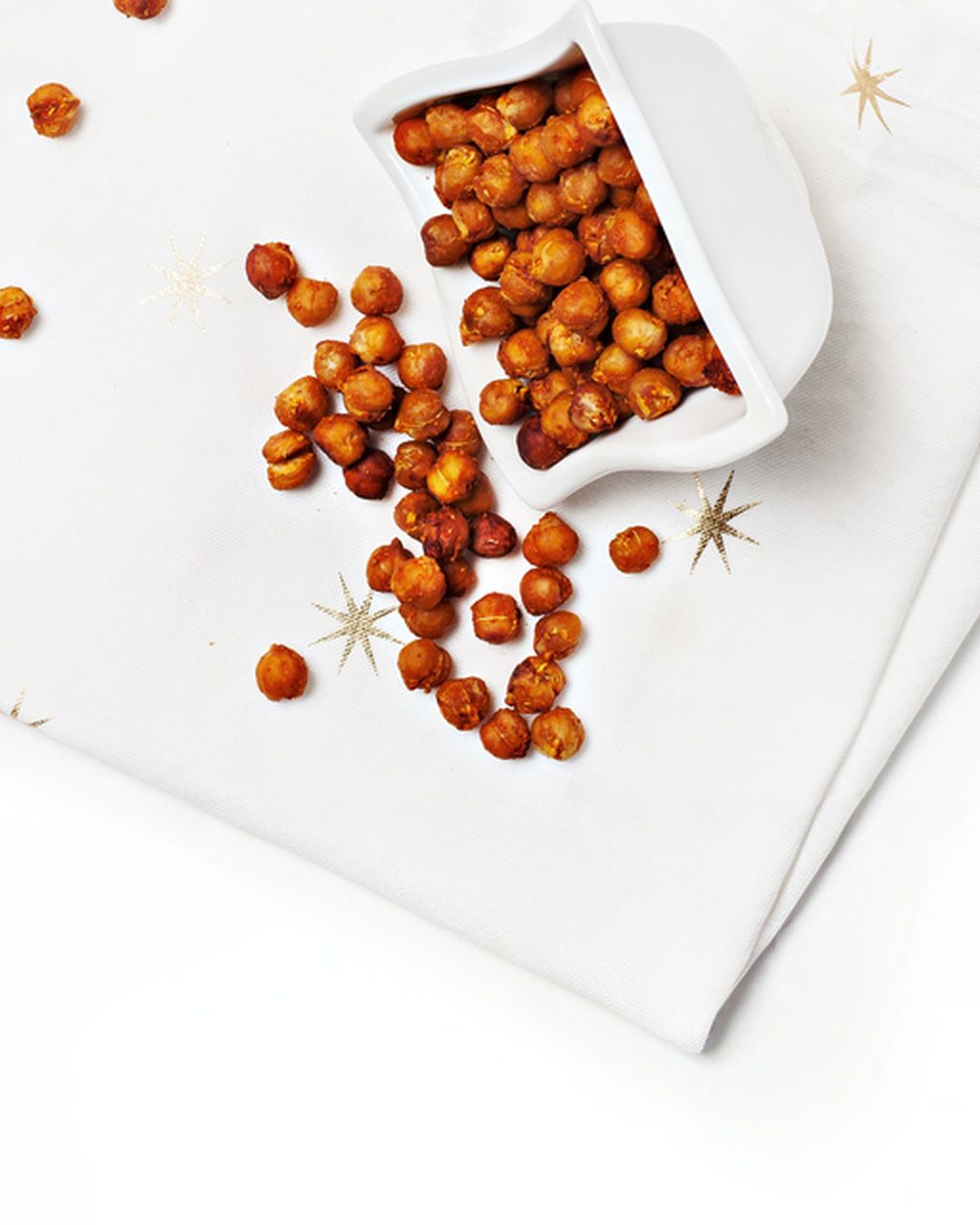
Roasted chickpeas
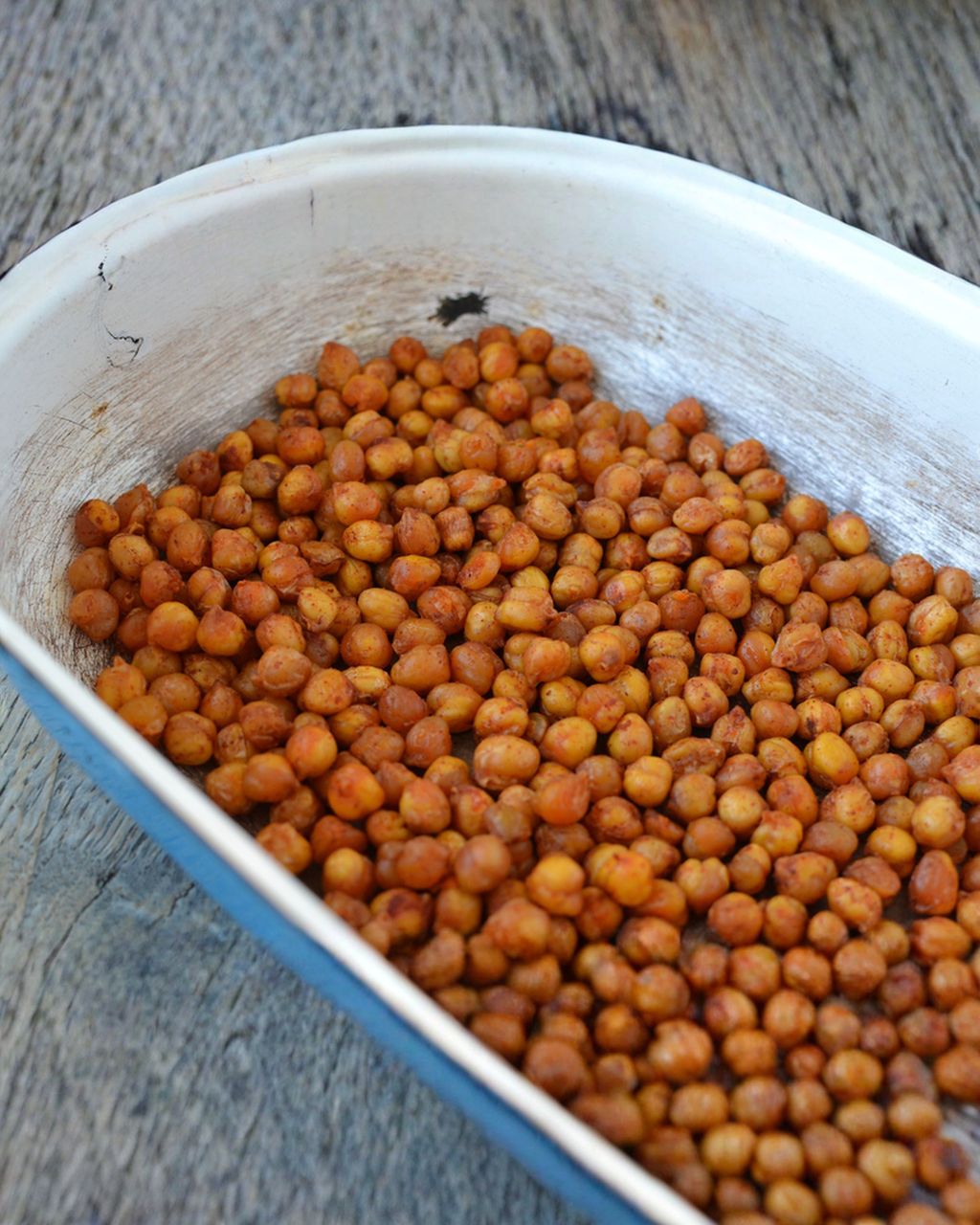
Crispy roasted chickpeas with spices
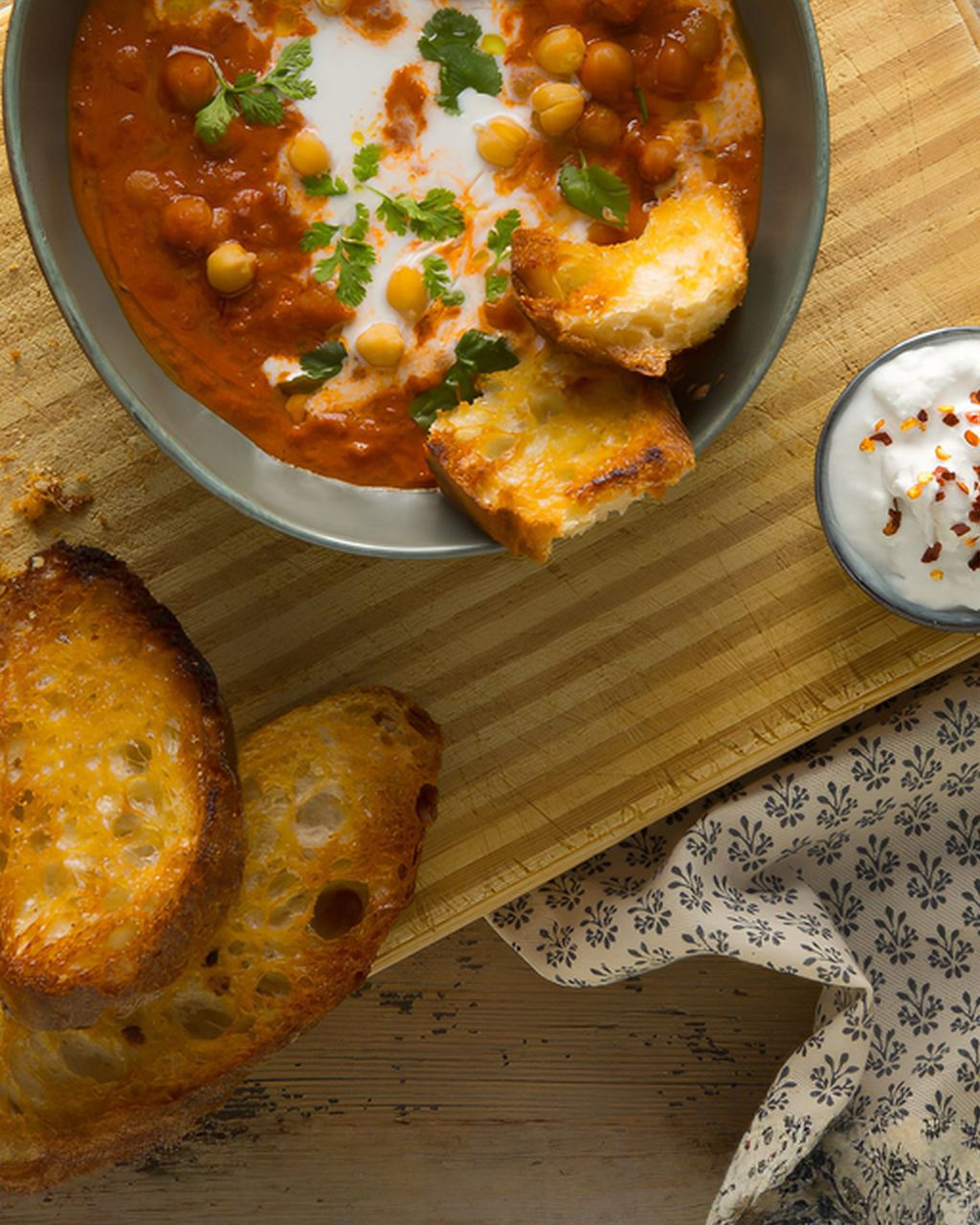
Chickpea curry with coconut cream and fresh apple juice
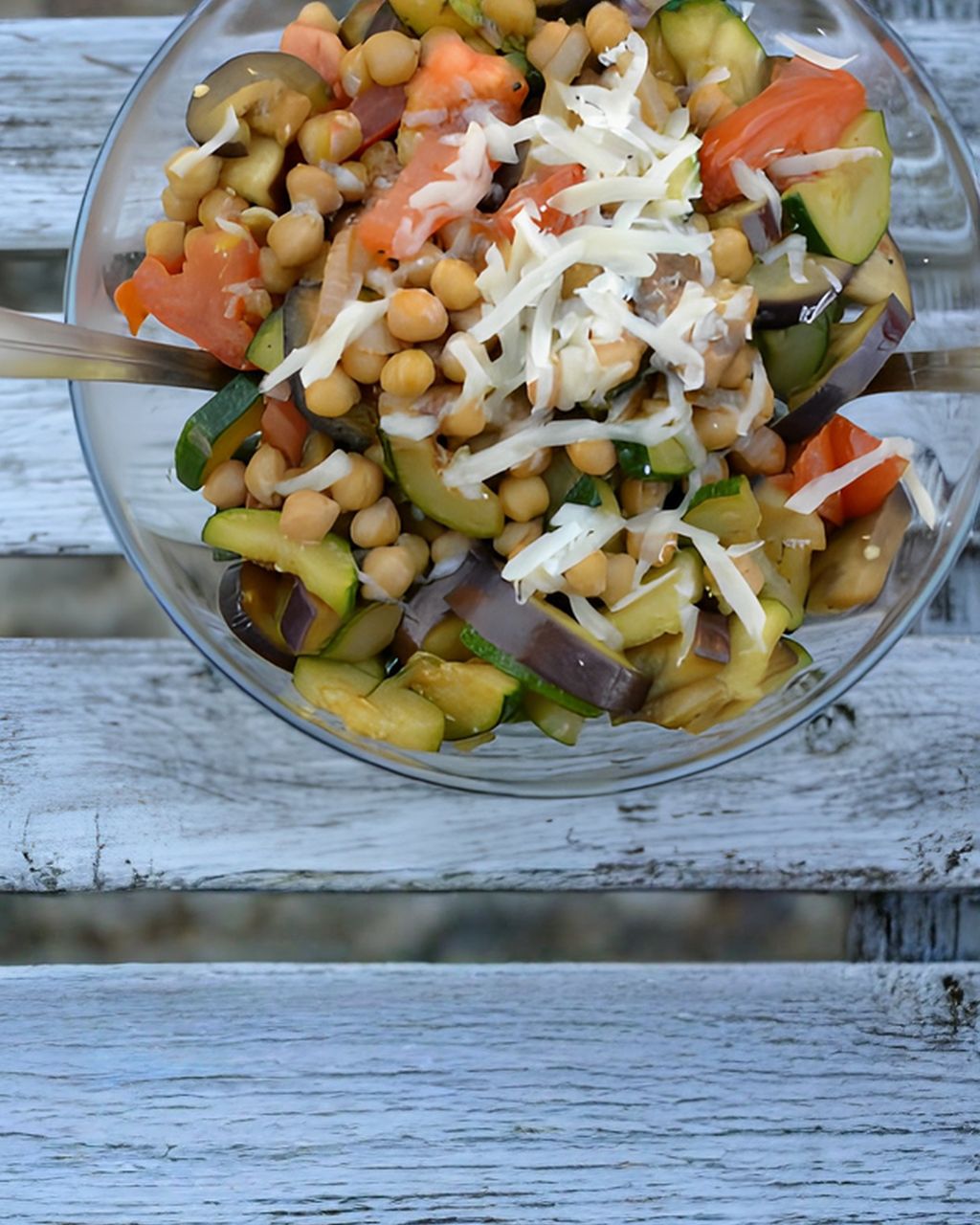
Grilled chickpea salad
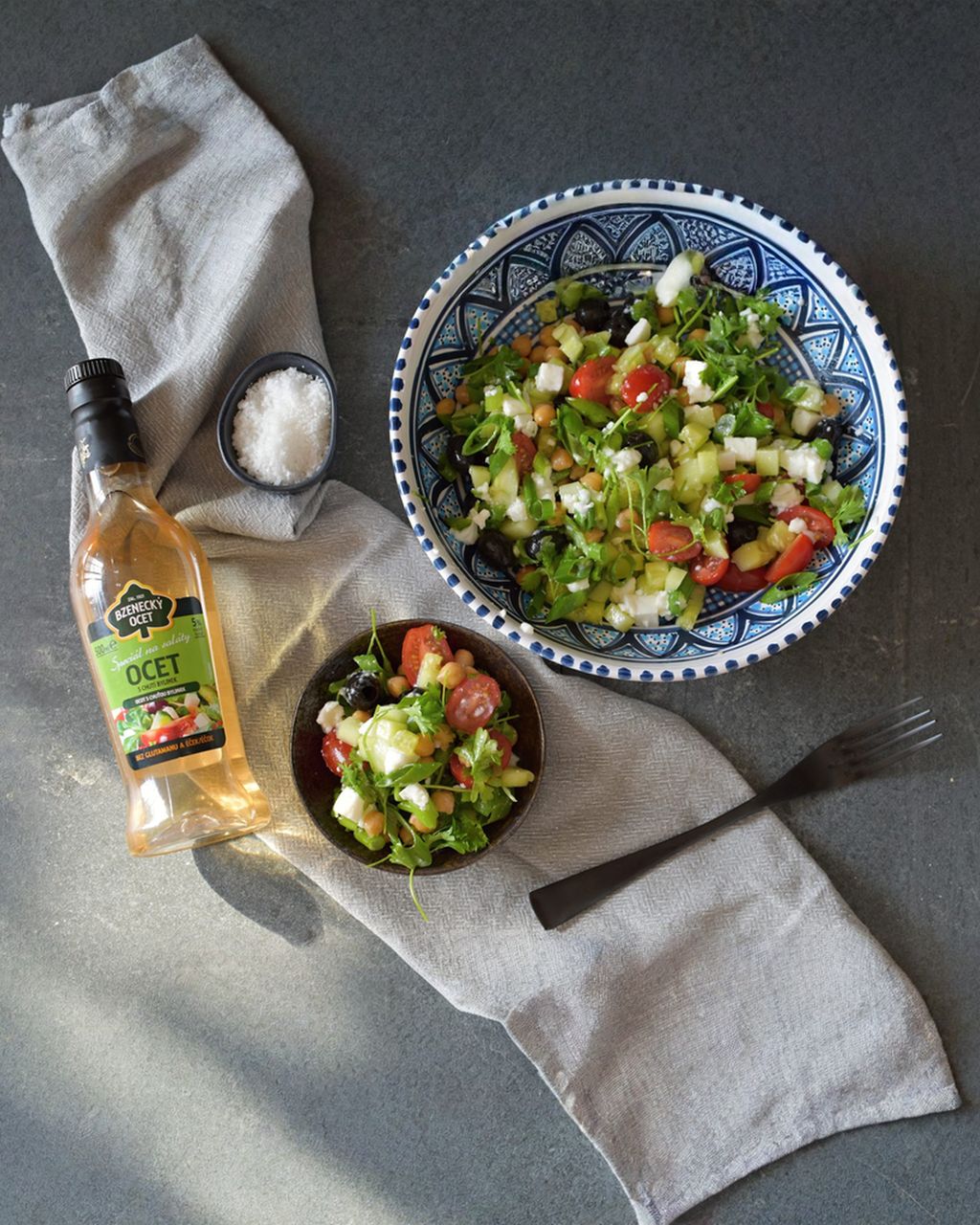
Mediterranean chickpea salad with goat cheese and vegetables
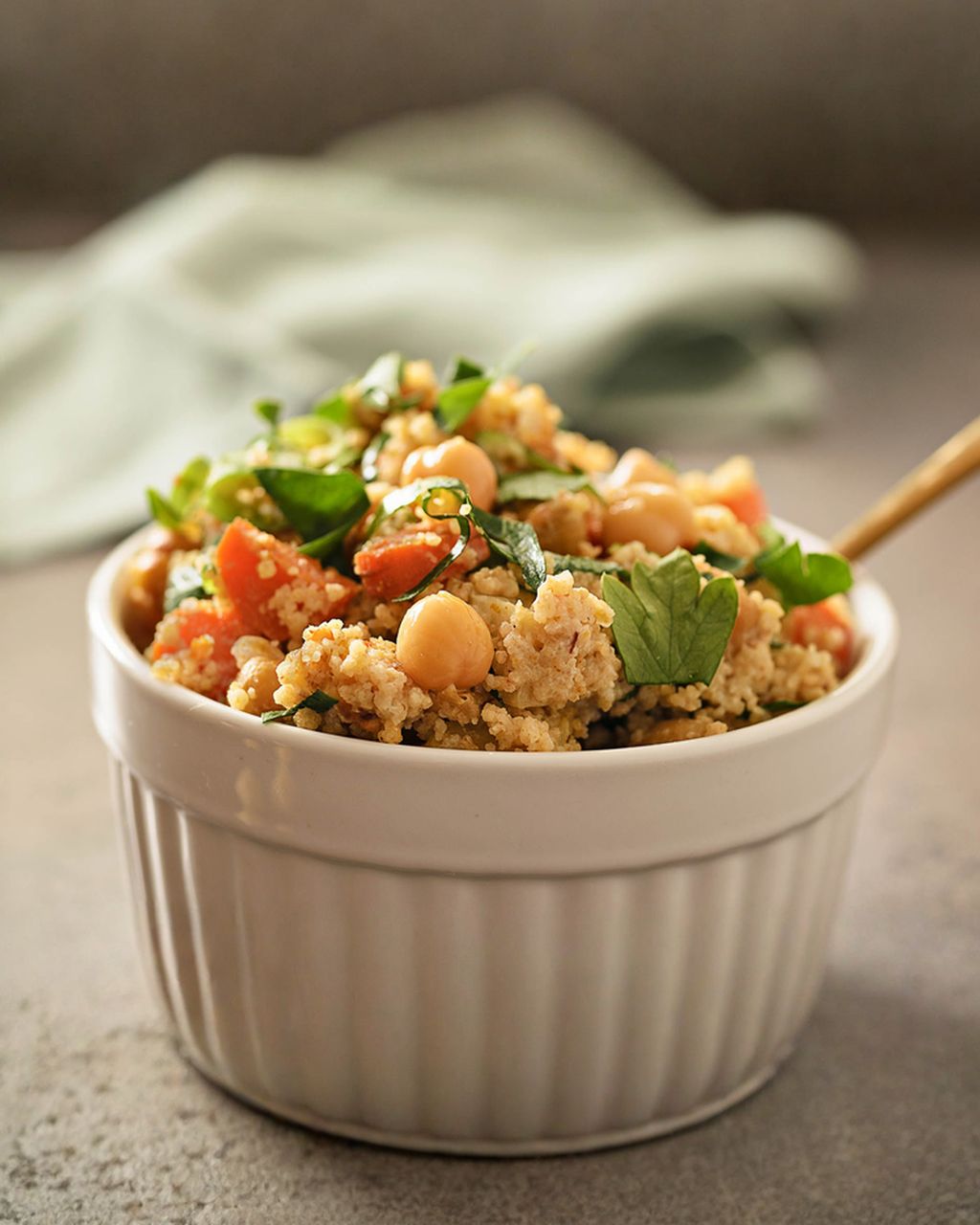
Couscous with chickpeas and roasted vegetables
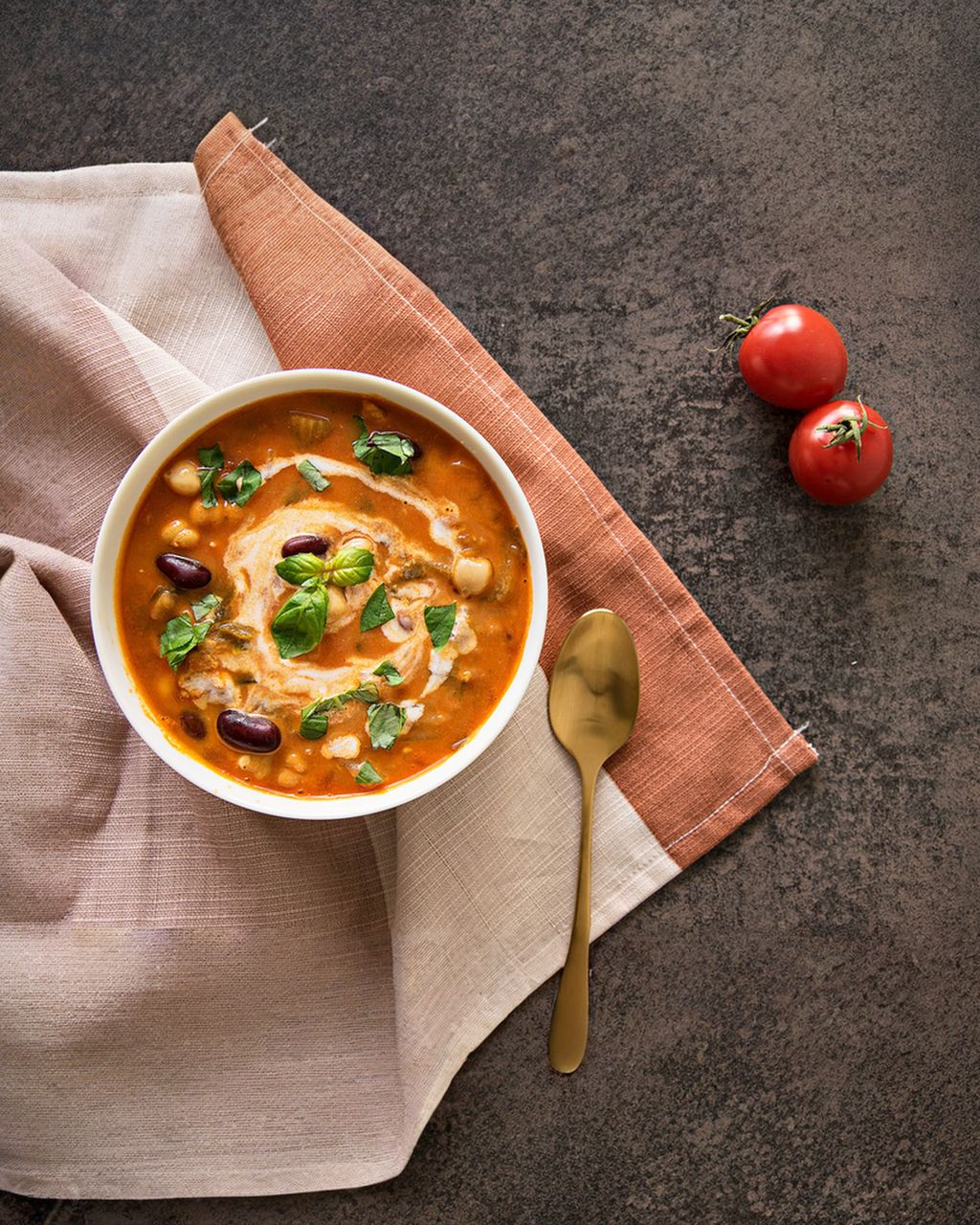
Italian tomato soup with legumes
Canned chickpeas are cooked chickpeas packed in water or salted brine and sterilised in a can or jar, so they can be eaten straight after draining, without soaking or cooking. A 400 g can usually holds 240 g of drained chickpeas, which equals roughly 100 g dried. Shops mostly sell light kabuli-type chickpeas in 400 g cans or jars, organic chickpeas and occasionally black chickpeas. The label gives the total weight and the drained weight, meaning how much chickpeas are left after draining. The ingredients are usually chickpeas, water and salt, sometimes with a stabiliser (E 385) to keep the colour.
Mildly nutty and earthy with a slight sweetness. Soft and creamy yet holding their shape, so they suit salads as well as blending. The liquid can taste starchy or faintly of the tin, which rinsing removes.
Seasonal baking plans, tested recipes and kitchen tricks that save you time. Unsubscribe in one click.
3 min read
No. Canned chickpeas are cooked in the can or jar during sterilisation, so you only need to drain them, rinse if you like, and eat them cold or briefly warmed. If you cook them for long, they fall apart.
Rinsing is not needed for safety but for flavour and salt. For canned pulses, draining and rinsing has been measured to cut sodium by about 40 %. If you want to use the liquid as aquafaba, pour it into a bowl first.
A standard 400 g can usually holds 240 g of chickpeas; the rest is liquid. The exact drained weight is on the label. Dried chickpeas roughly double to two-and-a-half times their weight when cooked, so one can equals about 100 g of dried chickpeas.
If a recipe calls for 200 g dried chickpeas, use two cans. How to cook dried chickpeas until tender and how much you get from a given amount is in how to cook chickpeas until tender.
The quickest way is a salad, such as this Mediterranean chickpea salad with goat cheese and vegetables. In a curry they only need warming in the sauce, as in chickpea curry with coconut cream.
For a crunchy snack, rinse them, dry them well, toss with oil and spices and roast them; the method is in roasted chickpeas. For hummus, simmer them briefly to soften and blend while still warm.
Aquafaba is the liquid from canned or cooked chickpeas. It contains proteins and starch leached from the chickpeas, so it whips into a foam much like egg white. It is used for vegan meringues, mousses and in place of eggs in baking.
Chill the liquid and whisk it with a mixer for several minutes until it forms stiff peaks. A few drops of lemon juice help. Add sugar gradually, only once the foam holds its shape. For sweet recipes use liquid from chickpeas with no added salt. For a dessert idea see vegan chocolate mousse without cream.
The usual rule is about 2 tablespoons of aquafaba (30 ml) for one egg white and about 3 tablespoons (45 ml) for a whole egg. It works in meringues, biscuits and muffins; in recipes where egg carries the main structure the result is less reliable.
Soaked or blanched chickpeas are filled into cans or jars with liquid, sealed and heated under pressure above 100 °C, industrially usually around 121 °C. At that temperature even the spores of Clostridium botulinum are destroyed, which ordinary boiling does not reliably do. That is why an unopened can keeps for years at room temperature.
A bulging or leaking can, hissing when opened, or cloudy, foaming liquid mean something may have gone wrong inside. Do not open or taste such chickpeas; throw them away.