No-bake strawberry cake – a classic from my childhood
Decorating Fruit Cakes: Strawberries, Fruit & Edible Flowers Step by Step
Updated Oct 6, 2026
Decorating a fruit cake comes down to four things: dry fruit, a firm layer of cream underneath it, a thin glossy glaze on top, and timing — decorate as close to serving as possible. Stick to these and your fruit-topped cake will stay beautiful right up until the first slice. No pink cream bleeding under the strawberries, no browning apples. We'll show you which fruits hold up for hours and which only last minutes, how to give fruit a glossy apricot glaze finish, how to arrange it so it looks bakery-made, and which edible flowers are safe for cake decorating — and which you should never use.
Decorating a fruit cake comes down to five rules: the fruit must be dry, the cream firm, the fruit glossy, the layout well thought out, and decorating done at the very last moment. In practice, that means:
Dry fruit. Wash it ahead of time and let it dry on a tea towel for at least 30 minutes. Every drop of water on the cream becomes a future smudge.
Firm cream. Place fruit on mascarpone, ganache, or stabilised whipped cream. On plain soft whipped cream, fruit sinks in and leaks juice.
A thin glaze. A glaze seals the fruit so it doesn't dry out, darken, or lose its shape as quickly.
A well-planned layout. Stick to two or three colours, varied sizes, and odd numbers. Less is almost always more.
Decorate at the last moment. Add fruit ideally 2–4 hours before serving, and fresh flowers right at the very end. You'll find the full timeline below in the timing section.
Small whole fruits with their skin on hold up best on a cake: blueberries, raspberries, blackberries, redcurrants, and grapes. Sliced, juicy fruit needs a glaze, or should be added right before serving. Based on how they behave, fruits fall into four groups: stable, juicy, fruit that browns, and fruit with enzymes.
Stable (hold up half a day or longer): blueberries, raspberries, blackberries, redcurrants, gooseberries, grapes, physalis (cape gooseberries), pomegranate seeds, whole strawberries with the stem on.
Juicy (release juice the moment you cut them): halved strawberries, peaches, nectarines, apricots, mango, melon. Slice at the last possible moment or glaze them.
Fruit that browns (oxidises in the air): apples, pears, bananas. Brush them with lemon juice right after cutting or coat them in glaze, otherwise they'll turn brown within the hour.
Fruit with enzymes: fresh pineapple, kiwi, papaya, and figs contain protein-digesting enzymes that break down gelatine. On a gelatine-set jelly or gelatine-stabilised cream, this means the layer won't set properly or will turn runny. The fix is to use agar or pectin instead of gelatine, or to use the fruit stewed or briefly cooked, since heat destroys the enzymes.
Don't use frozen fruit on top of a cake. It turns mushy and watery as it thaws and will stain the cream. It works fine inside a filling or set in jelly instead.
Strawberries release juice the moment you cut them, sprinkle them with sugar, or place them wet on cream. Avoid all three and a strawberry-topped cake will stay looking good for several hours.
Wash them with the stem still on and only remove it afterwards. Otherwise water seeps in through the centre.
Let them dry thoroughly, ideally in a single layer on paper towel in the fridge.
Don't sugar them. Sugar draws juice out of strawberries by osmosis within minutes. Sweetness belongs in the cream, not on the fruit.
Cut them only at the last moment. Place the halves cut-side down into the cream, or glaze the cut side straight away.
Cold cake, cold strawberries. Warm cream softens and the fruit starts sinking into it.
Whole strawberries last longest. For a cake that needs to sit overnight, use whole berries with the green stem still attached. They look natural and won't leak anything.
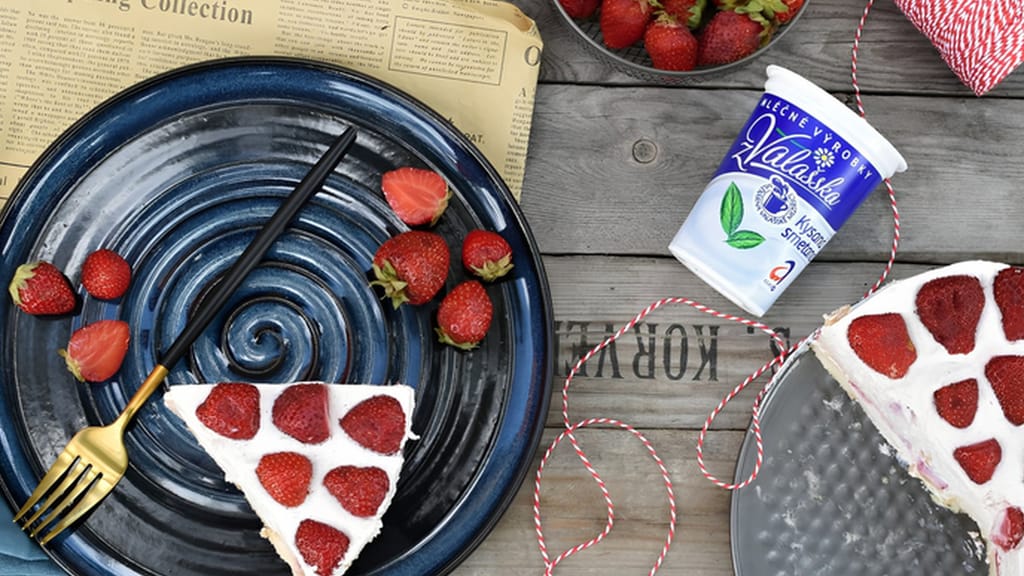
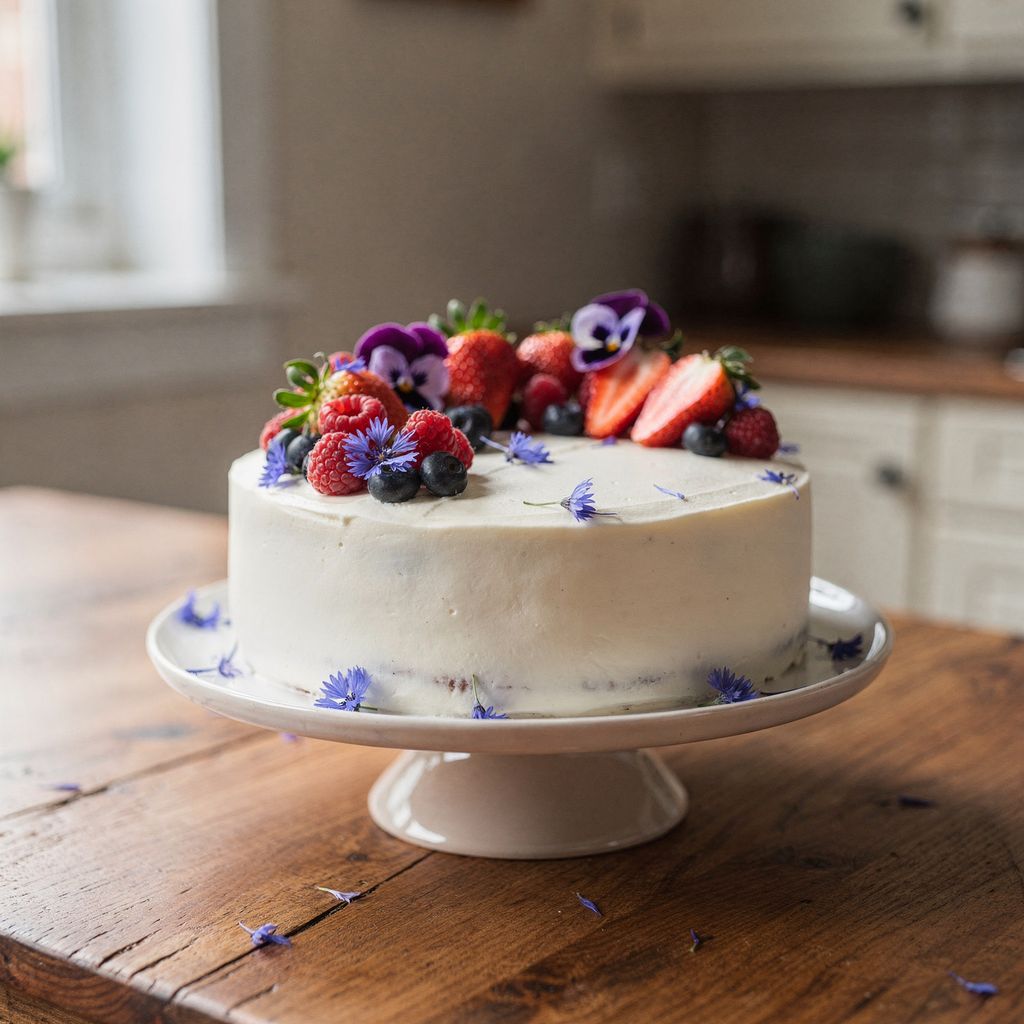
No-bake strawberry cake – a classic from my childhood
No-bake strawberry cake: a classic to practise strawberry decorating on
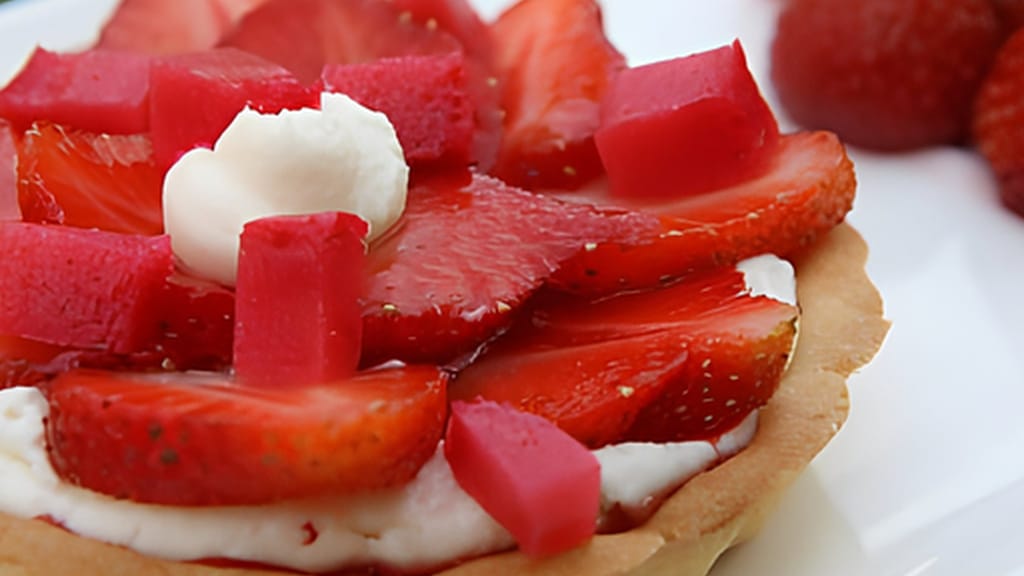
Mascarpone tartlets with strawberries and a touch of currant jelly
Mascarpone and strawberry tartlets: strawberries on firm cream, in miniature
Fruit holds up best on a thick, fatty cream: mascarpone, white chocolate ganache, buttercream, or stabilised whipped cream. The fat creates a barrier that keeps the fruit's juice from soaking through.
Plain whipped cream is the weakest base for fruit. It softens within an hour and the fruit sinks right in. Stabilise it, or fold in some mascarpone.
Cream cheese frosting tastes great but stays moist. Add the fruit only right before serving.
For pies and tartlets, brush the cooled base with a thin layer of melted white chocolate or boiled, strained jam. This keeps the pastry from going soft under the cream and fruit.
Fondant and fruit don't mix. Moisture from the fruit dissolves the sugar paste. If you must combine them, place the fruit on a chocolate base, or just around the cake on the serving plate.
The easiest way to add shine to fruit on a cake is with an apricot glaze (nappage) — apricot jam thinned with water. The pectin in the jam forms a thin, glossy film that protects the fruit from drying out and discolouring.
Warm about 100 g (3.5 oz) of apricot jam with 1–2 tablespoons of water and let it come briefly to a boil.
Strain it through a sieve to remove any lumps.
Let it cool to lukewarm. Hot glaze would cook the fruit and melt the cream underneath.
Brush it on with a soft pastry brush, or carefully drizzle it with a spoon. A thin layer is enough.
For red fruit, use strained redcurrant jelly instead of apricot jam. It gives a richer colour.
Cake glaze (from a sachet) is clear and sets firmer. It's good for covering larger areas of fruit.
With pineapple, kiwi, papaya, or figs, avoid gelatine-based glazes. Use a pectin glaze or agar instead.
A glaze extends the fruit's life: small whole fruit under glaze can sit in the fridge overnight, but sliced fruit will only look good for a few hours.
Three layouts work reliably every time: a wreath around the edge, a crescent on one side, and a loose pile in the centre. All three are beginner-friendly and look good even without perfect precision.
Wreath: fruit in a band around the edge, leaving the centre clear. Works well for strawberries, raspberries, and blueberries, and makes the cake easy to slice.
Crescent: fruit arranged in an arc across one third of the cake, tallest in the middle of the arc and tapering off toward the edges. Gives a modern look and uses less fruit.
Pile (naked-cake style): a mound of fruit in the centre, built upward rather than outward. Perfect for modern naked, drip, and ombré cakes.
On a flat tart or pie, you can also try neat rows or a lattice of slices, say peaches or kiwi. It takes precision but makes a striking effect.
A few rules that make or break the result:
Start with the largest pieces (whole strawberries, figs, apricot halves) and fill the gaps with smaller fruit.
Stick to 2–3 colours. Strawberries, blueberries, and mint are plenty. Ten different fruits start to look like a fruit salad.
Odd numbers of standout pieces (3, 5, 7) look more natural than even ones.
Mix sizes and shapes: whole, halved, sliced. Depth turns a pile into a composition.
If this is your first time decorating a cake, start with a wreath. You'll find more beginner-friendly techniques in our guide to cake decorating for beginners.
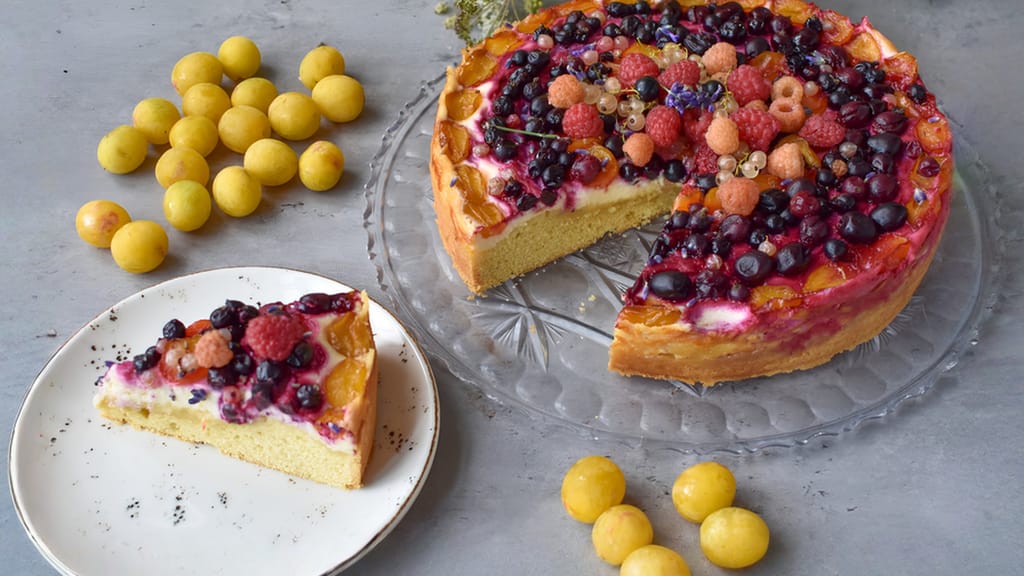
Summer cake with mascarpone, curd cheese and a mountain of fresh fruit
Summer mascarpone cake piled with fresh fruit: an example of the pile decorating style
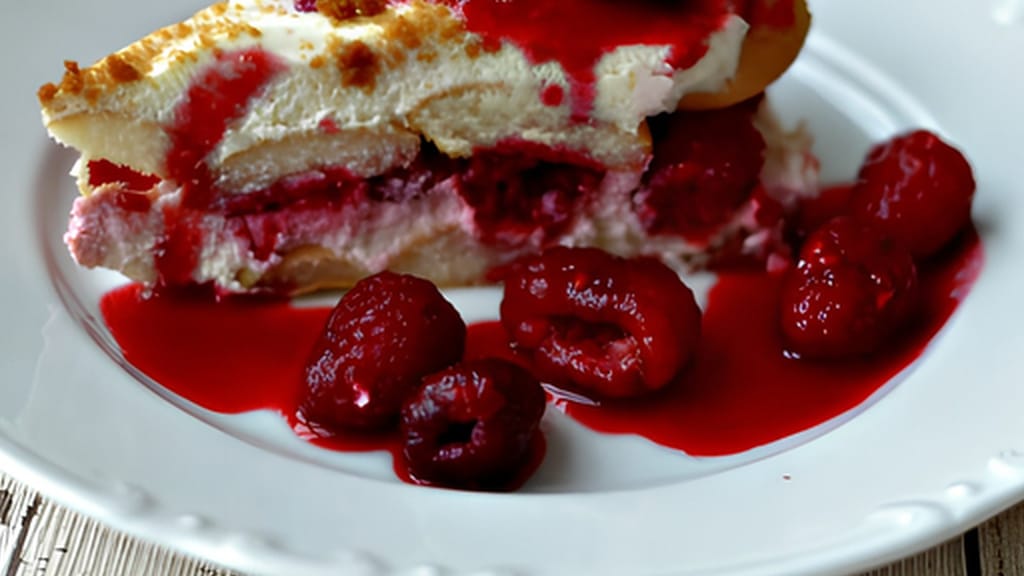
Desserts, recipes: no-bake fruit cake – fresh and easy
No-bake fruit cake: a fresh base ready for fruit decorating
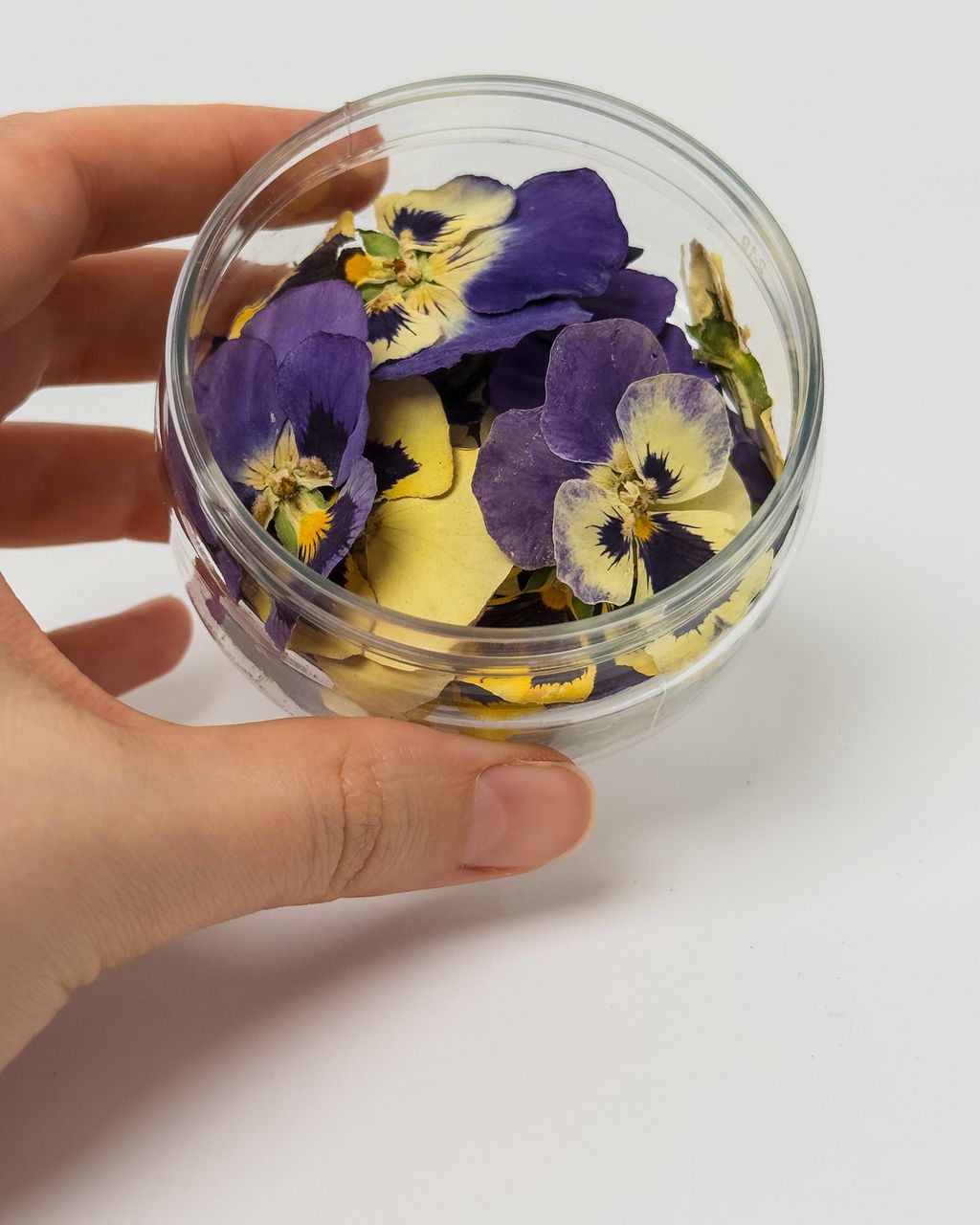
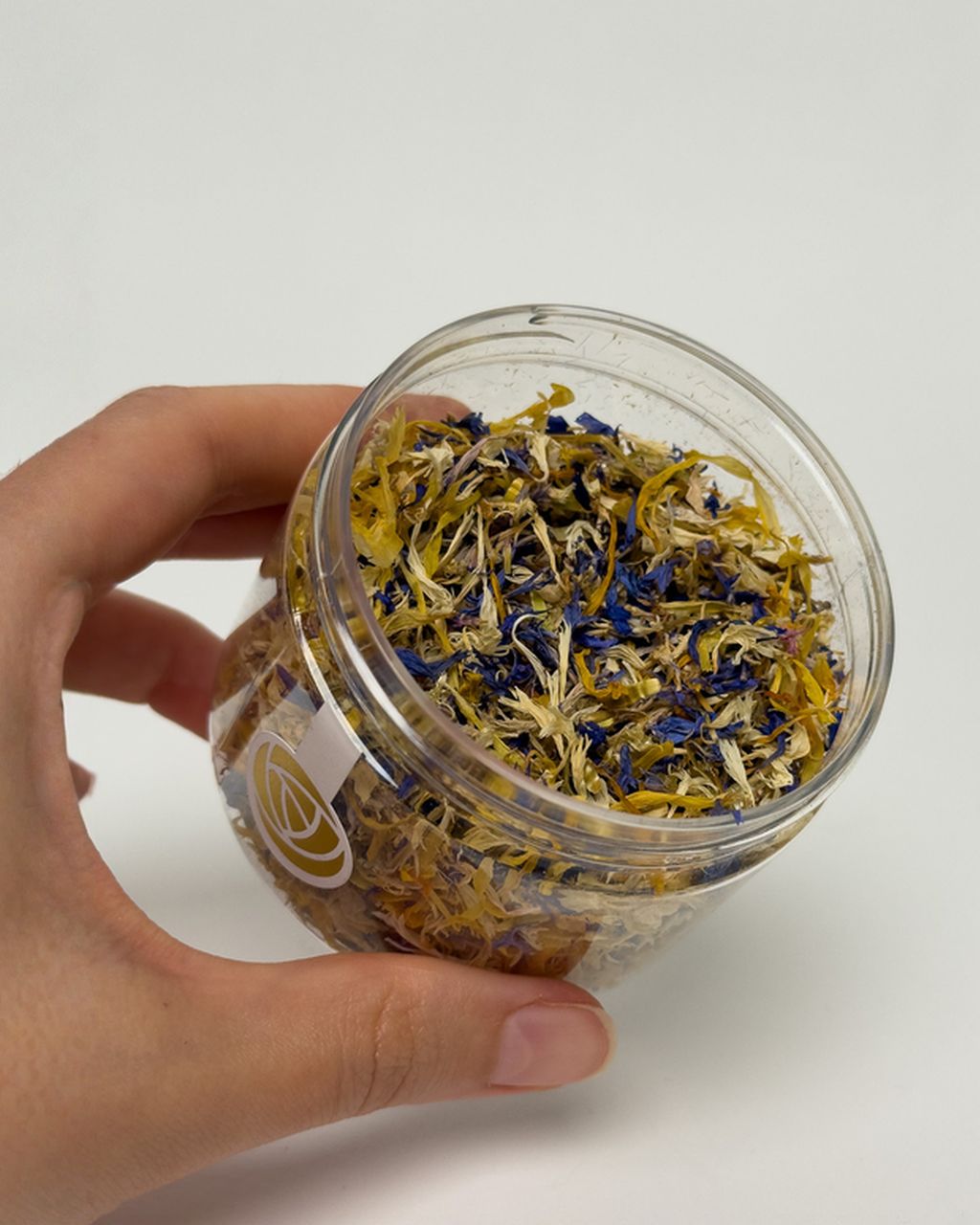
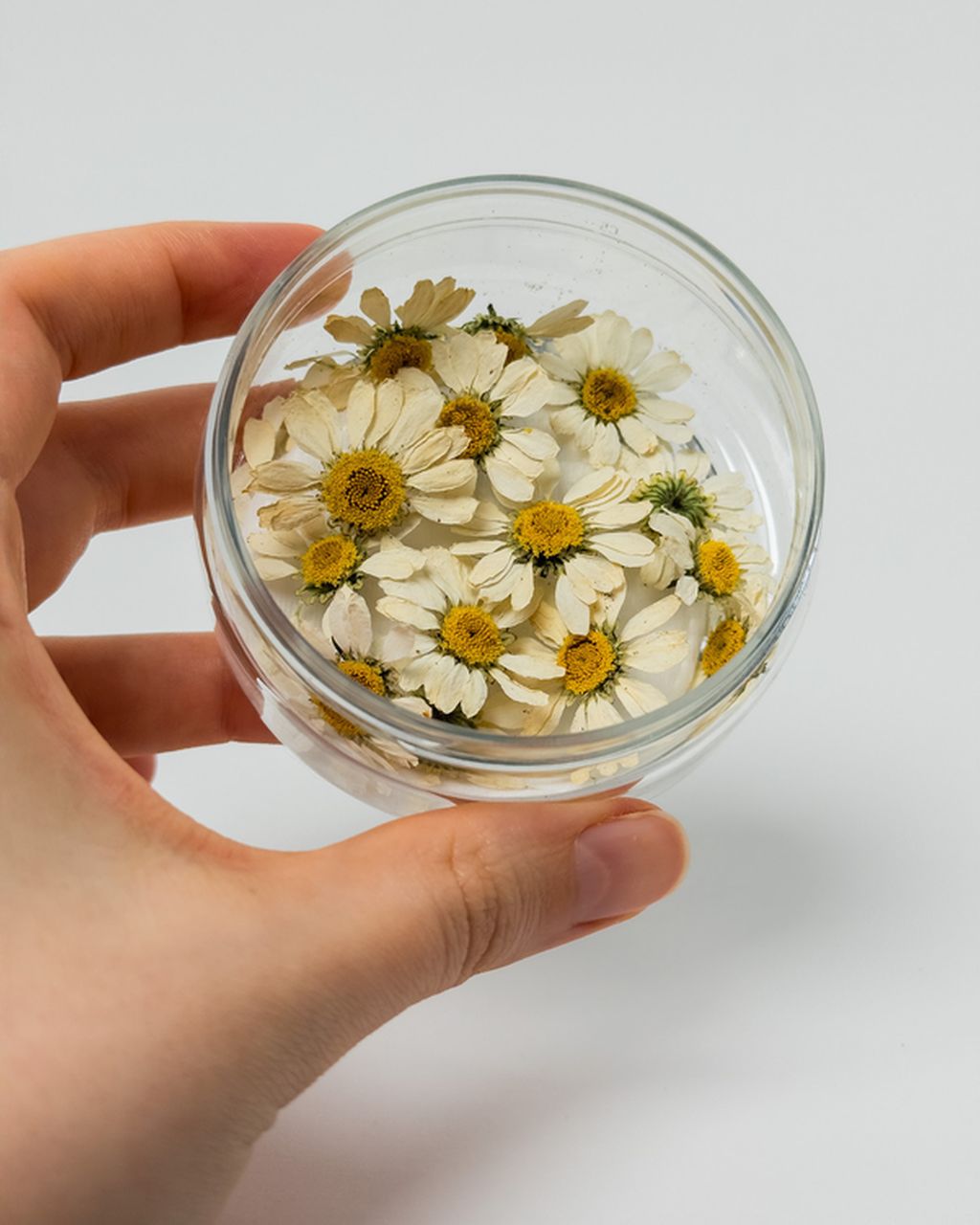
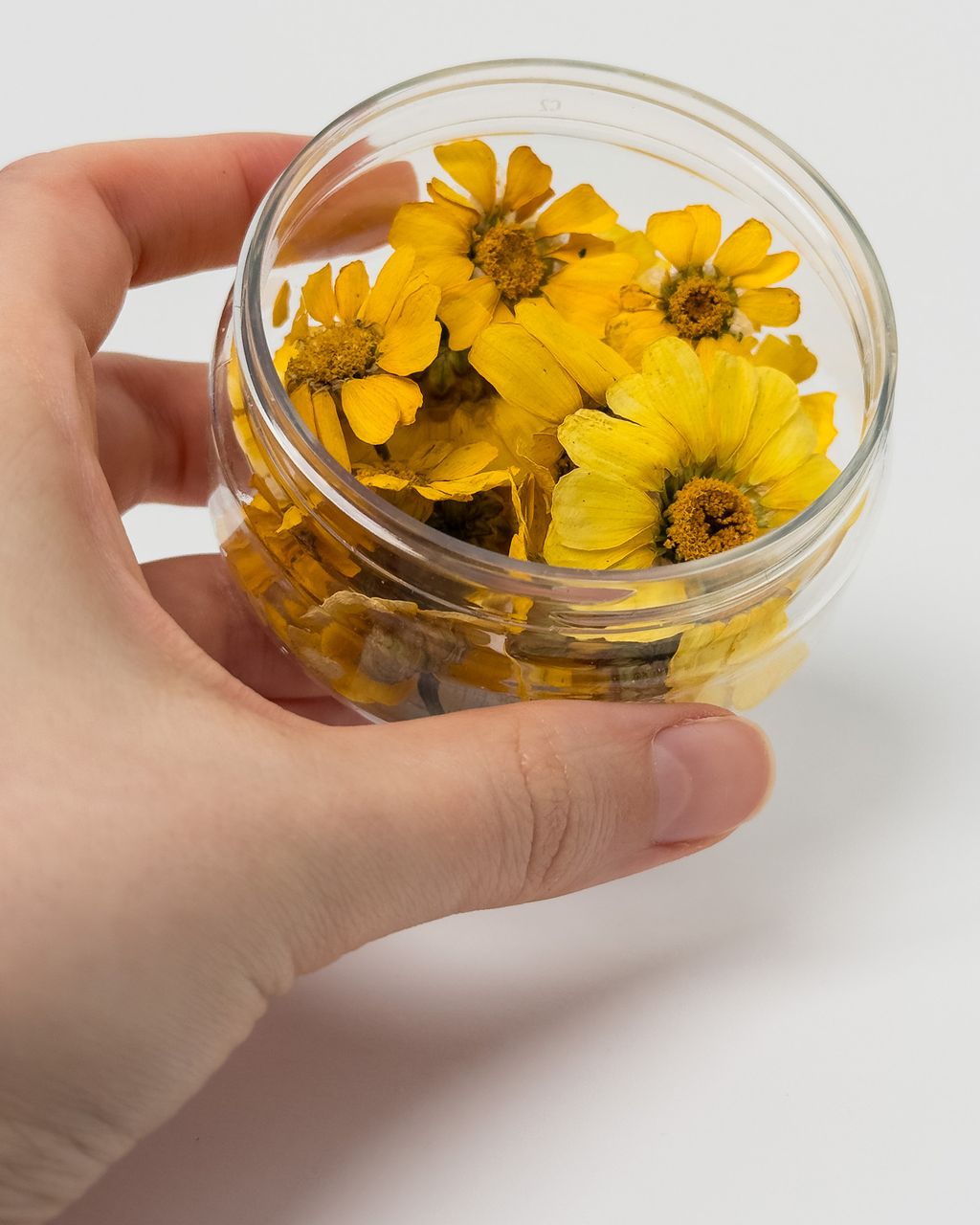
Fresh edible flowers look more vibrant on a cake, but they wilt within a few hours. Dried flowers last for weeks, free you from worrying about seasonality, and work well as a colourful accent on a fruit cake. In either case, only use flowers that are confirmed edible and haven't been sprayed with chemicals.
The most common edible flowers used on cakes are:
pansy and viola: mild flavour, lovely colours, hold their shape well
cornflower: blue petals, great for sprinkling
marigold (calendula): orange and yellow petals
daisy: small blooms, easy to arrange into a wreath
rose (unsprayed only): petals that smell and taste lovely
lavender: strong flavour — use sparingly, or it tastes like soap
Fresh flowers should be rinsed gently, dried on paper towel, and added to the cake right at the very end (see the timing section below). Buy flowers specifically labelled as edible, or pick them from your own unsprayed garden — never from a bought bouquet.
Dried flowers free you from worrying about seasonality or wilting, just don't place them on damp cream too far in advance. Moisture will soften them and may stain the cream. They hold up best on ganache, buttercream, or along the side of the cake. Ready-made dried edible flowers have the advantage of being made for eating, so you don't have to worry about how they were treated.
They shine most when paired with fruit: a few pansies tucked between strawberries, cornflowers scattered over blueberries, or yellow marigold petals alongside apricots.
You can prepare the sponge and cream a day ahead, but add fruit ideally 2–4 hours before serving, and fresh flowers no earlier than 1 hour before serving. The one exception is small whole fruit under glaze (blueberries, raspberries, whole strawberries), which can sit in the fridge overnight. Here's a timeline that works:
The day before: bake the sponge, fill it, cover it with cream, and let it set overnight in the fridge. If you're decorating with small whole fruit under glaze, you can add it now.
The morning of the event: wash the fruit and let it dry. Prepare the glaze ahead too — just warm it before use.
2–4 hours before serving: arrange any sliced or juicy fruit and glaze it. Return the cake to the fridge.
1–2 hours before serving: add dried flowers.
Right before serving: add fresh edible flowers and mint leaves.
Transporting the cake? Decorate it on-site. Carry the fruit and flowers separately in a container — even light jostling in the car can throw off the arrangement.
We don't recommend freezing a cake topped with fresh fruit, since the fruit turns mushy once thawed, releases water, and stains the cream. Instead, freeze the undecorated cake — the sponge with filling and cream — and add the fruit only after it's thawed in the fridge. Fruit baked into a filling or set in jelly freezes just fine.
You can swap apricot jam for strained apple jelly, which is almost colourless and won't change the fruit's colour. It's handy when you're out of apricot jam, or when you want a completely neutral shine on peaches, pears, apples, or mango. Just warm the jelly, thin it with a spoonful of water, and brush it on while lukewarm.
A cake topped with fresh fruit is best eaten within 24 hours, or 2 days at most in the fridge. A glaze helps the fruit stay looking good for longer, but the cream underneath will eventually turn damp regardless. Keep it covered so the fruit doesn't pick up fridge odours.
To candy edible flowers, brush them with a thin coat of egg white using a small brush, coat them in caster sugar, then leave them to dry on baking paper for 12–24 hours. Since the egg white stays raw, use pasteurised or dried egg white. Candied flowers will keep for several weeks in a dry, airtight container.
Yes, mint, lemon balm, basil, and thyme are all common and safe choices for fruit cakes. Mint pairs well with strawberries and blueberries, basil with strawberries and peaches, and thyme with figs and apricots. Add the leaves right at the end, since they wilt quickly.
One recipe worth heating the oven for, one tip, and one deal from the shop. Nothing else.