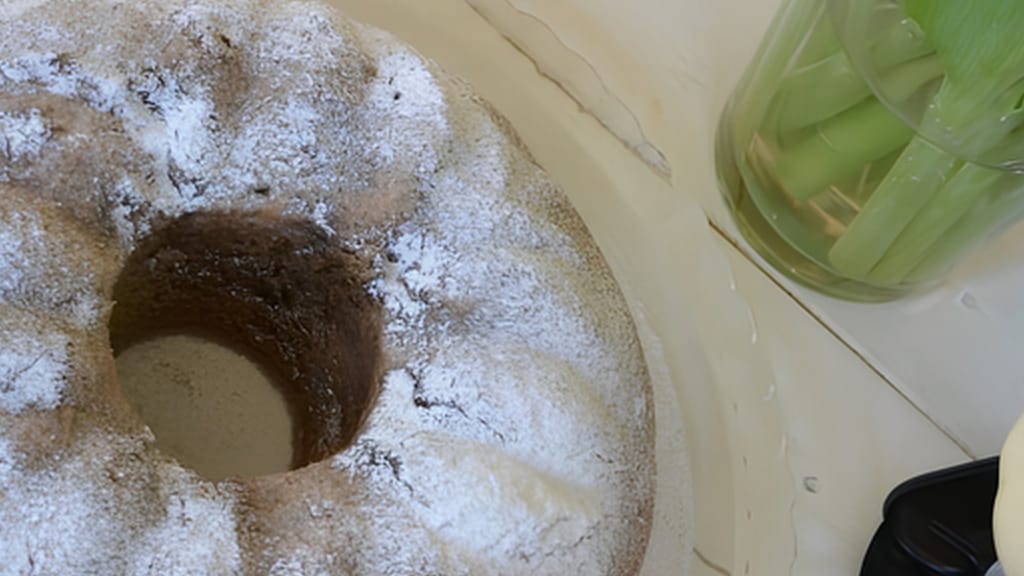
Apple bundt cake with coconut fat
Windfall Apples: How to Sort, Use and Know When to Toss Them
Updated Oct 6, 2026
What should you do with windfall apples? Sort them straight away: firm, unbroken ones can be eaten raw or baked within 1–2 weeks if kept cool; bruised ones need using within 2–3 days — think purée, juice, cake, dried apple rings, or roasted with meat; and anything rotten, mouldy, or left lying in the grass for more than 2–3 days should go straight in the bin. Don't put windfalls into winter storage — a bruised apple won't last, and it will spoil the healthy ones around it too.
A windfall apple is a bruised apple — and a bruised apple spoils within days, not months. The impact of the fall ruptures cells beneath the skin, so the flesh turns brown and soft, and every split in the skin becomes an open door for soil-borne mould and bacteria.
Two other factors make things worse:
Ripeness. Trees mostly drop apples that are already ripe or flawed — wormy or hail-damaged. These were never going to be long-keepers.
Ethylene. Bruised and overripe fruit releases more ethylene, the gas that speeds up ripening. One bruised apple in a crate will hasten the ripening of the healthy ones around it.
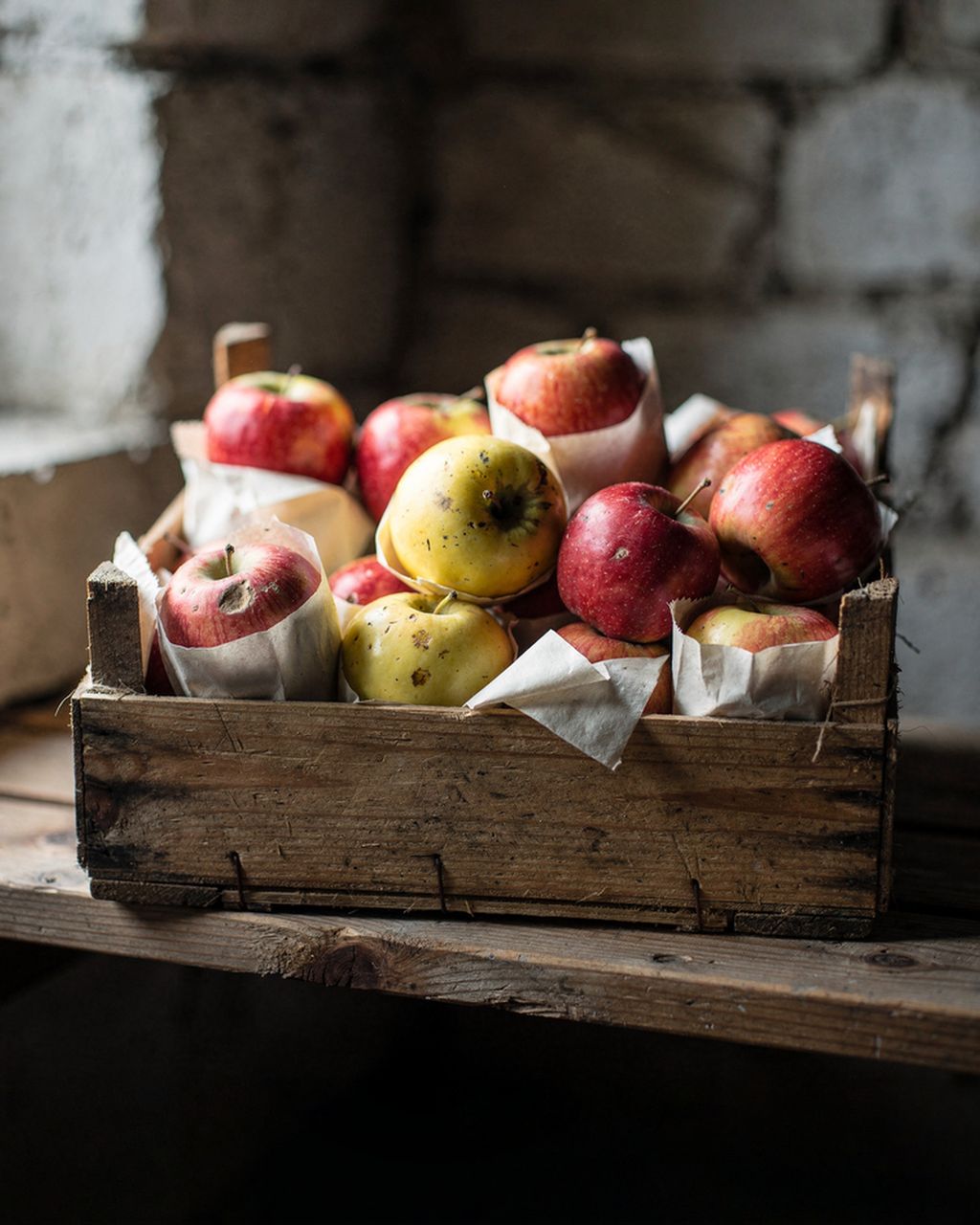
So never add windfalls to your winter stores. For how to store the healthy, hand-picked apples instead, see our guide on how long apples keep and how to store them over winter.
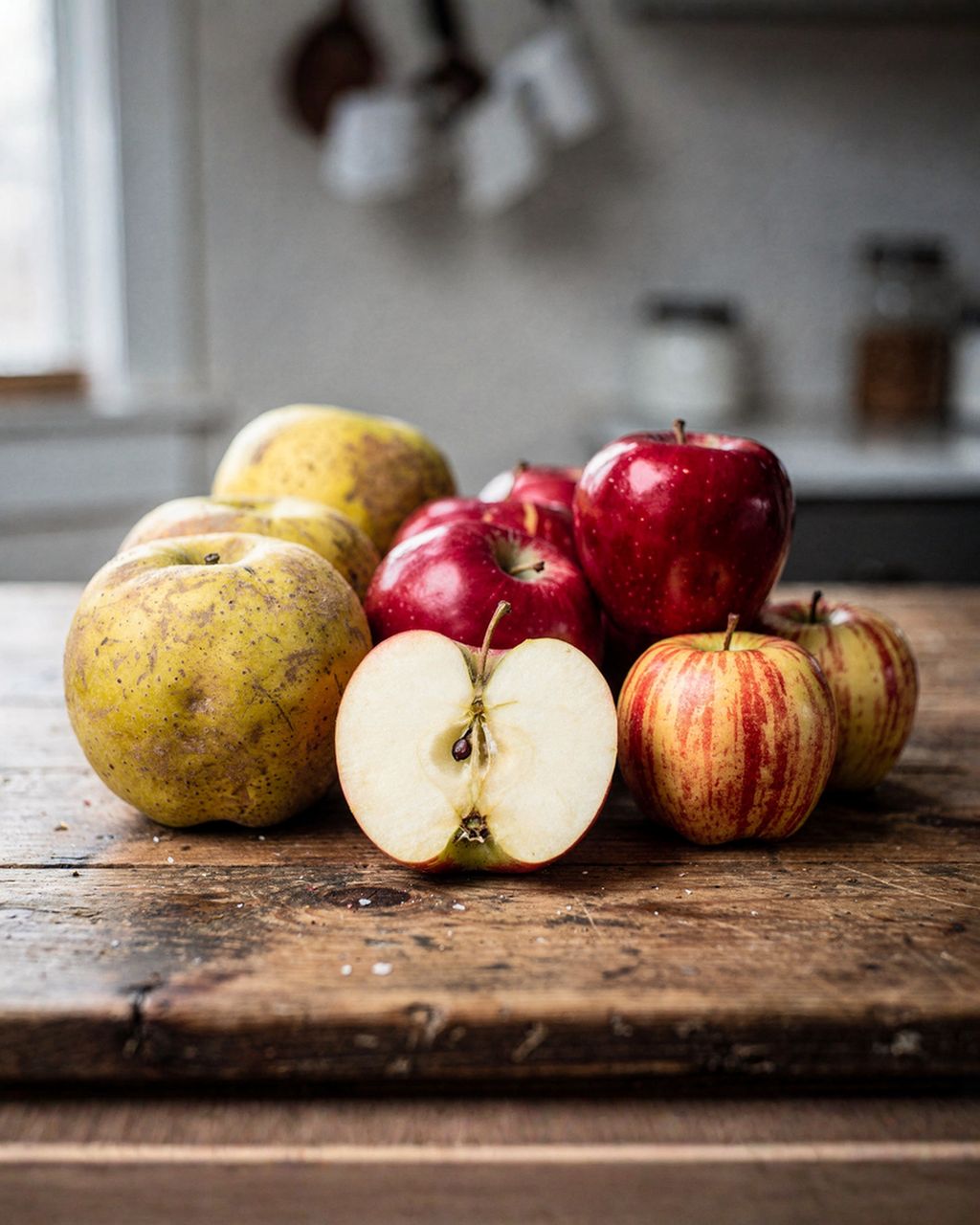
As soon as you've collected them, split windfall apples into three piles based on how quickly they need to be used:
Firm, unbroken, no bruising — keeps in a cool spot (fridge or a cellar below 4°C/39°F) for roughly 1–2 weeks. Fine for eating raw or in a salad too.
Bruised, with a single worm channel or a small dried-out split, but no rot — use within 2–3 days, ideally cooked. Cut out the damaged part generously.
Rotten, mouldy, mushy, or left lying in the grass for more than 2–3 days — straight into the food waste bin. The next section covers exactly when to make that call.
Ideally, pick up fallen apples every 1–2 days. The less time an apple spends in wet grass, the more of it you'll be able to save.
Toss a windfall apple the moment you spot mould or soft rot — cutting around it is no longer enough at that point. Specifically, an apple belongs in the food waste bin if it:
has any mould at all — a white, grey, or blue-green fuzzy coating, even a small patch,
has a soft brown spot that gives way under your finger, often with concentric rings of pale to tan-coloured raised patches (classic signs of brown rot),
smells of fermentation, alcohol, or vinegar, feels mushy, or is leaking juice,
has been eaten into deeply by wasps or slugs,
has lain in the grass for more than 2–3 days — or less, in warm, damp conditions,
is contaminated with animal droppings (deer, hedgehogs, birds) or has been lying in mud,
tastes bitter or musty, even if it looks fine.
Why cutting around it isn't enough: apple rot is often caused by the mould Penicillium expansum, which produces the toxin patulin. According to expert sources, this spreads through the flesh well beyond the visible spot, and — crucially — heat breaks it down only minimally. Boiling, baking, or pasteurising won't get rid of it. That's why EU law caps patulin levels in food: 50 µg/kg for apple juice and cider, but only 10 µg/kg for baby food.
A small brown bruise with no mould, still firm and with no off smell, is a different story — that's just squashed flesh. Cut it out along with 1 cm of healthy flesh around it and use the apple as normal.
Don't put apples with brown rot on the home compost heap — the fungus will survive and reinfect the tree come spring. They belong in the food waste bin or a large-scale composting facility.
Wash windfall apples thoroughly, quarter them, and cut away anything damaged before you cook or bake with them.
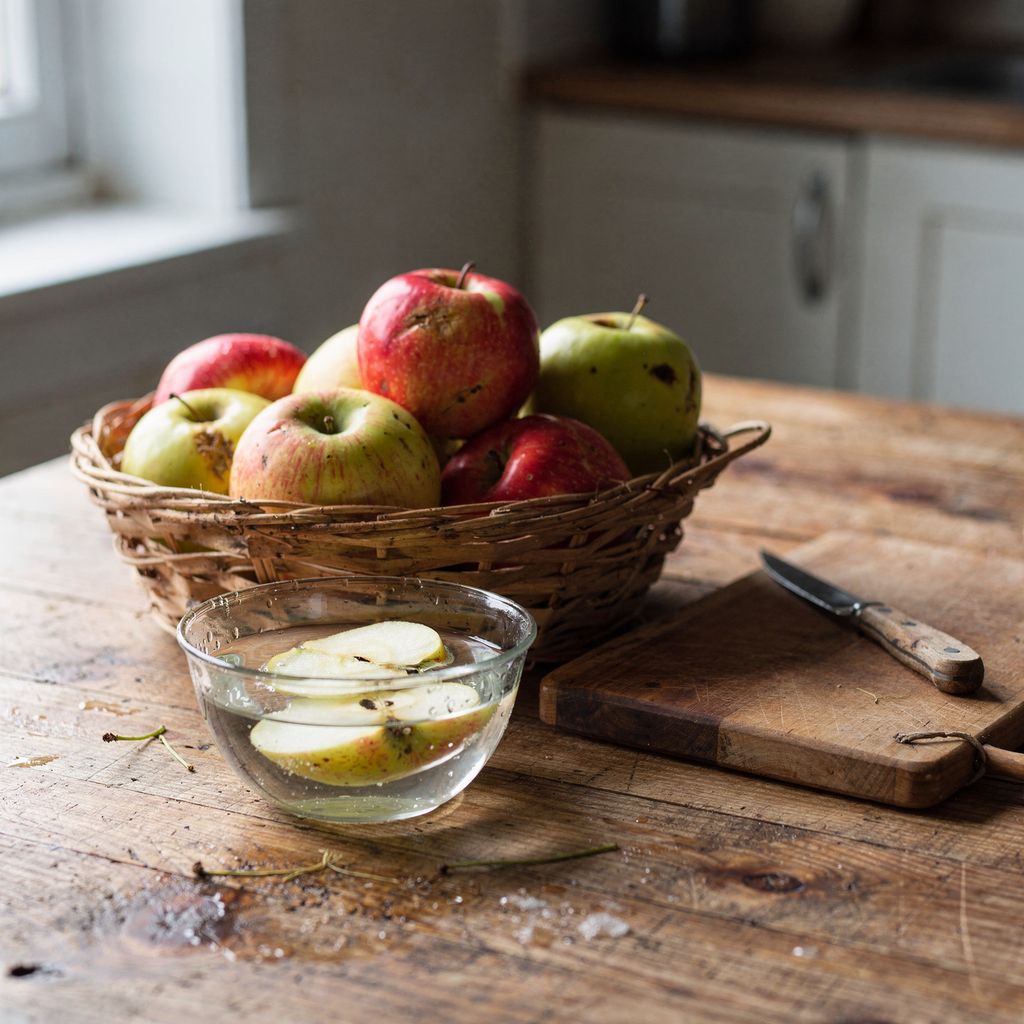
Wash them in cold water and wipe with a cloth or soft brush — the skin is often gritty with soil.
Quarter each apple. Only once it's cut open can you see whether the rot has spread inward, or whether the core is browned and mouldy (in which case, discard the whole apple).
Cut away bruises with a 1 cm margin, worm channels along with the surrounding flesh, and the core.
Drop the pieces into cold water with lemon juice (about 1 lemon per 2 litres of water) so they don't brown while you work through the rest of the batch.
Expect some waste: a kilo of bruised windfalls will often yield only 600–750 g of usable flesh once trimmed.
Windfall apples work best as: purée, juice, cakes and bundt cakes, strudel, dried apple rings, roasted with meat, and — from the unripe ones — homemade pectin. Bruised apples work for all of these, since the flesh gets cut up, cooked, or baked, so looks don't matter.
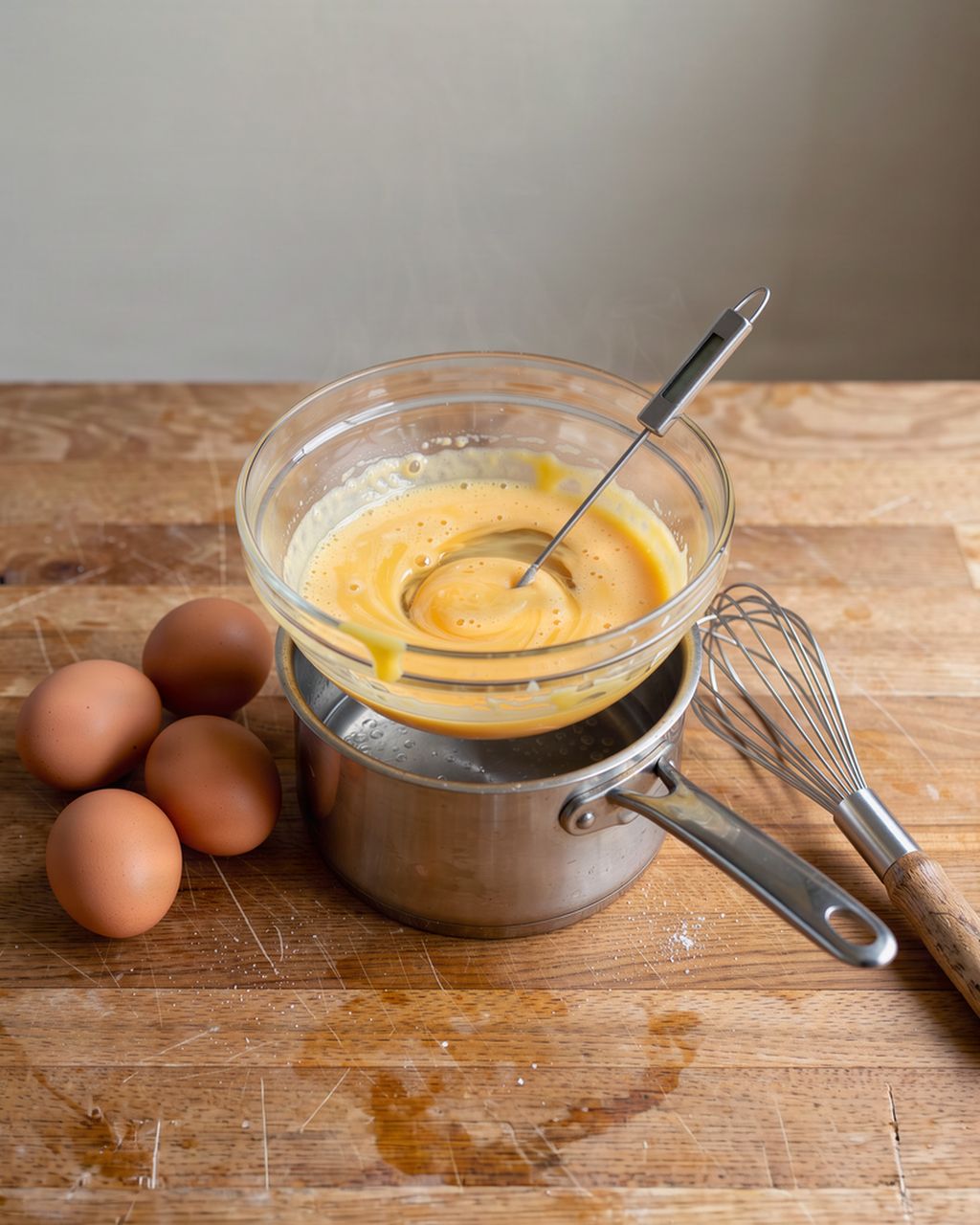
Purée is the quickest way to use up a large batch of bruised apples at once. Put the trimmed pieces in a pan with a little water (about 100 ml per kg of apples), cover, and simmer gently for 15–20 minutes until they break down. Then blend or push through a sieve.
You don't need to add sugar — sweeter varieties are sweet enough on their own. For tarter apples, stir in a spoonful of honey or sugar.
Add cinnamon, vanilla, or star anise only at the end, so they don't turn bitter.
Freeze in portions of 200–300 g; it'll keep for 8–10 months. Great stirred into porridge or yoghurt, served with potato pancakes, or used to replace some of the fat in a bundt cake.
Juice is ideal if you've got a big haul — 10 kg of apples will press down to roughly 5–7 litres, depending on the variety and your press. Only press carefully selected apples with no rot (see the warning above).
Fresh juice keeps in the fridge for 2–3 days before it starts to ferment. For longer storage, pasteurise it: heat to 75–80°C (167–176°F) and hold at that temperature for about 20 minutes — don't let it boil, or it will lose its fresh flavour. Pour it hot into clean, hot bottles and seal immediately.
Bruised apples are perfect for baking, since you'll be chopping or grating them anyway. Grated apple makes a bundt cake lovely and moist, while slices on yeasted dough caramelise beautifully as they bake. If the apples are very juicy, let the grated apple drain for a bit first so it doesn't weigh the batter down.
Apple bundt cake with coconut fat
Apple bundt cake — moist, and perfect for grated windfall apples

Yeasted apple buns with curd cheese and crumble topping
Yeasted apple buns with curd cheese and crumble topping
Strudel needs apples that are tart and firm enough to hold their shape when baked — windfalls from early summer varieties tend to be floury, so save those for purée instead. You'll find the full method, from dough to filling, in our guide to homemade apple strudel. Short on time? Go for the puff pastry version.
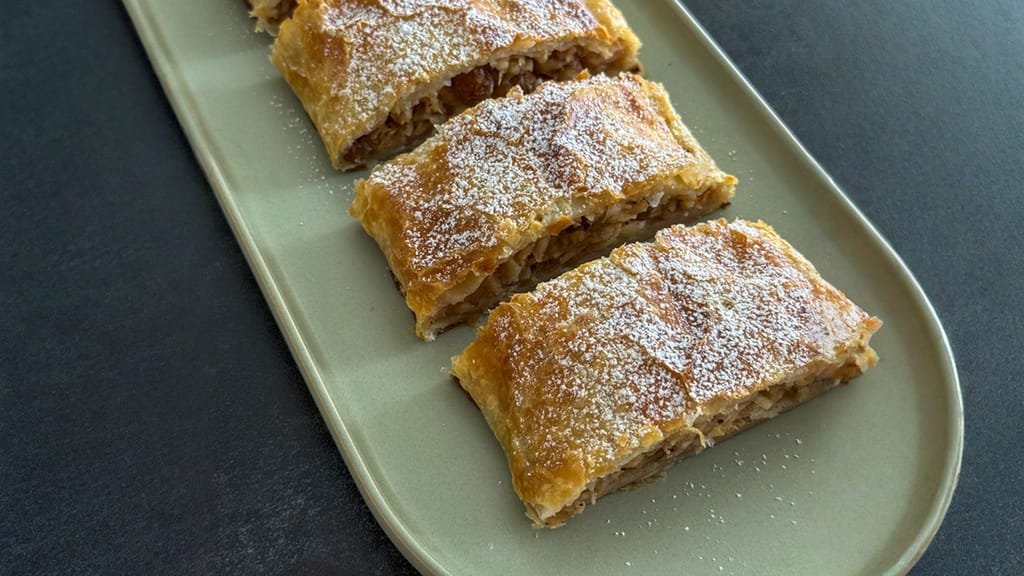
Apple strudel from puff pastry (quick version)
Puff pastry apple strudel — a quick option for windfall apples
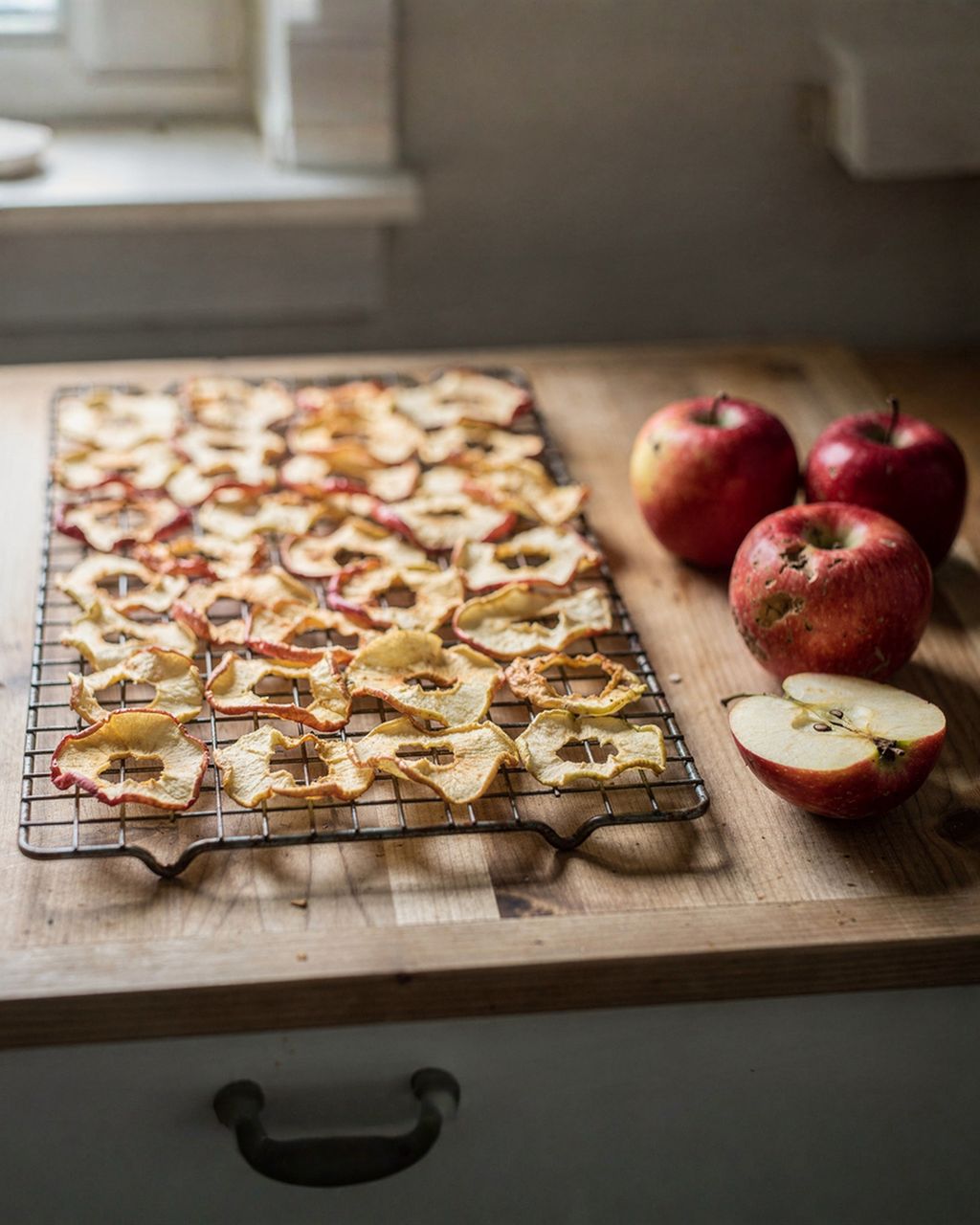
Use only the best-looking windfalls from your first pile for drying — the process won't hide a flaw, and a bruise will turn brown and bitter on a dried slice. Cut them into rounds 3–5 mm thick so they dry evenly, and soak the slices in lemon water for a few minutes before drying to keep them pale. Dry them in a dehydrator or in the oven with the door slightly ajar at 50–60°C (122–140°F) for about 6–10 hours, until they're leathery and pliable with no moisture left when you snap one in half.
Tarter windfall apples are great with richer meats like pork, goose, or duck. Roast them underneath or around the meat so they soak up the juices, with their acidity balancing out the fat. Quarter and trim them, then add to the roasting pan for the final 40–60 minutes of cooking.
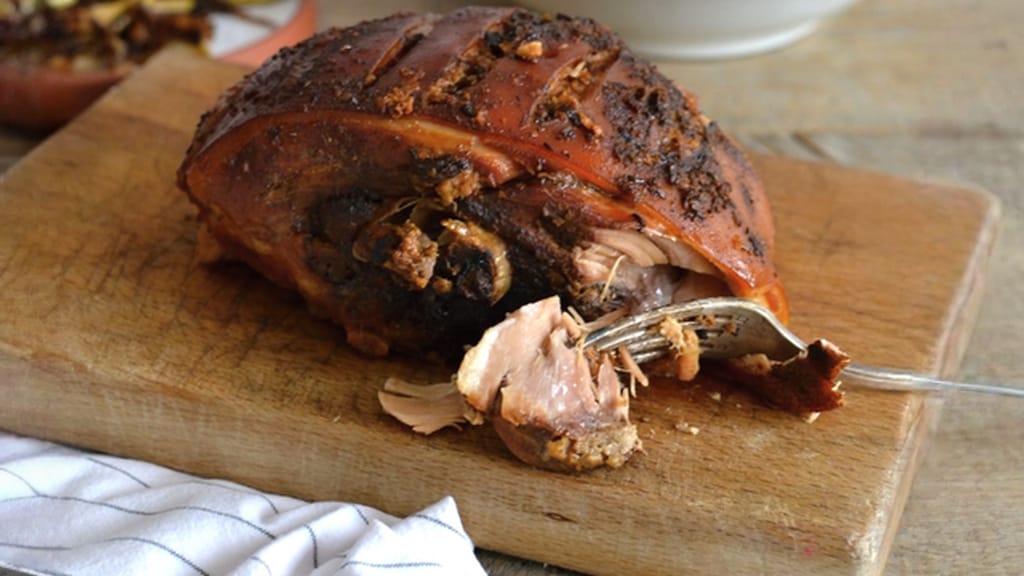
Extra slow-roasted pork shoulder with apples and onions
Slow-roasted pork shoulder with apples and onions
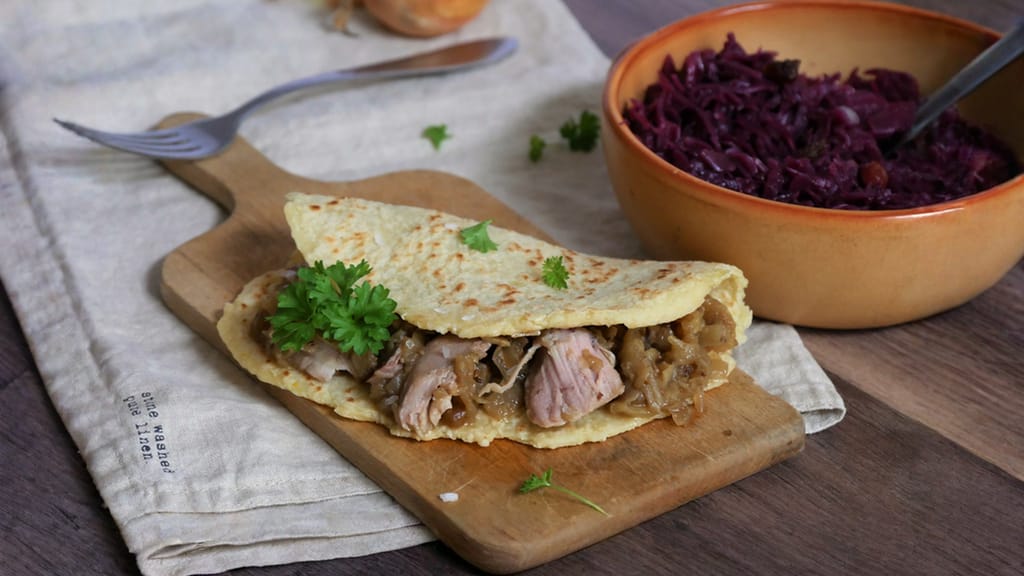
Goose breast on apples with potato lokše
Goose breast on apples with potato pancakes
Unripe windfalls make excellent homemade liquid pectin, since they contain more of it than ripe apples do. The small green apples a tree drops in June and July aren't for eating — they're hard, sour, and starchy. But thanks to their high pectin content, they make a great natural setting base.
Chop them up, skin, core and all, cover with water in roughly a 1:1 ratio, and simmer until soft (about 30–40 minutes). Then let the pulp drain through muslin overnight — don't press it, or the liquid will turn cloudy. Add the resulting liquid pectin to jams made from fruit that doesn't set well on its own, like strawberries or cherries.
You can eat windfall apples raw, but only the firm, unbroken ones that you've picked up within 1–2 days and washed thoroughly. Bruised, split, or long-fallen windfalls are better cooked — the skin can carry bacteria from soil and animal droppings, and damaged flesh spoils fast.
Yes, you can freeze windfall apples raw — peeled, sliced, and sprinkled with lemon juice. Freeze the slices loose on a tray first, then transfer them to a bag; they'll keep for 8–12 months. Once thawed they go soft, so they're best for cakes, bundt cakes, and purée rather than eating raw.
Yes — rotting windfalls under the tree spread disease, especially brown rot, which overwinters in the shrivelled fruit and reinfects the tree the following spring. Collect fallen apples every 1–2 days, and put any rotten ones in your food waste bin rather than the home compost.
Only give young children windfall apples that are completely sound, with no bruising or rot, and ideally cooked. EU rules set a limit for the mould toxin patulin that's five times stricter for baby food (10 µg/kg) than for juice, so when picking windfalls for a child's snack, choose only the very best-looking fruit.
One recipe worth heating the oven for, one tip, and one deal from the shop. Nothing else.