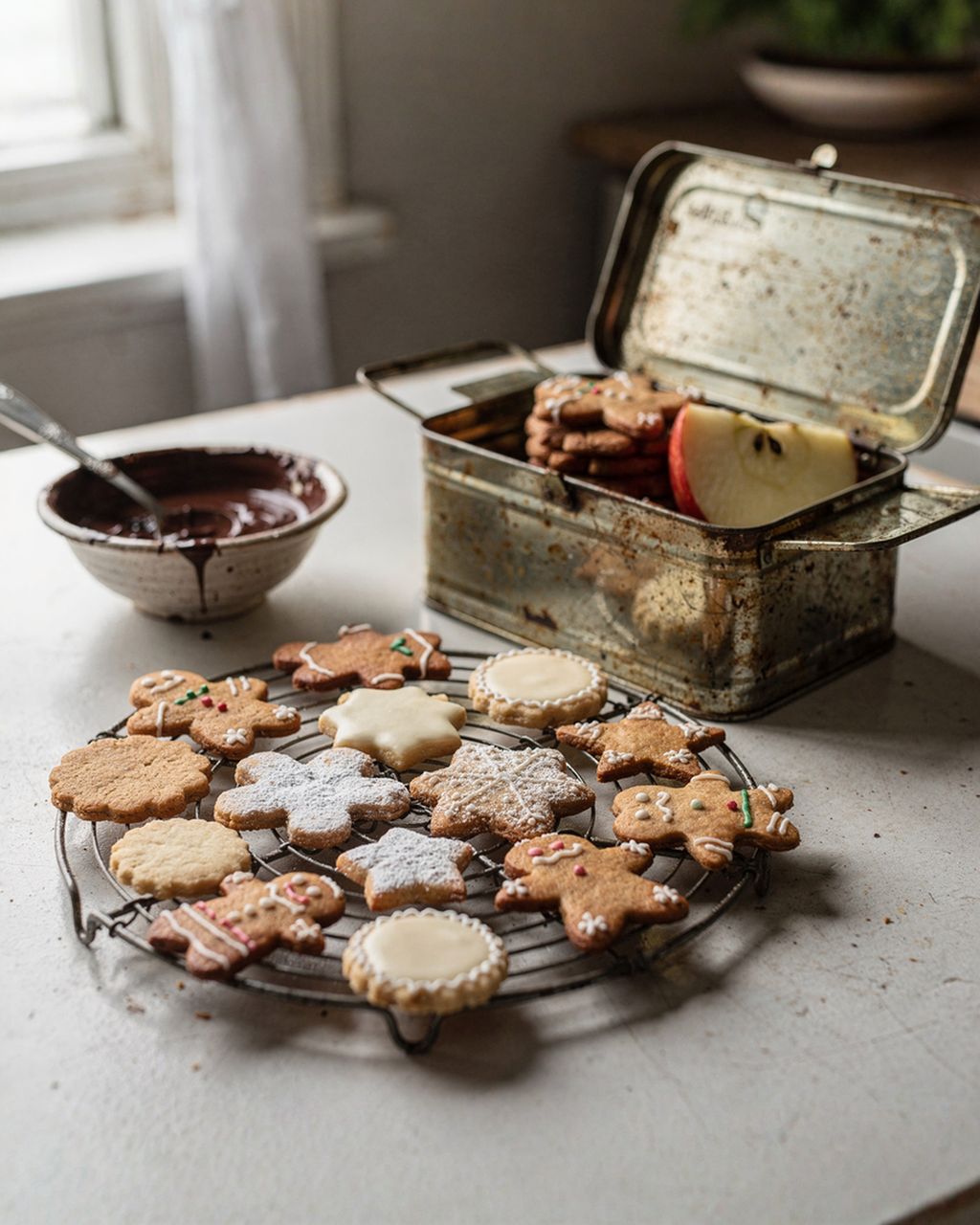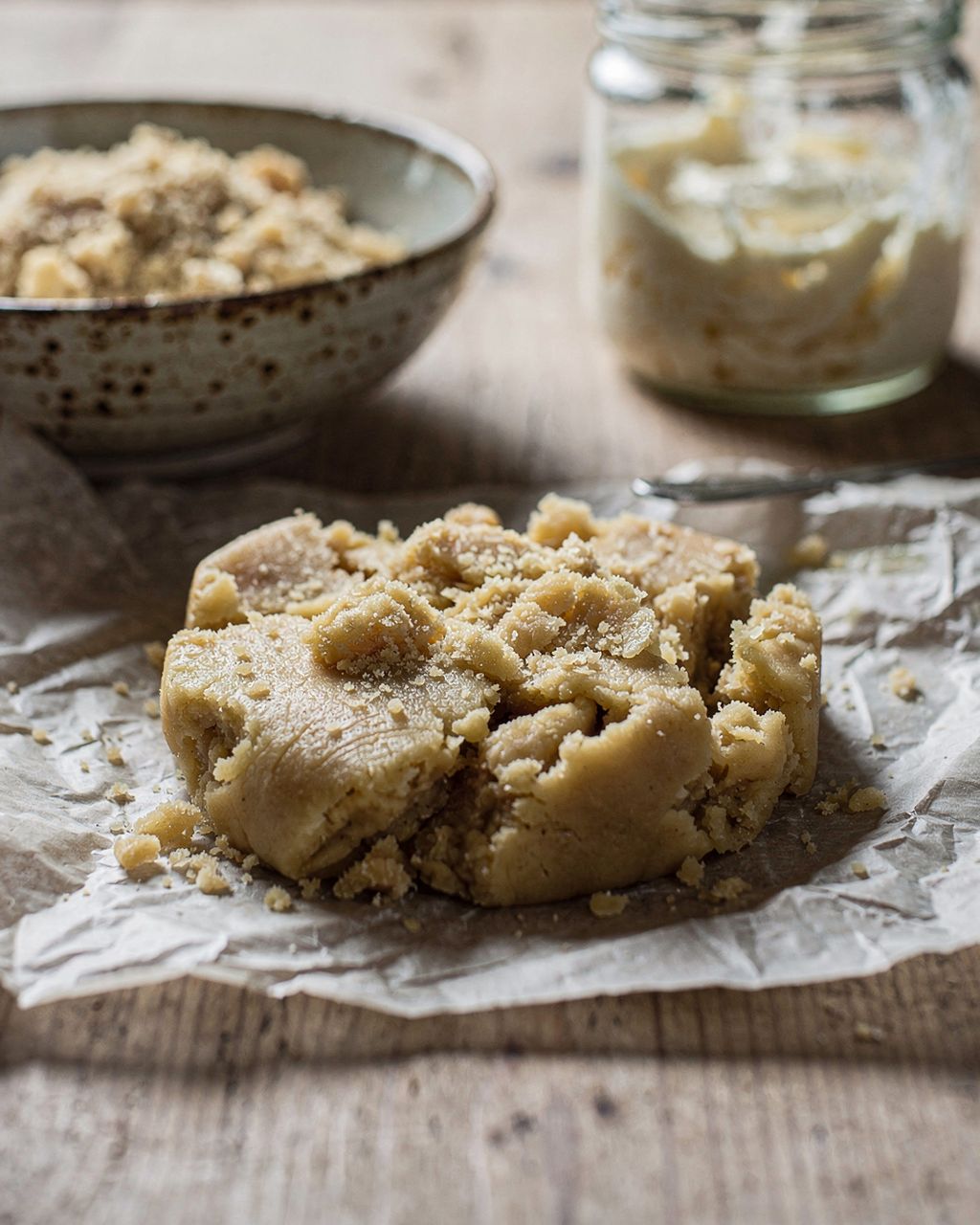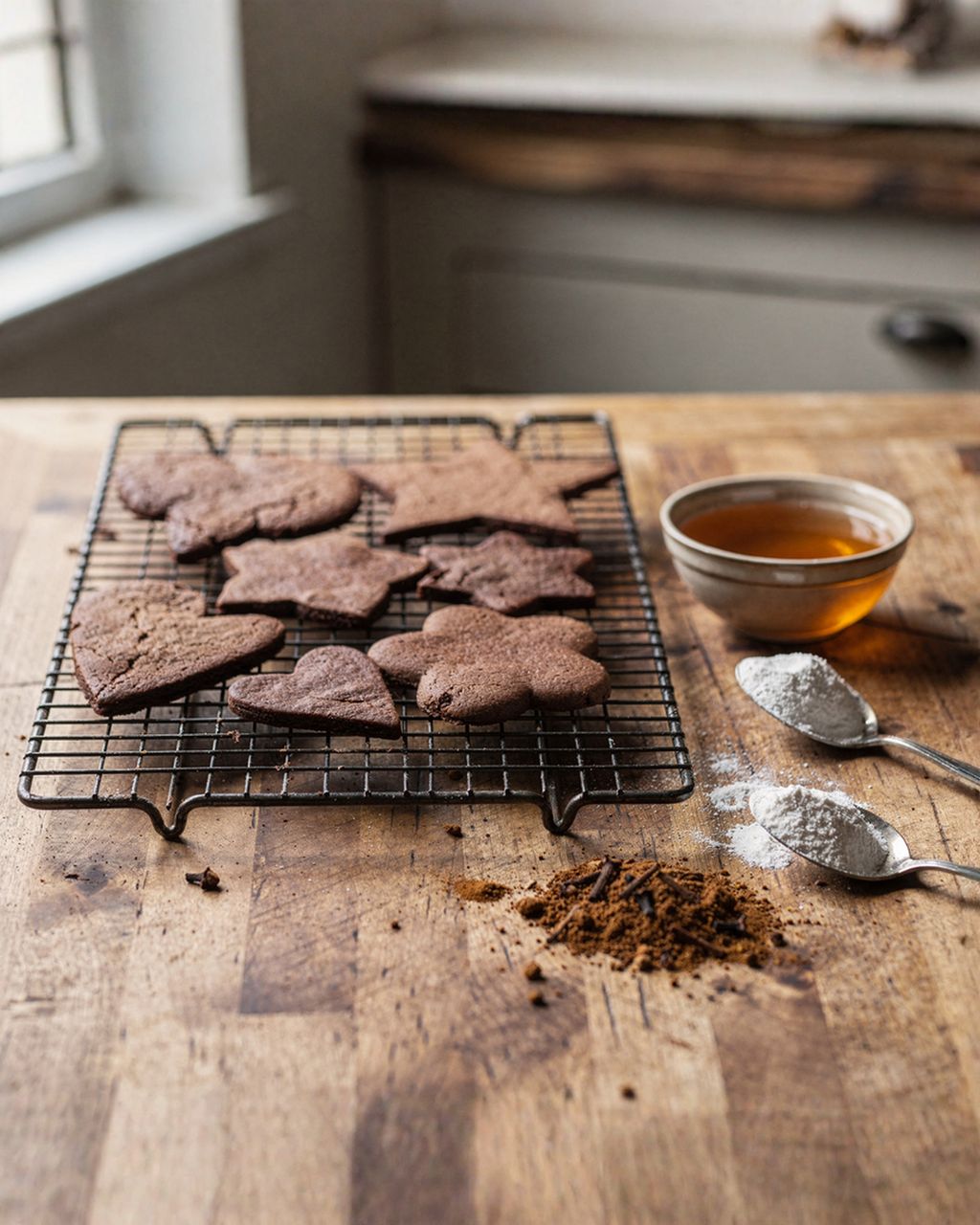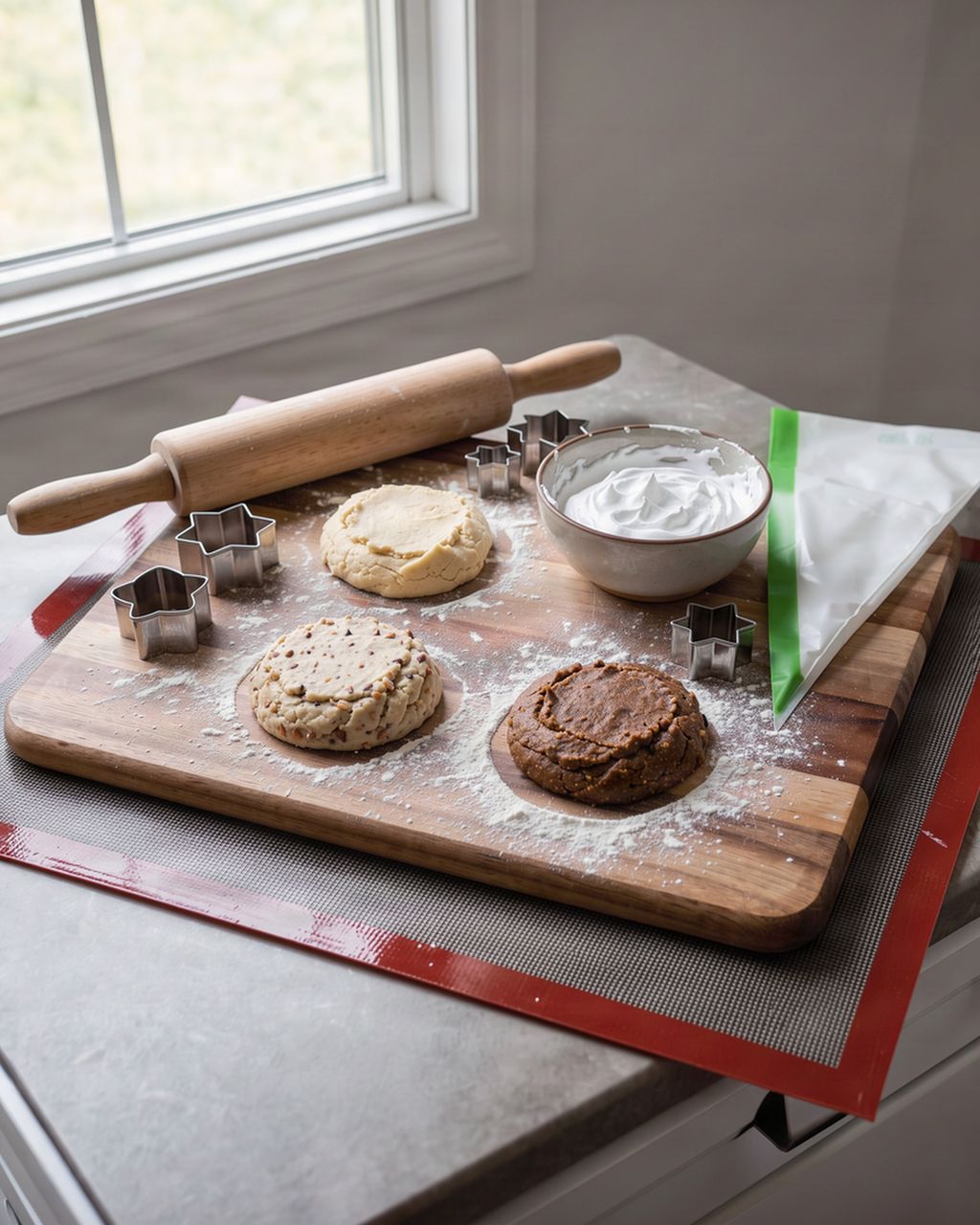
Honey cake balls - last-minute christmas treats
Why Your Honey Cake Stayed Hard (And How to Fix It)
Updated Sep 25, 2026
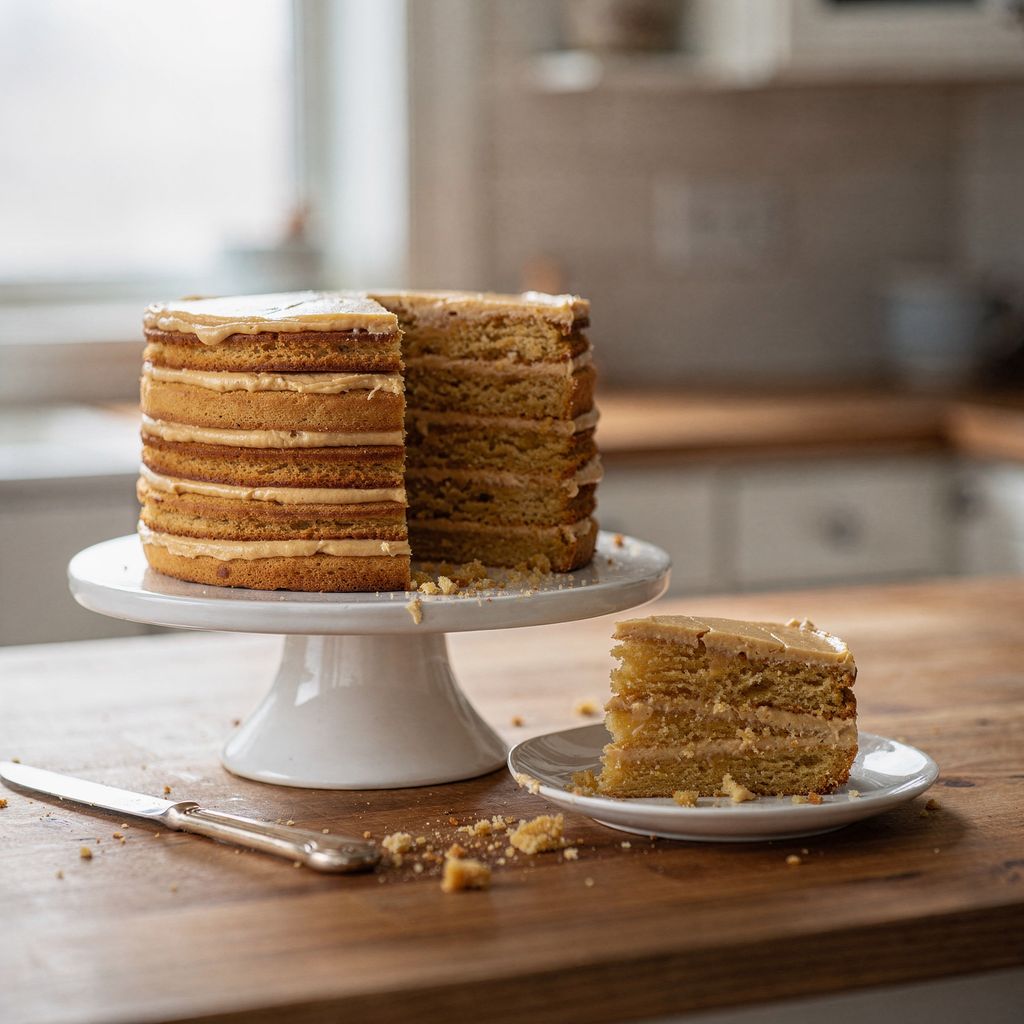
Your honey cake stayed hard because the layers didn't pull enough moisture out of the cream: either they're overbaked, the cream's too dry, or the cake simply hasn't sat in the fridge long enough. Freshly baked layers are always crisp, like a cookie — they only soften once they draw water from the cream. Here's how to figure out which cause is yours, what to do with a cake that's already assembled, and how to bake it next time so it melts on your tongue.
Hard layers fresh from the oven are normal, not a mistake. Honey cake dough is thin (2–3 mm), packed with sugar and honey, and baked briefly at a high temperature, so it comes out of the oven more like a crisp biscuit than a soft sponge.
The softness only develops after assembly: moisture from the cream gradually works its way into the layers, the starch in them binds it, and the layers turn from crisp biscuit into tender sheets. Honey helps here too, since it's hygroscopic and holds onto moisture. So the whole honey cake comes down to a simple equation: enough moisture in the cream + enough time + layers that can still absorb it. If any one of those three is missing, the cake stays hard.
A hard honey cake almost always comes down to one of these six causes:
overbaked, too-dark layers,
cream that's too dry (usually butter-based),
too little cream between the layers,
not enough resting time in the fridge,
layers rolled too thick, or too much flour in the dough,
an uncovered cake drying out in the fridge.
Often several of these overlap. Go through them one by one.
Overbaked layers are the most common cause — and the worst, because it can't really be undone. When the sugar and honey in the dough caramelise to a dark brown, they form a glassy, dense structure that moisture from the cream can barely penetrate. A layer like this softens at most on the surface; underneath it stays hard and bitter.
How to spot it: the layers were more dark brown than golden, they smell faintly scorched, and you can see them in the cake as dark streaks.
How to get it right next time: bake the layers at 180°C for roughly 5–10 minutes depending on thickness and your oven, and go mainly by colour. Pull them out as soon as they're light golden to honey-coloured. They'll firm up further after coming out, so if they look just right in the oven, they're already at the edge of overdone.
Keep an eye on the layers — don't wander off from the oven. With such a short bake, every minute counts.
What to do with overbaked bakes in general, and when it's simply not worth trying to save them, is covered in the article overbaked cookies: how to rescue them and when to let go.
A dry filling has nothing to give the layers. The classic Czech filling made from cooked caramel and butter tastes great, but it's low in free water, since butter is mostly fat. Layers soften slowly in it, and often unevenly.
Honey cake softens reliably when the filling has a moisture-rich component:
sour cream, either mixed into the filling or used as its own layer alternating with the caramel filling,
a milk-based semolina or pudding base (cooked semolina or pudding whipped with butter),
whipped cream folded into the caramel filling.
If you'd rather not change the recipe, just brush the layers lightly with moisture before spreading (see below).
A thin smear of filling won't soften the layers, because the layer soaks it all up and there's nothing left to draw on. Aim for roughly 150–180 g of filling per 24 cm layer (about 5–6 heaped tablespoons). The layer of filling should be almost as thick as the honey cake layer itself.
Spread the filling right to the edges. The edges are exactly where the cake most often stays hard, because the filling doesn't quite reach there when spreading.
Honey cake needs at least 12 hours in the fridge, ideally 24–48 hours. After a few hours it's softer at the edges and under the filling, but the centre of the layers is still firm. If you sliced it the same evening, chances are the layers and filling aren't to blame at all — it's simply a matter of time.
A thick layer needs more moisture and more time before water from the filling can reach all the way to the centre. Roll the dough to 2–3 mm. Any thicker, and you end up with something closer to gingerbread than honey cake.
Extra flour causes the same problem: if the dough sticks while rolling and you keep dusting on more and more flour, the layers turn hard and dry. Roll it between two sheets of baking paper instead, without adding flour. If the dough is too sticky, chill it for 15–20 minutes in the fridge.
An uncovered honey cake dries out at the surface and edges in the fridge faster than the layers can draw in moisture from the filling, so the sides and top layer stay hard.
Always cover the cake — ideally with a cake dome, or with cling film propped up on toothpicks so it doesn't touch the filling — and coat the sides and top with filling. This isn't just about looks: the filling on the surface protects the layers from drying out.
You can rescue an assembled hard honey cake mainly with time and outside moisture. Start with the simplest fix:
Give it another day. Cover it and leave it in the fridge for another 24 hours. If it hasn't had at least 12 hours, ideally 24, this alone solves most cases.
Wrap it in moisture. Coat the sides and top with a thicker layer of sour cream or leftover filling, press on crumbs from a blitzed spare layer or trimmings, and cover it up. The sour cream will feed moisture even into the outer layers.
Serve it with something moist. If the cake is still firm, serve each slice with a spoonful of sour cream or whipped cream. It masks the toughness, and it suits the flavour of honey cake anyway.
Turn it into crumbs. If the layers are overbaked and bitter, salvage at least the flavour. Blitz the whole cake, filling and all, and turn it into honey cake truffles from a hard honey cake. The filling acts as the binder.
Overbaked layers can't be softened again. If they're dark and bitter, there's no point waiting any longer — repurpose them straight away instead.
Honey cake balls - last-minute christmas treats
Honey cake truffles from a hard honey cake
Hard layers before assembly are completely normal, and you don't need to rescue them at all. But if you know your filling is on the dry side, or the layers came out a bit darker or thicker than usual, give them some extra moisture before spreading:
Drizzle them with milk or brush it on, about 1–2 tablespoons per layer. The moisture spreads quickly, and the filling only has to top it up.
Brush them with thin honey syrup (1 part honey to 2 parts warm water). It adds moisture as well as flavour.
Alternate the filling with sour cream. Spread every other layer with sour cream instead of the caramel filling.
If baking layers ahead, store them at room temperature in a sealed bag or container. In the fridge, they'd pick up unwanted odours.
A tender honey cake comes down to five rules:
Layers 2–3 mm thick, rolled between sheets of baking paper without extra flour.
180°C, roughly 5–10 minutes, pulled out at a light golden colour.
Filling with a moisture-rich component (sour cream, semolina, pudding, or whipped cream), roughly 150–180 g per layer.
Coat the sides and top with filling and cover the cake.
24–48 hours in the fridge before slicing.
Honey cake is a great one to bake ahead. In your Christmas baking plan, group it with the kinds that need time to mature, similar to gingerbread. To see when to bake which kind, check the Christmas cookie baking calendar. The same moisture principle, just on a smaller scale, also works for soft honey gingerbread cookies that never go hard.
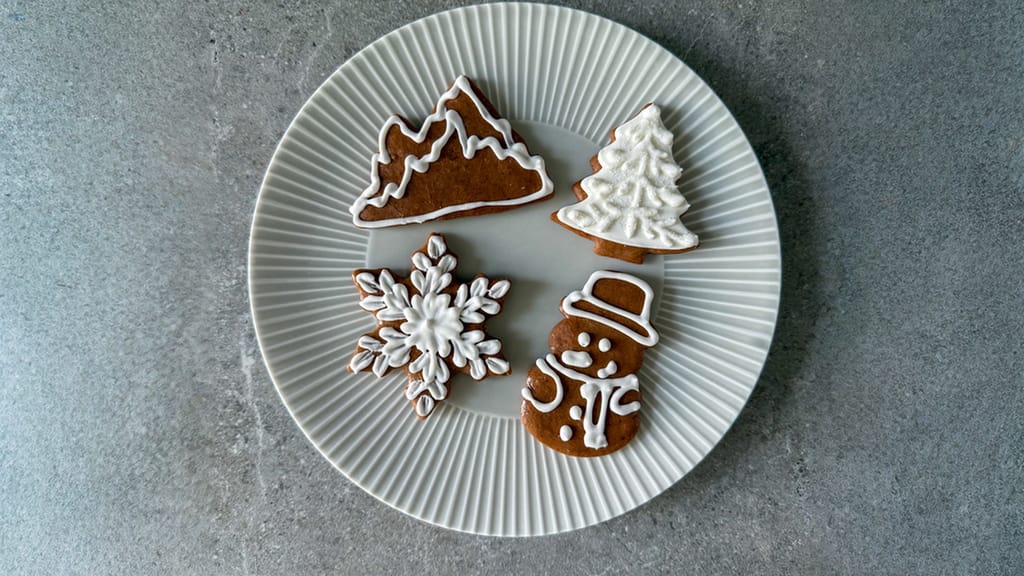
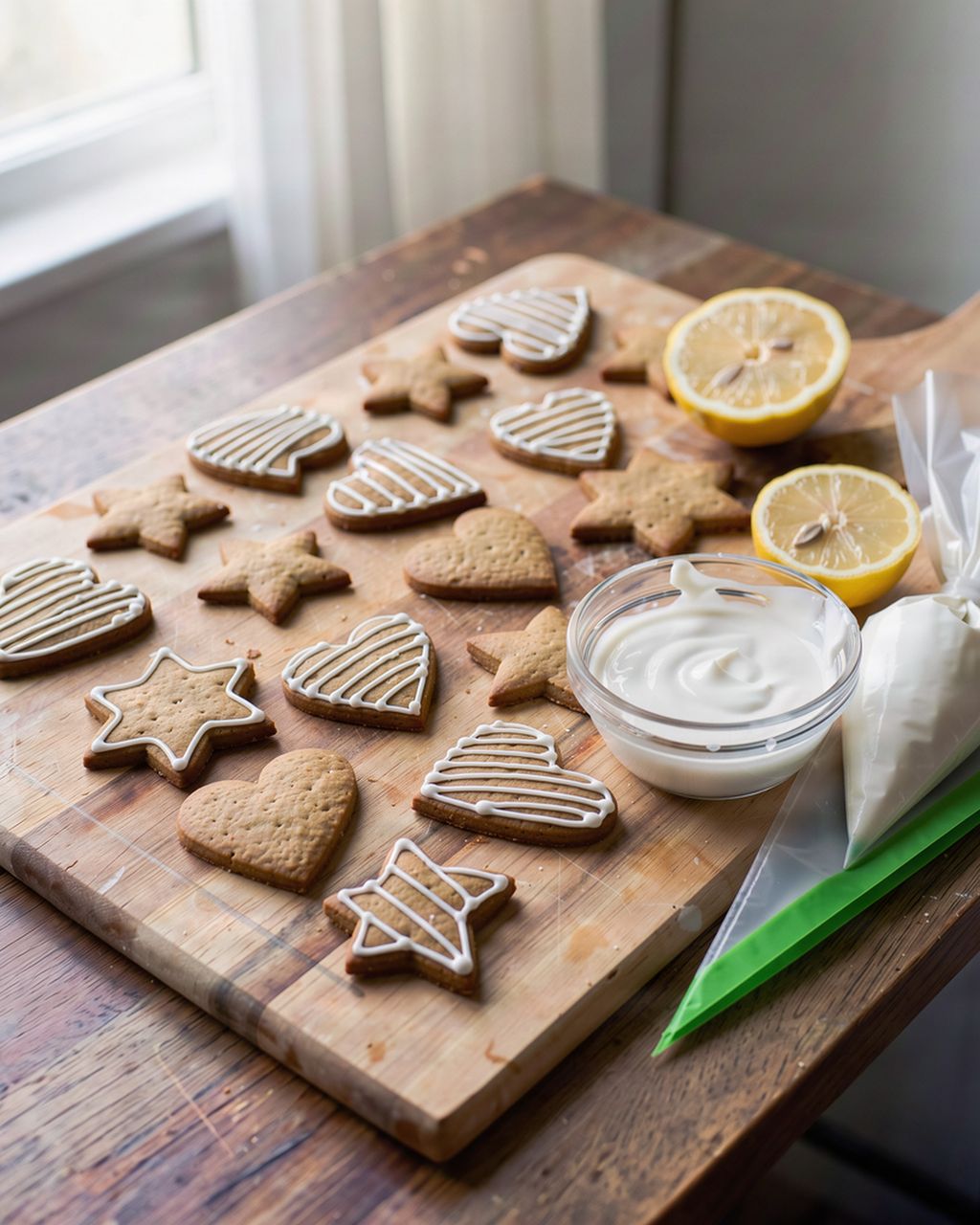
Soft honey gingerbread cookies that never go hard
Soft honey gingerbread cookies that never go hard
Store honey cake separately, not in the same container as linzer cookies or other delicate bakes, because the moisture it needs will soften delicate cookies too. Linzer cookies and similar delicate doughs need to stay dry and crisp (if they do soften, this article helps: Cookies gone soft: why they lost their crunch). Honey cake and gingerbread, on the other hand, need that moisture. What to store with what is covered in the article How to store Christmas cookies so they stay crisp and the overview of shelf life by type of cookie.
Only briefly: cream made with butter, cream, or semolina belongs in the fridge, so leave the cake at room temperature for no more than 1–2 hours right after assembling. Then cover it and refrigerate. Softening takes longer there (24–48 hours), but it's safe and the layers bond together properly at the same time.
No — the freezer won't soften a hard honey cake, it just pauses everything happening inside it. Let it soften in the fridge first, then freeze it afterwards, ideally in slices. Thaw overnight in the fridge. For tips on keeping it from turning soggy, see the article [How to Freeze Cookies and Dough](/articles/how-to-freeze-cookies-and-dough).
They do soften, but usually more slowly, since store-bought layers tend to be drier and thicker. Plan for a more generous layer of cream and 48 hours in the fridge. It also helps to drizzle each layer with 1–2 tablespoons of milk before spreading, or to use sour cream as a filling layer.
Honey cake is ready when a knife glides through all the layers without resistance and you don't see pale, dry streaks where the layers are. The layers should match the cream around them in both colour and softness. Test it on a piece from the edge: if the knife catches on the layers or they crunch, give the cake a few more hours in the fridge.
You can replace the sour cream in honey cake filling with anything that adds moisture: plain yoghurt (Greek works too), whipped cream, cooked milk semolina, or pudding whipped with butter. A plain caramel filling made from butter and caramel will also soften the layers, just more slowly — plan for a longer resting time.
One recipe worth heating the oven for, one tip, and one deal from the shop. Nothing else.