Cream Sauce Curdled? Why It Happens and How to Fix It
How to Save a Scorched Sauce: Don't Stir, Pour Off, Season to Fix
Updated Oct 6, 2026
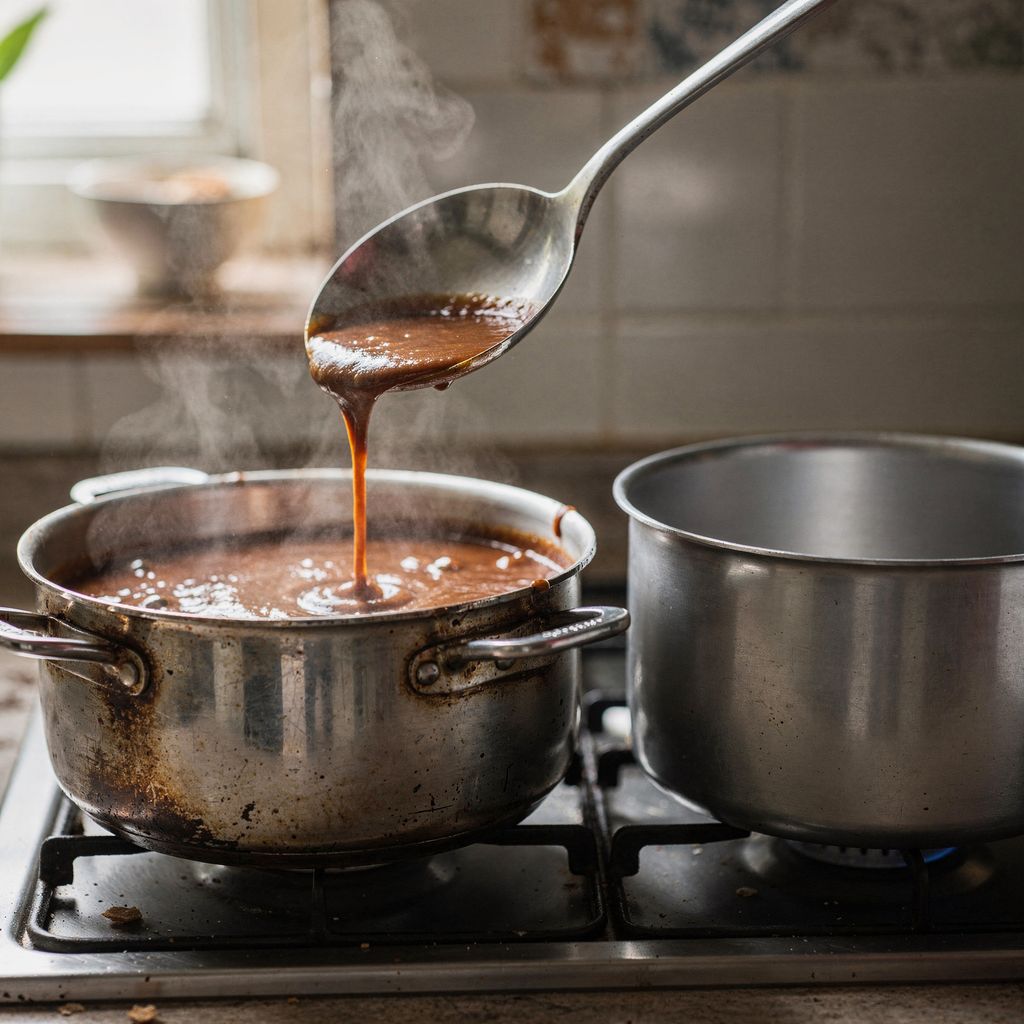
You can save a scorched sauce by pulling it off the heat right away, not stirring it, and carefully pouring the unburnt top layer into a clean pan. Usually only the bottom has caught — the bitterness only spreads through the whole sauce once you stir it in. Here's how to fix the flavour in a sauce that's caught slightly, and when it's time to just start again.
You can save a scorched sauce in 4 steps: pull it off the heat, don't stir it, pour the top layer into a clean pan, and taste it. Follow that order, and move as fast as you can.
Get it off the heat right away. The bottom of the pan stays hot for a few minutes and keeps on scorching. If you're on an electric or cast-iron burner, move the pan straight onto a cold surface or a board.
Don't stir, don't scrape. A spoon has no business in that pan right now. The scorched layer is clinging to the bottom, and that's exactly where you want it to stay.
Pour it into a clean pan. Ladle the sauce out from the top, or tip the pan carefully in one smooth motion. Sacrifice the bottom inch or so, even if it pains you to leave it behind.
Only taste it once it's in the new pan. Take a spoonful from the middle, not the edge. What you taste tells you whether a quick simmer will fix it or whether it needs some doctoring.
Never stir a scorched sauce, because the bitterness lives only in the burnt layer at the bottom — stir it in, and you spread that bitterness through the whole pot. At high heat, the starches, sugars and proteins on the bottom break down into bitter, acrid compounds. As long as they stay stuck to the pan, the rest of the sauce is usually fine.
So the most common mistake is the instinctive one: you catch a whiff of burning, grab the spoon, and give it a stir "just to check." That's how a small mishap turns into a ruined batch. For the same reason, don't deglaze the scorched bottom with water or wine, and don't scrape it — what counts as a tasty fond when you're roasting meat is pure bitterness here.
The only way to know if the scorched flavour has spread through the whole sauce is to taste a spoonful from the middle of the new pan — the smell in your kitchen will mislead you. The kitchen will smell of burning regardless, even when the sauce itself is perfectly fine.
Tastes normal: you're in the clear. Finish cooking it over low heat and carry on with the recipe.
A faint smoky note at the finish: salvageable. Fix the flavour using the next section.
Bitterness hits you right away, with black specks in the sauce: the burnt flavour has already spread. Try adjusting the seasoning, but don't expect it to disappear completely.
A sharp, acrid bitterness that lingers in your throat: this one's beyond saving — skip ahead to the section on when to start over.
You can mask the bitterness of scorching with fat, a touch of sweetness, acid and bolder seasoning — in that order, added in small amounts — and if you have time, dilute it further with a fresh batch of base. You won't remove the burnt flavour entirely, but you can tone it down enough that no one at the table will notice.
Fat and dairy: a tablespoon of cold butter or 50–100 ml of cream per litre of sauce. The fat coats the tongue and rounds off the bitterness. For tomato sauces, a tablespoon of olive oil works just as well.
A pinch of sweetness: about ½ teaspoon of sugar, honey, or a little fruit butter per litre. It should balance the bitterness, not make the sauce sweet.
Acid: a few drops of lemon juice or wine vinegar. It brightens the flavour and pushes the bitterness into the background. Add it drop by drop, tasting as you go.
Bolder flavour: smoked paprika, cumin, Worcestershire sauce, mustard, a splash of soy sauce. The smokiness of paprika makes the burnt note look intentional.
Dilution: if you have the time, quickly cook up a second, smaller batch of the base (onion, stock, tomatoes) and blend it into the rescued sauce. This dilutes whatever bitterness remains.
After each addition, let the sauce bubble for 2–3 minutes before tasting again. Flavours take time to meld, and it's easy to overdo it.
A raw potato is an old-fashioned trick, but it won't reliably remove a scorched flavour — at most it'll thicken the sauce slightly. Fat, acid and dilution do far more to tame bitterness.
If you want to try it anyway, add the potato only to the new pan — never to the scorched one.
A scorched sauce is beyond saving once you taste a sharp bitterness in the very first spoonful from the new pan — at that point, it's smarter to just start again. No amount of cream will fix a dish with pronounced burnt flavour; it'll just cost you more.
Cases that are typically a lost cause:
Caramel and sweet sauces: here the burnt sugar is the whole sauce, not just the bottom layer. A fresh batch is your only option — try a homemade 4-ingredient caramel sauce, which comes together in just a few minutes.
A sauce that's already been stirred: once black specks and bitterness have spread throughout, pouring it off won't help.
Dairy-based sauces scorched beyond a light touch: milk proteins produce a particularly strong, sharp burnt flavour.
If there's meat in the sauce, don't throw all of it out. Rinse the pieces that weren't stuck to the bottom under warm water and add them to a freshly made base.
You can prevent a sauce from scorching with five things: a heavy-bottomed pan, low heat once it's thickened, stirring right down to the bottom, oven-braising at 150–160°C (300–320°F), and thickening only at the very end. Sauces scorch when they're thick, the pan bottom is thin, and the heat is too high — each of these five fixes targets one of those causes.
A heavy base: a pan with a sandwich or cast-iron bottom spreads heat evenly. A thin stainless-steel base creates hot spots where the sauce can scorch even on low heat.
Low heat once thickened: as soon as you thicken the sauce with flour or blended vegetables, turn the heat right down. A thick sauce should barely bubble, not actively boil.
Stir right down to the bottom: use a flat spatula or a straight-edged spoon rather than a rounded one, which can miss the bottom. For thick sauces, stir every 3–5 minutes.
Finish it in the oven: sauces that need a long simmer are better covered and placed in the oven at 150–160°C (300–320°F). The heat surrounds the pan, so the bottom won't scorch.
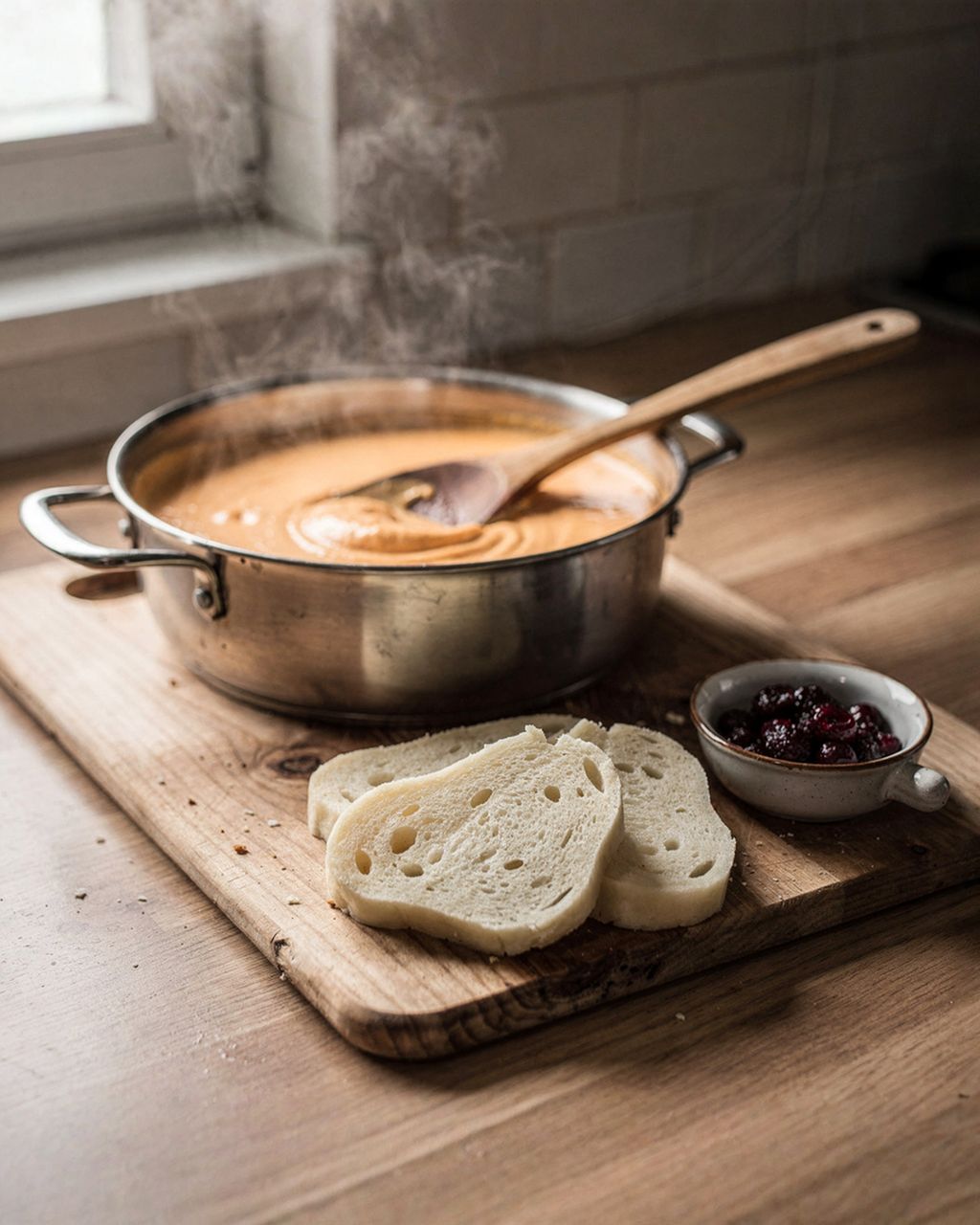
Thicken last: a thickened sauce scorches far more easily than a thin one. For a thick vegetable-based sauce like homemade svíčková sauce, blend and thicken it only at the end, then just warm it gently through.
If your svíčková sauce doesn't scorch but ends up too sour, this article explains why svíčková sauce turns out sour and how to balance it.
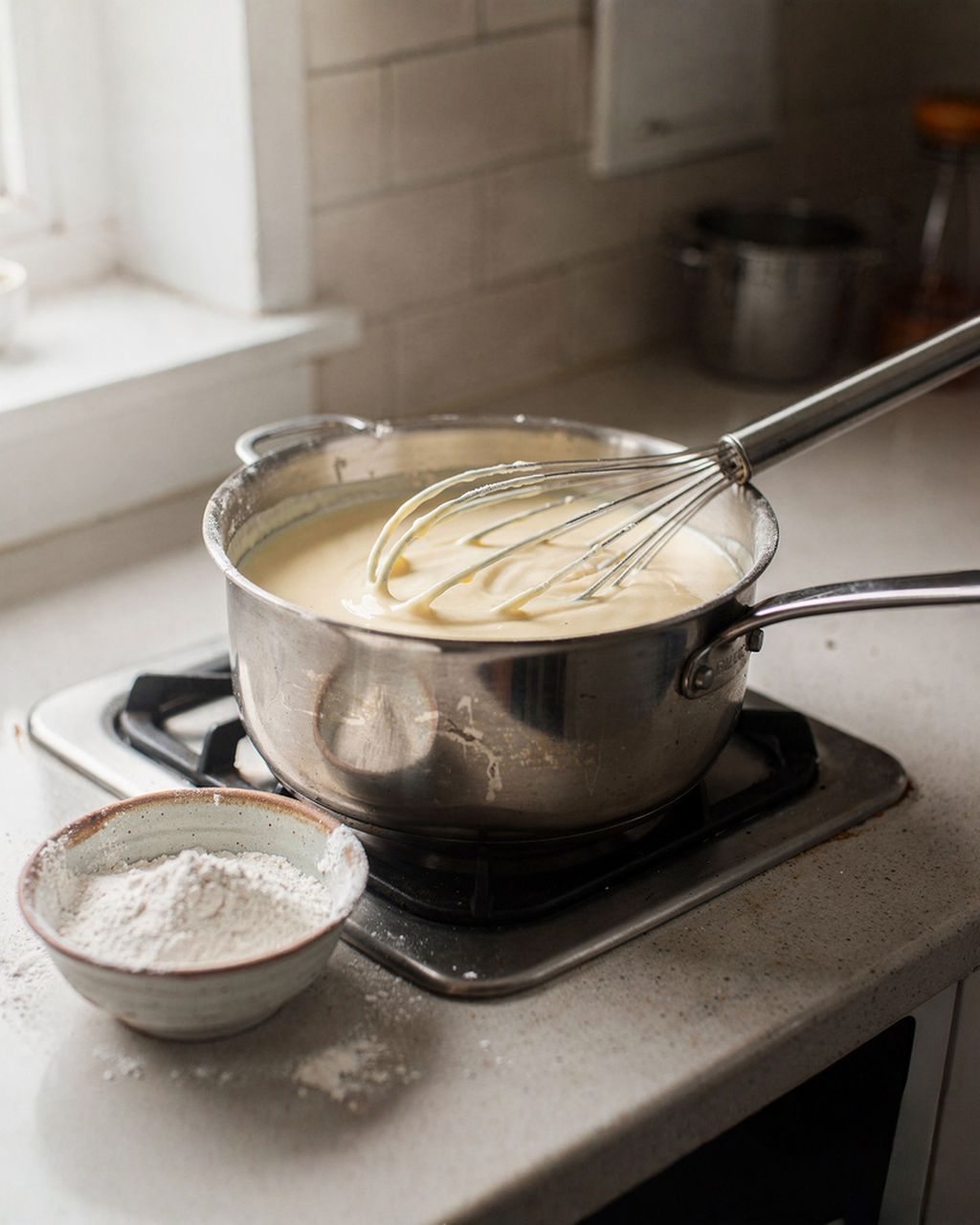
A curdled sauce or a lumpy one needs a different fix than a scorched one — here it's about texture, not bitterness. If your cream sauce has curdled, take it off the heat and whisk it back together; lumps in a sauce can be blended smooth or pushed through a sieve.
On induction, a sauce scorches faster because the hob heats the bottom of the pan directly and reacts instantly to a higher setting. Once the sauce has thickened, turn the power down to about a third, and use a pan with a heavy sandwich base that covers the whole cooking zone. On a ceramic hob it's the opposite problem: the burner stays hot long after you switch it off, so if the sauce catches, always move the pan off the heat straight away.
You rescue a scorched goulash the same way as a sauce: don't stir it, lift the contents from the top into a clean pan, and leave the bottom behind. Throw out any pieces of meat that were stuck to the bottom. Taste the rest, and if there's a smoky edge, a knob of butter, a bit of smoked paprika and a few drops of vinegar will help. Next time, follow a recipe like this [classic beef goulash](/cs/recipes/klasicky-gulas-hovezi-s-chilli-a-houskovym-knedlikem--7d6d02f8-c461-4c89-b83d-b550f7ea9850) and keep the long simmer on low heat or in the oven.
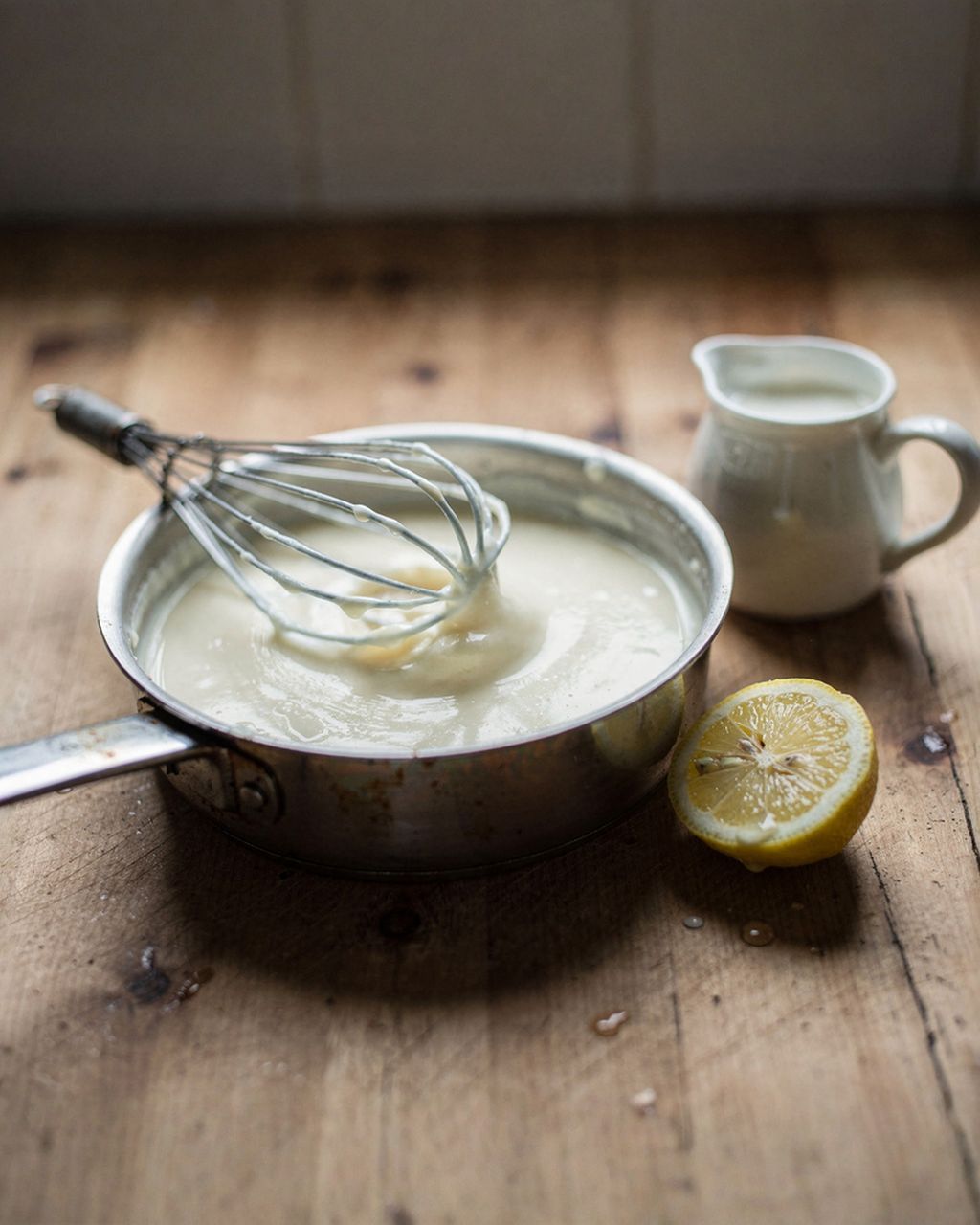
You can only save a scorched béchamel if it's caught lightly and you pour it off straight away. Milk proteins produce a strong burnt flavour, so taste it as soon as you've poured it into the new pan; nutmeg, grated cheese or a splash of lemon juice will help mask the edge. If the bitterness is clearly noticeable, it's worth just making a fresh béchamel — it only takes 10 minutes.
You save a scorched sauce in a pressure cooker the same way as in a regular pan: turn off the heat, let the pressure drop safely, don't stir, and lift the contents from the top into a clean pan. Leave the bottom of the inner pot alone and finish cooking the sauce on the stovetop. Next time, add more liquid and only thicken the sauce after releasing the pressure, since a thick sauce scorches easily under pressure.
One recipe worth heating the oven for, one tip, and one deal from the shop. Nothing else.