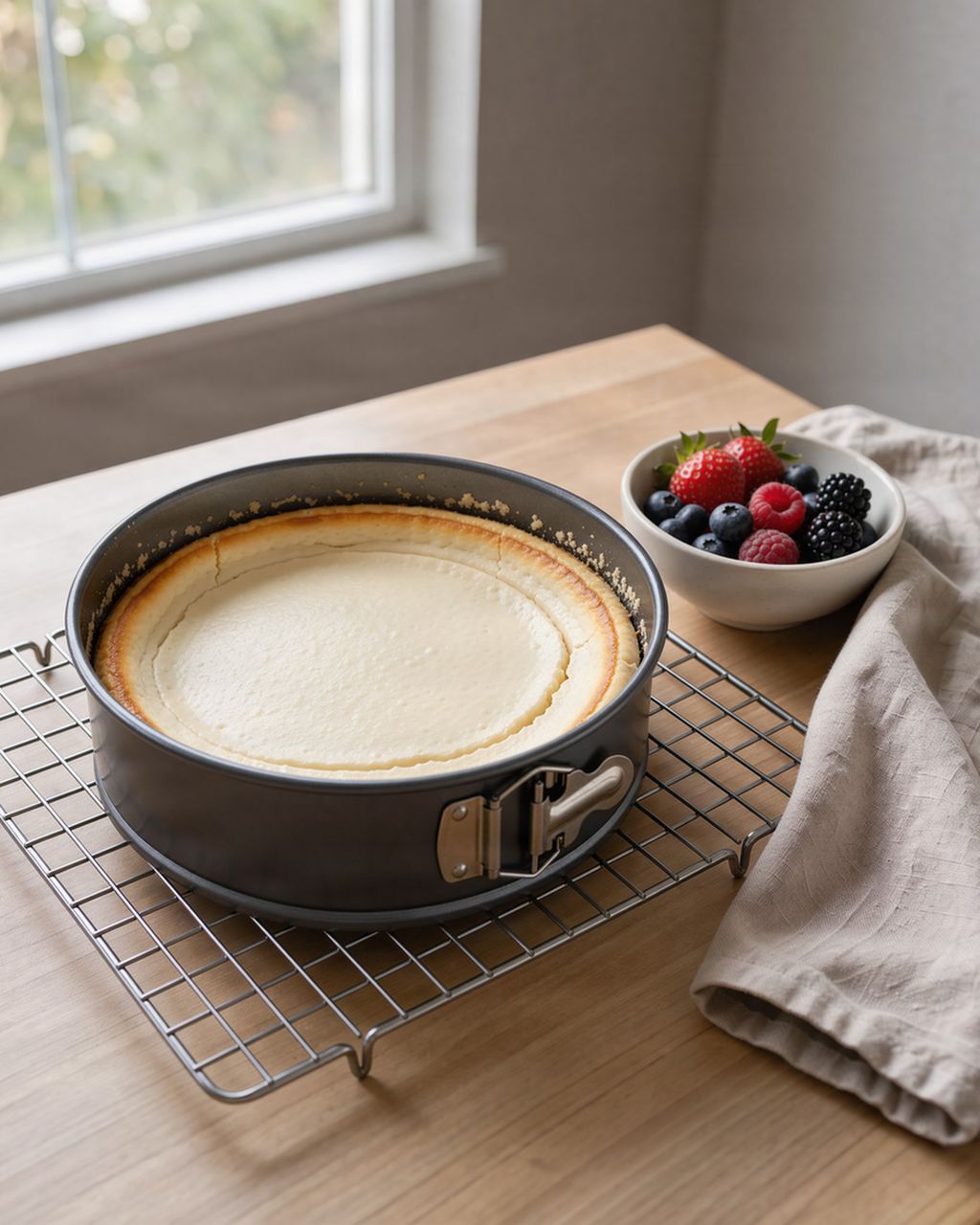
Why Did My Cheesecake Sink in the Middle? Causes and How to Stop It
Why Are My Muffins Dry and Crumbly? 8 Causes and How to Fix Them
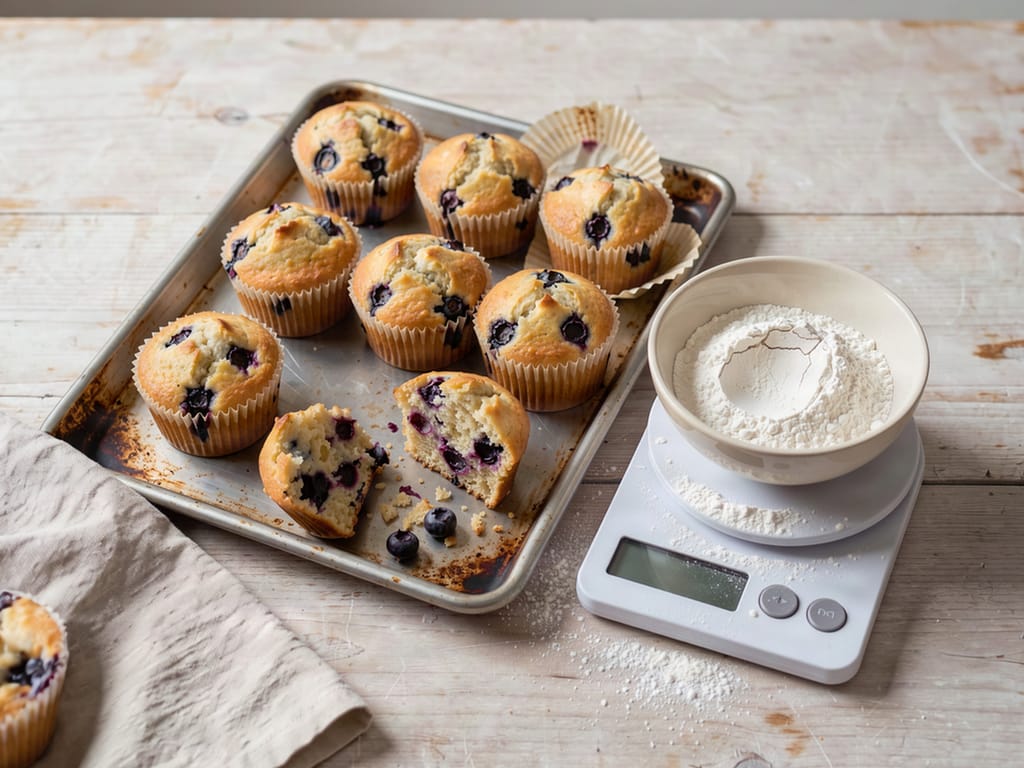
Muffins come out dry when they are overbaked, when there is too much flour in the batter (often from scooping the measuring cup), or when the recipe is short on fat or liquid. Overmixing makes them tough rather than tender. Weigh the flour, mix only until no dry streaks remain, and take them out as soon as a skewer shows a few moist crumbs.
Muffins are small, so a few extra minutes in the oven makes a big difference. Moisture keeps evaporating until the very end, and the muffins keep cooking from their own heat for a while after you take them out.
Signs they are done:
A skewer or toothpick pushed into the center comes out with a few moist crumbs, not wet batter and not perfectly clean.
The tops spring back when you press them lightly.
The edges have just started to pull away from the paper cases.
Start checking well before the recipe's time is up. Ovens can run hotter or cooler than the dial, so an oven that runs hot will overbake muffins in the stated time. An oven thermometer shows you what yours actually does, and our guide to how long to bake muffins has times by size.
Leave muffins in the tin only briefly after baking, then move them to a rack. Left in a hot tin, they keep cooking.
One recipe and one tip every Thursday until the end of the year. Unsubscribe in one click.
For the holidays: the morning of December 24, carp roasting times by size and December 31, New Year’s Eve canapés.
This is the second big cause, and it usually comes from measuring.
Dipping a measuring cup into the flour bag and leveling it packs the flour down. You can end up with noticeably more flour than the recipe writer intended, and the extra flour soaks up the liquid, giving a dry, crumbly muffin.
Weigh it. All-purpose flour (plain flour in the UK) is 125 g per US cup (236.6 ml) and 132 g per metric cup (250 ml), the figures our cup of flour in grams tool uses.
No scale? Spoon the flour into the cup and level it with a knife, without tapping or pressing.
Whole-wheat or oat flour absorbs more liquid than white flour. If you swapped some in, the batter may need a little more liquid.
Fat and liquid keep a muffin tender. Cutting them is the quickest way to a dry result.
Low-fat swaps. Skimmed milk instead of whole, low-fat yogurt instead of full-fat, or less butter "to make them lighter" all give a drier crumb.
Oil vs butter. Oil stays liquid at room temperature, so oil-based muffins feel moister and stay soft longer. Butter gives flavor. A mix of both is a good compromise.
Moist add-ins. Yogurt, sour cream, buttermilk, mashed banana or grated apple or zucchini all add moisture.
Sugar. Sugar holds on to water and helps keep baked goods soft. Cutting the sugar a lot can make muffins drier as well as less sweet.
Eggs. Small eggs in a recipe written for large ones leave the batter short of liquid.
Muffin batter should be lumpy. Once the wet and dry ingredients meet, every extra stir develops gluten in the flour, and a muffin with a lot of gluten is chewy and tough, with long tunnels running up through it. That texture often feels dry even when it isn't.
Whisk the dry ingredients together in one bowl and the wet in another.
Pour the wet into the dry and fold with a spatula only until no dry flour shows.
Fold in berries or chocolate with the last few strokes.
If your muffins are also flat or pale, see why muffins don't rise or dome.
Muffins made with whole-wheat flour, oats, bran or a lot of nuts are the most likely to come out dry, because these ingredients soak up much more liquid than white flour and keep soaking it up as the batter sits and bakes.
Soak the oats or bran first. Stir them into the recipe's milk, yogurt or buttermilk before mixing the batter, so they absorb liquid there instead of from the finished muffin. If you soak them for longer than 2 hours, cover the bowl and keep it in the fridge.
Don't swap flours one for one. Replacing all the white flour with whole-wheat flour in a recipe written for white gives a heavier, drier muffin. Start by swapping a quarter to a half.
Add moisture back. Grated apple, mashed banana or a spoon of yogurt or oil helps whole-grain batters.
Expect a different crumb. Whole-grain muffins are naturally denser and coarser. If yours are dense but moist, they may simply be right.
Underfilled cases. Thin batter layers bake quickly and dry out. Fill cases about two-thirds to three-quarters full.
A dark metal tin. Dark pans absorb more heat and brown the bottoms and sides faster.
The recipe itself. Some muffin recipes are closer to a lean bread. If yours is always dry, try a recipe with more fat and a dairy ingredient such as yogurt.
Muffins vs cupcakes. Muffins are meant to be sturdier and less rich than cupcakes. Our article on cupcakes vs muffins explains the difference. For dry cupcakes, see why cupcakes are dense or dry.
To rescue them:
Warm them briefly in the oven or microwave and serve with butter, jam or a spoon of yogurt.
Brush the tops with a light sugar syrup or a little warm honey.
Split, toast and butter them.
Crumble very dry muffins into a trifle or use them as a crumble topping.
To keep them soft:
Let them cool completely on a rack, then store them in an airtight container.
Muffins with fresh-cheese fillings, cream or custard are perishable: keep them covered, in the fridge.
If a muffin shows any mold, throw it out: USDA FSIS advises discarding moldy baked goods, because mold can spread below the surface. Check the muffins it was touching, and if in doubt, discard the batch. Don't sniff moldy food.
Muffins are usually dry because they were baked too long, the batter had too much flour, or the recipe was low in fat or liquid. Scooping flour with the measuring cup packs in extra flour, which is one of the most common causes.
Crumbly muffins usually have too much flour or too little fat, egg or liquid to bind the crumb. Overbaking dries them further. Weigh the flour, check the recipe's fat and egg, and cut the baking time.
Measure flour by weight, use full-fat dairy such as yogurt, sour cream or buttermilk, use oil for some or all of the fat, mix only until combined and bake just until a skewer comes out with a few moist crumbs.
Overmixing mainly makes muffins tough, chewy and full of tunnels, which can feel dry in the mouth. Stir the wet and dry ingredients together only until no dry flour is visible; a lumpy batter is normal.
Oil usually gives a moister, softer muffin that stays tender for longer, because it stays liquid at room temperature. Butter gives more flavor. Many recipes use both.
Warm dry muffins briefly in the oven or microwave and serve them with butter or jam, or brush the tops with a little syrup. Very dry muffins make good crumbs for a trifle or a crumble topping.
One recipe worth heating the oven for, one tip, and one deal from the shop. Nothing else.