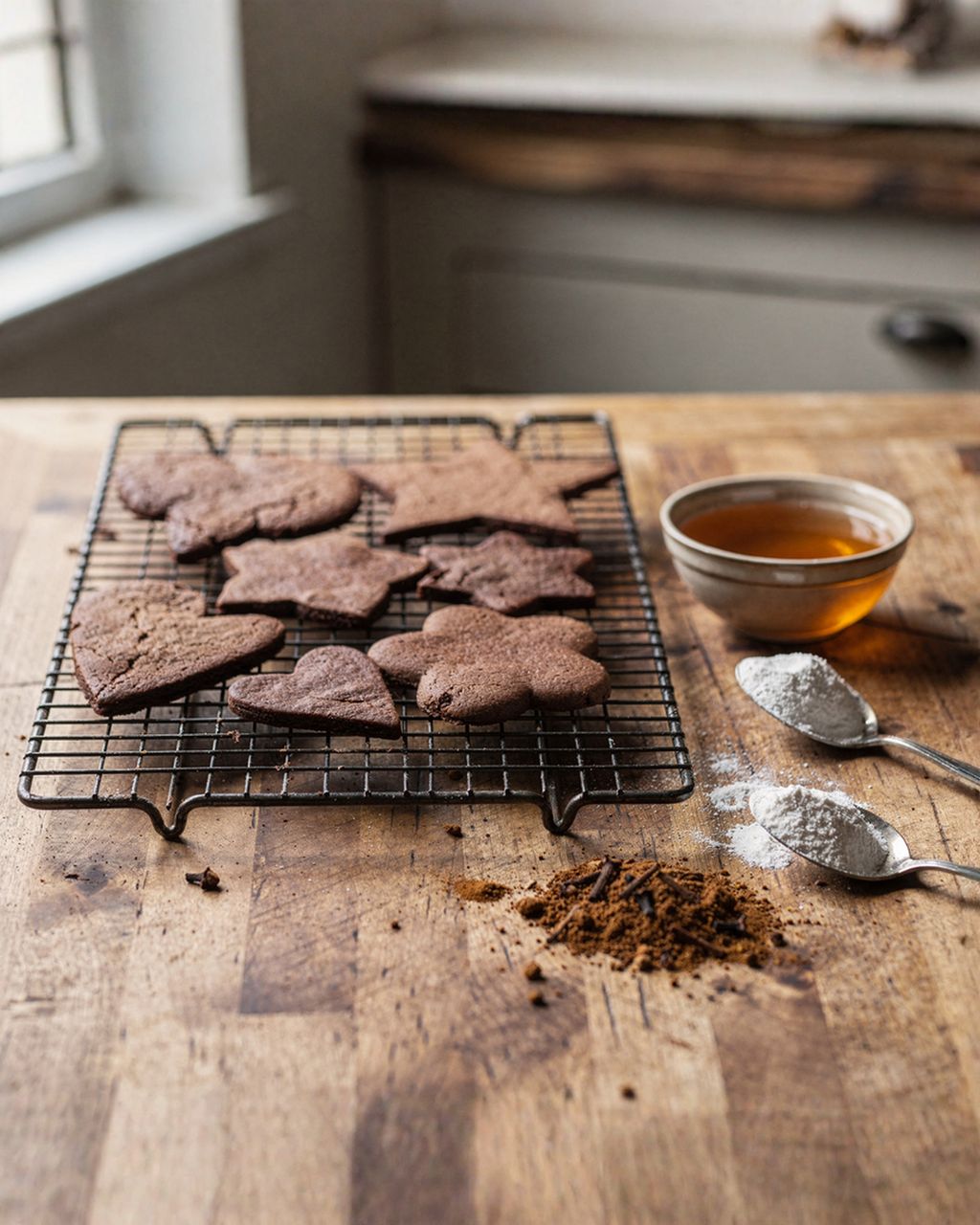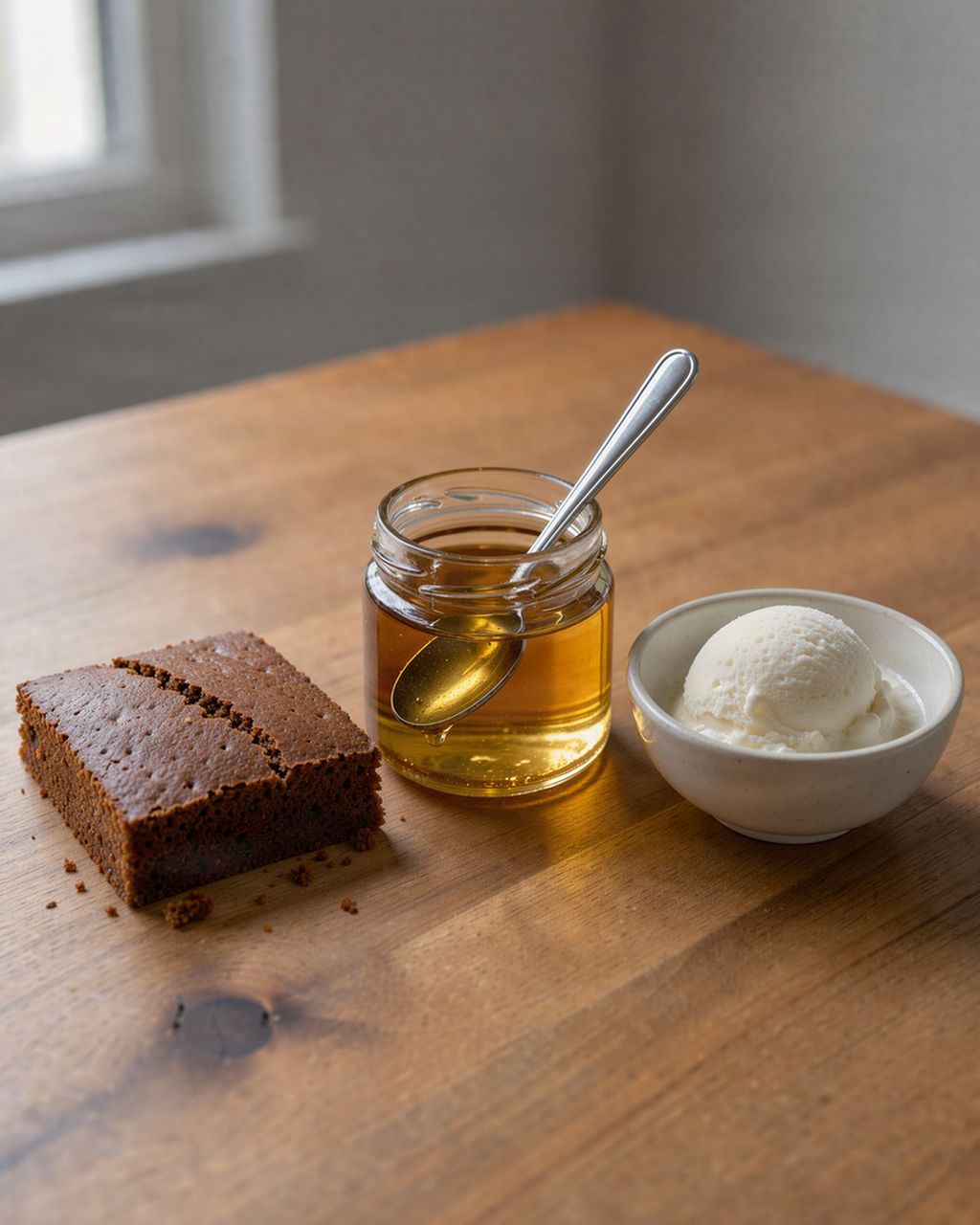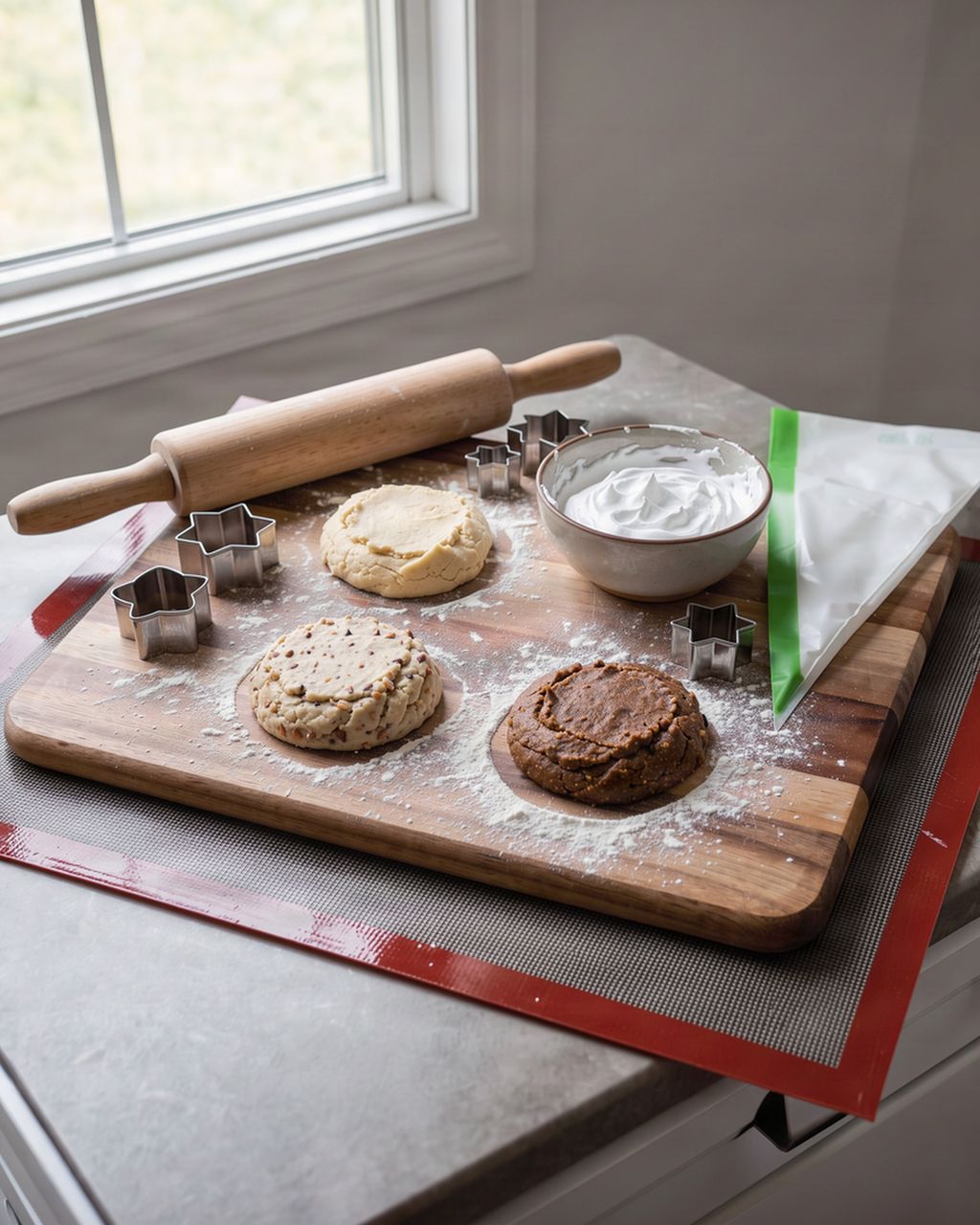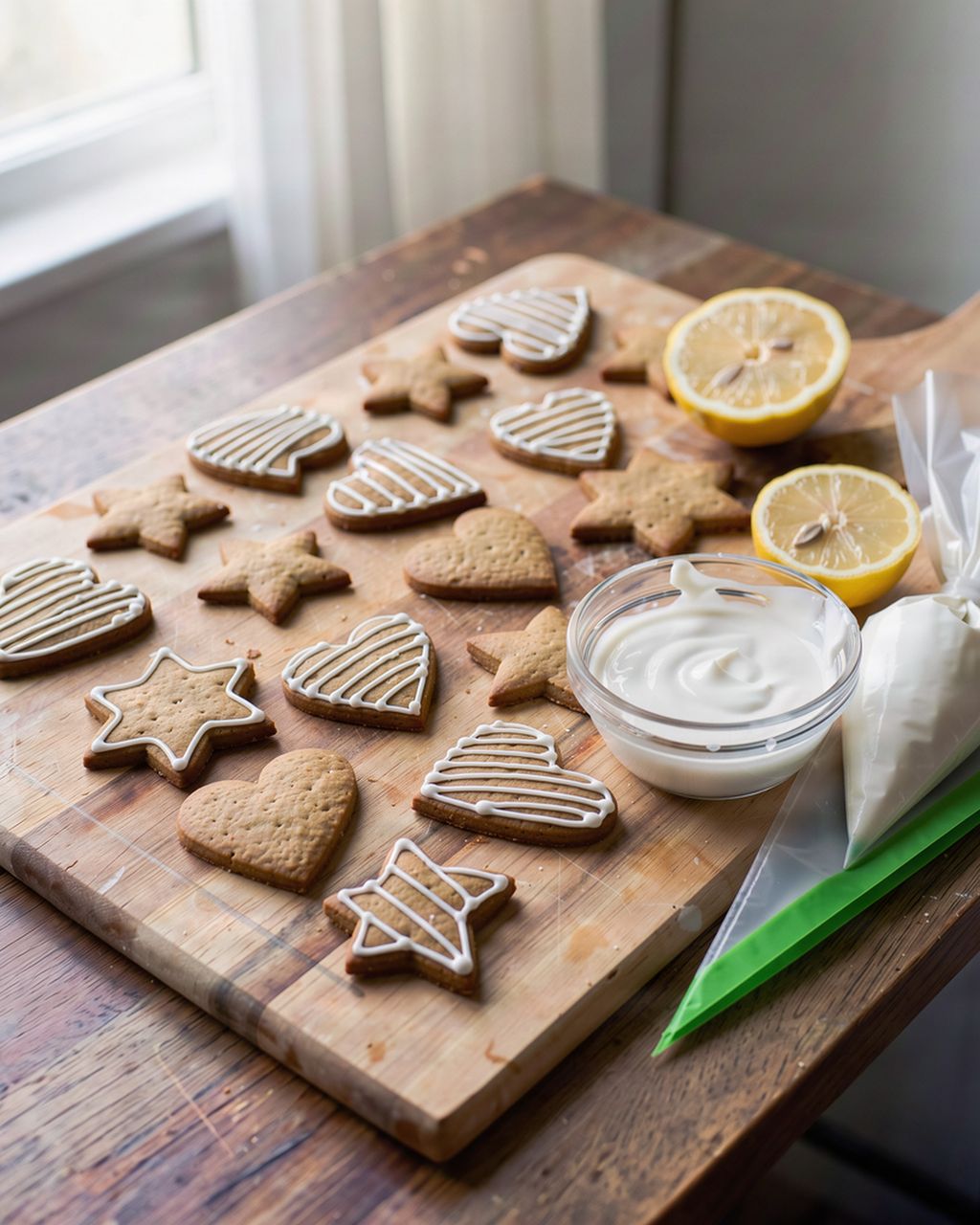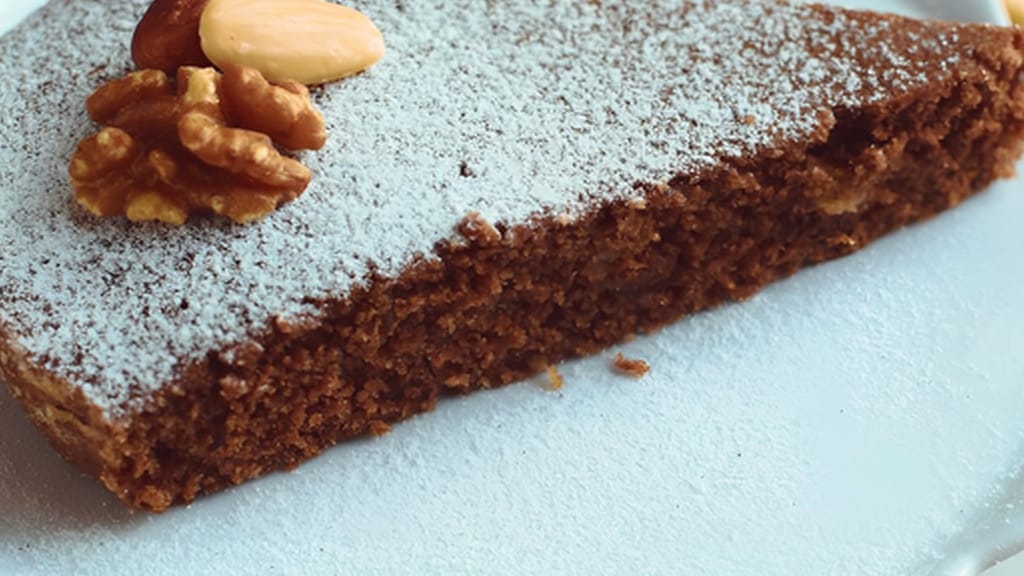
Lactose-free sheet pan gingerbread cake. quick and really good!
Sheet Pan Gingerbread: Why It's Hard or Lumpy and How to Bake It Soft
Updated Oct 17, 2026
Sheet pan gingerbread turns out hard for one of five reasons: the batter is overmixed, it doesn't have enough liquid, the oven is too hot, the cake bakes too long, or the batter is short on sugar and fat. A sunken, lumpy gingerbread almost always comes down to baking soda – too much of it, or not mixed in properly. Most causes can be fixed right in the mixing bowl, and the rest by keeping an eye on your oven. Add grated apples, plum butter or a little invert sugar to the batter, and the gingerbread stays soft on day three and even day four. Here's why, and what to do if yours is already hard.
Sheet pan gingerbread turns hard when it lacks moisture or when the gluten in the batter has developed too much. The most common causes:
Overmixed batter – the flour is mixed for too long, or with a stand mixer on high speed.
Not enough liquid – a heavy mixture that sits on the spoon instead of a thick batter that slowly runs off it.
Oven too hot – the crust sets and dries out before the middle is baked.
Too long in the oven – even five extra minutes will dry out a sheet pan gingerbread.
Batter short on sugar and fat – "diet" tweaks with nothing to replace the lost moisture.
The good news: you can spot the first, second and fifth from the batter itself, before it goes in the oven. The third and fourth you control with oven temperature and baking time.
Gingerbread turns rubbery and dense when long mixing develops the gluten in the batter. Gluten forms as soon as flour meets liquid and you start stirring – you want it in bread, but not in gingerbread, because it makes the crumb tough and full of "tunnels".
Combine the dry ingredients (flour, baking soda, spices, cocoa) in one bowl and the wet ones (eggs, milk, oil, honey, sugar) in another.
Tip the dry into the wet and stir only with a wooden spoon or spatula until the flour disappears – roughly 20–30 strokes.
Save the stand mixer on full speed for the eggs and sugar. Once the flour goes in, only fold it through.
A proper gingerbread batter is as thick as thick sour cream and runs off the spoon in a slow ribbon. If it stands on the spoon in a mound, there's too little liquid and the gingerbread will be dry.
As a rough guide: for 300 g of all-purpose or semi-coarse flour, use 250–300 ml of milk (or kefir or buttermilk) and 150–200 ml of oil. Flours differ in how much water they absorb – whole wheat and spelt take more – so fine-tune the consistency a spoonful of liquid at a time rather than going by the number in the recipe.
Bake sheet pan gingerbread at 160–170 °C (320–340 °F) with the fan on, or 170–180 °C (340–355 °F) top and bottom heat, in a standard pan (about 30 × 40 cm) for roughly 25–35 minutes. Too high a temperature is the most common hidden cause of hard gingerbread: the edges dry out and harden while the middle is still baking.
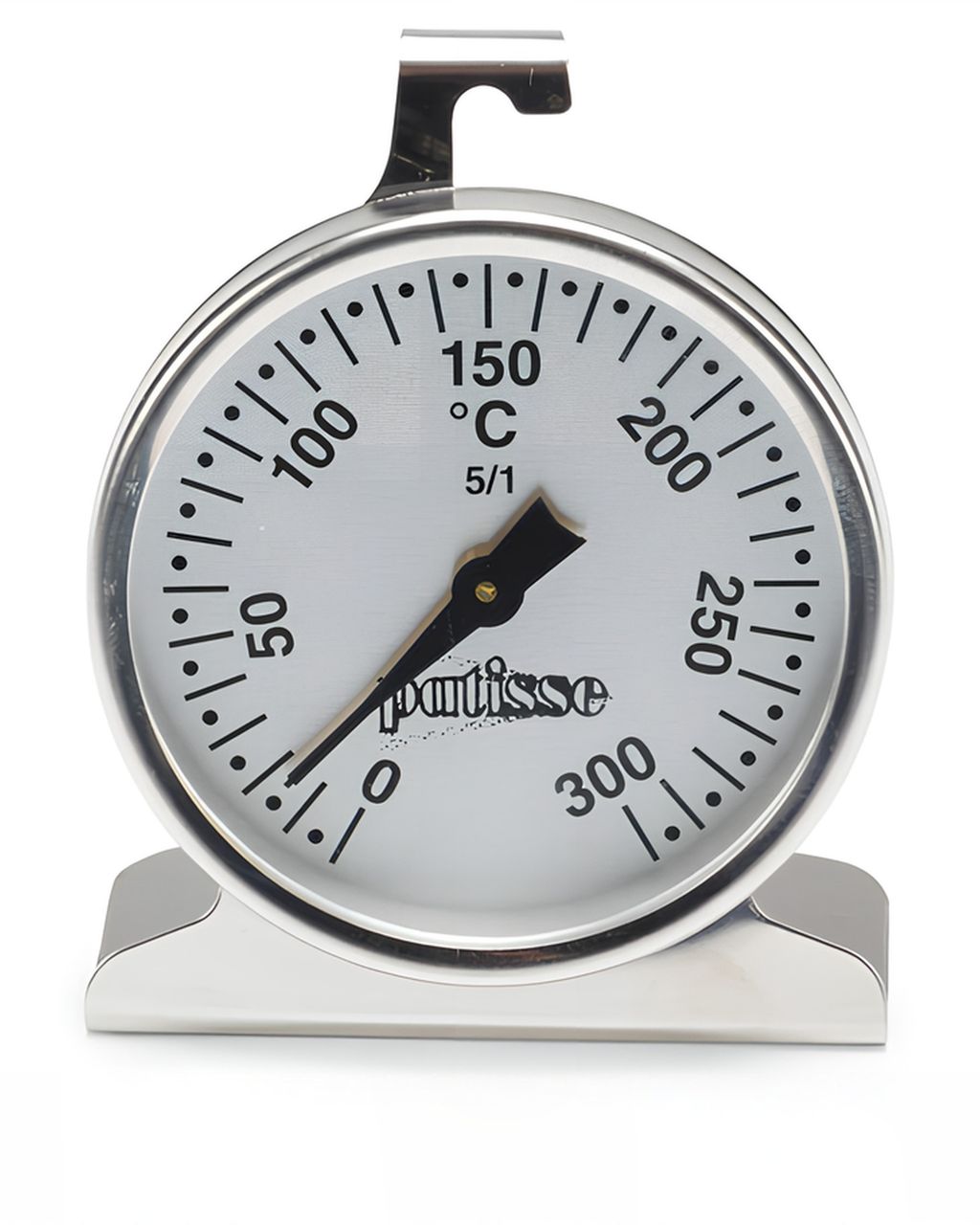
The trouble is that home ovens often don't tell the truth – a 10–20 °C difference from the set temperature is nothing unusual. If your gingerbread keeps going hard around the edges while the middle is just right, put a separate Patisse oven thermometer in the oven and see what temperature it really reaches. Find out once, and from then on you know that your "180" is actually 195.
How to tell it's done: a skewer pushed into the centre comes out dry or with a few moist crumbs (not liquid batter), and the surface springs back after a light press with a finger. It's better to take it out two minutes early – it will finish baking in the hot pan.
Gingerbread sinks when more gas forms in it than its structure can hold, or when the middle doesn't get baked through in time. The main culprits:
Too much baking soda. The batter shoots up, the bubbles merge and burst, and the middle drops. Excess soda also turns the gingerbread almost black and gives it a soapy, bitter aftertaste.
Opening the oven in the first half of baking. Cold air knocks down a structure that hasn't set yet.
Underbaked middle. It looks done, but settles after coming out of the oven.
Too little flour for too much liquid (the opposite of the problem above) – the batter is as thin as pancake batter.
A sensible amount is 1 level teaspoon of baking soda (about 4.5 g) per 300–400 g of flour. Baking soda needs an acid to work – honey, natural (non-alkalized) cocoa, kefir, buttermilk, plum butter or apples supply it. Dutch-process (alkalized) cocoa is neutral and doesn't react with baking soda, so with it you need acid from another ingredient. We explain why gingerbread uses baking soda rather than baking powder in the article Baking soda in gingerbread: why not baking powder.
Lumps in gingerbread are almost always unmixed baking soda or flour. Baking soda tends to form small clumps, and if they aren't dispersed through the batter, the baked gingerbread ends up with dark specks that taste bitter and soapy.
Always sift the baking soda together with the flour, cocoa and spices – or at least whisk it into the flour before you add the liquids.
Cocoa is lumpy on its own, so it's worth sifting too.
Stir honey and thick sugar syrup into warm milk or the eggs first – cold honey stays in blobs in the batter.
Tip the dry ingredients into the wet all at once and start mixing right away, from the centre outwards. If you pour liquid into the flour gradually, lumps form easily, and breaking them up means overmixing the batter.
Gingerbread stays soft when the batter contains something that binds water and doesn't let it out. Four tried-and-tested options:
grated apples,
plum butter or jam,
honey,
invert sugar.
You can combine them – a grandmother's homemade gingerbread often pairs apples with plum butter and honey.
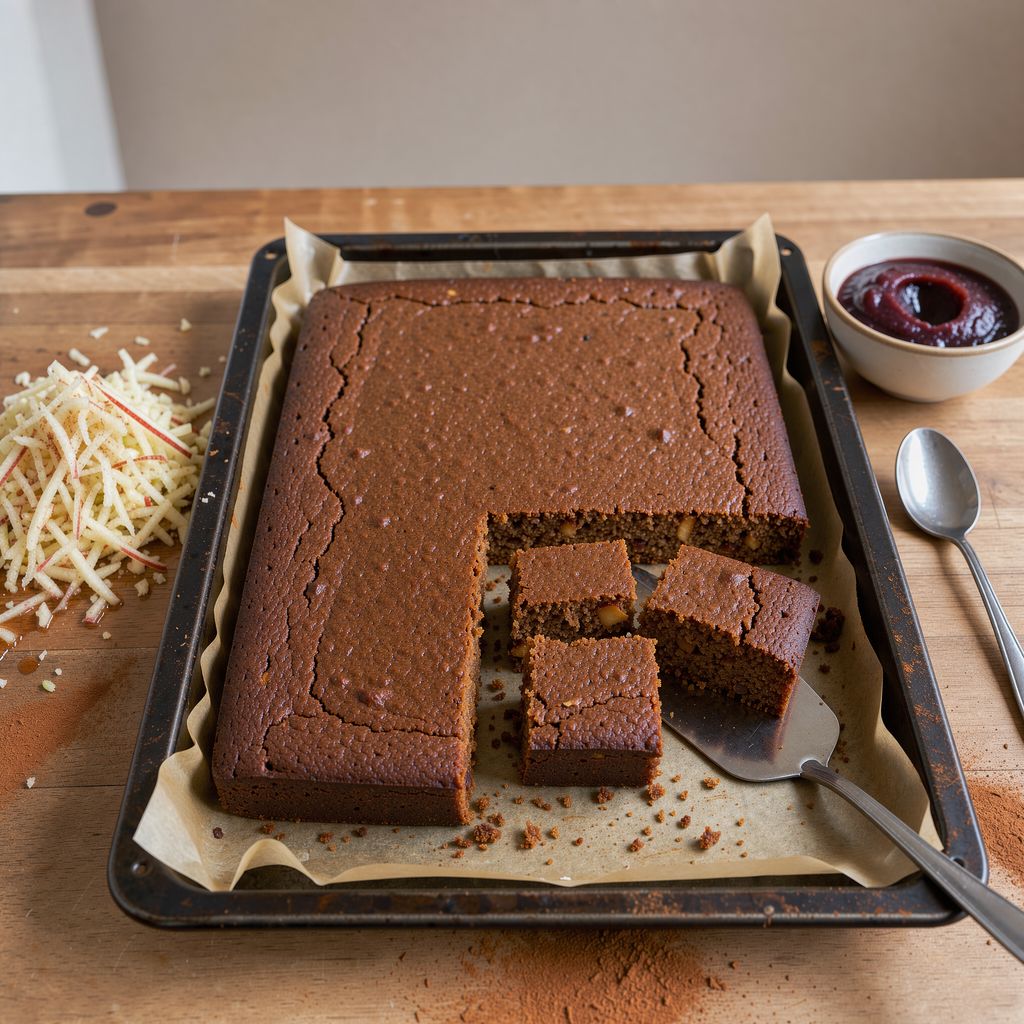
For one pan, add 200–300 g of grated apples (2–3 medium ones) – use the coarse side of the grater, with or without the peel. The apples release water gradually during baking and over the following days, and their pectin keeps the crumb soft.
Tarter varieties (Boskoop, Idared) work well – the extra acid helps the baking soda.
Don't squeeze out the juice from the grated apples, but you can cut the milk by 50 ml so the batter doesn't get too thin.
Fold the apples in right at the end, with just a few strokes of the spatula.
Gingerbread with apples bakes 5–10 minutes longer; keep checking with a skewer.
Plum butter makes sheet pan gingerbread softer because it thickens the batter and moistens it at the same time – and its acidity helps the baking soda too. Add 100–150 g (3–4 heaped tablespoons) of plum butter straight into the wet part of the batter, or spread it in a thin layer over the baked, cooled gingerbread under the glaze – a layer of plum butter under the glaze also protects the top of the gingerbread from drying out.
Plum butter is very sweet, so cut the sugar in the batter by about 50 g. This spelt honey gingerbread with plum butter and raspberries shows it nicely.
Honey is largely fructose and glucose – the same sugars that make up invert sugar. That's why it binds water better than beet sugar, and gingerbread made with honey goes hard more slowly. It's also acidic, so it gives the baking soda what it needs.
Replace 50–100 g of sugar with the same amount of honey and cut a few tablespoons of liquid. Honey browns gingerbread faster, so lower the temperature by 10 °C (about 20 °F). We describe how honey batter behaves when it does dry out, and how to bring it back to softness, in the article Why your honey cake stayed hard and how to rescue it.
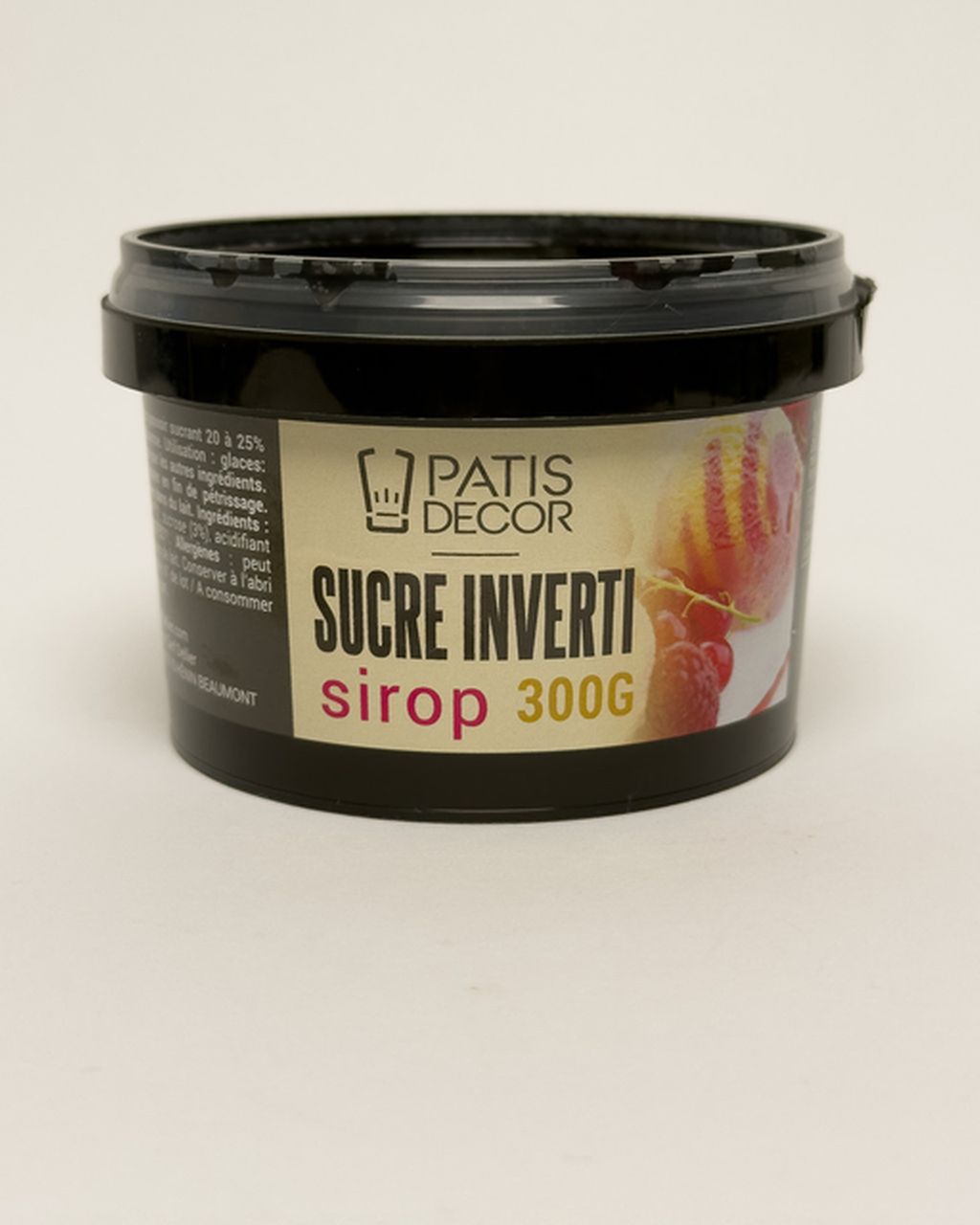
Invert sugar is sugar split into glucose and fructose. It attracts and holds moisture even more than regular sugar (it's more hygroscopic) – according to pastry sources, baked goods made with it stay noticeably softer for longer. Pastry chefs use it for exactly this reason: so you can bake gingerbread on Friday and it's still soft on Sunday.
Replace 20–30% of the sugar in the recipe with it – for a gingerbread with 200 g of sugar, that means 40–60 g.
It's liquid, so add it to the wet part and cut the milk by a tablespoon.
Like honey, it browns the gingerbread faster: bake 10 °C (about 20 °F) lower, or cover it with paper after 20 minutes.
To be honest: the same principle works with honey you already have at home, just with a stronger flavour. Liquid invert sugar for baking is neutral, so the gingerbread tastes of spices, not honey – and it's handy for ganache or ice cream too. You'll find other liquid sugars and syrups you can work with in baking among the sugars and syrups. Exact amounts for different kinds of batter are in the article Invert sugar instead of sugar.
You rescue hard gingerbread by putting moisture back in from the outside and then sealing it in. Depending on how hard it is:
Apple in the tin. Put the gingerbread in a tightly closing tin, add apple slices or a slice of bread, and leave it overnight. The gingerbread soaks up the moisture. Throw the apple away the next day.
Brush with syrup. Prick the baked gingerbread with a skewer and brush it with warm syrup (sugar and water 1:1, with rum or orange juice if you like), or with warm milk and honey. Then cover it and leave it for 2–3 hours to soak in.
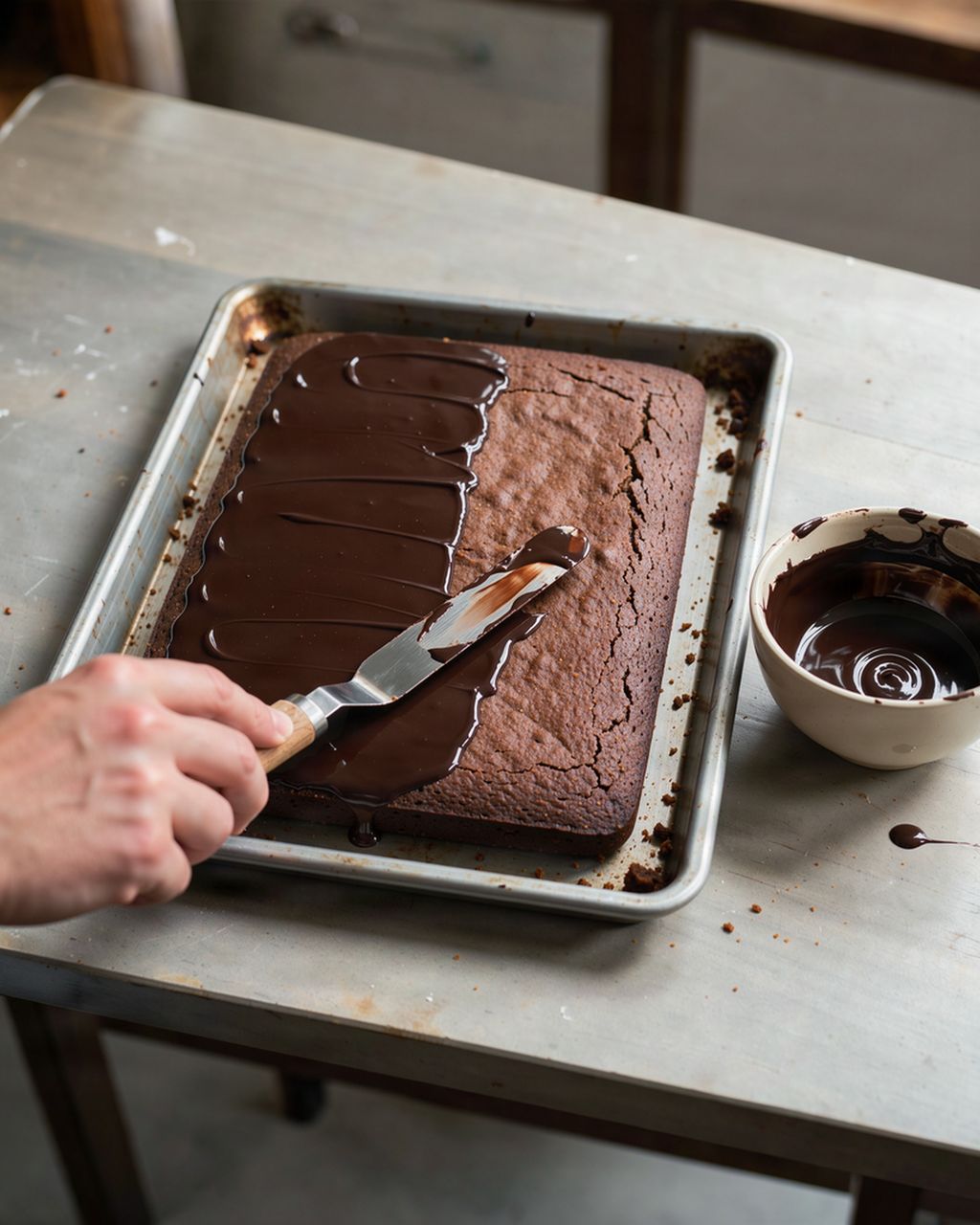
Plum butter and glaze. A thin layer of plum butter and a chocolate glaze seal the gingerbread – the glaze works like a lid that moisture can't escape through.
A quick steam. Microwave individual pieces for a few seconds under a damp tea towel – only for eating right away, as they'll harden again once cool.
When nothing helps, crumble it into a parfait glass with whipped cream and fruit, or use it as a topping for ice cream.
A glaze doesn't just decorate gingerbread, it seals it – the surface underneath doesn't dry out. It works best when you put it on completely cooled gingerbread, ideally over a thin layer of plum butter.
You have two honest options:
Supermarket baking chocolate coating – cheap and works without tempering, but the fat in it is replaced by cocoa butter-style fat, so it tastes sweeter than chocolatey.
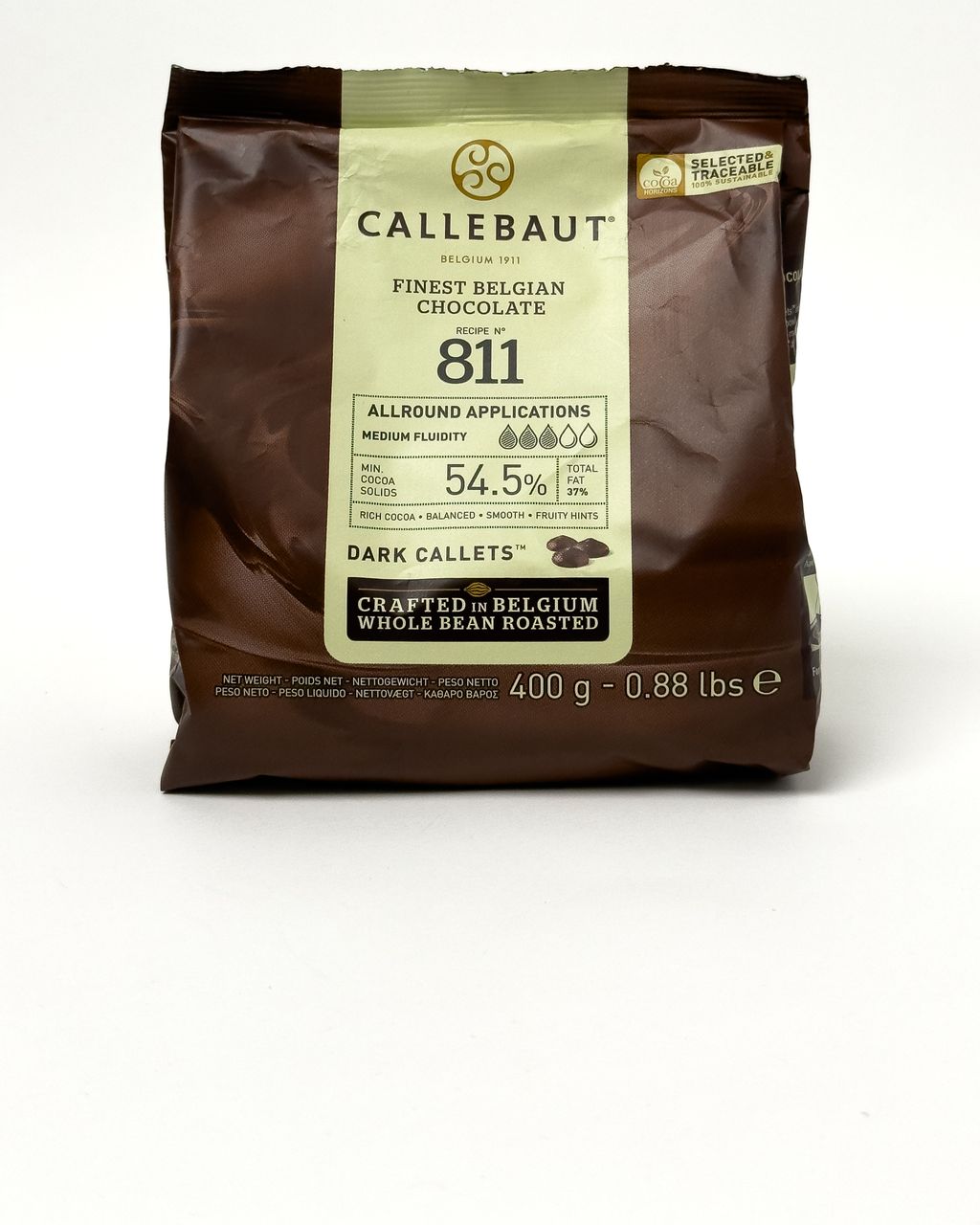
Real dark chocolate – for example Callebaut dark chocolate callets (811) with 54.5% cocoa. The callets melt quickly and evenly, and with a little butter or cream they make a glossy glaze that doesn't crack when you slice.
The method, proportions and a lemon variation are in the article Glaze for sheet pan gingerbread.
Basic sheet pan gingerbread is made from all-purpose or semi-coarse flour, milk, oil, honey, cocoa and baking soda, and baked for 25–35 minutes at 160–170 °C (320–340 °F, fan). A tried-and-tested base, to which you can add apples, plum butter or invert sugar following this guide, is the quick, soft lactose-free sheet pan gingerbread.
Lactose-free sheet pan gingerbread cake. quick and really good!
Lactose-free sheet pan gingerbread – a quick, soft recipe
Homemade sheet pan gingerbread stays soft for 3–5 days in a well-sealed tin at room temperature; with apples, plum butter or invert sugar in the batter, expect the upper end of that range. Don't put it in the fridge, where it goes hard faster. Apple gingerbread is moist, so watch it after day four in case mould starts to form.
Yes, sheet pan gingerbread freezes well for up to 3 months, ideally without glaze, cut into pieces and wrapped in cling film and then a freezer bag. Thaw it still wrapped at room temperature – the moisture the gingerbread releases as it thaws stays under the wrap and soaks back in instead of evaporating.
You can, but gingerbread made with butter is firmer once cool and goes hard faster, because butter sets at room temperature and oil doesn't. If you want a buttery flavour, replace only half of the oil with butter.
A sticky top usually means there's plenty of honey or invert sugar in the cake, which draw moisture from the air – in that case it's fine, and the gingerbread is soft. If it's sticky and raw underneath, it's underbaked: next time leave it in the oven 5 minutes longer, or lower the temperature and bake it for longer.
A classic sheet pan gingerbread with 300 g of flour is baked in a pan of roughly 30 × 40 cm (about 12 × 16 in), where the batter makes a layer about 1.5–2 cm (¾ in) thick. In a smaller pan it will be taller and needs 10–15 minutes longer at a lower temperature, otherwise the edges dry out before the middle is baked through.
One recipe worth heating the oven for, one tip, and one deal from the shop. Nothing else.