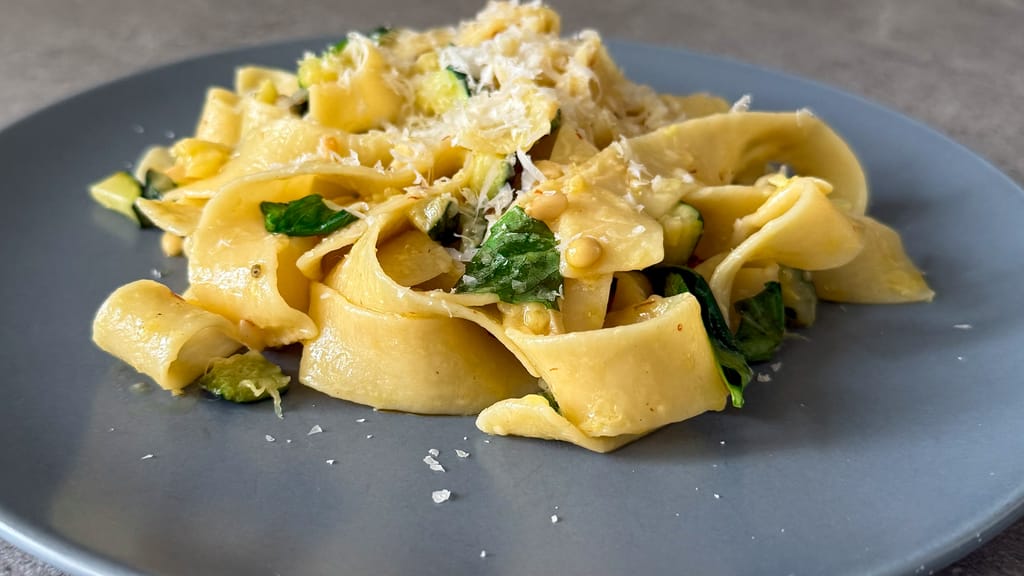
Quick zucchini and lemon pasta
What to Cook Today: Quick Meal Ideas for Every Day

Updated Jul 19, 2026
What to cook today when you don't want to stand at the stove for ages? The fastest route to a good dinner runs through a handful of basic ingredients and one tried-and-tested recipe – most of the dishes in this article you can have on the table in 30 minutes. We'll cover quick dinners, meat-free meals packed with flavour, tricks for cooking with whatever's in your fridge, and sweet treats to finish. Every idea comes with a link to a specific tested recipe, so you don't have to figure anything out from scratch.
The fastest dinners come together in one pan or one pot: pasta with sauce, chicken stir-fry, risotto, fried rice, or baked eggs. The trick isn't the recipe – it's having the right basics on hand. If you've got pasta, rice, eggs and tinned tomatoes at home, you can put dinner together without a shopping trip. And don't combine more than three or four flavours; the shorter the ingredient list, the sooner you're at the table.
Quick zucchini and lemon pasta
Quick courgette and lemon pasta – a light dinner ready before the pasta's even fully drained
Chicken stir-fry is the fastest one-pan meal you can make – but only if everything's chopped before you turn on the hob. Slice chicken breast thinly against the grain so it stays tender, and get the pan (ideally a wok) properly hot before you add any oil. The biggest mistake is overcrowding the pan: dump all the meat in at once and instead of searing, it'll steam in its own juices and release water. Cook it in smaller batches, add the vegetables (pepper, carrot, courgette) once the meat is browned, and let them cook for 4–5 minutes so they stay crunchy. Add the soy sauce, plus a spoonful of honey and grated ginger if you like, right at the very end – on a hot pan it would burn.
Editorial note: we don't yet have our own recipe for this specific stir-fry – see the "recipes to create" list.
Half the time spent on a quick dinner goes into chopping. So set up your mise en place – chop and measure everything before you start cooking. It also pays to cook double: make twice the rice or pasta you need and save half for tomorrow. And keep a "rescue shelf" stocked at home: pasta, rice, tinned tomatoes, tinned pulses, eggs, and onion with garlic. From that base, you can put together a meal almost any time.
Leftovers aren't waste – they're a head start. The best thing to make with leftover cooked rice is fried rice: heat up a pan, crack in an egg, add peas and any greens you've got, season with soy sauce, and dinner's ready in ten minutes. Chop leftover roast meat into soup, pasta salad, or bake it into a risotto. Cold rice from the fridge actually works better than fresh – the grains are drier and don't clump together.
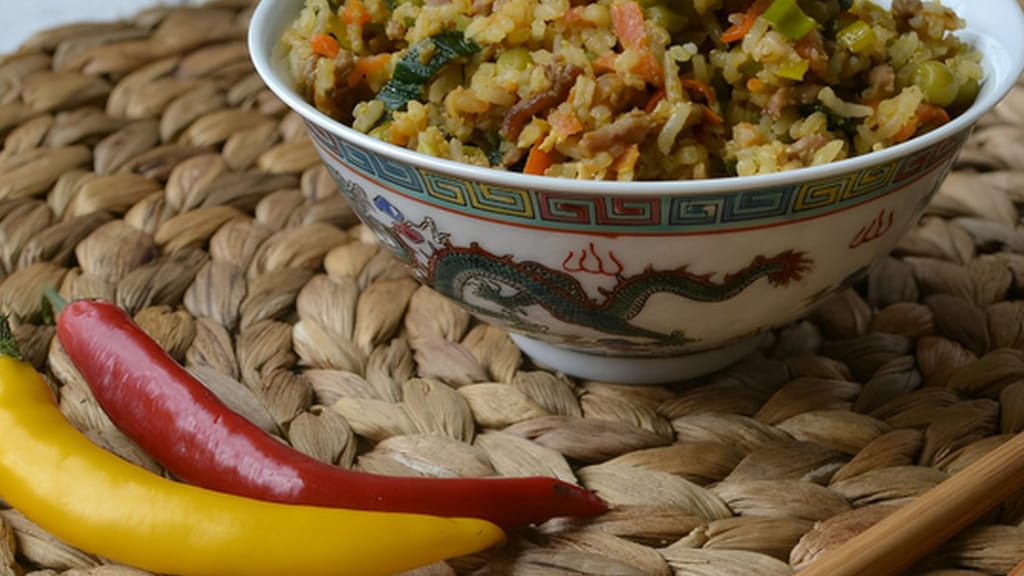
Spicy fried rice with meat and vegetables
Spicy fried rice with meat and vegetables – perfect for using up yesterday's rice
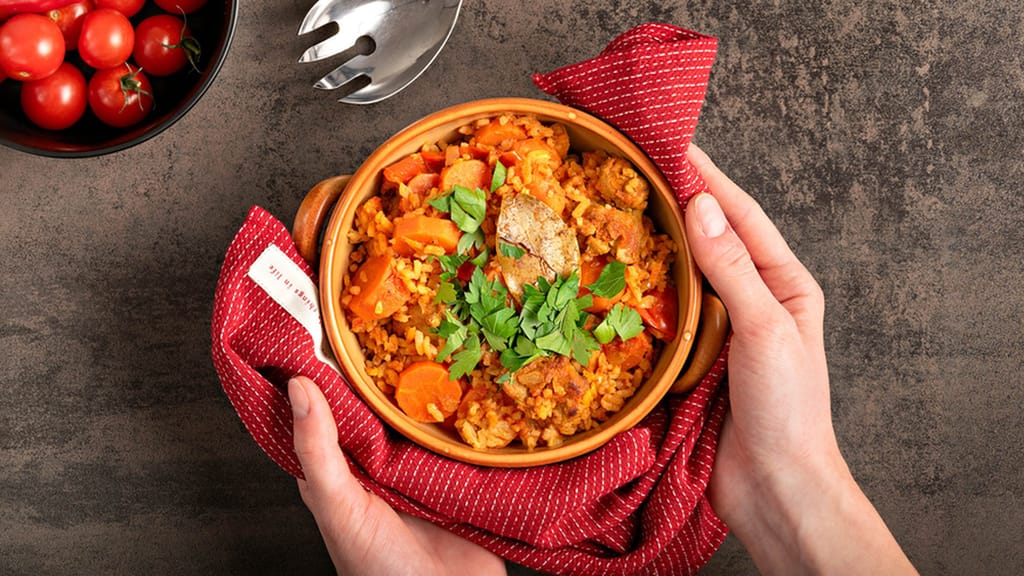
Baked risotto with chicken and vegetables
Baked risotto with chicken and vegetables – how to turn leftover roast meat into a full dinner
Seasonal baking plans, tested recipes and kitchen tricks that save you time. Unsubscribe in one click.
A good meat-free meal is built on pulses, tofu and mushrooms – they bring protein and that "meaty" heartiness, so you won't miss the meat at all. Three reliable go-tos for dinner that never disappoint: chickpea curry, red lentil soup, and meat-free lasagne. Each one can be dialled up or down in spice, from mild to properly fiery.
Vegetable curry is the most forgiving meat-free dish there is – it works with pretty much any vegetables you have at home. Build the flavour base by briefly frying the spices (turmeric, cumin, garam masala) in oil with onion and garlic before adding the vegetables; dry spices thrown straight into a sauce end up tasting flat. Coconut milk brings the creaminess, chickpeas or tofu bring the protein. For extra heat, add fresh chilli or a spoonful of curry paste.
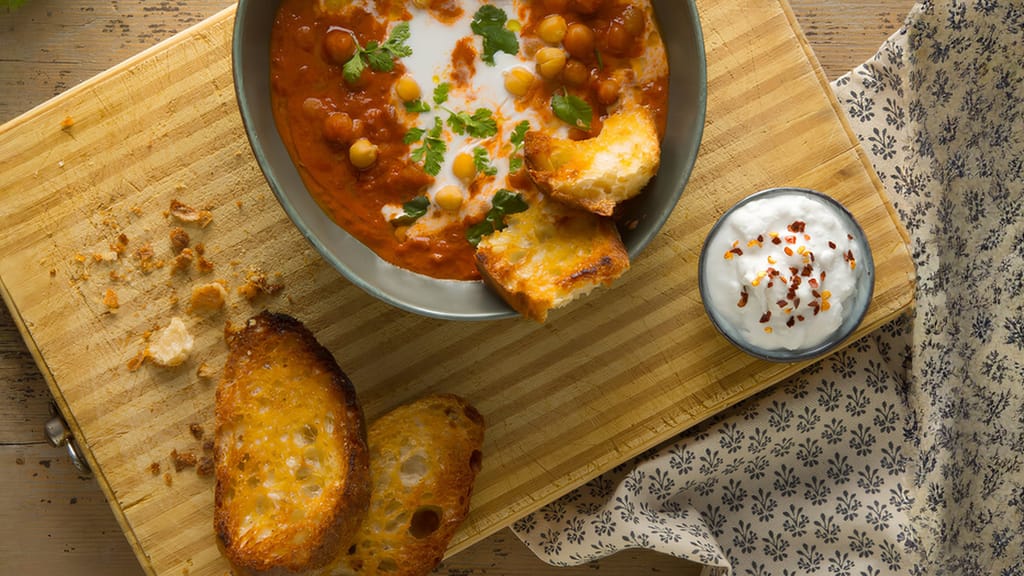
Chickpea curry with coconut cream and fresh apple juice
Chickpea curry with coconut cream – a creamy, protein-packed meat-free curry
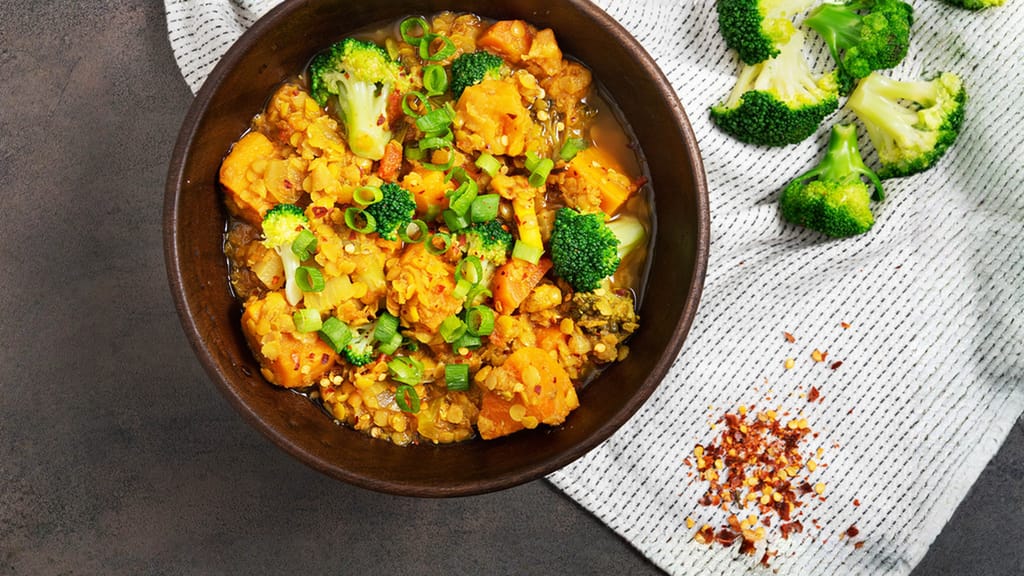
Sweet potato curry with red lentils
Sweet potato and red lentil curry – a heartier option for colder days
Lentil soup is a classic that never gets old – and with red lentils, it's ready in 20 minutes. Red lentils don't need soaking and break down naturally as they cook, thickening the soup to a creamy consistency all on their own. Sauté carrot, celery and onion with garlic, add the lentils, pour in stock, and season with cumin, thyme or rosemary. A squeeze of lemon at the end brightens the whole thing up.
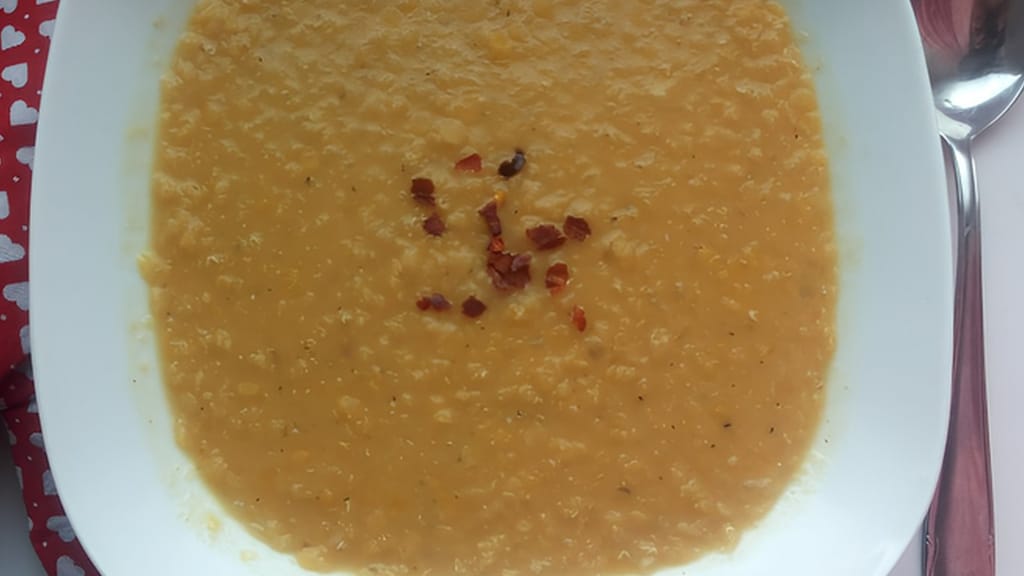
Red lentil soup with coconut milk and chilli
Red lentil soup with coconut milk and chilli – ready in 20 minutes, no soaking required
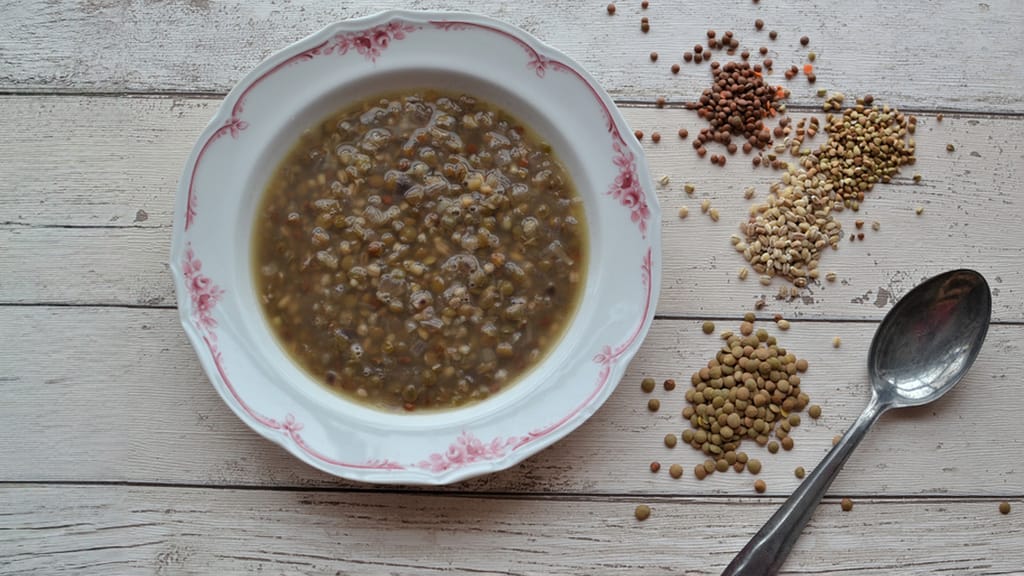
Perfect handful-style lentil soup
The perfect hearty lentil soup – a heartier classic made with brown lentils
You can make lasagne without meat and lose nothing on flavour. Instead of a meat filling, layer in wilted spinach with ricotta (or mashed tofu for a lighter version) and mushrooms, which bring real umami depth. To keep the lasagne from drying out, be generous with béchamel and tomato sauce between every layer, and let it rest for 10 minutes after baking – only then will it hold together enough to slice properly.
Editorial note: we don't yet have our own recipe for spinach and ricotta lasagne – see "recipes to create".
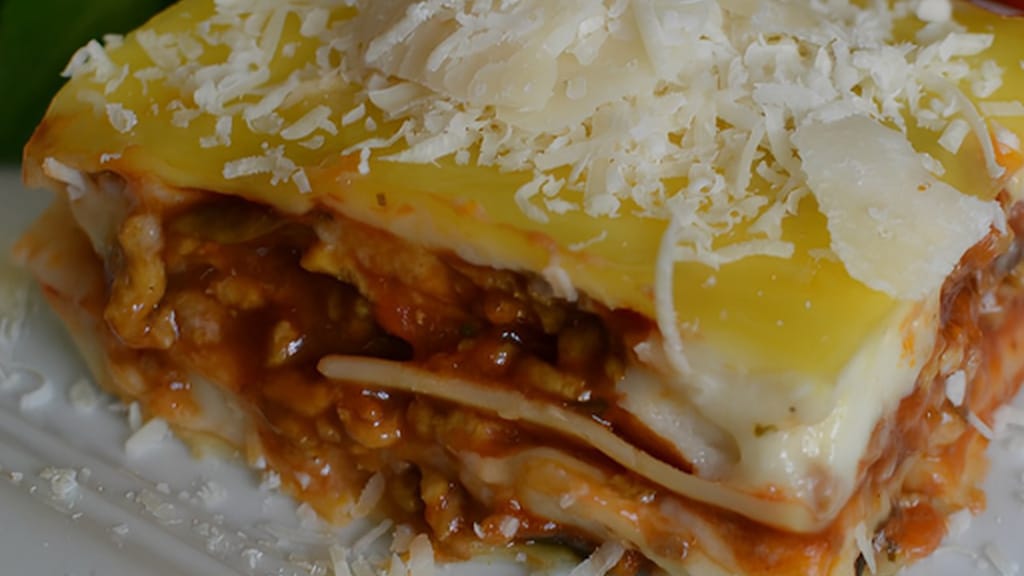
Dolmio mushroom lasagne
Mushroom lasagne – a meat-free take on the Italian classic
The key to a satisfying meat-free meal is protein. Tried-and-tested meat substitutes:
Pulses – lentils, chickpeas, beans. Cooked red lentils contain roughly 9g protein and 8g fibre per 100g according to nutrition tables, and need no soaking.
Tofu – neutral in flavour, so let it marinate for at least 20 minutes, or season it with soy sauce once it's browned.
Tempeh – fermented soybeans with a nutty flavour; it holds its shape well and is perfect for stir-fries.
Mushrooms – bring meaty texture and umami, brilliant in ragùs, sauces and lasagne.
When you don't feel like a shop run, rely on the trio you almost always have at home: rice, pasta and tinned tomatoes. Rice becomes risotto, pasta with tomatoes becomes a quick sauce, and eggs with onion can rescue almost anything. Below are three pantry staples you can always count on, plus a tip for organising your fridge so you actually know what's in it.
Risotto is the best way to use up rice and frozen peas. Sauté a little onion in olive oil, add the rice (ideally arborio) and pour in hot stock a ladleful at a time – add more only once the previous ladle has been absorbed, stirring the whole time. It's this gradual addition of liquid that releases the starch from the rice, giving risotto its creaminess. After about 20 minutes, stir in the peas, parmesan and a knob of butter, then season with salt and pepper.
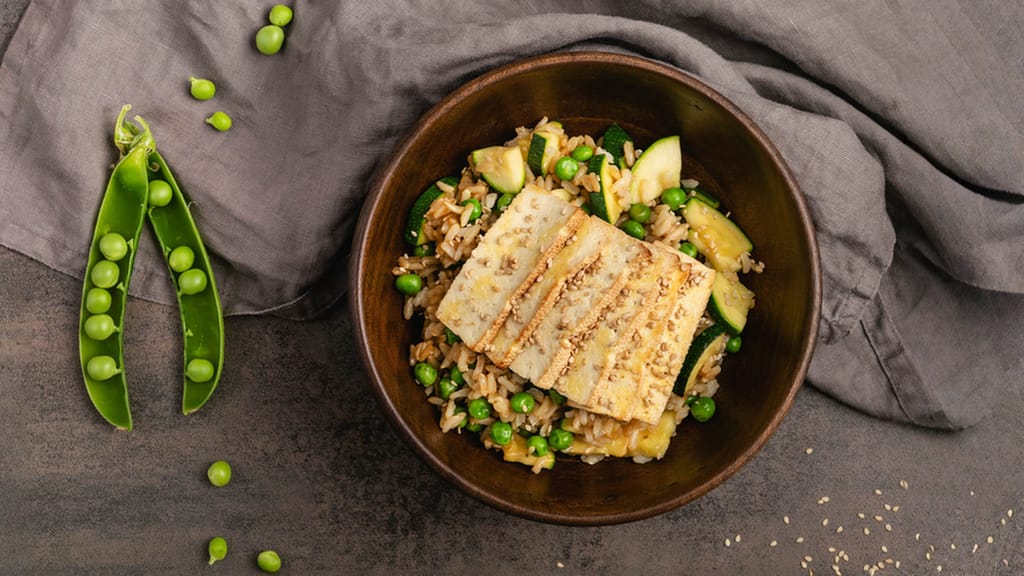
Tofu risotto with peas and zucchini
Tofu, pea and courgette risotto – a creamy risotto from everyday ingredients
A basic tomato sauce from a tin is ready before the pasta even finishes cooking. Soften garlic in olive oil, pour in tinned tomatoes and let it simmer for at least 15 minutes – it's this longer simmer that takes the edge off the acidity and lets the sauce turn sweeter. Season with basil and a pinch of sugar. Got tinned tuna, olives or capers at home? Throw them in, and a simple base instantly becomes a full meal.
Editorial note: we don't yet have a standalone recipe for basic tomato (marinara) sauce – see "recipes to create".
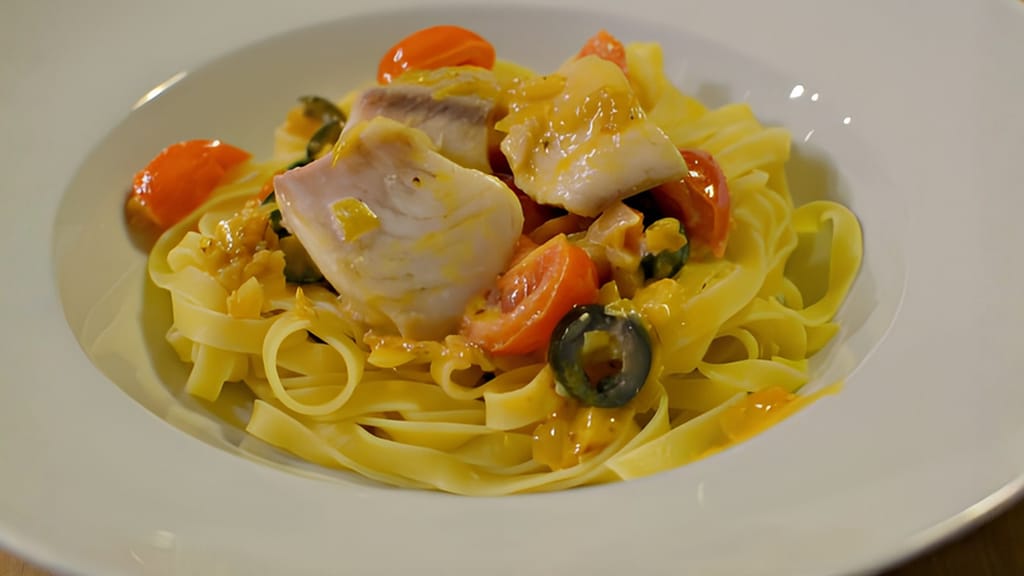
Pasta with tilapia, olives and tomatoes
Pasta with tilapia, olives and tomatoes – a heartier version of tomato pasta with fish
Half of "I've got nothing to cook" is really "I can't see what I've got." Sort food by type – dairy together, vegetables in the crisper drawer, opened items at the front – and follow the first in, first out rule: keep the oldest ingredients within easy reach and use them first. We've covered this in detail in our article Fridge organisation: tips for storing food the right way.
Dessert doesn't have to mean a trip to the shop. Three sweet treats you can make from what's always in your kitchen: a microwave mug cake, pancakes, and fruit salad. They're all built on basic ingredients – flour, eggs, milk, fruit – and ready in minutes.
A mug cake is a single-serving dessert ready in minutes. Mix flour, sugar, cocoa, egg, milk and a spoonful of oil directly in a mug and microwave for 1–2 minutes. Watch the time closely – an overcooked mug cake turns rubbery, so pull it out while the top still looks barely set. Press a square of chocolate into the middle for extra flavour.

Plum crumble mug cake
Plum mug cake – a dessert in a mug ready in minutes
Pancakes just need flour, eggs, milk and a pinch of salt. The secret to smooth, lump-free batter is letting it rest for 20–30 minutes before you start cooking – the flour has time to hydrate and the pancakes turn out softer. Cook on a well-heated pan with just a thin layer of fat, until golden on both sides. Serve with jam, curd cheese or fresh fruit.
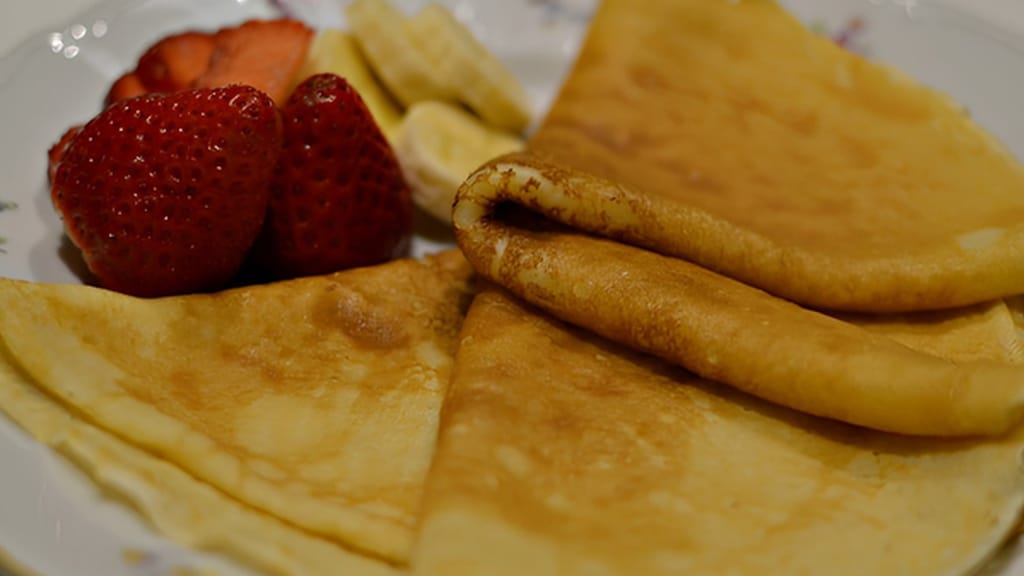
Easy buttermilk pancakes
Easy buttermilk pancakes – soft and reliable every time
The easiest dessert there is: chop up your favourite fruit – apples, bananas, oranges – stir through plain yoghurt and sweeten with a spoonful of honey. Splash apples and bananas with a bit of lemon so they don't brown. A refreshing finish with no baking and no added sugar.
Editorial note: we don't yet have a standalone recipe for fruit salad with yoghurt and honey – see "recipes to create".
Healthier versions of favourite dishes usually come down to three simple swaps:
Grilling or baking instead of frying – less fat, plus that smoky flavour. Grilled fish is noticeably leaner than fried, and herbs like rosemary or thyme season it without needing extra salt.
Yoghurt or buttermilk instead of cream – adds smoothness to creamy sauces and soups with less fat; just stir it in off the heat so it doesn't curdle.
Lemon, herbs and spices instead of salt – the natural tang of citrus lifts the flavour and often removes the need to add extra salt.
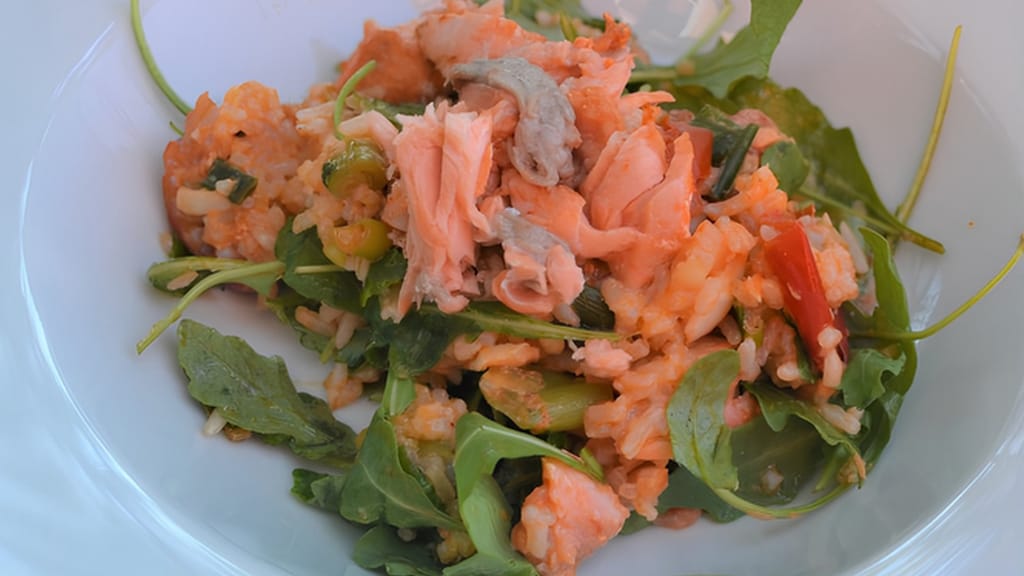
Pulled grilled salmon with rice salad
Pulled grilled salmon with rice salad – a lighter grilled alternative to fried fish
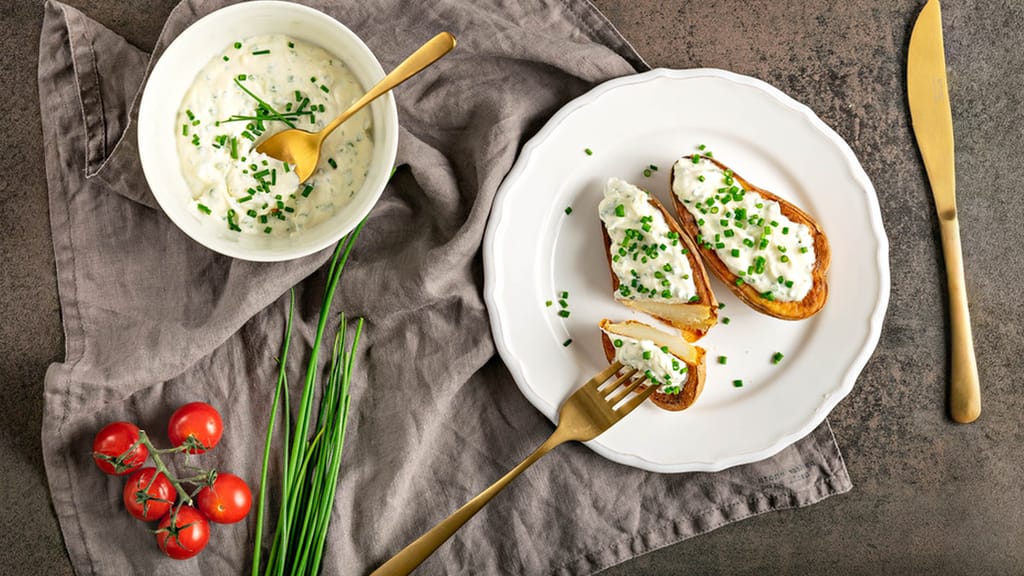
Baked potato with whipped herb curd cheese
Baked potato with whipped herb curd cheese – a healthier swap for fried chips
One last thing that costs nothing extra: portion size. A smaller plate means fewer calories, while still leaving room to try more flavours. Healthier cooking isn't about deprivation – it's about a few smart swaps that don't take away from the flavour, just shift it elsewhere.
In 15 minutes you can whip up pasta with tinned tomato sauce, fried rice from leftovers, or a veggie omelette. One-pan meals are the fastest, where you just sauté an ingredient and season it – avoid anything that needs long simmering or baking.
The easiest way is to blend part of the soup itself, or add cooked pulses or potato, which thicken it naturally. A spoonful of plain yoghurt or soured cream stirred in off the heat also adds creaminess without curdling; for tomato sauces, a teaspoon of tomato paste works too.
Curry and most sauce-based dishes can be made ahead and will keep in a sealed container in the fridge for 3–4 days, often tasting even better the next day. Stir-fry is best fresh, since the vegetables go soft otherwise; if making it ahead, cook the veg slightly less and reheat briefly over high heat.
Long pasta (spaghetti, linguine) pairs well with light oil- and tomato-based sauces that cling to the strands. Short, ridged shapes (penne, fusilli) hold onto chunkier sauces with meat or vegetables in their grooves and hollows, so every bite gets more sauce.
One egg in pancake batter can be replaced with a tablespoon of ground flaxseed mixed with three tablespoons of water (let it sit a few minutes to thicken) or half a mashed banana. The batter tends to be a bit more delicate, so pour it in a thinner layer and flip carefully.
One recipe worth heating the oven for, one tip, and one deal from the shop. Nothing else.