Sunday lunch: perfect homemade svíčková (czech beef sirloin in creamy vegetable sauce)

Updated Jul 19, 2026
You can nail the best main courses at home without a restaurant kitchen — from honest beef sirloin in cream sauce and goulash, through meat-free takes on the classics, to 20-minute dinners and a festive roast duck. For each dish, we'll walk you through the technique that actually makes or breaks the result, the most common mistake, and a link to a tried-and-tested recipe. Cooking for the first time, or just after a new idea for Sunday lunch? Think of this as a map of Czech and modern cooking to pick and choose from.
The three dishes that hold Czech cuisine together are svíčková in cream sauce, roast pork with dumplings and sauerkraut and goulash — all built on slow braising or roasting, good-quality beef or pork, and a thick sauce to go with dumplings. They share one rule: flavour is built up over time in the base, not bolted on with spices at the last minute. Here's what really matters for each one.
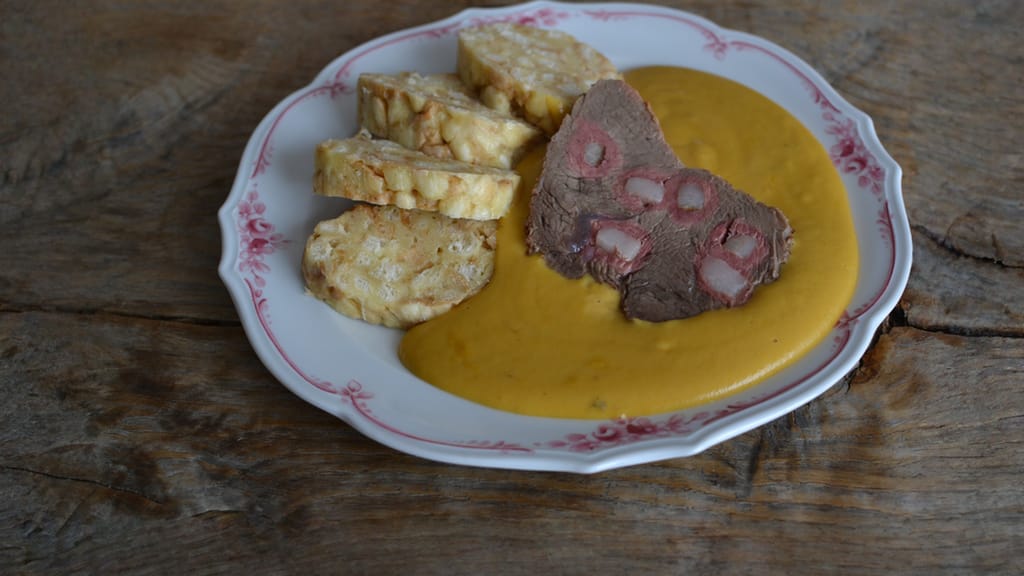
Svíčková in cream sauce is beef (most often from the rear, such as top rump) slow-braised on sautéed root vegetables — carrot, parsley root and celeriac — which are then blended into a thick, creamy sauce. The foundation of the flavour is caramelised onion and vegetables sautéed until golden; this is where svíčková is won or lost, not with the cream.
It's best to marinate the meat a day ahead in vegetables with vinegar, allspice and bay leaf. Thicken the sauce with the strained vegetable base (a touch of roux won't hurt), mellow it with whipping cream, and balance it with salt, sugar and lemon for that sweet-sour harmony. According to cooks, the most common mistake is trying to thicken the sauce before it's developed flavour — so pour in the cream right at the very end and just heat it through.
Sunday lunch: perfect homemade svíčková (czech beef sirloin in creamy vegetable sauce)
A proper homemade svíčková in cream sauce, step by step
Roast pork with dumplings and sauerkraut is roasted pork (ideally belly or shoulder) served with braised cabbage and bread dumplings — three components that all need to work together. Slow roasting matters most here: roast the meat covered, basting with the pan juices to keep it moist, and crisp up the skin with a blast of high heat at the end.
The cabbage varies by region — white sauerkraut in Bohemia, often a sweeter braised red cabbage in Moravia. Whether bread or potato, the dumpling's main job is to soak up the juices so nothing goes to waste.
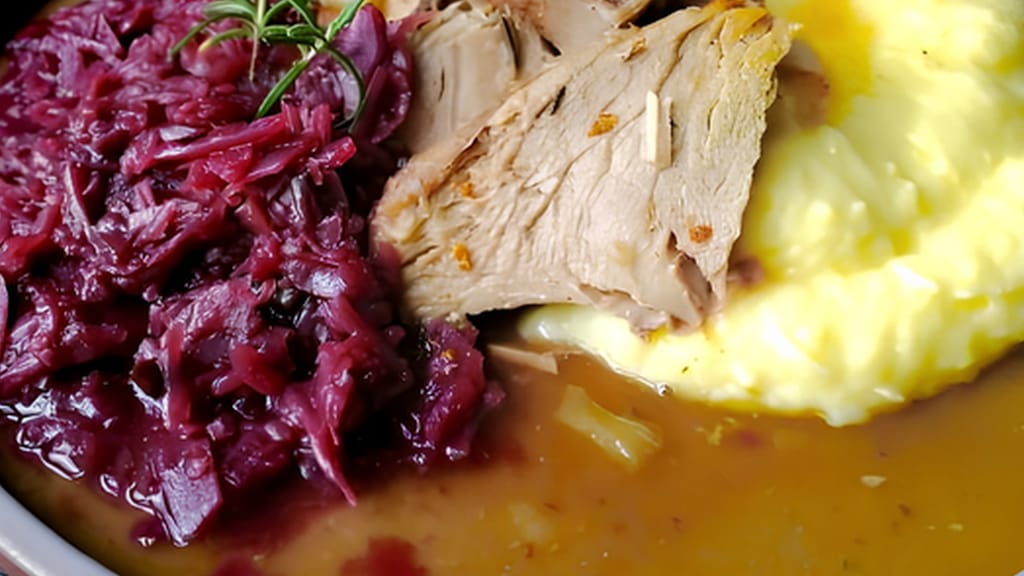
Slow-roasted pork with red cabbage
Slow-roasted pork with red cabbage and dumplings
Goulash has Hungarian roots — the name comes from gulyás, a dish of cattle herders, and it spread to the Czech lands in the early 19th century. Czech goulash, though, has its own identity: thicker than the Hungarian version, mellowed with a generous amount of onion (a 1:1 ratio of onion to meat is quite normal), often with beer and garlic, served with bread dumplings or bread.
The base is beef shin or neck — collagen-rich cuts that break down during long, slow braising (2–3 hours) and thicken the sauce on their own, no flour needed. Add the sweet paprika off the heat and pour in liquid straight away so it doesn't turn bitter.
You can refresh a traditional recipe in three ways: a new ingredient in the base, an unexpected spice on top, or a lighter cooking technique — while leaving the dish's backbone untouched. The goal isn't to reinvent the classic beyond recognition, but to give it a clever nudge.
The smallest tweak with the biggest payoff is adding one new flavour to a familiar base:
Potato soup: a spoonful of coconut milk and a pinch of curry powder for an exotic touch.
Chicken paprikash (Segedin-style goulash): a piece of roasted beetroot adds colour and a gentle sweetness.
Sauerkraut soup: a spoonful of kimchi gives it a spicy, tangy kick.
Stick to one rule: change only one thing at a time, so you can tell exactly what it did.
You can make a lighter version of a classic by changing the technique rather than the flavour. Bake a schnitzel in the oven on a tray instead of frying it in oil, coating it in wholemeal breadcrumbs — you'll save on fat and it'll still turn out crispy. When baking, swap part of the sugar for honey or maple syrup.
Pulses like chickpeas or lentils standing in for some of the meat add fibre and plant protein, so the dish is just as filling but lighter. Think of it as small swaps, not a diet overhaul — the flavour should stay the same.
Czech classics can be cooked meat-free without losing their flavour — the trick is to replace the meat with something that soaks up the sauce and adds structure: pulses, mushrooms or root vegetables. The two most rewarding examples are vegetarian goulash and chickpea svíčková.
Build vegetarian goulash on the same base as the meat version — plenty of onion, garlic and sweet paprika — just swap the meat for something that adds heartiness: chickpeas, beans, mushrooms, or courgette in the warmer months. Root vegetables, potatoes and tomato purée thicken the sauce; a spoonful of soy sauce or miso adds the umami that salt and collagen would otherwise bring from meat. Caraway and marjoram make sure it tastes like a proper goulash, not an awkward meat-free substitute.
The fastest summer version is courgette goulash — the courgettes soften in just a few minutes, so it's ready faster than a pulse-based version, and it's the perfect dish to try out the meat-free goulash principle (recipe below).
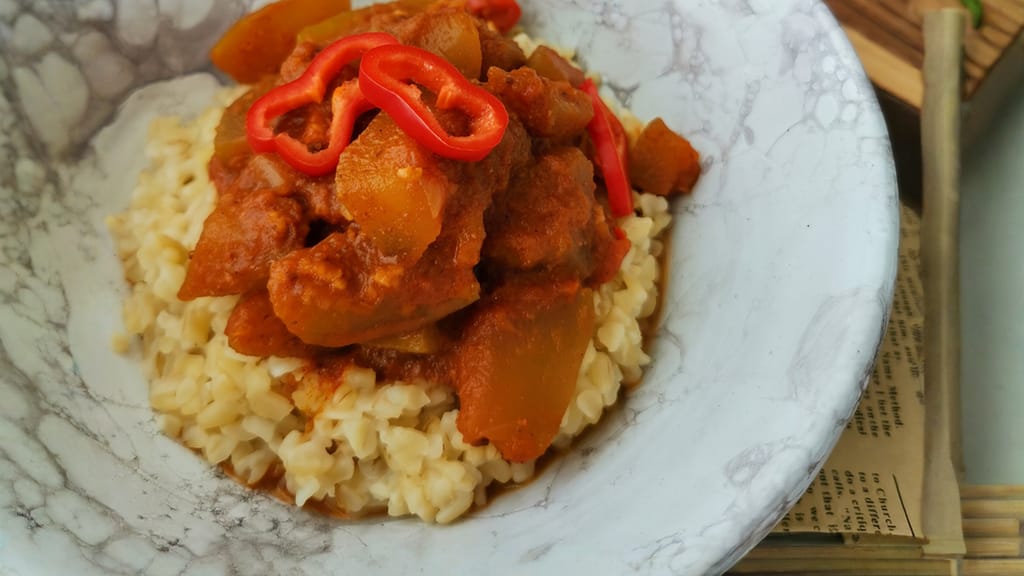
Divine zucchini goulash
Courgette goulash — a meat-free summer take on the Czech classic
Chickpea svíčková is the cleverest meat-free stand-in for the Sunday classic: chickpeas soak up the creamy sauce of blended carrot, parsley root and celeriac beautifully, seasoned with bay leaf and allspice. Mellow the sauce with cream, or use a plant-based cream for a lighter version.
We're still working on our own tested chickpea svíčková recipe — until then, start with the sauce from classic svíčková and simply leave out the meat.
You can pull off more main courses in 20 minutes than you'd think — the fastest are:
Pasta with pesto — 15 minutes or less
Chicken stir-fry from the wok — 15 minutes or less
Fried rice with meat and vegetables — 20 minutes or less
They all run on the same principle: a handful of good ingredients and high heat, no lengthy braising.
Pasta with pesto is ready in the time it takes the water to boil — good pasta, a spoonful of pesto, a handful of parmesan and a splash of pasta water to turn the pesto into a proper sauce. Bulk it up with grilled vegetables or a bit of chicken. Feel free to make your own pesto at home — from fresh basil, or from wild garlic in spring.
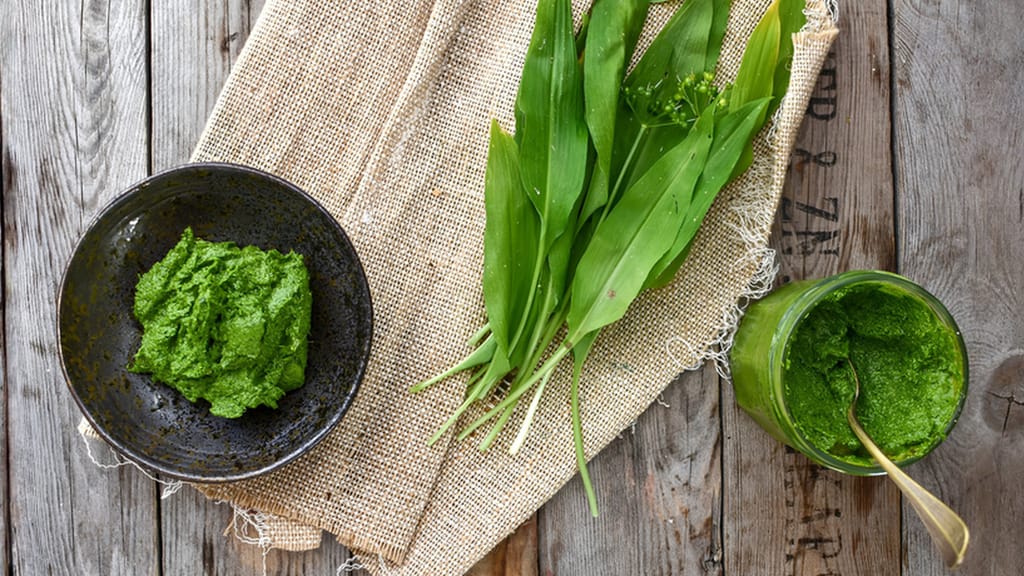
Wild garlic pesto
Homemade wild garlic pesto for pasta
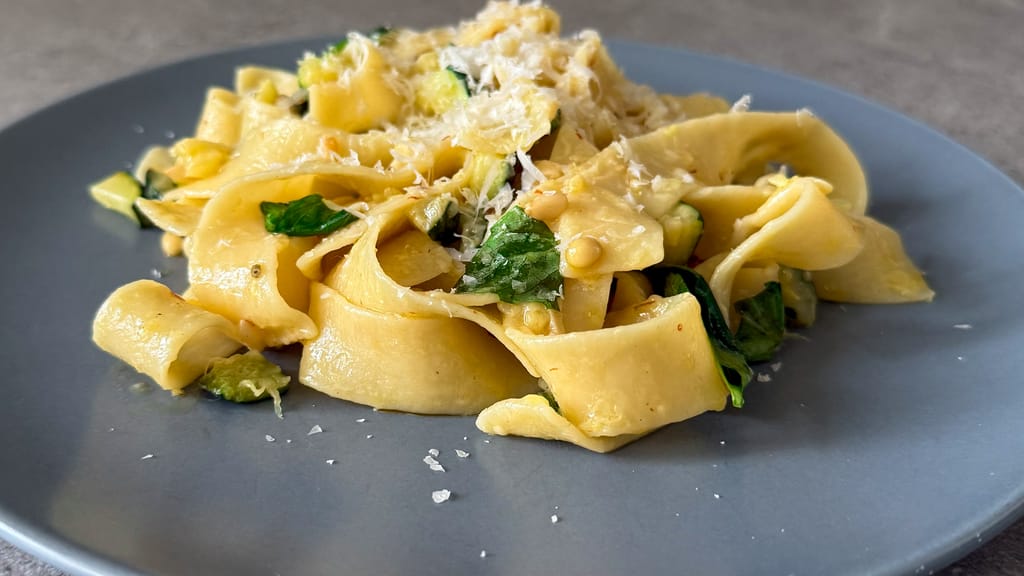
Quick zucchini and lemon pasta
Quick courgette and lemon pasta in just a few minutes
Chicken stir-fry takes just a few minutes in a hot pan or wok: thin slices of chicken, broccoli, pepper and carrot, finished with soy sauce and fresh ginger. The key is not to overcrowd the pan — otherwise the meat steams instead of frying and releases water. Fried rice comes from the same school of thought, and it's the perfect way to use up leftover cooked rice and vegetables from the fridge.
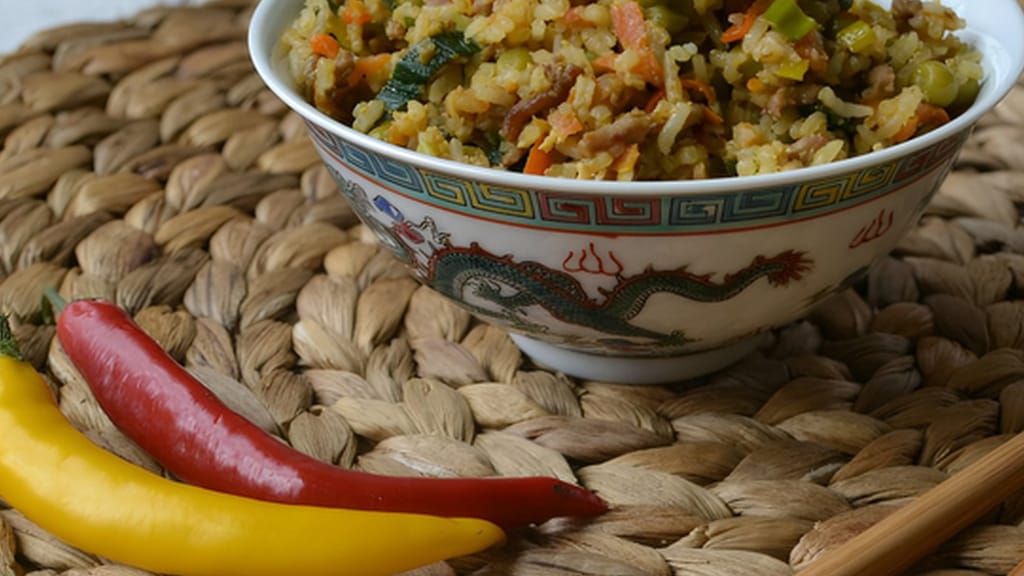
Spicy fried rice with meat and vegetables
Spicy wok-fried rice with meat and vegetables
Two dishes reliably show up on the festive table: roast duck with orange sauce and beef Wellington. Both look impressive but really come down to one thing — the right temperature and letting the meat rest.
Roast duck with orange sauce is all about low temperature and time: roast it slowly at 150–160°C so the fat renders out and the meat stays moist, then blast the skin with high heat at the end to crisp it up. An orange sauce made from juice, zest, a pinch of sugar and the pan drippings gives a fresh sweet-sour contrast to the rich meat.
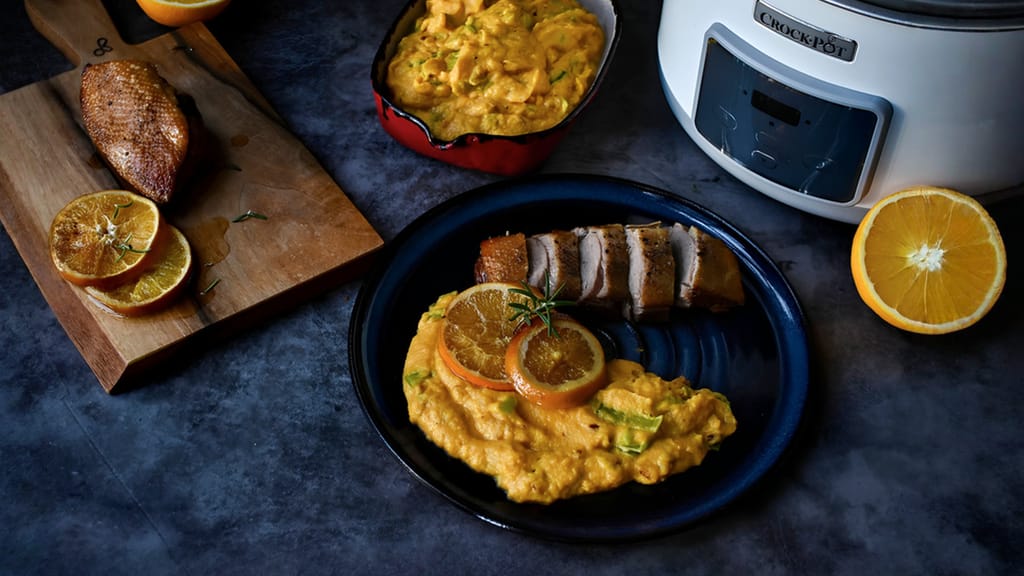
Slow cooker duck breast with oranges
Duck breast with orange — a step-by-step festive classic
Beef Wellington is beef fillet wrapped in mushroom duxelles and puff pastry. To keep the pastry from going soggy and the meat pink inside, sear the fillet hard on all sides first, let it cool and pat it completely dry, then roast at a high temperature for just a short time — ideally checking the internal temperature with a thermometer (52–54°C for medium-rare). We're still working on our own beef Wellington recipe for Yumsto.
Presentation shapes the first impression just as much as flavour does. Serve the duck on a large platter with slices of fresh orange and herbs; slice the Wellington right in front of your guests so everyone sees that pink centre — that moment makes the biggest impact at the table. Don't overcrowd the plate: one standout component, a side, and plenty of sauce is all you need.
Thicken the sauce with the strained vegetable base — a touch of roux if you like — and only stir in the cream right at the end, once the base is hot but not boiling, then just warm it through. Cream curdles when it hits a hot, acidic sauce, so if you're short on time, mix it first with a spoonful of flour to stabilise it. The most common mistake is trying to thicken the sauce before it's had time to develop flavour.
Czech goulash is thick, mellowed with plenty of onion, and served with dumplings, while Hungarian gulyás is thinner, more like a soup, often with carrots and potatoes. Goulash originated in Hungary and spread to the Czech lands in the early 19th century — what we call goulash here actually resembles Hungarian perkelt more closely.
For goulash, go for a collagen-rich cut like shin or neck — slow-braised for 2–3 hours, it turns tender and thickens the sauce on its own. For svíčková, lean beef from the rear, such as top rump, works best, slowly braised on root vegetables. Avoid quick-cooking lean cuts for goulash — they'd stay tough.
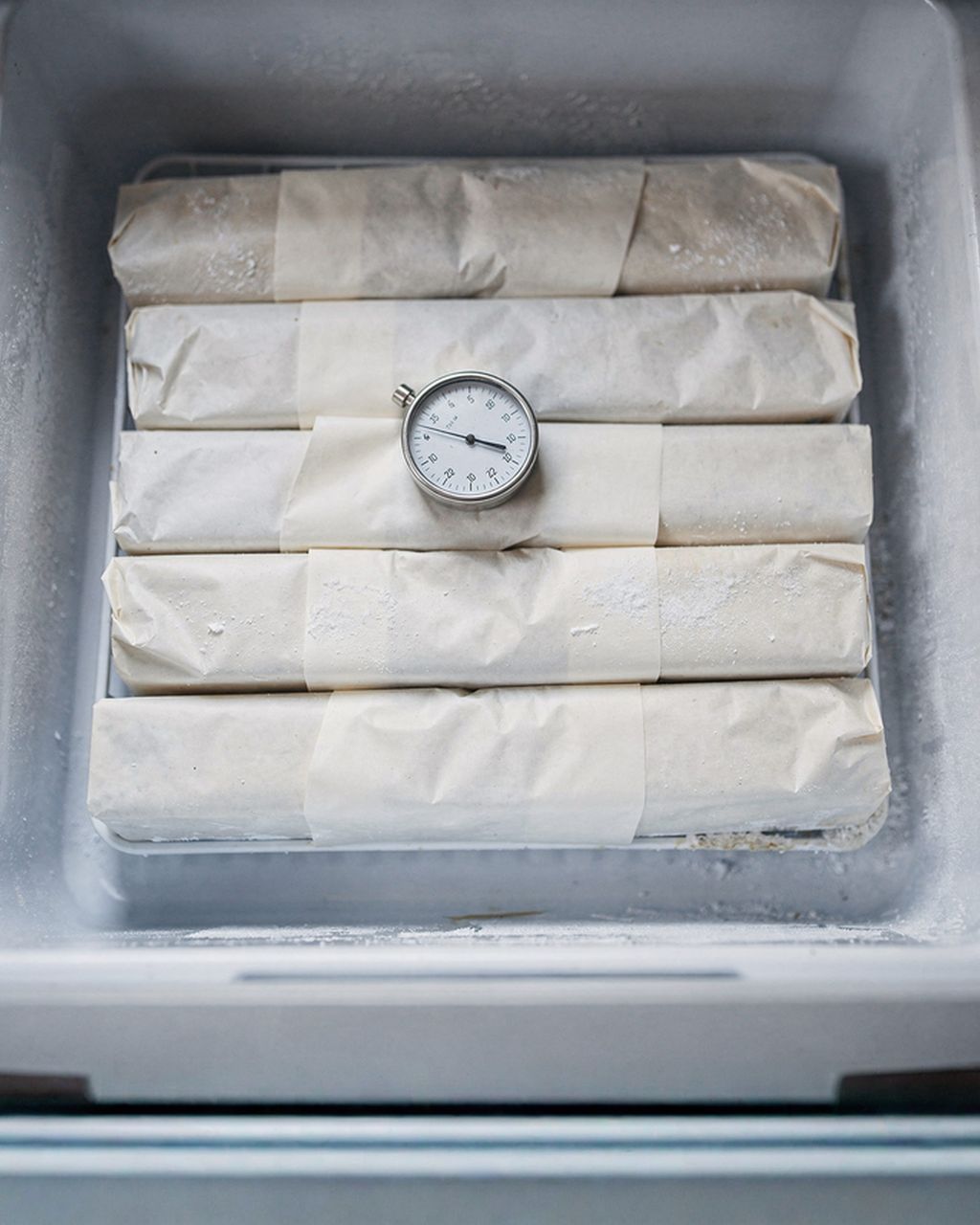
Both goulash and svíčková freeze brilliantly, and the flavour usually improves after thawing. In the fridge, they'll keep for about 3–4 days in a sealed container, and several months in the freezer. For svíčková, it's best to freeze it without the cream already stirred in — whisk in fresh cream when reheating so the sauce doesn't split.
Pulses and mushrooms work best: chickpeas or beans soak up the sauce and add heartiness, while mushrooms plus a spoonful of soy sauce or miso bring the umami that meat would otherwise provide. In both goulash and svíčková, chickpeas make a great meat substitute; in roasts, mushrooms or root vegetables do the job. It's about texture and umami, not trying to mimic meat.
One recipe worth heating the oven for, one tip, and one deal from the shop. Nothing else.