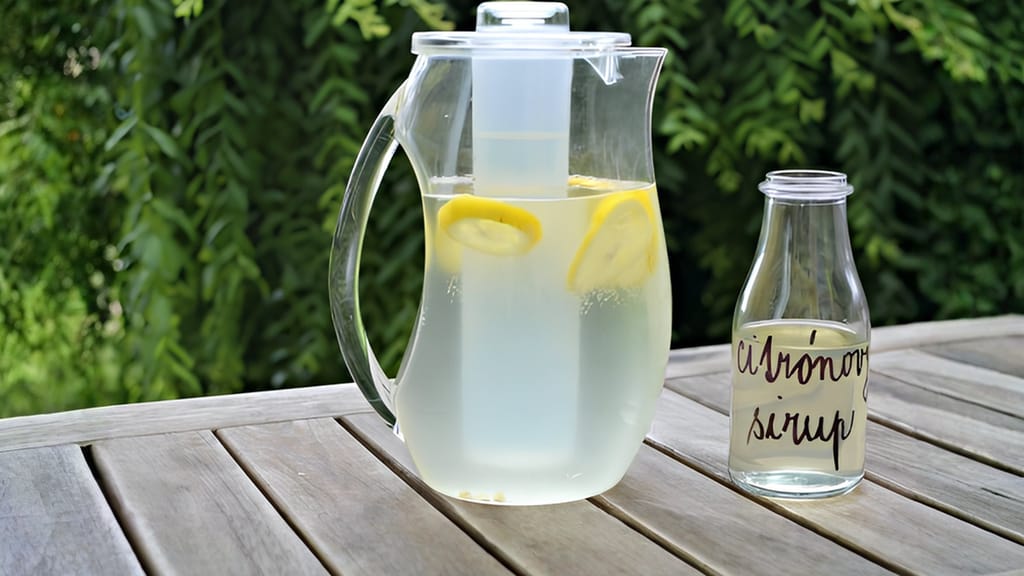
Homemade lemonade syrup and other fruit syrups

Updated Jul 19, 2026
Store food in the fridge by temperature zone, not at random: dairy products and drinks belong on the top shelves, eggs and leftovers in the middle, raw meat and fish right at the bottom, fruit and veg in the crisper drawers, and only long-life sauces and condiments in the door. That's because a fridge isn't equally cold everywhere – the door is typically several degrees warmer than the back of the bottom shelf, and that's exactly what decides whether your food lasts a week or spoils in three days. Below you'll find what to store where, why it matters, and how to avoid mistakes that cost you both money and your health.
Here's the fastest answer – a map of the fridge from top to bottom:
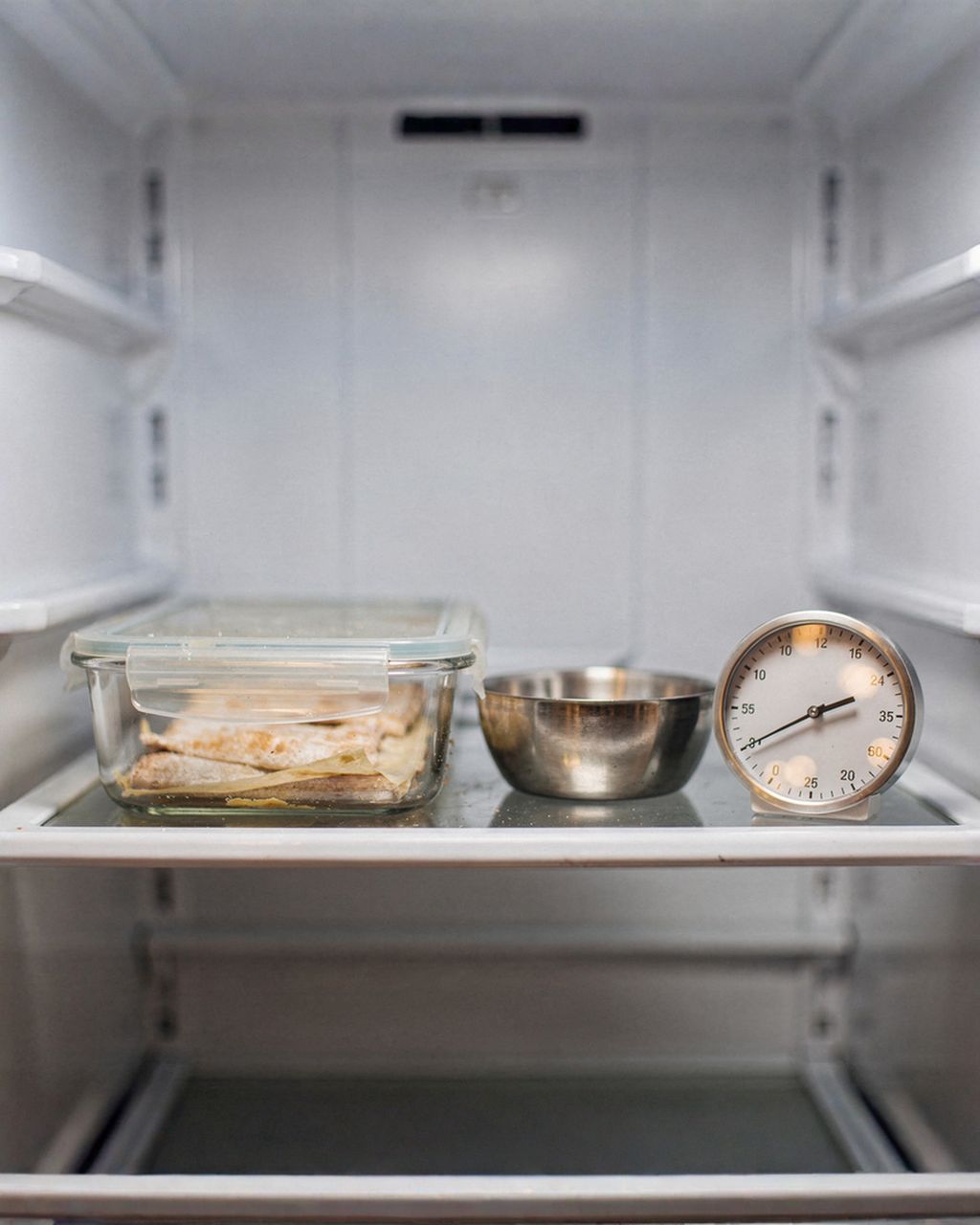
Top shelf: dairy products, opened drinks and leftovers in airtight containers.
Middle shelf: eggs (in their original carton), cooked meals, deli meats, cheese.
Bottom shelf (coldest): raw meat and fish in a sealed container – never place them above other food.
Drawers: leafy and delicate vegetables go in the higher-humidity drawer; fruit and produce that keeps ripening after picking go in the drier one.
Door (warmest): long-life sauces, ketchup, mustard, condiments and drinks – not eggs or milk.
In the rest of the article you'll find out why this is the case, and how to get the most out of every zone.
Placing food correctly in the fridge extends its shelf life, prevents cross-contamination and saves you money – and it all comes down to one thing: a fridge isn't equally cold throughout. According to the FDA, the interior should be ≤ 4°C (39°F), but individual zones vary. The back of the bottom shelf tends to be coldest (around 0–2°C/32–36°F), while the door warms up the most every time it's opened. Above 4°C you enter the so-called danger zone (4–60°C / 40–140°F), where bacteria like Salmonella, E. coli and Listeria multiply fastest, according to the USDA.
The second reason is cross-contamination. When raw meat sits above a cooked meal, just a few drops of juice can transfer bacteria – that's why meat always belongs right at the bottom.
The third reason is ethylene. Certain fruits (apples, pears, bananas) release this gas after being picked, speeding up ripening in nearby produce. Put tomatoes next to apples and they'll soften and spoil sooner. Keeping ethylene-producing fruit away from delicate vegetables cuts down on food waste.
The top shelves are for food that doesn't need the coldest temperature and that you like to keep within easy reach – milk, cream, yoghurt, opened drinks and leftovers. The temperature here stays stable (unlike in the door), which suits dairy products better than the door compartment does.
Keep leftovers and opened containers sealed airtight and labelled with the date they were made – that way they won't pick up other odours, and you'll know exactly how long you have to eat them. Homemade drinks you're batching for later should also go up top in a well-sealed bottle.
Homemade lemonade syrup and other fruit syrups
Homemade lemonade and syrups, batch-made and stored in a sealed bottle on the top shelf of the fridge
Eggs and cooked meals belong on the middle shelves, where the temperature stays a steady 4°C or so. Keep eggs in their original carton, not in the door's egg tray – the carton protects them from temperature swings and from absorbing odours. For more on how long fresh eggs last and how to tell their age, see our article on how long eggs keep and how to store them.
Cooked meals need even, consistent cooling to hold onto their flavour and texture. On the middle shelf they won't freeze the way they might at the back of the bottom shelf, and you'll spot them quickly. Let hot food cool down before storing it – for the details, see how to store hot food in the fridge. Use airtight containers: they keep the food's own smell in and stop odours spreading through the whole fridge.
Raw meat and fish always belong on the very bottom shelf – it's the coldest spot and also the lowest, so any dripping juices can't contaminate anything below. That's the main safeguard against cross-contamination.
Keep meat in a sealed container or on a tray with a rim to catch any liquid, and keep types separate – poultry away from beef and pork. Containers are easy to wash and disinfect, which isn't true of a chopping board or open packaging.

The drawers have humidity controls, and the rule is simple: higher humidity for vegetables, lower humidity for fruit. The difference comes down to a small vent that controls airflow.
Higher humidity (vent closed): leafy and delicate vegetables that wilt quickly – lettuce, spinach, broccoli, carrots, herbs. The humidity keeps water in the leaves and stops them drying out.
Lower humidity (vent open): fruit and produce that release ethylene – apples, pears, peaches, avocados. Circulating air carries away ethylene and excess moisture, so it doesn't go mouldy.
When ethylene-producing fruit and delicate vegetables end up in the same drawer, the vegetables turn yellow and wilt sooner – so keep them apart. Tomatoes, incidentally, shouldn't go in the fridge at all, as they lose their flavour there; leave them at room temperature instead.
The door is the warmest and most temperature-variable part of the fridge, so it should only hold shelf-stable food with preservatives – ketchup, mustard, dressings, vinegar, soy sauce, jam and drinks. These can handle the temperature swings without a problem.
What doesn't belong here: eggs and milk. The egg tray built into fridge doors is one of the most common mistakes people make – fresh dairy and eggs need steady cold, or they lose quality faster. Butter is the exception: kept in a closed butter dish in the door, it spreads more easily and keeps well.

A clean fridge means food stays fresh longer, so stick to two simple habits: a deep clean once a month and a weekly sort-through.
Once a month, empty the fridge and wipe it down with a water-and-vinegar solution – it removes both stains and odours. Don't forget the door seals and the gaps between shelves, where grime tends to collect.
Once a week, go through the contents and toss anything past its date. Follow the FIFO rule: newer food to the back, older food to the front, so it gets eaten in time.
To fight odours, an open box of baking soda or some activated charcoal works as a natural absorber. Don't try to salvage mouldy food by cutting around it – just throw the whole thing out.
If odours keep coming back even after cleaning, check out how to deal with smells at the back of the fridge and inspect the condensate drain following our guide on how to properly clean your fridge's drain – a blocked drain is a common hidden cause of bad smells.
Set your fridge to ≤ 4°C (39°F) – that's the threshold below which bacteria multiply much more slowly, according to the FDA. The back of the bottom shelf tends to be coldest (around 0–2°C/32–36°F), while the door is the warmest spot. It's worth using a cheap thermometer to check, since the display on the door only gives a rough estimate.
Most cooked meals and leftovers keep safely in the fridge for 3–4 days in an airtight container. Don't leave hot food out for more than 2 hours (1 hour in hot weather) before refrigerating it. If you're not sure how old something is, throw it out rather than taste-test it.
Apples release ethylene, a gas that speeds up ripening in nearby produce, so tomatoes stored next to them will soften and spoil faster. Keep ethylene-producing fruit (apples, pears, bananas, avocados) separate from delicate vegetables. Tomatoes, by the way, shouldn't go in the fridge at all – they lose their flavour in there.
Even without adjustable drawers, the same zone rule applies: meat at the bottom, milk and leftovers up top, eggs in the middle. Put vegetables that wilt easily in a sealed bag or container to help them hold onto moisture, and leave ethylene-producing fruit more loosely packed so air can circulate around it. Zones work by shelf height even in an older model.
Yes, an open box of baking soda acts as a passive odour absorber and lasts around a month. Activated charcoal works just as well. It's not a substitute for cleaning, though – the real source of odour is usually spoiled food or a blocked condensate drain, and that needs to be dealt with directly.
One recipe worth heating the oven for, one tip, and one deal from the shop. Nothing else.