Traditional Czech Kolache Fillings: Tvaroh, Poppy Seed and Povidla
What Is Povidla (Lekvár)? Plum Butter vs Plum Jam Explained
Updated Nov 18, 2026
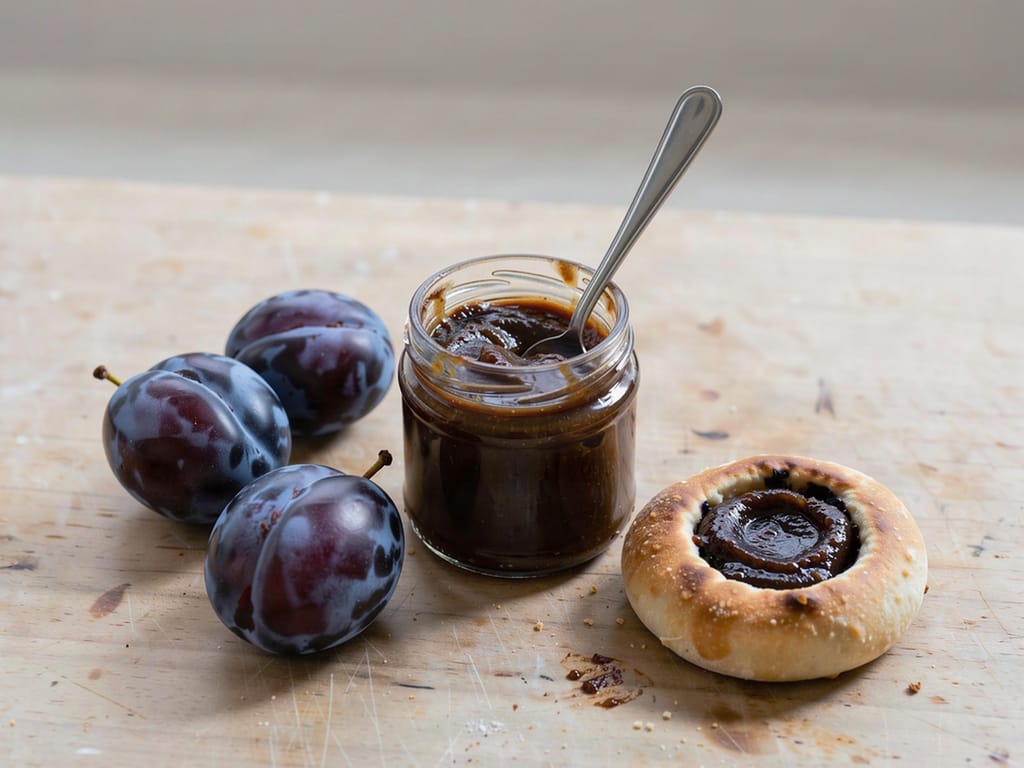
Povidla is Czech plum butter: ripe plums cooked down slowly for hours until thick, dark and spreadable, traditionally with no added sugar. Hungarians call a similar spread szilvalekvár (plum lekvár) and Austrians call theirs Powidl, often spiced and sweetened. It is thicker and less sweet than plum jam, and it is the classic filling for kolaches, buchty and yeast dumplings.
Povidla (plum butter) is one of the oldest ways Czech and Moravian households dealt with a big plum harvest. Very ripe plums, traditionally the small dark švestka (prune plum, Prunus domestica), are pitted and cooked down in a large pot or kettle for many hours, stirred so they don't catch, until most of the water has gone.
What is left is almost black, glossy and thick enough to hold its shape on a spoon. Traditional povidla has no added sugar: the long cooking concentrates the plums' own sugar. Modern shop versions and many home recipes do add some.
In Czech the word is plural (povidla), and it is used for other fruit butters too, such as jablečná povidla (apple butter). On its own it almost always means plum. See our plum butter (povidla) page.
Seasonal baking plans, tested recipes and kitchen tricks that save you time. Unsubscribe in one click.
The same thick plum spread runs through Central Europe under different names:
Povidla (Czech) and lekvár (Slovak, for plum butter).
Lekvár (Hungarian): careful, in Hungarian lekvár means jam in general. Plum lekvár is szilvalekvár.
Powidl (Austrian German): borrowed from the Czech word. It fills Austrian Germknödel (yeast dumplings) and Buchteln (baked yeast buns). The Powidl in Germknödel is usually spiced with cinnamon and cloves, and many Austrian versions are sweetened.
Powidła (Polish): the same tradition.
In American kitchens, especially in Hungarian, Czech and Jewish baking, lekvar has come to mean a thick prune or plum filling, used in kolaches and hamantaschen. That American lekvar is often made from dried prunes rather than fresh plums.
These three get swapped in recipes, but they behave differently in the oven.
Povidla: fresh plums, cooked for hours, little or no added sugar, no pectin. Very thick, dark, tart-sweet with a slightly caramelized depth. Stays put when baked.
Plum jam: fresh plums cooked briefly with a lot of sugar, often with pectin. Lighter in color, sweeter, softer. It melts and runs when baked inside dough.
Prune butter: dried prunes, soaked and puréed, usually with sugar and sometimes lemon or spices. Thick and dark like povidla, but sweeter and with the raisin-like taste of prunes.
For filled pastries the thickness matters most. Runny jam boils out of kolaches and leaks from dumplings. Povidla and prune butter don't.
In Czech kitchens povidla is mostly a baking filling:
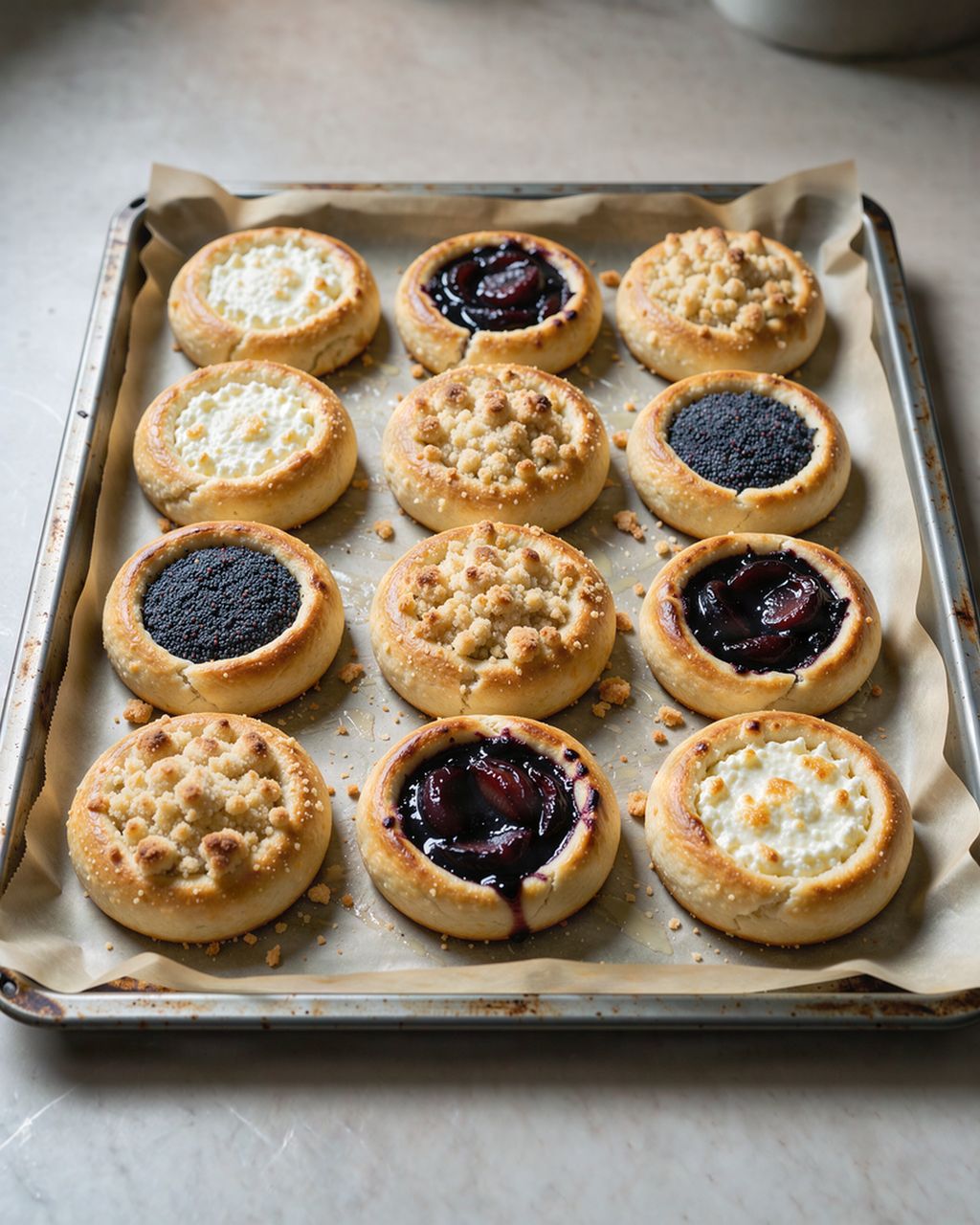
Kolaches (koláče). Round yeast pastries with a dip in the middle, often filled with povidla next to sweet cheese and poppy seed fillings. Our guide to soft kolache dough covers the base.
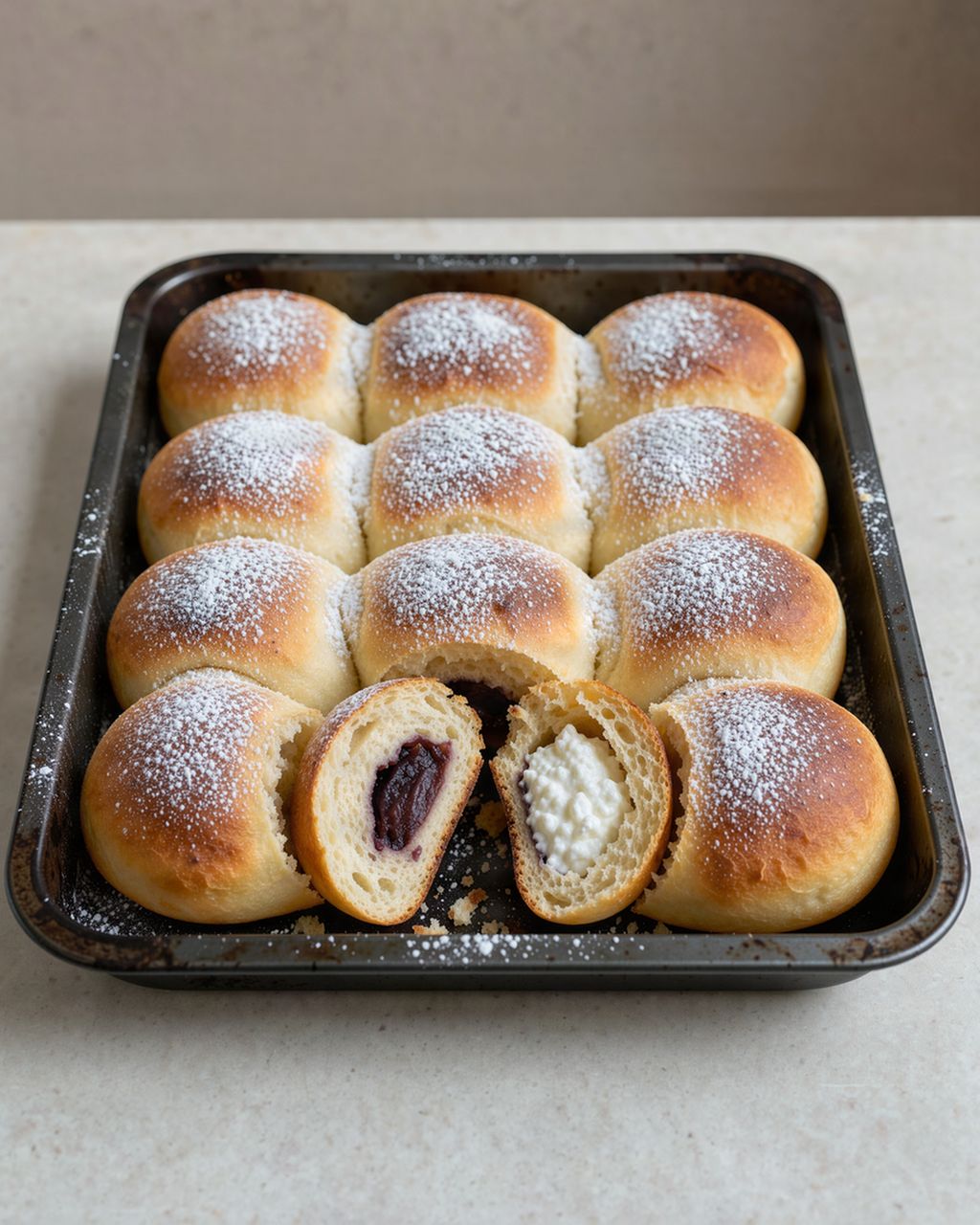
Buchty. Baked yeast buns packed tightly in a pan, each with a spoon of filling inside. Povidla is the most traditional one. See dough for buchty and sweet dumplings.
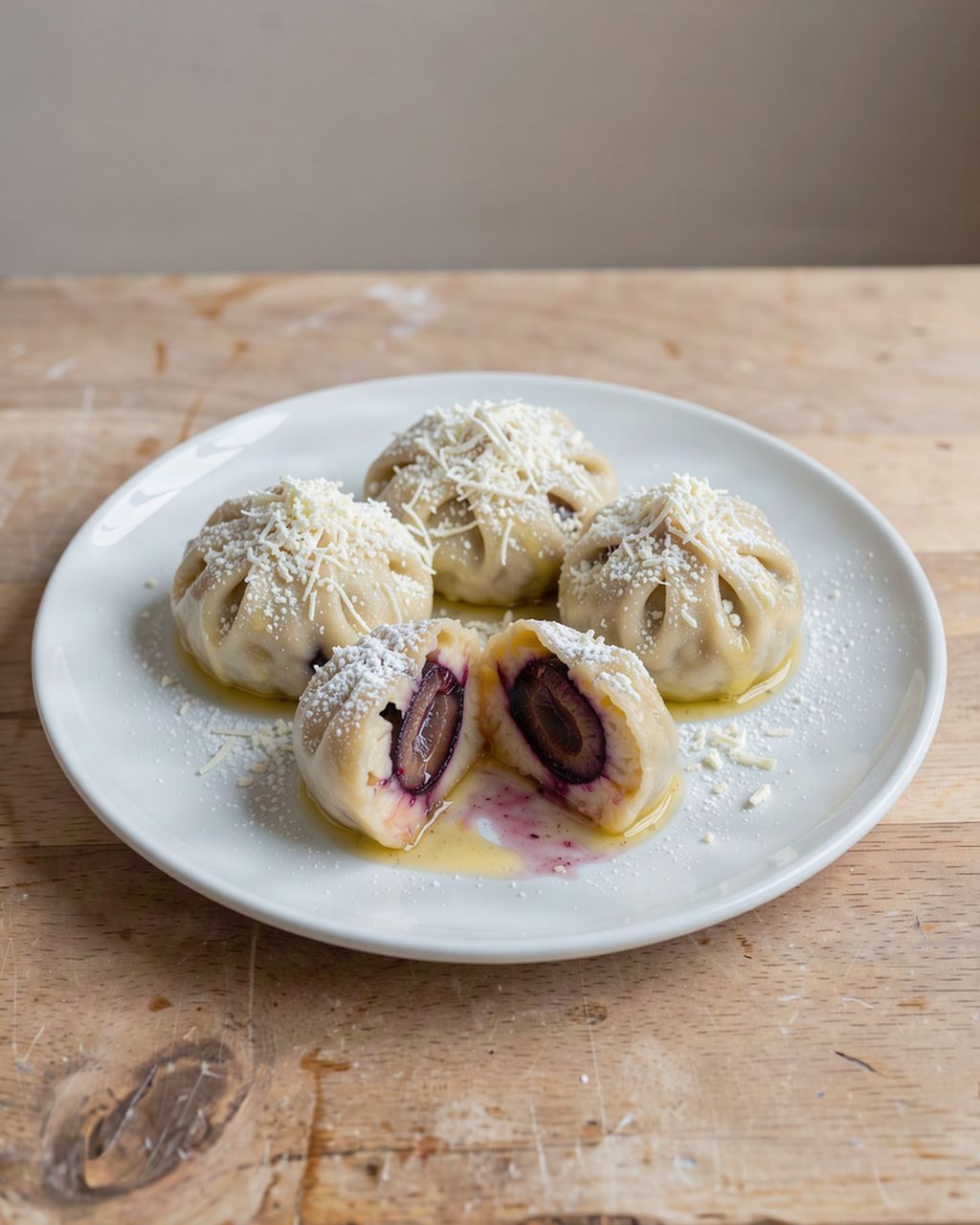
Yeast dumplings (kynuté knedlíky). Steamed or boiled yeast dumplings filled with povidla and served with melted butter, ground poppy seed and sugar, much like Austrian Germknödel.
Povidla pockets (povidlové taštičky). Small turnovers of dough or pastry folded around a spoon of povidla.
Plum dumplings are usually made with a whole fresh plum inside, not povidla, but out of season some cooks fill them with a spoon of it instead. See plum dumplings.
It also goes on bread with butter, and some bakers use it in Linzer-style cookies, although redcurrant jam is the more usual Czech choice there.
Real Czech povidla is hard to find outside Central Europe, but you have good options:
Solo Prune Plum Filling. Sold in 12 oz cans in many US supermarkets, near the pie fillings. It is made from prunes, with corn syrup, sugar and pectin, so it is sweeter than povidla, but its thickness is right for kolaches and buchty. Its label warns that it is made in a facility that also processes peanuts and other nuts, so check the can if you are baking for anyone with a peanut or tree-nut allergy. Prune is one of the classic kolache fillings in Czech-American bakeries, and Solo is the canned version most home bakers can find.
Plum butter or povidla in jars from Polish, Czech, Hungarian or German delis and online. Look for powidła, povidla, szilvalekvár or Pflaumenmus (the German version, often spiced and usually sweetened).
Prune butter from health food stores or Jewish bakeries, sometimes labeled lekvar.
If a jar is softer than you'd like for baking, cook it gently in a wide pan for a few minutes, stirring, until it holds a trail when you drag a spoon through it. A pinch of cinnamon or a little rum or lemon zest brings shop fillings closer to home-made.
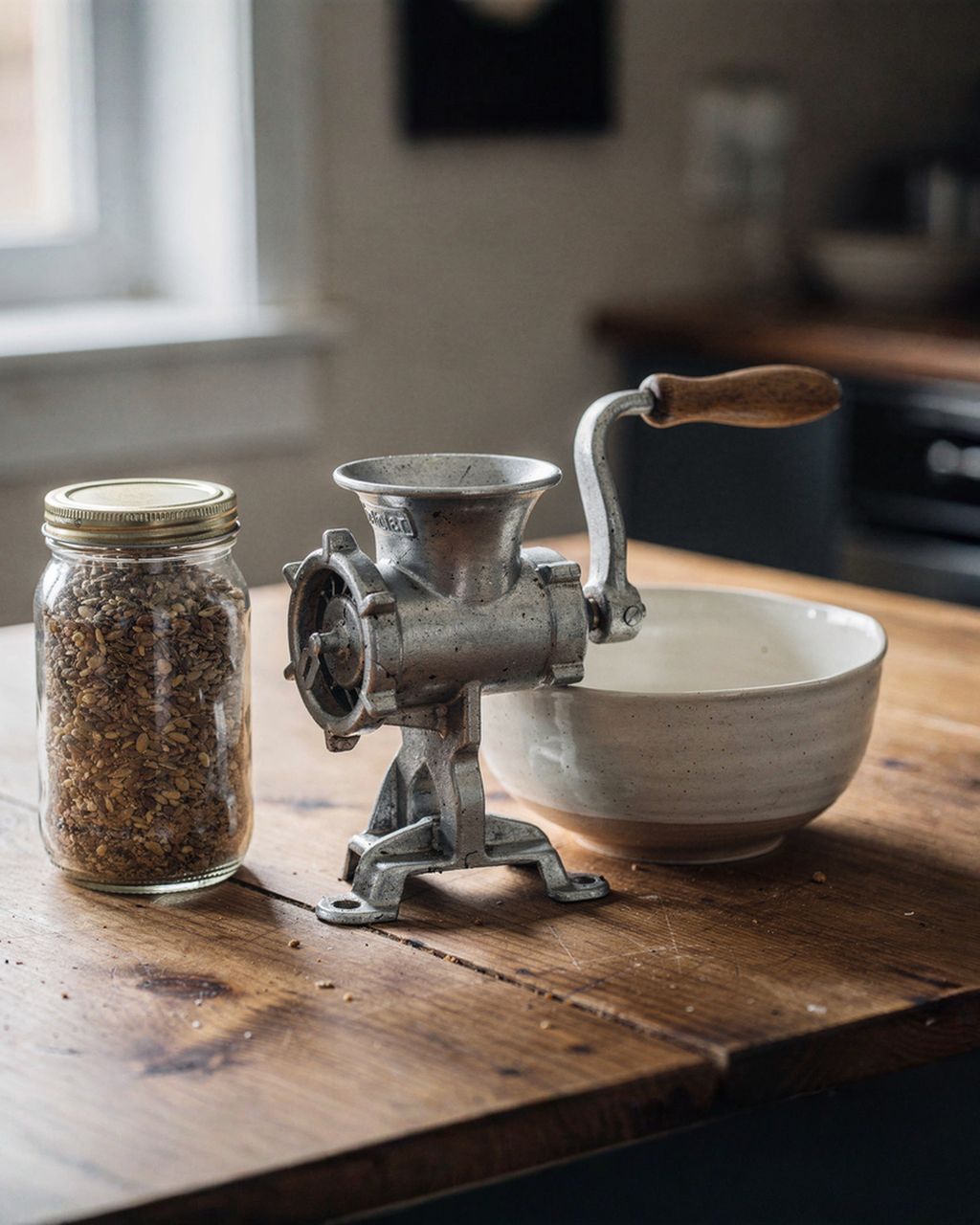
Povidla is simple in principle: ripe plums, pitted, cooked very slowly until most of the water has gone. In practice it takes many hours, either on the stove with regular stirring or in the oven, which needs less attention. The ripest, slightly wrinkled late-season prune plums give the best result. See fresh prune plums.
For the method and what to do with it afterward, see our guide to making plum butter at home.
Povidla is usually translated as plum butter. It is a very thick spread made by cooking plums down for hours, traditionally without added sugar or pectin.
In Hungarian, lekvár means jam in general, and szilvalekvár is plum lekvár. In American baking, lekvar usually means a thick prune or plum filling for kolaches and hamantaschen.
No, povidla is thicker, darker and less sweet than plum jam. Jam is set with sugar and often pectin, while povidla thickens only by long cooking that drives off the water.
The easiest US substitute is canned Solo Prune Plum Filling, sold in many supermarkets. Thick plum butter or a good prune butter also works; avoid runny plum jam in filled pastries.
Povidla is made from fresh plums, while prune butter is made from dried plums (prunes) rehydrated and puréed, usually with added sugar. Both are thick and dark, but povidla tastes fresher and more tart.
One recipe worth heating the oven for, one tip, and one deal from the shop. Nothing else.