Cottage cheese and poppy seed cake
How to Process Poppy Seeds: Why Grind Them Fresh and How to Cook a Filling
Updated Oct 6, 2026
How do you process poppy seeds so they taste sweet and fragrant instead of bitter? Buy them whole, grind them just before you need them, and briefly simmer the ground seeds in milk for a filling. Poppy seeds are packed with oil, and as soon as you crush a seed, that oil starts to turn rancid in the air. That's why freshly ground poppy seeds taste completely different from ones that have been sitting in a bag for weeks. Below you'll find what to grind poppy seeds with, how to turn them into a filling, and how to store them properly.
Poppy seeds are best ground fresh because once milled, they quickly turn rancid and bitter. The seeds are roughly 40–50% oil, mostly unsaturated fatty acids that oxidize easily once exposed to air.
As long as the seed is whole, its husk protects the oil inside. Grinding breaks that husk open, releasing the oil onto the surface where it reacts with air, light and heat. Within days to weeks, the poppy seeds lose their nutty sweetness and develop a bitter, sharp aftertaste strong enough to overpower even the sugar in a filling.
Whole poppy seeds keep well in a cool, dark, dry spot right up until the next harvest.
Ground poppy seeds are best used the same day, or within a few days at the very latest.
Store-bought ground poppy seeds are often milled long before they reach the shelf. If you're using them, open the bag and give them a sniff in the kitchen first — not once they're already baked into your cake.
You can tell fresh poppy seeds by smell and taste, not by colour.
Freshly ground poppy seeds smell sweet and nutty. They feel slightly oily, clump together, and stick between your fingers. Their colour is a dark blue-grey.
Rancid poppy seeds smell like old oil or stale nuts. They taste bitter on the tongue, leave a scratchy feeling in the throat, and the aftertaste lingers.
The quickest test is to taste a few seeds or a pinch of the ground poppy seed. If it's already noticeably bitter at this stage, no amount of sugar or jam will save it — throw it out and grind a fresh batch.
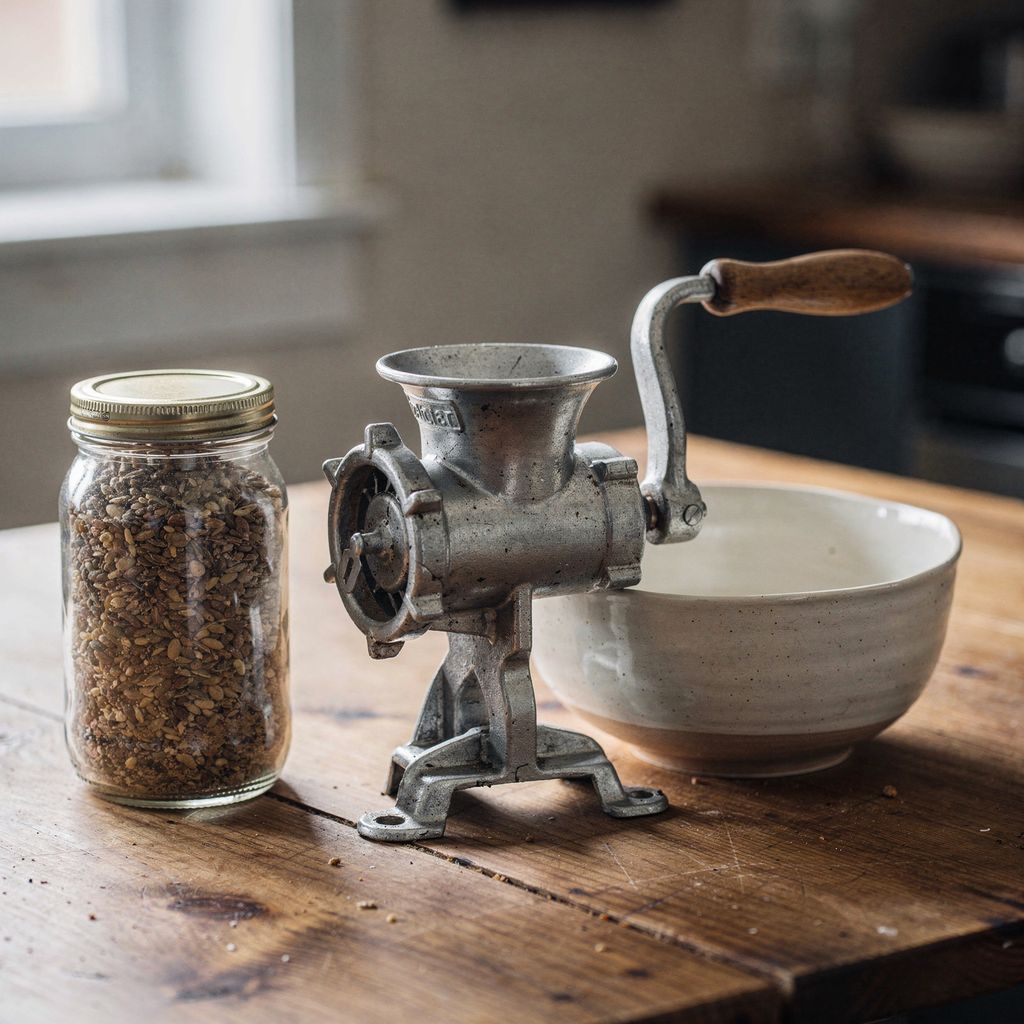
The best tool for grinding poppy seeds is a manual or electric poppy seed mill, though a coffee grinder will do the job too; a blender or chopper usually won't cut it.
A poppy seed mill has metal discs or rollers that crush the seeds rather than chopping them. This releases their oil, leaving the poppy seeds light, soft and at their most fragrant. It's the best choice for fillings.
A blade coffee grinder chops the seeds rather than crushing them. Grind in small batches (around 50 g/1.75 oz) using short pulses, otherwise the seeds heat up and turn into a paste. A spoonful of sugar from the recipe helps, as it breaks up the seeds and soaks up the oil.
An electric grinder with burrs or a conical grinding mechanism (like a spice grinder) grinds similarly to a dedicated poppy seed mill — just give it a thorough clean afterwards.
A blender or chopper mostly just spins the seeds around, leaving most of them whole. Not good enough for a filling.
Whatever you grind with, the poppy seeds need to be completely dry — damp seeds will clog the grinder and turn gummy. For an extra-fine filling (say, for a poppy seed roll or strudel), you can simply run it through the mill twice.
For a filling to cover one baking tray's worth of cake or two strudels, grind 250 g (9 oz) of poppy seeds; for a topping for 4 servings of noodles or dumplings, grind 100–150 g (3.5–5 oz).
Grind the poppy seeds right when you start baking, and only as much as you'll use straight away.
Grinding doesn't change the weight at all, so 250 g (9 oz) of whole poppy seeds gives you 250 g (9 oz) ground.
If you end up with leftover ground poppy seed, freeze it right away (see storage tips further below).
A soft, moist poppy seed filling comes from briefly simmering freshly ground poppy seeds in milk and letting them swell. A dry, crumbly filling almost always means the poppy seeds didn't get enough liquid, or didn't have time to absorb it.
Basic method:
Bring the milk to a boil. Work with a ratio of roughly 1:1 poppy seed to milk (for example, 250 g/9 oz poppy seeds to 250–300 ml/1–1¼ cups milk).
Stir in the ground poppy seeds, add 80–120 g (⅔–1 cup) sugar (per 250 g/9 oz of poppy seeds), and cook, stirring constantly, for 3–5 minutes, until the filling thickens and starts to pull away from the bottom of the pan.
Take it off the heat, stir in 20–30 g (1½–2 tbsp) butter plus your flavourings, and let it sit for at least 15 minutes. During this time the poppy seeds will soak up the remaining liquid.
Check the filling once it's cooled. It should be spreadable and slightly sticky, not runny. If it's too wet, stir in a spoonful of breadcrumbs or crushed sponge biscuits. If it's too stiff, add a splash more milk.
Only fill cooled or risen dough with the cooled filling — hot filling will make the dough soggy, and in yeasted dough it will kill off the yeast.
The most common ways to flavour a poppy seed filling are with lemon zest, vanilla, cinnamon, plum jam, rum-soaked raisins or honey.
Lemon or orange zest brightens the poppy seed and cuts through its earthiness.
Vanilla and cinnamon are classic for Christmas baking.
Plum jam (2–3 tbsp per 250 g/9 oz poppy seeds) sweetens the filling, makes it softer, and adds a gentle tang.
Rum-soaked raisins are almost essential for a poppy seed roll or strudel.
Honey used in place of some of the sugar gives the filling a deeper flavour and softer texture.
Grated apple adds moisture to a strudel filling.
For a lighter, more delicate filling, swap some of the milk for cream, or stir in a little curd cheese.
There are four main ways to use poppy seeds in the kitchen: as a topping, as a cooked filling, whole in batters, and in cookies instead of nuts.
Topping. Ground poppy seed mixed with sugar (roughly 2:1) and drizzled with melted butter. Perfect on noodles, dumplings and yeasted dumplings. Since it isn't cooked here, this is where freshness really shows.
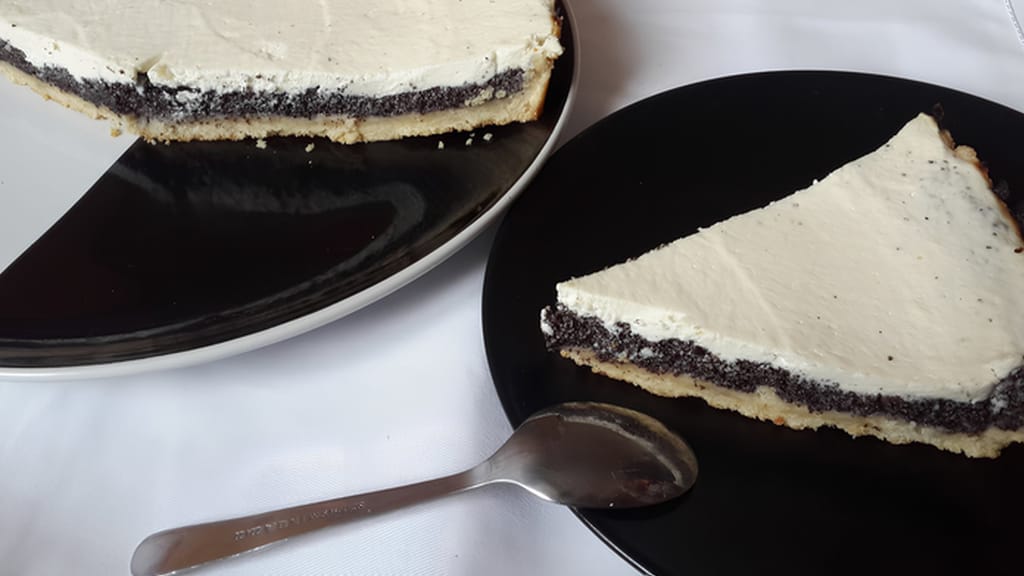
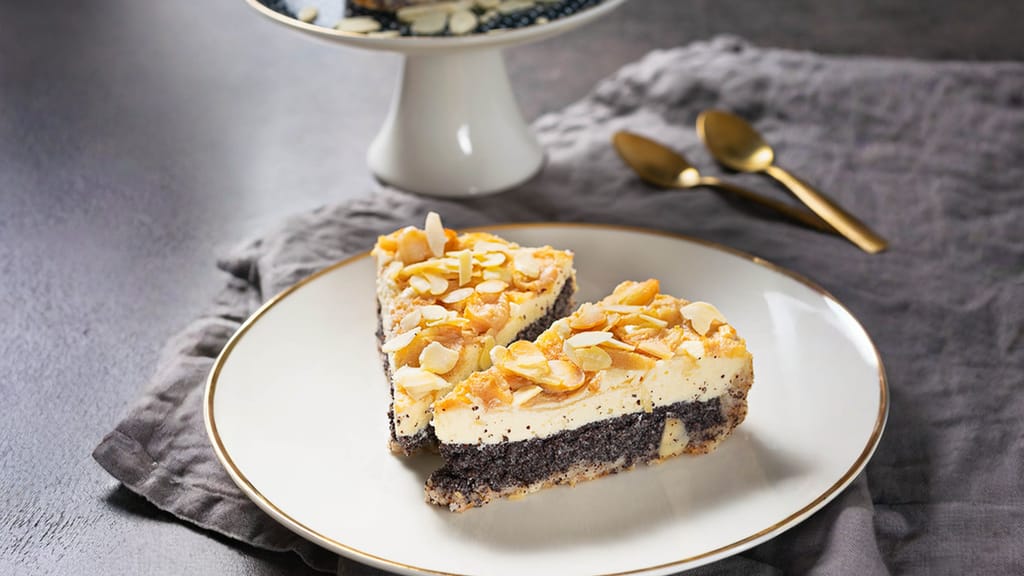
Cooked filling. Used in cakes, buns, strudel and poppy seed rolls — see the method above. It pairs beautifully with curd cheese: the cheese brings freshness and tang, the poppy seed brings earthy sweetness. Try this curd cheese and poppy seed cake.
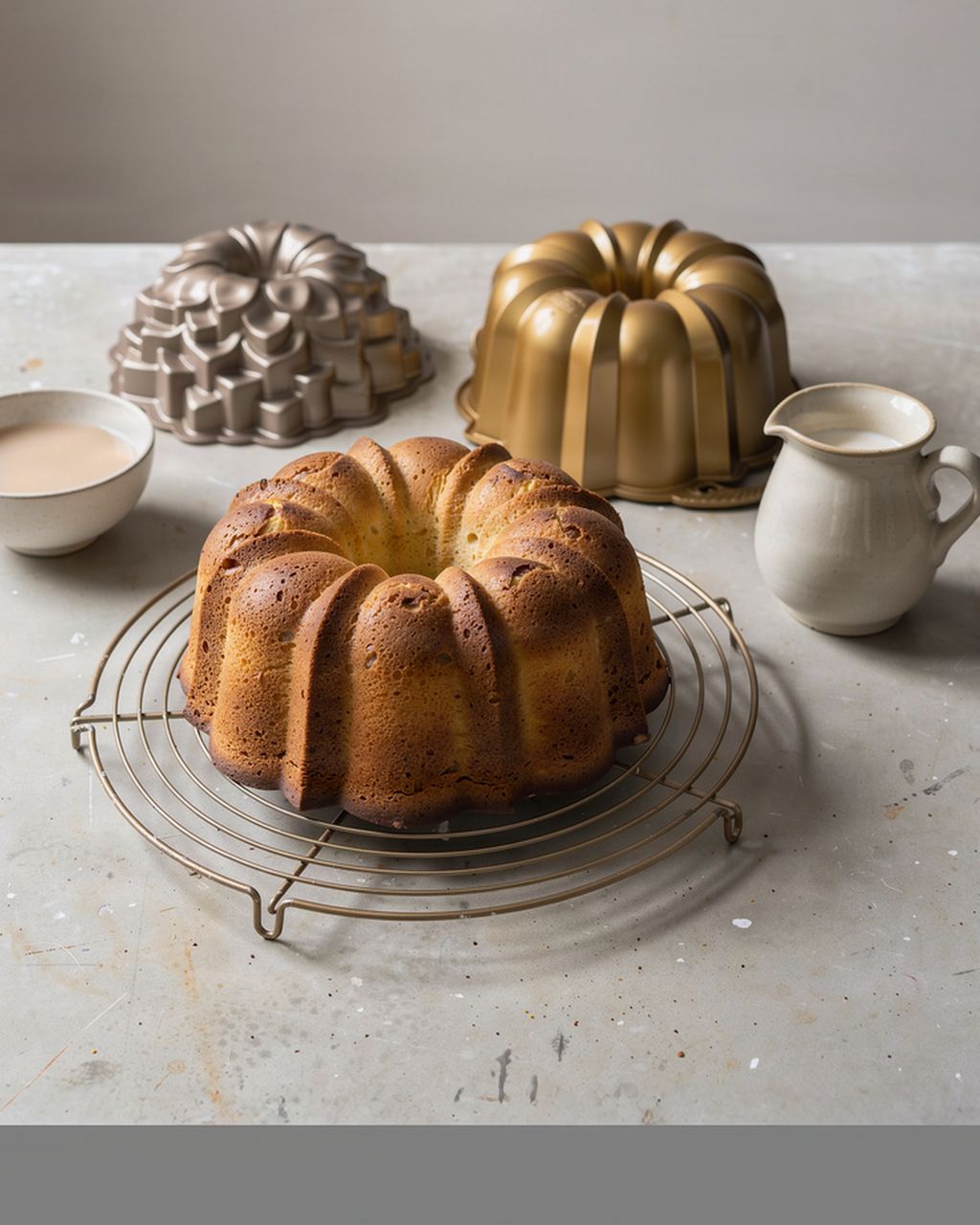
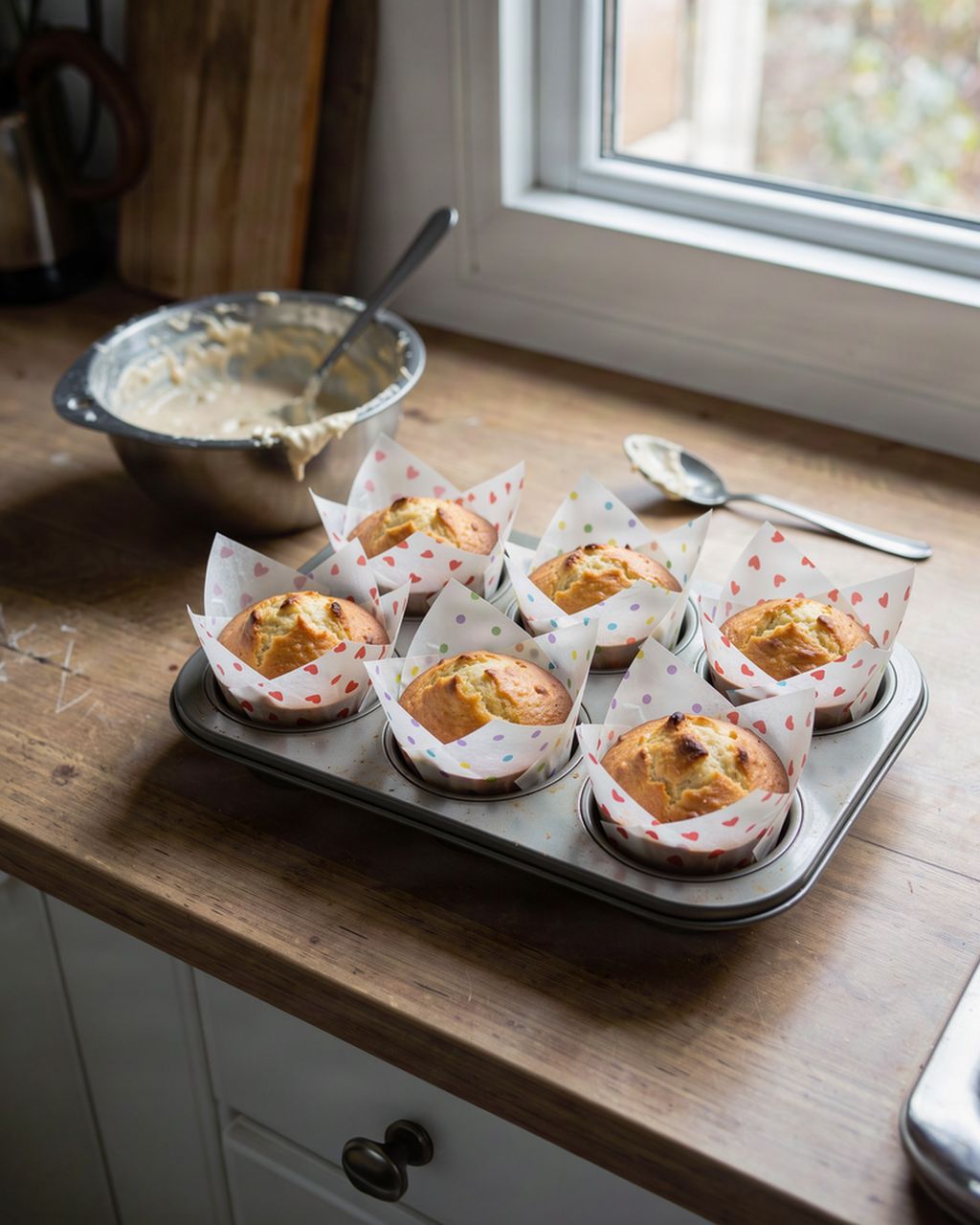
Whole poppy seeds in batter. For bundt cakes, muffins and cakes, the seeds aren't ground at all. Whole seeds add a bit of crunch and stay fresh longer. See it in action in this yogurt and poppy seed cake with pears.
Cookies. Ground poppy seed in dough can stand in for nuts in crescent cookies and thumbprint cookies. That said, it's not a safe substitute for anyone with a nut allergy: according to the scientific literature, poppy seeds can cross-react with hazelnuts and almonds, and are often processed in facilities that also handle nuts.
Cottage cheese and poppy seed cake
Curd cheese and poppy seed cake: a cooked poppy seed filling in practice
Yogurt & poppy seed cake with pears
Yogurt and poppy seed cake with pears: whole poppy seeds in batter
Keep whole poppy seeds somewhere cool, dark and dry in a well-sealed container. Ground poppy seeds belong in the freezer.
Whole poppy seeds: a jar or lidded container in the pantry or a cupboard away from the oven. This way they'll keep for months. If you have the space, storing them in the fridge will make them last even longer.
Ground poppy seeds: in the fridge in a sealed container for 2–3 days at most. In the freezer, in an airtight bag, for roughly 2–3 months. They thaw quickly and can go straight into the pan to cook.
Cooked filling: 2–3 days in the fridge, or up to 3 months in the freezer. For pre-Christmas baking, it's worth making a double batch and freezing half.
Poppy seeds for Christmas baking can be prepped well ahead of time. For help planning your schedule, see our calendar for when to bake Christmas cookies. You can also freeze finished dough and baked cookies — see how to freeze cookies and dough. For how long baked cookies keep, poppy seed ones included, check our guide to cookie shelf life by type. And for how to store them so they stay crisp, read how to store Christmas cookies.
Food-grade poppy seeds from the shop are safe for everyday baking. Poppy seeds can contain trace amounts of opiate alkaloids (mainly morphine), which is why, since July 2022, the EU has set a limit of 20 mg/kg (expressed as morphine equivalents; now set out in Regulation (EU) 2023/915). Czech blue poppy seed comes from food-grade varieties bred for a low alkaloid content in the seed pod.
According to EFSA (2018), processing — washing, soaking, cooking, grinding — can lower alkaloid levels by 25–100%. A cooked poppy seed filling therefore contains fewer alkaloids than a raw topping.
If you want to reduce the alkaloid content further, blanch the poppy seeds briefly in hot water before grinding, drain them through a fine sieve, and let them dry completely. Only grind them once they feel dry to the touch.
This is general food information, not medical advice; for young children, check with your paediatrician.
You can rescue slightly stale poppy seeds by cooking them, but truly bitter ones are beyond saving. If the poppy seeds just taste a bit flat or stale, simmer them in milk and add extra lemon zest, plum jam or honey to boost the flavour. If they're genuinely bitter, nothing will help — leave them out of the cake altogether.
You don't have to toast poppy seeds for a topping, but a quick toast in a dry pan will bring out their nutty flavour. For a cooked filling, this step isn't needed.
You can replace the milk in a poppy seed filling with a plant-based milk, such as oat or almond, or with water plus a little butter. The ratio and cooking time stay the same. Oat milk has a natural sweetness, so you can cut back slightly on the sugar. Water will give a less creamy result, but jam or honey will make up for it.
Blue, grey and white poppy seeds differ in colour and in how strong their flavour is: blue is the most intense, grey is milder, and white is almost neutral. Blue poppy seed is the classic choice for sweet baking in the Czech Republic, and grey is used the same way. White poppy seed is mainly found in Indian and Asian cooking, where it's used to thicken sauces, and it isn't suited to Czech-style poppy seed fillings.
A poppy seed cake with a cooked filling keeps for 2–3 days at room temperature, covered with a tea towel or in an airtight container. Don't keep it at room temperature any longer, since a milk-based filling spoils faster in the warmth. For longer storage, slice it, wrap the pieces individually, and freeze for roughly 2–3 months; thaw at room temperature, uncovered.
One recipe worth heating the oven for, one tip, and one deal from the shop. Nothing else.