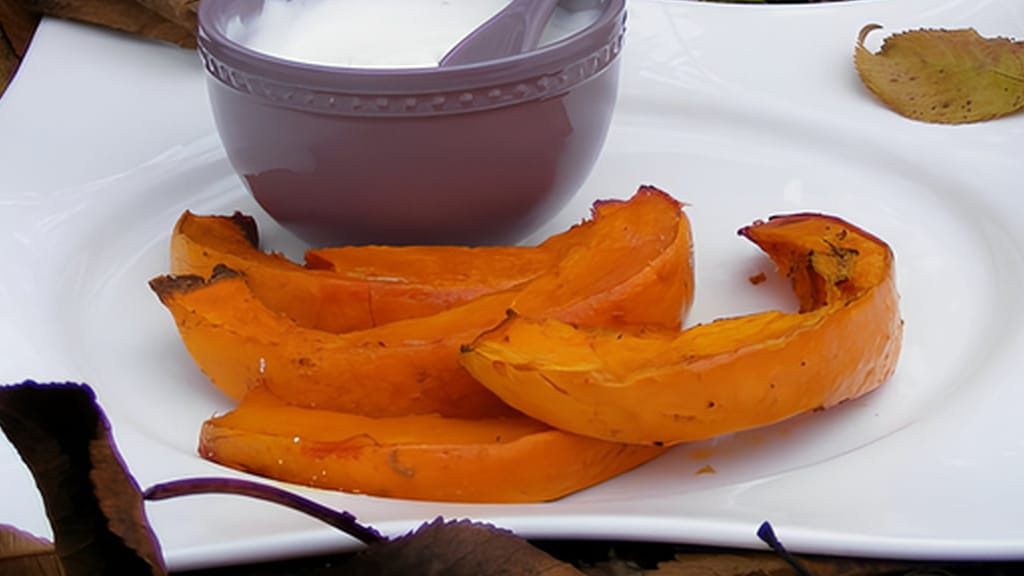
Hellishly spicy roasted pumpkin
How to Store Pumpkin So It Lasts Longer: Curing, Temperature & Cut Pumpkin
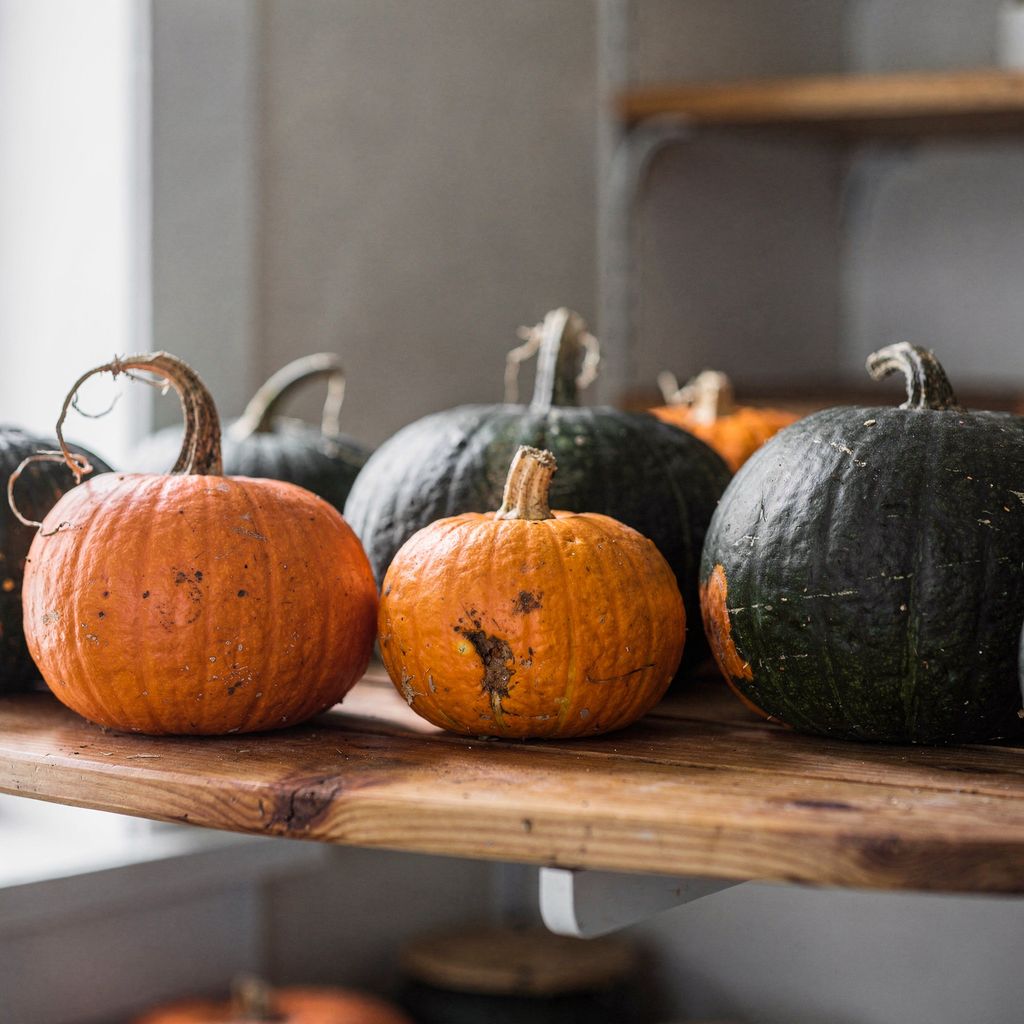
Updated Oct 6, 2026
How to store pumpkin: keep a whole one dry at 50–55°F (10–13°C) and 50–70% humidity, where most varieties will last 2–3 months. Once cut, wrap it, refrigerate, and use it within 1–2 days. Three things matter most: an unbroken skin, the right temperature, and air circulation. Below you'll find how to cure a pumpkin after harvest, where to keep it in your home, how long a cut pumpkin stays good, and how to freeze it. The figures come from the USDA, its Food Safety and Inspection Service (FSIS), the FDA, and US university extension services.
A whole pumpkin lasts for months, a cut one for days. Here are rough storage times:
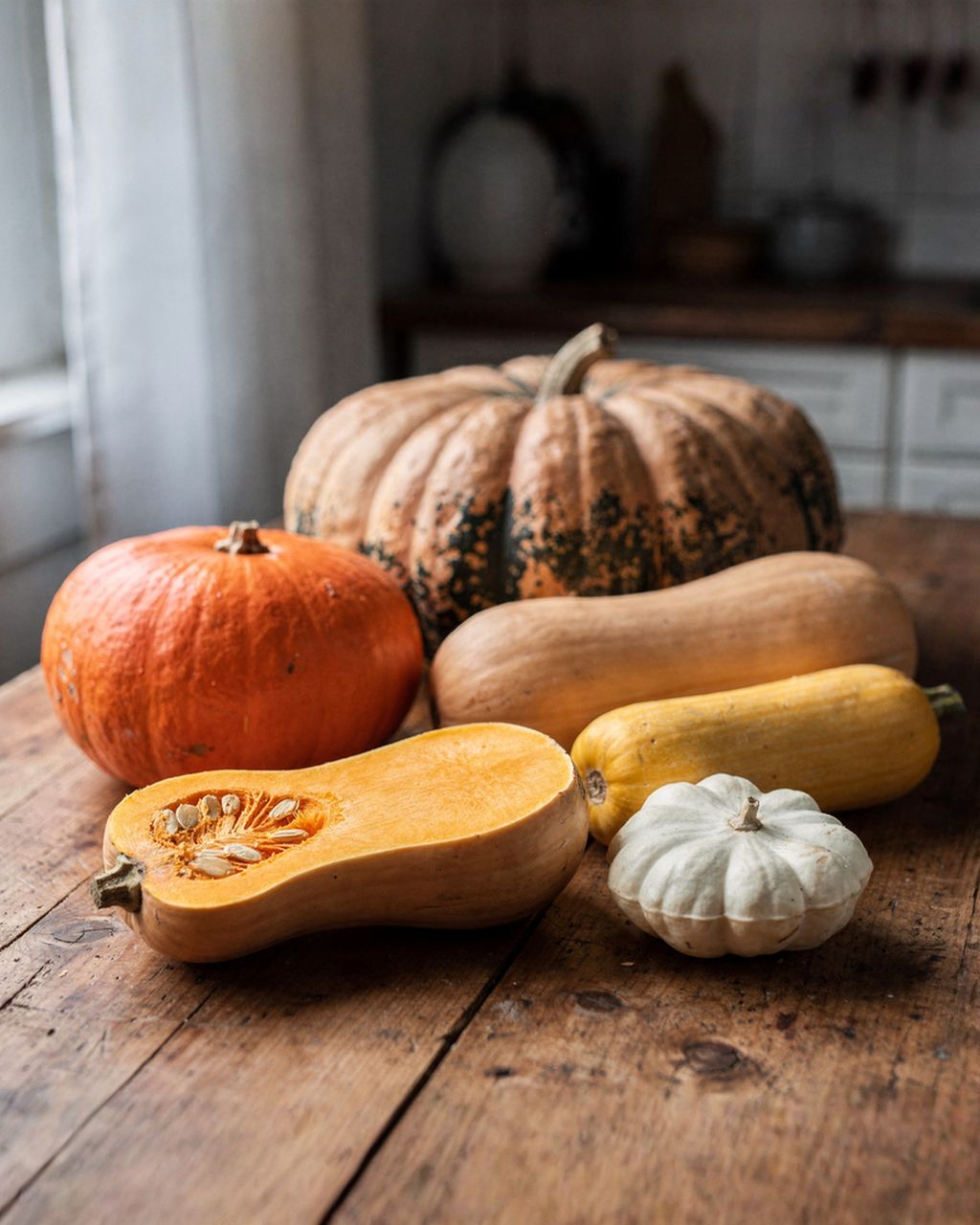
Whole raw pumpkin, 50–55°F (10–13°C), dry conditions: most pumpkins keep for 2–3 months. Butternut squash also lasts 2–3 months, acorn squash 5–8 weeks, and a good-quality hubbard squash up to 6 months (USDA, Agriculture Handbook 66).
Cut raw pumpkin in the fridge (39°F/4°C or below): 1–2 days. Throw out anything you haven't used by then (Colorado State University Extension).
Cooked pumpkin (roasted, boiled, puréed, or as soup) in the fridge: 3–4 days (University of Illinois Extension for pumpkin purée, FSIS for leftovers generally). Refrigerate it within 2 hours of cooking.
Frozen pumpkin at −18°C (0°F): best quality for up to 4 months (Colorado State University Extension). Kept consistently at 0°F (−18°C), it's safe indefinitely according to FSIS, though it will gradually lose flavor and texture.
Raw and cooked pumpkin have different storage times, so don't mix them up. Cooked pumpkin follows the rules for prepared food, not for raw produce.
Curing means letting freshly harvested pumpkin sit for 10–20 days at 75–81°F (24–27°C) so the skin hardens. This makes the pumpkin much more resistant to rot. These conditions come from the USDA's Agriculture Handbook 66.
How to do it:
Harvest carefully, in dry weather. According to the USDA, rot is the main cause of storage losses, and mold gets in through cuts and bruises. Don't toss the pumpkin around or carry it by the stem.
Let it finish drying somewhere warm. In practice that means a sunny spot under a roof, an enclosed porch, or a warm room with good airflow. The pumpkins shouldn't be touching each other.
Know when it's done. The skin should be hard enough that you can't dent it with a fingernail, and the stem should be dry and woody.
Not every pumpkin needs curing. Research cited by the USDA found no benefit for butternut or hubbard squash, though curing didn't hurt them either. For acorn squash (the 'Table Queen' variety), curing in warmth actually caused harm — it worsened color, texture, and flavor, and the squash spoiled faster afterward. So put acorn squash straight into cold storage.
Don't bother curing a pumpkin you've bought. Just pick one with no cracks or soft spots and a whole, dry stem.
Store a whole pumpkin at 50–55°F (10–13°C) and 50–70% relative humidity, somewhere dry with air circulating around it. This is the USDA's recommendation, and both limits matter:
Below 50°F (10°C), pumpkins suffer chilling injury. Sunken pits appear on the skin, the flesh loses flavor, and once it's brought back into warmth it tends to rot easily. At 41°F (5°C), the USDA notes this damage shows up after about a month, sooner or later depending on the variety. That's why the fridge (39°F/4°C or below) isn't the right place for a whole pumpkin.
At 59–68°F (15–20°C), green varieties turn yellow and the flesh gets stringy. A short stay in the kitchen is fine, but pumpkins shouldn't be kept there over winter.
Above 70% humidity it rots; below 50% it loses moisture quickly and shrivels.
In a home, the best spots are an unheated pantry, cellar room, cool hallway, or stairwell. A basement works only if it's dry — a damp basement will make pumpkins moldy fast.
Keep whole pumpkins in a single layer with gaps between them, on a dry surface, unwashed and away from apples, and check them weekly. In more detail:
Single layer, with gaps. Rot spreads wherever pumpkins touch each other.
On wood, cardboard, or a rack — not on a cold, damp floor. Air needs to circulate from underneath too.
Don't wash them. The surface should stay dry, since moisture on the skin helps mold take hold. Wash the pumpkin only right before cutting it.
Keep away from apples. Apples give off ethylene gas, and according to the USDA, this causes dark-green pumpkins (like hubbard) to turn yellow and can make the stem drop off less-ripe ones.
Check weekly. Pull out and use any pumpkin that's starting to soften right away — rot from one spoiling pumpkin spreads to the others in storage.
Cut raw pumpkin keeps for 1–2 days in the fridge, and cooked pumpkin for 3–4 days. The figure for raw cut pumpkin comes from Colorado State University Extension, the one for pumpkin purée from University of Illinois Extension, and it matches FSIS guidance on leftovers generally. The fridge should be at 39°F (4°C) or below.
To make cut pumpkin last as long as possible:
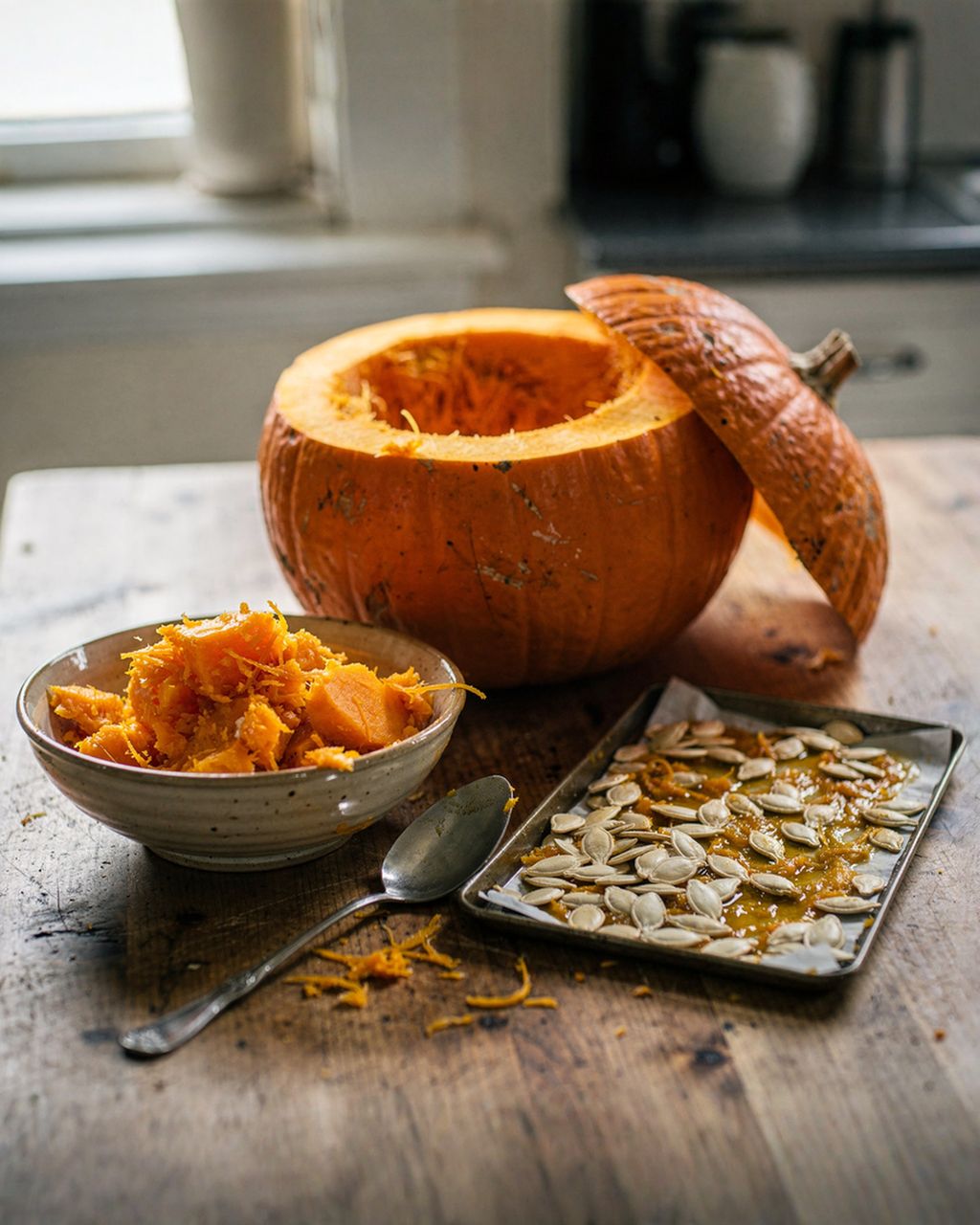
Scoop out the seeds and stringy fibers. The damp fibers turn slimy first.
Cover the cut surface with plastic wrap, or store pieces in a sealed container. This keeps the flesh from drying out or picking up fridge odors.
Don't leave cut pumpkin sitting on the counter. Cut vegetables need to go into the fridge within 2 hours, the same as cooked food (FDA).
Cool cooked pumpkin quickly. Split a big pot of soup into smaller containers so it cools down faster.
The quickest way to use up a cut pumpkin is in soup or roasted on a sheet pan. Try fiery hot roasted pumpkin, or make a creamy pumpkin soup.
Hellishly spicy roasted pumpkin
Fiery hot roasted pumpkin – a fast way to use up a cut pumpkin
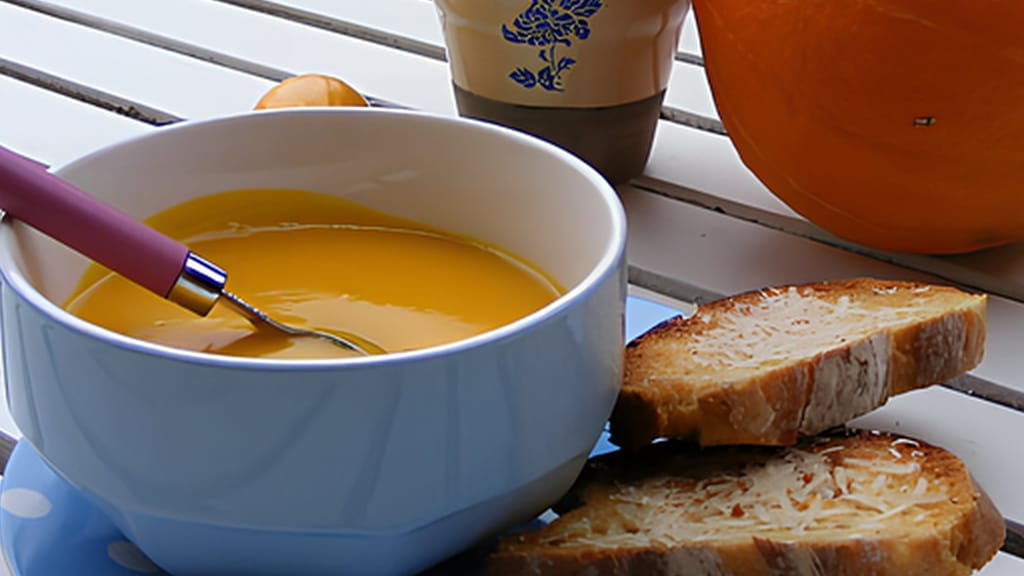
Pumpkin soup – the tastiest soup in autumn colours
Creamy pumpkin soup – the best way to make the most of a cut pumpkin
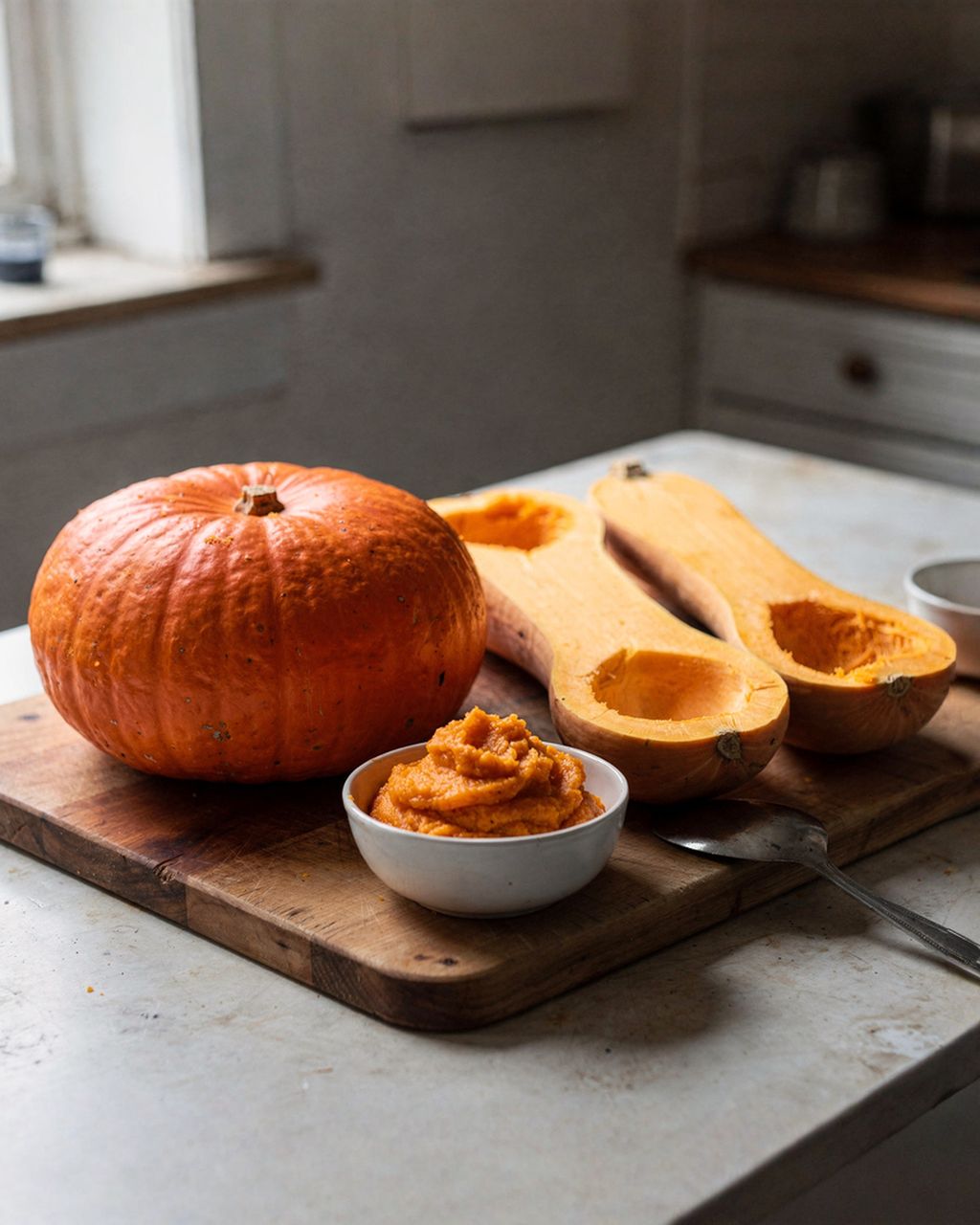
Freeze pumpkin only after cooking it: roast or boil it until soft, mash it, cool it quickly, and pack it into containers. This is the method recommended by the US National Center for Home Food Preservation (NCHFP):
Peel the pumpkin, or roast it in its skin. Scoop out the seeds and cook, steam, or roast the flesh until soft.
Mash it or blend it into a purée.
Cool it quickly. Set the pot in cold water and stir.
Fill containers or bags, leaving about 1/2 inch (1–1.5 cm) of headspace, since purée expands as it freezes.
Label and freeze at 0°F (−18°C). For best quality, use within 4 months (Colorado State University Extension).
You can also freeze raw cubes, just keep in mind they'll release water and turn soft once thawed, so they're only good for soup or purée afterward. For how purée works in baking and how to reduce its water content, see the article Pumpkin in Baking.
Throw a pumpkin out if it's soft and caved in, leaking liquid, moldy, or smells sour or fermented. Warning signs by condition:
Whole pumpkin: a soft, dark, or watery spot that gives when pressed; a moldy or rotting stem. If a pumpkin has gone soft somewhere, cut it open right away — if the flesh beneath that spot is still firm and healthy, use the rest immediately.
Cut raw pumpkin: a slimy or sticky surface, gray or white fuzz, a sour smell, or edges that look glassy and translucent.
Cooked pumpkin and soup: anything older than 3–4 days in the fridge, regardless of how it looks or smells.
If cut pumpkin has mold, throw the whole piece away. The same goes for cooked pumpkin and purée with mold — always discard it, since mold in soft food can spread deeper than what's visible (FSIS).
A baked pumpkin pie keeps for 3–4 days in the fridge and 1–2 months in the freezer, and no more than 2 hours at room temperature. These times come from the FoodKeeper database (USDA/FSIS). Since the filling contains eggs and milk, even a baked pie needs to go into the fridge once it's cooled. You could use your pumpkin to bake something like a [pumpkin-chocolate filled cake](/cs/recipes/kolac-s-dynovo-cokoladovou-naplni--565fa60a-524f-43b7-916c-cdc7f9f919c9).
Don't eat a carved Halloween pumpkin that's sat cut open for more than 2 hours in the warmth, or for several days outdoors. Per FDA guidance, cut vegetables should go into the fridge within 2 hours at the latest. So cook or refrigerate the scooped-out flesh as soon as you carve it, not after Halloween is over. Small decorative gourds should never be eaten. They're not grown for eating and can be bitter from compounds called cucurbitacins.
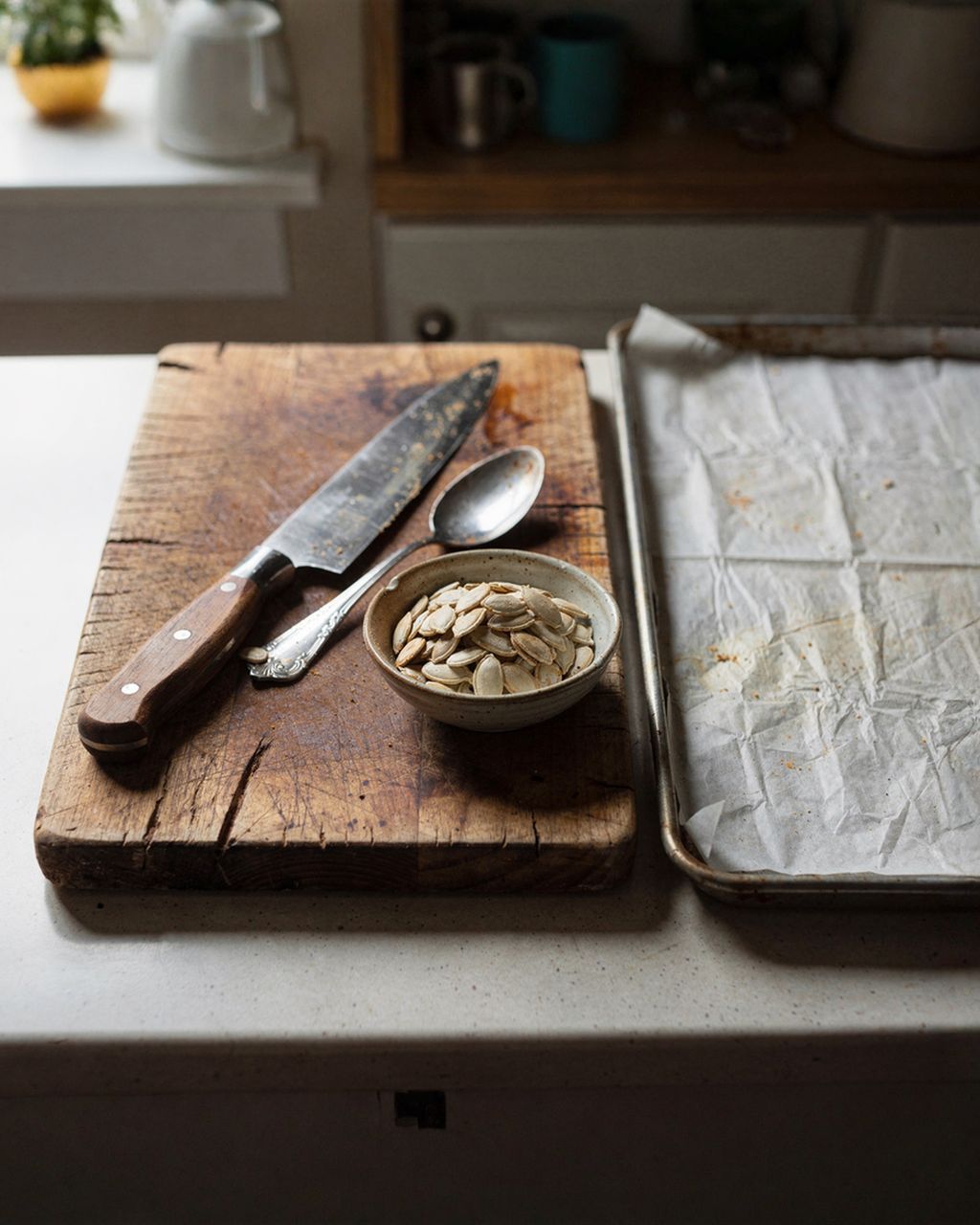
Dried or roasted pumpkin seeds keep for no more than 10–14 days in a sealed container in the fridge; freeze them for longer storage. This is the guidance from the University of Alaska Fairbanks Cooperative Extension. Left at room temperature, seeds will eventually turn rancid, according to the University of Illinois Extension, since they're high in fat. Throw out any seeds that are rancid, bitter, or smell sour.
A pumpkin can stay on a balcony only in autumn, as long as temperatures stay above 50°F (10°C). Once it gets colder than that, bring it inside. Chilling damages it even above freezing, and frost will ruin the flesh completely, causing it to go soft and rot once it thaws. If you keep a pumpkin on a balcony, shield it from rain and don't set it directly on cold paving.
One recipe worth heating the oven for, one tip, and one deal from the shop. Nothing else.