The best honey gingerbread cookies
Gingerbread Christmas Tree Ornaments: How to Bake Them So They Last and Don't Snap on the Ribbon

Updated Oct 15, 2026
Gingerbread ornaments last and don't crack when you bake them from a sturdier honey dough, roll it 5–6 mm (about ¼ inch) thick, punch the hole at least 1 cm (⅜ inch) from the edge before baking, and hang them on ribbon rather than thin thread. A gingerbread ornament on a branch breaks less because of the recipe and more because of simple physics: thin dough, a hole too close to the edge, and a thread that cuts through like wire. Below you'll find the full method, a comparison of icings, and how long these cookies stay edible before they become decoration only.
For the tree, you want a sturdier honey dough that hardens after baking, not soft, squishy gingerbread. Soft dough is lovely to eat, but it will tear around the hole once it's hanging on a ribbon. Honey also draws moisture from the air, so a soft cookie on a branch only gets softer.
For hanging: a classic honey dough that is left to rest and can be decorated after baking. Our best honey gingerbread makes a good base.
For the cookie tin: soft honey gingerbread that stays tender. It tastes wonderful, but it's too soft for the tree.
It works best to make two batches: a firmer one for the branches and a softer one for the tin on the table.
The best honey gingerbread cookies
Best Honey Gingerbread – a Base Dough for Christmas Tree Ornaments
Roll gingerbread ornaments to 5–6 mm (about ¼ inch). A thinner 3–4 mm cookie snaps easily on its ribbon, while a thicker one is heavy and weighs down the branch.
Size: roughly 6–8 cm (2½–3 inches). A bigger cookie weighs more and puts more strain on the area around the hole.
Shape: choose compact shapes such as a star, heart, bell or round bauble. Shapes with a narrow neck, like reindeer antlers or thin legs, break in exactly that spot.
Even thickness: a rolling pin with spacer rings or two guide strips on either side ensures the whole tray bakes evenly.
Make the hole before baking, at least 1 cm (⅜ inch) from the edge, in the widest part of the cookie. Then punch it through again as soon as the cookies come out of the oven.
With what: a sturdy straw or a wide piping tip, so the hole is about 5–6 mm across in the raw dough. The dough puffs up as it bakes and the hole shrinks.
Where: above the cookie's center of gravity, so it hangs straight. On a star, pierce near one point, but not in the tip itself, where the dough is thinnest.
After baking: while the cookie is still hot and soft, run a skewer or straw through the hole again. Once it cools, a piece would break off around it.
A small hole right at the edge won't hold up on a branch, because all the weight is carried by the thin strip of dough beneath it.
Bake them at 170–180 °C (340–355 °F) until the edges darken slightly (usually 8–12 minutes for 5–6 mm cookies, depending on your oven), then let them air-dry for 1–2 days on a wire rack before you decorate and hang them.
Color is your guide: take the cookies out when the edges are a shade darker and the center is no longer shiny. A pale center stays soft.
Cooling: leave them on the tray for 5 minutes to firm up, then move them to a rack. On the tray they would steam underneath.
Drying: over a day or two in the open air, the cookies harden further. Only then add the icing. If you decorate them while still damp, the icing may flake off.
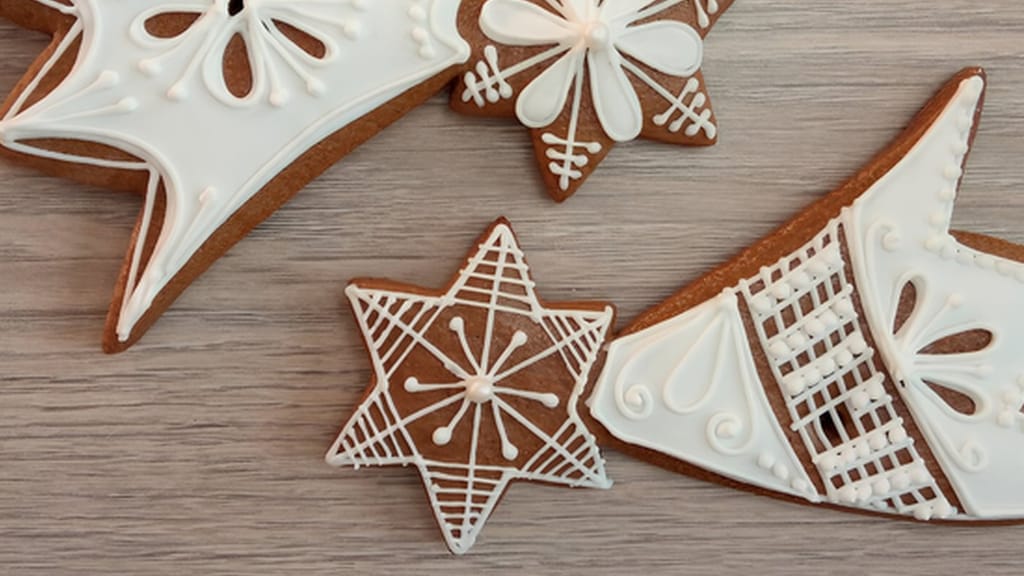
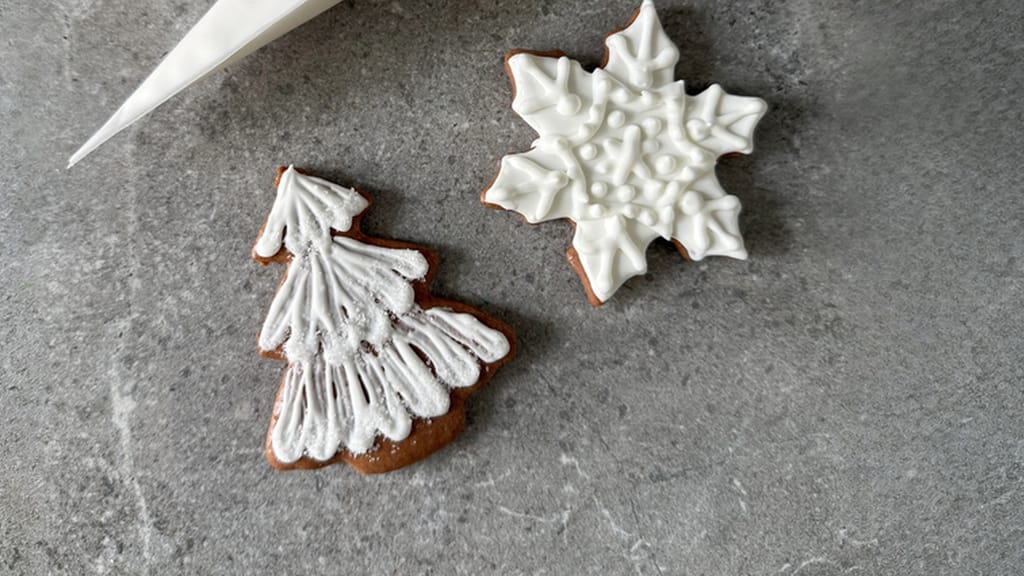
For ornaments that will hang, royal icing is the best choice, because it dries hard, isn't sticky and doesn't drip. The other options are either too soft or melt in the warmth. You'll find the full outlining and flooding technique in our guide to decorating gingerbread step by step. Here's an honest comparison:
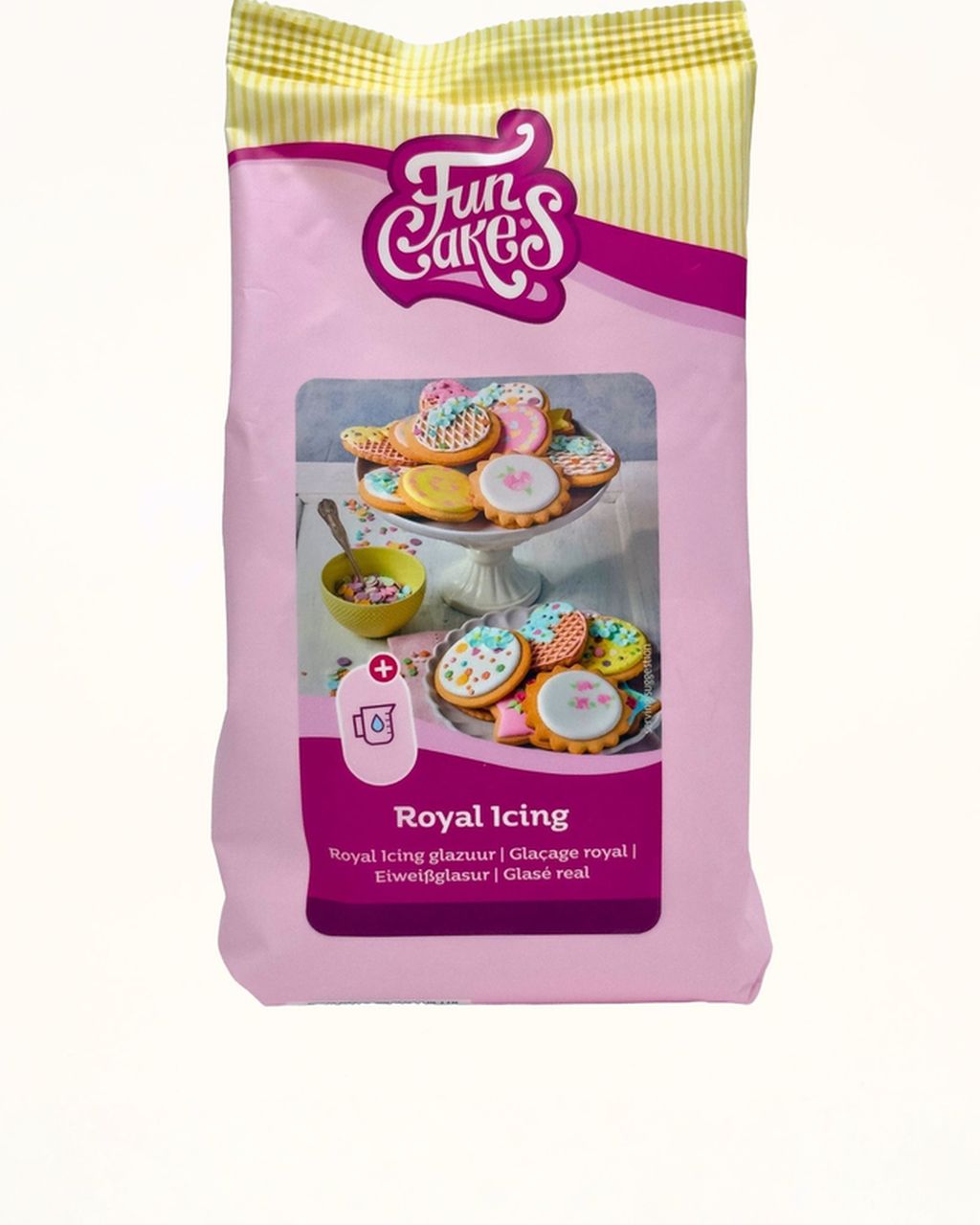
Ready-made royal icing mix: FunCakes royal icing, for example, contains dried egg white, so you don't have to deal with raw eggs. According to the manufacturer, you mix 450 g of the mix with 55 ml of water for a stiff consistency, then add 1–2 teaspoons of water at a time for flooding. It turns out the same every time, but you pay for the convenience.
Homemade icing from egg white and powdered sugar: it's the cheapest option and works just as well. You'll find the method in our royal icing for Christmas cookies recipe. The USDA FSIS recommends using pasteurized eggs or pasteurized egg whites in recipes that call for raw egg, especially when children will be eating the cookies.
Lemon or water icing: it doesn't set hard, stays sticky and attracts dust. Not suitable for the tree.
Chocolate: in a warm room near a radiator it softens and leaves marks on the ribbon. It's better on cookies for the gift box.
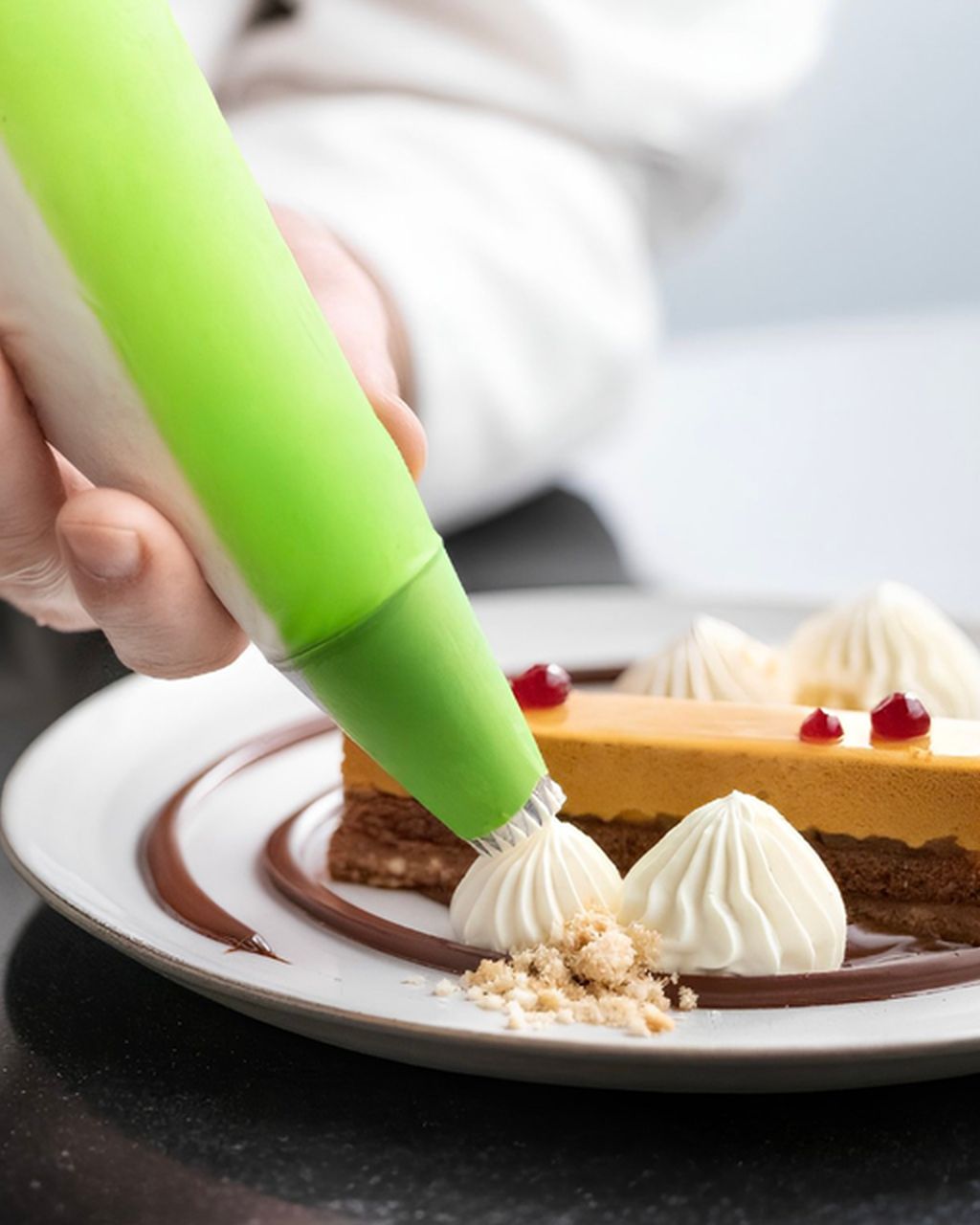
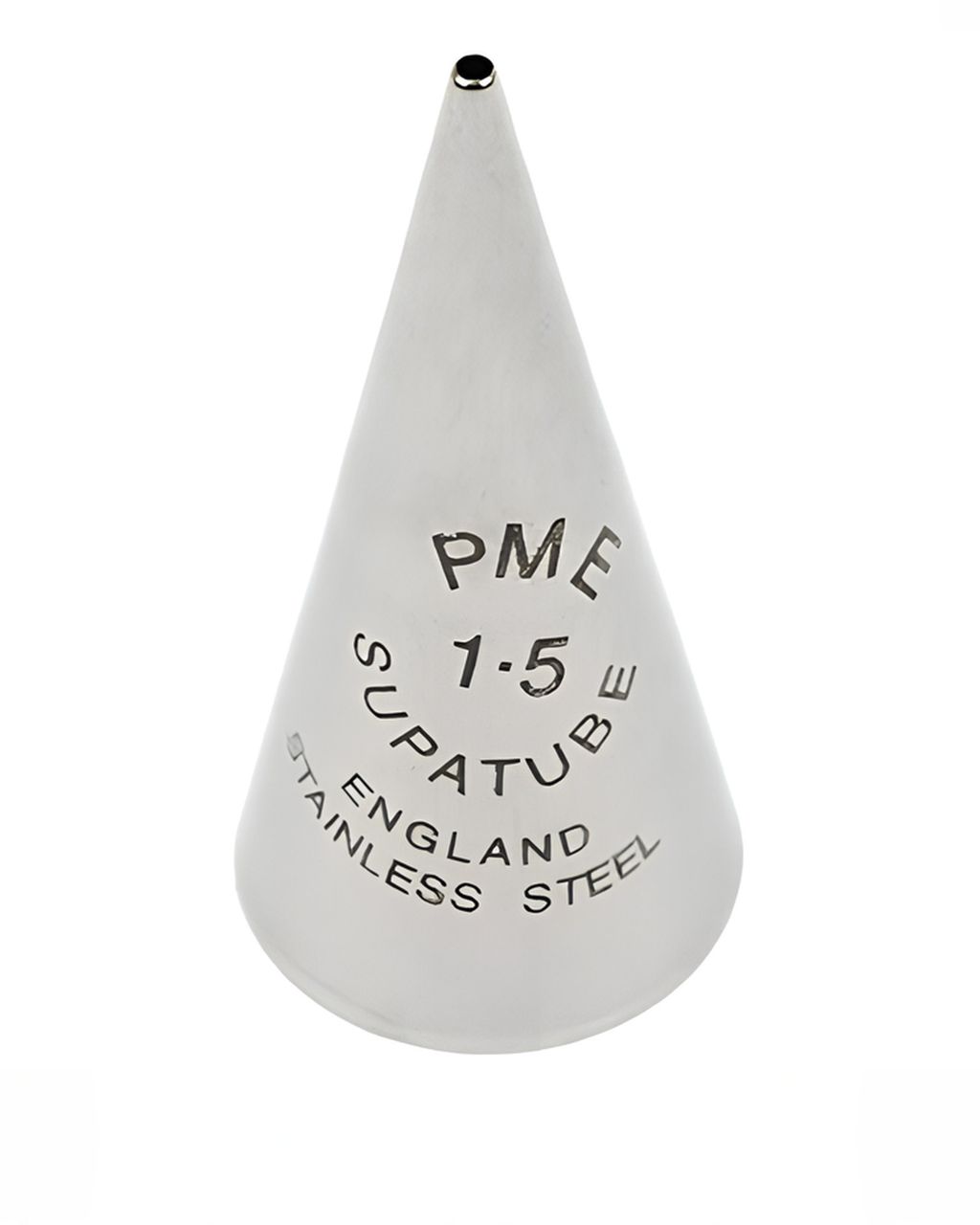
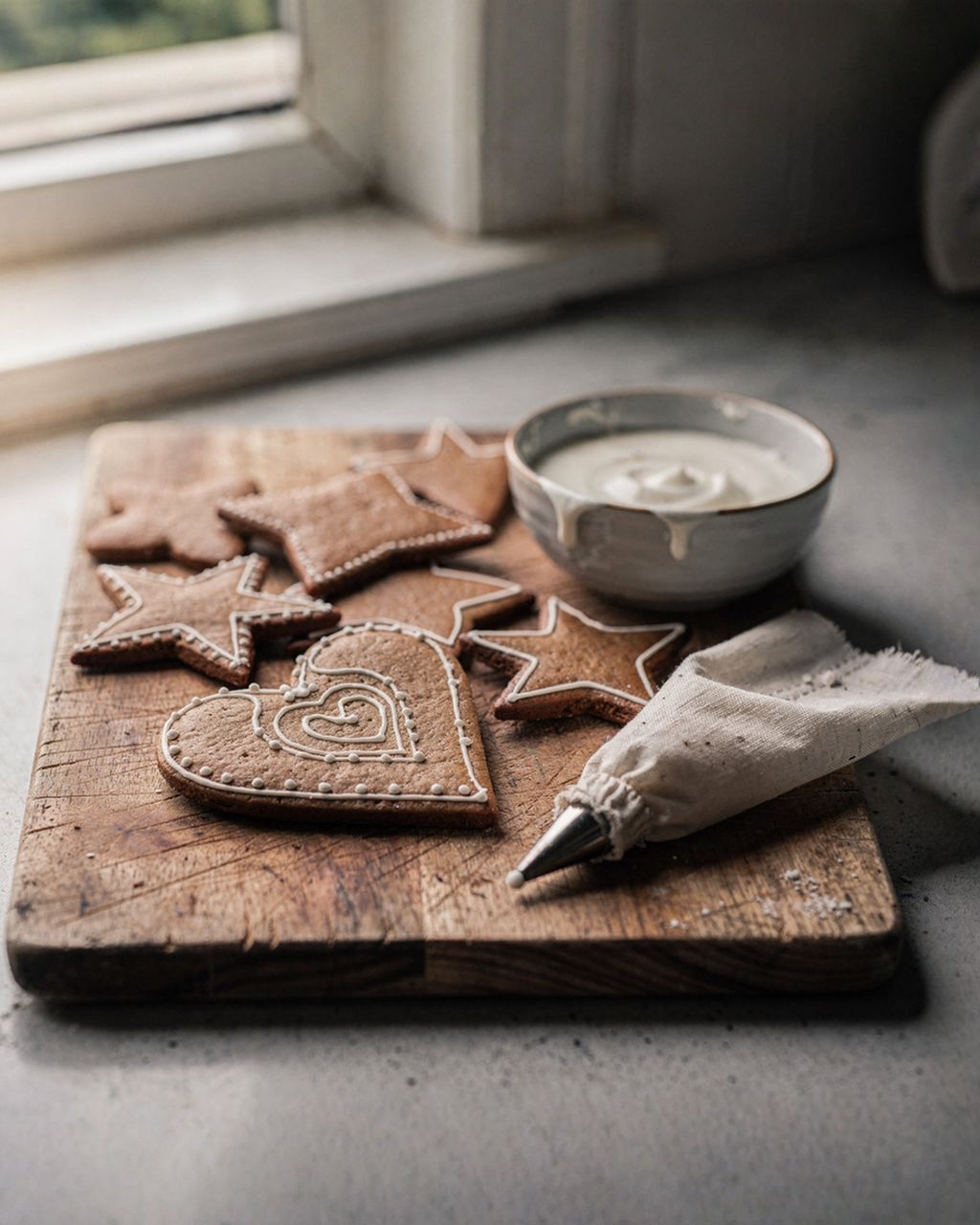
Tools: for outlines and fine lettering, use a One Way piping bag with a PME Supatube writing tip no. 1.5, which makes a clean line about a millimeter wide. An ordinary plastic bag with the corner snipped off works too. It costs nothing, but the line tends to be uneven and the corner can tear. Once your gingerbread is finished, have a look at more Christmas cookie recipes.
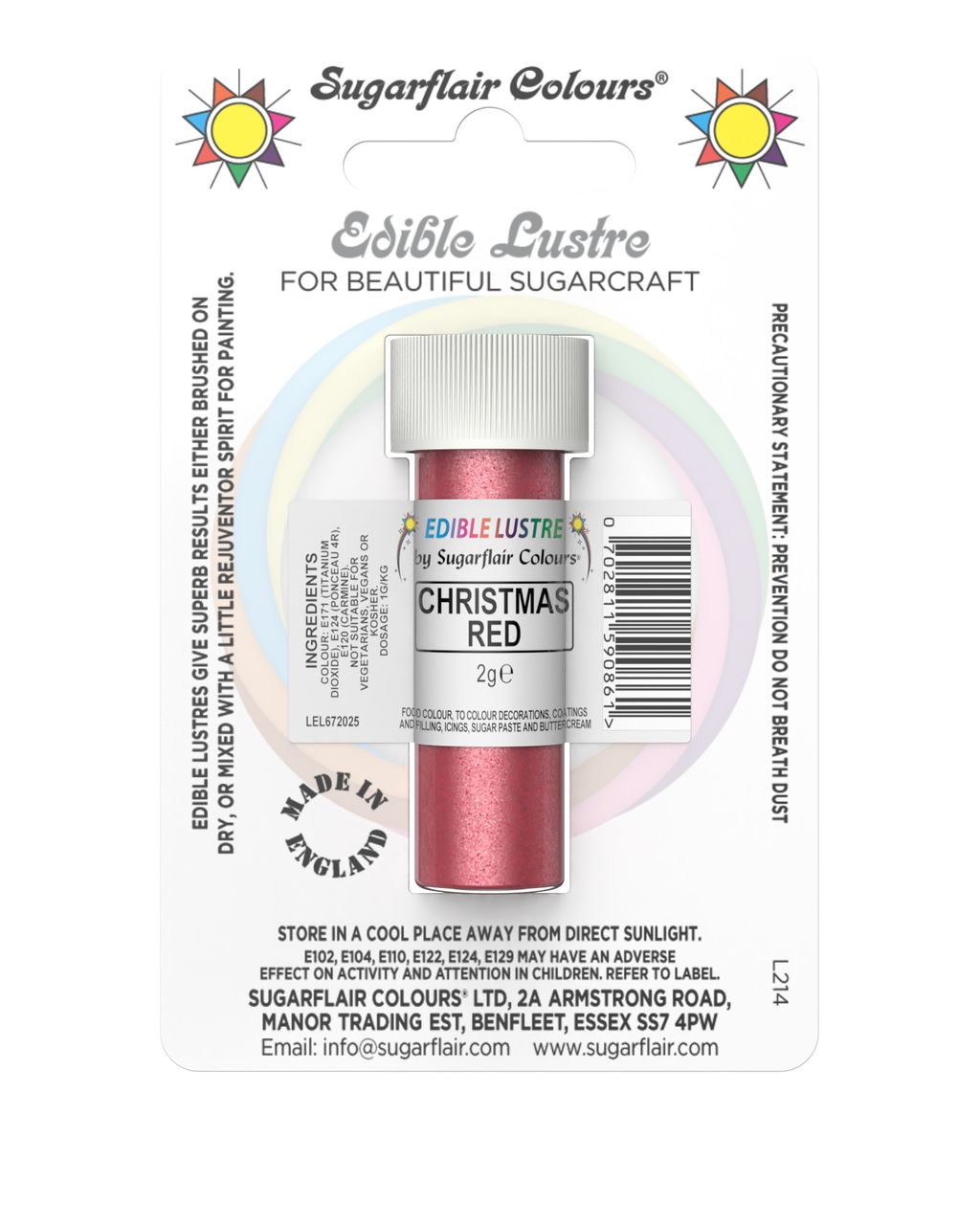
Sparkle: edible dusts such as Sugarflair (in the EU these are now sold only without E171) are brushed onto dry icing. Look for a note on the packaging saying it is an edible food product. The UK's Food Standards Agency warns that glitter labelled only \"non-toxic\" or \"food contact safe\" is not meant to be eaten.
Royal icing for christmas cookies: the base for flawless decorating
Royal Icing for Christmas Cookies – Homemade Icing for Decorating Gingerbread Ornaments
Hang the cookie on a ribbon or string 3–6 mm wide, not on thin thread. Thin thread concentrates the whole weight on a single line and, over time, cuts into the gingerbread like a wire.
How to thread it: pull the ribbon through the hole, tie both ends into a loop above the cookie, and keep the knot at the top, not in the hole.
When to thread it: only once the icing has dried completely. Otherwise the ribbon will leave a groove in the icing.
Where to hang it: put heavier pieces on stronger branches closer to the trunk, and keep all the gingerbread away from radiators and candles. In warm, dry air the cookies crack more, and in kitchen steam they go soft.
Treat a gingerbread cookie that hangs freely on the tree as a decoration. Only gingerbread kept in an airtight tin stays edible for 2–3 weeks. Here are the exact figures and their sources:
Prepared royal icing: keep it in a covered container in the fridge and use it within 24 hours (FunCakes, the manufacturer of the mix).
Decorated gingerbread with dry icing: the same shelf life as the baked cookie itself applies (FunCakes).
Homemade cookies and gingerbread: 2–3 weeks at room temperature in an airtight container (according to the University of Nebraska–Lincoln Extension food storage chart; the USDA FSIS FoodKeeper app gives the same figure).
Frozen, ideally undecorated: 6–12 months in the freezer (University of Nebraska–Lincoln Extension).
Gingerbread on the tree: none of these sources gives a shelf life for baked goods that hang uncovered for weeks in a warm room and collect dust. If you want to eat gingerbread after Christmas, bake a second batch and keep it in a tin.
It's more reliable to freeze them undecorated and decorate after thawing. They keep in the freezer for 6–12 months (University of Nebraska–Lincoln Extension). If you do freeze them decorated, thaw them in a closed tin. That way, any water droplets that form on the container don't drip onto the icing and dissolve it.
Gingerbread ornaments go soft because the honey in the dough draws moisture from the air, especially in the kitchen or near the stovetop. You can dry undecorated cookies in the oven at 100–120 °C (210–250 °F) for 5–10 minutes before decorating, then let them cool on a wire rack. Move decorated ones to a drier room, and next time roll the dough 5–6 mm thick.
Don't save edible gingerbread ornaments for next year. Homemade gingerbread stays edible for 2–3 weeks at room temperature in an airtight tin (University of Nebraska–Lincoln Extension; USDA FSIS FoodKeeper gives the same figure). If you want a keepsake ornament for next year, seal it with a varnish, and from that moment it is decoration only, not food. Store it in a box layered with paper, in a dry place.
No. Gingerbread ornaments meant to be eaten should only get glitter labelled as edible. The UK's Food Standards Agency warns that products labelled only "non-toxic" or "food contact safe" are not meant to be eaten. Look for a food label and ingredient list on the packaging, like the edible dusts from Sugarflair (in the EU these are now sold only without E171).
One recipe worth heating the oven for, one tip, and one deal from the shop. Nothing else.